
By MARIA FEONA IMPERIAL
WITH over four million Filipino voters facing possible disenfranchisement, a coalition of government agencies and civil society organizations launched a campaign to promote voters’ education less than a year before the 2016 presidential polls.
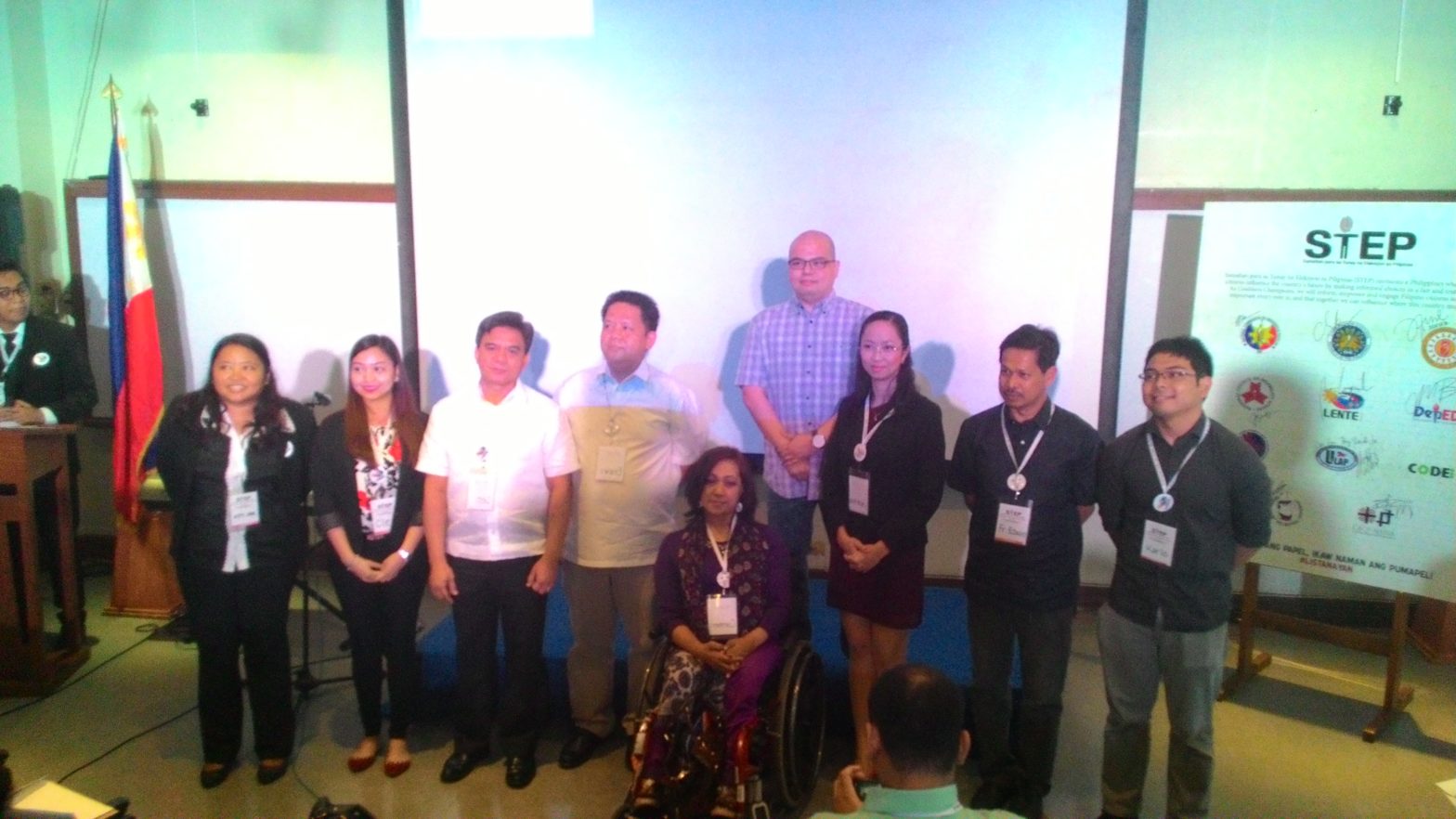
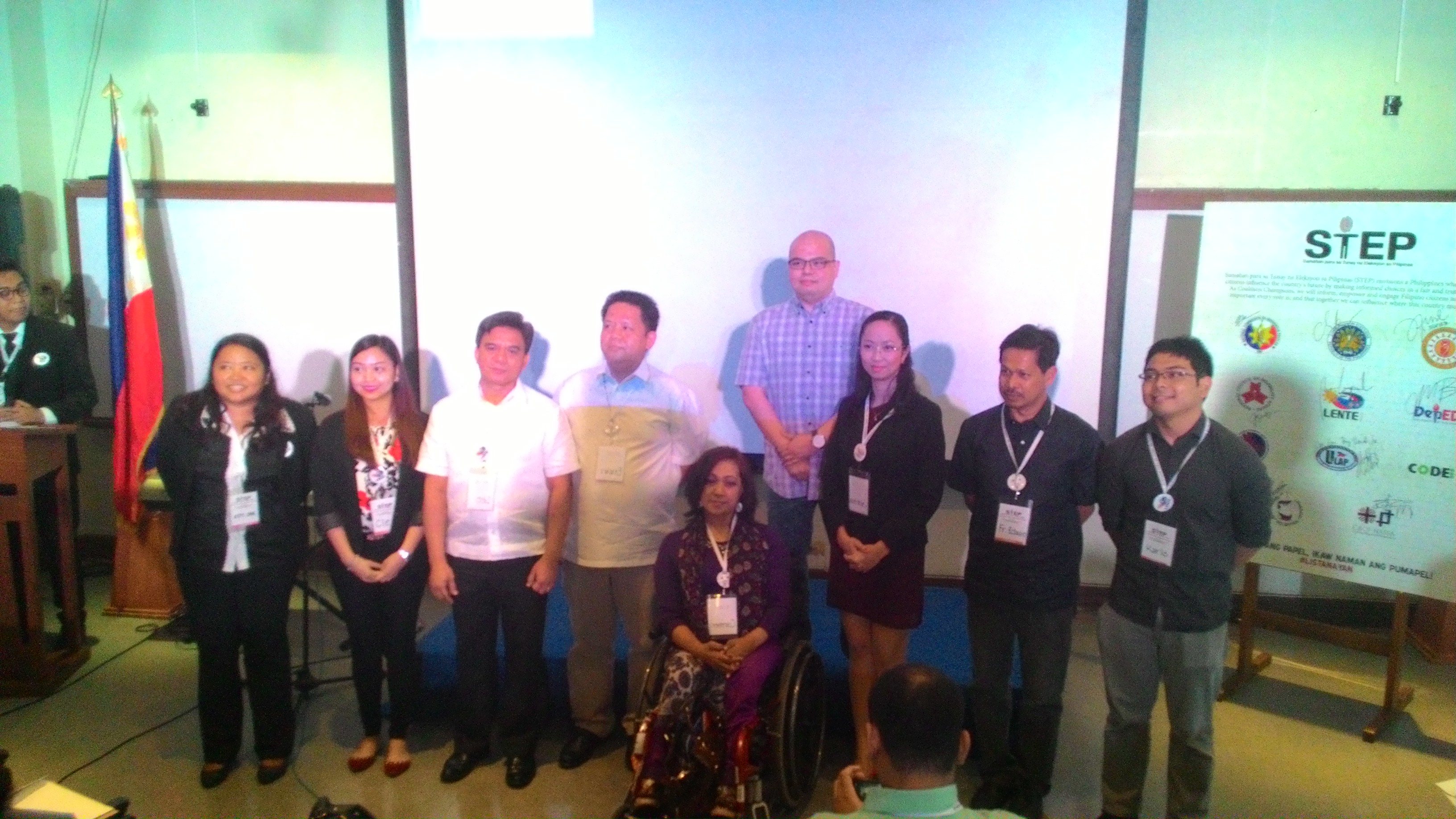
The group, Samahan para sa Tunay na Eleksyon sa Pilipinas (STEP), launched on Tuesday #ListaNaYan, urging voters without biometrics to register with the Commission on Elections.
“There is no right to vote if you are not registered,” said former election chairman Christian Monsod, currently the head of the poll watchdog Legal Network for Truthful Elections (LENTE), a coalition member.
Last February, COMELEC spokesman James Jimenez stated there were 4.7 million voters around the country without biometrics – fingerprints, digital photograph and digital signature.
“If we trend it, if we estimate based on last year’s statistics, by the end of October there will still be one million voters without biometrics left,” said lawyer Rona Ann Caritos, acting executive director of LENTE.
Under Republic Act 10367 or the Mandatory Biometrics Voter Registration Act of 2013, voters are required to have their biometrics taken prior to the May 2016 elections.
Eligible voters who fail to validate or complete their biometrics data by Oct. 31, 2015 shall be deactivated and barred from exercising their right to vote.
The top three areas with the highest number of voters without biometrics include the first and second districts of Davao City, Bacoor, Cavite and Binangonan, Rizal, according to the STEP campaign toolkit.
Lack of information on how to register and difficulty in accessing local election offices are hindering registration, explained Caritos.
“People don’t want the inconvenience of going to election offices. The number one approach is the conduct of satellite registrations,” she said.
The nationwide satellite registration aims to bring the registration centers close to the most accessible places such as the barangay, she added.
STEP’s information dissemination campaign will run until October and will involve both state agencies and non-government organizations.
Government agencies in the multi-stakeholder coalition are the COMELEC, National Council on Disability Affairs, Department of Interior and Local Government, National Commission on Indigenous Peoples, Department of Transportation and Communications and the Department of Education.
In addition to LENTE, the other NGOs involved in the campaign are the Caucus of Development NGO Networks, Simbahang Lingkod ng Bayan and the Catholic Bishops’ Conference of the Philippines.
STEP is set to distribute information toolkits containing materials such as educational videos, radio advertisements and print collaterals which are also meant to encourage other government agencies, NGOs and community leaders to join the movement.
A two-minute educational video prepared by the coalition will be shown in theaters and in all events of local government units. Following a brief timeline, it shows how power and influence have shaped the country’s politics, and highlights the “metaphor of paper.”
“The paper pertains to the ballot as a primary symbol of freedom and power of the people. And yet another undeniable force influencing the elections is money, implicated in rampant vote-buying and vote-selling and the diminishing sanctity of the ballot,” says the STEP Coalition press release.
“Papel,” the Filipino for paper, is the root word of the colloquial term “epal” which denotes greed for attention and power.
When used as a verb, “pumapel” means taking on a role [in the elections], which is #ListaNaYan’s central call to action.
According to Monsod, the voters’ education campaign is only the first step in addressing structural problems.
“We are so intent on an accurate and fast count we’ve forgotten the structural problems that deprive voters of the knowledge and the opportunity and the freedom to vote properly,” he said.
Monsod said the government has yet to pass laws meant to restrain money in politics and address the structure of dysfunctional political parties and dynasties which he claimed limit the people’s choices.
“We have to address those [problems], but first we need to have the hard data of who can make the choice,” he said.
Beyond educating the people on the electoral process, Monsod stressed the collective responsibility of educating the people in making informed choices because voting is “a social justice right.”
“Two things: do not vote for anybody who is corrupt. We must vote for somebody who has competence. You can be well-meaning, that’s fine, but when you’re incorrect, sincerity is not a substitute for correctness,” he said.
(The author is a University of the Philippines student writing for VERA Files as part of her internship.)