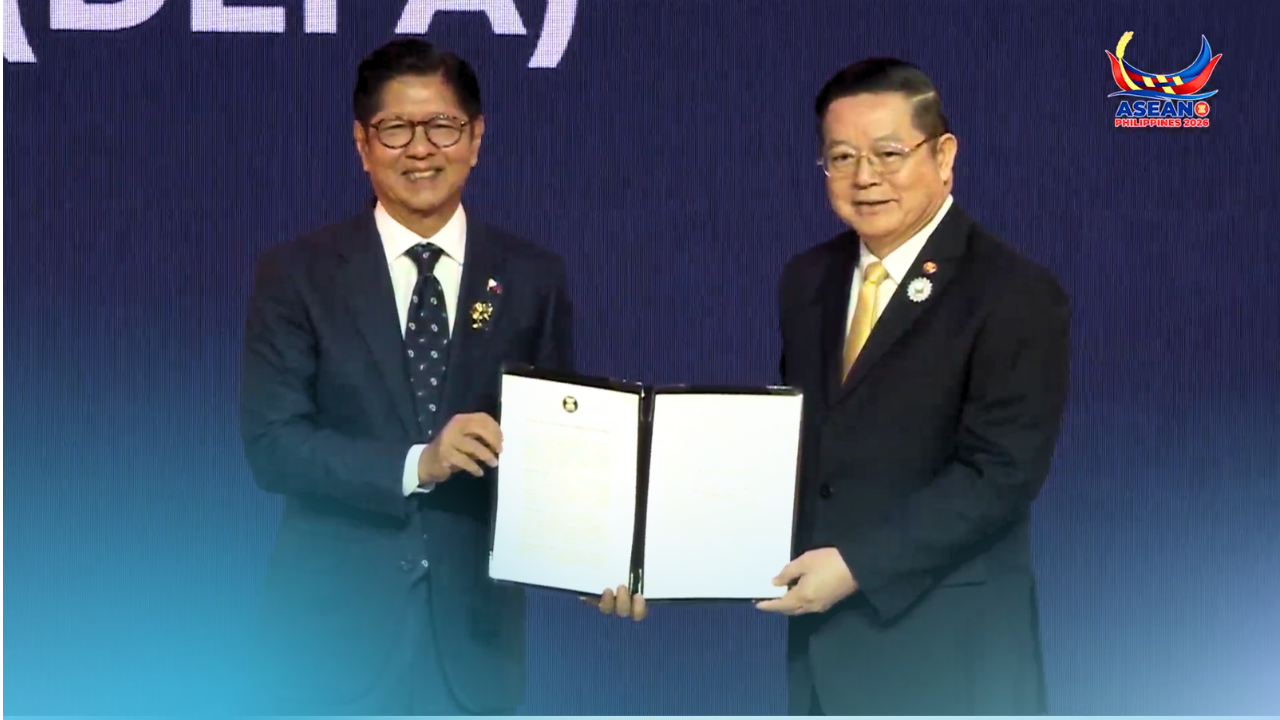
President Ferdinand Marcos Jr. handed over the signed Digital Economy Framework Agreement, the first of its kind in the world, to ASEAN Secretary-General Dr. Kao Kim Hourn of Cambodia during the opening ceremony of the 49th ASEAN Summit and Related Summits held in Manila on Nov. 15.
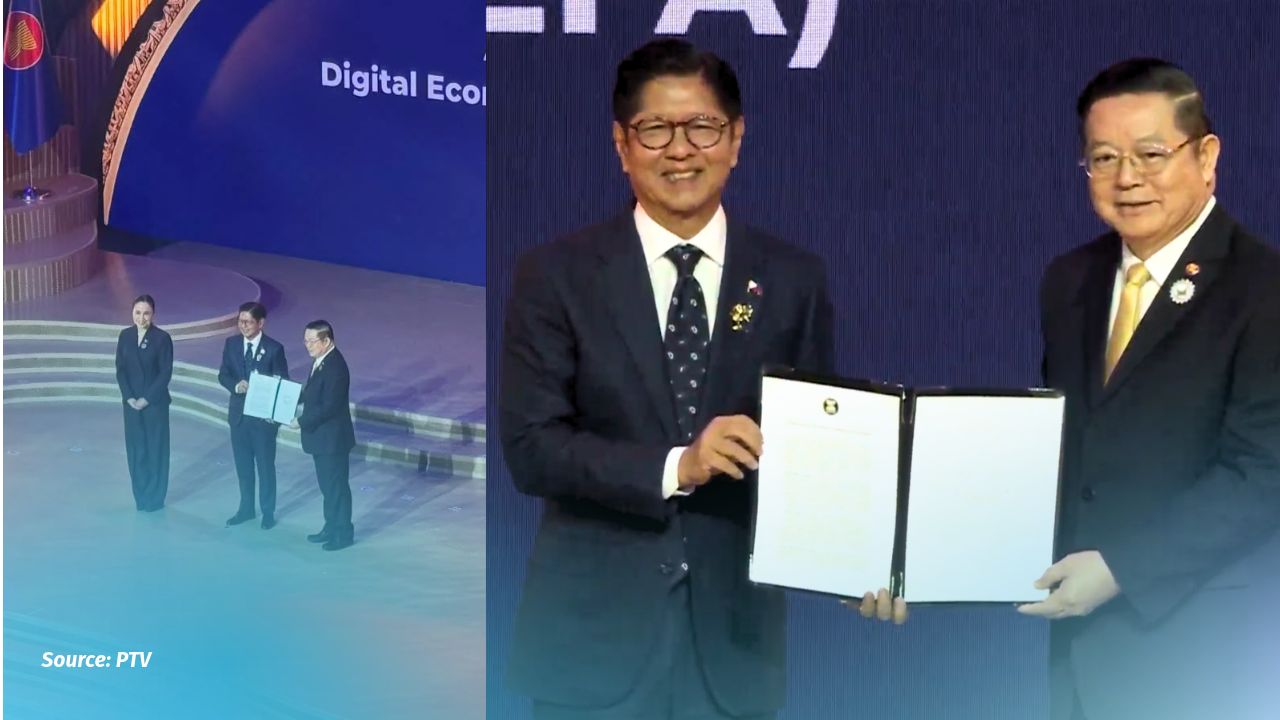
The agreement is projected to boost the region’s digital economy to $2 trillion by 2030 by providing a framework for a more seamless, secure, and interconnected ASEAN digital marketplace.
“We have worked to strengthen connectivity across markets, energy systems, infrastructure, technology and finance to foster more resilient, sustainable and inclusive growth. These efforts will culminate in the completion of all 19 priority economic delirables by the Philippine chairship by the end of 2026, including the signing of the ASEAN Digital Economy Framework Agreement,” Marcos said during the Summit plenary on the same day.
This forms part of the “prosperity corridor” core strategic priority of the Philippines’ 2026 ASEAN chairship.
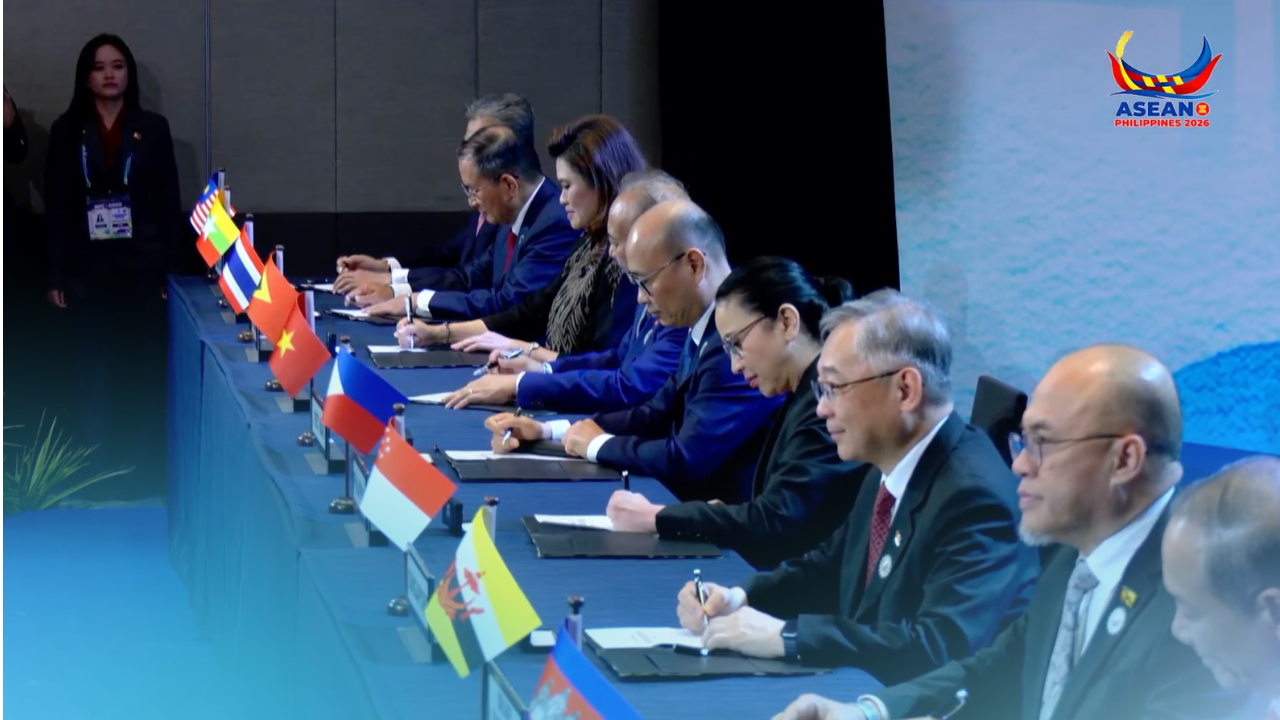
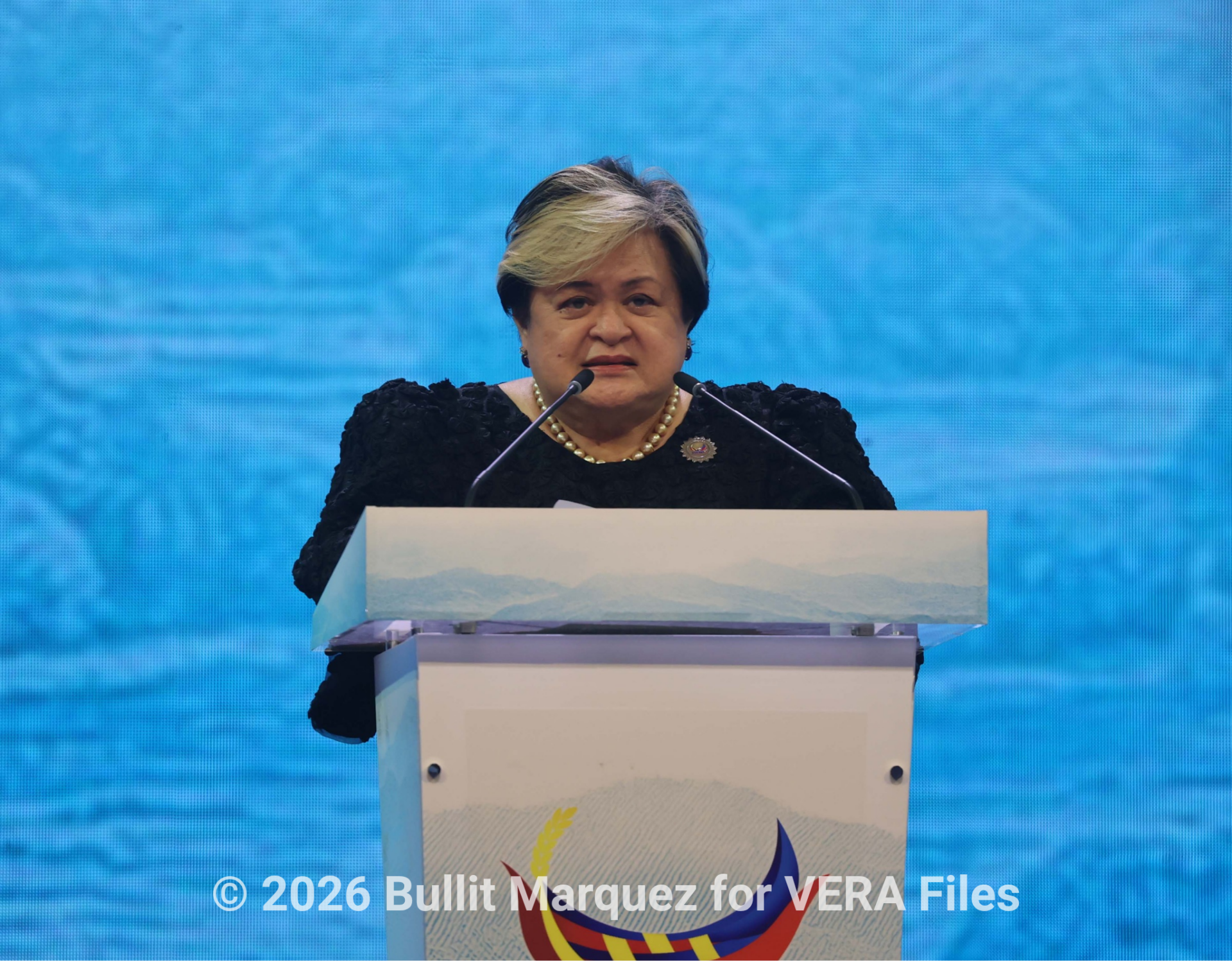
“DEFA opens a new chapter in ASEAN cooperation, one that brings our economies closer together, extends the benefits of trade beyond physical borders, and positions our region to compete in an increasingly digital world,” ASEAN Economic Community Council Chair and Trade and Industry Sec. Cristina Roque said during the signing ceremony on Nov. 14.
The DEFA is expected to bring cooperation in the following areas:
- Digital trade and commerce. The agreement will make it easier for businesses to offer goods and services across the region – also allowing Micro, Small, and Medium Enterprises to reach more customers, access digital platforms and participate in regional value chains.
- Electronic payments and digital identity. It will allow more seamless, efficient and trusted digital transactions.
- Cross-border data flows and data protection. This will support the responsible movement of information while strengthening trust and safeguards.
- Cyber security and online consumer protection. The DEFA will strengthen regional cooperation against cyber threats, online scams, and digital risks, providing consumers with safer online transactions with their personal information strongly protected.
- Emerging technologies. It also plans to employ emerging technologies, such as artificial intelligence, to push for innovation and future-proof economies for opportunities and challenges.
According to Roque, the DEFA will also open new opportunities and skills for workers in the e-commerce, Information Technology and Business Process Management, digital services, and the creative industries.
The challenge now for the region is to translate these commitments into actual outcomes – with governments enforcing necessary policies and the private sector investing and actively participating to make the agreement work.