
While journalists’ attention is often directed at prominent public figures in politics and show business, news coverage must also remain “in touch with the people on the ground.”
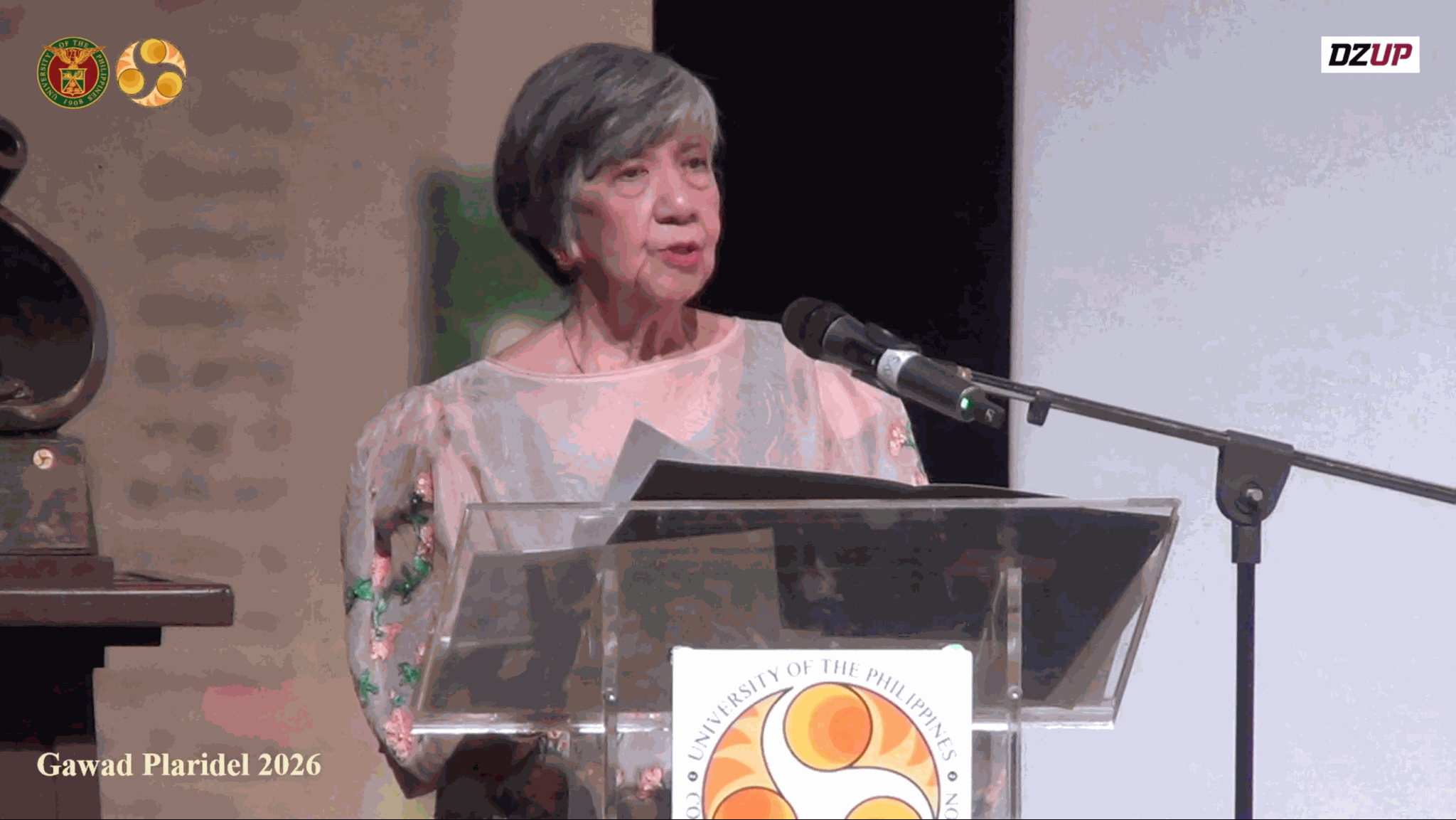
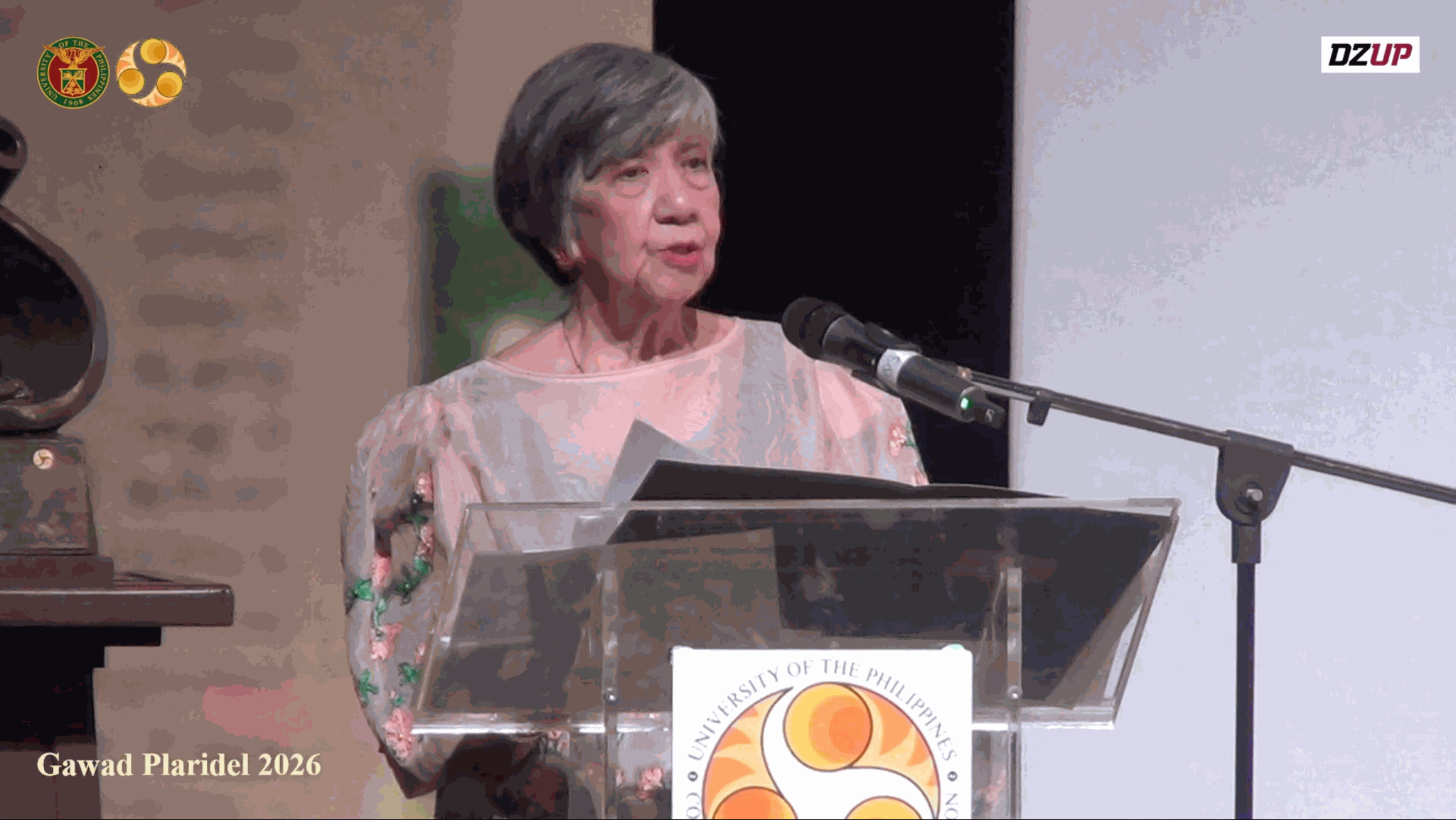
Veteran journalist and Center for Media Freedom and Responsibility founder Melinda Quintos de Jesus underscored this responsibility of the Philippine press as she received the University of the Philippines’ prestigious Gawad Plaridel for 2026 on Nov. 24.
Reflecting on CMFR’s three decades of advancing the “foundational principles for media development” and promoting “freedom with responsibility and relevance,” de Jesus said press freedom alone is not enough to strengthen democracy.
CMFR, a nonstock, nonprofit organization established in 1989, three years after the ouster of dictator Ferdinand Marcos Sr., ceased operations on Sept. 30 due to funding constraints.
“Press freedom must ground the force of journalism on the needs of society in which it operates,” she said in her acceptance speech. Journalists must also “cover the communities where the majority of Filipinos struggle to live and to survive.”
While continuing to cover public officials and celebrities, journalists must develop the skills to make the stories and experiences of ordinary people “relevant and interesting” to a wider audience, said the 82-year-old media practitioner.
To do so, de Jesus stressed, a free press must commit to “a system of fundamental values,” citing the concept of stewardship by American journalist and media ethics expert Edmund Lambeth.
“[Lambeth’s] concept of stewardship calls on journalists to protect the mission entrusted to them, to provide competent, relevant, evidence-based reporting as a legacy to bequeath to the next generation,” she said.
De Jesus stressed these values are particularly important for journalism students and younger practitioners as advances in communication technology, including artificial intelligence, reshape media practices and create new forms of journalism.
“But whatever format or platform, your journalism must be based on values to help create a better world, especially for those who have less,” she said.
Despite CMFR’s closure, de Jesus expressed hope that current and future generations of Filipino journalists would carry on its mission.
“I can only hope our efforts have seeded the ground with principles and ideas that will help journalists build a stronger democracy for the people in a kinder season, in a brighter future.”
‘Conscience of Philippine media’
The UP College of Media and Communication honored de Jesus as the “conscience of Philippine media,” recognizing her lifelong commitment to truth, accountability, and ethical journalism.
The awards jury cited her contributions to the mosquito press, also known as the alternative press, during the Marcos dictatorship; her establishment of media monitoring and systematic accountability mechanisms through CMFR; and her mentorship of generations of journalists in upholding the press’s role as a check and balance on power.
Named after reformist journalist Marcelo H. del Pilar, also known as Plaridel, the award recognizes media practitioners who “[exemplify] integrity, excellence, and public service.”
Since its inception in 2004, the award has recognized 16 practitioners across different media, including Eugenia Dural-Apostol (2004, print), Cheche Lazaro (2007, television), Nora Aunor (2014, transmedia), Ricky Lee (2015, film), and Jessica Soho (2018, journalism).