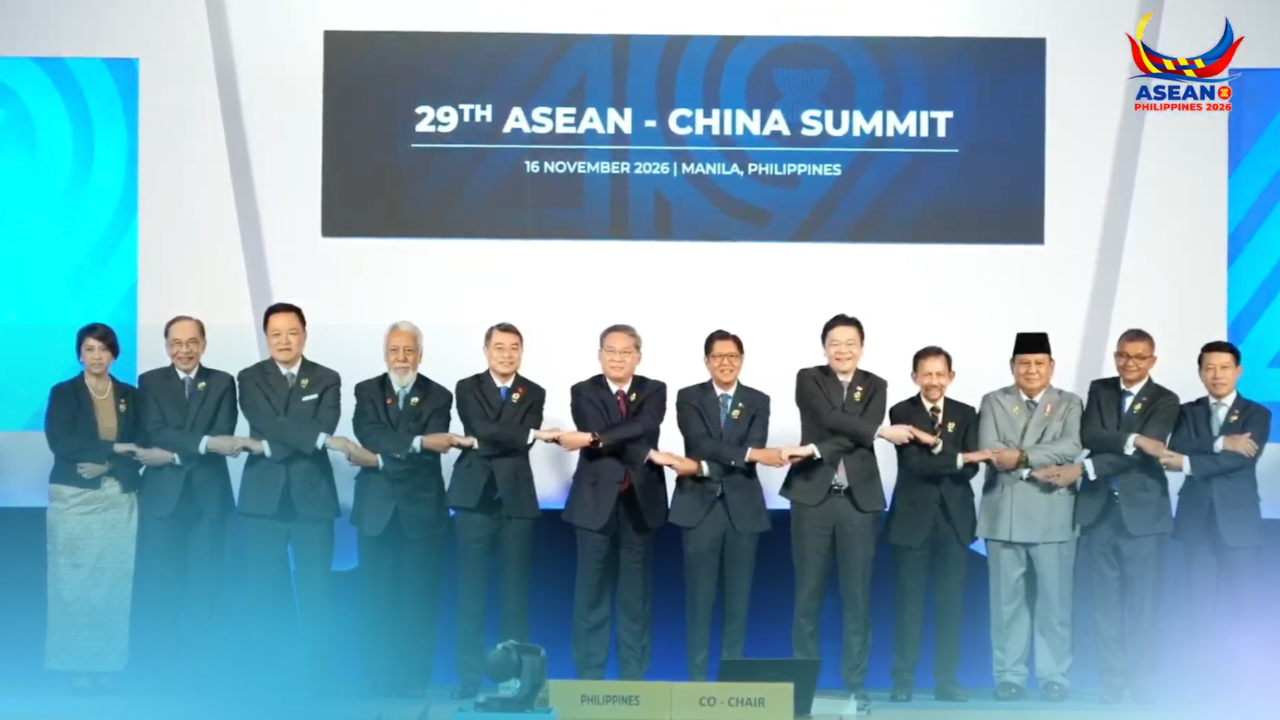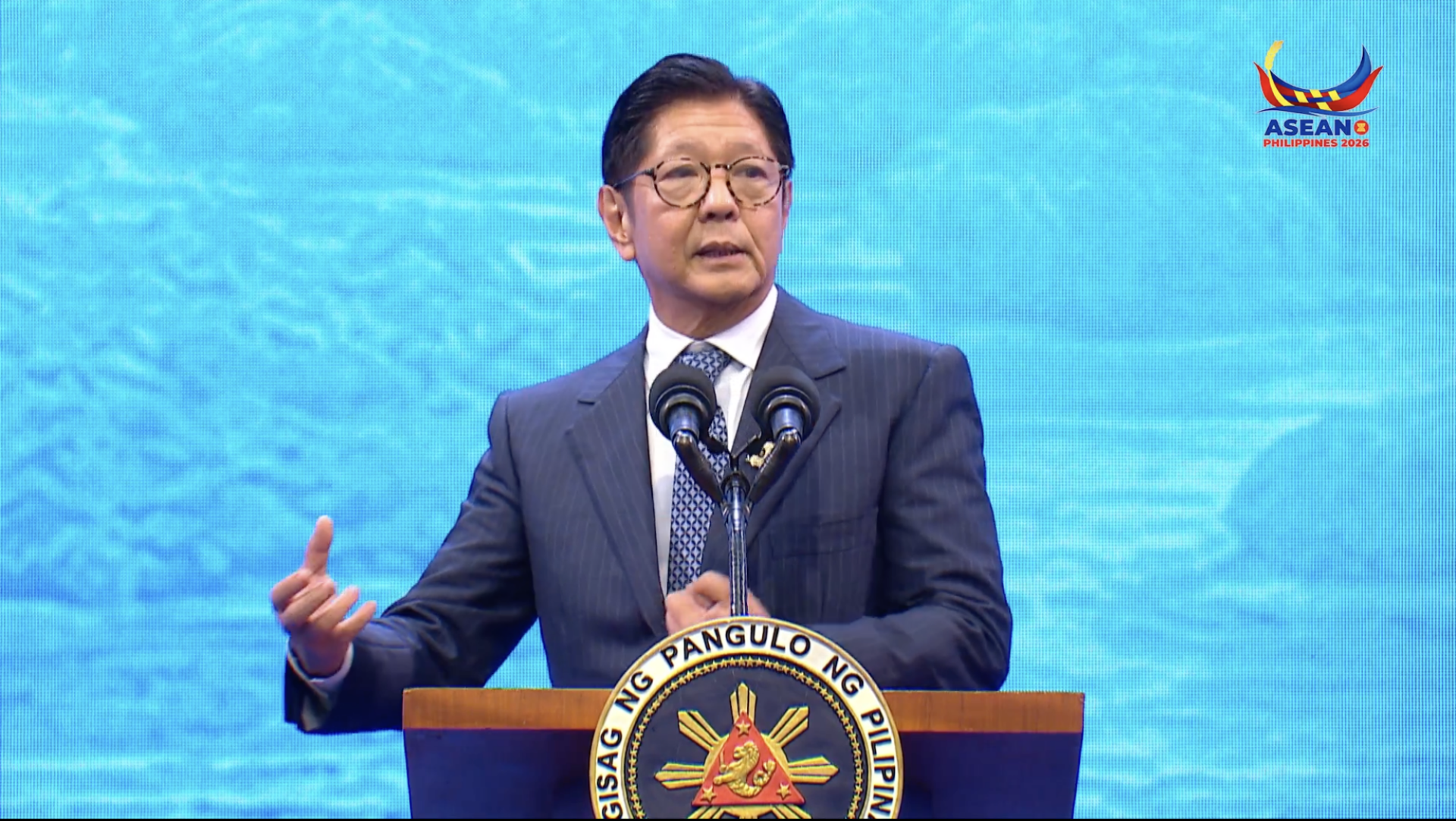

President Ferdinand Marcos Jr. said the adoption of 10 public-private partnership principles on tackling online scams was a major outcome of the ASEAN-US Special Summit held in Manila on Nov. 17.
Speaking before United States President Donald Trump, who arrived in the Philippines just hours before the gathering, and other Association of Southeast Asian Nations leaders, Marcos called the adoption an “immediate result” of the summit.
“In anticipation of your arrival, Mr. President…Our staff have been working together – ASEAN and your staff have been working together….[We’ve] been able to finalize and have adopted the principles to tackle online scam,” Marcos said.
Marcos added that they have “adopted a statement on 10 public-private-partnerships principles on tackling online scams and a comprehensive work plan.”
The statement stressed that there is a need for a “unified, cross-industry response” to dismantle transnational organized criminal networks that are behind the scam activities.
The leaders agreed to elevate online scams as a regional priority; foster cross-border cooperation and coordination; engage civil society, industry and the public; as well as promote transparency and accountability, among others.
Online scams as a prevailing issue
Online scams also came up in other ASEAN and related summits held during the Philippines’ chairship.
On Nov. 17, the East Asia Summit leaders released a statement on strengthening cooperation against online scams and related offenses.
The leaders expressed “grave concern” over transnational criminal organisations that use online scams to harm people, including those operating from scam centers linked to human trafficking.
They also vowed to strengthen cross-border enforcement against online scams, particularly in helping facilitate cross-border recovery of scam proceeds.
Stronger protection of consumers through enhanced safeguards in digital and financial services and platforms were also pushed as leaders acknowledged how criminal actors have been exploiting technologies.
The statement also calls for integrating “online scams risk awareness” into digital and financial literacy programs.
Asia lost $136.5 billion to scams in the past year, according to the Global Anti-Scam Alliance’s 2026 State of Scams in Asia report.
The study found that seven in ten respondents had encountered a scam, with respondents in Vietnam, Philippines and Malaysia, all ASEAN members, logging the most encounters.