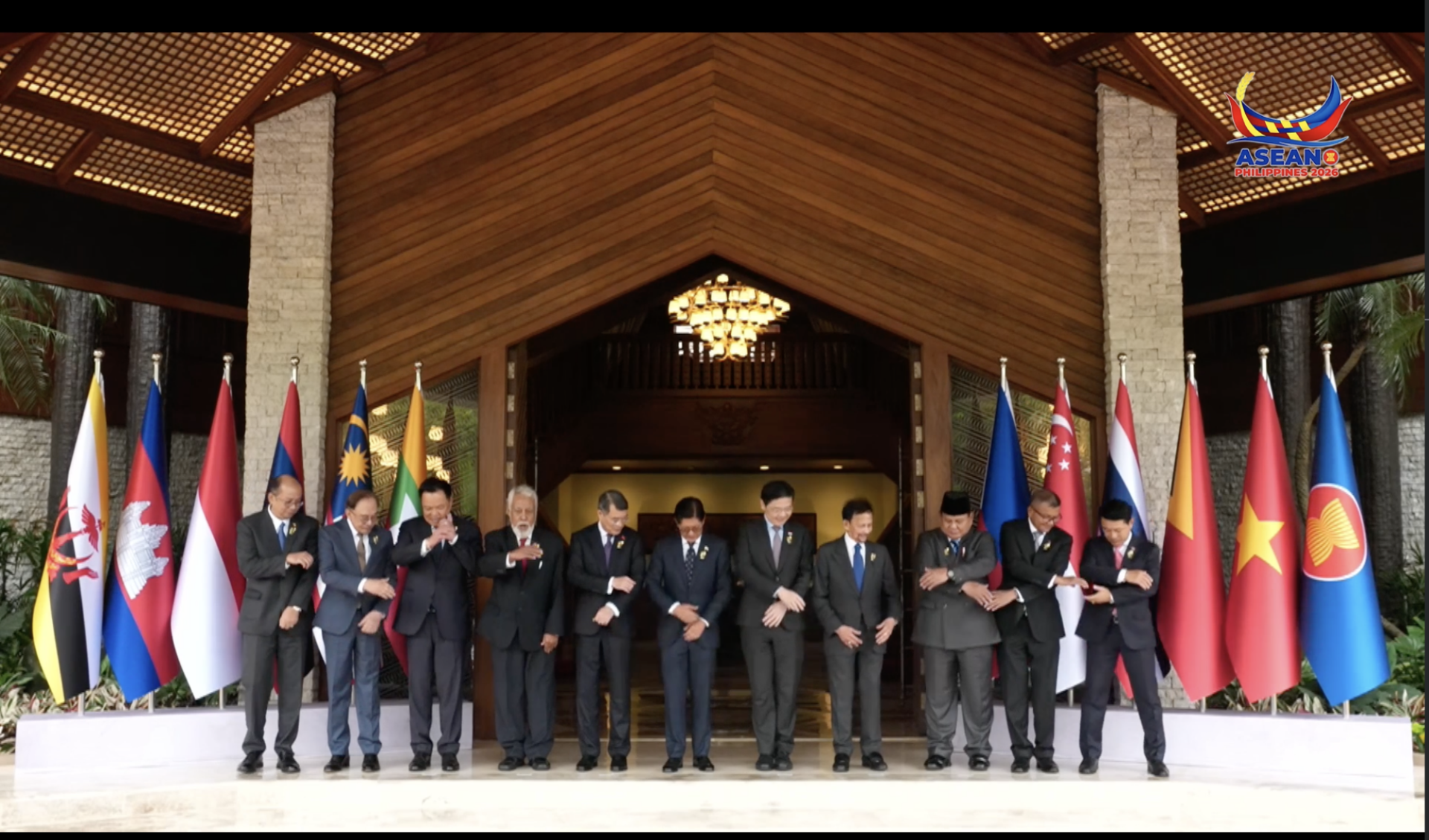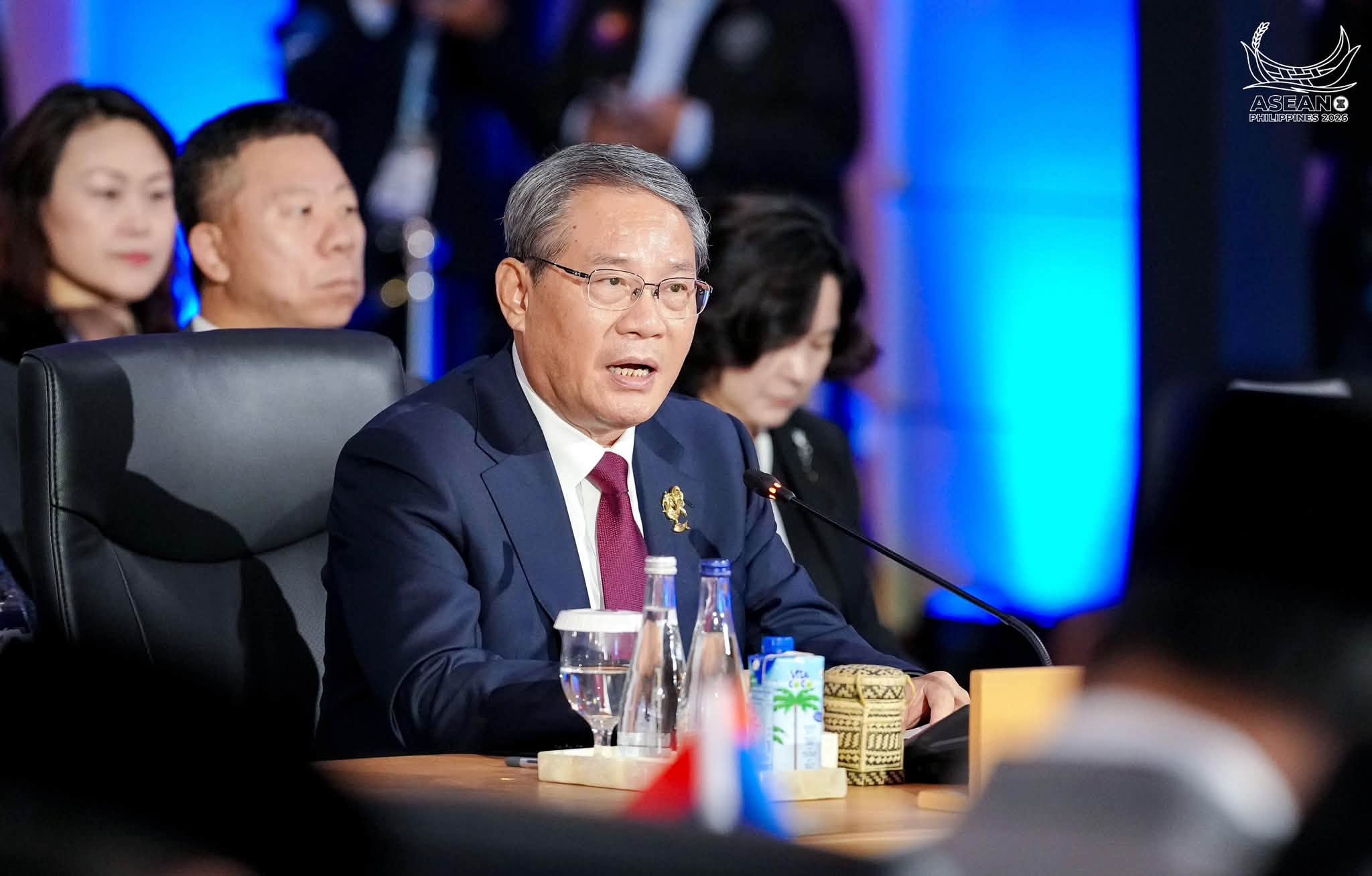
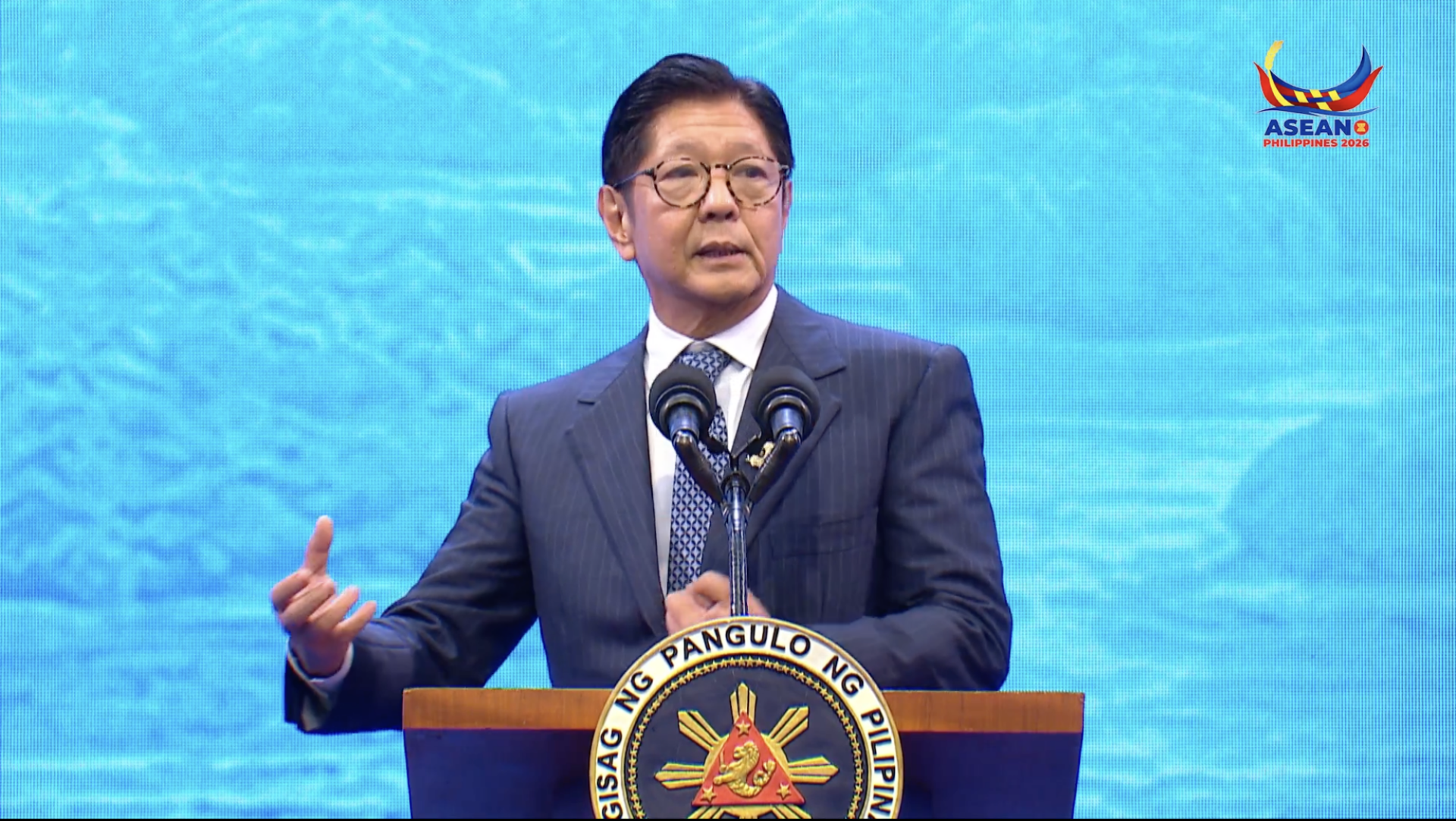
While a long-awaited binding Code of Conduct in the South China Sea remained unfinished under the Philippines’ chairship of the Association of Southeast Asian Nations, President Ferdinand Marcos Jr. said ASEAN and China had agreed to continue observing the 2002 Declaration on the Conduct of Parties in the South China Sea.
Marcos described the commitment as a “tacit agreement” among the parties to abide by the DOC until the COC is finalized.
“So until the COC is ready, until it is finalized [and] signed by all parties by ASEAN and China, then we pledge to continue to follow on the DOC’s guidance,” he said at a media briefing on Nov. 17, following the conclusion of the 49th ASEAN Summit and Related Summits at the Philippine International Convention Center in Pasay City.
Signed in 2002, the DOC reflects ASEAN and China’s commitment to creating “conditions for a peaceful and durable solution of differences and disputes among countries concerned.”
It also calls on parties to exercise “self-restraint in the conduct of activities that would complicate or escalate disputes and affect peace and stability,” including refraining from inhabiting uninhabited maritime features.
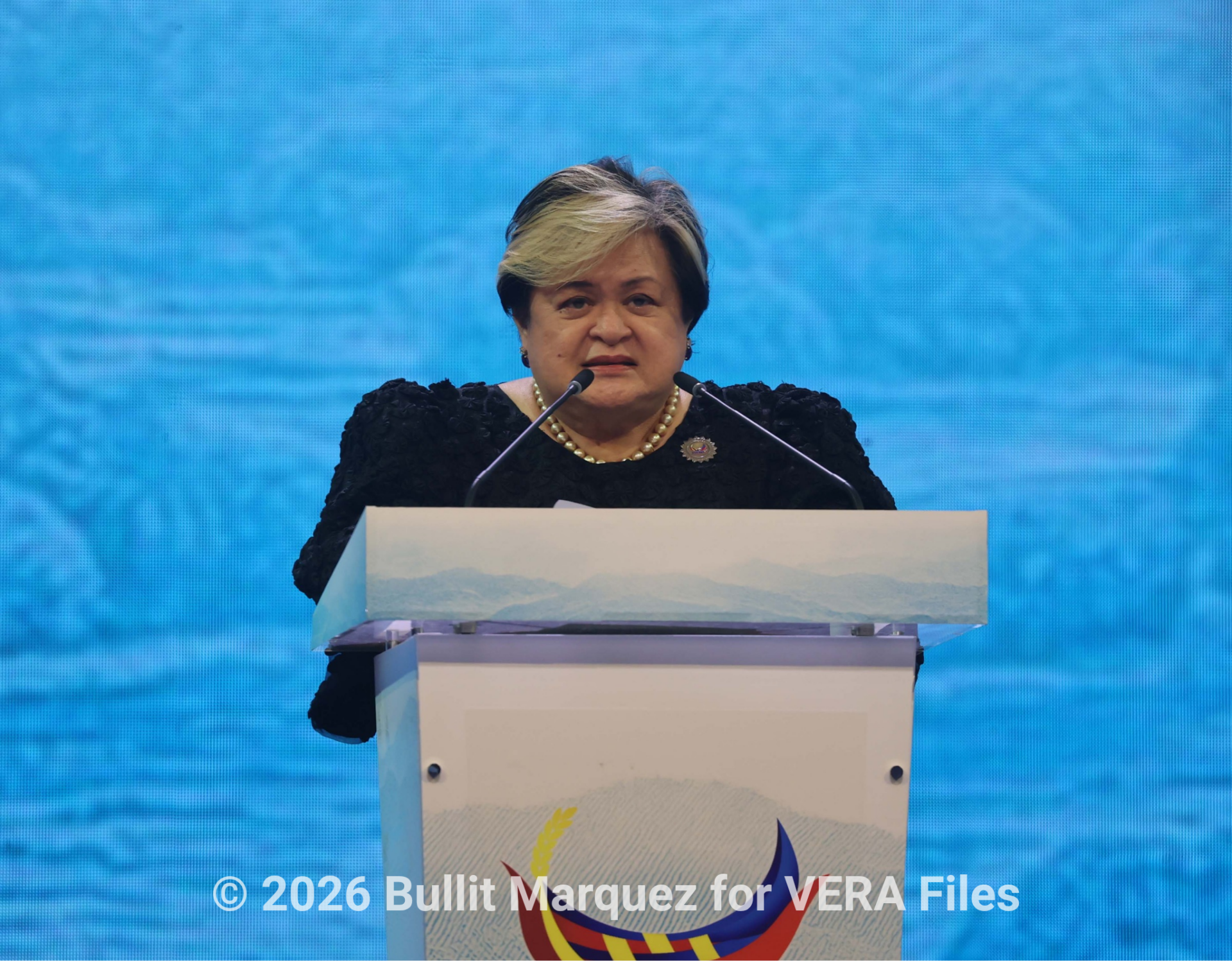
Foreign Affairs Secretary Ma. Theresa Lazaro earlier said the COC is intended to provide a framework for the “constructive management of differences at sea” and promote “practical maritime cooperation.” She stressed, however, that it is not a mechanism for settling territorial disputes.
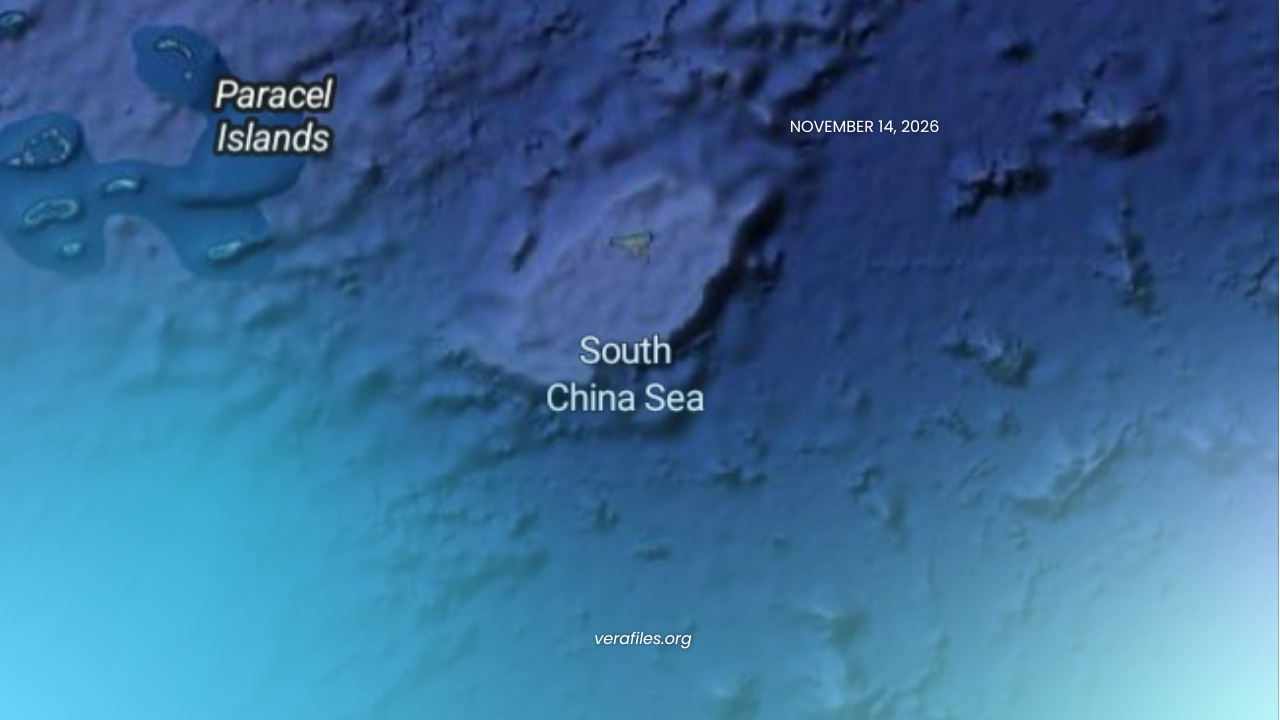
Maritime confrontations, particularly between the Philippines and China, have intensified in recent years, as documented in a Reuters timeline. Other claimants in the strategically important waterway include Brunei, Malaysia, Vietnam and Taiwan.
In 2016, an international arbitral tribunal ruled that China’s expansive claims had no legal basis under international law. Beijing has repeatedly rejected the ruling.
Unresolved issues
During the Philippines’ ASEAN chairship, Lazaro said the relationship between the DOC and the proposed COC was the only one of the so-called “milestone issues” on which parties had reached agreement.
Marcos said negotiators must still settle key definitions and language to ensure that the COC’s provisions are clearly understood and accepted by all parties.
“There are definitions, phrases, [and] paragraphs that need to be clearly defined so that it is very understandable and it is very clear to everyone that these are the understood and accepted mores and norms we will all be following,” he said.
Other major sticking points include the COC’s geographical scope, its terms of reference and whether the agreement will be legally binding.
Marcos said ASEAN and China had also reaffirmed their commitment to a substantive and effective COC consistent with the United Nations Convention on the Law of the Sea (UNCLOS).
Negotiations have dragged on for more than two decades. Efforts to establish a regional code date back to at least a 1992 ASEAN statement, according to a timeline published by VERA Files.
Singapore will take over the ASEAN chairmanship next year and lead the bloc’s efforts to build consensus on the proposed code.