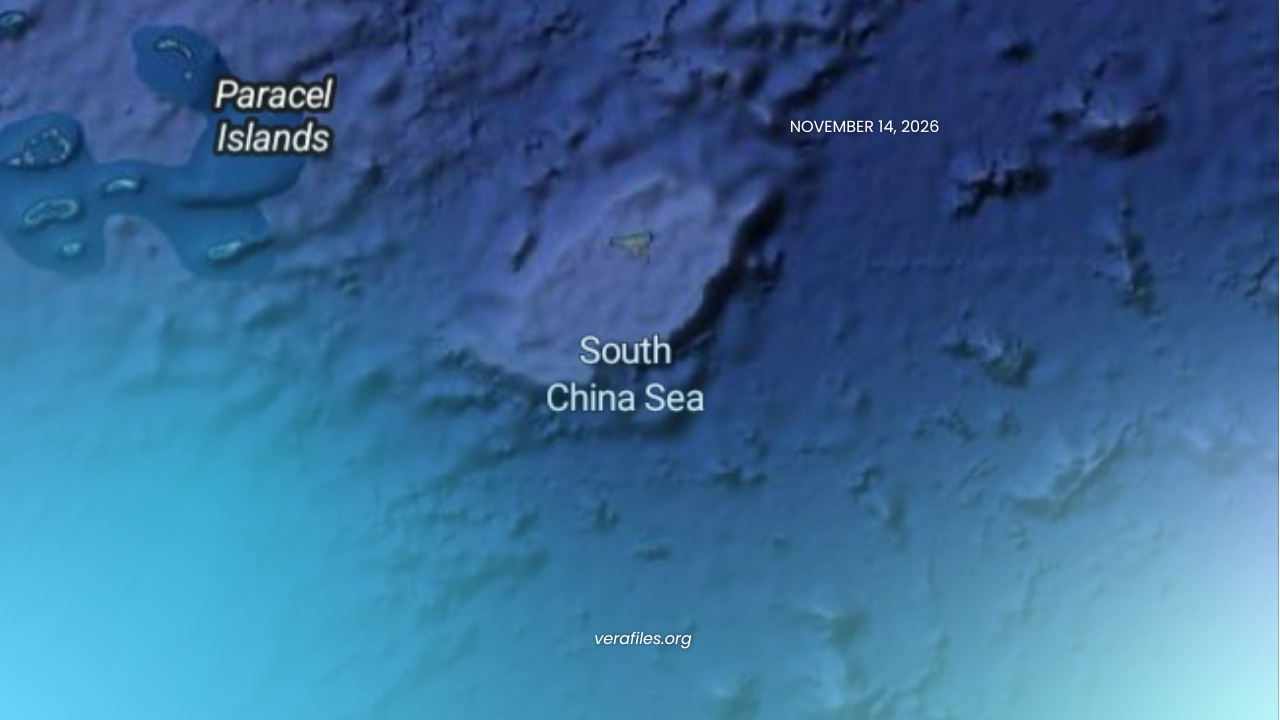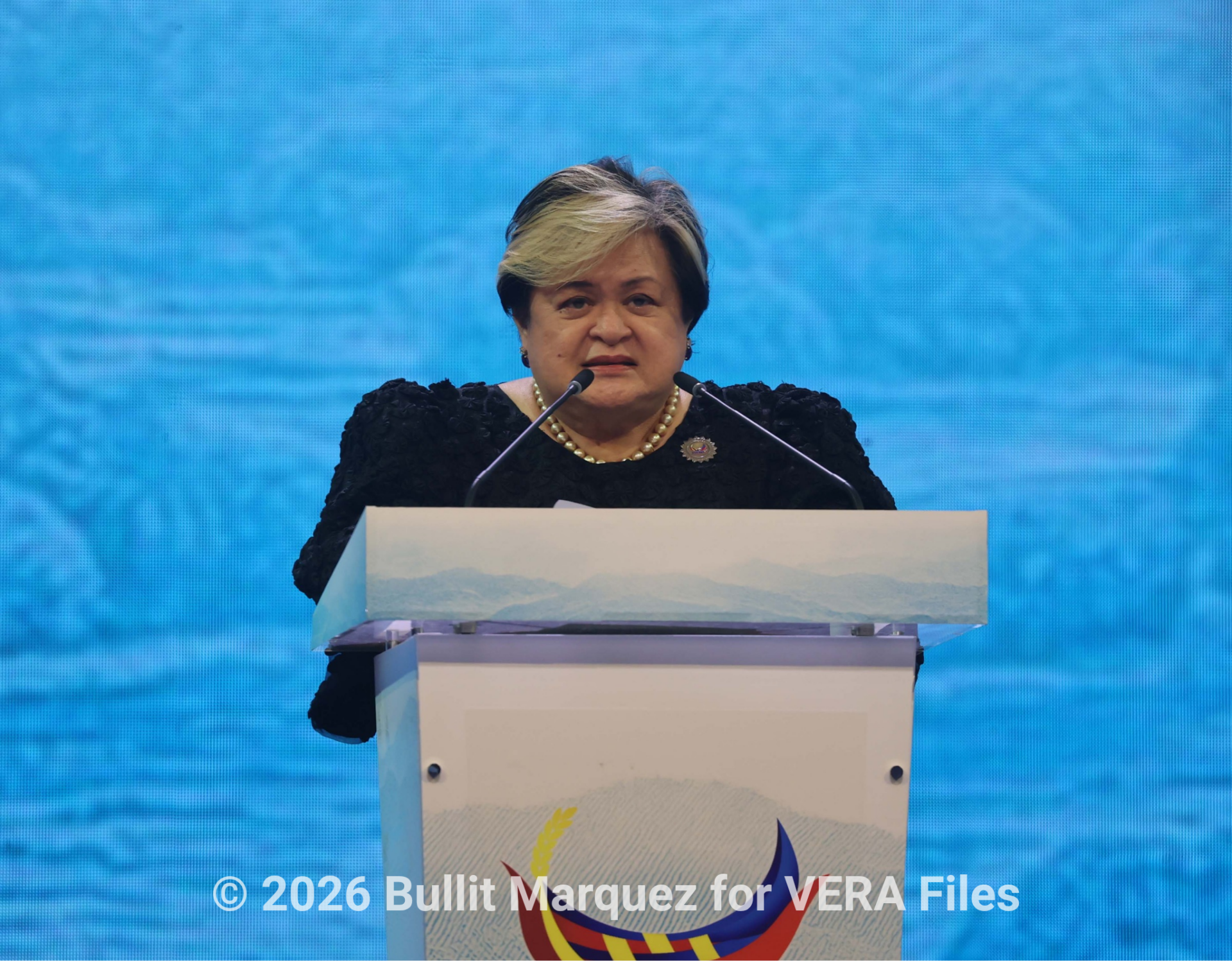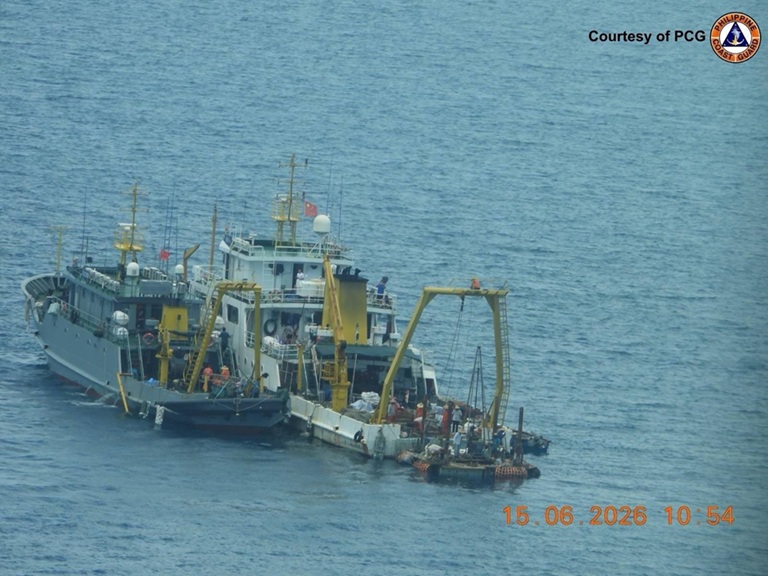
The Philippines will end its 2026 chairship of the 11-member Association of Southeast Asian Nations without a binding Code of Conduct for the South China Sea, despite the “substantial completion” of negotiations and provisional agreement on about 80% of the draft’s provisions, Foreign Affairs Secretary Ma. Theresa Lazaro said Sunday.
Lazaro said negotiators had made significant progress but could not resolve all outstanding issues within the Philippines’ term, citing time constraints and sensitivities among ASEAN member states and China.
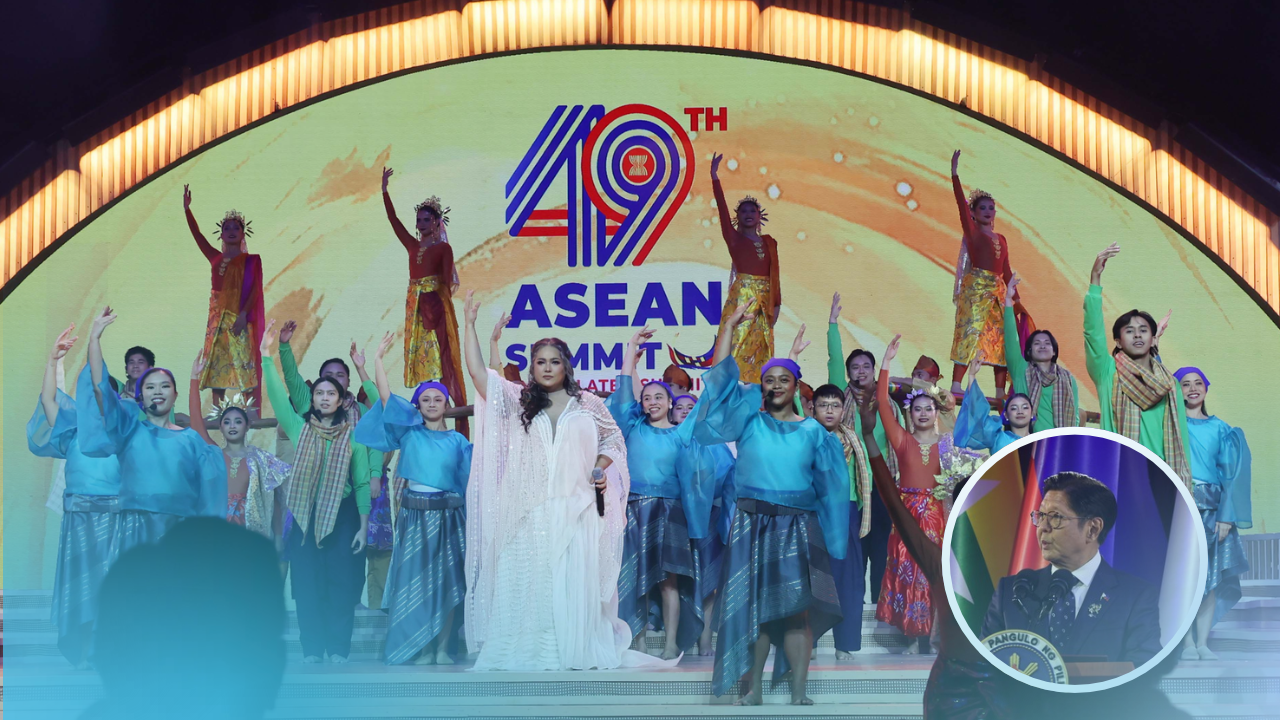
“Definitely, there’s no conclusion yet,” Lazaro told reporters during a press briefing after the first of the three-day 49th ASEAN Summit.
She nevertheless described the progress on the long-delayed agreement as an achievement of the Philippine chairship, noting that negotiations were only about 50% complete before the country took the helm of ASEAN.
“We are pleased to report the substantial completion of the negotiations on the ASEAN-China Code of Conduct. The parties have reached provisional agreement on about 80% of the paragraphs of the draft,” she said.
The failure to conclude the COC this year means the Philippines will leave its chairship with substantial negotiating progress but without the long-awaited signing of a binding regional framework to govern conduct in the disputed waters.
Lazaro said negotiators were now in the final phase of discussions, commending the delegations for their dedication and constructive engagement.
She also recognized Malaysia and China, the COC’s co-chairs, for their stewardship of the complex negotiations, while noting the Philippines had shepherded the overall process during its ASEAN chairship.
Their efforts, she said, had advanced the early conclusion of an effective and substantive agreement consistent with the United Nations Convention on the Law of the Sea (UNCLOS).
Remaining sticking points
Despite the progress, negotiators have yet to reach consensus on several contentious provisions, including the code’s geographic scope, definition of terms and whether it will be legally binding.
Lazaro said some ASEAN members had reservations about the legal implications of a binding agreement, particularly the need for domestic ratification.
“Some have their sensitivities, like if you say that the document is legally binding, there is also a ratification process on the part of certain ASEAN member states,” she said.
“I guess there are certain issues which are specific to each and every ASEAN member state…and China,” she added.
Lazaro said another five to six months could have been enough to complete the negotiations, but acknowledged that the Philippines would not be able to secure the agreement’s conclusion during its chairship.
She reported, however, that the parties had reached provisional agreement on an important milestone concerning the relationship between the 2002 non-binding Declaration on the Conduct of Parties in the South China Sea (DOC) and the proposed COC.
The parties also agreed that the COC would serve not only as a guide for conduct but also as a platform for practical maritime cooperation in the South China Sea.
Such cooperation would be undertaken voluntarily and in accordance with UNCLOS, she said.
Singapore inherits negotiations
With the Philippines’ chairship nearing its end, the responsibility of completing the negotiations will pass to Singapore, which will assume the ASEAN chairmanship in 2027.
Lazaro stressed that the COC is intended as a mechanism for managing tensions and differences at sea, not for resolving territorial and maritime disputes.
She said ASEAN leaders remained committed to maintaining peace and stability in the South China Sea and would continue working constructively with China.