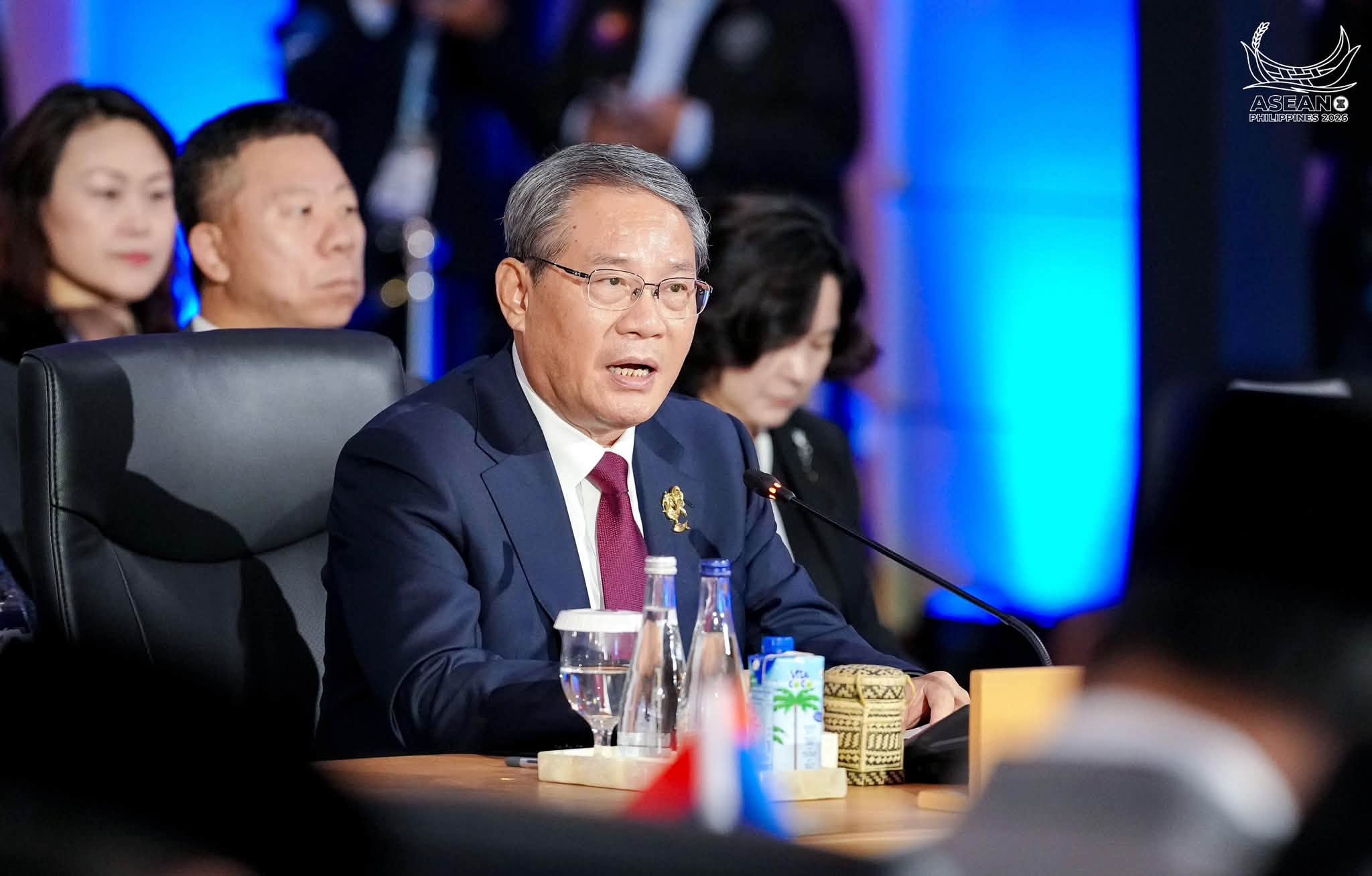
Chinese Premier Li Qiang has committed to the early conclusion of a “substantive and effective” Code of Conduct in the South China Sea as negotiations between Beijing and the Association of Southeast Asian Nations (ASEAN) enter their final phase, Foreign Affairs Secretary Ma. Theresa Lazaro said.
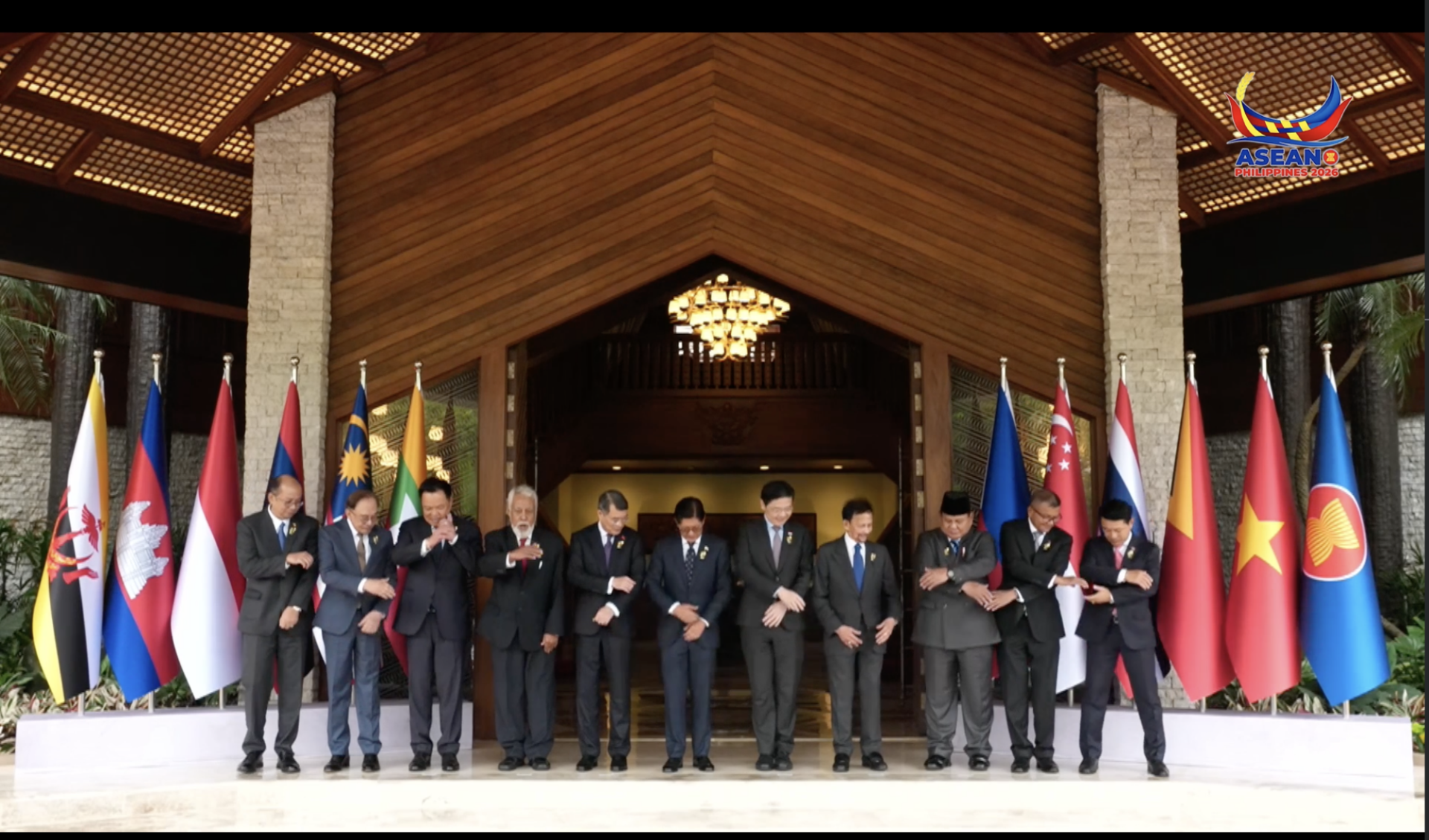
Li made the commitment during discussions with ASEAN leaders, aligning Beijing’s position with the bloc’s push for a substantive code consistent with international law.
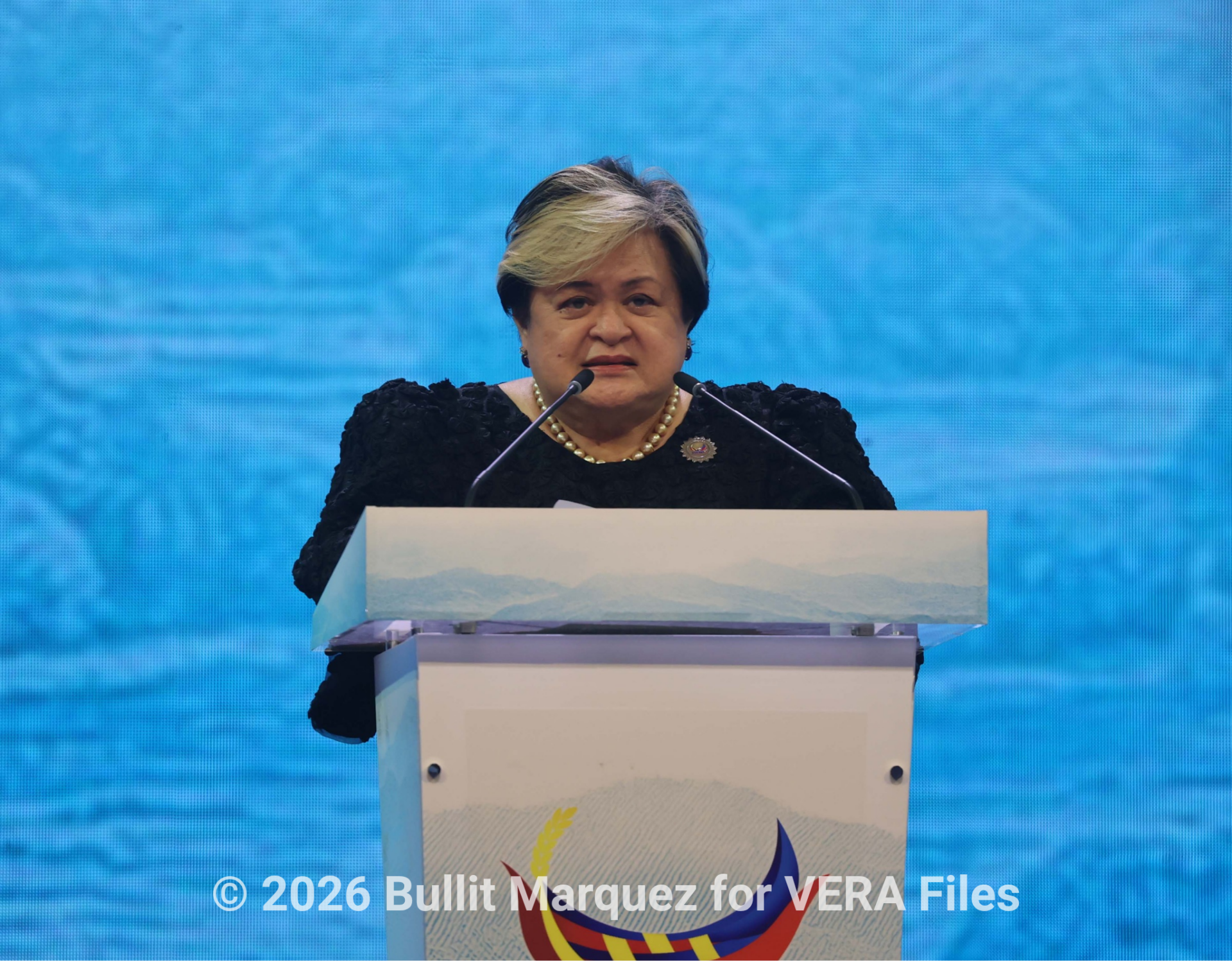
“An important statement of Chinese Premier [Li Qiang] is when he said that he is committed towards an effective, substantive and early conclusion of the [COC], which is consistent with the 1982 [United Nations Convention on the Law of the Sea],” Lazaro said in a press briefing Monday after the ASEAN-China Summit on the sidelines of the 49th ASEAN Summit and Related Summits in Manila.
Asked whether China’s pledge was merely “lip service,” Lazaro said all parties remained committed to concluding a substantive COC as soon as possible.
“This is consistent with ASEAN and China’s commitment. If he changes it, that will cause some kind of ruckus,” she said.
‘Not a failure’
Lazaro earlier acknowledged that the Philippines would end its 2026 ASEAN chairship without a finalized, legally binding COC, despite substantial progress in negotiations and provisional agreement on about 80%t of the draft’s provisions.
She maintained that the progress made under the Philippine chairship was a significant achievement.
“We have done 80% or more than that. So I don’t think it’s a failure,” Lazaro reiterated.
No definite timeline
Asked whether ASEAN and China had agreed to conclude the COC by 2027 or 2028, as the initial three-year target is set to lapse this year, Lazaro declined to give a definite timeline.
“I don’t think I can give you a timeline as to when the COC will finish,” she said, expressing confidence that Singapore could advance the negotiations when it assumes the ASEAN chairship next year.
The Philippines will hand over the remaining negotiations to Singapore, with key sticking points still unresolved, including the code’s geographic scope, terms of reference and whether it will be legally binding.
‘Not unexpected’
Meanwhile, University of the Philippines Institute for Maritime Affairs and Law of the Sea Director Jay Batongbacal said on Nov. 16 that these contentious issues would likely continue to impede negotiations next year.
“I would expect that ASEAN will continue to try to move the process forward next year, but the same obstacles will still be the same. The milestone issues and threshold issues—the ones that are most difficult to resolve—will still be there,” Batongbacal said during the Manila Dialogue on the South China Sea in Parañaque City.
He also said the failure to finalize the long-awaited code this year was not unexpected, noting that officials from the participating countries were aware of the possibility.
Lazaro earlier disclosed that negotiators had resolved one milestone issue concerning the relationship between the COC and the 2002 Declaration on the Conduct of Parties in the South China Sea. They also agreed that the final code would “serve as a platform for practical maritime cooperation in the South China Sea.”