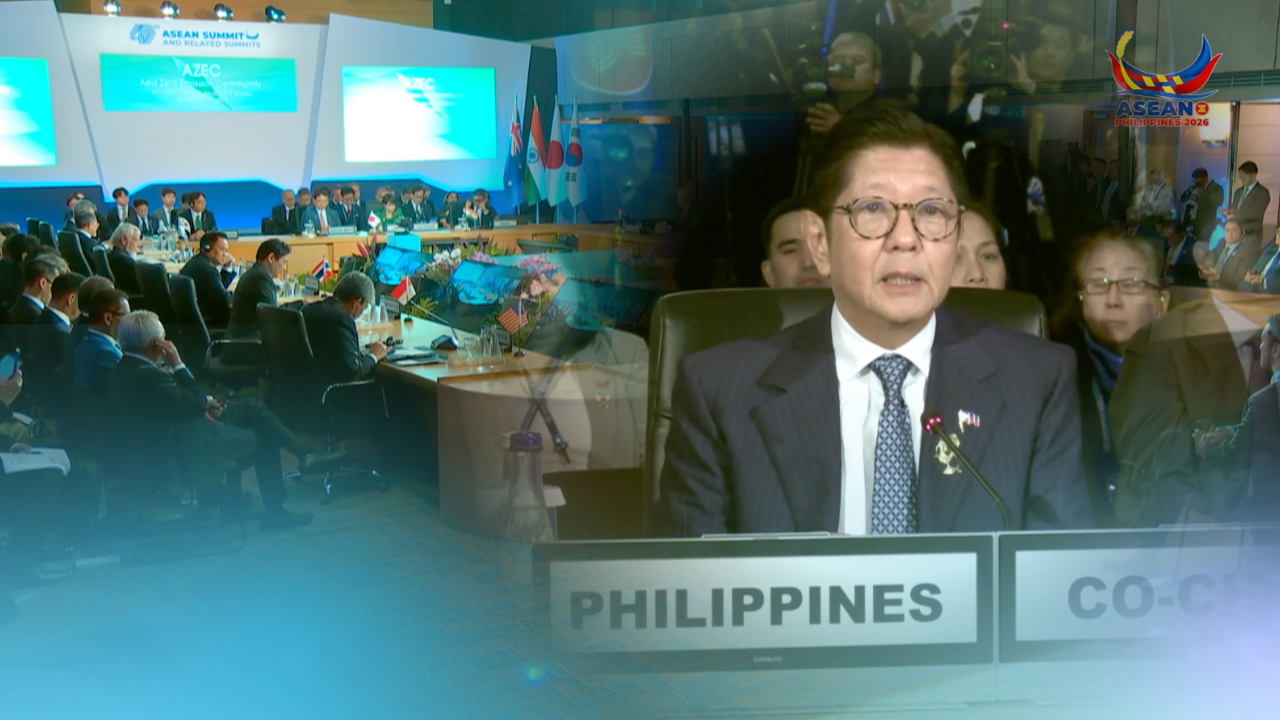

President Ferdinand Marcos Jr. called for stronger regional cooperation on energy security, saying the Philippines is advancing its Strategic Petroleum Reserve amid disruptions along critical supply routes that continue to expose Asia’s vulnerability to energy shocks.
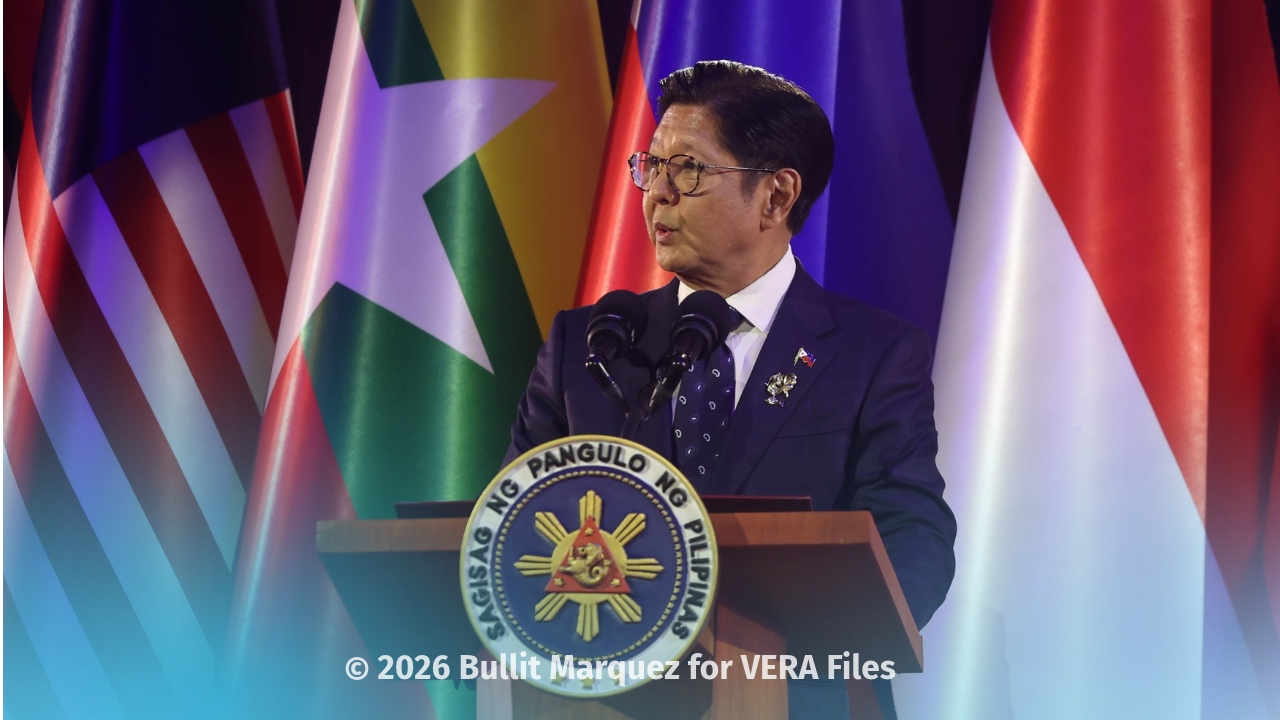
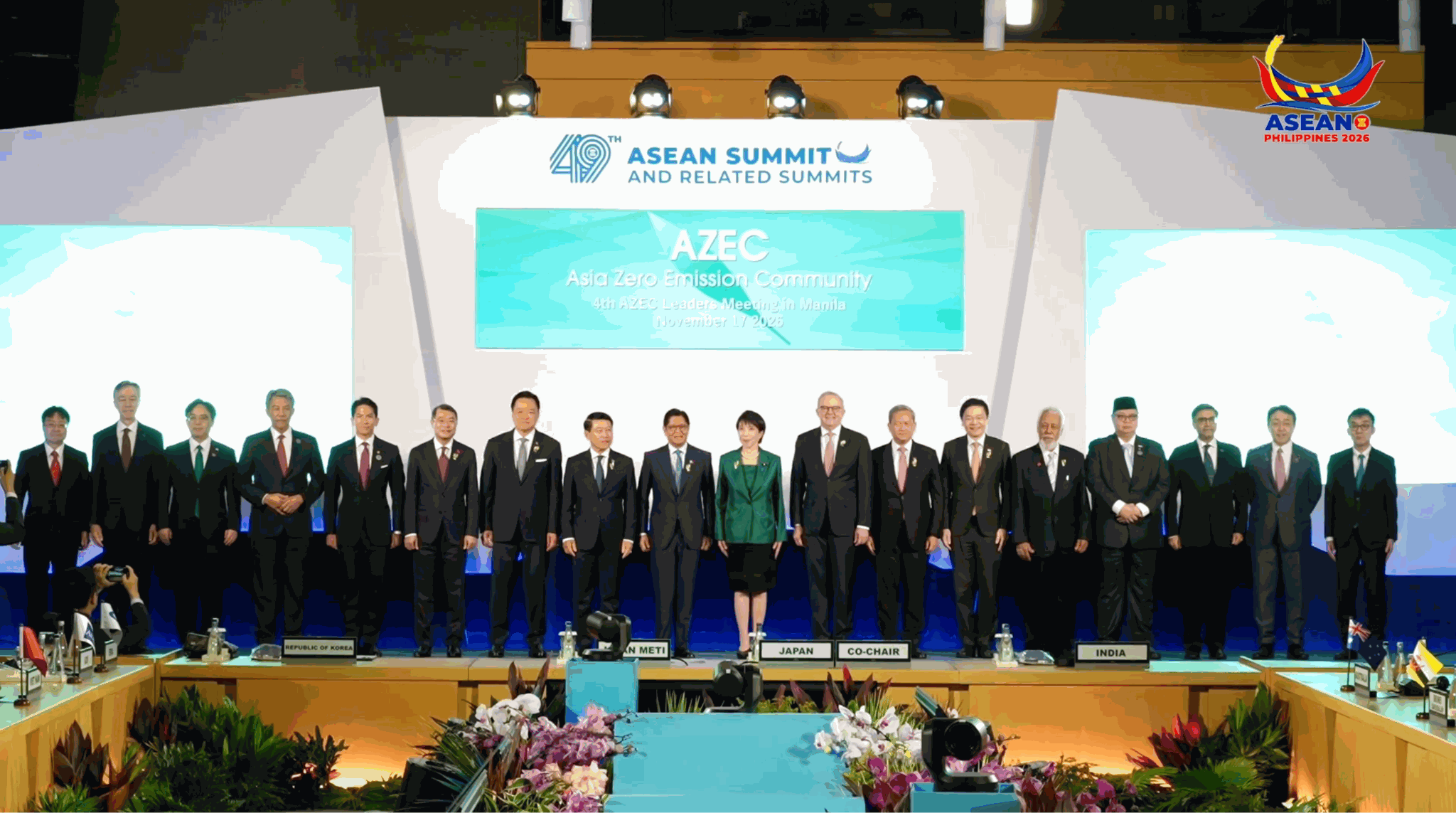
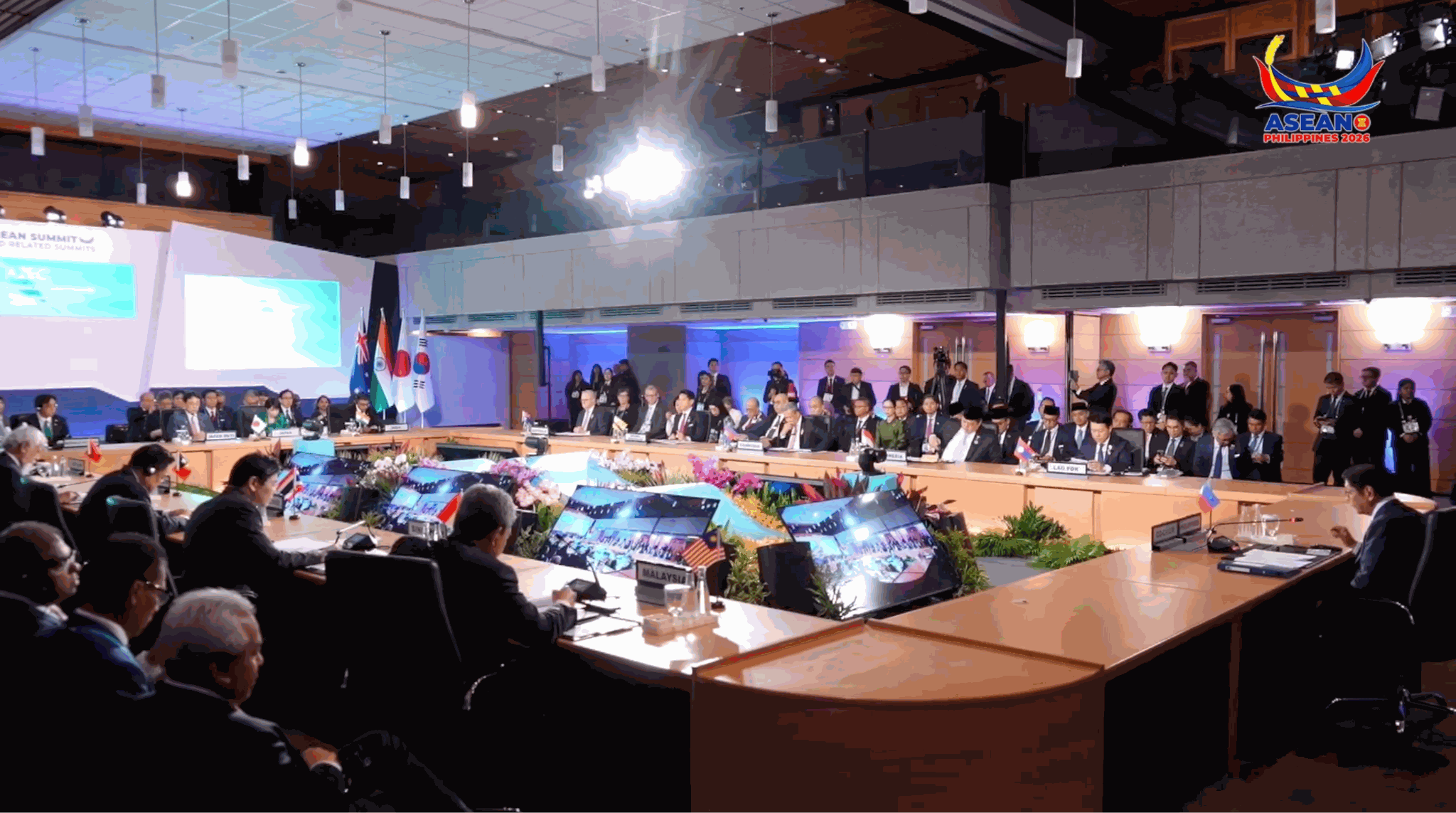
“As I emphasized at the AZEC Plus Online Summit, no single nation can insulate itself from shocks of this magnitude by acting alone,” Marcos said in his opening remarks at the 4th Asia Zero Emission Community Summit at the Philippine International Convention Center in Pasay City.
“Asia’s energy lifelines remain deeply vulnerable,” he added, citing disruptions along critical supply routes such as the Strait of Hormuz. “They reverberate across global supply chains.”
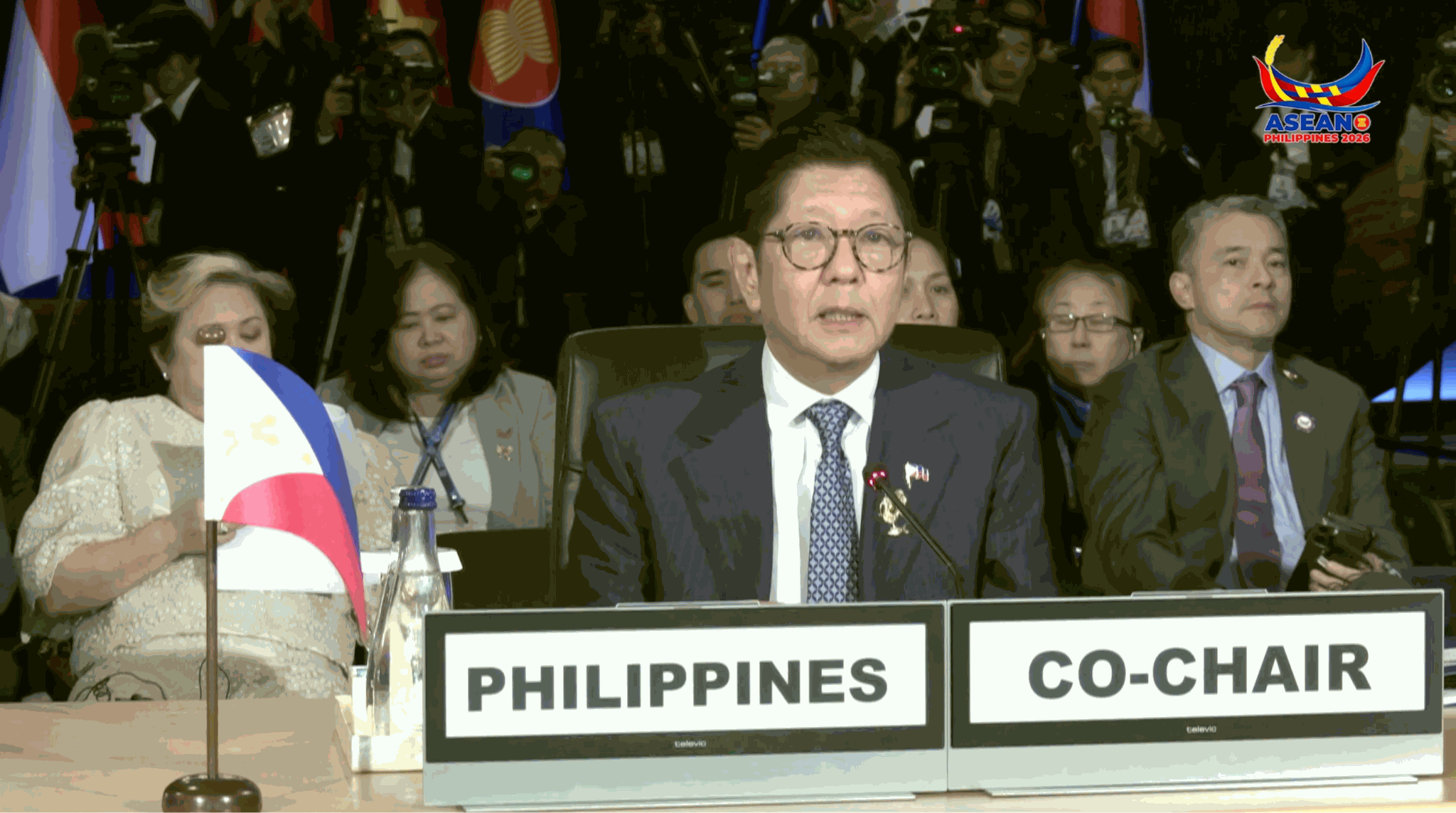
Marcos said the Philippines was pushing a “pragmatic country-driven agenda” that would advance energy security, economic growth and decarbonization at the same time.
“As chair of ASEAN, the Philippines views AZEC not as a duplication of efforts, but as a vital force multiplier that accelerates our regional energy priorities,” he said.
The AZEC Plus Online Summit was an emergency virtual meeting last April 15, where Marcos joined the AZEC and partner-nation leaders to coordinate regional energy security and supply chain resilience amid Middle East fuel disruptions.
Building the Philippines’ strategic petroleum reserve
Marcos declared: “For the Philippines, our priority is clear: we are actively advancing our Strategic Petroleum Reserve, backed by the robust infrastructure and financing required to sustain it.”
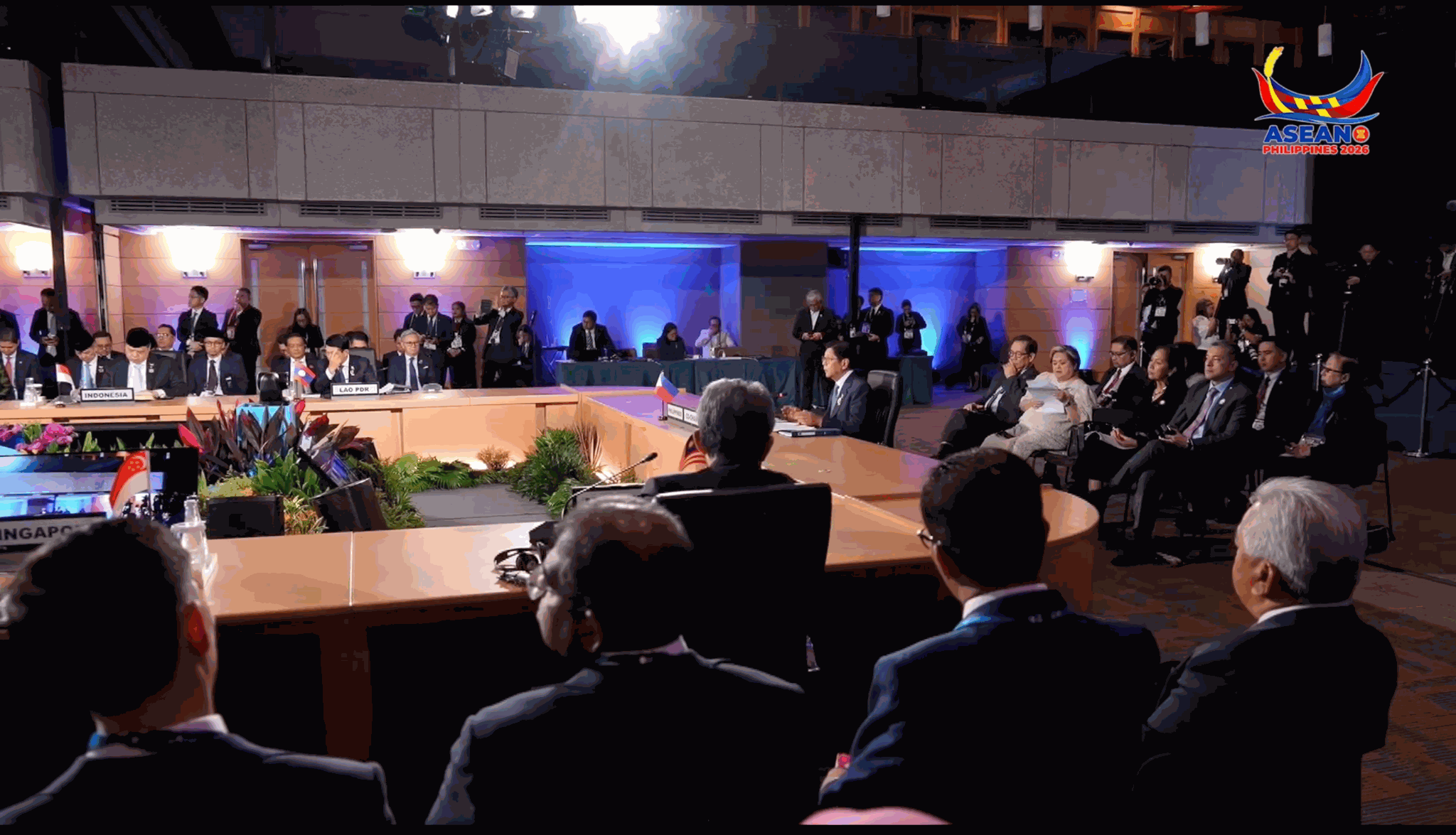
He also invited investors across the country’s energy sector, including renewable energy, grid modernization, energy storage, natural gas and emerging technologies.
While oil stockpiling is one way to boost reserves, Marcos pointed out this alone would not be enough to protect the region from future disruptions.
“We must deepen information sharing and practical storage arrangements, as well as commit to upholding international law to keep sea lanes open and maintain fair, transparent markets,” he said.
He added that energy resilience is a “shared global good” that demands collective commitment, and neither buyers nor sellers should benefit from volatility.
The president called for closer coordination between oil-consuming and oil-producing countries in Asia, saying regional energy security required joint action rather than isolated national responses.
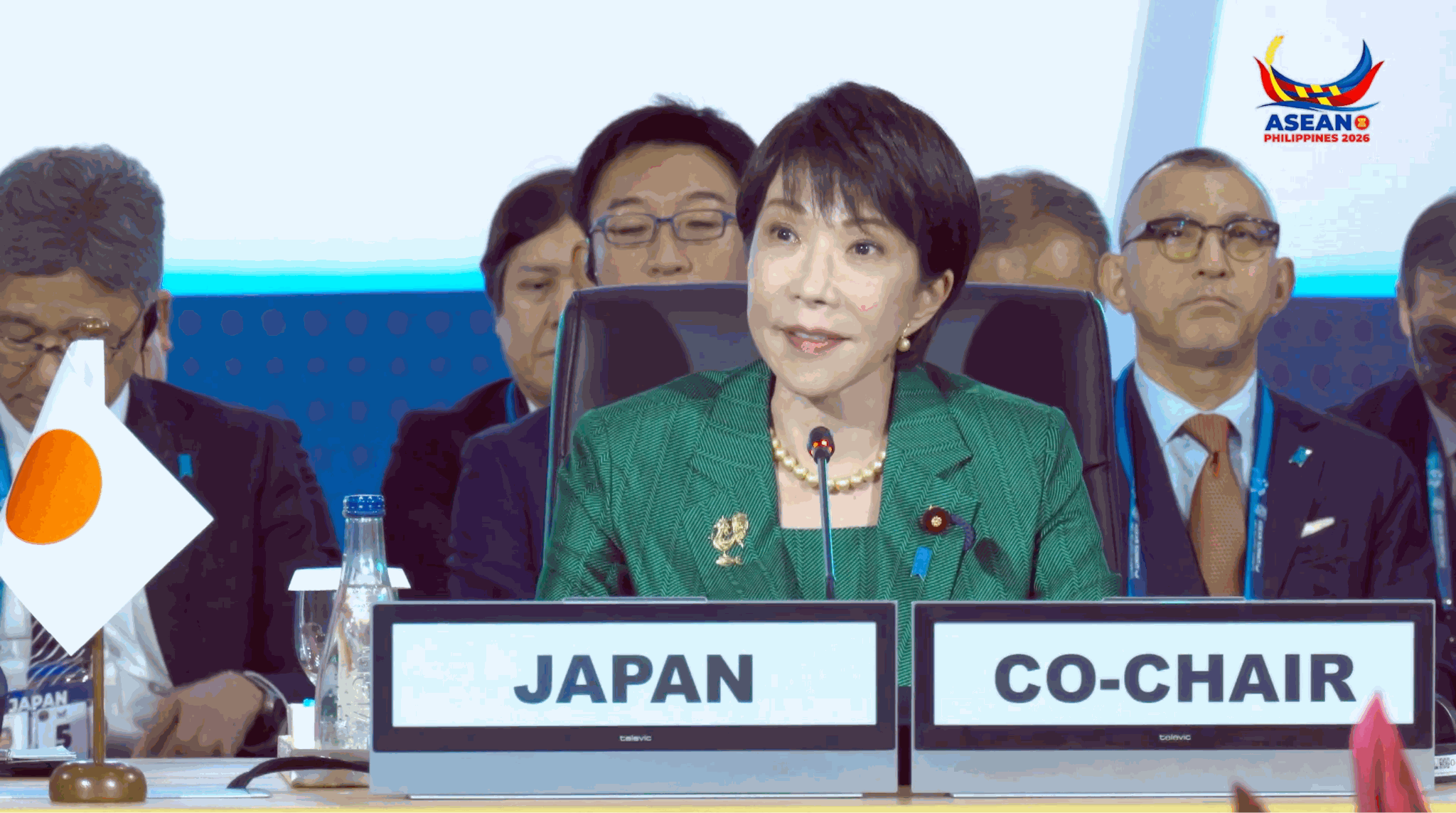
The remarks came as Japanese Prime Minister Takaichi Sanae proposed strengthening the power initiative and upgrading the existing ASEAN Secretariat framework into “ASEC 2.0.” The proposal includes the creation of an Asia Oil Security Task Force, an International Energy Agency hub in Tokyo, and an Asian oil stockpiling arrangement using idle storage tanks in Japan.
Japan also proposed cooperation on biofuels, small modular reactors and next-generation photovoltaic technology, as well as the Bridge Asia and PowerGulf initiatives to strengthen economic and energy resilience.
Clean energy transition and investment
Marcos said the Philippines welcomed regional cooperation on liquefied natural gas as a transition fuel while maintaining its renewable energy targets.
“We welcome regional cooperation on LNG as our vital transition fuel, while remaining steadfast in our goal of securing at least 25 gigawatts of renewable energy capacity by 2035 through our Green Energy Auction Programme,” he said.
The Philippines is working to increase renewable energy’s share in its power generation mix to 50% by 2040.
The ASEAN chair said the country was laying the groundwork for nuclear power as part of a diversified and low-carbon energy system, and pursuing opportunities in biofuels, hydrogen, ammonia and carbon capture.
“Because efficiency remains as our first line of defense against energy insecurity, we invite targeted investments in efficiency measures and initiatives under our national electric mobility framework,” he said.
Climate finance and Just Transition Framework
Marcos also highlighted the Philippines’ climate-finance and carbon-market initiatives, including its first Article 6 Implementation Agreement with Singapore and a carbon-market policy framework issued in April.
The Article 6 Implementation Agreement allows Singapore to create, approve and transfer Paris Agreement carbon credits internationally. Carbon credits are tradable permits representing the reduction, avoidance or removal of one metric ton of carbon dioxide from the atmosphere.
He said the framework would facilitate green financing, support the country’s nationally determined contributions and regulate carbon-credit trading.
“Yet finance alone will not guarantee a successful energy transition,” Marcos admitted.
Through the Philippines’ national Just Transition Framework, he said the government would work to ensure that the shift to a low-carbon economy creates decent jobs, prepares workers for emerging industries and protects communities most affected by the transition.
“In an interconnected world, no nation powers its future alone,” Marcos said. “Every stride that the Philippines takes toward energy security does not end at our borders. It reinforces the strength, stability, and collective resilience of our entire region.”
He said the Philippines would continue shaping its energy future through immediate action and partnerships, guided by ASEC’s principle of “One Goal, Various Pathways.”