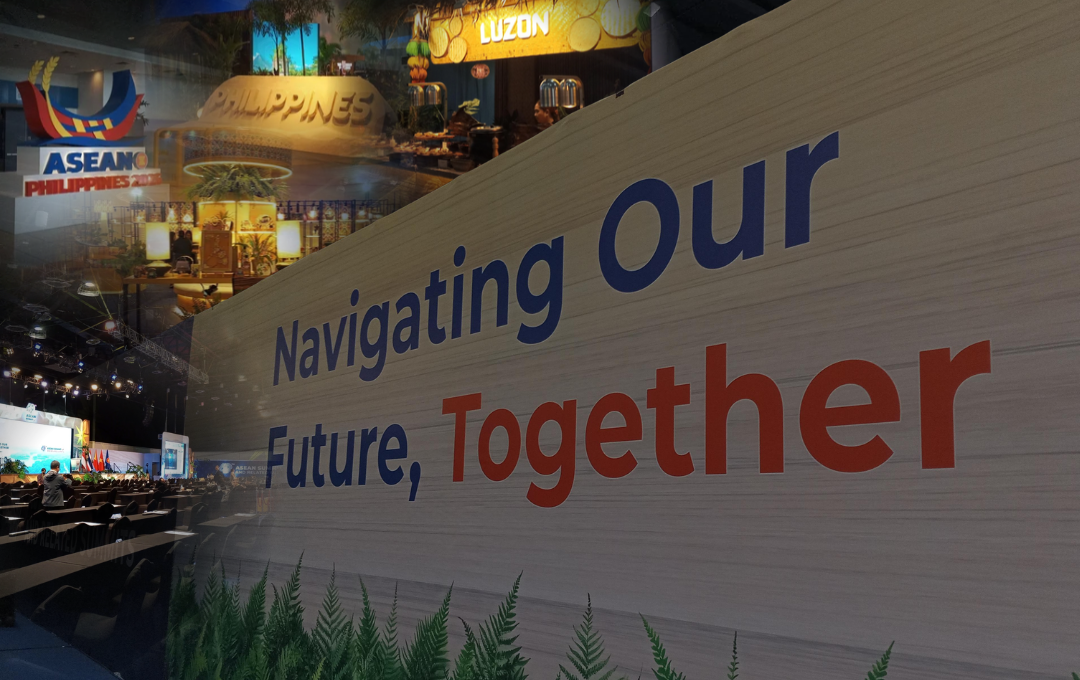

Walk through the doors of the World Trade Center in Pasay City, and the first thing that hits you isn’t the usual sterile chill of an international press room. Instead, it’s the low, steady hum of a thousand laptops booting up, mixed with the rich aroma of regional Filipino dishes wafting from just across the hall.
This is the International Media Center (IMC) for the 49th ASEAN Summit and Related Summits. Since opening its doors on Friday, Nov. 13, the sprawling venue has become a temporary home for 1,837 local and foreign journalists—with more still trickling in as the high-level meetings run through Nov. 18.
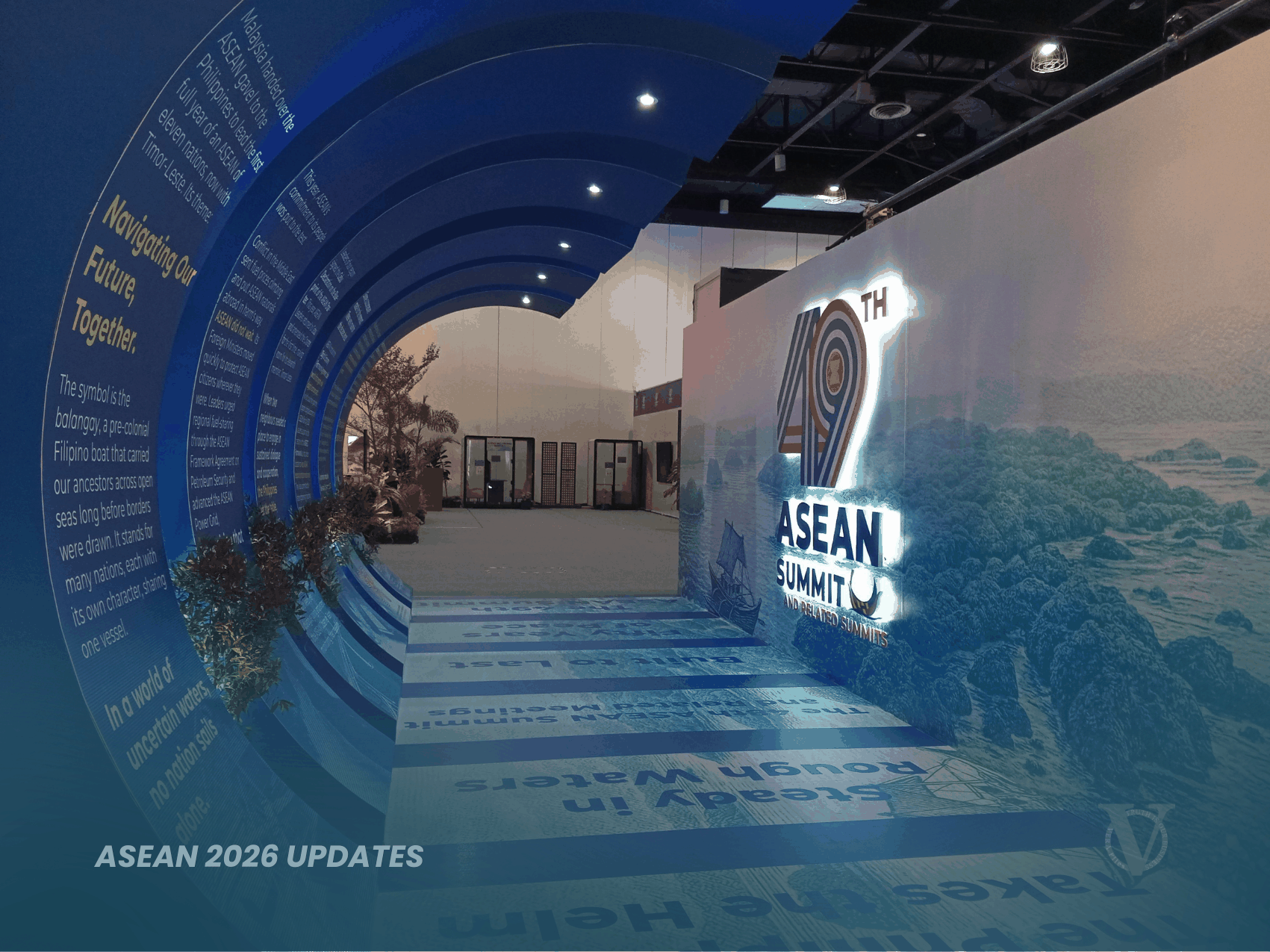
Anyone who has covered an international summit knows the routine. Most of the week is spent trapped in a bubble of airport terminals, hotel lobbies, and heavily guarded briefing rooms. While a strict pool system determines which select photographers, camera crews, and reporters actually get into the main meeting halls, the rest of the press corps lives and breathes inside the IMC.
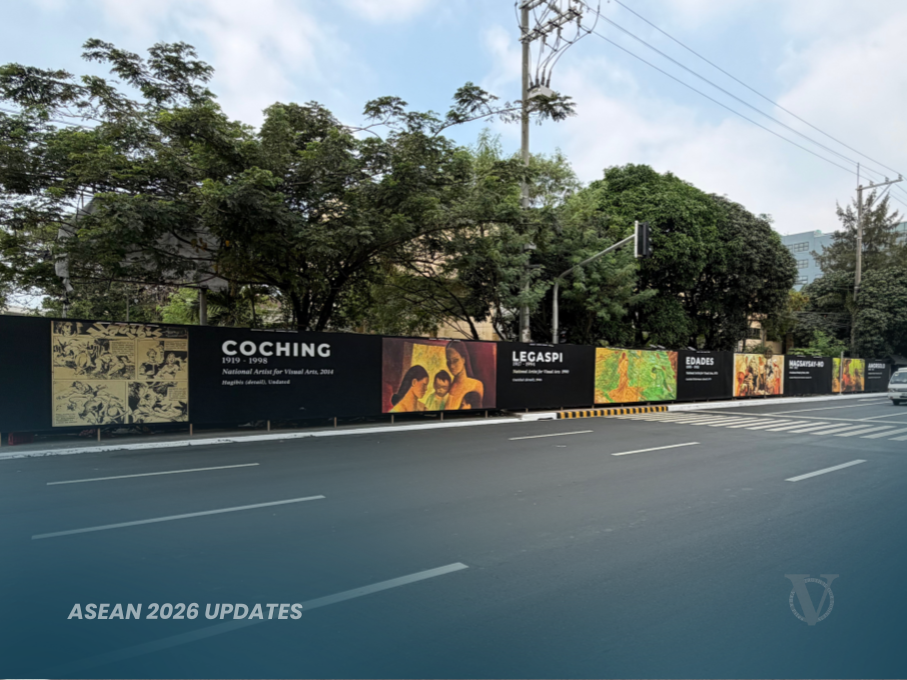
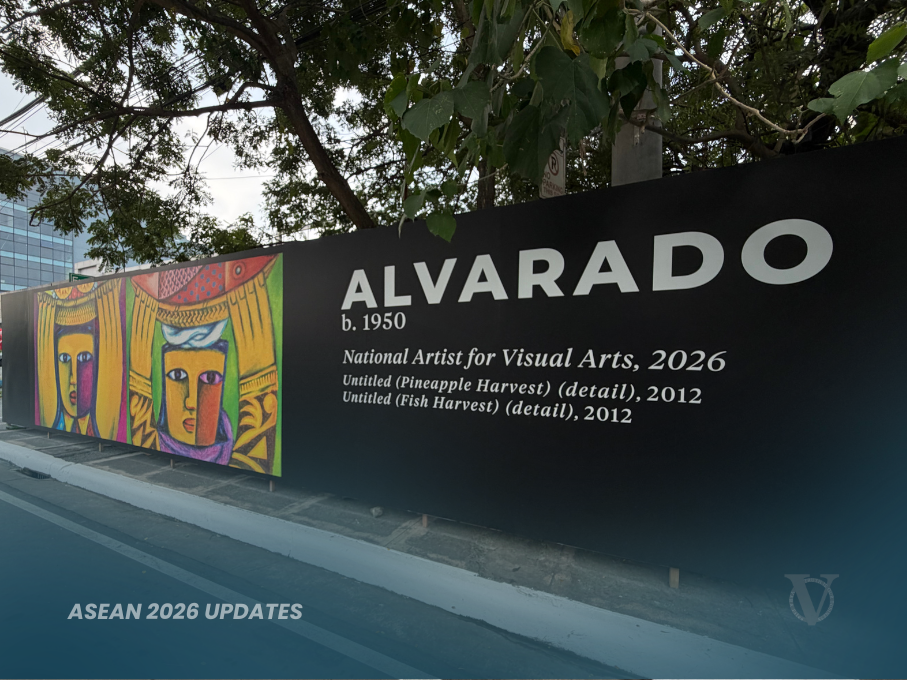
This year’s ASEAN managed to bring Filipino culture under one roof by promoting cuisine, crafts, and cultural heritage.
𝗧𝗵𝗲 𝗡𝗲𝗿𝘃𝗲 𝗖𝗲𝗻𝘁𝗲𝗿
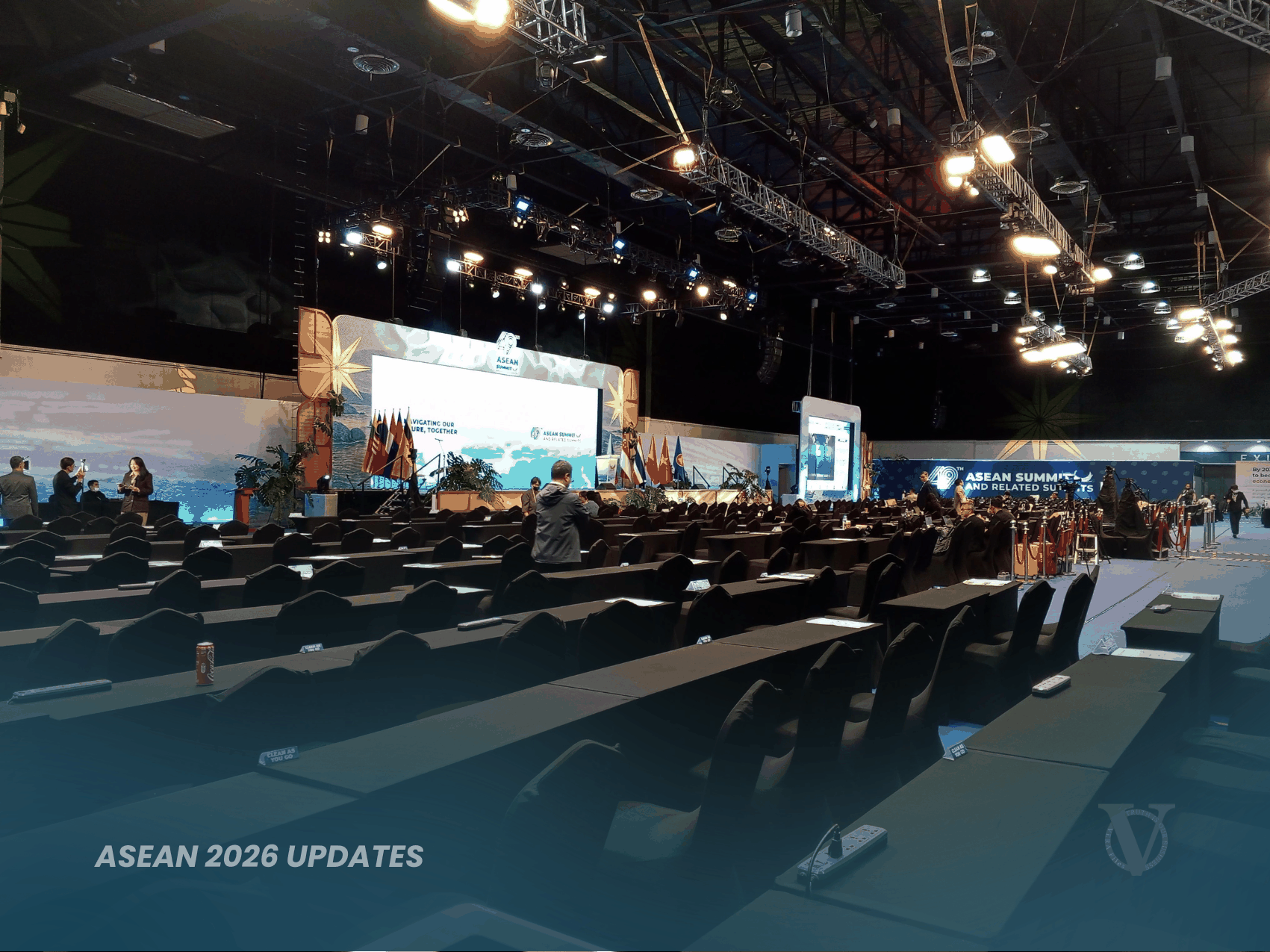
At the center of the floor is the main media hall, a massive makeshift newsroom packed with endless rows of workstations, universal power strips, and internet built to handle heavy coverage.
Just to the left, soundproof audio and broadcast booths give TV, radio, and digital reporters a quiet pocket of space to record voiceovers or go live without competing with the chatter of the main floor.
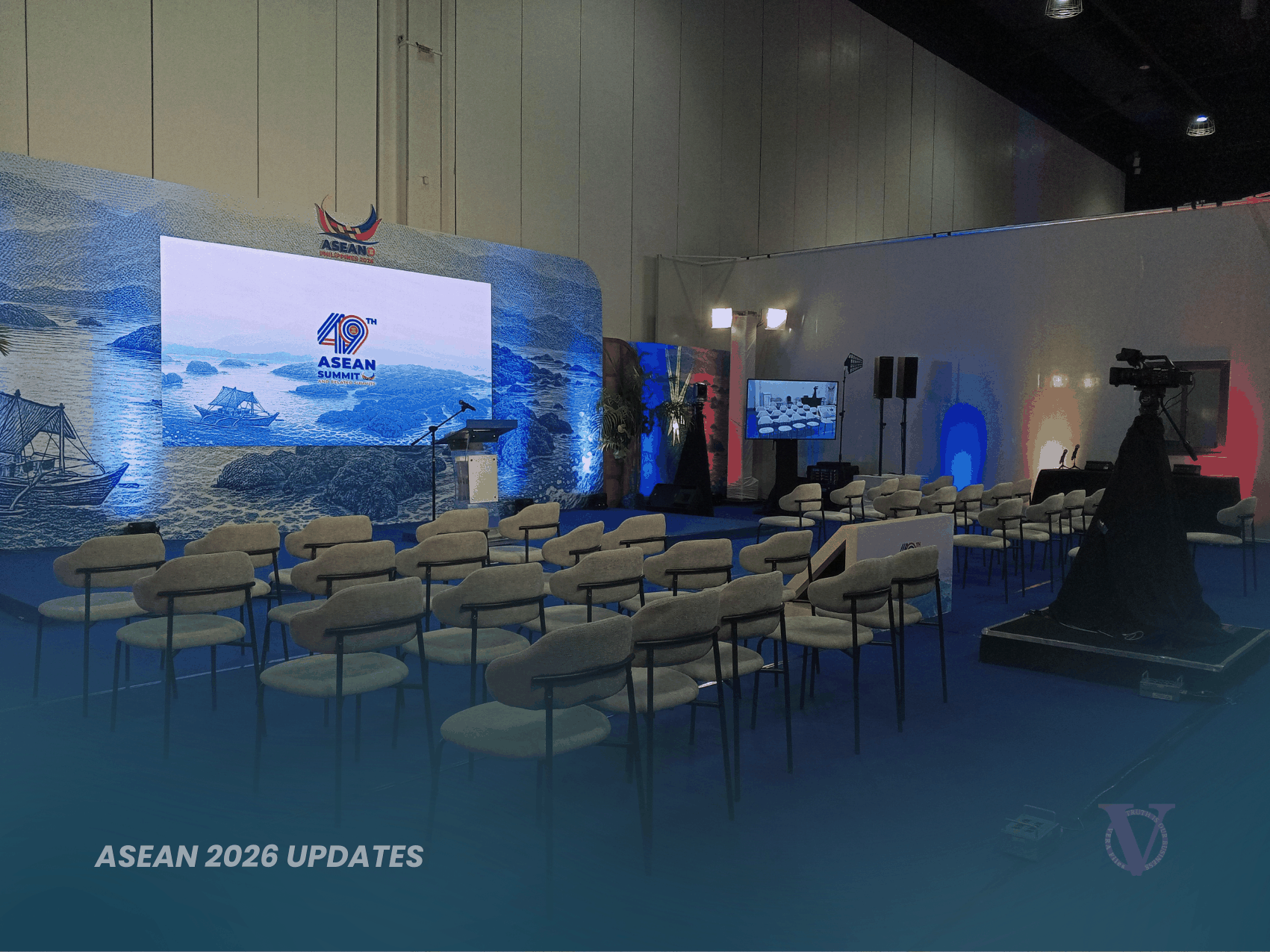
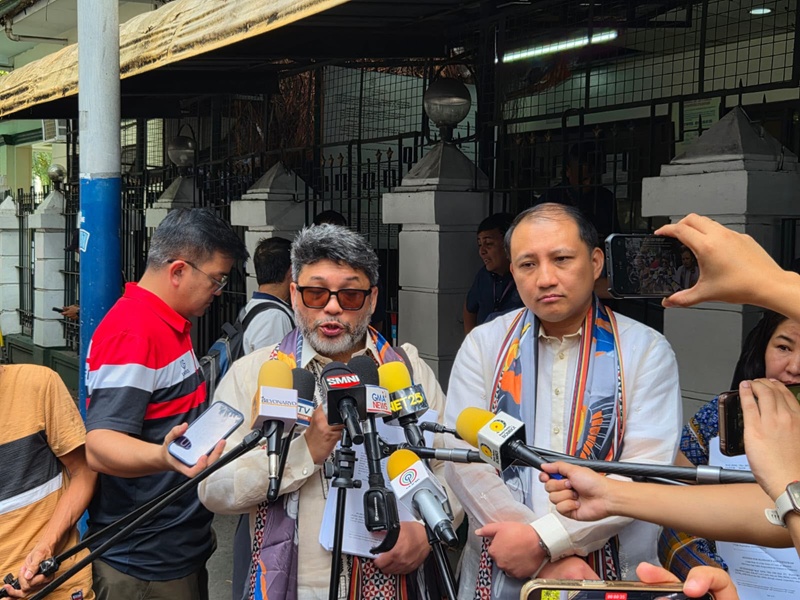
A few steps away, dedicated briefing rooms host the official statements and bilateral readouts, keeping reporters close enough to sprint from a press conference straight back to their keyboards.
𝗕𝗿𝗶𝗻𝗴𝗶𝗻𝗴 𝘁𝗵𝗲 𝗖𝗼𝘂𝗻𝘁𝗿𝘆 𝗜𝗻𝗱𝗼𝗼𝗿𝘀
Because brutal deadlines and notorious Manila traffic rarely leave time for sightseeing, the ASEAN organizing committee decided to bring the Philippines directly to the press.
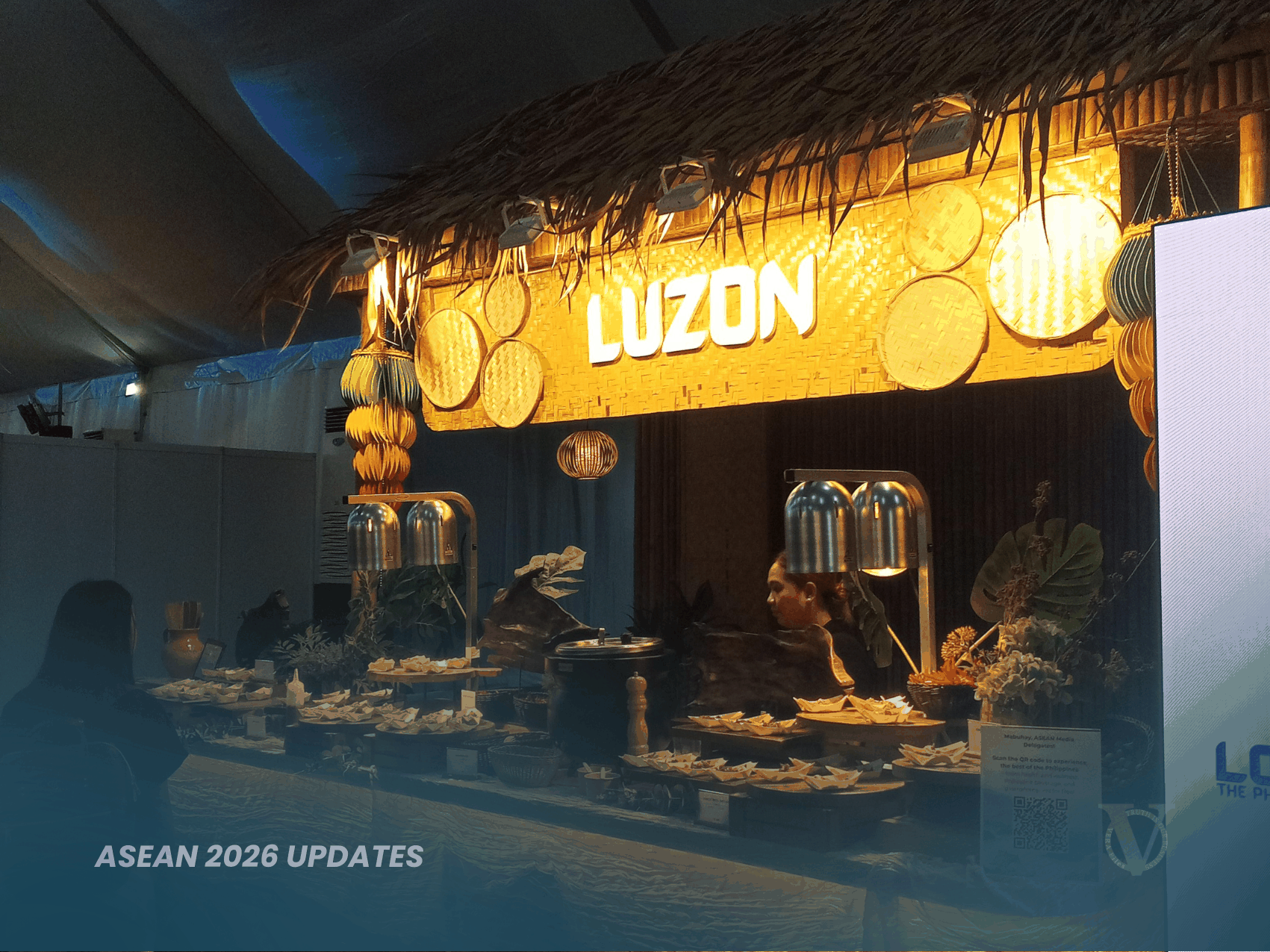
Food hubs scattered throughout the venue serve up specialties from Luzon, Visayas, and Mindanao, giving foreign correspondents a proper taste of local cuisine between briefings.
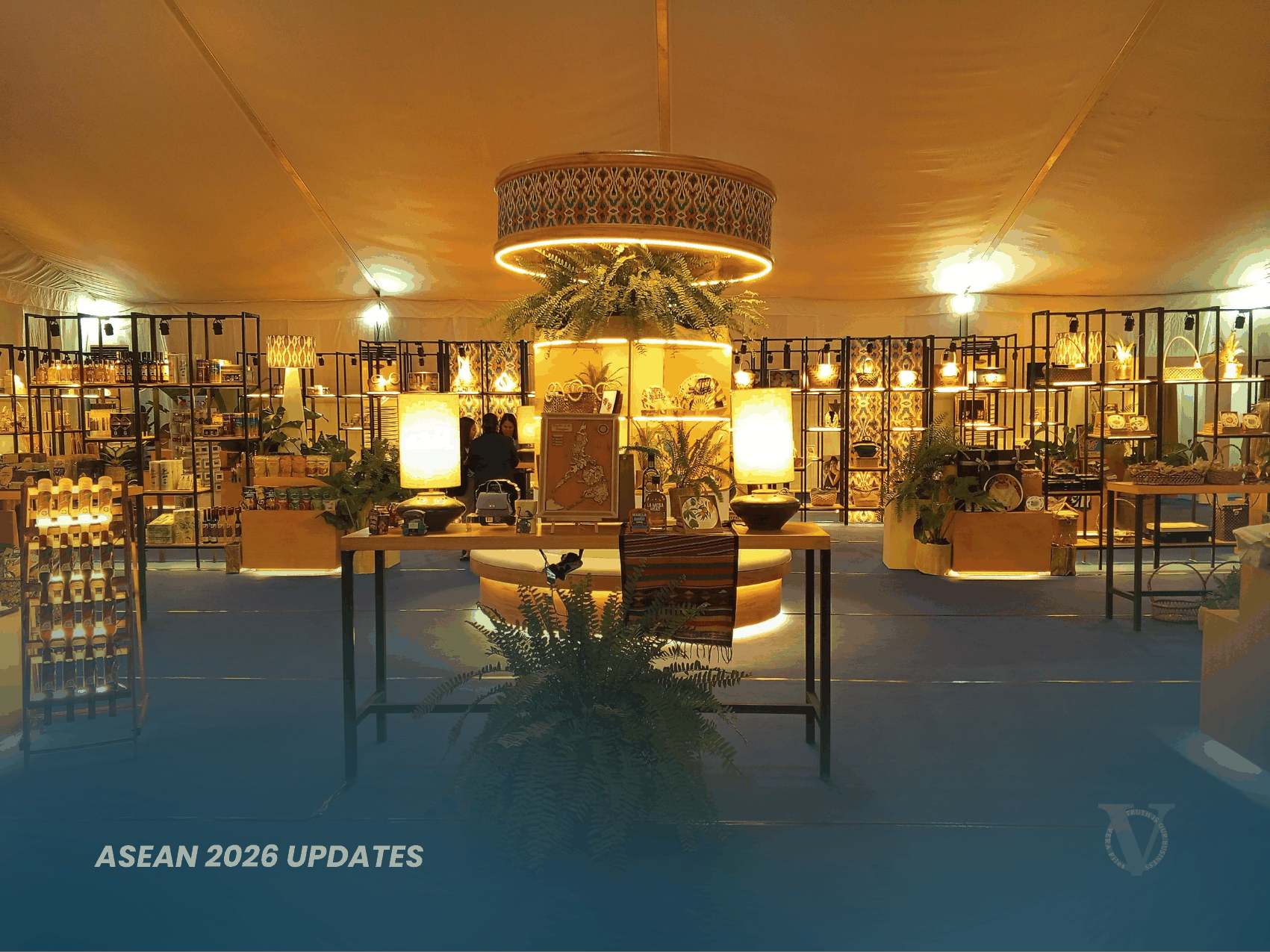
Nearby, another pavilion puts traditional Filipino craftsmanship on display, right next to the Philippine Micro, Small, and Medium Enterprises (MSME) Hub, where local entrepreneurs showcase artisanal goods, sustainable products, and homegrown innovations.
𝗦𝘂𝗿𝘃𝗶𝘃𝗶𝗻𝗴 𝘁𝗵𝗲 𝗚𝗿𝗶𝗻𝗱
Summit coverage is a marathon of missed meals, endless standing, and impossible turnaround times. Knowing this, organizers tucked a Health and Wellness Station right into the floor plan.
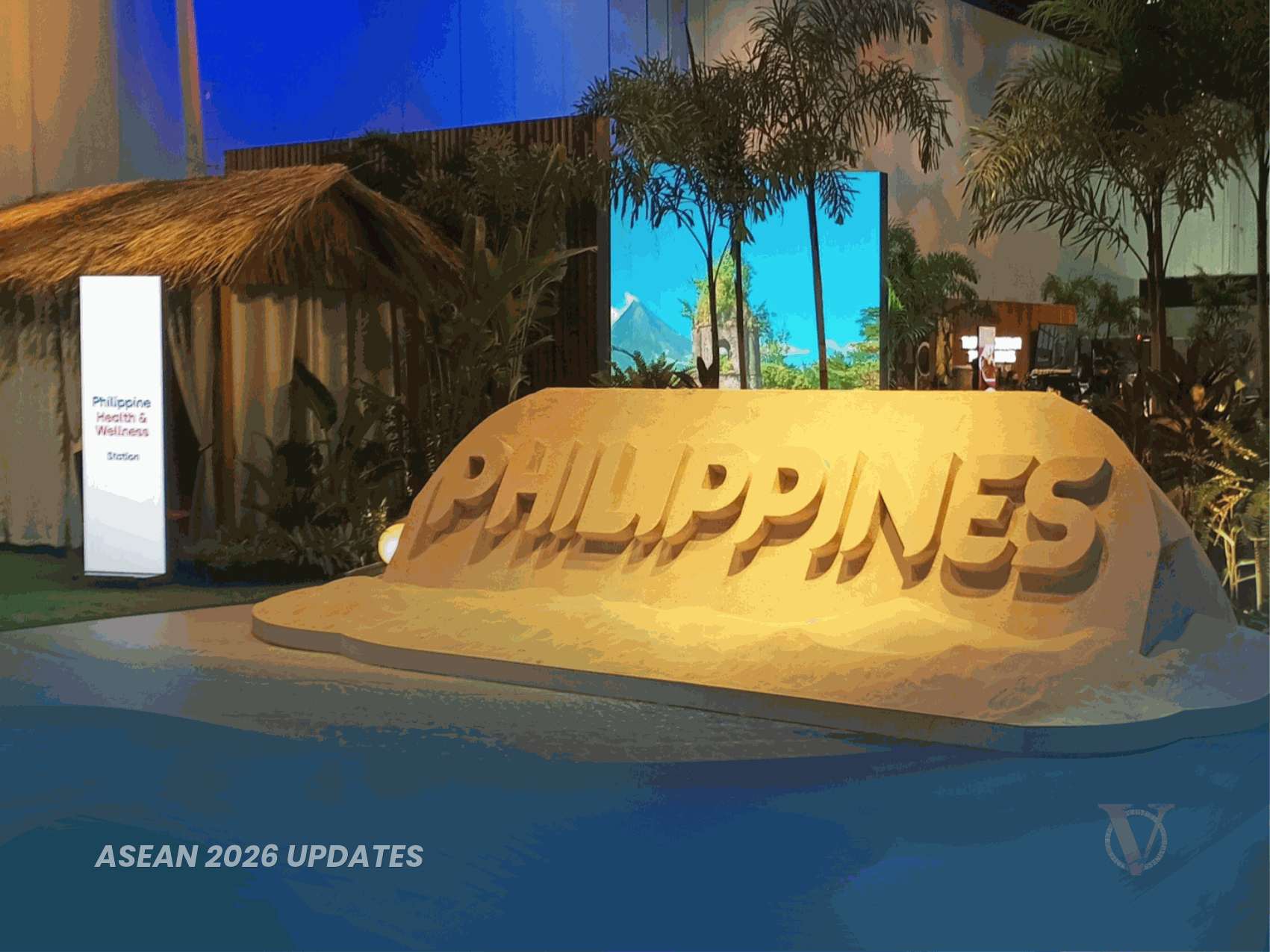
Beyond basic medical check-ups for exhaustion or headaches, the station offers hilot—an ancient Filipino therapeutic massage. Between filing windows, it’s common to see bleary-eyed reporters, producers, and camera operators slipping in for a quick session to work out the knots before heading back to the grind.
𝗔 𝗤𝘂𝗶𝗰𝗸 𝗘𝘀𝗰𝗮𝗽𝗲 𝘁𝗼 𝗢𝗹𝗱 𝗠𝗮𝗻𝗶𝗹𝗮
For the lucky few who managed to catch a break in their schedules, familiarization tours were organized, showcasing some of Manila’s landmarks in historic Intramuros. The route winds through the Museo del Galeon, Manila Cathedral, San Agustin Church, Baluarte de San Diego, and the ASEAN Gardens, before wrapping up at the Centro de Turismo Intramuros.
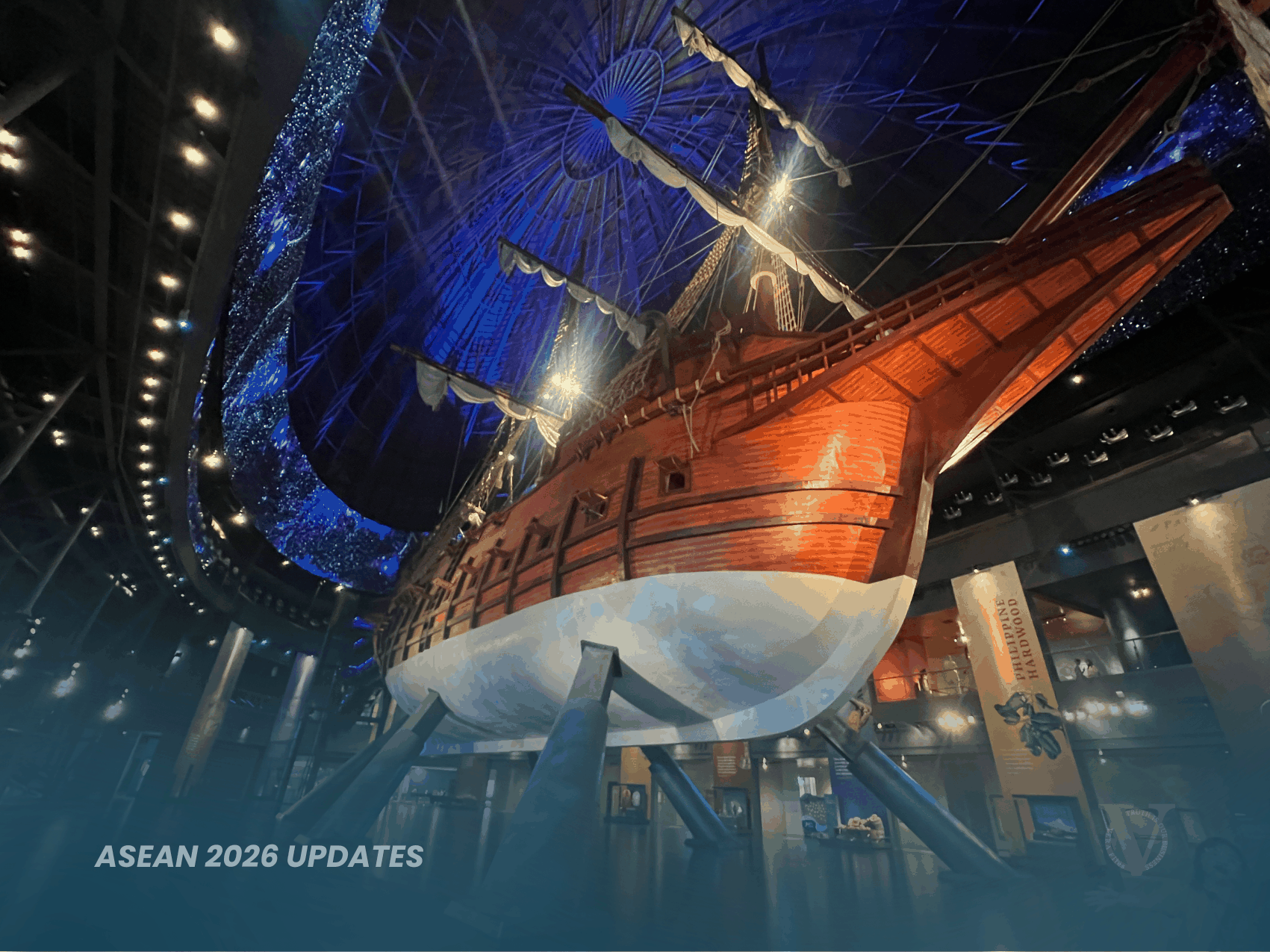
Until the summit wraps up on Nov. 18, this corner of Pasay remains a world of its own—part high-pressure newsroom, part cultural showcase, and a much-needed sanctuary for the press corps telling the story to the rest of the world.