
Background
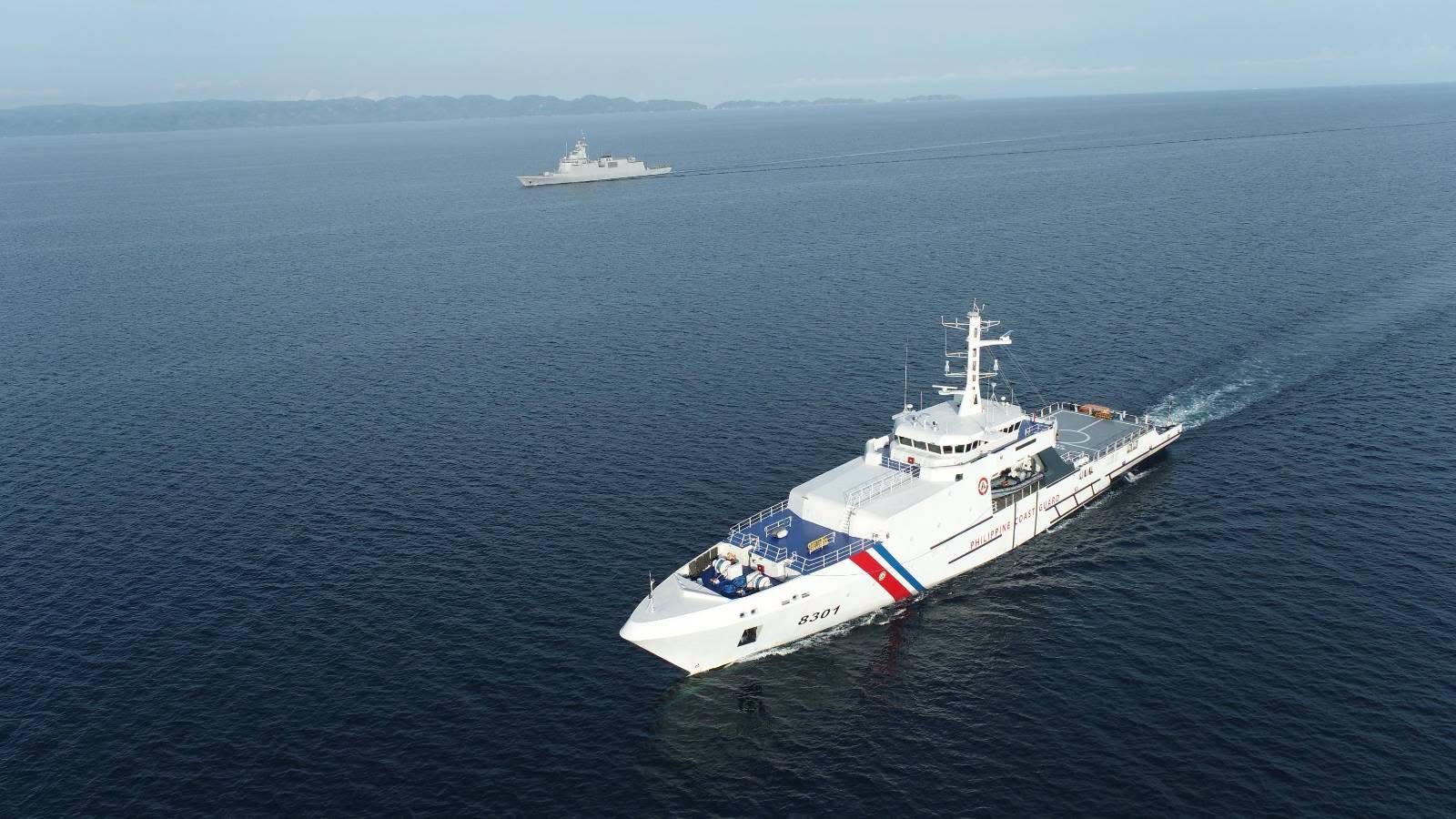
The Senate passed Senate Bill 2116, or the Revised Philippine Coast Guard Law, on its third and final reading last August 11. Aside from modernizing the PCG and addressing its organizational gaps, it was a response to tensions in the West Philippine Sea arising from China’s excessive maritime claims.
Granted that the PCG has been involved in operations in the WPS and has borne the brunt of Chinese coercive actions at sea. Granted also that the PCG requires a major upgrade in capability and to fix its current organizational setup.
But the Senate might have drawn the wrong lessons from our entire experience in the WPS, and fell short of understanding the system of systems that drives our security sector in general, and the maritime agencies at the forefront in particular. One would venture to guess that our legislators have bought into the “white on white” narrative and the self-inflicted propaganda that we have built around it.
Maritime governance is a challenging undertaking, particularly in an archipelago of more than 7,000 islands. Under normal circumstances, we have to contend with non-traditional security concerns such as smuggling of goods, narcotics, and human trafficking, poaching by foreign fishing vessels, violations of domestic fisheries laws, among others.
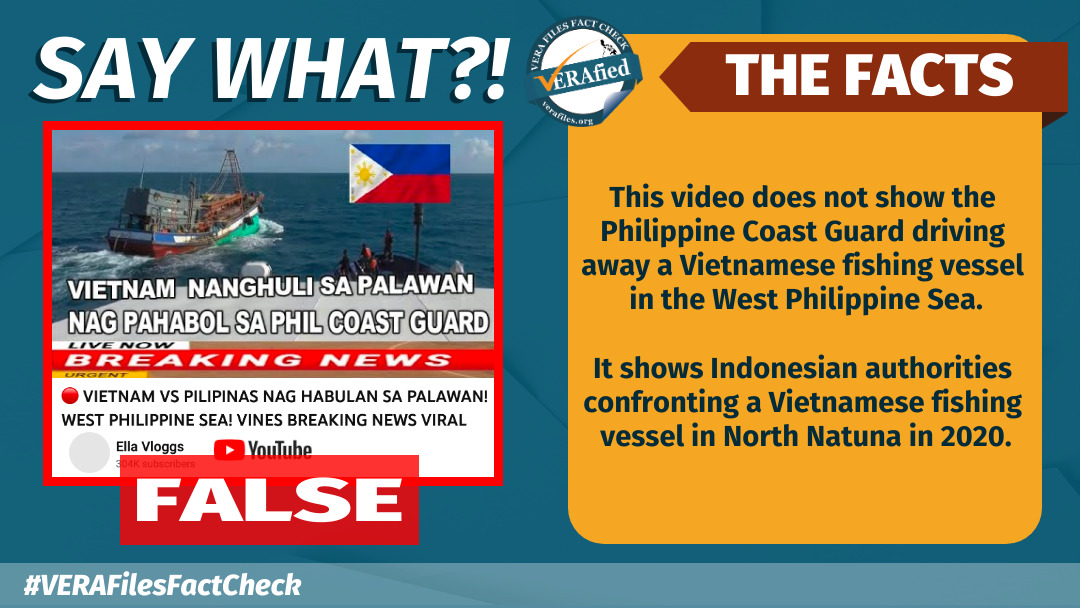
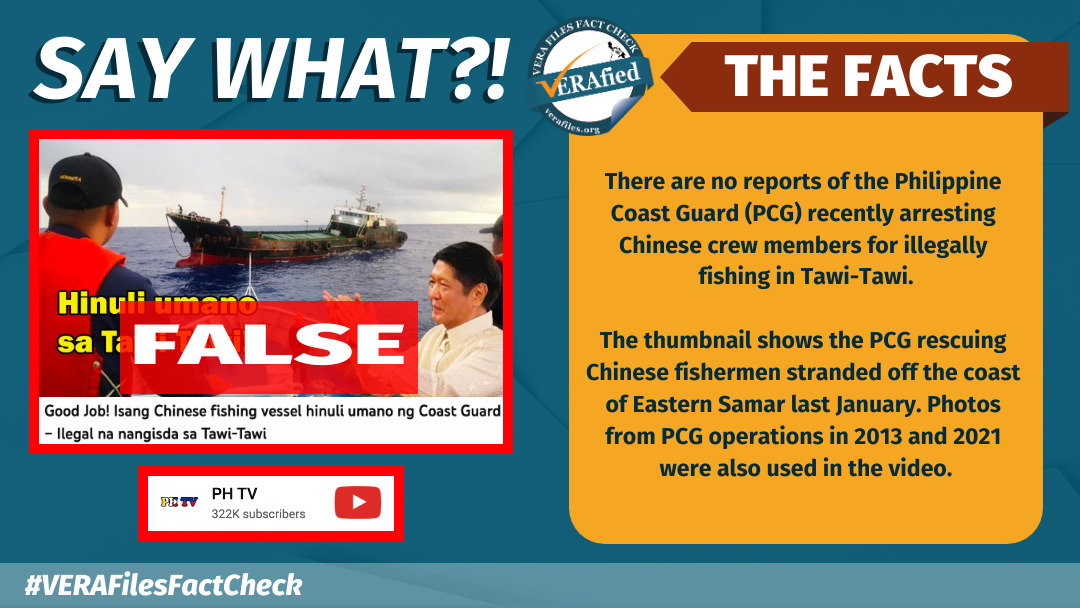
At its height in 2016, the incidence of acts of terrorism, armed robbery at sea, and kidnapping by locals and foreigners was prevalent in the southwestern part of Mindanao. Since the Scarborough Shoal standoff of 2012, Chinese incursions inside our exclusive economic zone, harassment of our fisherfolk plying the waters off Luzon and Palawan, and coercive tactics against our government vessels have been the norm. This wide spectrum of security concerns at sea has strained the capabilities and resources of the Philippine Navy, Philippine Coast Guard, and the Bureau of Fisheries and Aquatic Resources.
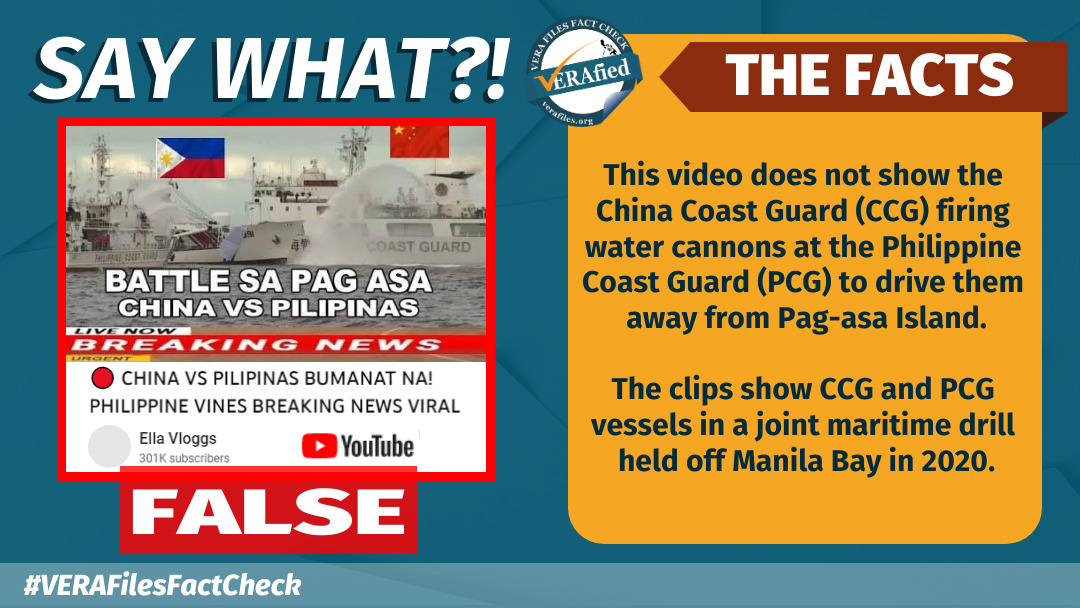
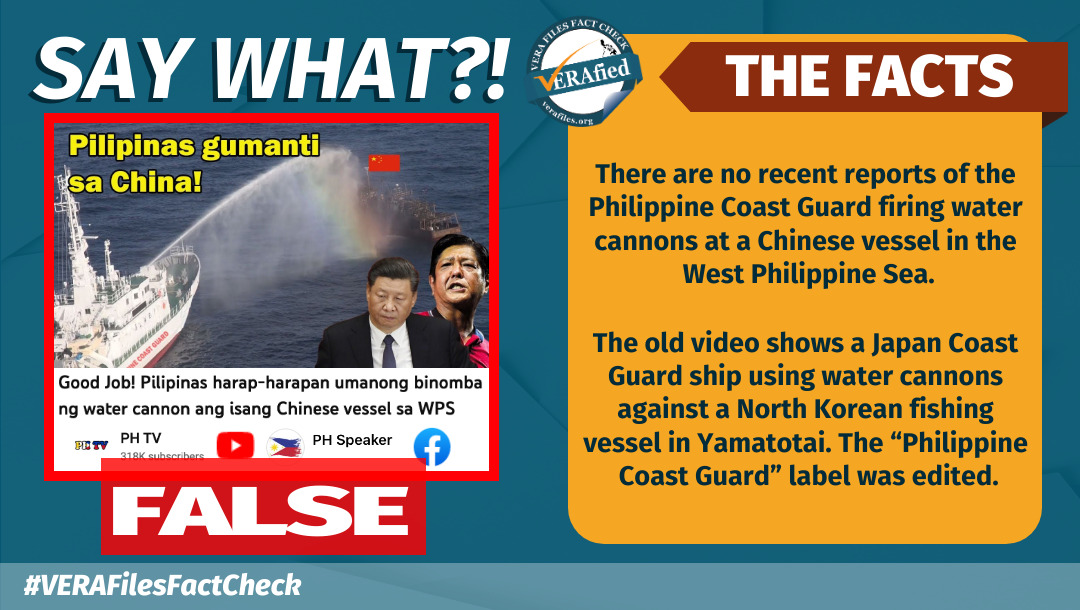
However, it was the uptick in coercive actions and harassment by Chinese Coast Guard and militia vessels in the WPS over the past few years that has dominated the threat board across the security sector. Unfortunately, we suffer from incoherence in our defense and security posture, and our responses proved ineffective. This was the consequence of differences in interpretation of what a strategy is, a dysfunctional bureaucracy, and policy differences among the top leadership. There were also instances when parochial and personal agendas began driving our set of responses.
On March 25, 2024, Executive Order No. 57 was issued. It transformed the National Coast Watch Council (NCWC) into the National Maritime Council (NMC), while the erstwhile NCWC Secretariat was renamed the Presidential Office for Maritime Concerns (POMC). Despite honest efforts to improve the situation, it still struggles to deconflict overlapping agency mandates or quell the policy-driven infighting among key officials.
Department of Maritime and Ocean Affairs
Perhaps it’s high time for President Ferdinand Marcos Jr. and our legislators to consider a Department of Maritime and Ocean Affairs (DMOA) built around the existing POMC. This would then become the lead agency for maritime security, maritime domain awareness, and compliance with UNCLOS and the 2016 Arbitral Award, and for the formulation of integrated maritime policies covering security, environment, fisheries, shipping, and ports. Such a solution addresses issues arising from the current state of the PCG and the missed opportunity with the creation of the POMC, by turning a bureaucratic minefield into an opening to improve maritime governance in the country.
The following agencies could be considered for integration in the DMOA, with the overall structure rationalized later on:
Philippine Coast Guard (PCG) is a bureau of the Department of Transportation (DOTr). It is responsible for maritime law enforcement, safety, search and rescue, and environmental protection. It should also include the protection of critical infrastructure such as submarine cables for data and power, offshore facilities, and major ports and harbors.
Monitoring, Control, and Surveillance (MCS) is under the Department of Agriculture (DA), but it is under supervision of the Bureau of Fisheries and Aquatic Resources. It is responsible for fisheries monitoring and enforcement, anti-IUU fishing, and resource management. It operates its own fleet of vessels, manned by PCG sailors. The MCS can stick with the DA and merely field law enforcement teams aboard PCG vessels instead.
PNP Maritime Group (PNP-MG) is under the Department of Interior and Local Government (DILG). It is responsible for law enforcement and crime prevention in ports, rivers, and municipal waters. It owns a fleet of patrol boats, but it has issues with sustaining their maintenance. If a transfer to another department is not feasible, law enforcement teams can be deployed aboard PCG vessels and boats, or work jointly with the land-based PCG Stations and Detachments.
Maritime Industry Authority (MARINA) is a government-owned and controlled corporation that serves as the regulating body for the maritime industry. It is under the DOTr.
Philippine Ports Authority (PPA) is a government-owned and controlled corporation that manages and operates public ports and has its own police force. It is also under the DOTr.
National Mapping and Resource Information Authority (NAMRIA) is under the supervision of the Department of Environment and Natural Resources and is responsible for hydrography, mapping, and geospatial intelligence for navigation and sovereignty claims. It operates a squadron of hydrographic survey vessels and smaller boats for riverine and harbor surveys.
National Maritime Center was formerly the National Coastwatch Center. It is responsible for maritime domain awareness requirements of the erstwhile National Coastwatch Council. It is currently under the Office of the President. It initially started with some land-based radar stations, but it has achieved modest improvements over the years.
National Fisheries Monitoring Center (NFMC) is under the Department of Agriculture (DA) and serves as the central hub of the BFAR’s Vessel Monitoring System (VMS). It is supposed to monitor the positions, routes, and fishing activity of commercial fishing vessels across Philippine waters. However, the Supreme Court recently declared the legal basis for its operations unconstitutional.
The proposed DMOA should deliver the following strategic functions:
Unified Maritime Law Enforcement leading to a streamlined command for patrols, interdictions, protection of critical infrastructure, search and rescue, and port policing. This involves the PCG, BFAR-MCS, PNP-MG, and PPA Police.
Integrated Maritime Domain Awareness that includes land-based radar, satellite data from multiple sources, airborne and seaborne platforms, and reports of networks. This involves the NMC, the NMFC, and NAMRIA.
Harmonized Port Security & Logistics allowing for improved port operations, anti-smuggling measures, and international compliance protocols. This involves the PCG, PNP-MG, and PPA Police in collaboration with the Bureau of Customs.
Resource Governance through sustainable fisheries, shipping regulations, port operations, and environmental protection. This involves PCG, BFAR, MARINA, and PPA.
Diplomatic Support in terms of policy alignment with UNCLOS, the 2016 Arbitral Award, conformity with ASEAN maritime frameworks, and other international protocols.
The establishment of the DMOA will enhance operational efficiency with faster decision-making and reduced bureaucratic overlap. It will also provide a stronger response against various non-traditional maritime security challenges, such as Chinese incursions at sea and illegal activities in ports. In terms of economic development, the country benefits from safer shipping lanes, regulated fisheries, efficient ports, and predictable growth in the maritime industry. Lastly, we get international credibility by providing a clear institutional counterpart for regional and global maritime cooperation.
A Concern on Senate Bill 2116
Before closing, we circle back to Senate Bill 2116. The PCG definitely needs this bill, but we hope during the bicameral discussion our legislators will deliberate it in the proper context. The original law, Republic Act 9993, or the Philippine Coast Guard Law, did not invalidate the Administrative Code of 1987 as it pertains to the functions and roles of the Armed Forces of the Philippines. The code specifies that the Philippine Navy is tasked with the “conduct of sustained naval and maritime operations in defense of national sovereignty and law enforcement at sea.”
In the command relationship, the AFP remains the supported agency, while the PCG performs a supporting role. In current operations in the WPS, the Unified Commands – NOLCOM and WESCOM – retain control of the operational direction. At the end of the day, the contention for sovereign rights in the South China Sea is driven by naval strategy. Prospectively, in any future conflict or crisis, the PCG’s seagoing fleet is expected to serve as a “naval auxiliary” to the Philippine Navy. They will likely be tasked with convoy escorts, combat search and rescue, and coastal patrol.
Summary
The creation of a Department of Maritime and Ocean Affairs is a strategic necessity for an archipelagic state like the Philippines.
We need a single authority to ensure rightful governance in the maritime space and to protect the interests of a wide spectrum of stakeholders. Creating a new department is not without problems. Resistance is expected among the agencies affected by such changes. Crafting an enabling law is always a challenging exercise, but hopefully the merits of the idea are enough to generate support among legislators.
In the end, maritime governance is about putting our house in order so that Filipinos who depend on the sea for their livelihood can go about their daily lives in peace.