
(Note: We have corrected the composition of the Supreme Court’s First Division after the High Court called our attention to the error. Dec. 6, 2025.)
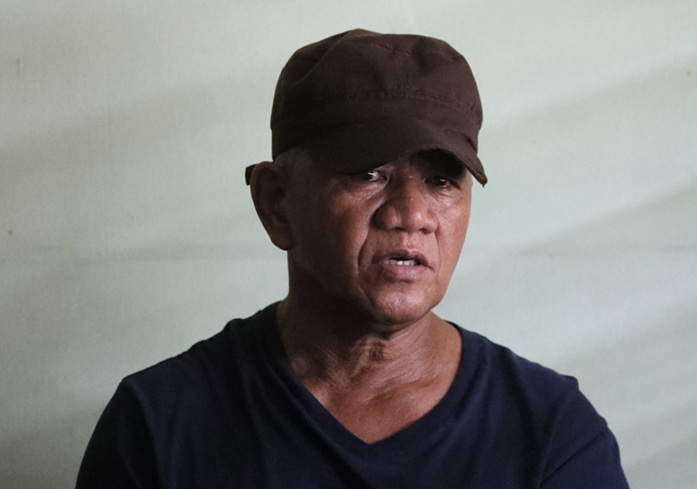
The Supreme Court is on a collision course with the International Criminal Court over the dismissal of a petition to review the case of Efren Morillo, an eyewitness and survivor of the war on drugs of former president Rodrigo Duterte, who has been detained at the Scheveningen facility while awaiting trial for charges of crimes against humanity in The Hague, Netherlands.
The case of Morillo, lone survivor among five men in the August 2016 anti-drug Tokhang operations by the police in Payatas, Quezon City by playing dead, was cited by the ICC as “emblematic” of the extra judicial killings in its 2021 decision authorizing the investigation of Duterte’s war on drugs.
But in a minute resolution on June 30, the Supreme Court First Division headed by Chief Justice Alexander G. Gesmundo dismissed Morillo’s petition for certiorari for “for failure of the petitioners to sufficiently show that any grave abuse of discretion was committed by the Office of the Ombudsman.”
The Office of the Ombudsman, then under Duterte appointee Samuel Martires, dismissed the case— filed by Morillo and the families of the four others killed during the Payatas Tokhang operations — for murder, frustrated murder, robbery, planting of evidence and grave misconduct. The four persons killed in the operations were Marcelo Daa Jr., Anthony Comendo, Jessie Cule and Rhaffy Gabo.
The Gesmundo-led First Division is composed of Associate Justices Ramon Paul L. Hernando, Rodil V. Zalamea, Ricardo R. Rosario, and Jose Midas P. Marquez, all Duterte appointees.
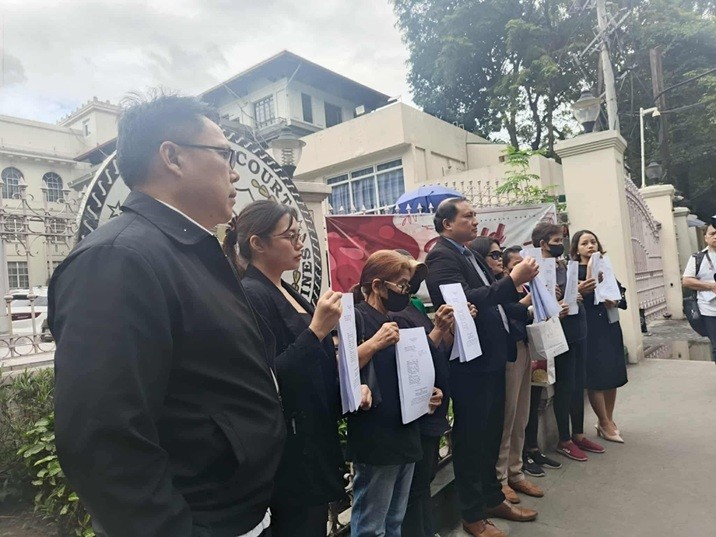
The CenterLaw, representing Morillo and the families of Daa, Comendo, Cule and Gabo, will file today (Dec. 5) a motion for reconsideration with a motion to elevate the case to the Supreme Court en banc, on the following grounds:
- The Ombudsman gravely abused its discretion by blatantly disregarding material, uncontroverted and judicially-established facts that clearly establish probable cause.
- The Ombudsman gravely misapplied the doctrines of self-defense and fulfillment of duty under Article 11 of the Revised Penal Code and controlling jurisprudence on burden-shifting.
- The Ombudsman grossly misapplied the doctrine of judicial notice by using it to exclude court-tested, formally submitted evidence that was properly submitted during preliminary investigation.
- The Supreme Court failed to appreciate that the case involves the extraordinary circumstance of admitted killings by state agents in the context of the war on drugs, where strict scrutiny and heightened review of the Ombudsman’s actions are required under Section 1, Article VIII of the 1987 Constitution.
- Reconsideration is necessary to prevent a substantial miscarriage of justice, given the overwhelming forensic, medical, documentary and judicial evidence that the Ombudsman wholly failed to appreciate.
Of the more than 30,000 cases of extrajudicial killings in the course of Duterte’s notorious drug war, the Morillo case stands out because he is one of the very few eyewitnesses who has survived.
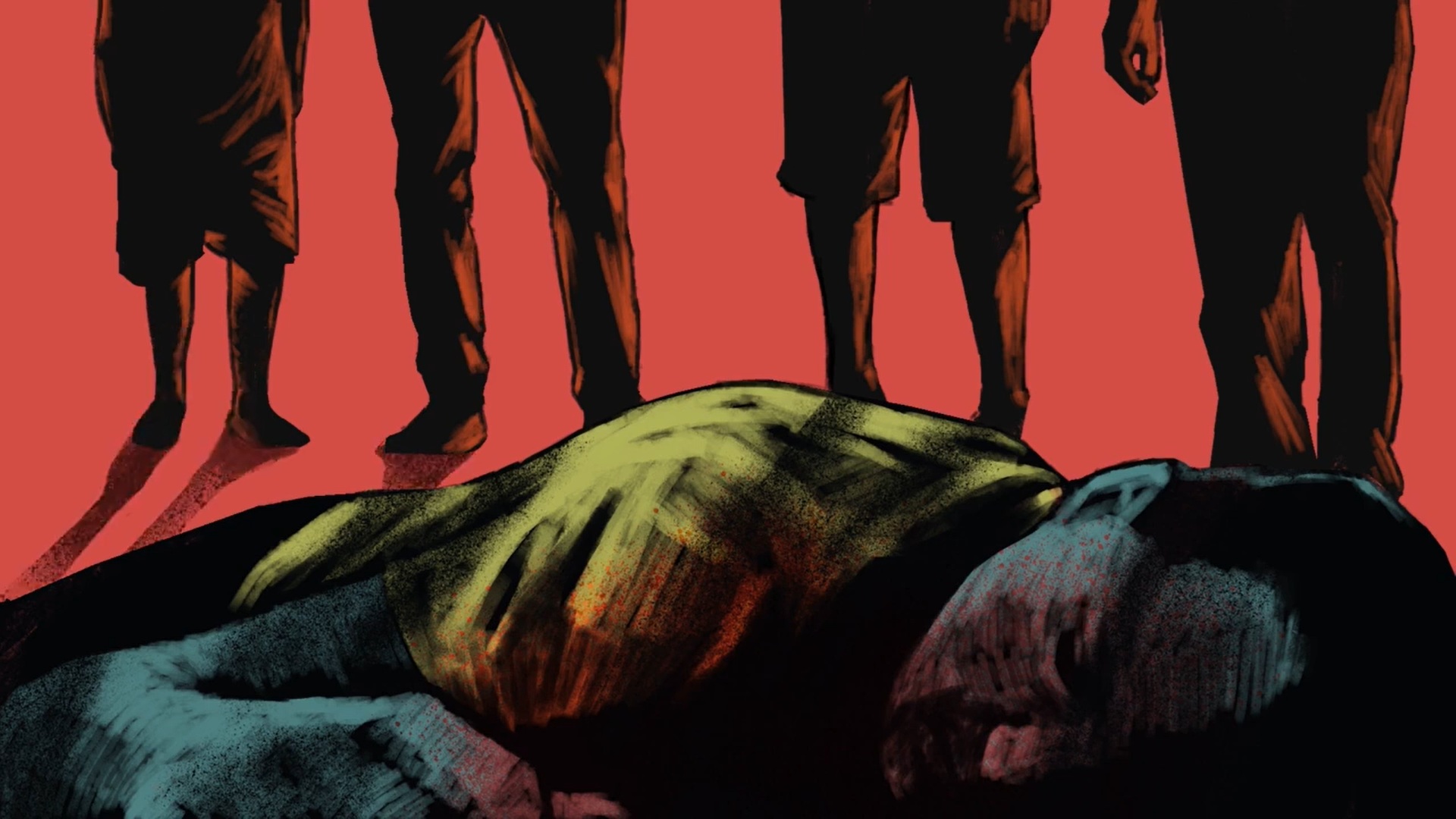
In its 2021 decision authorizing the investigation of Duterte’s war on drugs, the ICC cited: “The prosecutor puts forward as emblematic in this context the case of Efren Morillo. According to the available information, on 21 August 2016 in Payatas (Quezon City), Efren Morillo, a 28-year-old fruit and vegetable vendor, was detained at a house by plainclothes police officers, along with four friends, during an alleged Tokhang operation.”
It continued: “The policemen pointed their guns at them, tied them up and later shot each of them, killing four. Efren Morillo was wounded but survived playing dead, and later gave an account of the incident. He in particular stated that he and his friends were frisked, handcuffed, and unarmed. The police, however, asserted that Efren Morillo and the others pulled their guns and shot at the police, to which the officers responded by shooting the suspects. According to the available information, Efren Morillo was subsequently charged with assaulting a police officer.”
The Quezon City Metropolitan Trial Court has acquitted Morillo of the charges filed by the accused police officers, with a medicolegal doctor testifying that the trajectory of the bullet that hit him was downward, or execution style.
In 2017, at the height of Duterte’s bloody war on drugs, the Supreme Court led then by chief justice Maria Lourdes Sereno granted Amparo protection to Morillo and the families of the four killed by prohibiting respondent police officers from entering within a one-kilometer radius from them. The Court of Appeals then decided to make the protection order permanent.
Morillo together with the families of the four deceased victims, filed administrative and criminal charges before the Office of the Ombudsman for murder, frustrated murder, robbery, planting of evidence and grave misconduct against the policemen who attacked him and his friends.
On March 22, 2024, after nearly seven years of preliminary investigation, the Ombudsman dismissed all the charges against the policemen, citing that the complainant failed to establish probable cause to indict them. The petitioners filed two petitions for certiorari on July 8, 2024: one before the Court of Appeals for the administrative charges and another before the Supreme Court for the criminal charges.
The petition filed with the Supreme Court was premised on the ground that the Office of the Ombudsman committed grave abuse of discretion when it dismissed the criminal charges against the respondents for failure to establish probable cause.
Last June 30, the Supreme Court First Division rendered its one-page decision dismissing the petition for certiorari for failure of the petitioners to sufficiently show that any grave abuse of discretion was committed by the Office of the Ombudsman.