ICC : Duterte fit to stand trial
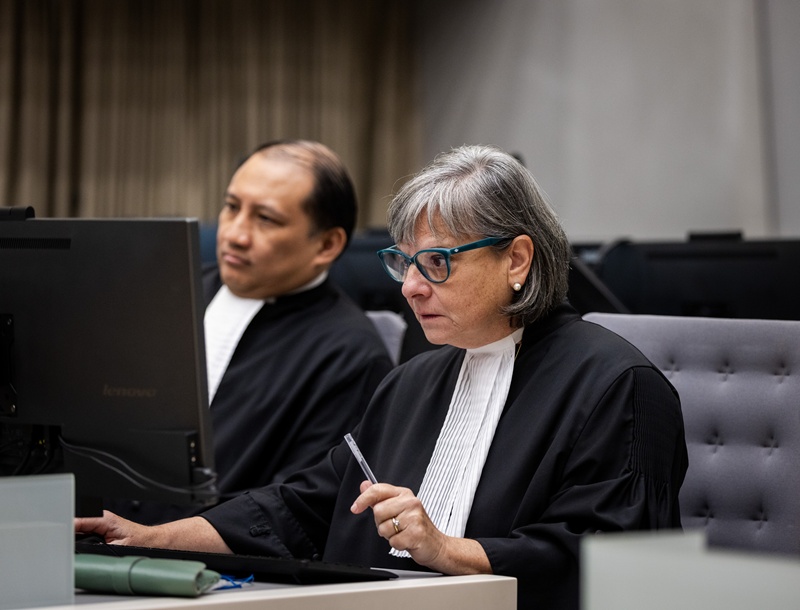
The International Criminal Court Trial Chamber III released Thursday, Oct.8, its decision made on Sept. 28 that former president Rodrigo Duterte is fit to stand trial.

Try

The International Criminal Court Trial Chamber III released Thursday, Oct.8, its decision made on Sept. 28 that former president Rodrigo Duterte is fit to stand trial.
Former senator Antonio Trillanes IV on Friday alleged that a company owned by Manases Carpio, the husband of Vice President Sara Duterte, received more than P319 million from China-linked sources, while members of the Duterte family received millions of pesos in manager’s checks from a man he identified as a Davao drug lord.

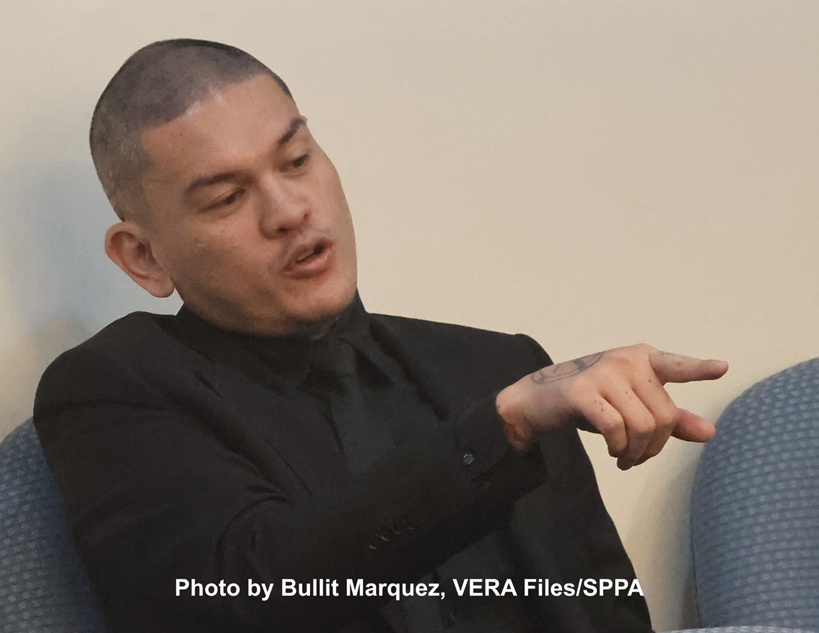
The week’s most prominent witness was Davao City Mayor Sebastian “Baste” Duterte, who was subjected to searching questions by prosecution counsel Theodore “Ted” Te over 19 city government contracts worth about P33.2 million awarded to GenCorp Industries Inc., a company his sister had declared as a business interest in her SALNs.
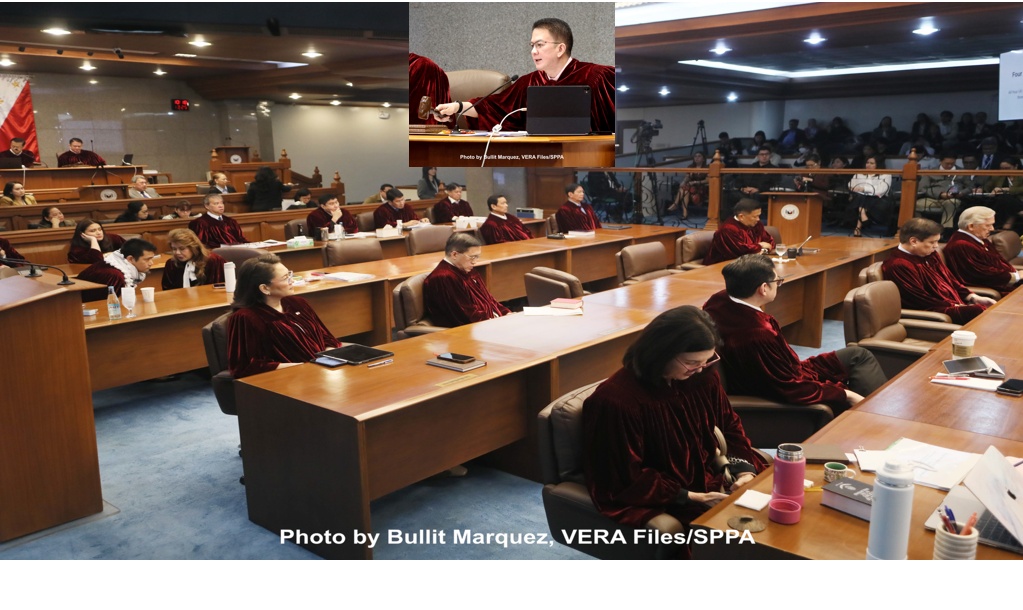
On day 29, Sept. 23, after oral arguments from the prosecution and defense, the impeachment court voted 13-1 to reverse Presiding Officer Francis “Chiz” Escudero’s July 6 ruling that 16 votes—two-thirds of the 24-member Senate—were required to convict Duterte.
Barbed wire barricades once again were up Monday on Mendiola street, not so far away from Malacañang.

Lawyers of Rodrigo Duterte’s drug war victims urged the International Criminal Court to declare the former president fit to stand trial on Nov. 30.
COMMENTARY: Loren Legarda’s spokesperson, the self-proclaimed “human rights lawyer” Tony La Vin̈a, has been silent on the Manila Polo Club meeting even if the incident can be easily verifiable.
When her son, Lester, told her that he was going to have a haircut because he was going back to school again, never did Anna Ramos imagine that, that would be her last conversation with him.

On Thursday, the court named retired chief justices Artemio Panganiban, Reynato Puno and Hilario G. Davide Jr., and retired associate justice Adolfo Azcuna as amici curiae, or friends of the court, to advise it on whether the 16-vote requirement should be changed in light of the nonparticipation of four senator-judges.

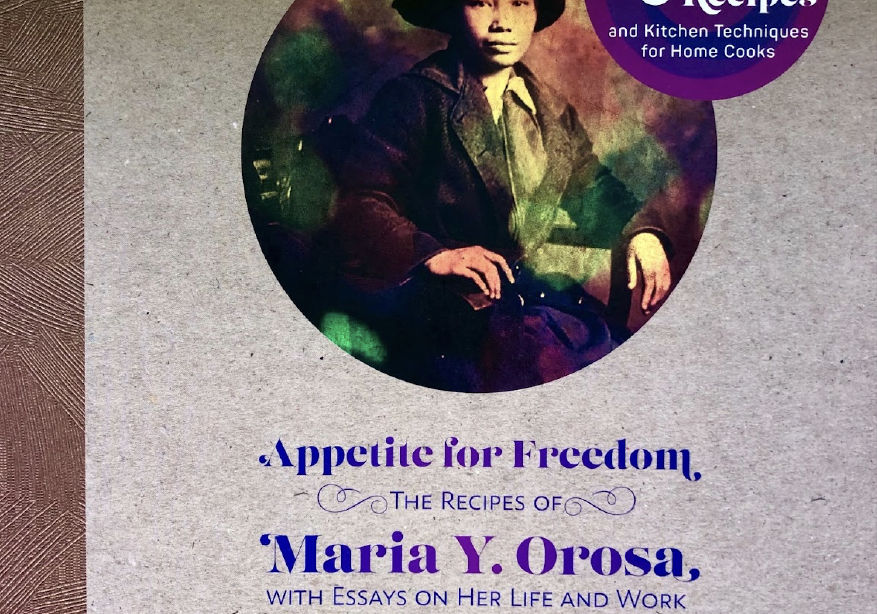
In a recent talk titled What Recipes Don’t Tell: Women in Our Culinary History, renowned food historian Felice Prudente Sta. Maria recounts the lives of three extraordinary women who made their indelible mark in our food history, centering the kitchen as a place of empowerment: Juliana Gorricho vda. de Pardo de Tavera, Maria Y. Orosa, and Pura Villanueva Kalaw.