Photos courtesy of the artist
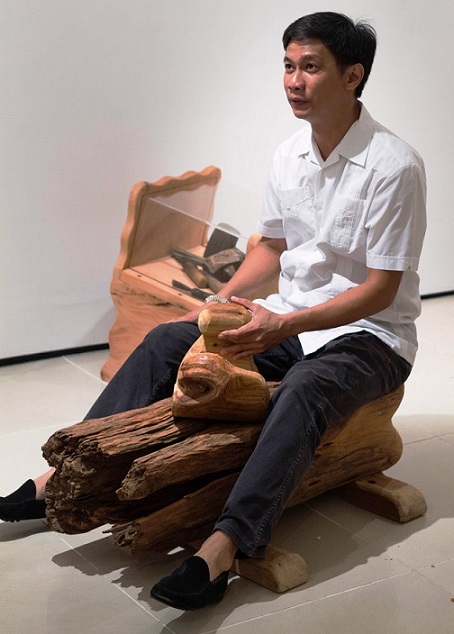
Sculptor Jemil Araos was clearly shaped by his father Jerusalino in terms of artistic influence, work discipline and use of organic forms.
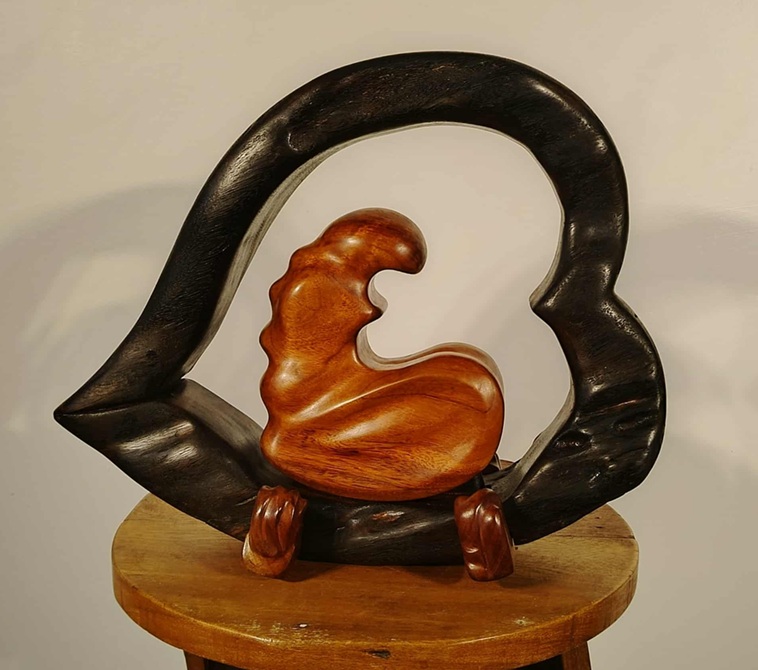
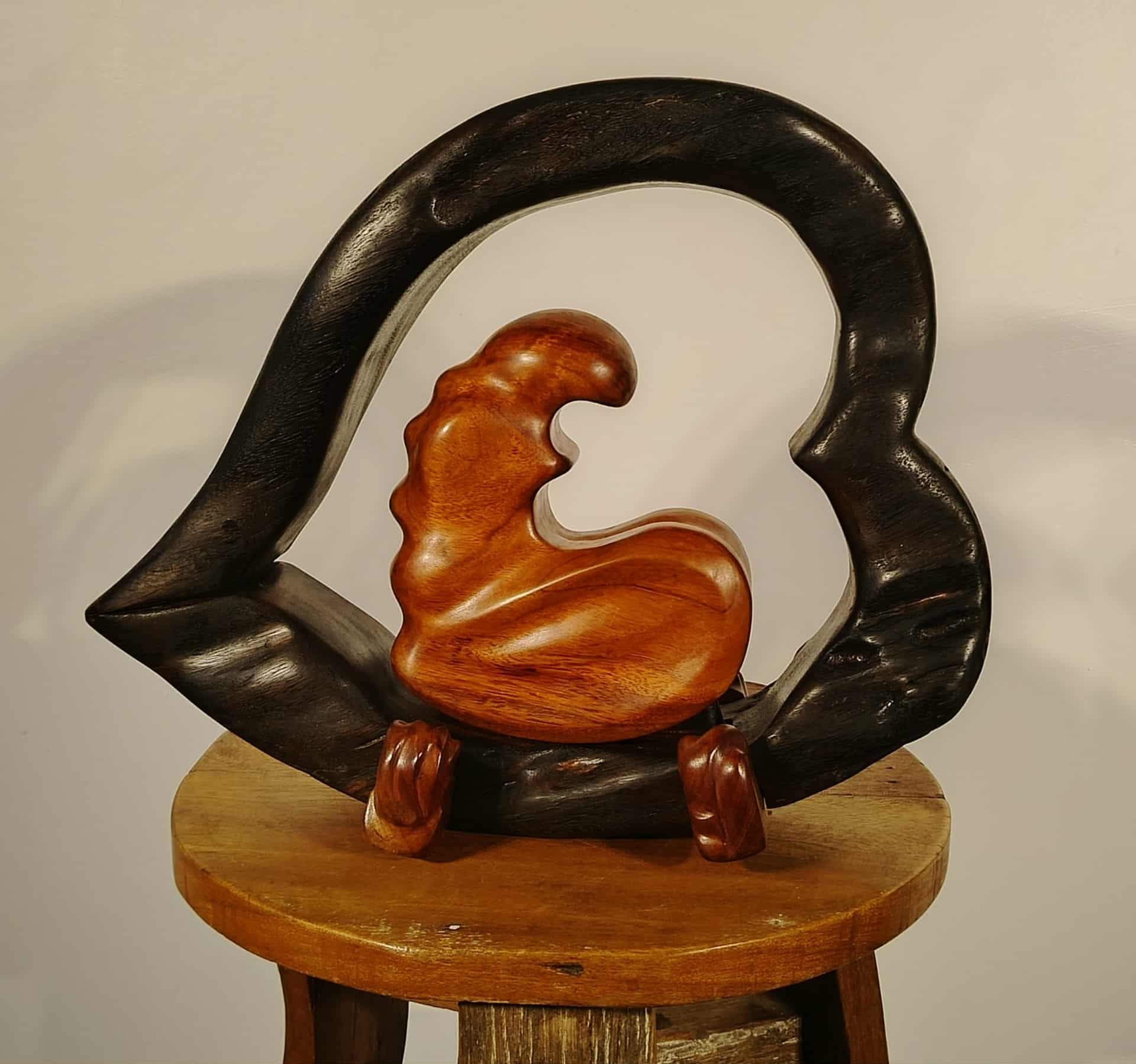
But elsewhere his mother, obstetrician-gynecologist ng bayan (of the nation) Melendre Valencerina Araos, known in the family and among friends for shunning the limelight, did more than bear and carry Jemil to term. In his latest exhibit, “Tribute,” at Crucible Gallery on the fourth floor of SM Megamall, she is the inspiration, subject and focus.
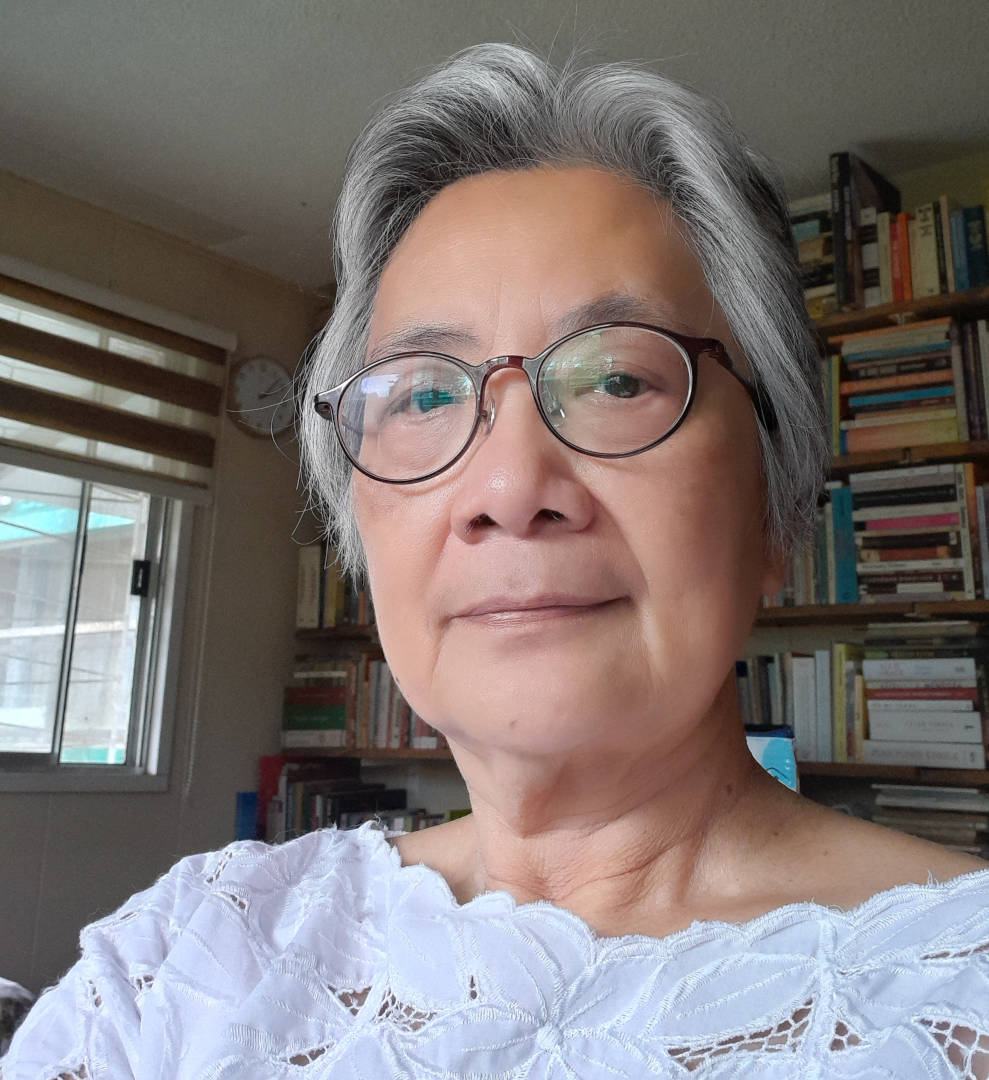
What makes Melen, the mother’s nickname, so special? To young Araos, his Inay is “the woman behind Ama (Jerry) and our family. It is the greatest honor to pay tribute to her. All her life she has never been given that kind of tribute. She’s the woman who’s the pillar of and behind the genius of Ama.”
He recalled how his Ama would earn millions of pesos, but he drained money quickly. He would buy a motorcycle (not just any motorbike but a Harley Davidson), a car (a Land Rover) so that what he earned was not enough. What Inay would do was take over the payroll of the workers, underwrite Jerry’s art exhibit, do the marketing for food and groceries, pay for utilities, even the power tools for woodworking and cover all the credit card charges.
“Hers was total, genuine love for Ama,” the son said.
Araos spoke of his “extraordinary bond with his mother.” She was pregnant with him when she was imprisoned for a year during martial law (she and Jerry had served the movement in the Sierra Madre in the fight against the Marcos Sr. regime). Under the terms of the Geneva Convention, it was forbidden to detain the pregnant so in a sense Araos was “the youngest prisoner of war while I was in her womb.”
Araos said, “If she weren’t pregnant, she might have been raped in prison.”
When she gave birth to him, the doctors discovered that he had a congenital heart disease, a hole in his heart that eventually closed naturally. Ama brought the baby to the Cordillera to see a shaman who told him, “By your love the boy will live.”
Araos also considers his Inay “the most caring person. She has no enemies, she is loved by the whole community from the security guards to the UP Presidents. The female security guards were her patients, too, along with former UP President Emerlinda Roman. All the wives of the male UP presidents were her patients at the Diliman campus. Wala siyang tinanggihan (She did not turn anyone away). For the last fifty years, hundreds or thousands of infants passed through her hands. If the patient cannot afford to pay, hindi siya nagpapabayad (her services are free).”
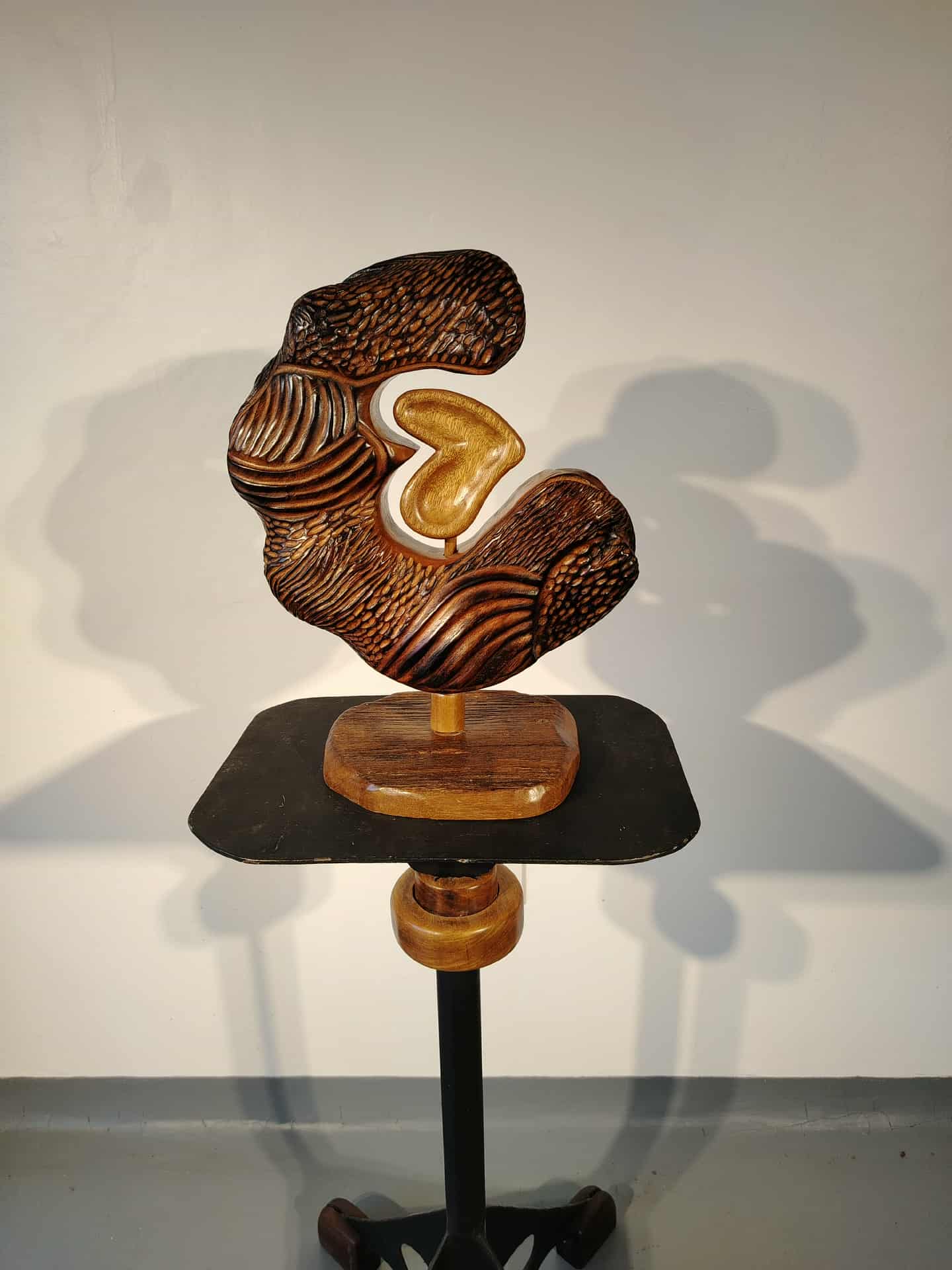
He said his exhibition is his “best tribute” to his “very much alive, feisty” mother who hasn’t gotten low despite her condition of myasthenia gravis, a neuromuscular disease, two hip surgeries and double breast cancer operations. Dr. Araos has survived it all and continues to live a full life.
Under his Ama’s watch, Araos learned by closely observing him, living with him, attending his exhibits and later, joining his exhibits. He said, “He didn’t spoil me. In fact, he gave me a difficult time. I started by sweeping his wood chips. Tagalinis niya ako (I was his cleaner). From age 12 onwards, I cleaned the wood chips.”
From Ama he picked up his workaholism. Younger Araos wakes at 4 a.m. At 5:30 a.m., he has eaten breakfast, bathed, changed clothes and is ready for work at his Calauan, Laguna studio that is 20-30 minutes away from home.
He described his routine, “When I arrive, it is still dark. I start preparing my tools and materials. At the first strike of the sun, I work already. First strike of the sun means it’s dark, but I can already see the work.”
The difference between Jerry and his son is the latter is moving away and developing his own style, starting with the pedestals for the small- to medium-size sculptures. He has also developed variations on the theme of mother and child. He makes sculptured gazebos.
The organic forms of his Ama are still there which are the forms of Nature. Araos said, “My end output is still original, but the organic forms remain.”
Another thing he learned from the older Araos is to separate the livelihood and “lovelihood” (artmaking). Young Araos’ livelihood is landscaping, wherever he can find a lucrative deal to support his sculpture.
He said, “Dumaan ako sa butas ng karayom (I entered through the eye of a needle), had no training in business and how to handle money. My degree was in human ecology at the UP Los Baños. I’m supposed to be a human settlements planner. But I managed to adopt what I had studied. I became an agritourism planner.”
Through his Beetanicals, bee-based products, herbal supplements and other wellness products that he co-manages with wife Patch, a business helps support his art.
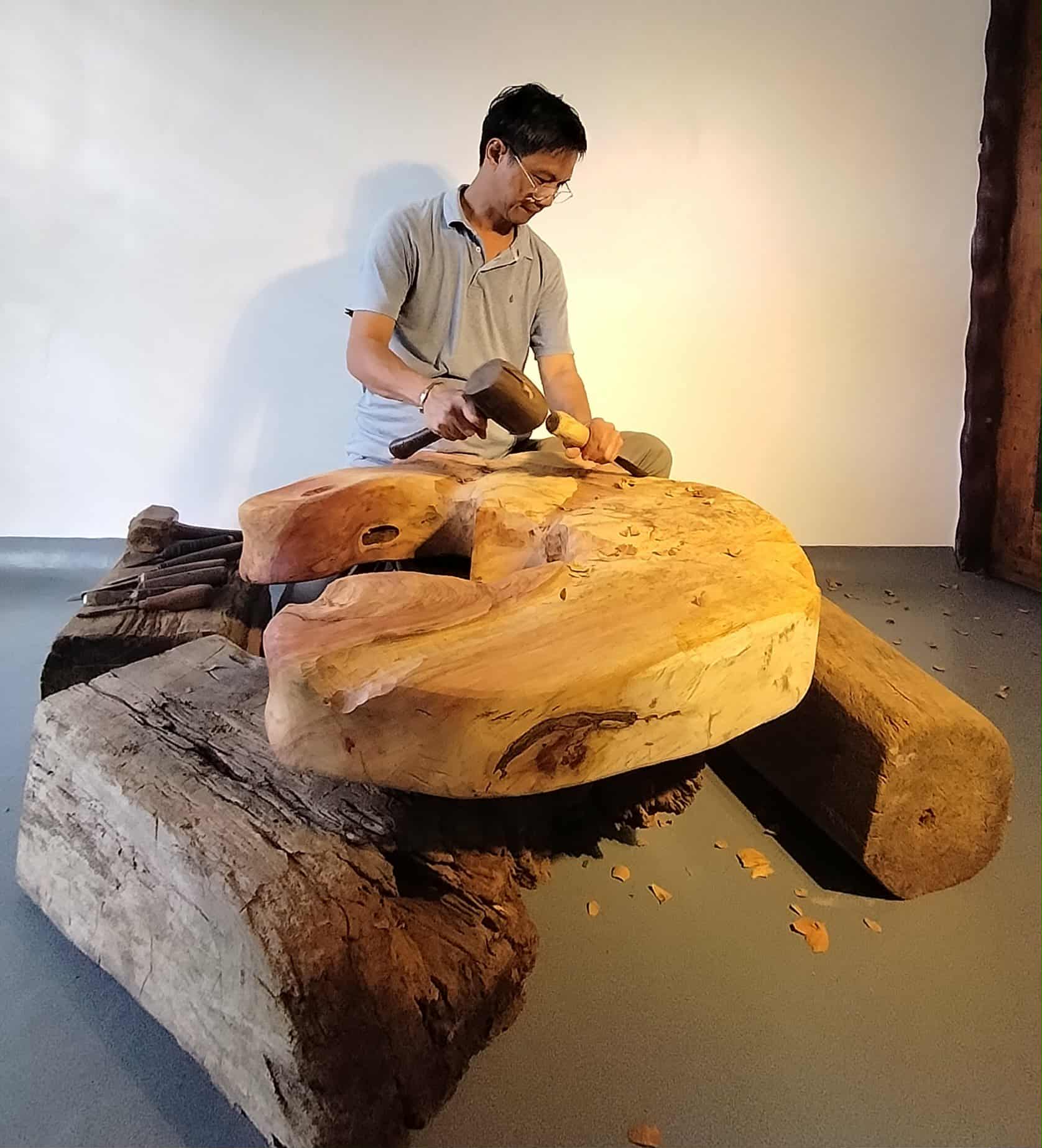
Araos said he prefers working with old hardwood because it has character, it is already dry (no need to kiln dry it), but most of all it is endemic to the Philippines. Using yakal, narra, ipil, among others, is his way of being a nationalist.
He said, “By utilizing our endemic species, the young generation will learn their native Philippine trees.”
He added, “The mangkono or ironwood should have been the national tree of our country. It is one of the hardest wood species. Narra is not even in the top 10 hardwoods of the Philippines. The mangkono is originally from Mindanao, but the Spaniards used it up for their galleons as cannon armor. Just how hard it is, cannon fire from the enemy doesn’t dent it.”
“Tribute” runs until Dec. 14 at Crucible Gallery. Gallery hours are from 10 a.m. to 10 p.m.