
Cebu – Lapu-Lapu City in Cebu is known for its bustling economic zones, airport and growing urban landscape.
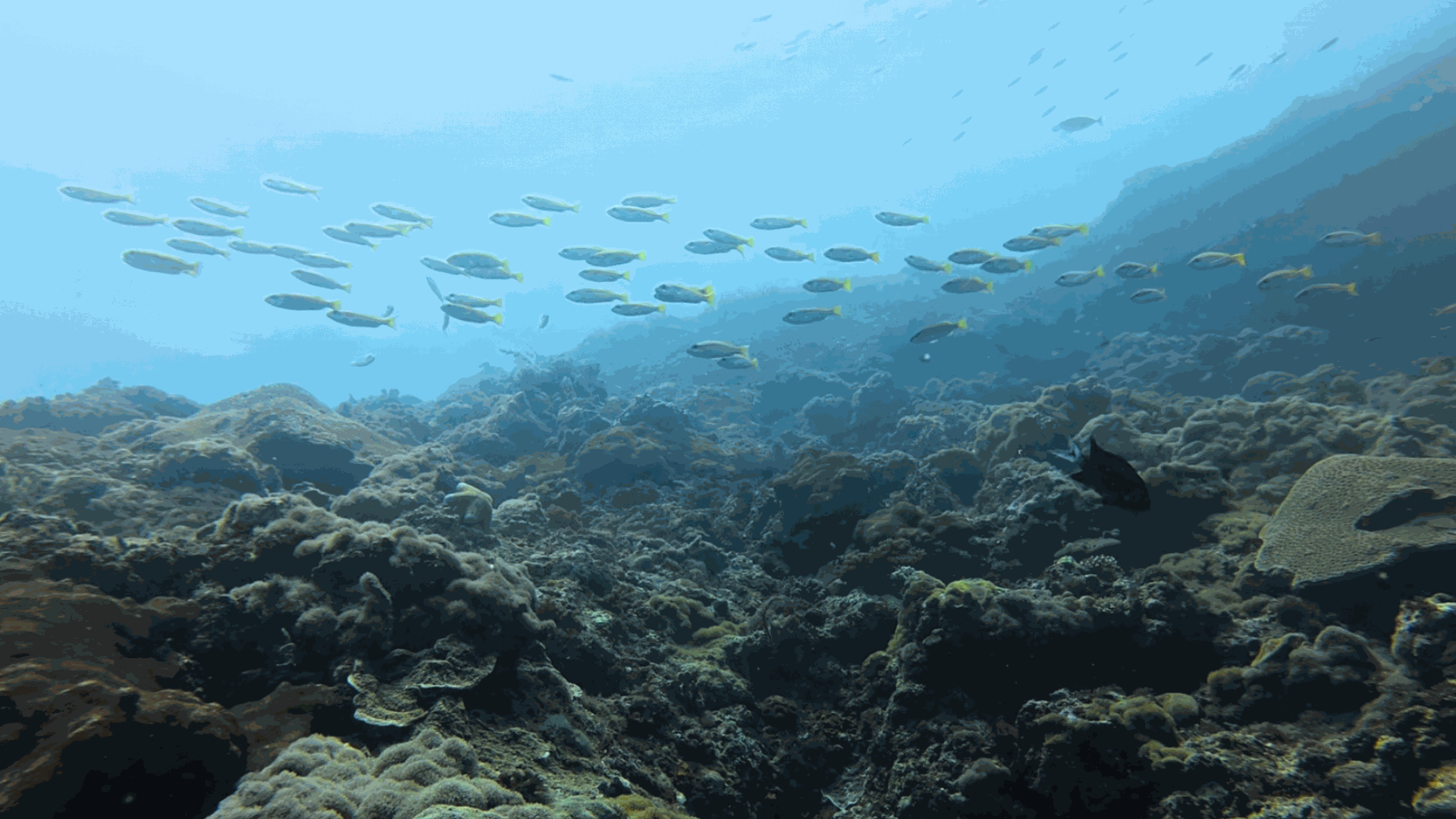
However, beneath its busy coastline lies another side of the city — coral reefs, schools of fish and other marine life thriving within its 11 declared marine protected areas.
MPAs are designated portions of coastal waters established to protect and conserve marine resources.
In Lapu-Lapu City, these locally declared sanctuaries are supported by communities and approved through city ordinances, with designated areas serving as no-take zones where marine life can recover and flourish.
These areas are patrolled by a group of fisherfolk and diving enthusiasts who now serve as members of the city’s Coastal Resource Management (CRM) team.
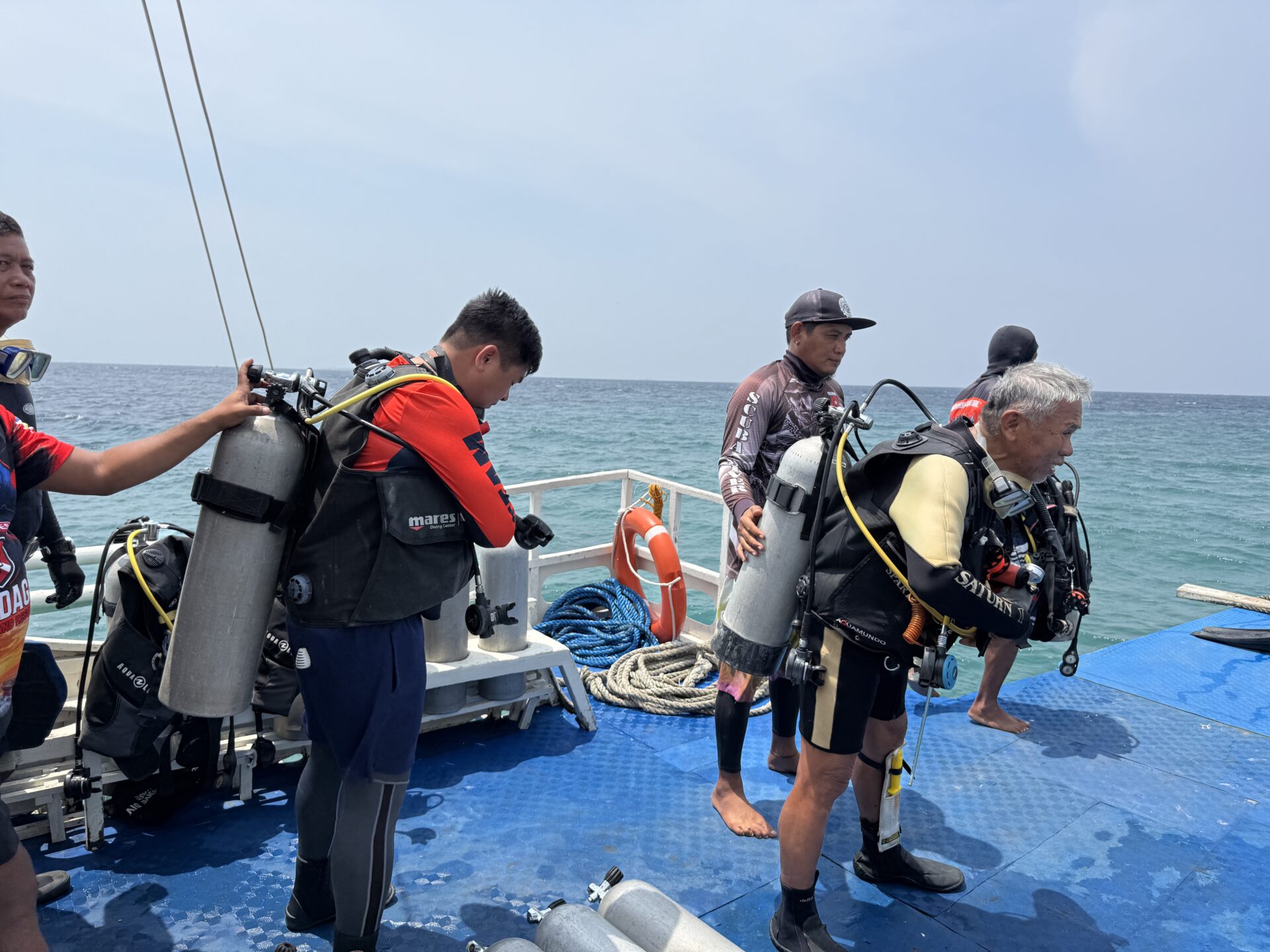
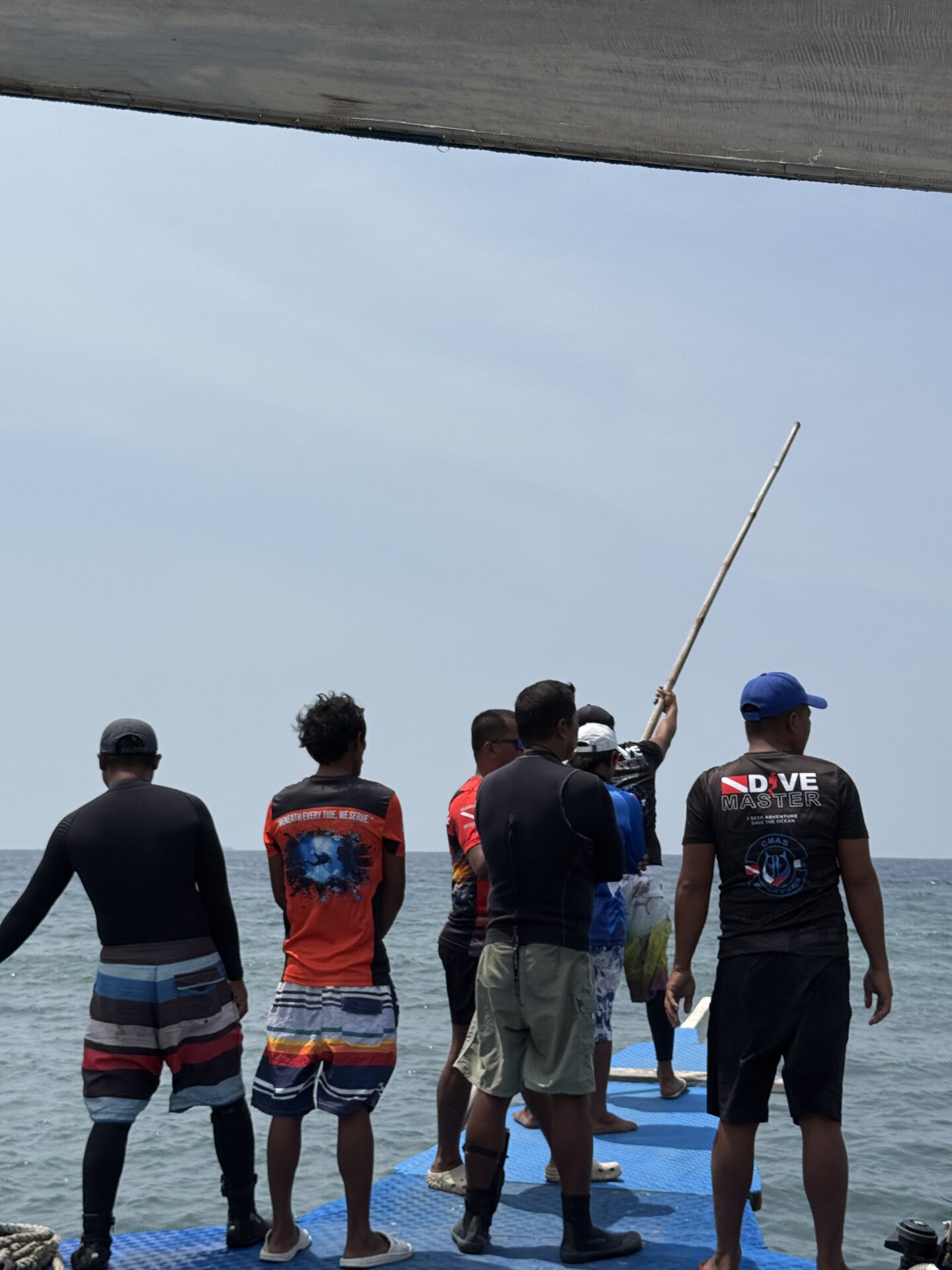
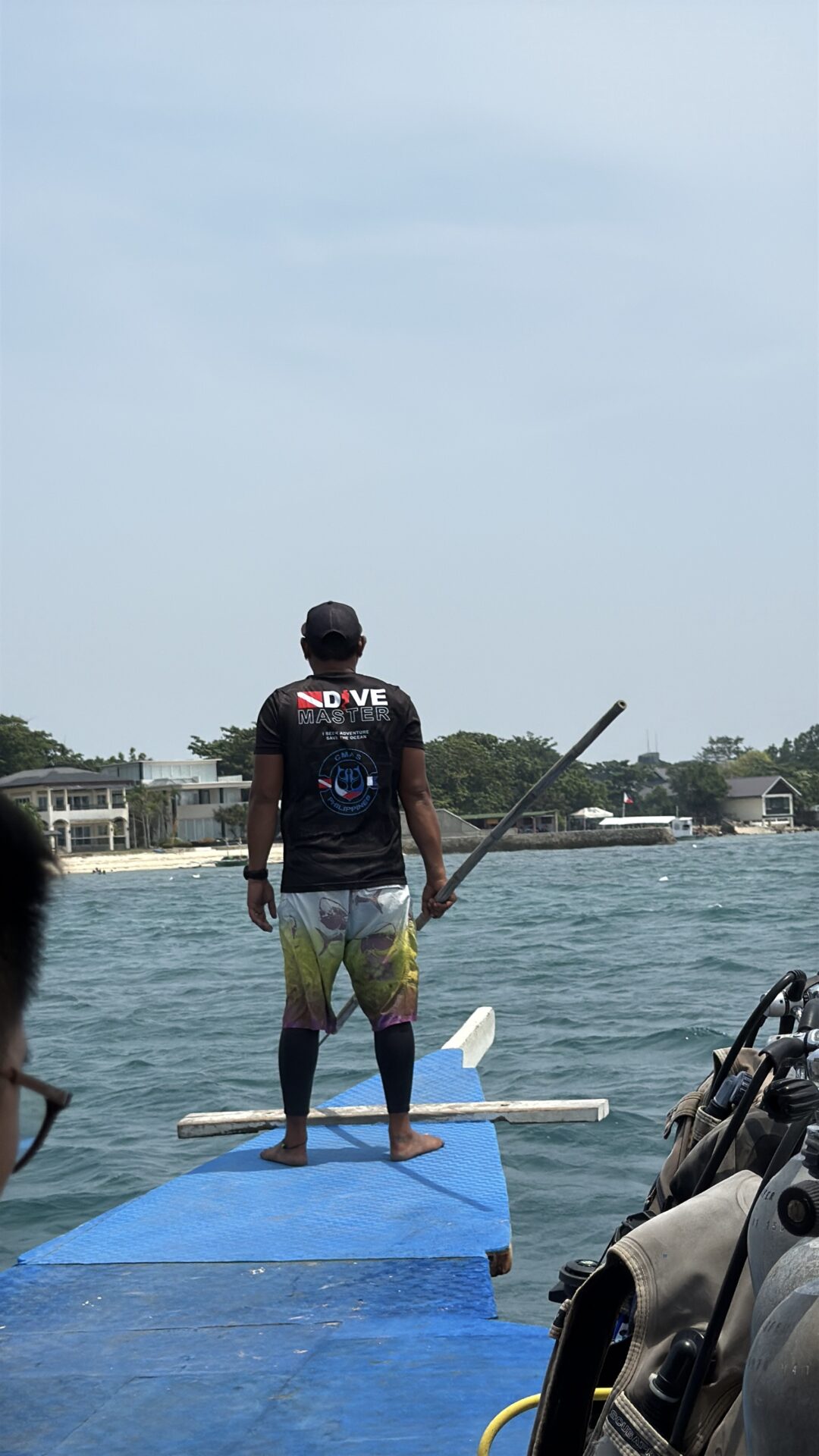


CRM Team constantly dives underneath the MPAs of Lapu-Lapu City
Around 20 members of the team work in shifts to patrol the shoreline of the city and even its smaller islets day and night.
For CRM member Jason Ellevera, 29, protecting Lapu-Lapu City’s marine sanctuaries is more than a job.
Before joining the city’s CRM team in 2022, Ellevera assisted tourists who came to the city for scuba diving, but it was what he saw beneath the surface that eventually changed his priorities.
“We help a lot with cleaning the sea, in protecting the environment underwater and guarding against illegal fishing,” said Ellevera in Cebuano.
“I saw how beautiful it was down there, especially during my first time, and that made me decide that I will vow to protect these areas,” he added.
The leader of the group is 65-year-old Emi Bonghanoy, who has dedicated his life to the protection of the seas. He began guarding the coasts full-time during the pandemic when tourist arrivals were at their lowest.
At that time, Bonghanoy realized that even if they had no income from tourism, they were able to eat three times a day because of their catch.
“Many of us benefited from that and my fellow fisherfolks decided that it is time to preserve it,” he added.
Today, their daily routine includes picking up plastics from the coastal areas during their sea patrols.
The CRM team also ensures that the buoys are in place and that no fisherfolk or commercial fishing boats are entering the protected areas.
Under the marine sanctuaries
The following barangays have MPAs in Lapu-Lapu City: Talima, Baring, San Vicente, Caohagan, Tingo, Caubian and Marigondon. Meanwhile, there are two each in Barangay Mactan and Maribago.
Beneath the waters of these sanctuaries is a diverse marine ecosystem based on the CRM team’s inventory.
The MPAs are home to marine species of conservation and ecological significance, including hawksbill sea turtles, parrotfish, surgeonfish and various hard and soft corals.
The inventory also recorded an abundance of clownfish and sea slugs, as well as sightings of barracudas and sardine swarms.
“During our dives, we also recommend areas that could be possible sites for protected areas,” Bonghanoy said.
The CRM team is also equipped with a speedboat used to patrol the MPAs and pursue suspected violators who catch fish and other marine life inside the protected area.
They are also aided by the Philippine Coast Guard, the Maritime Police and the Bureau of Fisheries and Aquatic Resources.
Challenges
For the City Environment and Natural Resources Office, it is challenging to maintain a protected area even if it is protected by a local ordinance.
“Fisherfolks always think that they will lose their fishing ground but actually in the establishment of the MPA, only a portion will be closed off to them,” said CENRO head Jocelyn Abayan.
The ordinance also covers the establishment of different committees that shall look after the financial sustainability, enforcement, information and education, as well as monitoring and evaluation.
However, protecting the MPAs does not always mean protecting them from people.
In December 2021, Typhoon Odette battered Cebu, damaging more than half of the coral reefs in the MPAs of the city, as confirmed by Abayan. Restoration work remains ongoing.
“We regularly do coral transplantation and asexual means of reproduction,” added Abayan, noting how their partners in the academe are also working twice as hard to restore the affected areas.
On the ground, Bonghanoy and the team ensure that there is no disturbance for the restoration of these damaged corals.
He said the lack of personnel may also hamper their operations, as well as extreme weather conditions both heat and strong waves.
“Sometimes the water is unclear or it is too murky,” added Bonghanoy, noting that waste from nearby cities often reaches their shores despite multiple attempts to clean up.
Continuing stewardship
Despite all this, Bonghanoy said that he will not stop looking after the seas in Lapu-Lapu City.
“We need to help the environment under the sea. It is here that we can cultivate economic opportunities – food to eat, to sell and many more. In terms of food security, the sea has it all,” he said.
He hopes that neighboring cities can control their waste so that it does not reach their waters and reduce the risk of contamination to their reefs.
At the same time, Bonghanoy continues to offer free diving lessons for interested individuals who also want to help protect the waters in the city.
“The public should visit these marine sanctuaries so they can see and understand the need for protection. We really have a lot, we can even do water sports,” Ellevera added.
The CRM team hopes their efforts will help ensure that more protected areas are recognized and preserved, safeguarding the city’s underwater resources not only for food and tourism, but also for the health of its marine ecosystem.
(*This story, first published on the ABS-CBN website, was produced under the Global 30X30 Conservation Initiative grant from Internews’ Earth Journalism Network).