
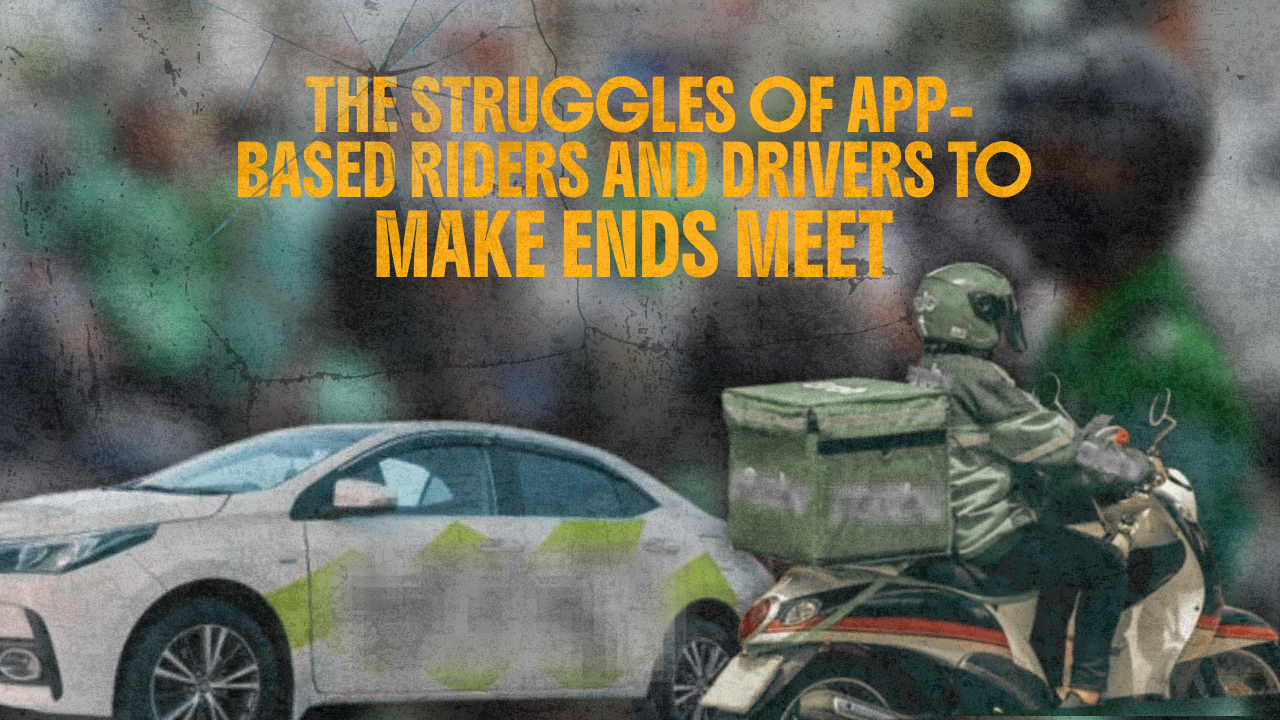
Not so long ago, being a delivery rider or ride-hailing app driver was an in-demand means to earn a living. The income was good, the hours flexible.
Times have changed. Riders and drivers don’t have it as good today. Gas prices have soared, traffic has worsened, and in the last two years the torrential rains and flooding have made it challenging to get around for both two- or four-wheeled vehicles.
Take Nathaniel Felix Sagun, a delivery rider based in Pampanga. When it rains hard and the roads are submerged, there is no pause for his delivery service. And as if mobility were not already a problem, Sagun has an additional challenge: he is riding with only one hand.
His missing hand is a birth defect, a result of the limb failing to fully develop while he was still in his mother’s womb.
Imagine riding a motorcycle without a left hand and maneuvering through slick roads, flooded streets riddled with potholes and riding with poor visibility just to make it from one client to another. But his being a Person With Disability (PWD) has never been an excuse for Sagun to renege on his obligations or to stop working.
He rued, “Nakakaapekto ‘yung pagiging PWD ko sa trabaho kapag hindi maganda ‘yung daan, kapag lubak-lubak, baha, at sobrang traffic (Being a PWD affects my work when the roads are bad, when they are full of potholes, flooded, or when there is heavy traffic).”
A backup plan
When it’s impossible to bring his motorcycle out of Pampanga, Sagun has found another way to keep his delivery commitments in nearby Bulacan, Metro Manila or farther south. He would take a bus (and rest during the trip) and once at the bus terminal in Quezon City, for example, book a delivery rider and have him complete the service.

And when roads in Pampanga are impassable due to floods, Sagun connects with kolong-kolong (a motorized rickshaw used as local transport) drivers to help him out. The way he sees it, he fulfills the service while helping out other riders or drivers.
“Kahit may disadvantage, may kaakibat ring advantage kasi nakakapagbigay ako ng opportunity sa ibang rider. Kapag nag kolong-kolong naman tumulong ka na rin sa lokal na mamamayan ng Pampanga (Even though there is a disadvantage, there is also an advantage because I can give other riders an opportunity. When I use a kolong-kolong, I also help the local people of Pampanga),” he told VERA Files.
Unlike most delivery riders whose service is tied to apps, Sagun is an on-call rider, plying long distance routes from San Fernando, Pampanga to Manila and back. He accepts orders or custom requests (pautos) as far as Laguna or eastern parts of Metro Manila like Mandaluyong.
While he started as a food delivery rider, Sagun decided to take on other delivery work because “bihira naman kasi ako pasukan ng Grab order dito sa Pampanga (I rarely get Grab orders here in Pampanga)”, he shared. He chose to focus on the pautos where he gets more clients.
After picking up the items or orders in Pampanga, he has to transport them to the metropolis, come hell or high water, thus his backup plans of traveling to Manila by bus and hiring kolong-kolong and fellow riders for pickups and deliveries.
There is no rest for the 29-year-old rider; he has monthly bills (utilities), a house to pay off and provides for his parents, who live in Dasmarinas, Cavite. Sagun needs to earn between P20,000 to P25,000 a month (quite a hefty amount) though he is single and without a partner or children.
The downside of using alternative modes of transportation to fulfill his service is it cuts into his earnings.
Day-off not an option
As much as possible, Sagun works whenever he can, everyday if possible. Even when he isn’t feeling well, the rider would choose to continue with his deliveries. His San Fernando to Manila routes typically earn him P1,000 to P1,200 per day after deducting working expenses such as gasoline, food, parking, and other miscellaneous costs.
“Kapag hindi ako naka byahe, malaking problema kasi every earning, sa laki ng expenses ko, malaking tulong” (When I cannot go out and work, it becomes a big problem because given the amount of my expenses, every bit of what I earn is a big help).
And when it looks like he can’t meet his monthly income target, Sagun simply makes up for it by working longer hours.
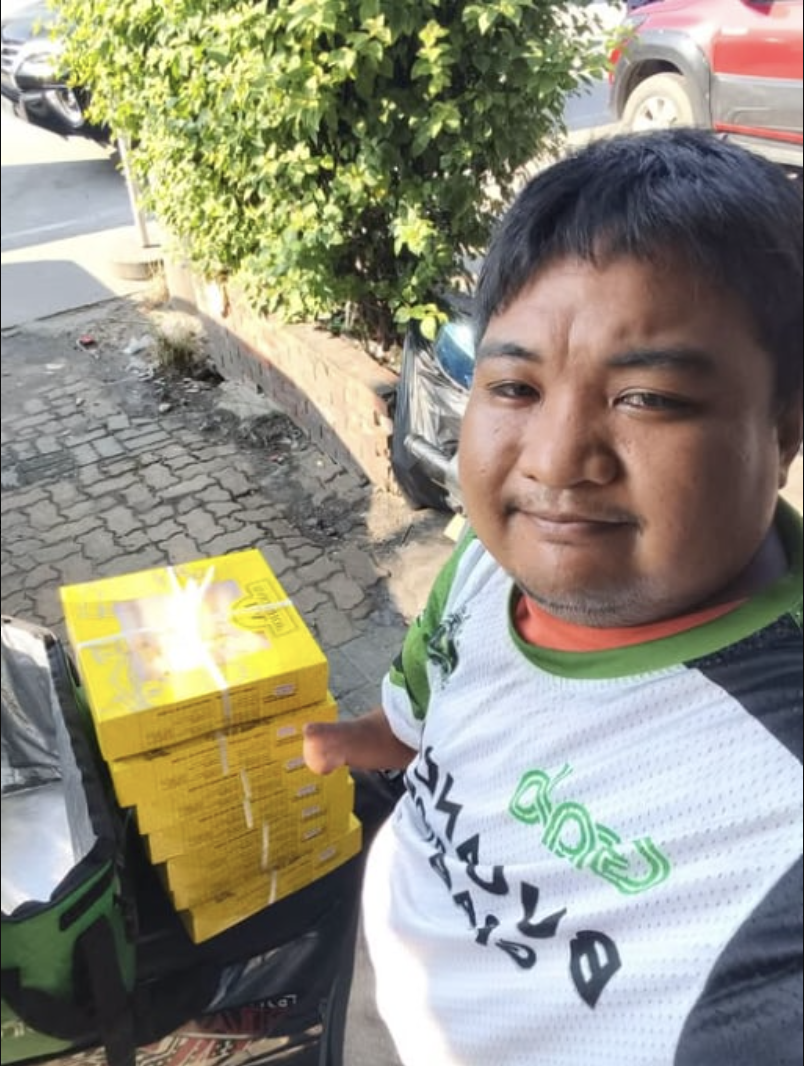
“Kapag pakiramdam ko kakapusin, mag-a-allot na lang ako ng sobrang oras para habulin ‘yung kulang sa earnings ko (When I feel that I might fall short, I just allot extra hours to make up for the missing earnings).”
Sagun pushes to complete his deliveries within the day, but will stop by midnight and look for a place to spend the night if he is a long way from home then continue delivering the next morning. To ensure his undelivered goods are protected he chooses a place with an air-conditioned room.
To document his work, Sagun has a Facebook page which now has over 32,000 followers. Here he posts his daily deliveries to show his commitment to customers, and this online presence connects him to people needing a delivery service for documents, medicine, food, essentials and other items. If anyone needs something bought, delivered or picked up, Sagun is the guy to call.
This FB page has become part of how Sagun earns a living, while building his name around the work he has done for nearly six years.
Unwelcome opportunity
But an active online presence also carries unwanted opportunities.
Several gambling platforms have reached out to Sagun and offered him money to promote their enterprise. The lowest offer he received was ₱5,000 per video, while the highest was ₱100,000.
“Mga bagong platform sila na naghahanap ng mga content creator. Gagawin mo lang ‘yung daily videos mo na pinopost tapos dapat sa dulo ng aking video o sa comment section naka-pin dun ‘yung kanilang website (They are new platforms looking for content creators. You just make your daily videos and post them, then their website should be pinned at the end of the video or in the comment section).”
Ironically, these offers came as Sagun was struggling to meet his monthly bills and obligations. But the rider declined the offers and stuck to his principles.
Years spent building his reputation as an inspiring, reliable and trustworthy delivery rider would be ruined if he promoted something he did not want his followers to associate with him.
“For almost six years na binuild ko ‘yung pangalan ko bilang delivery rider, marami ‘yung nainspire, marami ‘yung natuwa sa ginagawa ko as a PWD pero kung gagawin ko kasi ‘yun, mababago ‘yung tingin nila, magiging negative. Hindi dahilan ang kahirapan ng buhay para mag promote ka ng magpapahirap sa kapwa mo
(For almost six years, I built my name as a delivery rider. Many people have been inspired and appreciate what I do as a PWD, but if I did that [promote gambling sites], their perception of me would change and turn negative. Poverty is not a reason to promote something that would make life harder for others),” he explained.
Shared struggle
Sagun is not the only driver who adjusts his routine when rains and floods threaten his livelihood.
Chris Pelera, 32, a driver from Mandaluyong City, has also learned to work around bad weather. He started as a fast food delivery rider before becoming a driver for ride-hailing services. After working as a driver for nearly a decade, he saved enough to buy his own car.
During floods, Pelera prioritizes safety and avoids vehicle damage by looking for areas where the roads remain passable. Sometimes he earns enough to get through the day. Other times, he goes home empty-handed.
Fortunately, his wife runs a cafeteria in Makati City. Its earnings augment his driving income, especially on days when Pelera is unable to go out and take passengers due to floods.
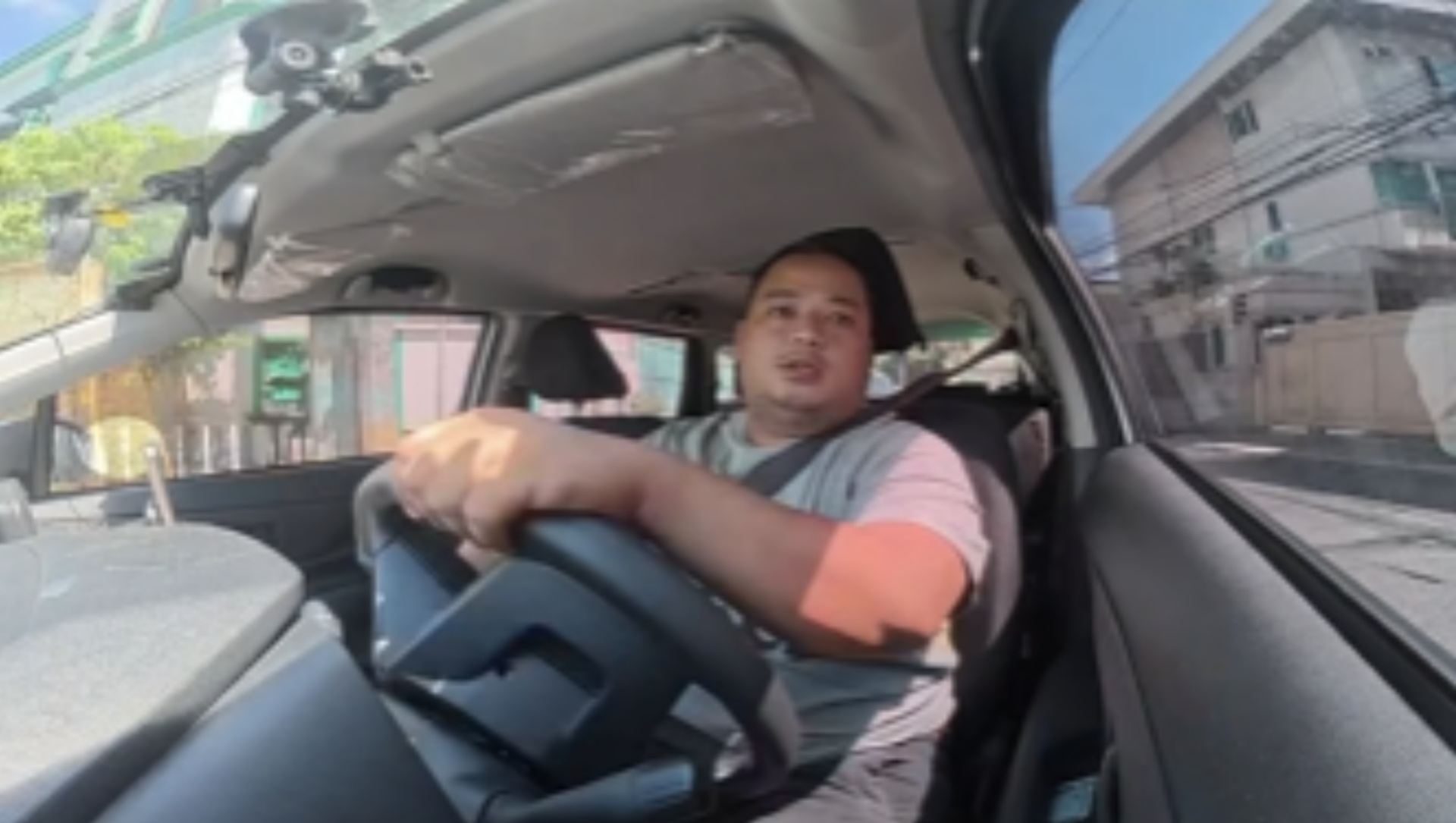
When the floods subside, he resumes picking up and dropping off passengers point-to-point.
But while Sagun uses alternative transportation to keep deliveries moving, Pelera adjusts his hours to sustain his family’s needs.
He usually ends his day at 2 a.m. and starts another round of trips by 6 a.m. to cover his children’s tuition fees and other family expenses.
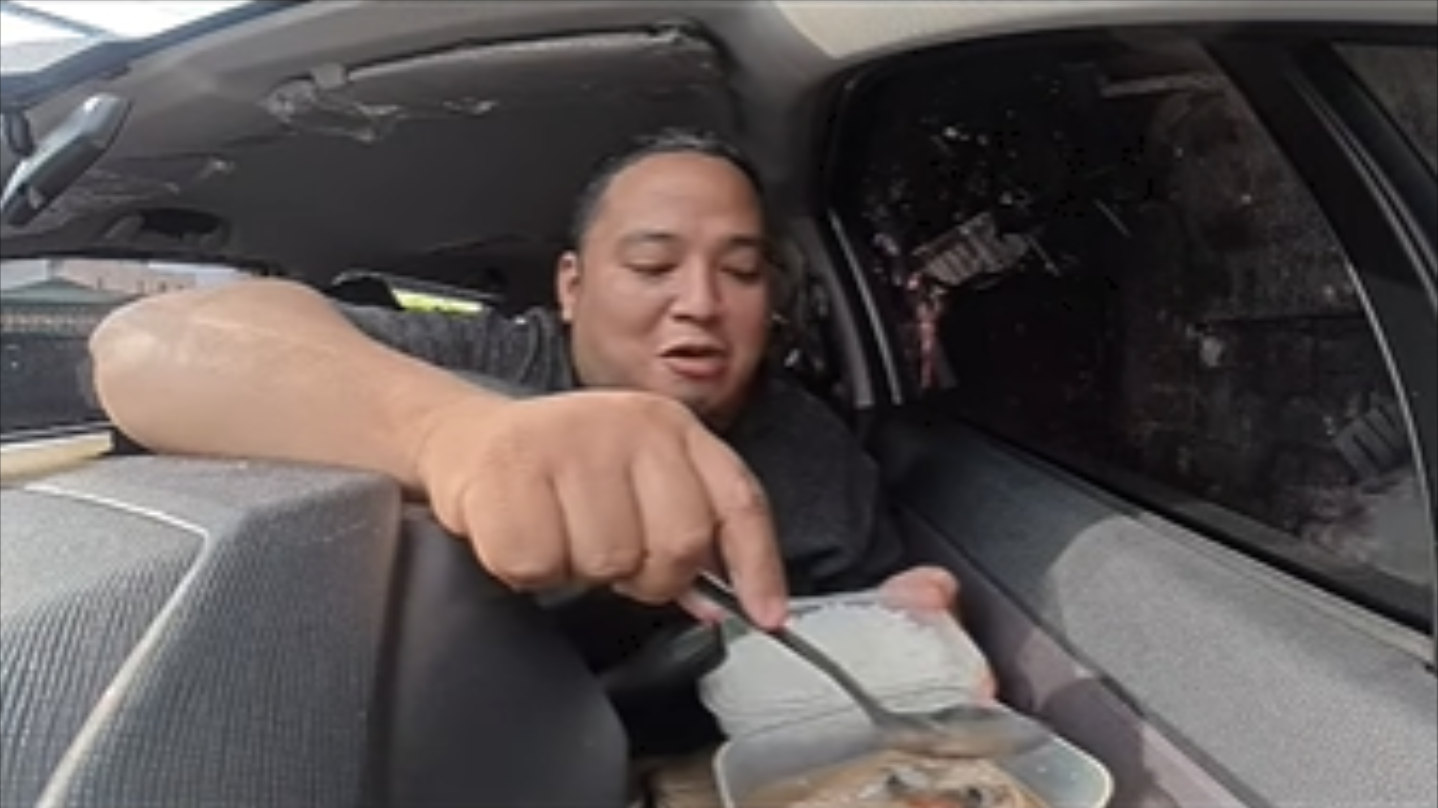
CREDIT: Screengrab from Pelera’s Facebook page BYAHE NI BUKAY
Asked how he manages the long hours of work, Pelera admitted: “Pagod, pero kailangan magpatuloy kasi may asawa at mga anak ako, kaya kakayanin lagi (It’s tiring, but I have to keep going because I have a wife and children, so I will always manage).”
To minimize his expenses while on the road, Pelera brings his own lunch especially as soaring fuel prices already take up a chunk of his earnings.
Pelera is positive that a ride-hailing app driver can sustain a family’s needs. But there are incidents that he has to contend with while working. One common bad experience for drivers are scammers, who book a ride but disappear when they reach the pick-up point.
He said, “Sayang sa gas dahil sobrang mahal na ito, sayang din sa oras na sana nakapaghatid na na lang ng iba at kumita (It’s a waste of gas, which is already expensive. It’s also a waste of time because you could have picked up other passengers and earned from it).”
No reprieve during oil crisis
When gas prices spiked as a result of the war in the Middle East early this year, the government’s answer was to distribute financial assistance to public utility drivers, including riders and drivers of app-based services.
But many complained about not receiving the P5,000 cash aid supposedly allocated for registered riders and drivers because their names were not on the official list. The companies operating these services did not provide assistance of their own either, according to Sagun and Perela.
During typhoons and floods, delivery riders are given a five-peso incentive per completed delivery, but Sagun lamented this was hardly any help.
With gas prices still rising, a P12 per liter fuel discount granted by the government continues. But this is only for qualified public utility drivers and operators, not delivery riders and ride-hailing app drivers.
Equality, not pity
For Sagun, however, continuing to work is not only about earning enough to pay his bills. It is also about how people see persons with disabilities.

“Narrative na kasi yun na pag PWD ka, wala kang ginawa, nakakaawa ka. Pag may ginagawa ka, nag papaawa ka” (The narrative has always been: if you are a PWD and do nothing, people pity you. If you do something, they say you are seeking pity).
But this rider wants people to see that persons with disabilities can also work, provide for themselves and their families, and build their own lives. Having a disability does not diminish a person’s worth or purpose.
Sagun does not want to be admired simply for continuing to work as a PWD. He wants to be seen as someone doing what others do – finding a way to work, provide, and live.
“Yung pagiging equal lang ng tingin, hindi dapat nila maramdaman na nag papaawa kami, dapat makita na parehas lang nila kami na gustong mabuhay (We just want to be seen as equals. They should not feel that we are seeking pity. They should see that we are just like them, wanting to live),” he appealed.
Editor’s Note: Jade Ruby Flores is a Polytechnic University of the Philippines student writing for VERA Files as part of her internship.