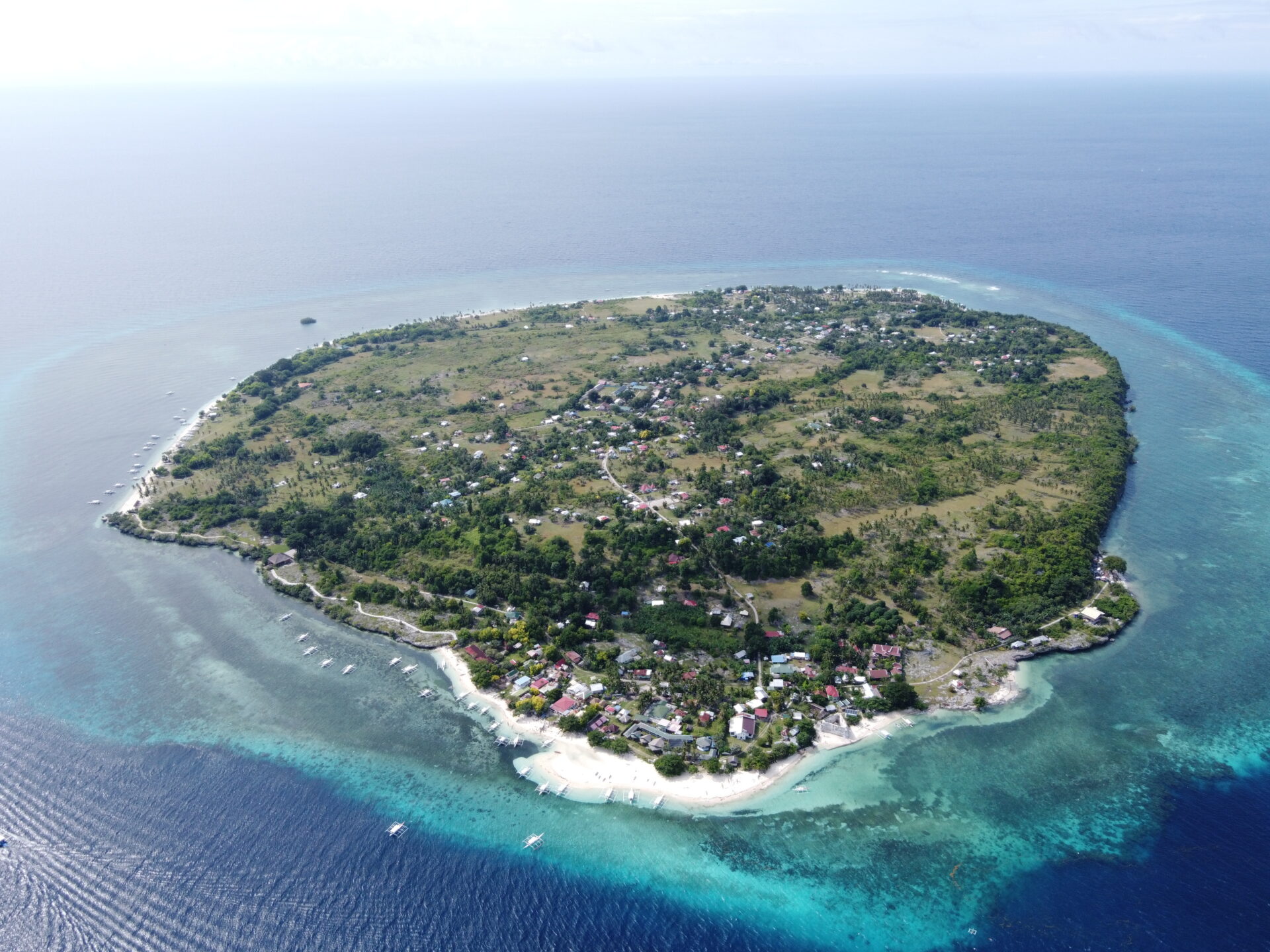
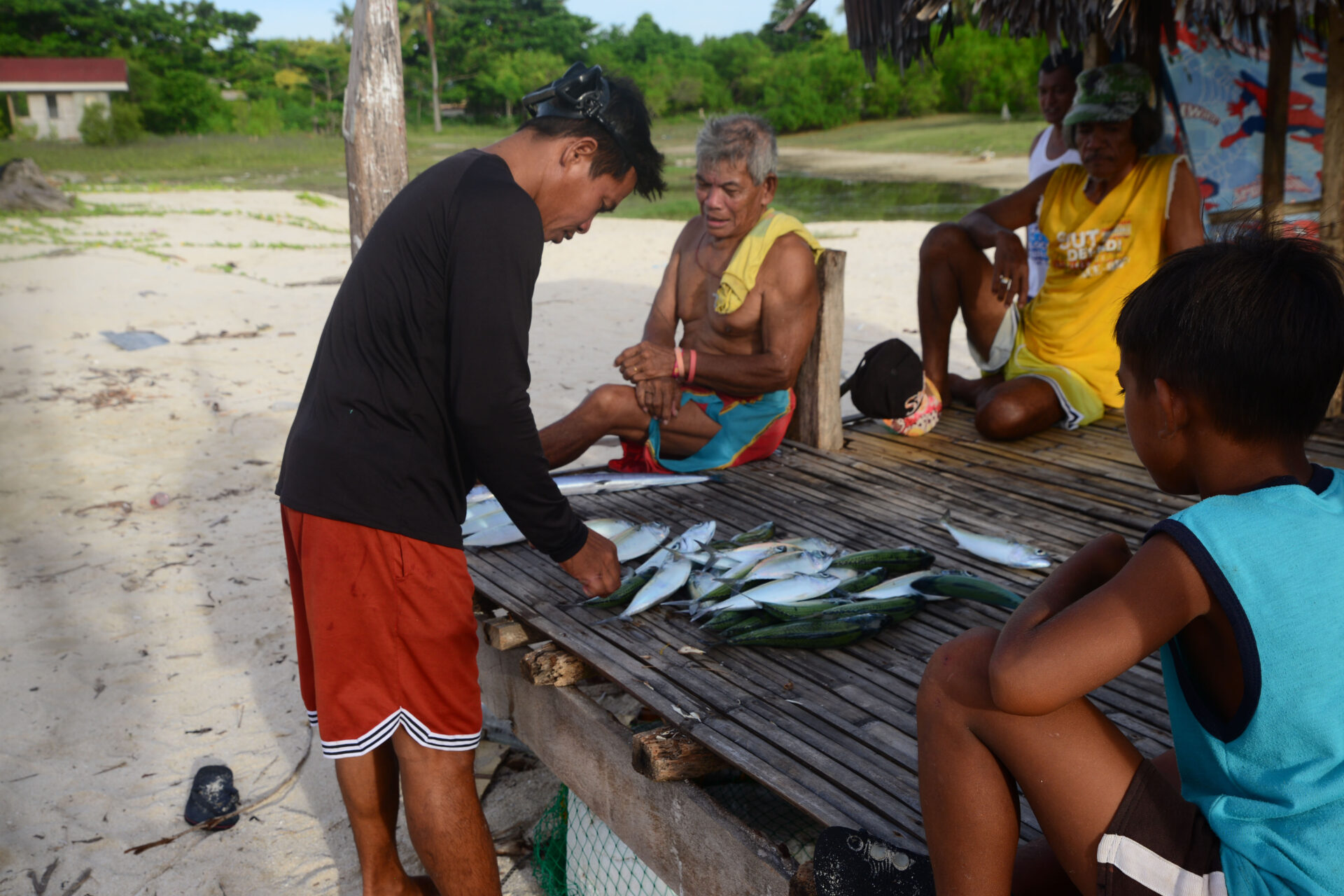
Pamilacan Island, Baclayon, Bohol — At 8 a.m., fisherman Roldan Operio, 41, returns from a fishing trip that began at 2 a.m. with more than 10 kilos of fish worth approximately ₱2,000. However, gasoline costs him around ₱800. For his family, the sea remains a source of livelihood, but earning from it is becoming increasingly expensive.
Meanwhile, Frederick Pineda, 33, prepares to guide tourists to the Marine Turtle Snorkeling Area. The son of a former whale hunter, he now helps visitors appreciate marine wildlife. Yet he continues fishing because the tourism rotation system provides irregular assignments.
Their experiences reflect Pamilacan Island’s unfinished transition from marine wildlife hunting to ecotourism: conservation has created new opportunities, but secure and equitable livelihoods remain elusive.
From Hunters to Stewards
For generations, Pamilacan residents depended on the sea for food, income and trade. The island became known for hunting whales, dolphins, whale sharks and manta rays. Historical studies documented approximately 25–30 boats and 240 fishers involved in the whale-shark fishery, demonstrating the economic importance of marine wildlife hunting.
As concerns over declining marine populations grew, hunting faced increasing restrictions under conservation measures, including Republic Act No. 9147, the Wildlife Resources Conservation and Protection Act. The community had to find alternatives to an established livelihood.
During the 1990s and early 2000s, community-based dolphin- and whale-watching activities emerged. Former hunters became boat operators, guides and spotters, while other residents entered accommodation, catering and related services.
The economic potential became evident. Between April 2003 and April 2004, the Pamilacan Marine Life Tour conducted 196 dolphin-watching trips, compared with 80 before the program began. Gross sales reached approximately ₱588,000, benefiting boat operators, guides, spotters and service providers.
Conservation had demonstrated its potential to generate income, although it had not completely replaced fishing.
Unequal Opportunities and Persistent Fishing
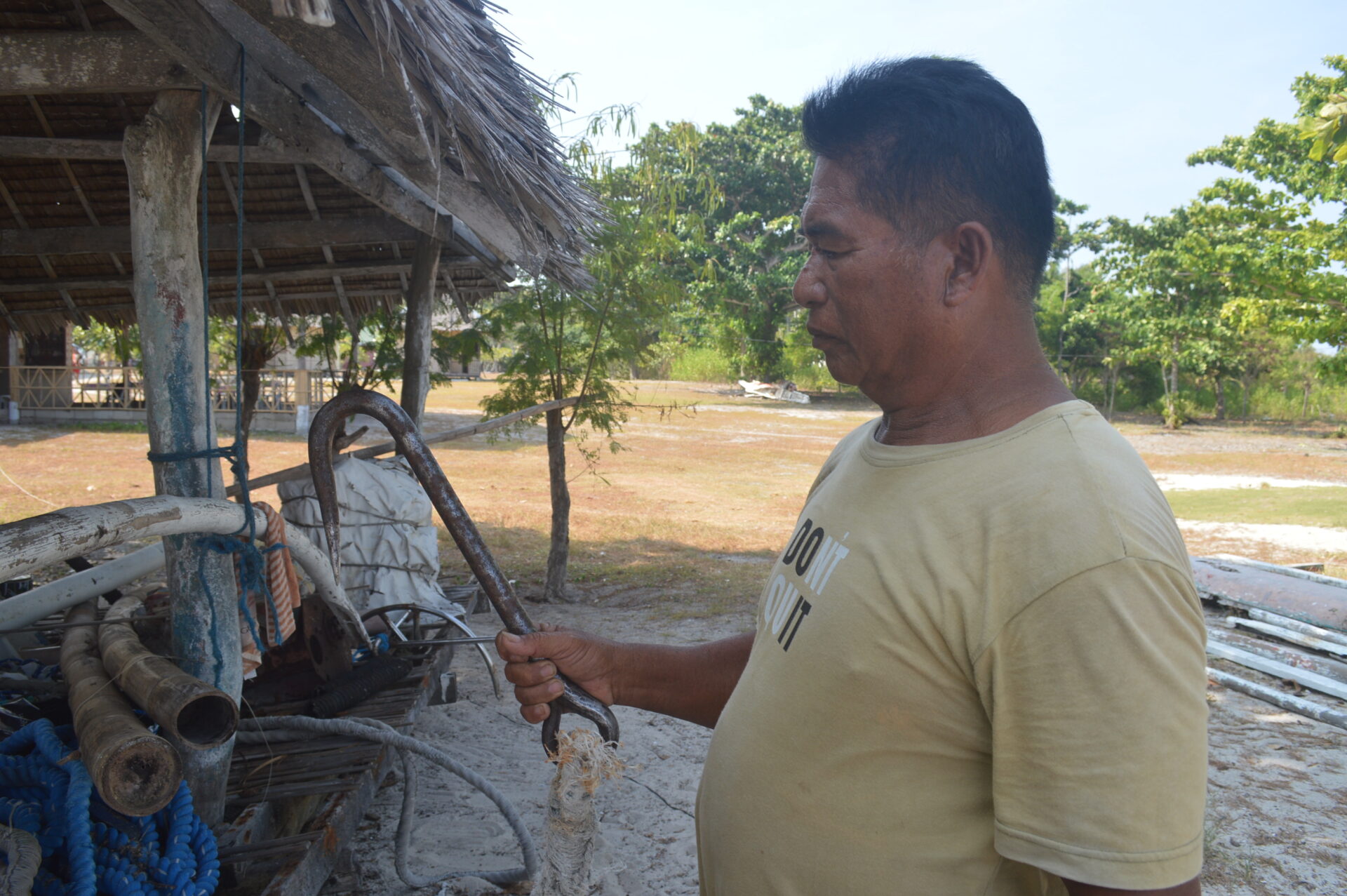
Tourism benefits remain unevenly distributed. Jesus Gaa, 60, a former whale and manta-ray hunter, recalls residents selling their boats after hunting was banned. Without boats, capital or suitable property, some households now struggle to enter tourism.
Those who own motorboats can operate tours, while others with suitable houses can establish homestays. Consequently, tourism opportunities often favor households with existing assets and connections.
Pamilacan recorded 1,426 residents in the 2024 Census of Population, down from 1,524 in 2020 (Philippine Statistics Authority). In a small island community, unequal access to livelihood opportunities can significantly affect household security.
Fishing remains essential. Pineda relies on it when tourism assignments are unavailable, while Operio must cover substantial fuel expenses before earning a profit. When tourism declines, households return to fishing, sometimes traveling farther to secure adequate catches.
The COVID-19 pandemic exposed tourism’s vulnerability. Philip Dudor, 53, returned to Pamilacan after working for ten years as a cook in Bermuda and now operates DaPearl Cottages. However, tourism has not fully recovered to its former level.
Unlike tourism, fishing can continue when travel stops. This makes fishing an economic safety net that households cannot reasonably abandon until alternative livelihoods become dependable.
A Sanctuary Showing Progress, but Still Vulnerable
Pamilacan’s economic future depends on the health of its marine environment. Community-led marine protection began in 1985, followed by sanctuary enforcement in 1986. Located within the Bohol Marine Triangle, the island supports coral reefs, seagrass beds, marine turtles, rays and numerous cetaceans.
The Marine Mammal Habitat information resource identifies at least 19 cetacean species in the surrounding waters, including Bryde’s whales, sperm whales, pilot whales, spinner dolphins and bottlenose dolphins.
Baclayon Municipal Ordinance No. D1-2013 established restrictions in the sanctuary’s core zone, prohibiting fishing and other damaging activities. Ordinance No. 45-2025 further identifies snorkeling areas and requires visitor briefings on marine conservation, responsible snorkeling and coral reef ecology. Snorkeling fees also contribute to local and municipal funds.
Early results were encouraging: within the first two years of sanctuary management, fish abundance increased by approximately 89% and species richness by 25% (Asian Fisheries Society).
Nevertheless, historical research found declining live hard-coral cover between 1984 and 1999, even inside protected areas. Coral bleaching, storms and crown-of-thorns starfish contributed to reef degradation.
More recent assessments indicate improvement. Baclayon town’s Coastal and Marine Ecosystem Management Program’s assessment report (2026) recorded 22.21% live hard-coral cover and 2.07% soft-coral cover in the sanctuary, totaling 24.28%. The 2023 Saving Philippine Reefs assessment likewise identified an increasing long-term trend in coral cover, classifying the sanctuary’s condition as “fair” and recognizing the enforcement efforts of the Pamilacan Fishermen’s Association.
Recent monitoring also reported promising fish biomass and reef-fish diversity. However, improved measurements do not mean complete ecosystem recovery. Reefs remain vulnerable to climate-related disturbances and fishing pressure.
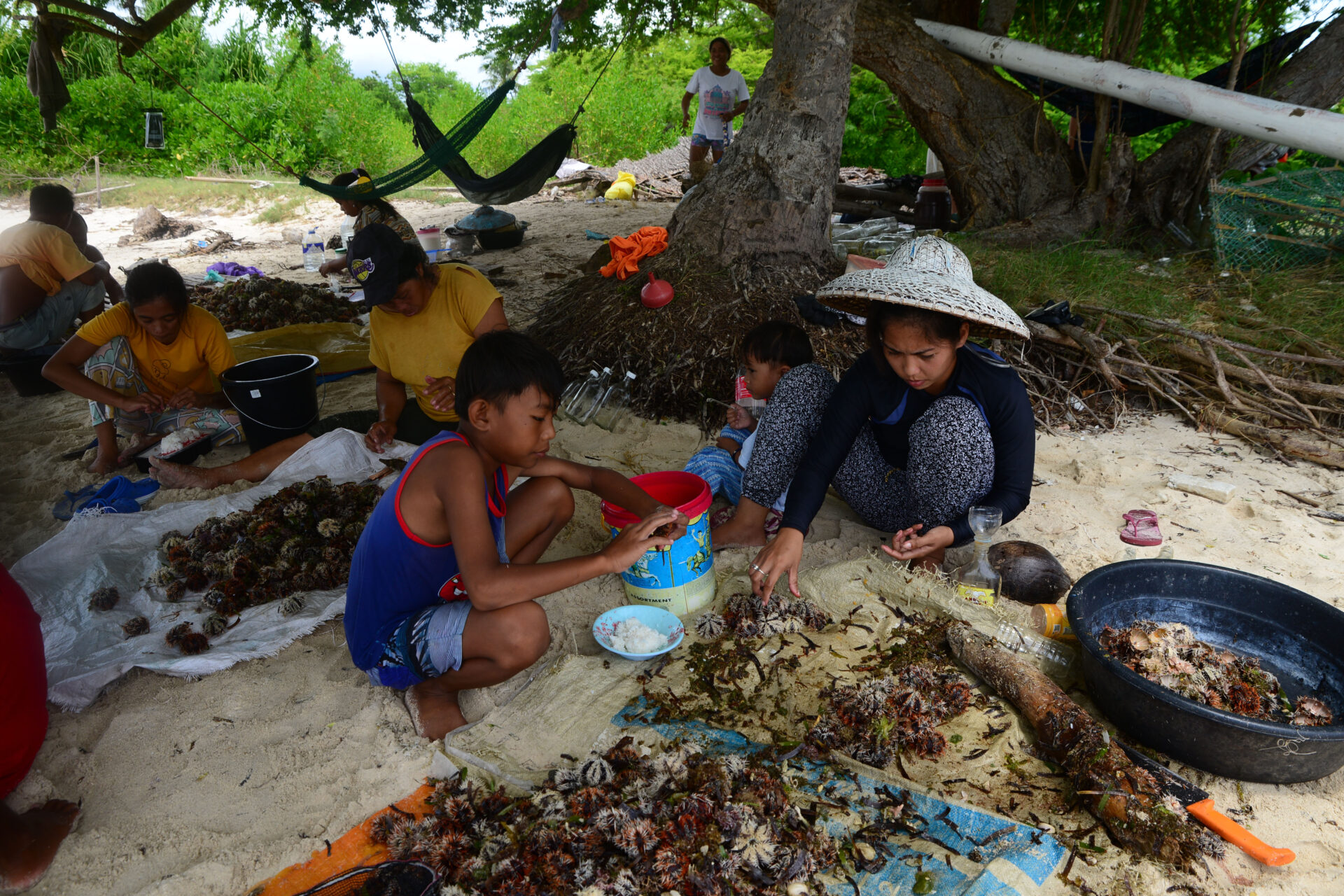
Monitoring must also include less visible organisms. Sea cucumbers, sea urchins, shells, bivalves and other invertebrates collected through panginhas, or gleaning, contribute to food security and income. Historical research estimated that invertebrates, small fish and algae accounted for around 40% of an annual reef yield of 17.9 tons per square kilometer. More comprehensive monitoring is needed to understand the condition of these resources.
Managing Tourism for People and Nature
Ecotourism can also become damaging if poorly managed. Excessive boat traffic, careless anchoring, wildlife harassment, waste and overcrowding threaten the ecosystems attracting visitors.
The Bohol Heritage Management Initiative (BoHMI), a multi-disciplinary network, emphasizes better tourism rather than simply increasing visitor numbers. Responsible operators must recognize that wildlife sightings cannot be guaranteed, it points out.
“A dolphin is not a performer,” it underscores, adding that ethical tourism must avoid pressuring guides to chase animals for customer satisfaction.
Infrastructure presents additional challenges. Tourism entrepreneur Nemesia Pingkian reports that many visitors come only for day trips, limiting spending on accommodation, food and other local services. Freshwater must also be purchased from mainland Baclayon at considerable expense.
Reliable water, sanitation, waste management, electricity, communications and safety facilities are therefore essential to encourage longer stays and support sustainable tourism.
Engr. Jessa Daquio of Baclayon’s Municipal Environment and Natural Resources Office identifies community-led ecotourism, managed through organizations such as the Pamilacan Island Dolphin and Whale Watching Organization, as central to the island’s conservation strategy.
Liza Macalandag of the Free the Whale Shark Coalition in Bohol argues that former hunters and their descendants could become expert guides and spotters for ethical marine wildlife tours, transforming traditional knowledge into conservation skills.
Building a Fairer Marine Economy
Completing Pamilacan’s transition requires making conservation benefits accessible to more households.
BOHMI recommends transparent tourism schedules, overnight packages combining wildlife tours and homestays, investments in water and sanitation, diversified livelihoods, and stronger support for women-led enterprises. Training young residents in marine guiding, hospitality, conservation monitoring and digital marketing could create more stable careers.
A transparent conservation fund could finance reef monitoring, marine-mammal research, enforcement and environmental education. Monitoring should cover coral, fish and benthic organisms, while tourism success should be measured by local spending, visitor length of stay, participating households and conservation funding—not visitor numbers alone.
The provincial government has also supported tourism development. In 2023, Bohol awarded a ₱321,500 contract for accommodation, catering and tour-handling services associated with Pamilacan dolphin- and whale-watching tourism (PPMU Bohol).
These initiatives align with the province’s sustainable tourism strategy and broader conservation commitments under the Global 30 x 30 Initiative, which aims to protect and conserve 30% of the world’s land, freshwater and oceans by 2030.
Pamilacan has made a significant transformation: former hunters have become guides and boat operators, tourism businesses have emerged, and marine conservation has become part of the island’s identity.
Yet fishing remains essential, tourism income is irregular, opportunities are unequal, and infrastructure and ecological challenges persist, observers note.
The island’s next transformation must ensure that conservation supports not only healthy reefs and marine wildlife but also secure, dignified livelihoods, according to MENRO Daquio.
Pamilacan has shown that marine wildlife can be protected while generating income. Its ultimate success will depend on whether the benefits of stewardship are shared fairly enough that families no longer have to choose between economic survival and the health of the sea, the environment officer says.
The Pamilacan Marine Protected Area is part of the Visayas Marine Biodiversity Hotspot within the Coral Triangle that covers six countries, including the Philippines. Conserving these ecosystems contributes directly to the Global 30 x 30 Conservation Initiative.
(This story, first published by the Bohol Chronicle, was produced under the Global 30X30 Conservation Initiative grant from Internews’ Earth Journalism Network. All photos were taken by Cooper Resabal).