
In Bohol, stories can be found everywhere — in the kitchens of ancestral homes, in centuries-old churches, in traditional celebrations, in the wisdom of elders, and in the breathtaking landscapes and seascapes that have shaped generations of island communities.
These stories are part of what makes Bohol unique. But how do we bring them beyond family conversations, community gatherings, and history books? How do we make younger generations appreciate their heritage through a medium they can easily connect with?
The answer, as demonstrated by Sine Bohol Festival 2026, is cinema.
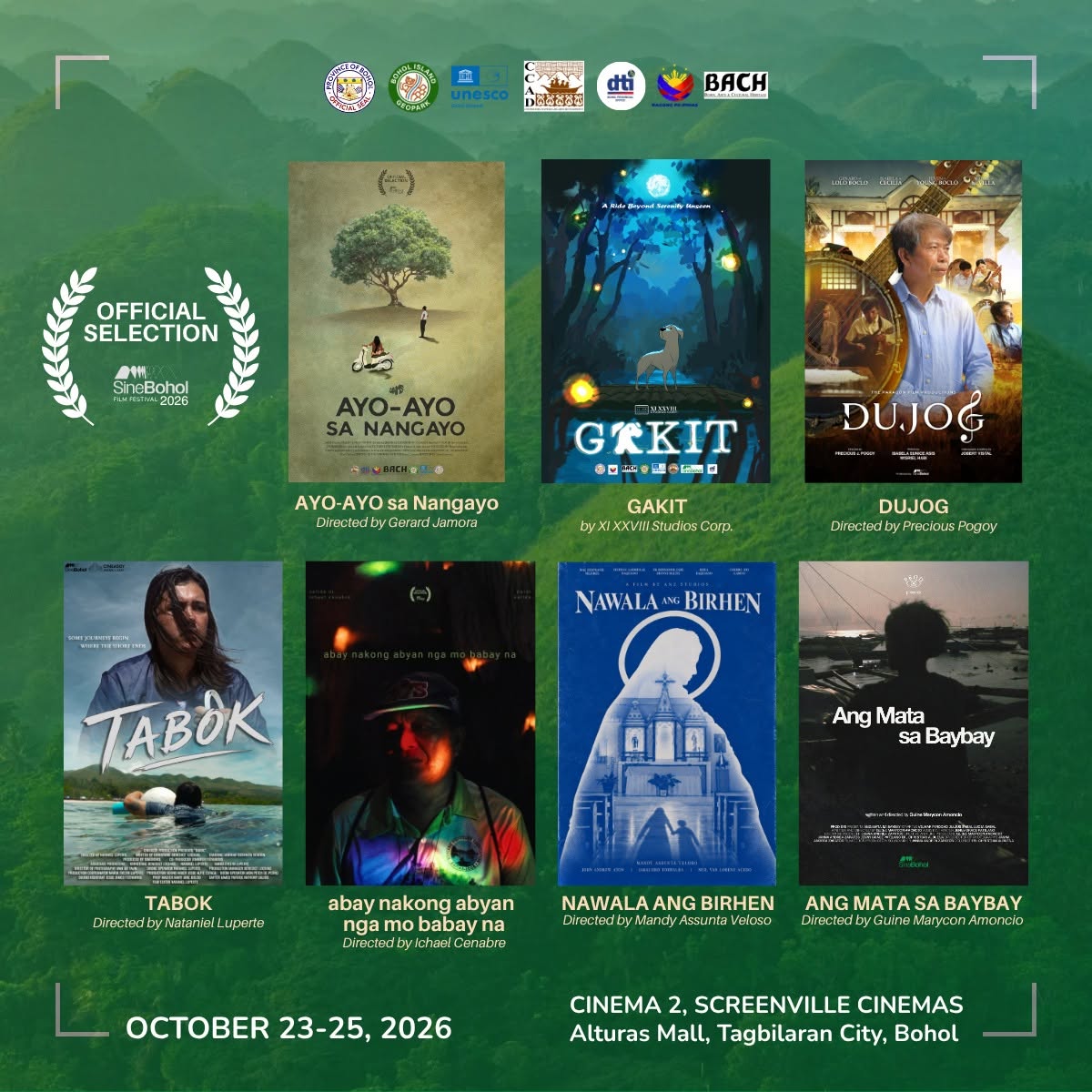
With seven locally developed short films making their way from screenplay to production, Sine Bohol 2026 has shown that the island’s cultural heritage can become powerful cinematic material. More than a showcase of filmmaking talent, the initiative celebrates the ability of Boholanos to tell their own stories, interpret their identity, and preserve their cultural memory through moving images.
At the heart of this creative journey is one important lesson: great films do not necessarily begin with big budgets. They begin with stories worth telling.
It All Begins with a Story
Before the cameras roll, before actors memorize their lines, and before directors shout “Action!”, there is a screenplay that serves as the blueprint of a film, providing the foundation for its characters, dialogues, scenes, conflicts, and visual direction. It transforms an idea into something that filmmakers can eventually bring to life.
This was one of the major lessons of Sine Bohol 2026’s Story to Screen workshop, conducted from September to October under the guidance of veteran filmmaker, film historian, and educator Nick Deocampo.
The workshop introduced participants to the fundamentals of screenplay writing, making a plotline, and project pitching. But beyond technical instruction, it encouraged aspiring filmmakers to recognize that their own communities could provide some of the most compelling stories.
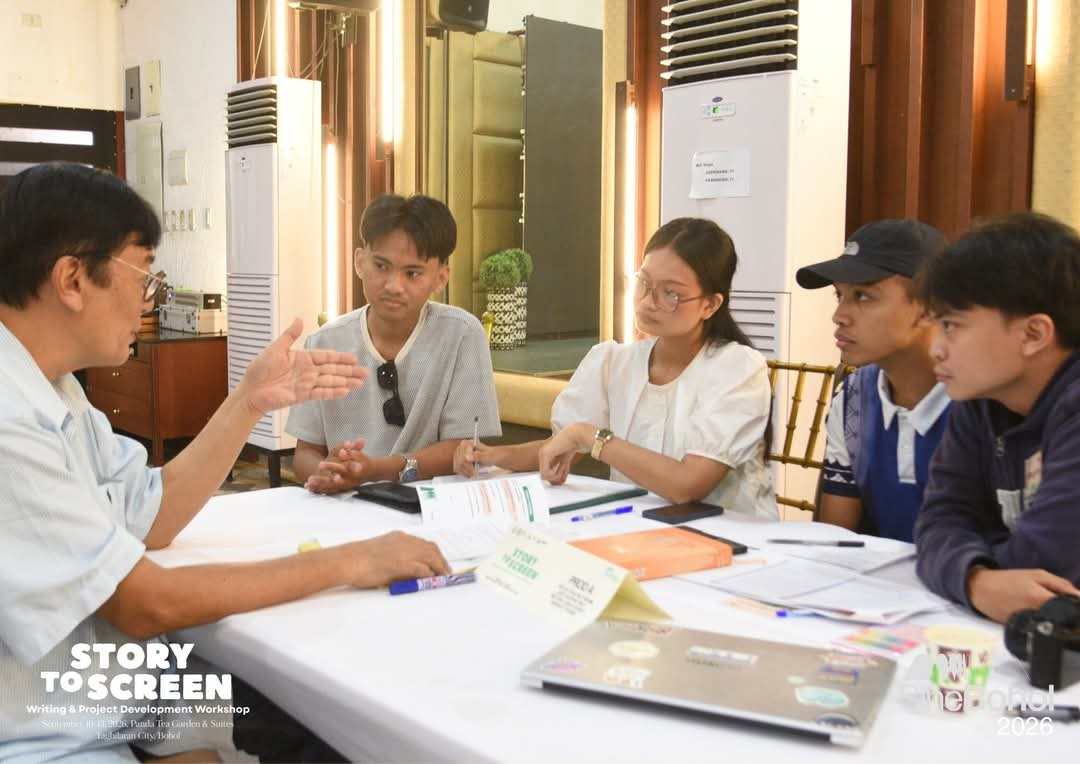
Under Deocampo’s mentorship, participants learned that an effective screenplay must have more than an interesting subject. It needs relatable characters, a meaningful conflict, a clear narrative direction, and a story that connects emotionally with its audience.
For heritage-based filmmaking, this process is particularly important. A filmmaker cannot simply place a traditional costume in front of a camera and expect a meaningful cultural story to emerge. The challenge is to understand the people, beliefs, experiences, and historical circumstances behind the cultural practice.
In other words, heritage must be understood before it can be translated effectively into cinema.
Seven Films: Perspectives of Boholano Identity
The script-to-screen program developed and produced seven short films, each offering a different perspective on Boholano life and heritage.
Rather than limiting cultural representation to tourist destinations and postcard-perfect landscapes, Sine Bohol 2026 encouraged filmmakers to explore the deeper stories behind the island’s identity, according to program organizer Maricel Sombrio.
It showcased seven original short films developed through the hands-on Story to Screen Workshop/Production from September to October, 2026 in Tagbilaran City.
Ayo-ayo sa Nangayo directed by Gerard Jamora
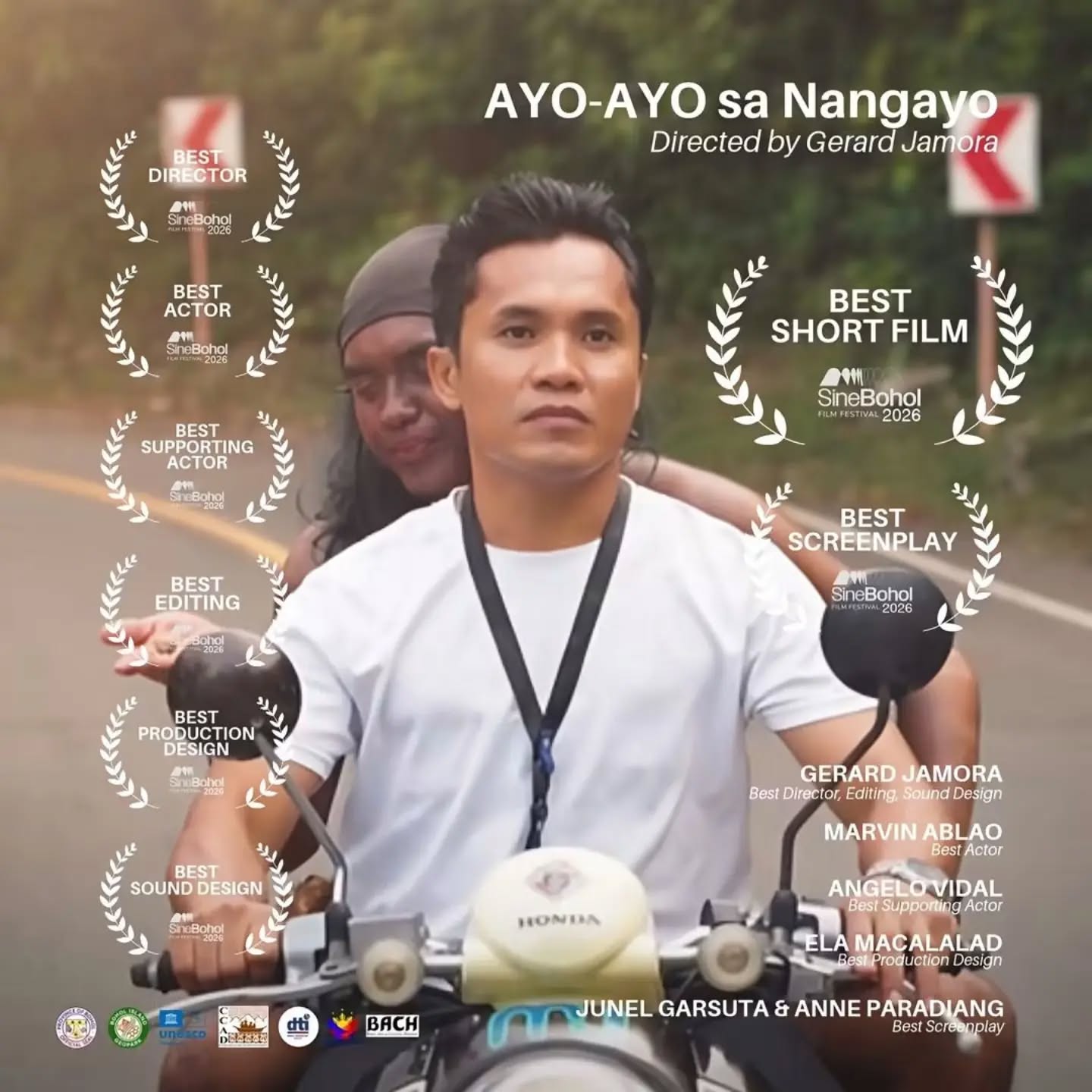
The festival’s major sweep winner took eight awards, including Best Short Film, Best Director, Best Screenplay, Best Actor for Marvin Ablao, and Best Supporting Actor for Angelo Vidal. The story centers on an Agta (a tree-dwelling forest spirit) whose home is destroyed when a school cuts down a century-old tree. Displaced, the spirit seeks help from the very school principal who ordered the tree’s removal, reflecting on environmental loss, development, and the Boholano idiom “Ija-ija, aho-aho”.
Nawala ang Birhen directed by Mandy Assunta Veloso
A young nun is on the verge of leaving her religious vocation. During a Fiesta Day, she teams up with a lonely altar boy to search for a missing Virgin Mary statue. Through the journey, she discovers that the sense of family and purpose she has been searching for was already around her all along.
Ang Mata sa Baybay directed by Guine Marycon Amoncio
Pablo, a young fisherfolk, faces a heavy emotional and practical dilemma—torn between staying in his island home or leaving it behind.
Abay nakong abyan nga mo babay na directed by Ichael Cenabre
On a mystical island in Bohol, a tour guide named Paloy notices that the daily offering left for the Abyan (a nature spirit) has gone untouched. He learns that the island’s last remaining Abyan is preparing to depart, and he decides to prepare a despedida (farewell) for his spirit friend. Abyan got Best Cinematography award.
Tabok directed by Nataniel Luperte
An island teacher embarks on a race against time and a treacherous sea, crossing dangerous waters to deliver life-saving medicine to one of her pupils. Marrah Sushnita Bitagan-Rendon was awarded Best Actress for her portrayal of the teacher.
Dujog directed by Precious Pogoy
Following a personal loss, a grieving grandfather named Lolo Boclo finds a way to revive his family’s musical heritage after his young granddaughter uncovers a forgotten banjo, featuring traditional performances by the Candungao Comparza of San Isidro, Bohol. Dujog won for Best Music Score and Best Supporting Actress.
Gakit directed/created by 11.28 Studios Corp.
Winner of the Special Jury and People’s Choice Awards, this animated/narrative short follows a lonely stray dog wandering along the enchanted Abatan River. As he explores the river’s hidden secrets, he ultimately discovers the warmth, love, and kindness he has been longing for.
Learning from culture bearers and mentors
Good heritage films require more than creative imagination. They also demand cultural sensitivity and research. This is why Sine Bohol 2026 incorporated the contributions of local cultural practitioners and resource persons into its creative development process.
Cultural bearer Lutgardo Labad emphasized the importance of cultural research in filmmaking. Athena Garcia-Vitor, Adalberto Rama and Liza Macalandag facilitated discussions on knowing one’s roots and heritage and religion, helping participants understand the cultural foundations of the stories they wanted to tell, while Procopio Resabal Jr. shared his experiences as a pioneer short filmmaker in mentoring participants.
These contributions are essential because filmmakers have a responsibility to represent communities with accuracy and respect, says Macalandag, chairperson of the Bohol Arts and Cultural Heritage Council.
A religious tradition, for instance, should not be treated merely as colorful background material. It has meanings, histories, and personal significance for the people who practice it. Similarly, indigenous knowledge, traditional food preparation, and local customs deserve to be portrayed with an understanding of their origins and continuing relevance, says Athena Garcia-Vitor.
Deocampo’s film expertise, combined with the mentors’ cultural perspectives, created an environment where creativity and heritage research could work together. The result is a more thoughtful approach to filmmaking — one that does not simply document culture but interprets it through human experiences and cinematic storytelling, Sherwin Sapong of Sine Bohol Committee explained.
Making every peso count
Transforming a screenplay into a finished film is another challenge altogether.
Filmmaking involves numerous expenses, including equipment, transportation, meals, locations, props, costumes, production personnel, and post-production. For emerging filmmakers working with modest production grants, every peso matters.
But Sine Bohol 2026 demonstrates that limited resources need not limit creative possibilities, says Sombrio of the Sine Bohol Committee. A traditional Boholano home can become a production location. Household materials can serve as props. Community members can contribute their talents and knowledge. Local connections can help filmmakers find suitable locations and practical solutions to production challenges, she observes. These are not merely ways to save money. They are examples of creative resourcefulness.
In fact, using actual community spaces and familiar cultural environments can make a film more authentic. A real neighborhood often has a character and atmosphere that an expensive studio set cannot easily reproduce.
The key is careful planning. Filmmakers must know which scenes are essential, how to maximize available equipment, how to schedule their shooting days, and how to work efficiently with their cast and crew.
This is where the screenplay becomes particularly valuable. A well-developed script helps the production team understand what needs to be filmed, what resources are required, and how each scene contributes to the overall story.
Ultimately, the success of independent filmmaking is not measured by how much money is spent but by how intelligently available resources are used.
From local stories to community pride
Sine Bohol’s significance goes beyond the seven films themselves.
Building on the foundation of its inaugural 2025 edition, which featured six competing films, the 2026 program strengthened the development of a homegrown filmmaking community.
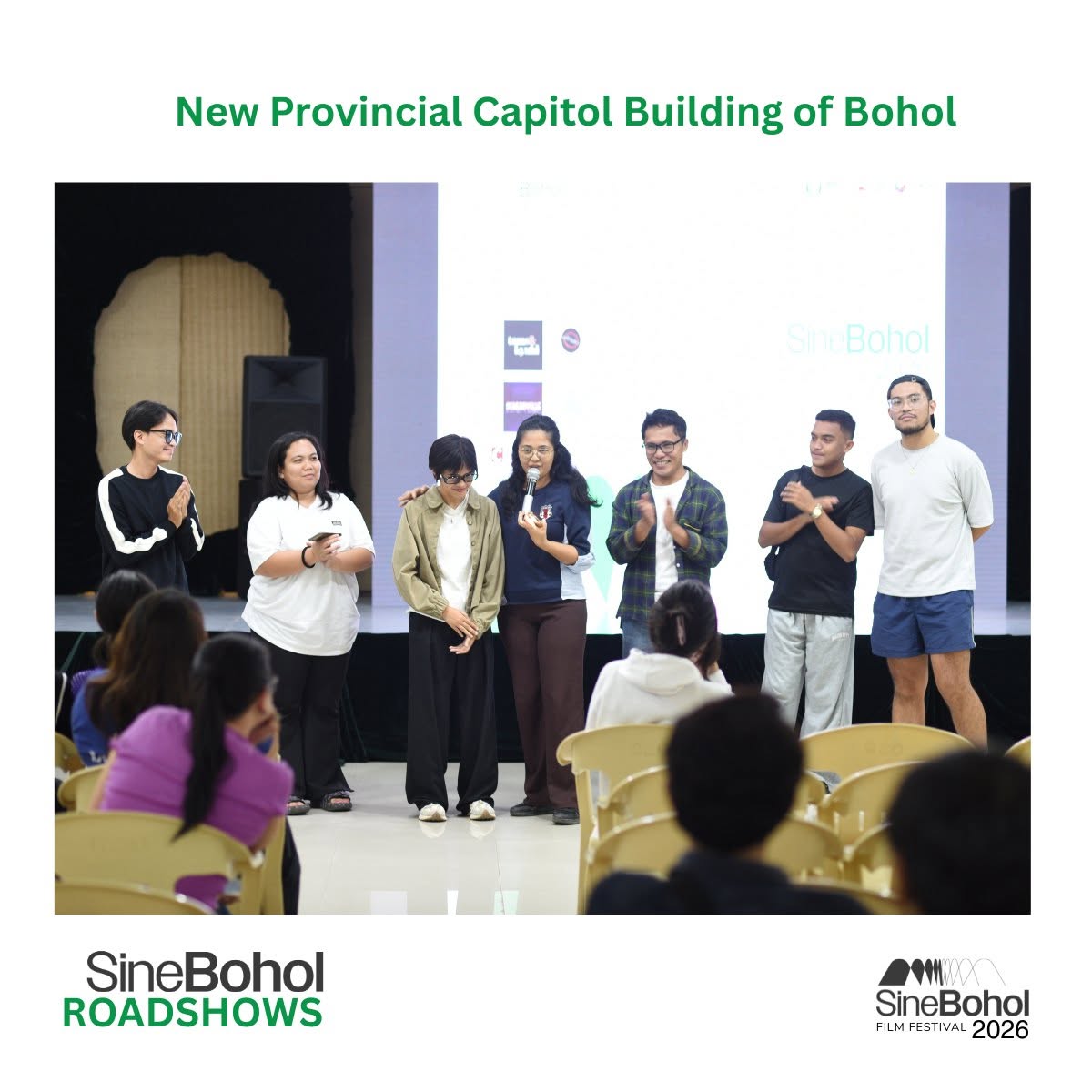
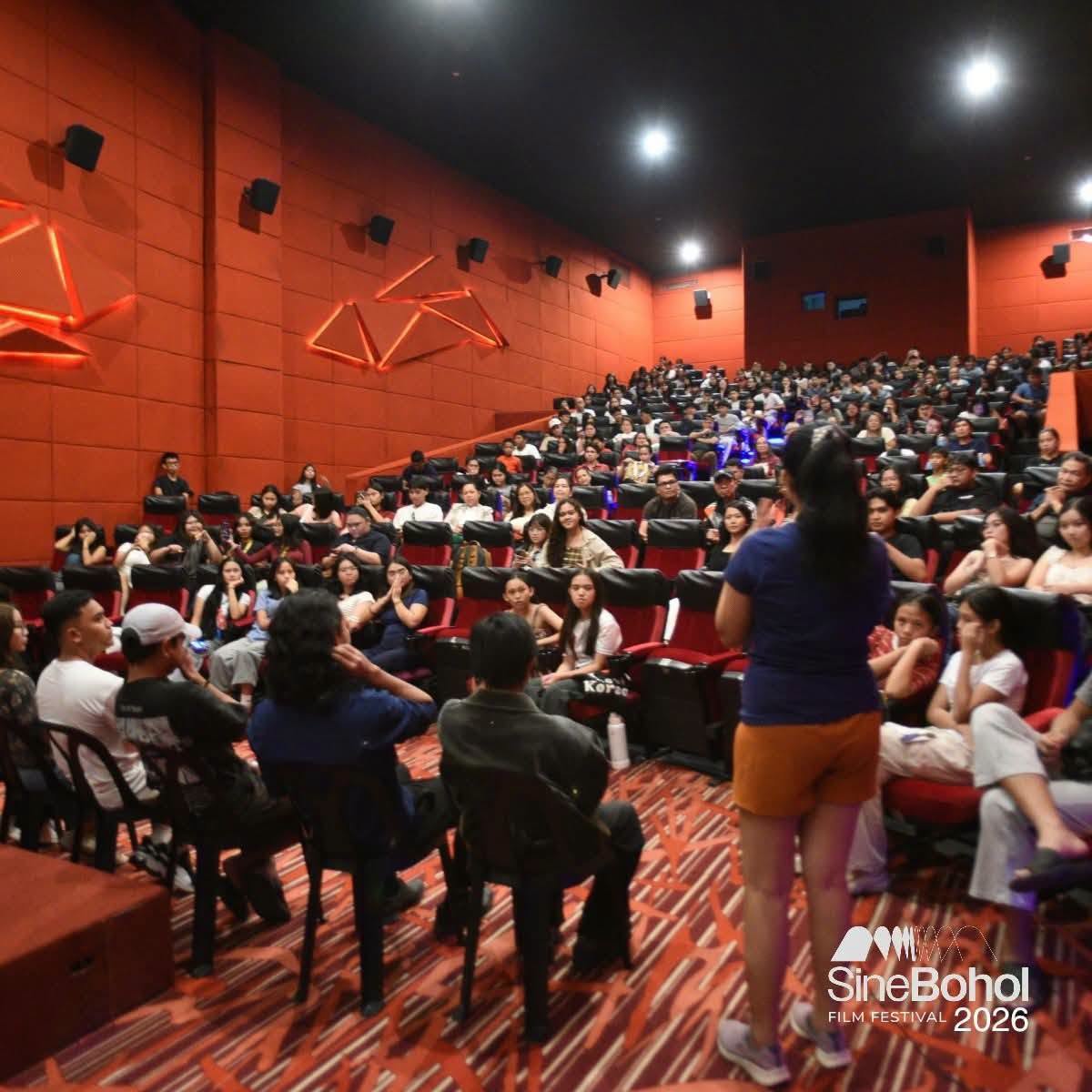
Its second Sine Bohol Roadshow and Community Screenings, Gala and Awards, that took place from October 23-30 to November 13-14, 2026, extended the opportunity for audiences to experience the films beyond the production teams.
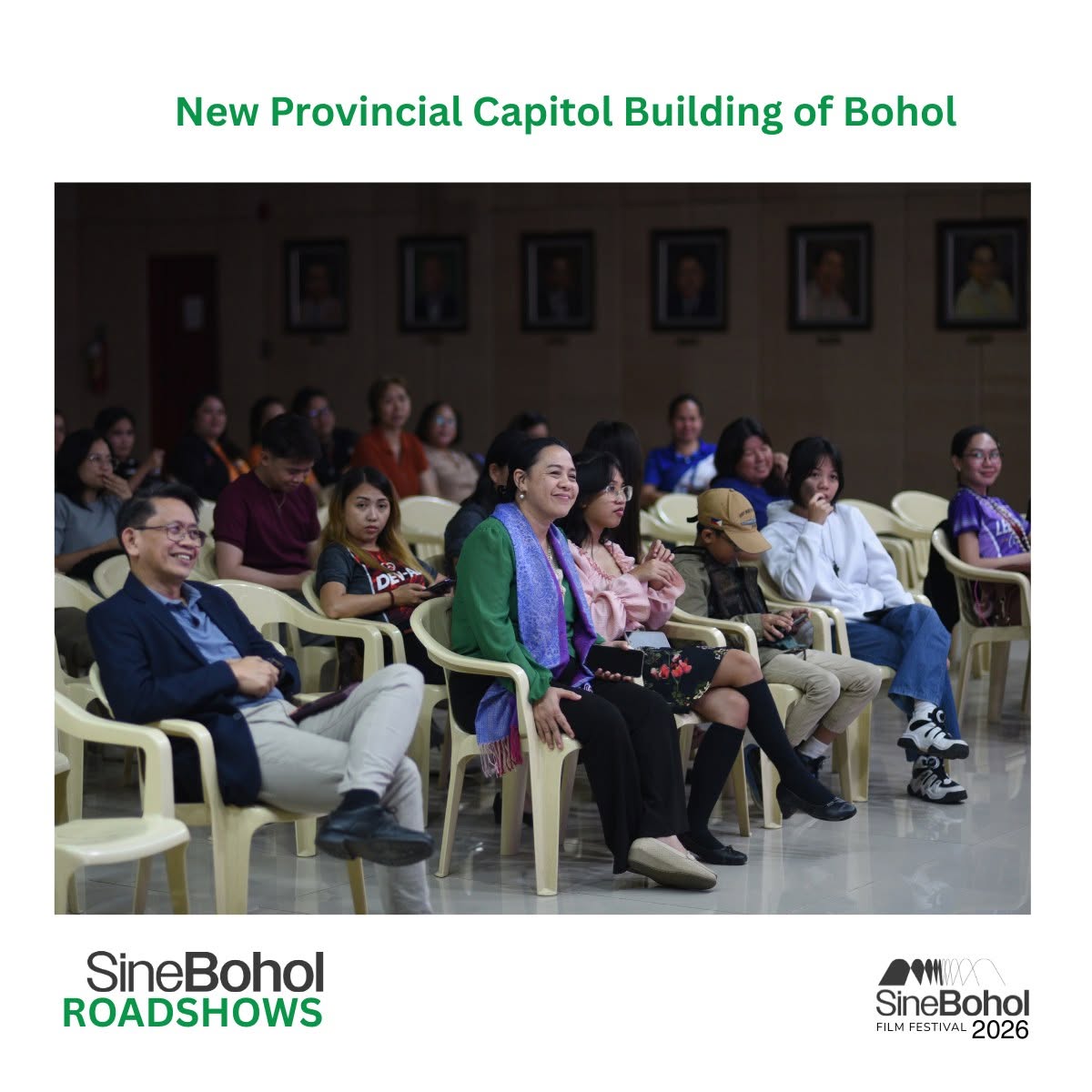
The full house screenings were especially meaningful because the stories belong to the communities being represented.
When residents see familiar places, traditions, experiences, and even their own cultural practices on screen, cinema becomes a shared experience. It encourages conversations between generations and gives communities an opportunity to recognize the value of their own heritage.
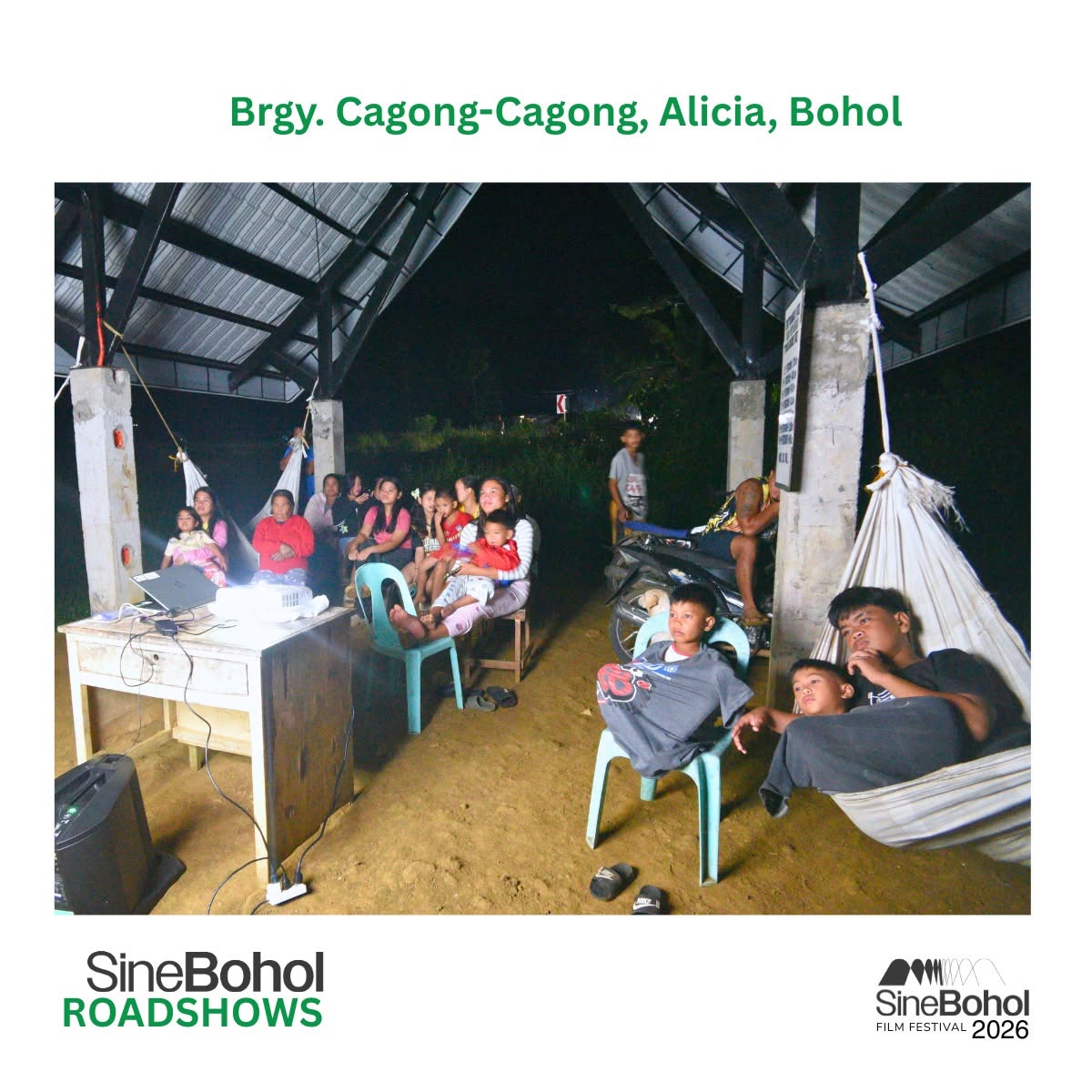
For young audiences, these films can provide an engaging introduction to local history and cultural identity. Instead of encountering heritage only through textbooks or formal presentations, they can experience it through characters, emotions, conflicts, and memorable visual storytelling.
This also supports Bohol’s identity as a UNESCO Global Geopark, where geological heritage, biodiversity, culture, and community knowledge are interconnected.
Film and visual arts can serve as powerful tools for geo-interpretation, cultural preservation, and community empowerment. They can help audiences understand that Bohol’s heritage is not limited to its famous geological formations and natural attractions. It also includes the people, traditions, and living relationships that give the island its character.
The next chapter of Boholano Cinema
The real achievement of Sine Bohol 2026 is not simply the completion of seven short films. It is the realization that Bohol has the stories, talent, and creative imagination to build a stronger regional filmmaking culture.
With Nick Deocampo’s mentorship and the valuable contributions of cultural practitioners and other resource persons, aspiring filmmakers have experienced the complete journey from developing an idea and writing a screenplay to organizing a production and presenting a finished film.
More importantly, they have discovered that their heritage is not something confined to the past. It is alive in their homes, communities, traditions, and everyday experiences.
As Boholano filmmakers continue to develop their craft, the possibilities are endless. More stories can be explored, more communities can participate, and more young storytellers can be encouraged to use cinema as a means of cultural expression.
From heritage to the big screen, Sine Bohol 2026 has proven that cinematic treasures do not have to come from Hollywood. Sometimes, they come from a familiar kitchen, a neighborhood gathering, an ancestral tradition, or a simple story waiting to be told.
All it takes is a good screenplay, a passionate and resourceful team, a camera, and the courage to believe that Boholano stories deserve to be seen by the world.
The Sine Bohol program has been developed and supported through the initiatives of the Provincial Government of Bohol, the Bohol Island UNESCO Global Geopark, and the Department of Trade and Industry through the efforts of the SINEBOHOL Committee.
(Photos courtesy of SineBohol)