
The final shape of the 2026 national budget reviewed by Malacañang during the Christmas holidays will reveal whether the Marcos administration is serious about fighting corruption, or merely recycling old habits under new labels.
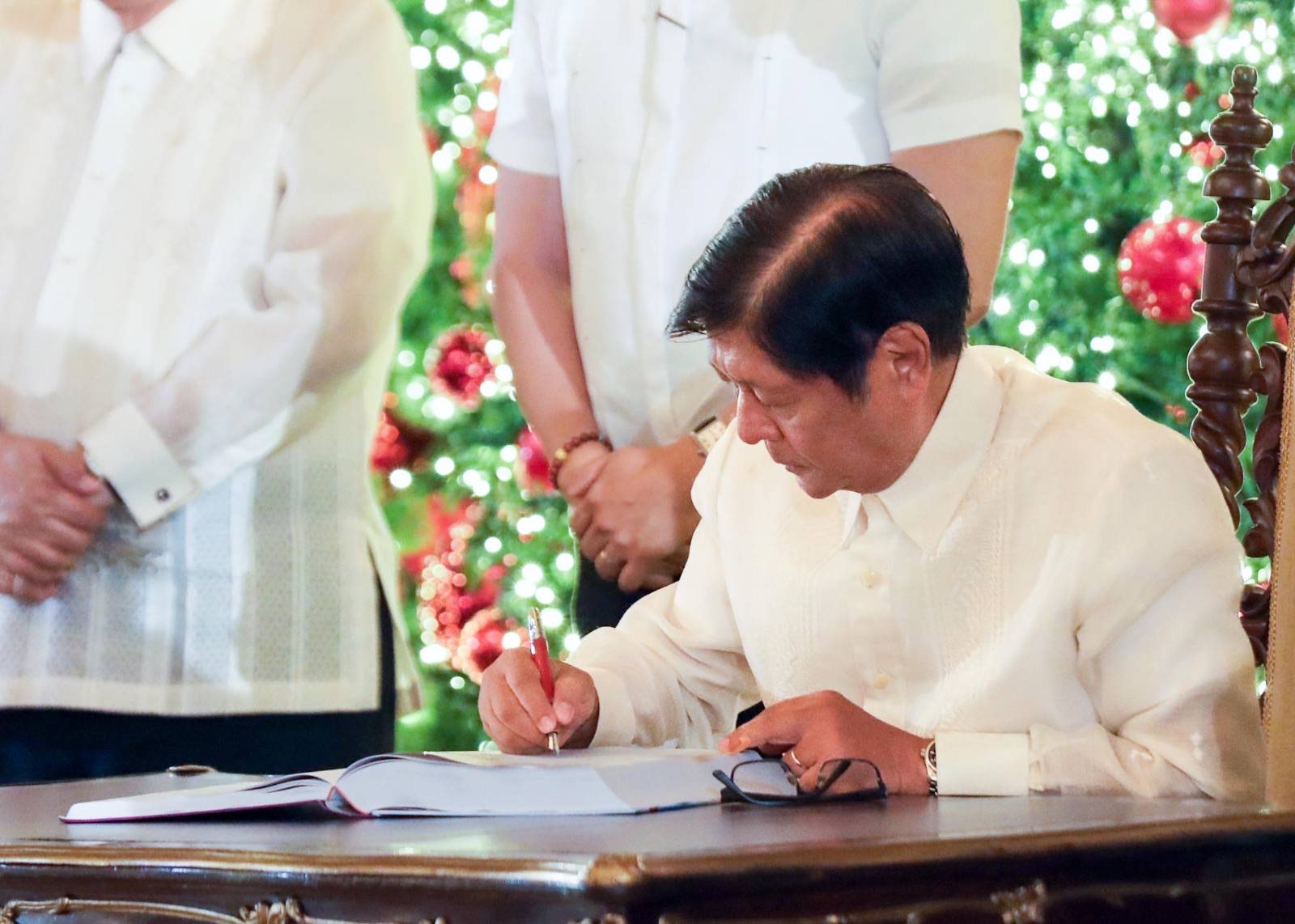
Both the Senate and the House of Representatives ratified the bicameral conference committee report on the P6.793-trillion spending program on Dec. 29, and it now awaits President Ferdinand Marcos Jr.’s signature today, Jan. 5. For the first time since 2019, the government has entered the new year operating under a reenacted budget, following protracted disputes over insertions and provisions that have long been abused, particularly the various forms of ayuda used by politicians for patronage and self-promotion.
In the shadow of the flood control corruption scandal, Malacañang’s review of the Congress-approved budget must go beyond optics. Every line item deserves scrutiny for inefficiencies, waste and hidden discretionary spending. This is precisely the discipline Marcos has promised since assuming office in 2022. The moment to “walk the talk” has arrived. Rhetoric alone will no longer suffice.
Public frustration is palpable. Hundreds of billions of pesos have been spent on flood control, yet vast areas of the country now suffer deeper flooding even after moderate rainfall. The Department of Public Works and Highways has identified 421 ghost flood control projects — 261 in Luzon, 109 in the Visayas, and 51 in Mindanao — involving fraudulent contractor claims for projects never built or left unfinished. Investigations are ongoing under the Independent Commission for Infrastructure, but accountability remains elusive.
Five months after Marcos’ stinging mahiya naman kayo rebuke in his state of the nation address, and repeated assurances that “big fishes” would be spending Christmas in jail, not a single prominent politician has been arrested. The president must be referring to Christmas in another year, not the last one.
While suspicious allocations for flood control, farm-to-market roads and corruption-prone ayuda programs were reportedly removed, budget analysts warn that other provisions remain vulnerable to political misuse. One such item is the Medical Assistance for Indigent and Financially Incapacitated Patients (MAIFIP) under the Department of Health. The unresolved question is whether poor patients will still be forced to seek guarantee letters from politicians, a practice that entrenches patronage rather than reform.
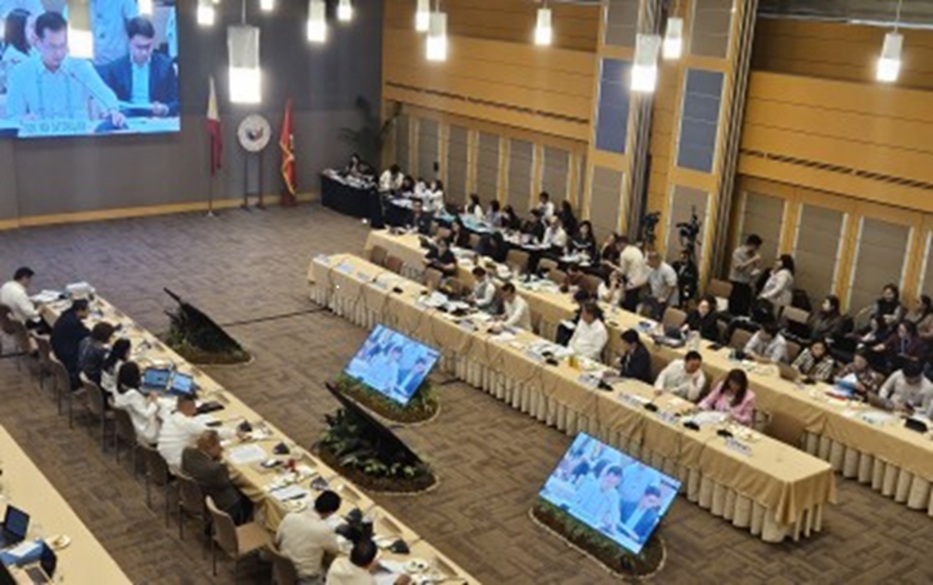
Public scrutiny of the 2026 budget intensified as outrage over the multibillion-peso flood control mess mounted. For the first time in Philippine legislative history, bicameral conference committee deliberations were livestreamed, a move widely praised as a milestone for transparency and a safeguard against last-minute insertions.
In response to the scandal, Marcos ordered that no new flood control allocations be included until existing funds are fully accounted for. As a result, Congress realigned large portions of the DPWH budget toward social programs such as Assistance to Individuals in Crisis Situations (AICS) and Tulong Panghanapbuhay sa Ating Disadvantaged/Displaced Workers (TUPAD).
Critics, however, note that an allocation for “Oplan Kontra Baha” remains, which they argue, is merely a rebranding of the same corruption-prone spending.
Even the president’s sister, Sen. Imee Marcos, has described the budget as “giniling,” implying that pork barrel funds have simply been chopped finely enough to blend into line agency items.
Another flashpoint is the P243-billion unprogrammed funds, which are appropriations that cannot be spent unless excess revenues or new loans materialize. Some economists argue these should be scrapped altogether to reduce fiscal ambiguity and abuse.
The central question now is whether Malacañang’s review will result in genuine cost discipline, real accountability and smarter spending, or simply cosmetic adjustments.
In July, Marcos warned he would return any General Appropriations Bill not aligned with the National Expenditure Program, “even if we end up with a reenacted budget.” Does he consider Congress’ realignments acceptable? Or will he risk another reenacted budget, long criticized as the most corruption-prone spending framework of all?
Ultimately, the true test will lie not in promises or procedures, but in implementation. How transparently the realigned funds are spent, and whether anti-corruption measures are enforced without fear or favor, will determine whether 2026 marks a break from the past, or merely another year haunted by ghost projects.
The views in this column are those of the author and do not necessarily reflect the views of VERA Files.
This column also appeared in The Manila Times.