

A few decades ago, a foreign speaker remarked in an international defense conference held in Manila that the Armed Forces of the Philippines was so bereft of capabilities that it would not even know if it was already being invaded by an external aggressor.
This was despite the fact that among all of ASEAN’s militaries, that of the Philippines was one of the most combat experienced at that time. The country was struggling to deal with a combination of internal and external threats with an army equipped with 1960s vintage weapons, an air force that was merely a collection of rotary assets masquerading as combat aircraft, and a navy whose vessels belonged in a naval museum instead of a 21st Century maritime environment.
The Philippine Coast Guard at that time was so lacking in vessels that it did not even have the capability to confront the Chinese when they intruded into Bajo de Masinloc/Scarborough Shoal in 2012.
In a way, China’s seizure of Scarborough Shoal served as a wake-up call for the Pnoy administration that decided to substantially fund the modernization of the military that had been neglected by previous administrations for one reason after the other. Unlike administrations before, that of Pnoy stated that the primary and existential threat to the country is that posed by the People’s Republic of China that sought to not only steal the maritime resources and territories of the Philippines, but also to turn the Filipino nation into some form of vassal state through its insidious infiltration strategies.
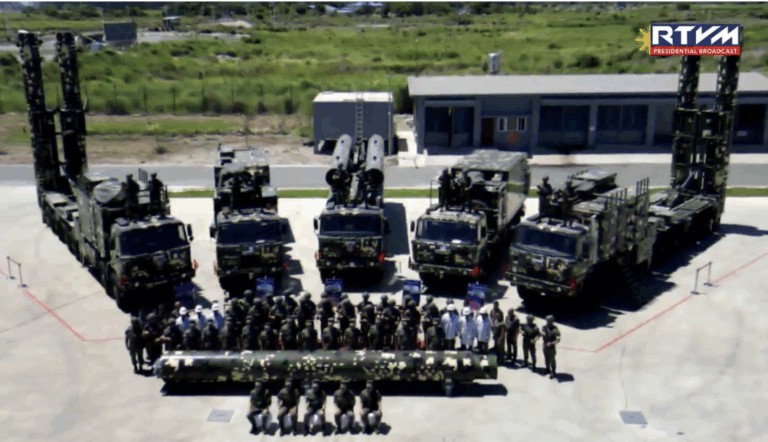
The Philippine military showcase its Brahmos missile batteries. RTVM photo.This resulted in Republic Act 10349 being passed on December 2012 that laid out a 15 -year modernization program for the military and funding for its implementation. It was a multi-pronged strategy created by that administration to face the Chinese threat.
The first and the more visible prong was taking Beijing to the arbitration court and mobilizing international support for Manila. The second was to effectively implement military modernization. The third was to neutralize the remaining internal security threats in the country through a combination of peace initiatives and armed operations to allow the AFP to shift to an external defense orientation. Lastly was to spur economic growth which would enable the country to sustain both the military modernization and the gains of the peace processes with the rebels.
After the Pnoy administration, the next, that of Rodrigo Duterte who himself initially ridiculed the purchase of the FA-50, continued with the modernization programs already laid out by the former and it eventually was the beneficiary of the outcomes that its propaganda mouthpieces unashamedly and hypocritically solely claimed credit for. What else was to be expected from the treasonous and morally corrupted Duterte administration?
Yet throughout all those challenging years, the modernization of the Philippine military steadily progressed as it reacquired one capability after the other that it had lost during the 1970s and even gained those it had never had from the get go.
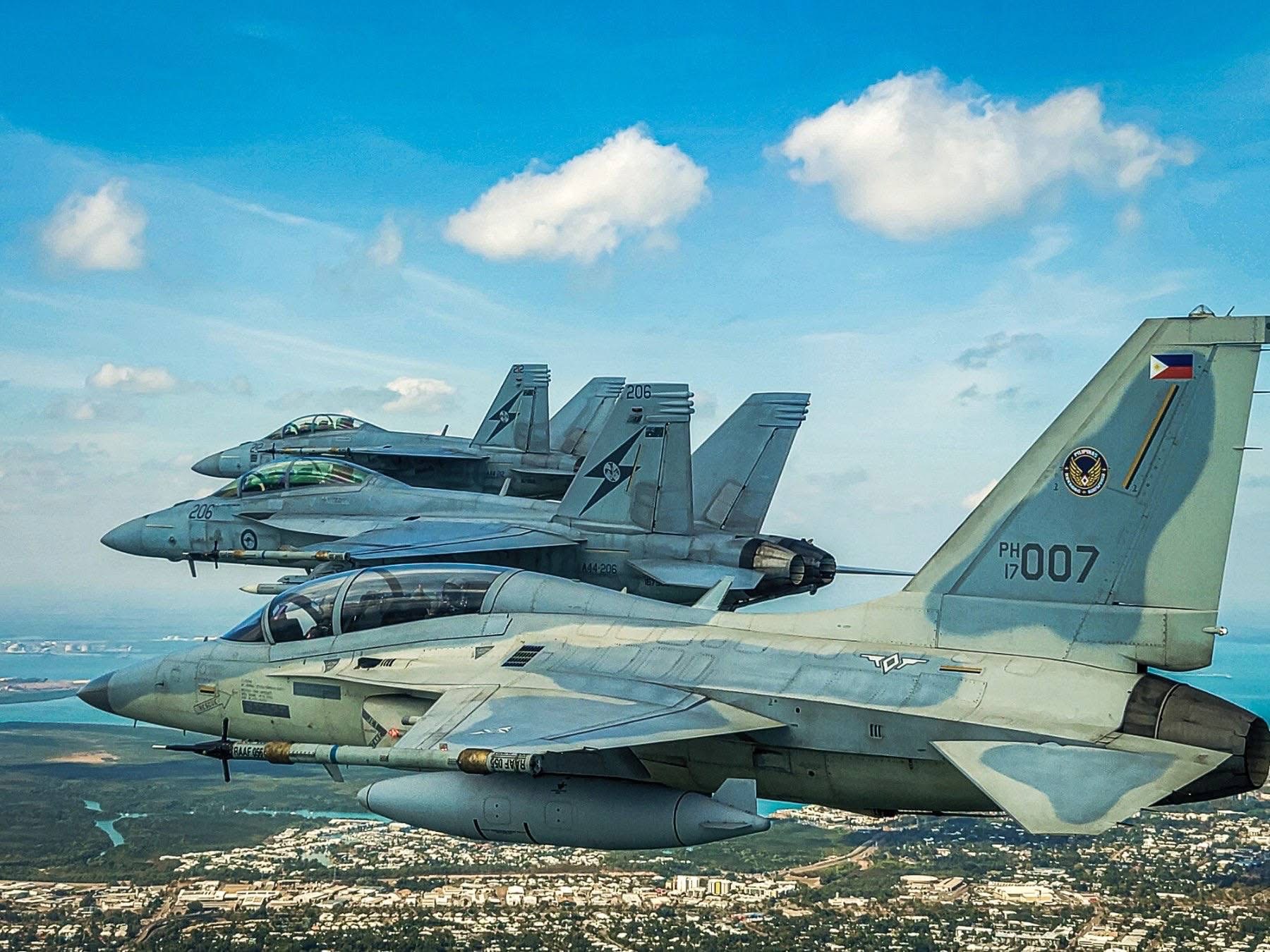
The first notable capability that it reacquired through the FA-50 program was to once again possess a combat aircraft that not only could reach supersonic speeds, but give the air force a reasonable chance to take on hostile combat aircraft.
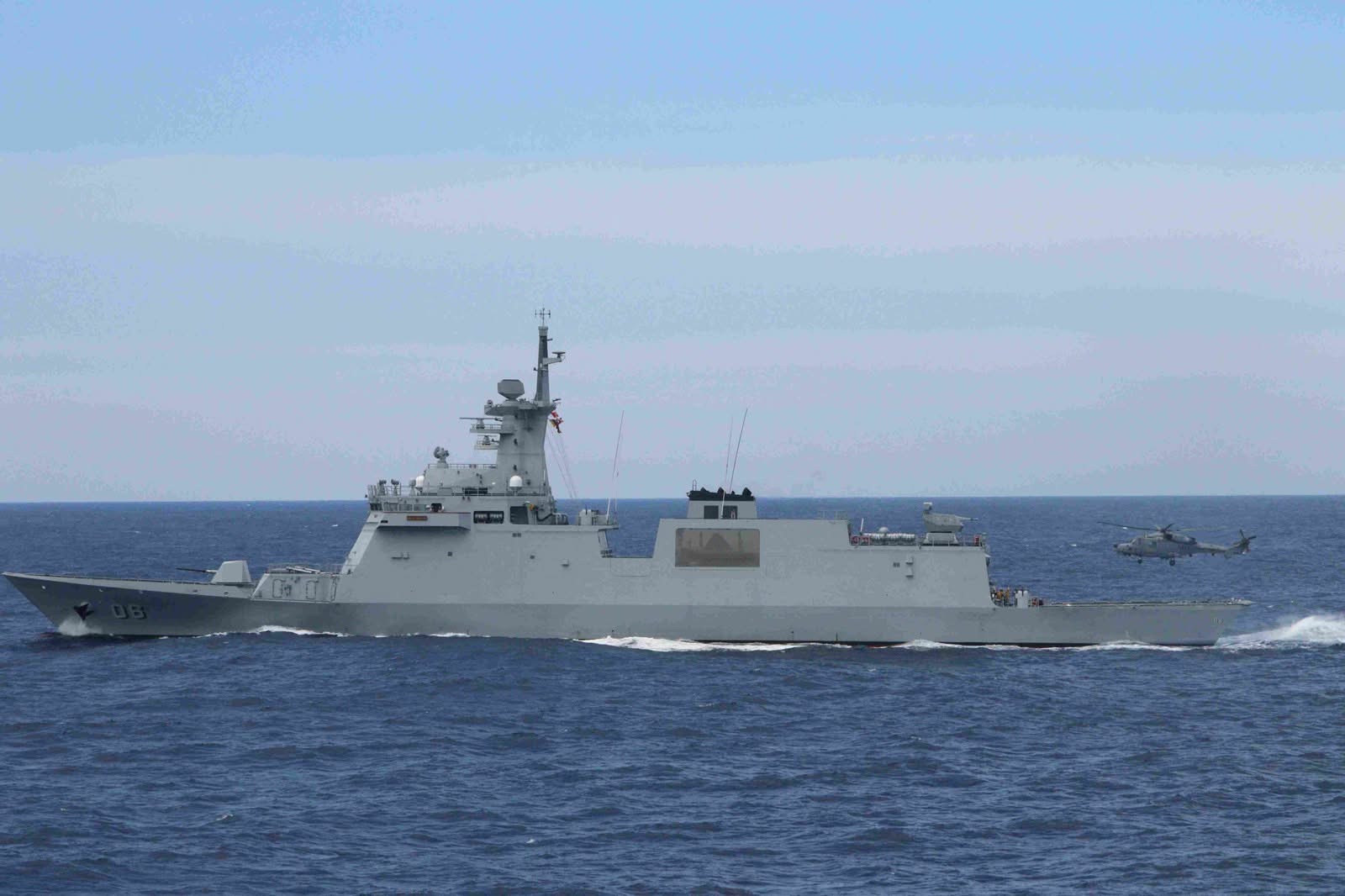
The second is a transformation that fundamentally changed the Philippine Navy from being a pathetic brown water force only good for use against irregulars and pirates to a blue water one that could project presence to all regional waters as far as the Central Pacific. The PN also reacquired its anti-submarine capability which was a skill it was quite adept in the 1950s to 1960s.
The third is to bring all three services of the Philippine military firmly into the missile age through equipping them with a variety of missiles for surface to air, surface to surface, and air to surface to the extent that even infantry squads possess that capability.
The fourth is the acquisition of light tanks and mobile artillery that has allowed the Philippine Army to set up effective rapid deployment forces able to deal with enemy attacks against the country’s strategic installations and localities. The fourth is domain awareness through a combination of radar acquisitions and assistance rendered by allies and partners of the Philippines like the United States and Japan. This is especially relevant in the light of the declaration of that foreign speaker all those decades ago who said that the Philippines had practically no domain awareness.
The fifth is the expansion of the military into drone utilization and warfare which is an asymmetric capability that provides the Philippines the ability to defeat substantially larger enemy forces which is what the Ukraine War is showing the world. Even the Philippine Coast Guard has emerged from its own modernization able to stand off against Chinese maritime and naval vessels in encounters that have even left the enemy bloodied and damaged.
After ten years following the country’s victory in the arbitration court against China, the Philippines is in a way better position to defend its interests in its maritime entitlements and territories than it was in 2016.
Equally just as important is that the Philippines can already undertake missions in support of regional peace and stability. A number of cases tend to support that assertion. First, it was reported that in the Black Pitch aerial exercises in Australia, the Philippine FA50 delegation was recognized for exceptional performances. That combined with actual combat experience of Filipino FA 50 pilots shows that the aircraft has been fully absorbed by the PAF and not just for parades as Duterte himself once foolishly derided it just to advance his treasonous defeatist policies.
During the recent 2026 RIMPAC Exercises held off Hawaii last month, the guided missile frigate BRP Miguel Malvar garnered 3rd place overall in the live fire and gunnery competitions out of 14 multinational naval competitors. The guided missile frigate BRP Antonio Luna also garnered 3rd place in the same event in 2022.
Furthermore, in many bilateral and multilateral exercises the Philippine military can realistically participate in modern combat situations due to the equipment it possesses and not just notional activities that it once only did because of the absence of modern assets. Thus we have witnessed Philippine military units go toe to toe with its foreign counterparts in amphibious exercises, anti-submarine exercises, air to air and air to surface exercises, and in missile firings thus enhancing interoperability. Such exercises combined with actual combat experience provide a distinct lethality on the Philippine military the likes of which the practically green Chinese military does not have.
In the next years we will see the Philippine military’s naval capabilities dramatically increase with the provision of five Abukuma class destroyer escorts to the PN by Japan as well as additional purchases of missile frigates and patrol ships. These Japanese ships most likely will tremendously strengthen the PN’s patrol and anti-submarine assets and allow the Philippines to directly challenge China’s submarine forces more effectively in coordination with the United States Navy. The PAF will get an additional FA-50 Block 70 that will have among its features the capability to engage targets beyond visual range which greatly improves the strategic flexibility of the service. Deliveries of it are slated to begin on 2028. The PA will be receiving more armored vehicles and mobile and towed artillery assets. Meanwhile the AFP is gaining familiarization with its Brahmos missile batteries and there are discussions to purchase more.
What then does these all mean for China as it persists in trying to steal our maritime entitlements, our seas, our territories, and even in its other ambitions such as retaking Taiwan by force? One thing that China has to contend with now is the ability of the Philippine military to frustrate Chinese attempts to project power in the event of a crisis or worse conflict. True, the Chinese military is huge as compared to the Philippine military, however, the bulk of it is in mainland China or deployed against its many rivals from East Asia all the way to even India, and not in its far flung artificial islands scattered throughout the South China Sea and West Philippine Sea. Thus it will be utilizing smaller forces that then run the risk of being disrupted by the Philippine military operating in shorter lines of movement, logistics and communications.
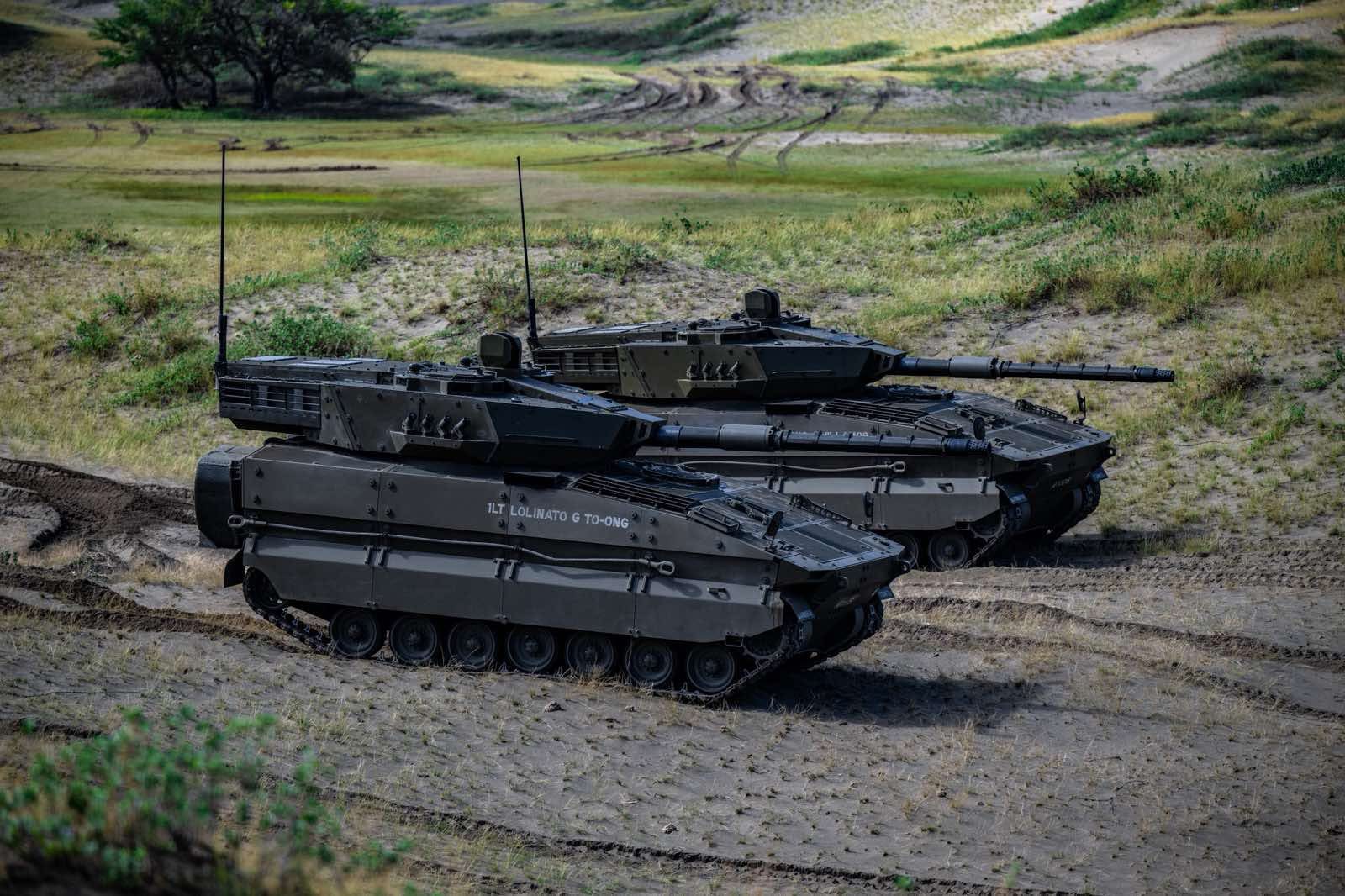
Whereas a decade ago, all the strategic sites of the Philippines were all open to invasion such as our ports, cities, naval and air bases, today their use can be denied to the Chinese by mobile armored, artillery and missile forces backed by drones and combat aircraft. Philippine Brahmos batteries can be used to seal off the sea lanes at the north of Luzon thus bottling up the PLA Navy and preventing it from completing a blockade of Taiwan or even in breaking out into the Pacific. These missile batteries can even be deployed to disrupt Chinese operations out of some of their artificial islands. PN aerial and surface anti-submarine assets can serve to prevent the passage of units of the PLA Navy submarine forces through our various straits and channels.
If Ukrainian drones defeated the Russian Black Sea Fleet, a Philippine drone force can do the same to Chinese ships daring to go near our islands. Although it will be ideal for the Philippine military to hold out for longer than a month against a Chinese invasion, the truth of the matter is all it needs to do is be prepared to hold out for a week. This is because any Chinese operation that fails to achieve any of its objectives in the first 48 hours of an invasion of the Philippines is as good as dead. The crucial thing is to survive the first 24 hours and after that, the Philippines can expect U.S. and other allied reinforcements begin to arrive in the country to assist in the destruction of remaining enemy forces.
Hence, despite the persistent defeatist propaganda being regurgitated by the treacherous talking heads and influencers of the Duterte camp, the Philippines is slowly emerging as a significant Southeast Asian military power. The only thing for the Philippines to do is for Filipinos to realize that we are not anymore the weak man of Asia.