
What is happening?
On 14 September, over two million residents of the Bangsamoro Autonomous Region in Muslim Mindanao will elect their parliament for the first time. The vote is a milestone in the implementation of the 2014 peace accord, which ended decades of conflict between the Philippine government and Moro Muslim separatists. In 2019, a parliament was created to govern the Bangsamoro, with Philippine presidents appointing its members. Slightly more than half the seats were reserved for members of the Moro Islamic Liberation Front, or MILF, the region’s largest Moro Muslim armed movement. Following four postponements of the vote over the last seven years – first because of the COVID-19 pandemic, and later due to a range of legal and political complications – residents will finally have the chance to elect all their regional parliamentary representatives. The fact that the vote is now taking place is an accomplishment in and of itself.
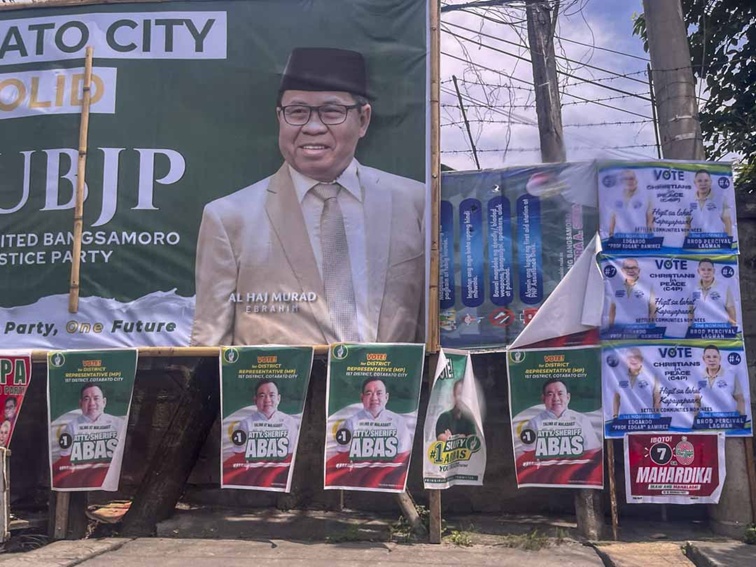
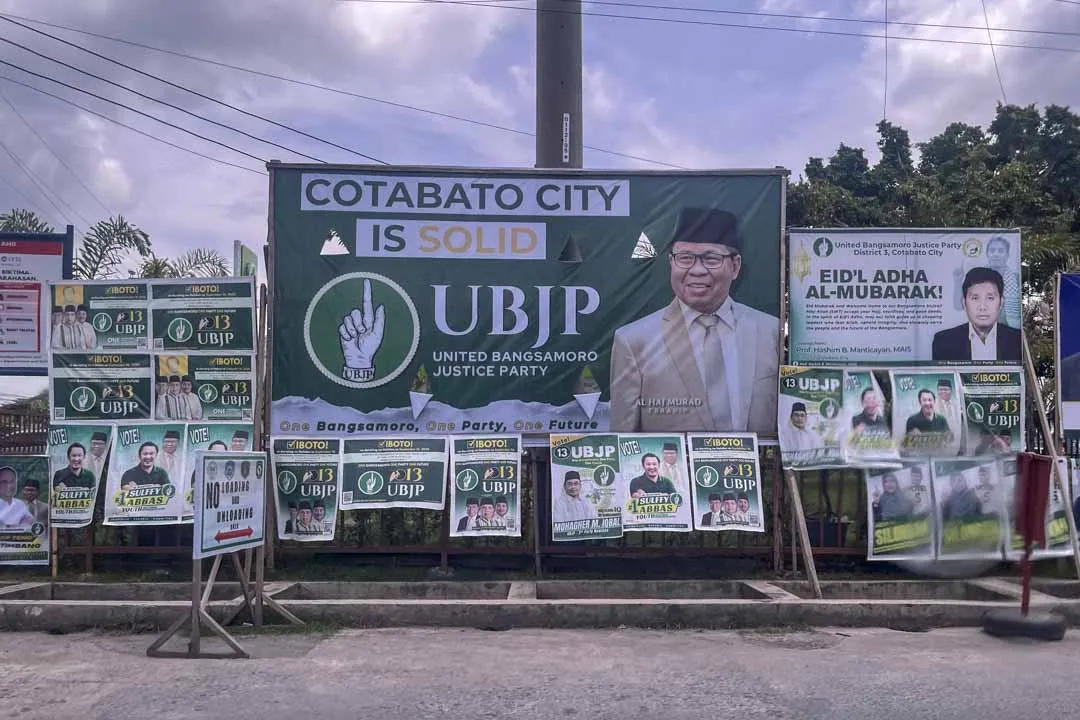
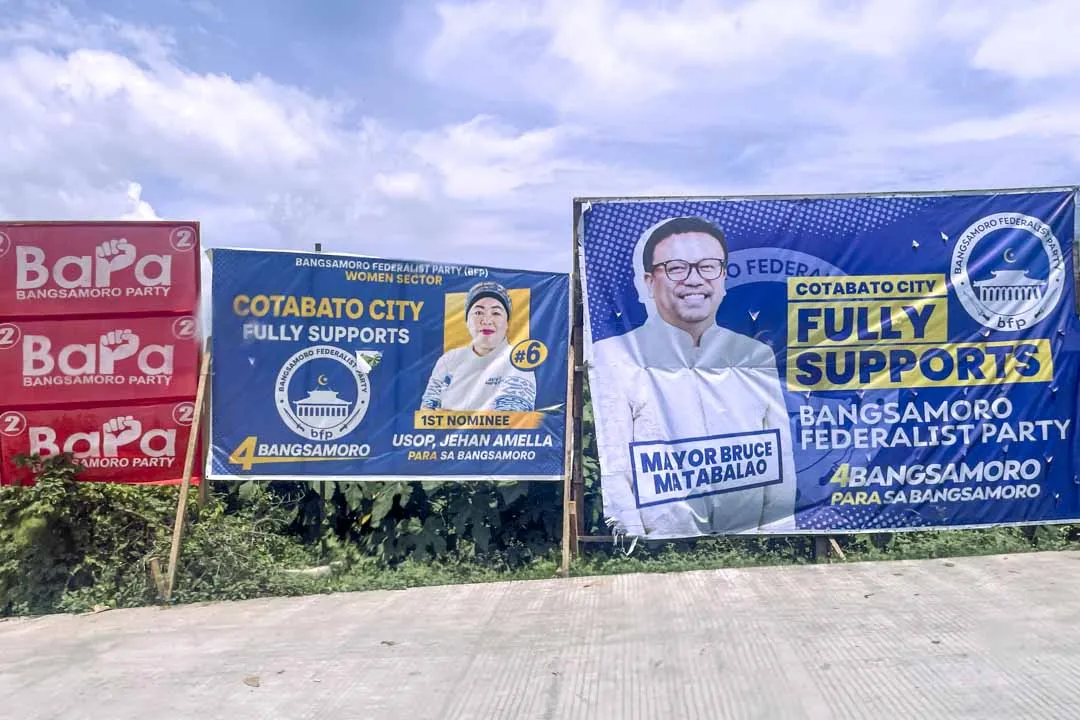
Election fever has gripped the region since the campaign officially began in late July. Vehicles roam the streets with loudspeakers blasting party jingles, huge posters of candidates decorate Bangsamoro roads, and catchy slogans and vlogs saturate citizens’ social media feeds. With voters set to choose from twelve parties, and with 631 candidates jockeying for 80 parliamentary seats, the competition to attract public support has been fierce. Electioneering has a darker side, too, with some campaigns spreading disinformation about rival candidates and parties.
The vote is set to deliver a long-awaited verdict on how well MILF candidates have handled the transition from conducting guerrilla warfare to administering the autonomous region. Over the last seven years, the MILF-led interim administration has achieved a number of modest results, for instance strengthening social services and reducing child mortality. That said, and despite residents’ high expectations at the start of the peace process, the people of the Bangsamoro are still among the poorest in the country. The elections also come at a moment of high tension within the movement’s ranks. In March 2025, the national government replaced Chief Minister Murad Ebrahim, the MILF’s chairman, with the movement’s top military commander Abdulraof Macacua, generating a schism in the organisation. During an assembly in early September, the Central Committee stripped Macacua and 40 other MILF military commanders of their official functions. Mohagher Iqbal, head of the peace implementation panel and MILF vice chair, remains loyal to the displaced chief minister, Murad.
Who is taking part in the polls?
Twelve political parties are competing. While some have laid out clear platforms, the majority have had little of substance to offer in their campaigns. Such is often the case in the Philippines, where political campaigns tend to centre around personalities, rather than policy platforms, given the weaknesses of the party system. Even so, a milestone in the Bangsamoro’s political life came on 27 August, when representatives from all parties took part in a six-hour public debate in Cotabato City on priorities for the future government.
Broadly speaking, the political spectrum can be divided into three blocs. The first is made up of the ex-rebels, who are represented by three parties broadly reflecting the split at the heights of the MILF: the United Bangsamoro Justice Party (UBJP), which is a vehicle for Murad; the Bangsamoro Federalist Party, which is led by Macacua but includes several senior MILF cadres and influential local politicians; and the ABOT party, which is comprised of Iqbal partisans. In addition to the troika of parties affiliated with the MILF, two parties have emerged from the Moro National Liberation Front, the Bangsamoro’s first separatist movement (from which the MILF split in 1977).
The second category consists of parties led by the region’s political clans, or families that dominate local politics and aspire to extend their reach across the region. The most notable is the Bangsamoro Grand Coalition, an alliance of powerful clan leaders associated with the Alonto-Adiong, Hataman and Mangudadatu families, whose members felt politically excluded during the MILF-led interim administration. Once the primary opposition to the ex-rebels, this coalition now faces competition from the Bangsamoro Federalist Party mentioned above, as well as the Progressive Bangsamoro Party, whose base is in the provinces of Sulu and Tawi-Tawi. The latter is linked to the Loong and Matba families.
A third category encompasses smaller parties. Some of these are led by civil society figures who promise institutional reform and champion minority rights. The Raayat Party, for example, includes experienced lawyers and legislators who are pressing for transparency in government and better access to public services. The Indigenous, Settler, Sama and Minorities Alliance Party, which focuses on safeguarding the rights and interests of the region’s Sama minority, is also among the smaller parties that would bring valuable expertise and perspectives to the parliament. These two parties are, however, unlikely to win more than a handful of seats.
Half the parliamentary seats will be filled via proportional representation, with voters casting ballots for party lists. Citizens across the region’s 32 electoral districts will also vote for district representatives, who will fill another 40 per cent of the seats. The remaining 10 per cent (eight seats) are reserved for “sectors”, also elected by popular vote – except in the case of non-Moro Indigenous communities, whose representatives have already been elected via community assemblies. Non-Moro Indigenous communities and Christian settlers will each hold two seats, while women, traditional leaders, youth and religious scholars (known as ulama) will have one seat each.
Once the elected parliamentarians take office on 30 October, they will elect the chief minister through a majority vote. Unless a single party wins more than 41 seats – an unlikely prospect – party leaders will therefore need to forge a coalition in order to form a government. Some locals suspect that President Ferdinand Marcos, Jr.’s administration favours an outcome that would preserve Macacua as leader, with his MILF faction governing in a coalition with dominant local clans. This suspicion is not unfounded, given the national government’s unexpected move in 2025 to place Macacua at the helm of the Bangsamoro government.
How has the campaign played out?
The UBJP has campaigned hard. Its strategy consists of harnessing grassroots support while building alliances with politicians who oppose the Grand Coalition and the Federalist Party. Leaders and senior cadres emphasise the importance of honouring the 2014 peace agreement in full. In rallies across the region, UBJP candidates have called for “moral governance”, a concept that infuses the notion of good governance with Islamic principles. Other parties also invoke religious language, but the UBJP is the only one using it as a pillar of its campaign.
The Federalist Party, meanwhile, has focused on a message of “inclusion” and anti-corruption, while the parties associated with the MNLF highlight their movement’s early contribution to the Moro struggle. The Grand Coalition, for its part, is leveraging its clan-based network, which is led by the governors of Lanao del Sur and Basilan.
The campaign has revealed an inherent contradiction at the heart of Bangsamoro politics. That is, despite the establishment of a parliamentary system – which is distinct from the presidential system used by the Philippines at the national level – and the concomitant creation of new political parties, clans and personalities still matter more than parties or issues. Established political families can leverage patronage, largesse and the campaign experience they have acquired thanks to national and local polls to garner voters’ support. Familial ties still shape party lists, and some clans are fielding candidates from different parties in order to ensure that they are installed in the region’s power structure no matter the vote’s outcome. “The electoral game, the innovations of the system, have already been rigged”, a former party aide lamented.
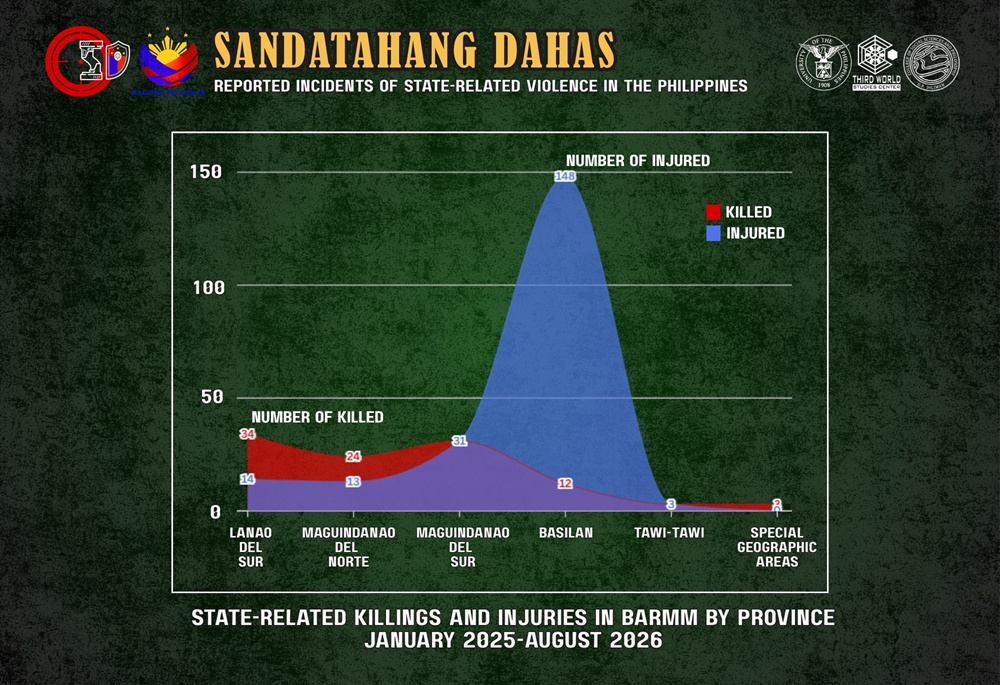
Electoral violence constitutes the biggest threat to these polls. Flare-ups are a staple of Philippine politics, and election-related murders are regular occurrences. The presence of armed groups and widespread proliferation of firearms mean that political violence is even more widespread in the Bangsamoro. In the Philippines’ 2025 elections for governors, mayors and national senators, more than a third of the violent incidents recorded nationwide took place in the Bangsamoro. In one incident during the mayoral election in the town of Hadji Mohammad Ajul in Basilan, a clash between warring clans claimed four lives. The Philippine Commission on Elections has designated almost 40 per cent of the region’s towns as being at high risk of violence. Multiple incidents have already occurred since the beginning of the campaign – including an attempted ambush on interim Chief Minister Macacua. It is, however, unclear who was behind the attack. Indeed, many locals believe it may have been staged in order to engender sympathy for Macacua and boost his Federalist Party’s chances.
Direct clashes of the military and police with ex-rebels are unlikely, but shootouts and disturbances involving competing political camps and candidates are possible, including on election day. Two main risks stand out. First, contests for district seats – which involve individual candidates facing off against one another – can more easily tip into violence given the personal nature of the competition. Secondly, friction could arise between supporters of the UBJP and the Federalist Party, both of them offshoots of the ex-rebel MILF, as well as between the UBJP and the Grand Coalition, particularly in areas where all the major political forces are campaigning. Those who seek to threaten or attack rivals can deploy tried-and-tested tactics ranging from bombings on the eve of the polls to scare voters to attacks on polling booths. Crisis Group knows of at least one powerbroker who has allegedly prepositioned dozens of rifles in a Maguindanaon village. Inflammatory online posts and trolling, often involving prominent MILF-linked personalities representing different factions, could also help spur real-world violence. A young cadre warned that this escalation is “just a matter of time”.
Campaign rhetoric has on occasion turned worryingly bellicose. During a Federalist Party rally in August, Macacua said the party “was prepared for war to ensure that the Bangsamoro is on the right path”. Though he did not specify the target of this warning, some locals perceived it as a threat to his former comrades. On 3 August, top MILF military leader Abdullah Macapaar – alias Commander Bravo, who remains loyal to the Central Committee – warned that opponents of his party might manipulate the polls. The following month, after state authorities intercepted MILF members under his command and sent them back to their camp, he declared in a speech: “If we are picked on, we will not allow ourselves to be bullied”.
In terms of potential flashpoints, the greatest security risks lie in the province of Maguindanao del Sur and the Special Geographic Area, a cluster of eight municipalities near the regional capital of Cotabato City. In these locations, candidates include prominent MILF personalities and commanders, as well as traditional elites. For example, the son of MILF chair Murad Ebrahim will face off against Butch Malang, a senior MILF commander widely considered loyal to Chief Minister Macacua. Meanwhile, parts of Lanao del Sur province, which has a long history of political violence, are also vulnerable to flare-ups. The island province of Basilan also warrants close monitoring, given both divisions within the governing Hataman clan and internal MILF rifts.
Whether the elections will be free and fair is another question. Given how prevalent vote buying is in the Philippines, many locals fear that victory will depend on which political bloc has the most cash to dispense. Pre-election assessments highlight this risk, warning that it could undermine the election’s legitimacy. Community leaders Crisis Group spoke to also expressed this view. The practice of command votes, under which influential local leaders tell entire communities whom they should vote for, presents another challenge. While mayors and governors are not running in this election, they have an interest in the fortunes of certain candidates, especially if members of their clans are competing.
International and domestic entities are working to promote a free and safe poll. Diplomatic representatives of the European Union, Australia, Switzerland, Singapore and Japan will be present in Cotabato City and a handful of nearby locations. Local and international NGOs such as the Independent Election Monitoring Center in Cotabato City, the Legal Network for Truthful Elections, the International Republican Institute, the National Democratic Institute and the Asia Network for Free Elections, are also deploying across the region. They all aim to publish reports of their findings. The national government, moreover, will be dispatching thousands of soldiers and police to the Bangsamoro, with an eye to deterring election-related violence. Some locals, however, view the deployment as overly heavy-handed.
What happens after the vote?
The major question hovering over these elections is how the MILF and its various factions will fare. The Bangsamoro electorate already had a chance to vote for UBJP-aligned candidates during the 2022 general and local elections, the 2023 village elections, and the 2025 mid-term and local elections. The party’s performance was not impressive; its few successes relied in no small part on local elite backing (either from mayors or village chairs). The MILF’s internal divisions have weakened the UBJP’s chances even further, since they will splinter the vote for the ex-rebels: this time, many local powerbrokers appear to be siding with the Federalist Party or the Grand Coalition. As a result, the most optimistic forecasts say the UBJP will secure only a quarter of parliamentary seats, at best, and about a tenth at worst. While the party could join with smaller parties to muster a majority, the prospect of it being able to rally enough legislators to make up for a poor performance seems unlikely.
A more probable scenario is that the Federalist Party or the Grand Coalition achieves a parliamentary majority, possibly with the support of other parties. Both would then back the election of Macacua as chief minister, though the distribution of ministerial positions would hinge on the vote’s outcome. (Parties that garner more votes will presumably lay claim to a greater share of cabinet appointments.) Whether the UBJP will be able to prevent a clan-based coalition from forming a government with Macacua by driving a wedge between the leading political families, or by persuading elected parliamentarians to defect to its ranks when the vote for chief minister takes place, remains an open question. Not surprisingly, some MILF members still hope for reconciliation among the movement’s leaders, though the prospect of that happening seems slim at this juncture.
A major loss for the UBJP would be a significant setback for the MILF’s Central Committee. With the MILF leaders ageing, it would fall to mid-level commanders and cadres to build the party into a credible opposition force in the regional parliament over the next five years. A more immediate concern should the UBJP fare poorly is the potential for conflict. Should the MILF rank and file loyal to Murad come to believe that Macacua conspired with Manila to strip the UBJP of its win, aggrieved fighters might turn their frustrations on their former comrades or the national government. The MILF itself could also withdraw from official peace process activities and refuse to disarm. It could even dispatch its troops back to the region’s hills and jungles to express its frustration without resorting to fighting.
While successful elections are a crucial step in the peace process, much of the agreement remains unrealised. Rebel and militia demobilisation are stuck in bureaucratic limbo. Manila has pledged to convert former MILF camps into “safe and prosperous communities” by building infrastructure such as roads and starting community-managed economic projects. That effort also lags behind schedule. The same is true of the accord’s transitional justice and amnesty provisions.
The government and the peace panel of MILF’s Central Committee, which is aligned with the UBJP and has been in charge of the peace process for the former rebels, have agreed to meet in the Malaysian capital Kuala Lumpur after the vote to discuss implementation of the remaining points of the peace agreement. That might be a sign that Manila is committed to honouring the accord no matter how the elections turn out. Still, there is a growing risk that President Marcos, Jr. will not make the peace process a priority as his term in office starts to wind down. Should the MILF Central Committee’s influence further erode as the splits between ex-rebels widen, Manila may also see little reason to continue treating the movement as an equal partner. For residents of the Bangsamoro, meanwhile, the new regional administration will need to leverage its electoral legitimacy to institute policies that make a material difference in their lives. They are still anxiously waiting for the changes the peace deal promised to start delivering over a decade ago.
https://www.crisisgroup.org/qna/asia-pacific/philippines/historic-poll-puts-peace-test-philippines