

A senior shopping for health products online. An overseas Filipino worker seeking a better investment. A fresh graduate hunting for a job. A child buying items for her favorite online game. Now, scams target everyone, regardless of age.
Eighty-four percent of Filipino adults encountered a scam this year, up from 77% in 2025, according to the Global Anti-Scam Alliance’s State of Scams Philippines 2026 report. Of those who encountered a scam, 44% interacted with it and 15% lost money.
“That’s no longer a background noise. That’s a part of our daily life and it’s becoming so impressive. They are persistent. They are in all demographics, everywhere, all the time,” GASA Asia Pacific Director Brian Hanley said at the National Anti-Scam Forum held on Oct. 8.
Filipinos lost a total of P121.8 billion to scams in the past year, an average of P10,427 per victim. Most of the scam attempts (68%) came through text or SMS, followed by Instant messaging apps (39%) and social media platforms (6%).
Shopping, investment and employment scams also remain to be the most common in the Philippines, with some victims saying that the scams affected their wellbeing and left them unable to pay for basic essentials.
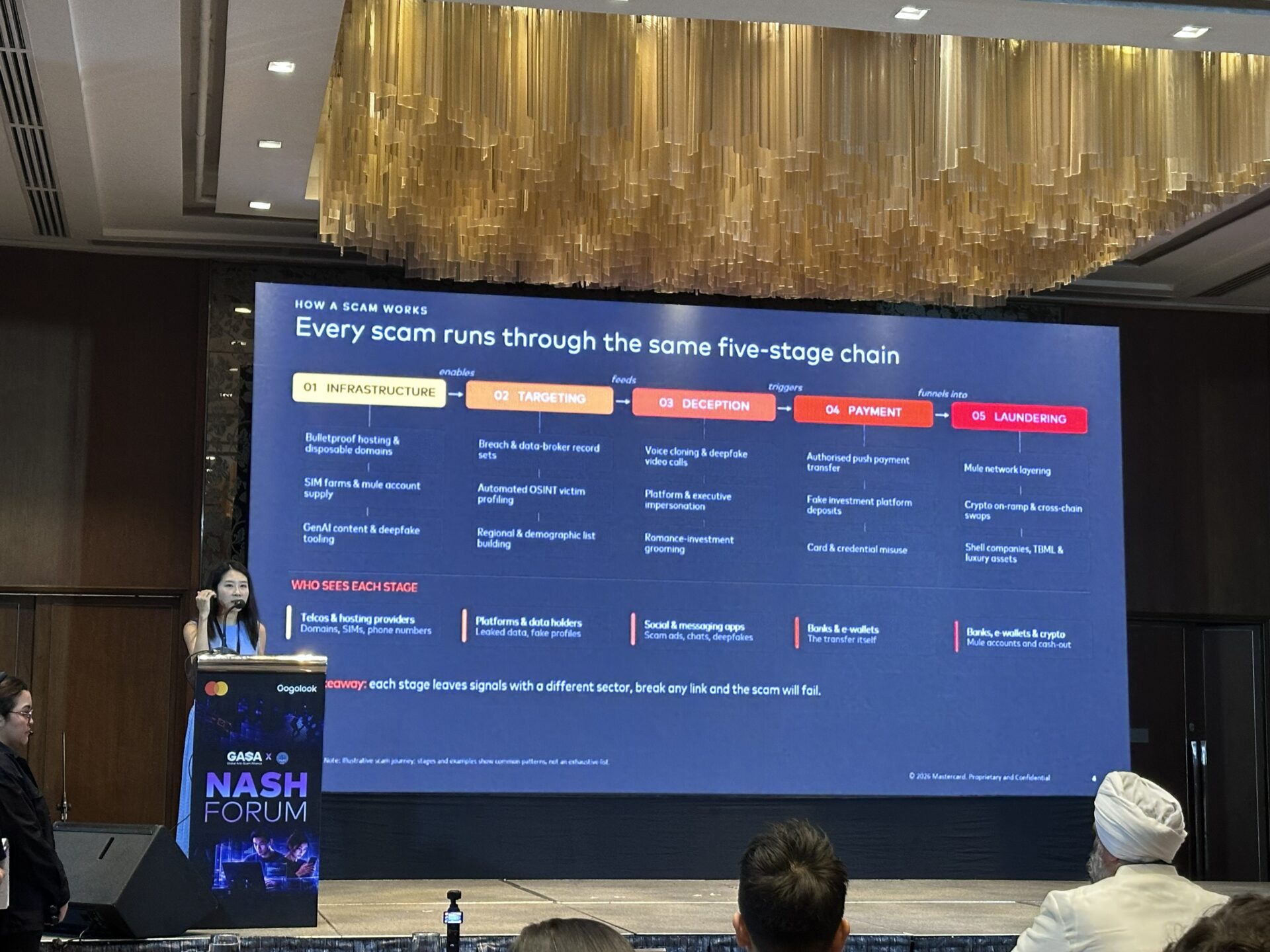
“Scams move across the chain, from social media to telecom channels and to financial institutions. and the human cost goes far beyond the money lost…. Victims also carry emotional trauma and shame, often affecting their own families as well, ” senior vice president of Mastercard Rajesh Singh Sandhu added.
Scammers target Filipino children
According to the report, one in five parents also said that at least one of their children has also been scammed.
“Children are also navigating online services, gaming, social media, and digital purchases….It’s never too early to start educating your kids, because people are scamming kids,” Hanley warned. Hanley provided an example where children are scammed when they purchase items in online games.
Lawyer Roy D. Ibay, Smart Communications, Inc. vice president and head of regulatory affairs, also echoed that scams on children are the “most pressing and threatening one,” given that there were recent reports of young Filipinos being enticed online to participate in nihilistic violence and extremist activities.
“They say ‘there’s no money involved and all that,’… but you know, promising children diamonds or trophies in exchange for doing a task. And the task [could be] quite alarming because a lot of the headlines now [are] over children bringing firearms in schools, bringing deadly weapons in schools,” Ibay, also the lead convenor of PROTECTA Pilipinas, a public-private collaboration aimed at safeguarding technology, added.
Ibay further urged the Cybercrime Investigation and Coordinating Center and the authorities to also look at the concept of NVE to also be a form of scam that can be addressed by the National Anti-Scam Hub that the government is currently planning.
National Anti-Scam Hub in the works
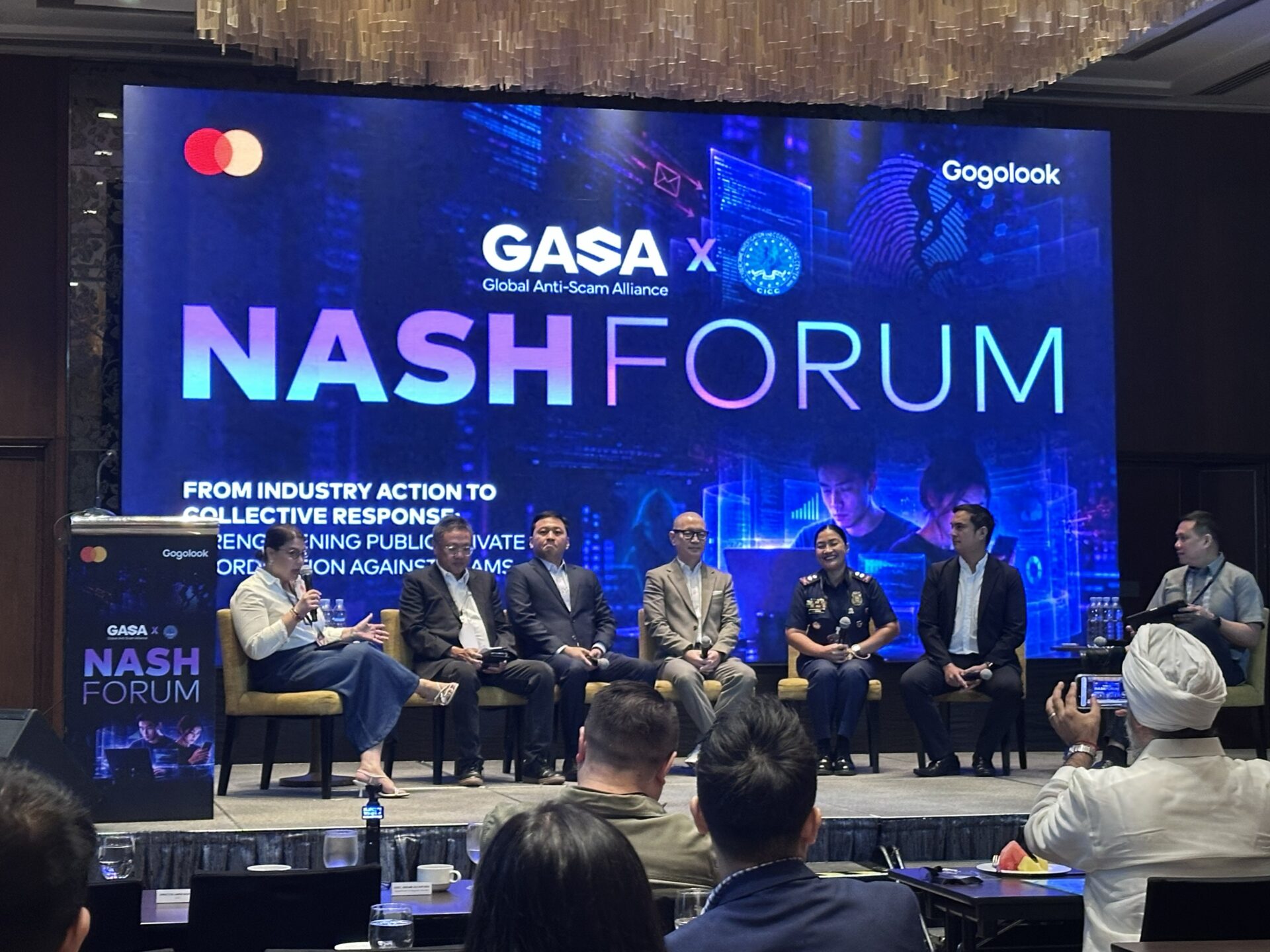
One of the report’s recommendations is the establishment of the NASH as the central coordinating authority where Filipinos can report all things scams.
“The NASH is envisioned as a coordinating point where complaints, intelligence, and response actions can meet, instead of being scattered across many separate channels,” CICC Associate Sec. Alvin Navarro expounded.
The hub was among the proposals discussed by the Department of Justice and the Presidential Anti-Organized Crime Commission in PAOCC’s 3rd quarter commission meeting last Sept. 29.
CICC Director Rojun Hosillos said that they are expecting President Ferdinand Marcos Jr. to sign a document in relation to the NASH “in the very near future.” In the meantime, the CICC is engaging with government agencies and private sector partners, and developing technology for the collaboration.
The NASH is also expected to work alongside the Anti-Financial Account Scamming law, enacted on July 20, 2024, designed to protect bank accounts, e-wallets, and online financial platforms from cybercrime, online fraud, and malicious syndicates.
“AFASA already gives the Philippines the legal basis. What turns it into a working response is agencies and providers held to the same standards, going after the same people,” the GASA report further read.
Filipinos’ anti-scam strategies
Despite high scam exposure and interaction, most Filipinos also reported that the media’s news coverages about scams have been “most effective” (48%) in terms of helping them recognize or avoid being victimized.
This was followed by social media posts or videos (44%), personal experience with a scam (42%), information from banks (42%), as well as warnings from friends, families or colleagues (40%).
Forty-one percent also said they spot common red flags, such as messages that do not seem legitimate, online searches that lead to warnings or negative information, or offers that are “too good to be true.”