
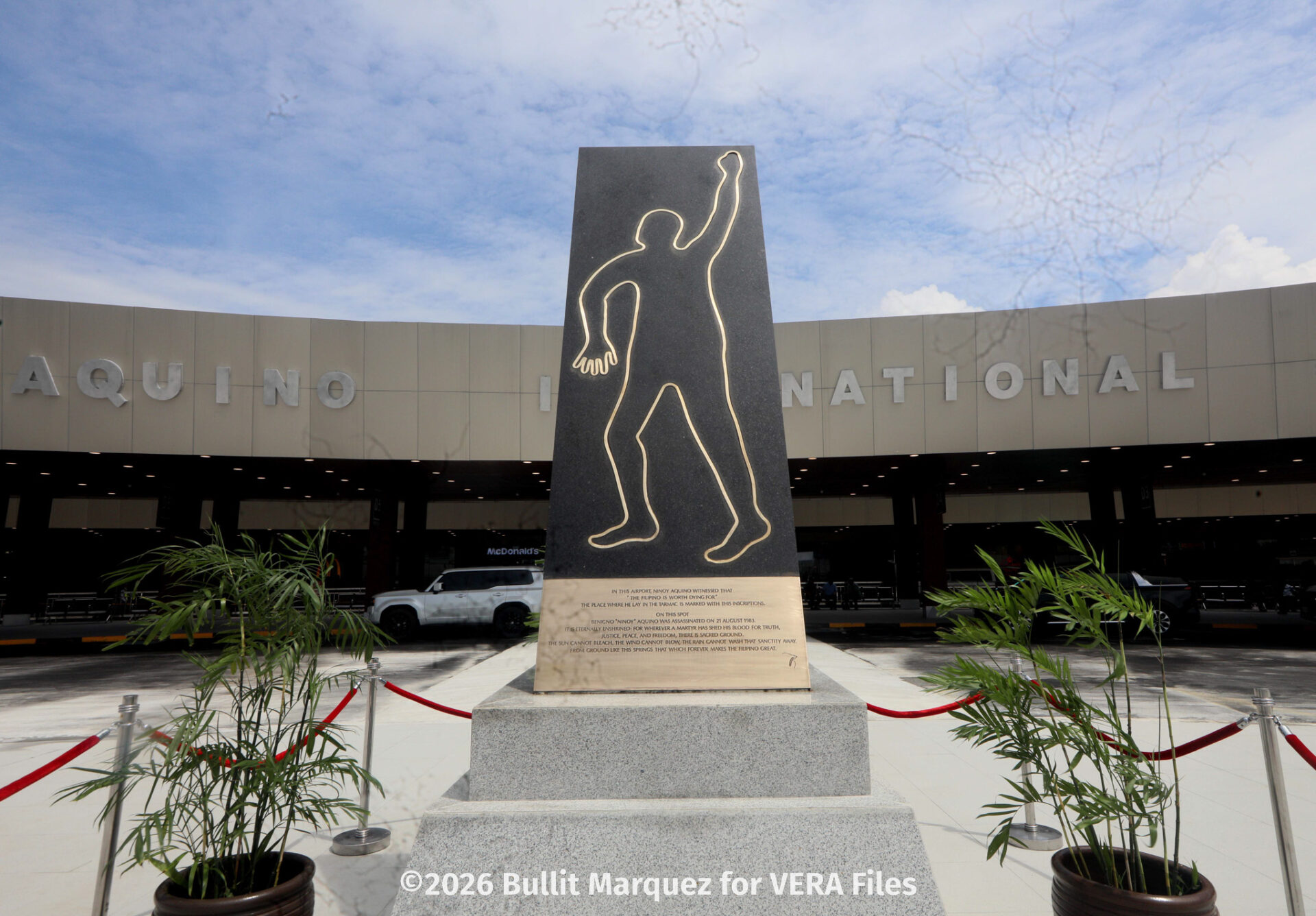
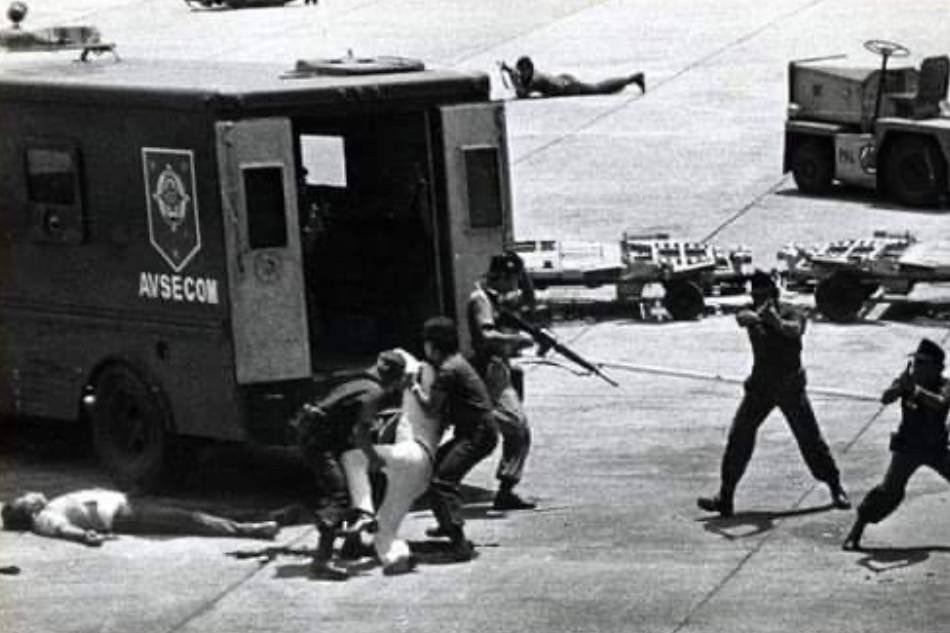
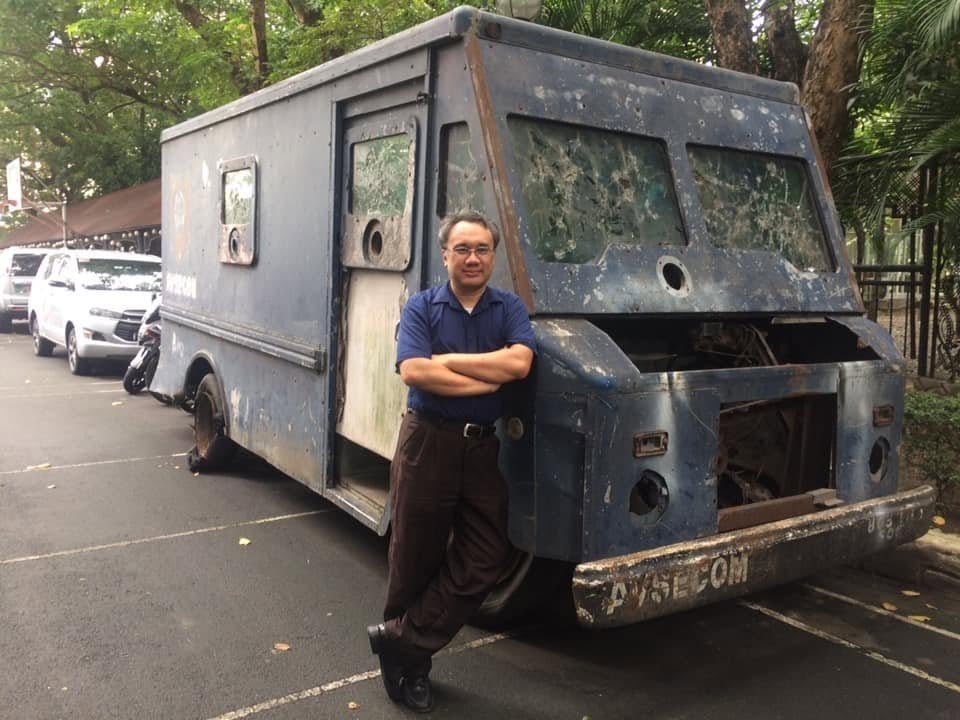
During the Marcos Dictatorship, practically everyone knew who Benigno Aquino Jr was. Anyone who did not know him was probably living under a rock or in a cave. So on August 21, 1983, when he was assassinated at the then Manila International Airport, the news spread nationwide.
Many apparently remember what they were doing and how they felt when the news reached them. I was one of those who distinctly remember that day. I was at outside of my house walking in the yard under the trees when I heard the news of his assassination. It was in the afternoon. I was wondering what would happen to the country and naturally I was worried. I was then a fourth year high school student in Cavite City and I had known of Ninoy as he was called through stories from my family and friends. We had a number of pre Martial Law publications in the house where Ninoy was featured in and since I did read a lot, I had already formed a basic idea of who the man was.
One thing I vaguely recall in reading some of these publications was the quaint phrase, Be Nice to Ninoy, which apparently was reflective of the rivalry between him and the strongman, Ferdinand Marcos Sr. It was also inevitable that I would be affected by the assassination because two of those who were accused of being involved in it share the same surname.
The following year, I entered the university and this was the height of the movement against the Marcos dictatorship. I was one of the few members of my high school batch to actively participate in the protests against the dictatorship upon reaching college. Quite a number of my former high school classmates could not understand why I had that strong advocacy against the dictator and what he stood for. Even though stories of the corruption and atrocities of the Marcos regime were slowly coming out, it was not enough to decisively sway many of them. This was probably because the province of Cavite at that time had a very strong presence of Marcos loyalists.
Anyway, regardless of that support, the days of the dictatorship were numbered and a few years later, in 1986, following the controversial Snap Elections wherein the widow of Ninoy, Corazon Aquino ran against Marcos, a popular uprising known as the EDSA Revolution ousted the dictator. One thing I clearly recall about EDSA was that when the confirmation came that Marcos had fled the palace there was a feeling of overwhelming joyful emotion that swept through the throngs of people standing vigil at Camp Crame and Camp Aguinaldo. The group I was with, which was a bunch of social democrat activists from the University of the Philippines, located a vehicle that we all rode to Malacanang on the night Marcos fled. When we reached the Palace, it was a scene of disorder as papers and documents were strewn around the floors of buildings as the people who had arrived before us tried to grab any souvenir or anything of value that they could get their hands on. There were still soldiers belonging to the Presidential Security Guard who were standing by waiting for orders. Their armored vehicles were arranged in a column ready to move out and I decided to check them out by clambering aboard a Scorpion light tank. The soldiers did not mind us. For those of us who knew no other president, since in my case, he was already the president a number of years before I was born, the departure of Marcos was something surreal.
Of course, for the Marcos loyalists, the loss of their leader was something that was traumatic for them, but for us who had been part of the anti-dictatorship movement, the immediate post-Marcos period was one of immense optimism and hope. We felt good for the country, the national leadership, and the people. We felt great things were bound to happen and we were filled with optimism. Then the reality of Philippine politics hit us in the face as infighting broke out within the Cory administration. Worse, it was increasingly appearing that the old traditional politics of the pre Martial Law years was coming back with a vengeance. In 1987, the first of soon to be many coup and mutiny attempts by factions within the military openly broke out that cost a lot of death, destruction and economic damage to the country. Gone was the optimism of the immediate post EDSA period and it was replaced by a growing disenchantment and disillusionment with the way things were happening in the Philippines. The buzzwords now was all about “defending the democratic space” that was under siege by the politicized military faction that kept on destabilizing the Cory administration through all the failed coups it was attempting.
However, there was another buzzword that crept into the national vocabulary of the Filipino people during those latter years of the Cory administration and the ones that succeeded it. That was the word “reconciliation”. On paper, it seemed to have a lofty goal of national unity in a country torn apart by political factionalism. In reality, it paved the way for the return of the Marcos family and their cronies and henchmen of whom many received mere slaps on the wrists from the government. In fact, the widow of Marcos, Imelda, was allowed to run for the presidency in 1992 which was one of the last political decisions of the Cory administration. For those who had opposed the dictatorship and had joined the massive protests in the wake of the Aquino assassination, this accommodation of the Marcoses by administration officials of a president who was the widow of Ninoy, was quite demoralizing to say the least.
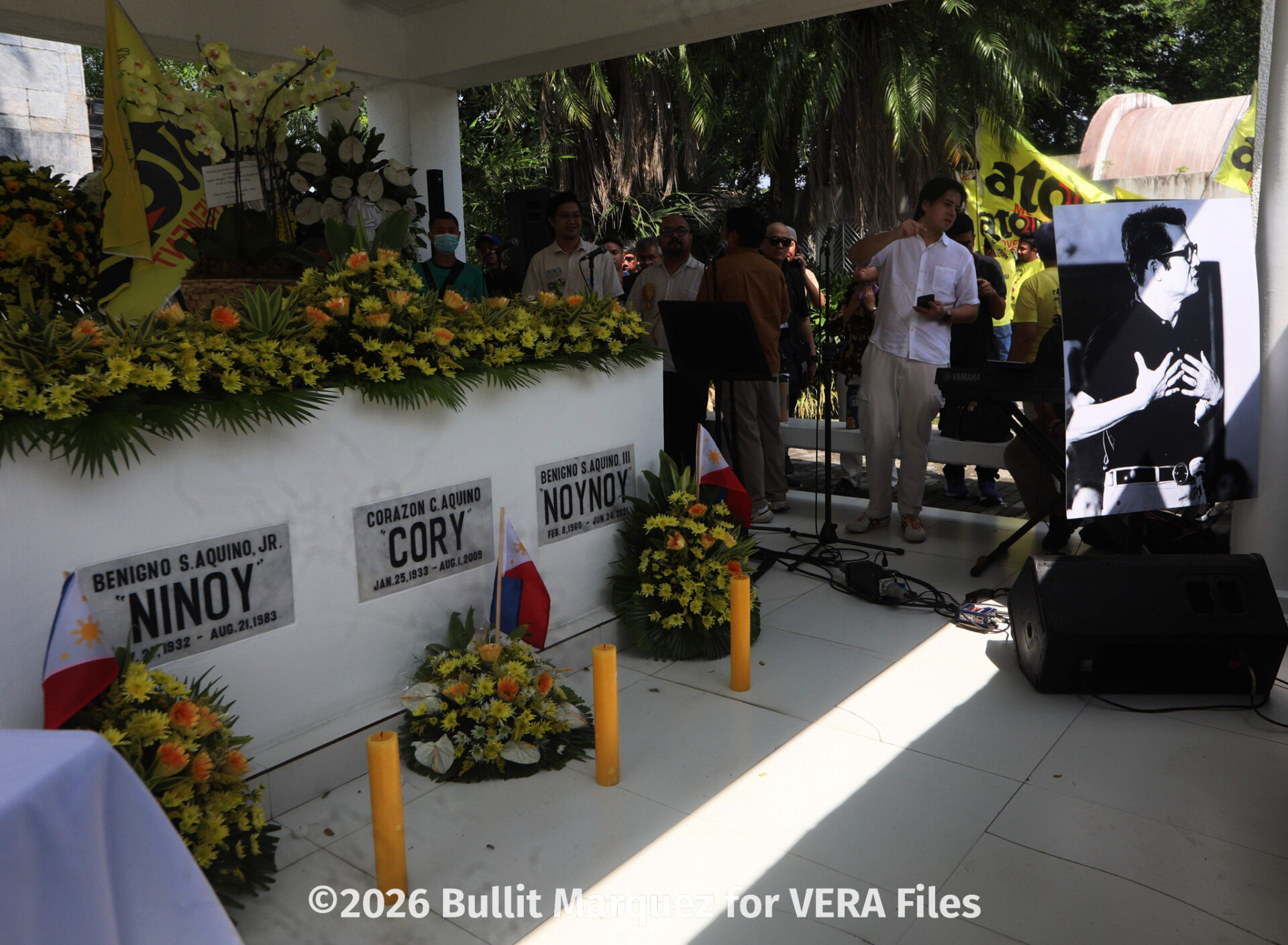
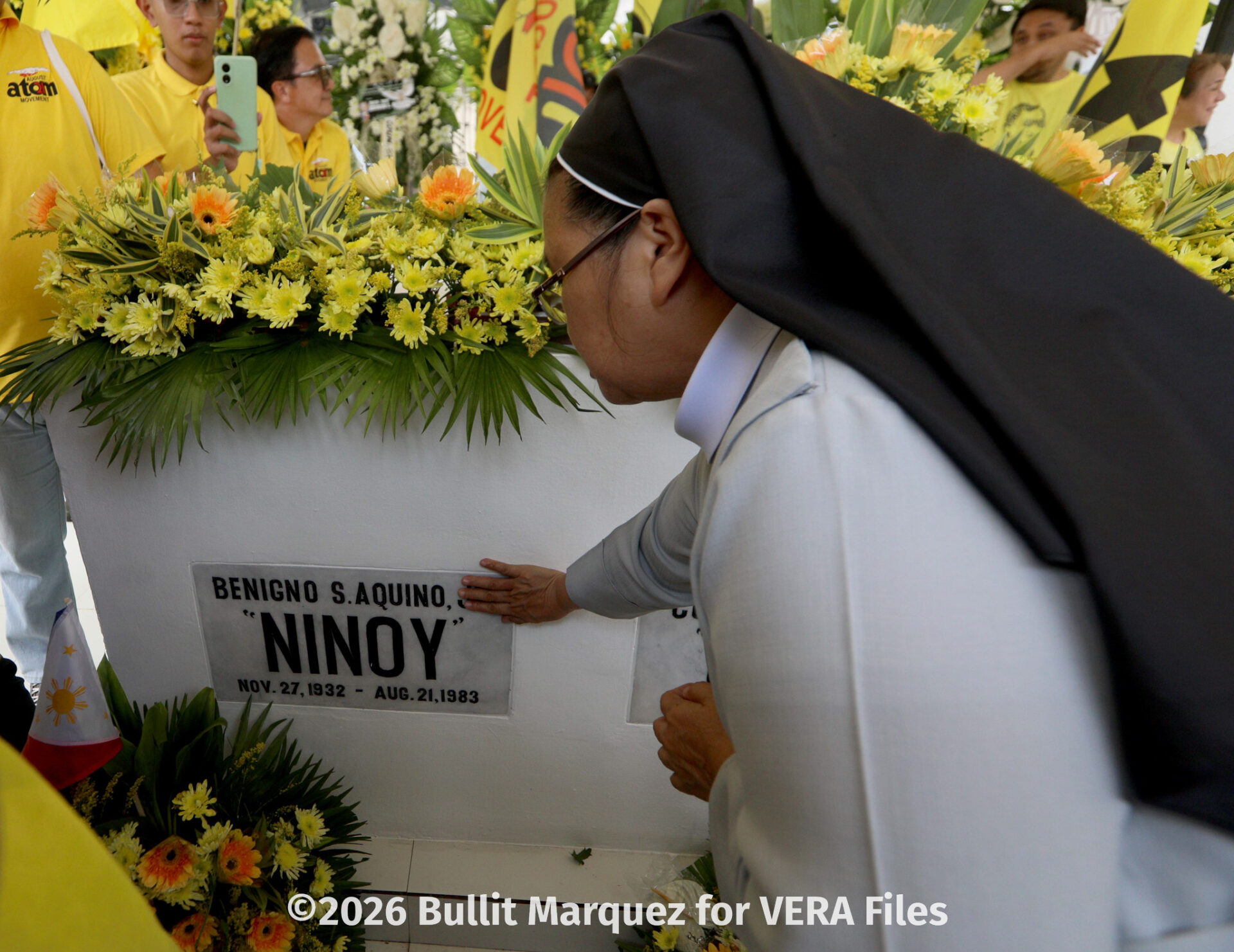
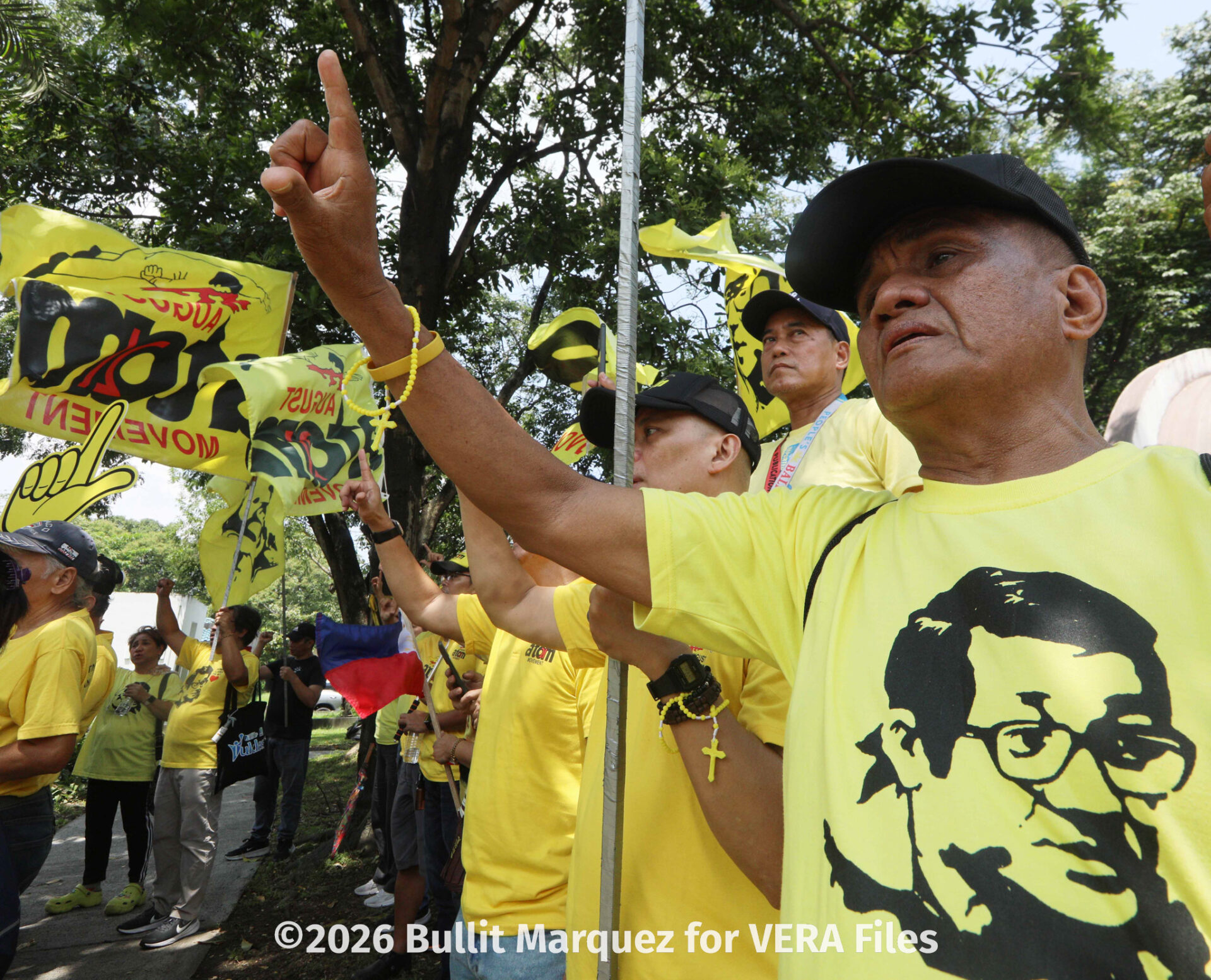
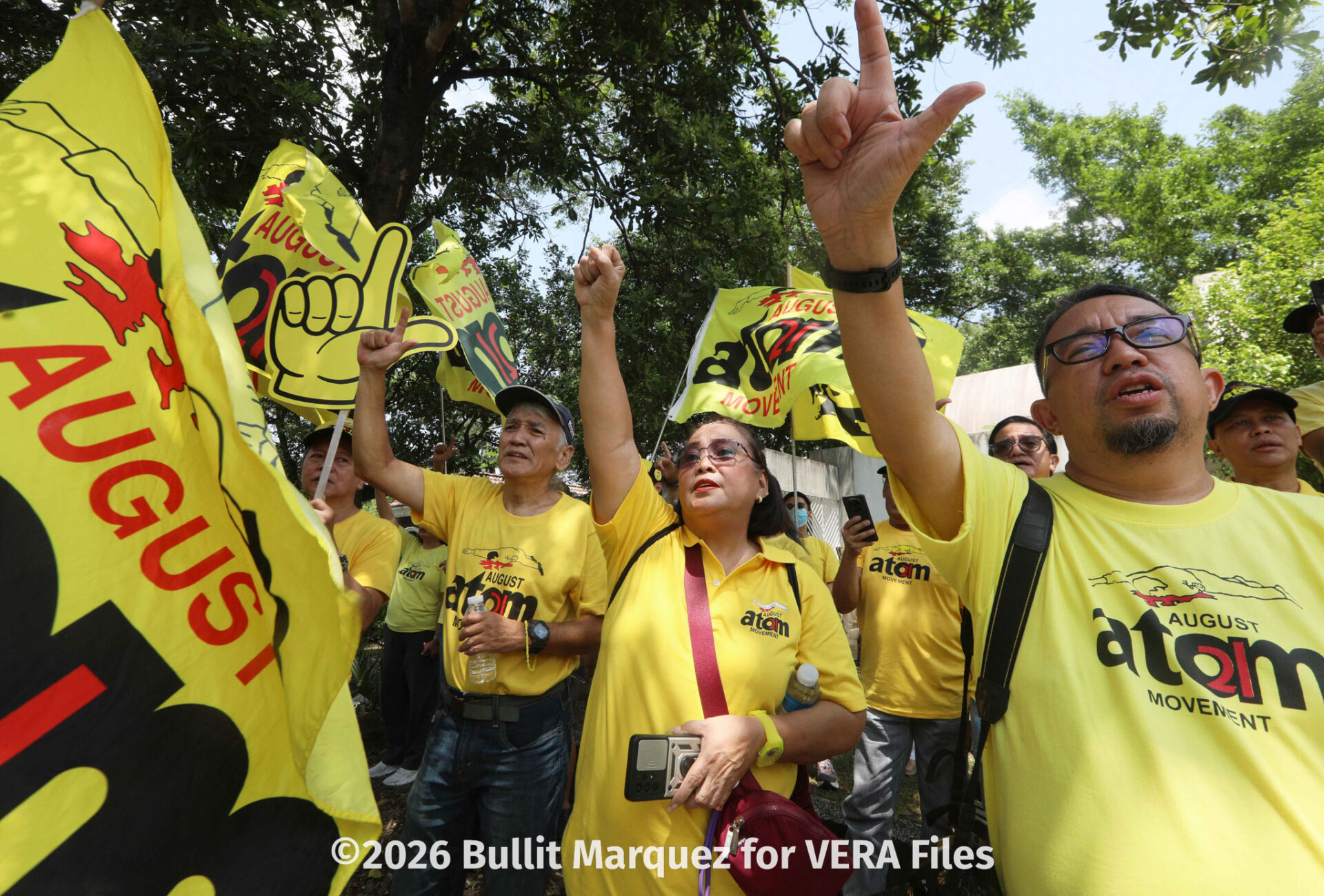
And so it came to pass that as the decades went by, the reverence for Ninoy and his sacrifice became more and more of a routine done by government functionaries than something felt deeply and strongly by those who commemorated the anniversaries of his assassination. They all paid lip service to his statement that the Filipino is worth dying for.
As the country found itself firmly in the grip of traditional politics with its inbred dynastical features and its absolute corruption, the people were slowly descending into despair. However, the death of Cory in 2009 provided hope to a despondent electorate when they supported the candidacy of her son Benigno “Noynoy” Aquino III.
The Pnoy administration that assumed power following the scandal ridden Arroyo administration had a strong anti-corruption campaign that was effective in the prosecution and detention of corrupt public officials and national leaders. However if there was one major fault of that administration it would be the inability to establish continuity in its programs and campaigns by ensuring that Noynoy’s successor would be supportive of those very same policies. It was not able to deal with the backlash coordinated by all the political enemies of that administration who were eager to exact revenge for being detained for corruption. This set the stage for the rise of the Duterte family into national politics.
For all the hostility displayed by Rodrigo Duterte against the officials of the Pnoy administration and especially against Leila de Lima, the Duterte clan’s entrance into governance and politics was something that was enabled by policies supported by the mother of Noynoy when she was president. Duterte was after all appointed as OIC of Davao City in 1986 by her administration and nobody then knew that he would turn into the mass killing monster he would become later on.
Fast forward thirty years later, the inability of the Pnoy administration to ruthlessly ensure that its candidate would succeed Noynoy in 2016 was the weakness that allowed its enemies to exploit by advancing Duterte as the tough guy needed to bring order to the country. A bloody drug war later, Rodrigo Duterte is now in the Netherlands in the process of being tried by the International Criminal Court.
Was the decision by the BBM administration to turn him over to the ICC brought about by an adherence to democracy, or human rights, which were those things advocated by Ninoy when he was still alive? Of course not, since it was political survival that forced Ferdinand “Bongbong” Marcos Jr to do so as he had a falling out with the Duterte clan that began only a few weeks into his administration in 2022.
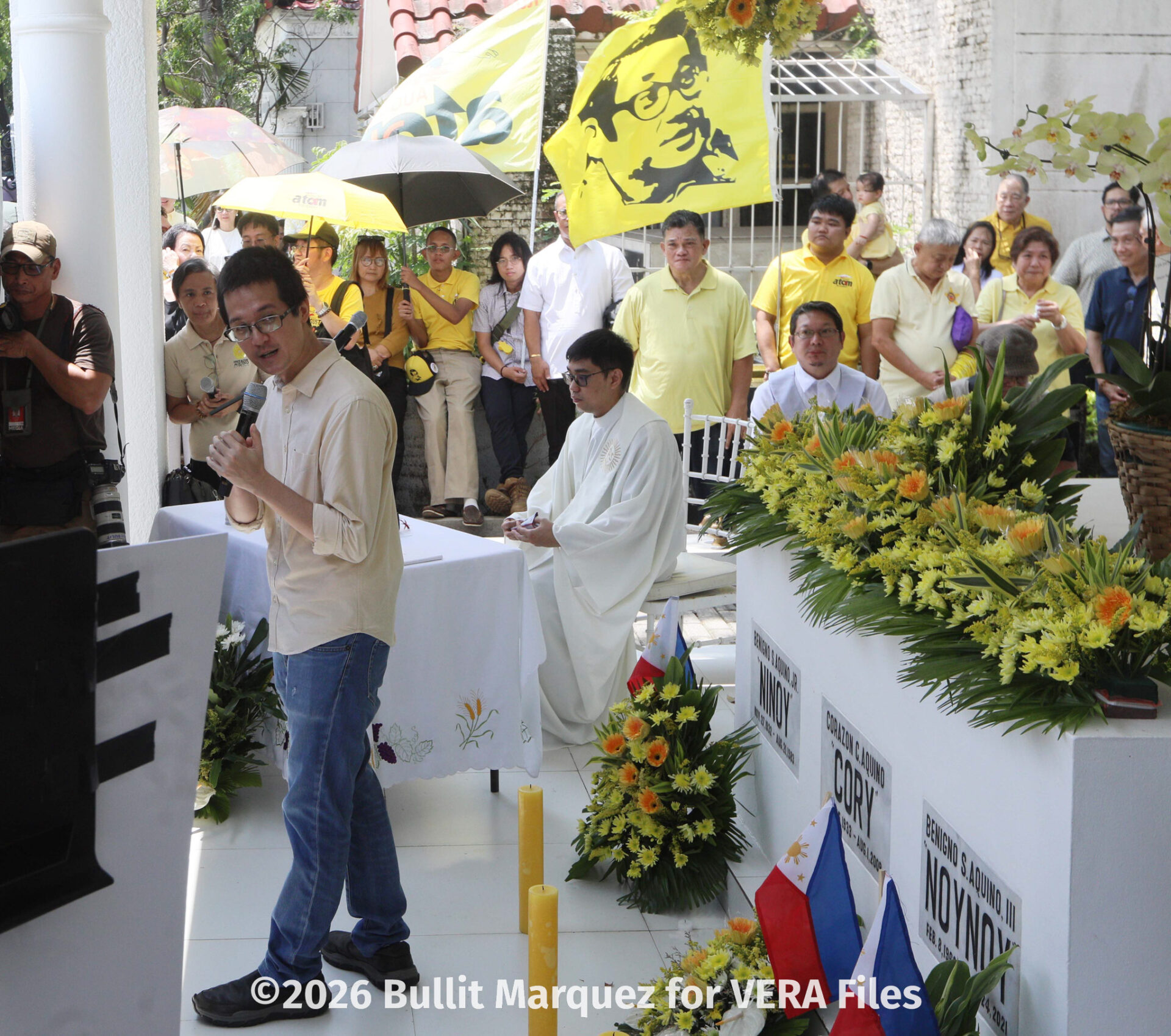
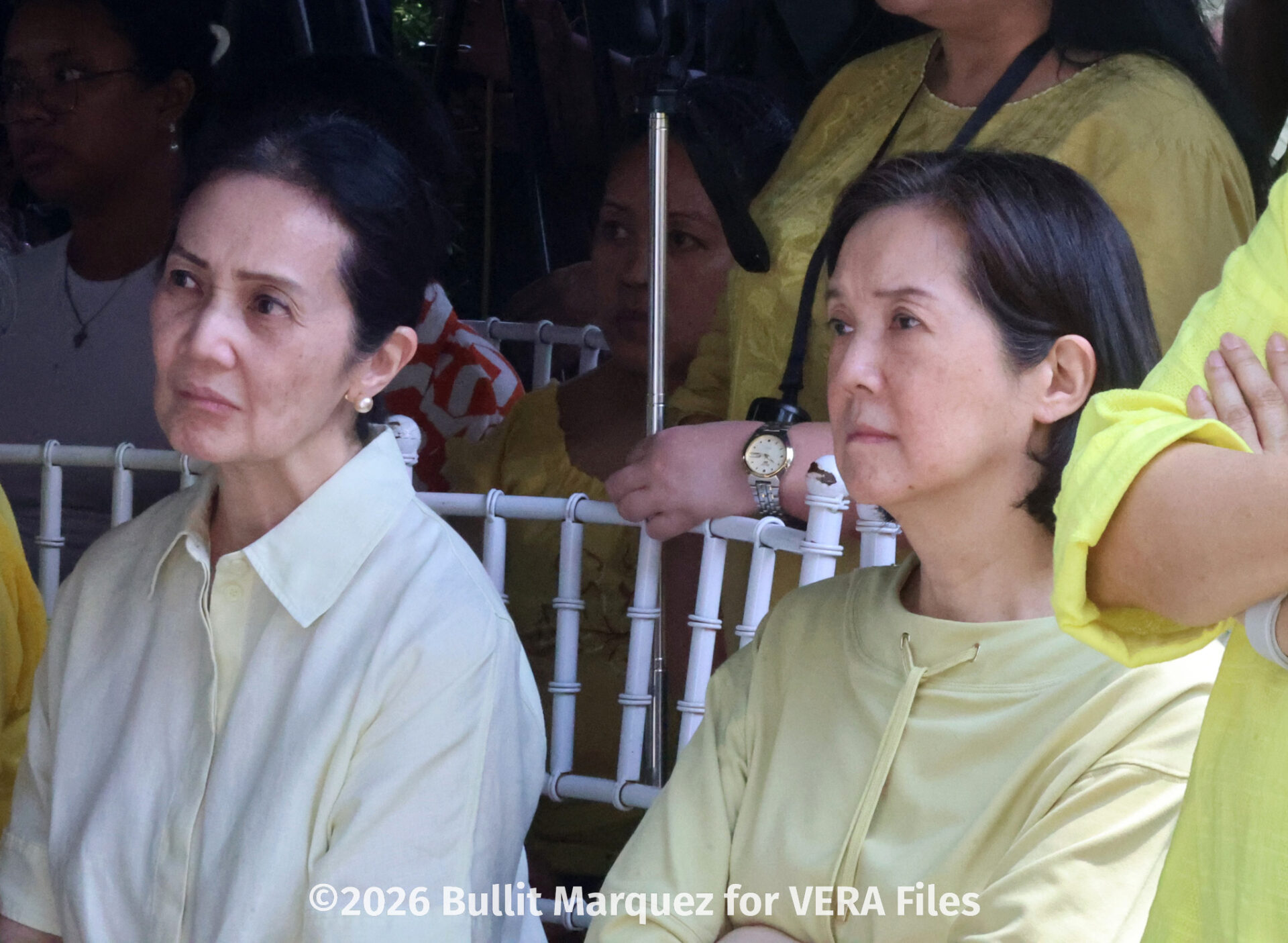
This is why Ninoy remains relevant up to today in the Philippines. The dynamic and prosperous country that should have been the Philippines after the 1986 EDSA Revolution that was a direct result of his assassination in 1983 did not come to pass. Instead we have had a roller coaster ride of coup attempts, another EDSA uprising in 2001, widespread poverty and social inequality, massive corruption, mass extrajudicial killings, and political division that have all constantly sapped our national will. So many problems need to be addressed for our country to progressively and decisively move forward and yet they remain unsolved. In fact, even up to now, despite 43 years, we still do not even know the mastermind behind the assassination of Ninoy.
Related articles:
August 21, 1983: Voices tell the story
People Power sa lente ni Bullit