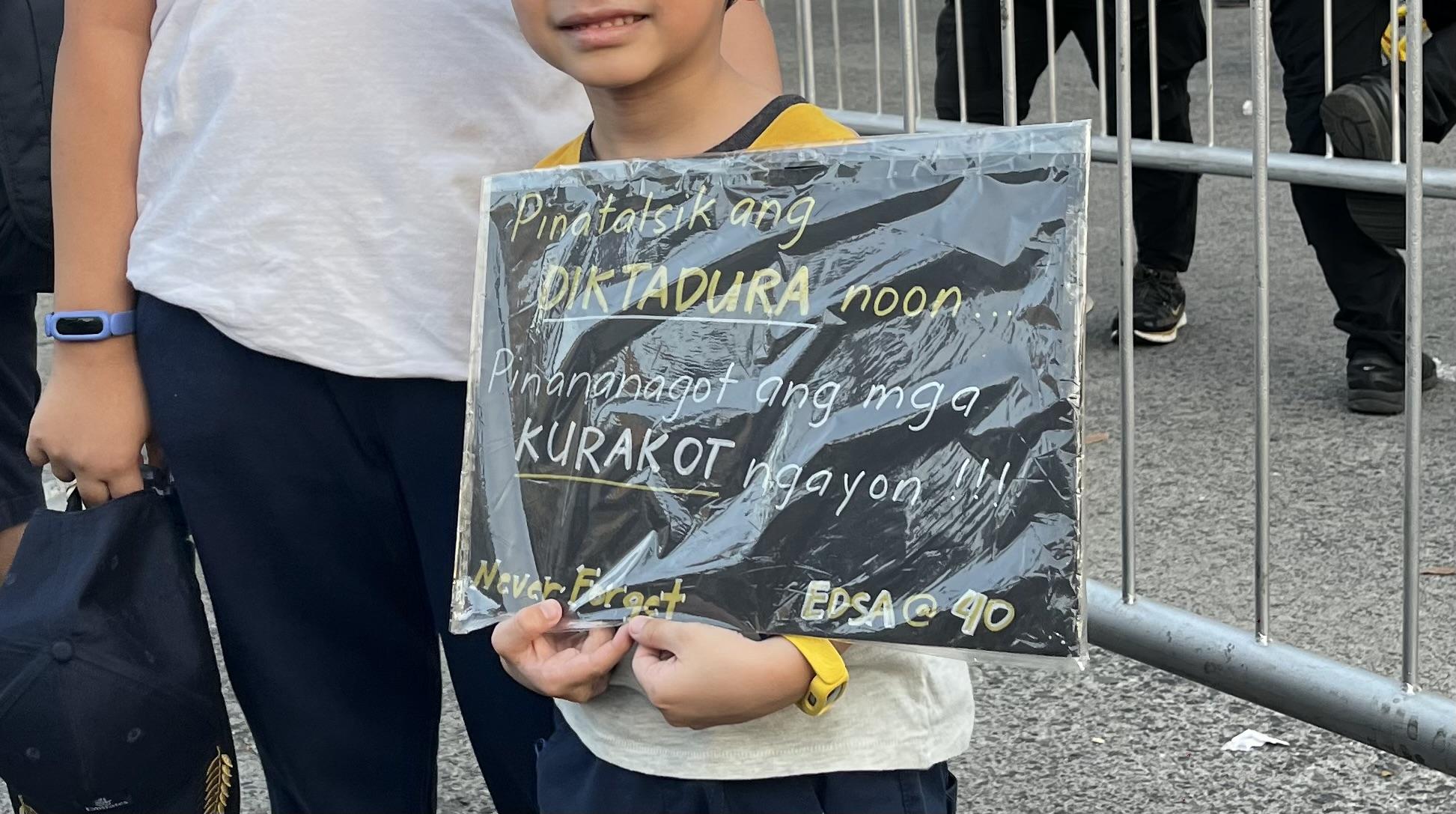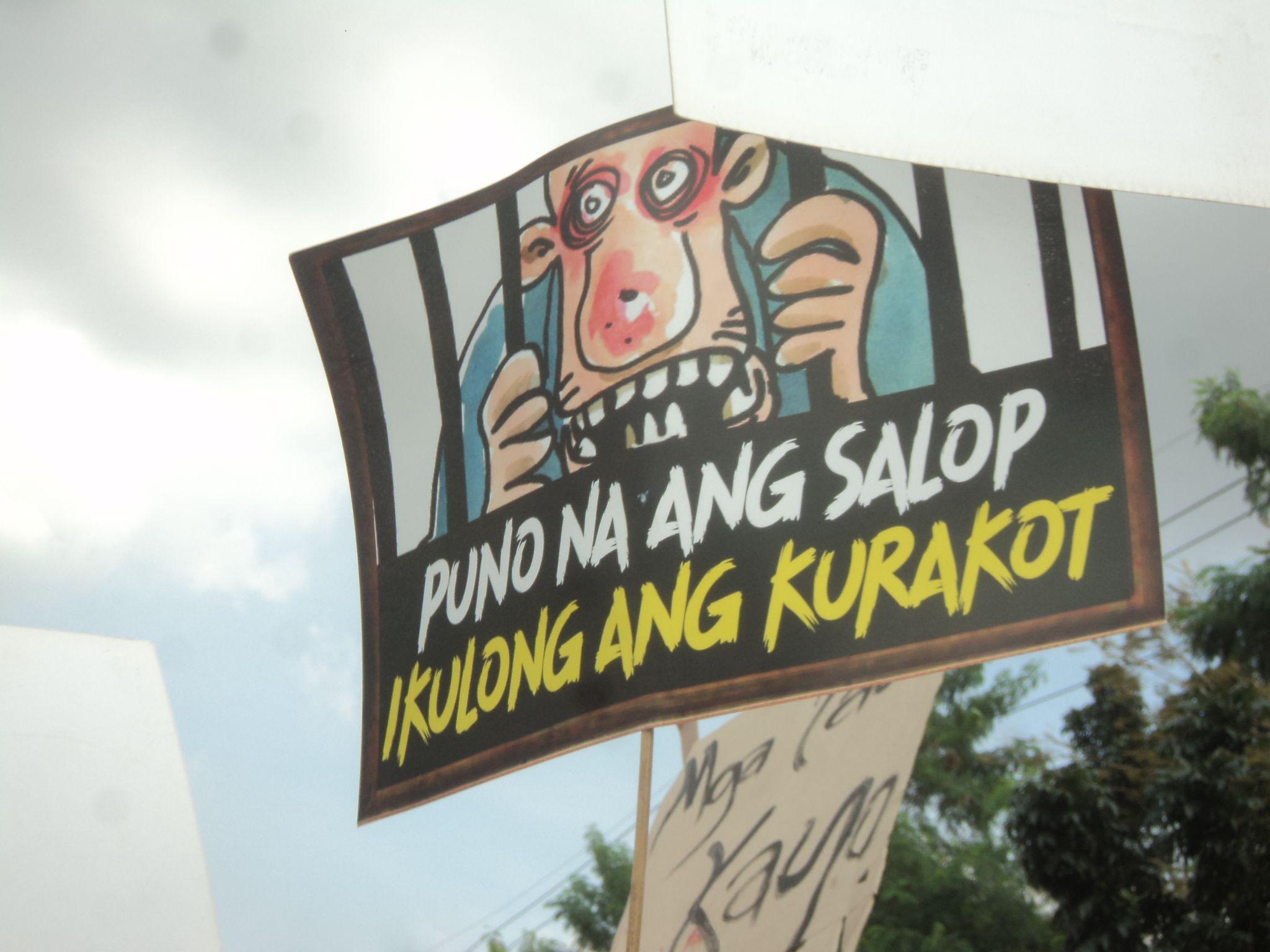
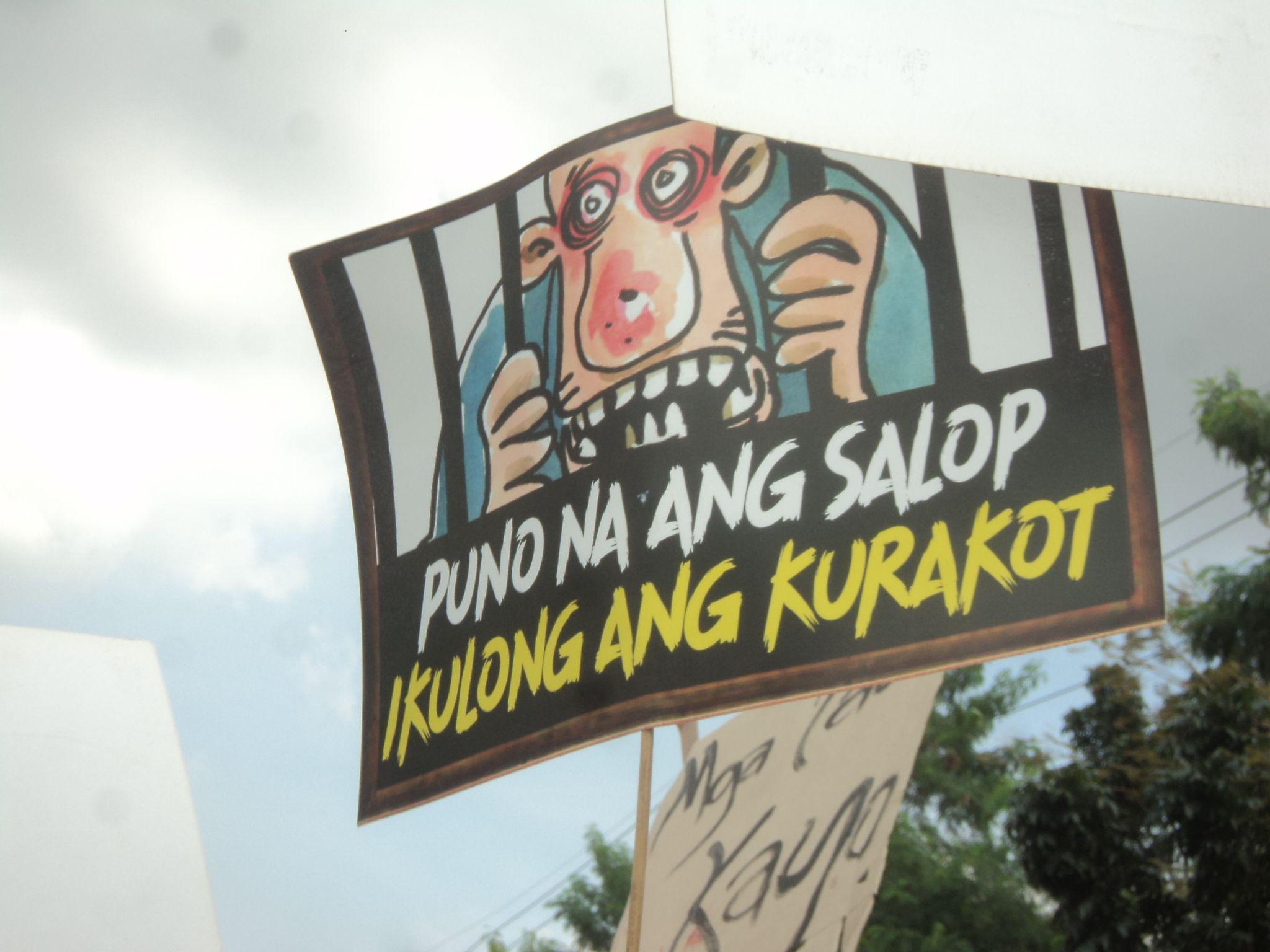
The placards, posters and signs were more modern, proof of the youth’s creativity, but the messages remained the same.
“Lahat ng sangkot, dapat managot (All involved should be accountable).”
“Lalaban ako para sa bayan at sa kinabukasan ng mga kabataan (I will fight for the country and for the future of the youth).”
***
The 40th anniversary of the EDSA People Power Revolution last Feb. 25 was a perfect venue to showcase the youth stepping up as thousands joined civil society members and freedom fighters to amplify the continued fight for democracy.
For college student Kyle Maniquis, a member of the Liberal Youth, the manifestation of youth activism in this commemoration is historical. With the 2028 presidential elections just around the corner, he noted a rise in engagement among fellow students today.
He looks forward to more young Filipinos not just participating in future celebrations of the EDSA Revolution but taking on leadership roles. Maniquis urged the youth to step up now to help bring about change.
“Huwag nang maghintay pa ng iba. Tayo na (Let’s not wait for others [to take the lead]. We should do it),” he told VERA Files in an interview, citing national hero Jose Rizal, who referred to the youth as the nation’s hope.
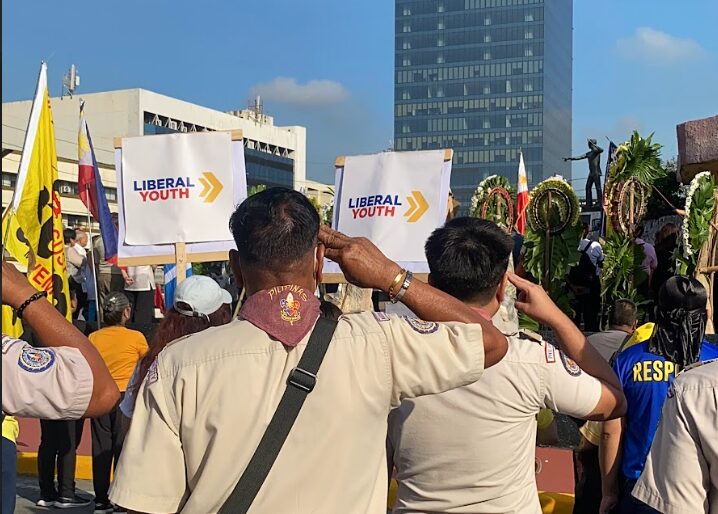
For Annika Torres, president of the Ateneo de Manila Sanggunian student council, the pivotal role played by her fellow students in serving the people through active youth participation is very encouraging.
“Nandito kami kahit hindi namin naranasan ang Martial Law dahil naiintindihan namin na yung mga problema noon ay nananatili pa ring problema ngayon (We are here even if we did not experience Martial Law because we understand that the problems then are still the problems now),” she said.
A collective voice is louder, more powerful
Speaking on behalf of her peers, Torres stressed it is the youth’s role to also serve the people and aim for genuine change and justice, as issues like corruption, injustice and impunity are now front and center and continue to plague the nation.
She urged young people to participate–like going out in the streets when necessary–in demanding accountability and justice as a means to live by the EDSA memory and not merely immortalize it.

***
The calls for change have been persistent.
“Ninakawan ka na nga, iboboto mo pa (They already stole from you, yet you still vote for them)?”
“Solusyon sa Korapsiyon, People Power (People power is the solution to corruption)!”
***
Mel Miranda, a student council member from De La Salle University, shared that the strength of courageously speaking up as a whole, and showcasing the powerful voice of the youth should be realized.
“Keep on fighting and keep on joining initiatives by the youth. That’s why I am encouraging all the young people to take on our role in society because although one voice is enough, collectively, it’s louder and more powerful,” she said.
Senior high school student Reign Juvielle Sarmiento, an 18-year-old and a member of the Coalition of the Anti-Political Dynasty, said that before the pandemic, she was apolitical until she realized her significance in society.
The political situation then was discouraging. But as she grew older, Sarmiento’s eyes were opened to the importance of her voice as a young member of society. This realization catalyzed her desire to help strengthen collective youth participation.
Youth solidarity in action
Ateneo de Manila University faculty member Oliver John Quintana, who accompanied students to the rally, sees participation as an extension of their education outside the corners of their classrooms.
“This is not just a remembrance; it is a response to the call of EDSA… [I]t deepens students’ commitment to reform, accountability, and nation-building,” he said.
Quintana underscored the essence of EDSA, saying “[Ito] ay nagsisilbing simula ng mas malalim na citizen participation kaya mahalaga na nandito tayo ngayon kasi hindi lang ito pag-alala; ito ay pagtugon doon sa tawag ng EDSA.”
He believes that student participation is crucial to deepen their solidarity and actions in aiming for reforms, especially in demanding accountability and transparency from the government–a form of responding to the call of EDSA.
Another organization, the Philippine Institute for Student Democracy (PISD), a non-government and non-partisan youth-led group also believes in the power of youth solidarity. Its goal is to harness actions by strengthening the student movement in the Philippines to achieve true revolution of change.
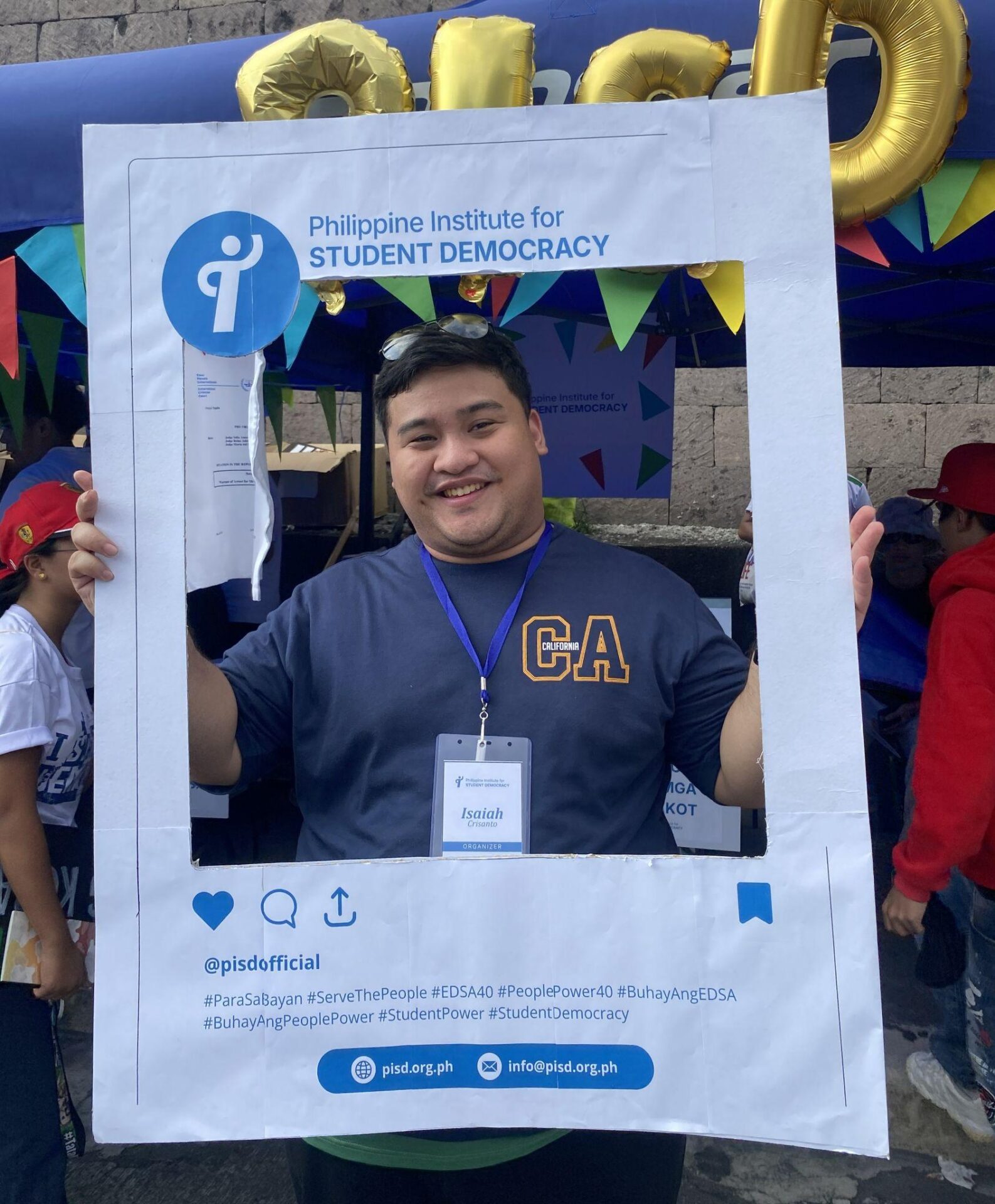
“[W]e want the youth to participate and be critical in their democracy; we want them to think really hard of what kind of democracy they want to build,” said PISD Executive Director Isaiah Crisanto, emphasizing the importance of student democracy as a reclaimed privilege of students after Martial Law.
When it comes to recognizing the significance of February 25, Crisanto explained that regardless of the day being declared a holiday or not in the future, students will walk out of their classrooms to show the administration that the youth are serious in remembering the spirit of democracy won through the revolution.
“If the president won’t declare it, we will declare it ourselves. We’ll remember it ourselves… [W]hether they declare it a holiday or not, students are walking out because we wanted to show the admin that there is an ultimatum. You either remember EDSA, or we will do it ourselves,” he added.
Over the years, there has been an increase in the number of youth actively participating in movements across the Philippines. This is according to a 2023 study of Plan International, a long-standing non-government organization on global development and humanitarian, where youth activism is found to come in many forms as a vital part of the democratic processes.
***
Be part of the solution
Joseph Francis “Kiko” Dee, scion of former senator Benigno Aquino Jr. and former president Corazon Aquino, has taken on the cudgels for his family to ensure the legacy of his grandparents live on beyond EDSA.
He is inspired by the awareness among young Filipinos of the need to end corruption that continues to steal resources meant for education, health, schools, and the safety and future of students. The political analyst stressed that beyond protest actions, volunteerism, budget scrutiny and responsible citizenship, the ballot box is also an important weapon.
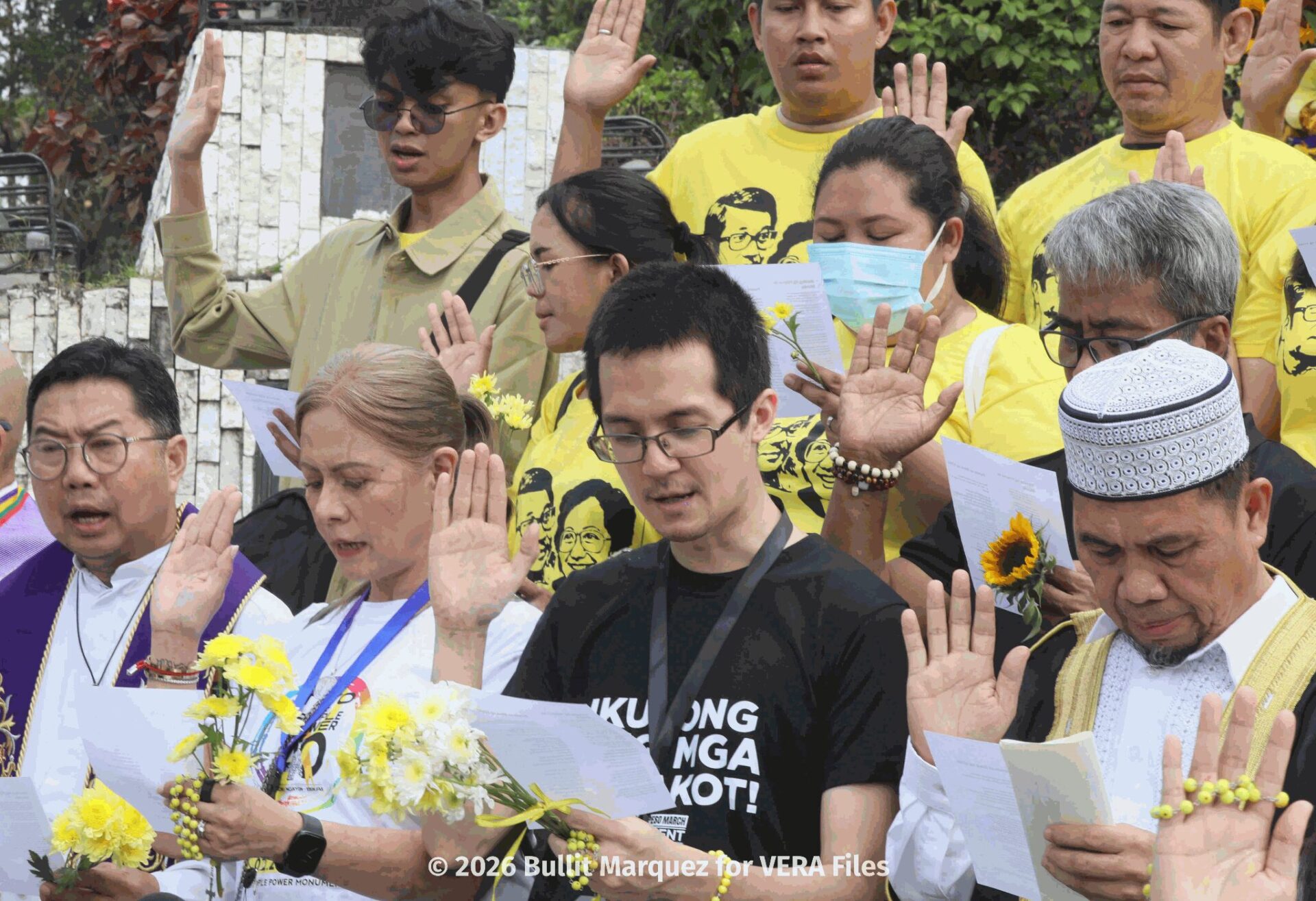
“We should not vote for candidates who have been continuously involved in issues such as corruption over time,” he declared.
Dee understandably is a staunch believer of people power and urged young Filipinos to take part in being the solution to end corruption.
“The promise of people power is democracy, and the promise of democracy is the opportunity for people to stop the corruption that is happening in our nation. Being part of the solution is our strength,” he said during an interview at the EDSA celebration.
Editor’s note: Ma. Rizza Francisco is a Bicol University student writing for VERA Files as part of her internship.