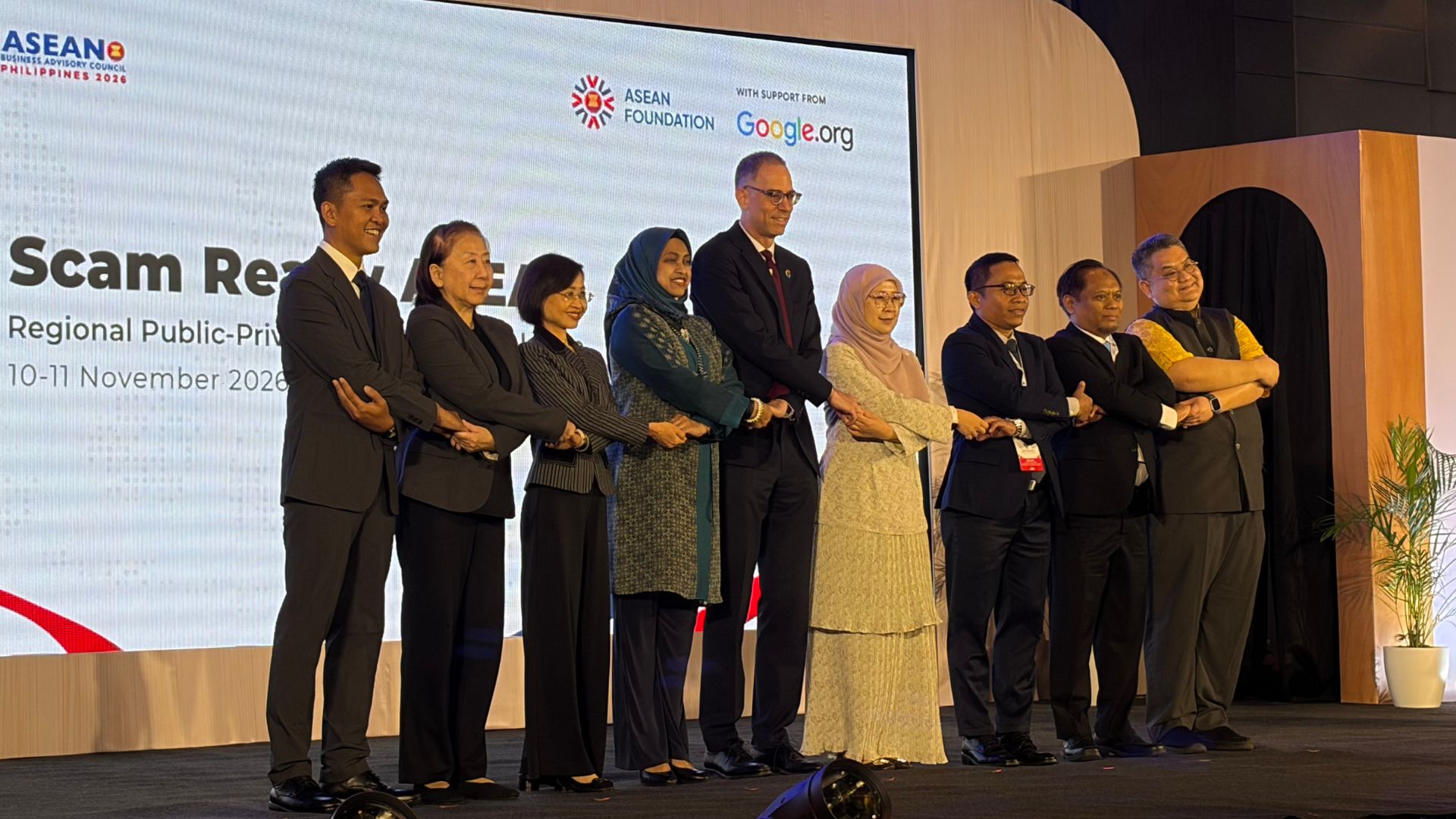
Scams are a deeply human problem that calls for human-centered approaches.
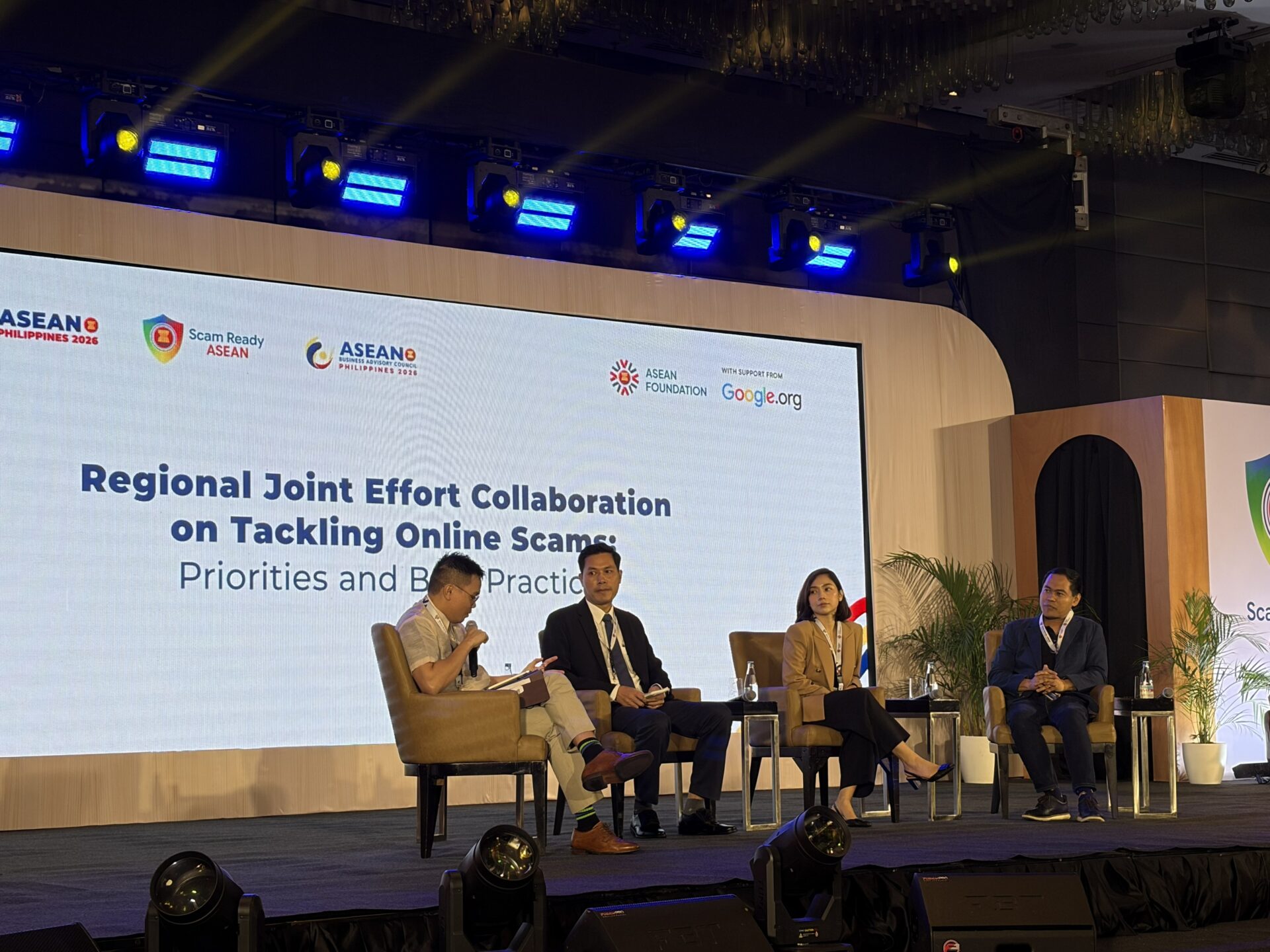
Scam Ready ASEAN program’s regional public-private partnership dialogue, held in Manila on Nov. 10-11, highlighted people-first strategies in fighting online fraud and dismantling scam networks in Southeast Asia.
“A safer digital ASEAN cannot be built through technology alone or by any single institution. It depends on the trust we build, the knowledge we share and, most importantly, the people we empower,” Ambassador Sara Al-Bakri Debedesan, ASEAN Foundation’s chair of the board of trustees, said in her opening remarks.
A regional initiative of the ASEAN Foundation with $5 million in support from Google.org, the program aims to equip three million people across Southeast Asia with knowledge and skills for combating scams.
According to the Global Anti-Scam Alliance’s 2026 State of Scams in Asia report, more than seven in ten Asian adults have encountered a scam in the past year, with Vietnam, Philippines and Malaysia at the top of the list. Scams are estimated to have caused $136.5 billion in losses in Asia the past year.
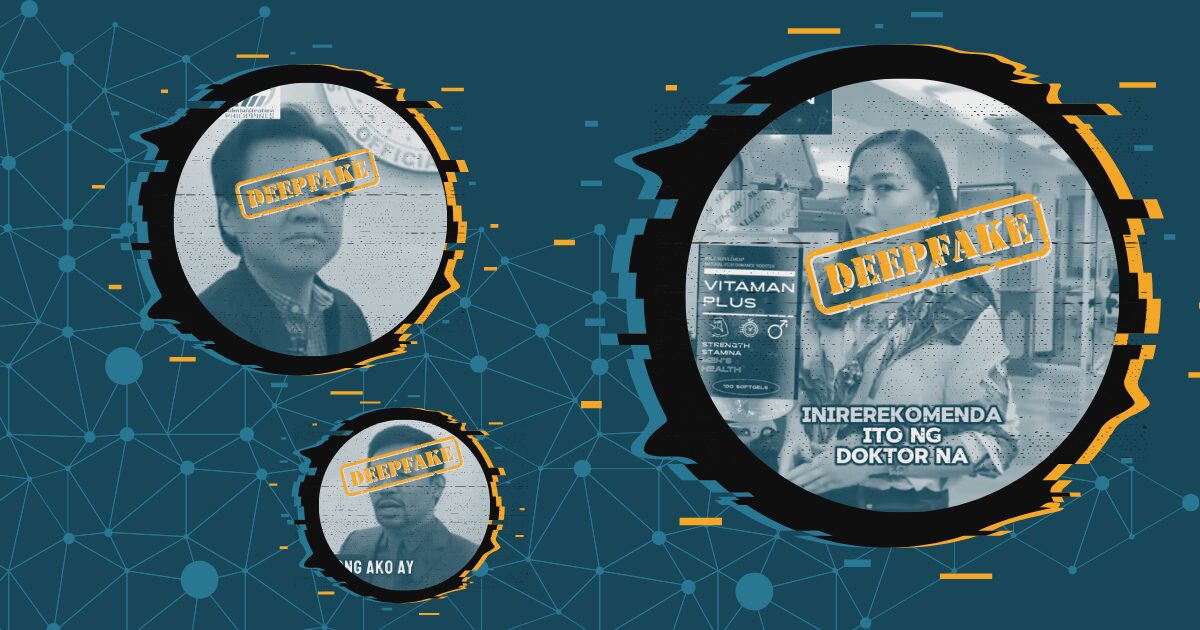
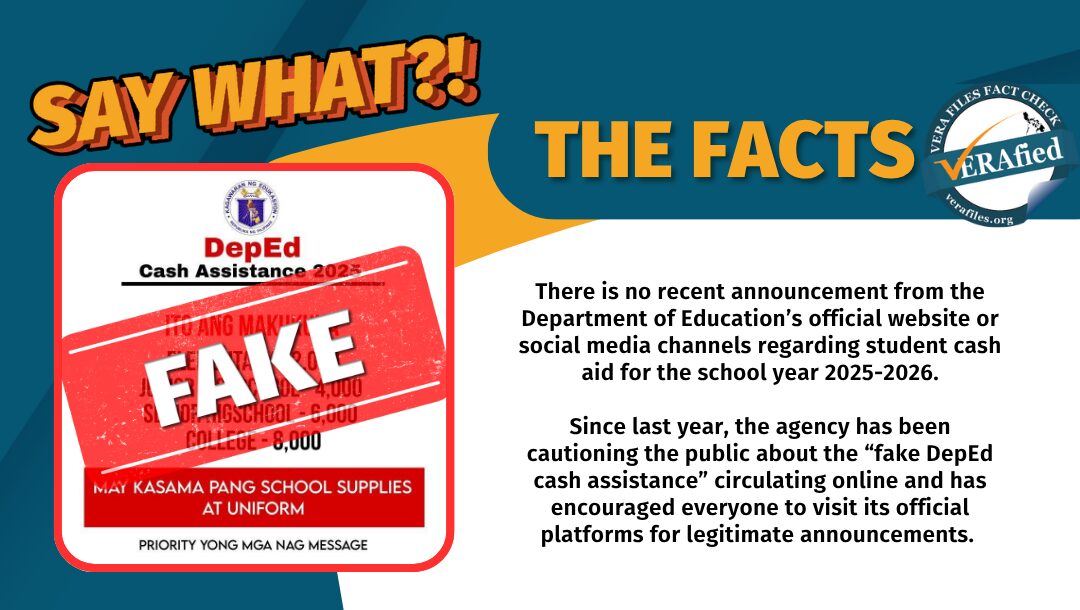
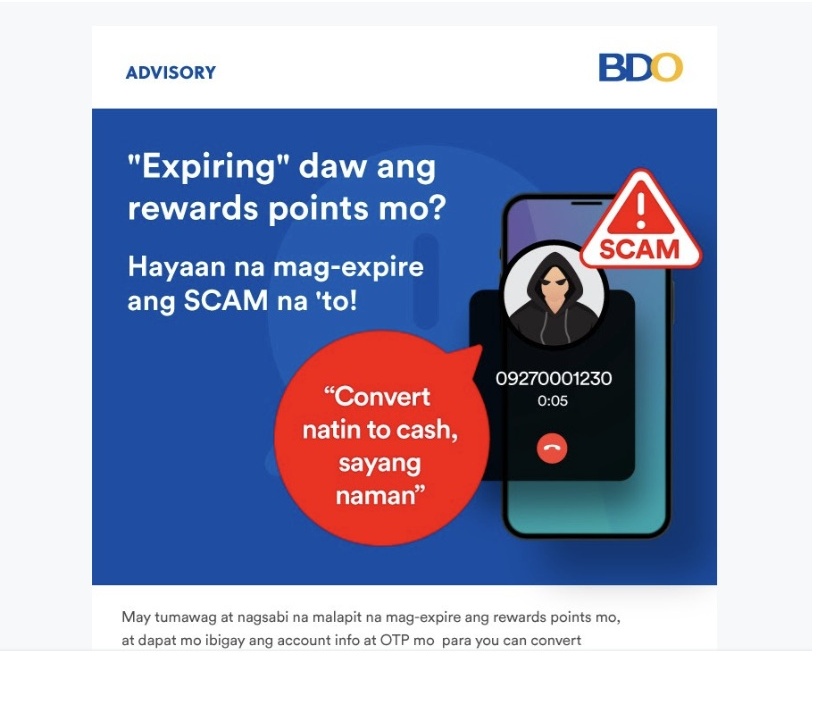
But more than an economic and technology issue, scams directly target the human psyche.
“Scammers don’t just look for flaws in operating systems. They look for vulnerabilities in human psychology. And that’s why, alongside our engineering efforts, we focus a lot on education, and in particular, building practical skills in people,” David Weller, Senior Director of Google’s Government Affairs and Public Policy added.
Regional anti-scam resource hub launched
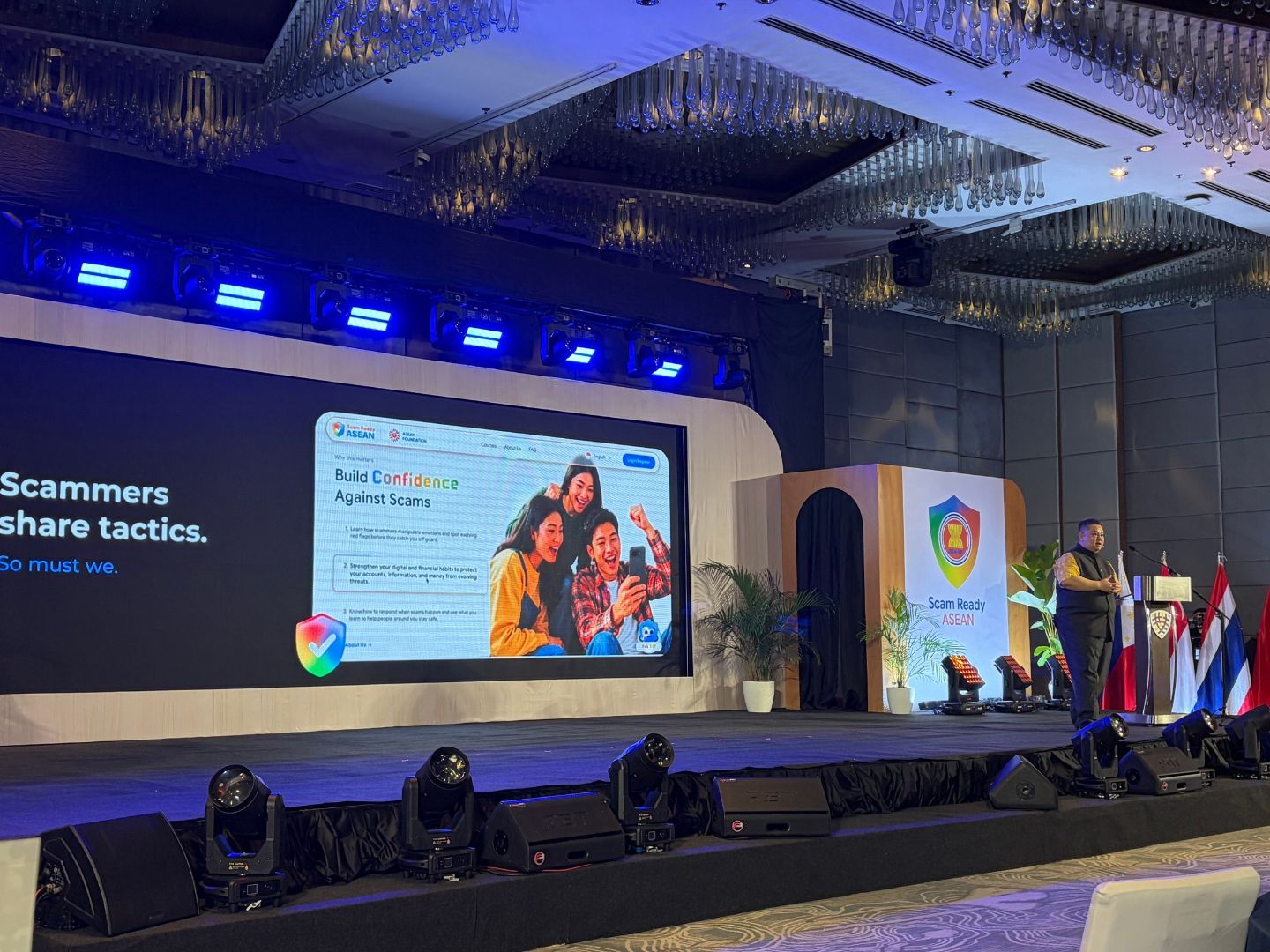
Scam Ready ASEAN also launched its anti-scam resource hub, found at scamreadyasean.org, during the dialogue.
The hub, designed with the help of internet safety experts, contains learning modules for different audiences, including the youth, working adults and elderly people. The resources, translated into ASEAN languages, are also localized to specific contexts, as scam experiences may differ from one country to another.
“Walls protect systems, but people protect people. That’s the thinking behind our program… by helping people recognize scams, understand how scammers operate, and look out for one another,” Dr. Piti Srisangnam, ASEAN Foundation’s Executive Director said.
The hub will also be a space for the program’s 20 local implementing partners and 2,000 master trainers who will share this knowledge to their own classrooms, workplaces and communities.
Last year, Google.org also launched Be Scam Ready, a game where users can practice spotting scam red flags in a simulated environment. It currently covers six Southeast Asian languages, including Tagalog, and features storylines tailored to the experiences of the most vulnerable communities here.
People-centered, whole-of-society approach
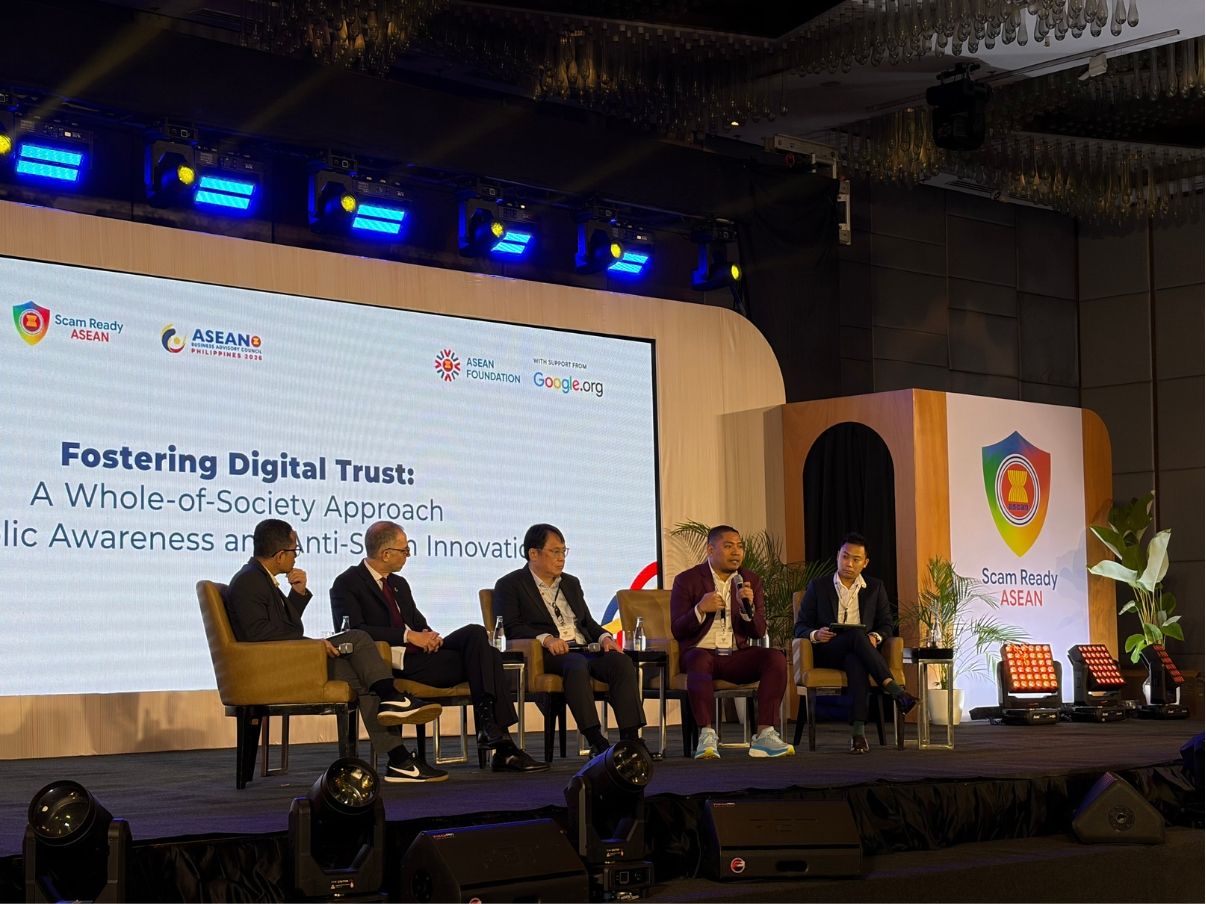
Fighting online fraud and dismantling scams in Southeast Asia requires a whole-of-society approach.
“If banks, technology companies, governments, consumer brands, telecom operators are working together, sharing information, we can work together to identify those patterns and trends and have that kind of collaboration that couldn’t happen on the attacker side,” Weller said.
However, these solutions should also be people-centered.
Derick Adil, Globe Telecom’s Head of AI and Privacy Governance, suggests that organizations adopt the concept of “safety by design” to make it easier for people to protect themselves.
“Safety as part of how we design things, how we build before we roll out…. Meaning we can already block messages before they reach our customers…. Our customers don’t have to download, they don’t have to install an app, they don’t have to understand how phishing works, just to benefit from that protection…. Organizations like us need to have mechanisms in place for us to be able to protect our customers without them even knowing,” Ahdil expounded.
Panelists also pointed out that messaging platforms need to do more since that is where the conversations leading to scams happens.
“The hook can come from telco, the hook can come from social media, the hook can come from Google. But the grooming actually takes place on the messaging platform,” Beaver Chua, Head of anti-fraud at OCBC and Representative for the Association of Banks in Singapore added.
In the Philippines, aside from strengthening the national anti-scam hotline (1326), the Cybercrime Investigation and Coordinating Center is prioritizing the establishment of the National Anti-Scam Hub, which will act as the coordinating authority for reporting scams.
According to CICC Deputy Executive Director Alvin Navarro, the NASH is still awaiting the president’s signature but it will help address the issue of underreporting once fully implemented.