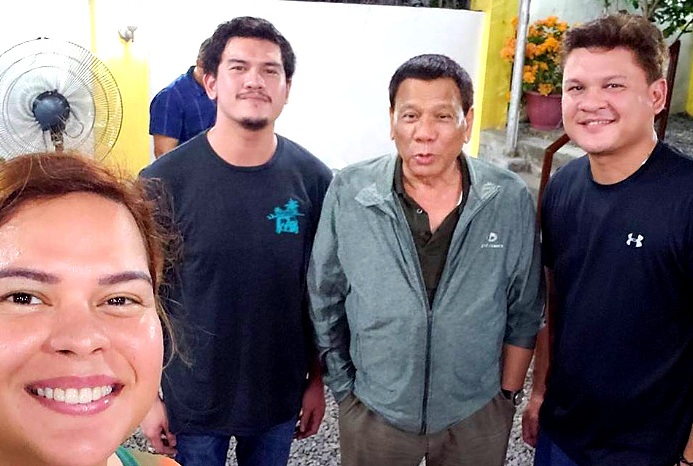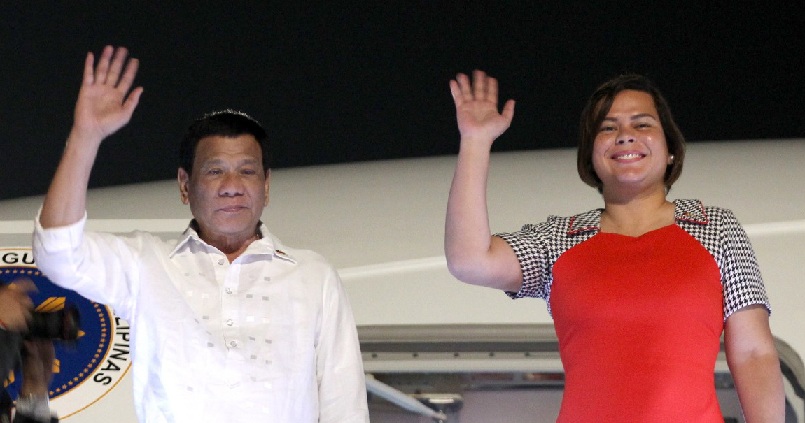

For the first time in years, the Dutertes are no longer on the offensive. The family is shifting from being the “architects of order” to defenders of their own legacy. This week may well mark the beginning of their most difficult chapter since rising to national power in 2016.
From the father facing trial for crimes against humanity to the daughter holding the country’s second-highest office, the Dutertes now find themselves at the center of a storm brewing both at home and abroad.
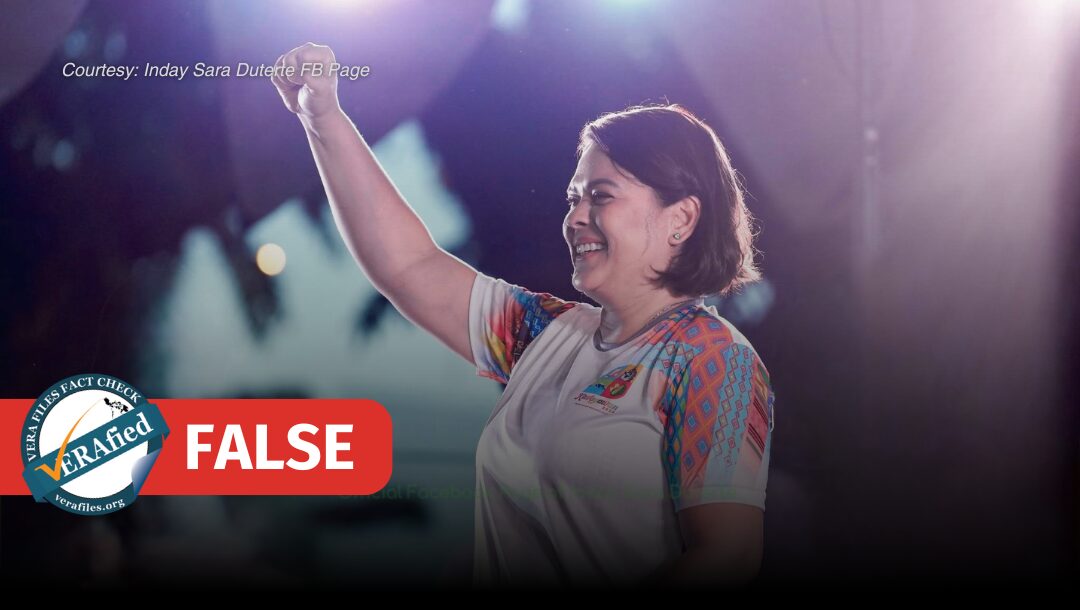
With the House Committee on Justice having already voted 55–0 to find probable cause to forward the consolidated impeachment complaints against Sara, the plenary vote is widely seen as a formality. Proponents need only one-third of the House, at least 106 members, to endorse the articles of impeachment and send the case to the Senate, where a long and politically charged trial will begin.
There, the public will see whether the evidence, including tax records from the Bureau of Internal Revenue and bank accounts allegedly containing billions of pesos in questionable deposits, will substantiate accusations of corruption and unexplained wealth, or whether this is, as the Duterte camp insists, political persecution.
A Quezon City court recently dismissed a petition filed by Sara Duterte’s husband, lawyer Manases Carpio, seeking to block a subpoena for his tax records. The impeachment proceedings are now poised to expose the family’s private finances to unprecedented public scrutiny.
Today will not be an ordinary day. While most Filipinos go about their routines, another chapter in the nation’s political history will unfold in Congress. The Senate trial will not only determine Sara Duterte’s political future; it may become a referendum on the entire Duterte era. For Sara, it is a precarious “now or never” moment to protect her 2028 presidential ambitions.
To many, impeachment may seem distant from everyday life. But at its core, this is about trust, the trust citizens place in leaders to use public funds and political power for the common good, not personal interest.
Why has it come to this? The issue goes beyond political infighting among the country’s top leaders. The allegations against the vice president are serious: the supposed misuse of P612 million in confidential funds and statements alleged to have threatened national security.
What matters most is the principle involved. Under the Constitution, no one is above the law, whether you are a child of a former president or the sitting vice president. Every centavo of the taxes we pay must have a receipt and a clear explanation.
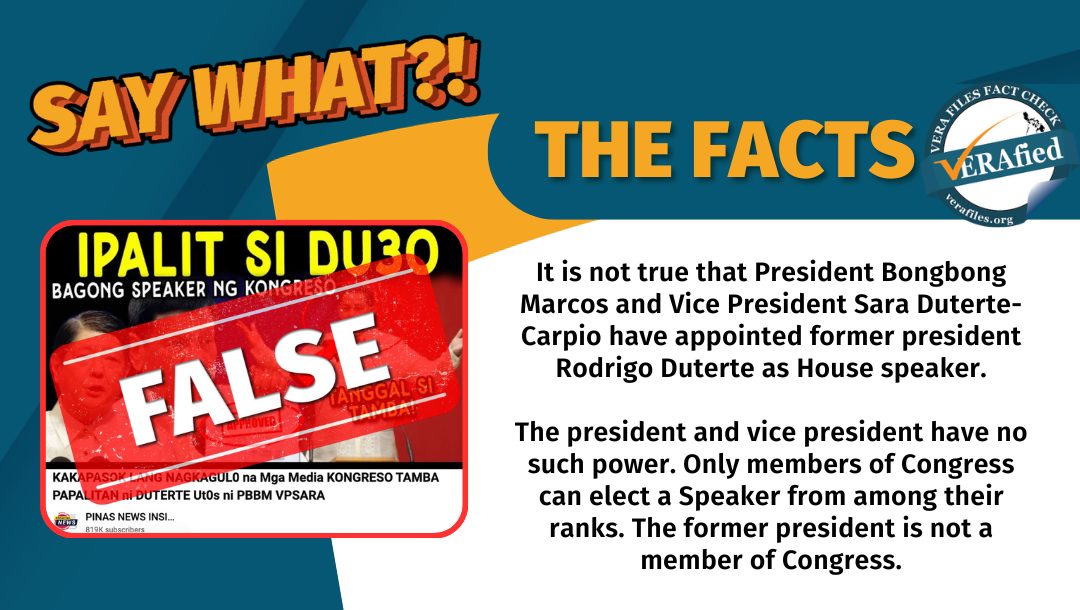
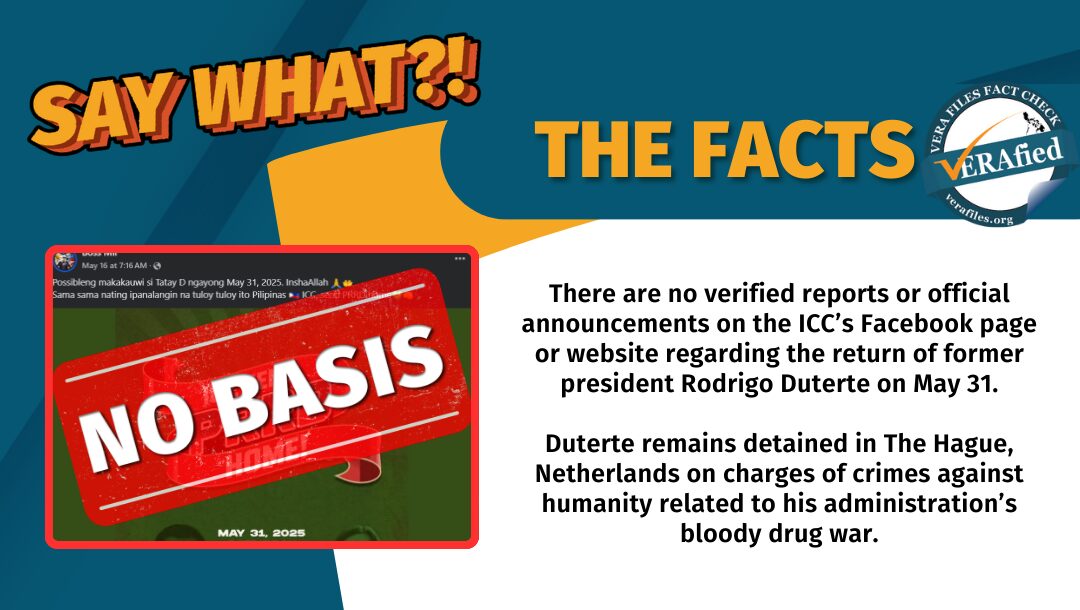
While VP Sara faces a trial here, her father carries his own cross at the International Criminal Court at The Hague, the Netherlands.
Over the weekend, we learned that Nicholas Kaufman will no longer serve as Duterte’s lead defense counsel. Earlier reports said the ICC on May 8 granted Kaufman’s associate, Dov Jacobs, permission to withdraw from the case. On the same day, Kaufman said he had also asked the IC Trial Chamber III to allow him to step down as part of a reorganization of Duterte’s defense team trial for crimes against humanity related to the war on drugs draws near.
The veteran British-Israeli lawyer said his one-year engagement covering pre-trial proceedings ended on March 31. During a May 7 meeting, he said Duterte informed him that the family wanted to hire new counsel. Kaufman added that he had already met his replacement, whose name was redacted in the public version of the filing.
Despite the changes in Duterte’s legal team, the ICC has made clear that proceedings will continue without delay. The May 27 status conference remains scheduled, with proposed trial dates likely falling between late 2026 and early 2027.
For families who lost loved ones during anti-drug operations in Davao City and throughout Duterte’s presidency, the ICC case represents hope for accountability. For Duterte’s supporters, it is viewed as foreign interference.
Still, changing lawyers at such a critical time underscores one reality: The fight has become deeply serious. This is no longer a battle that can be waged through jokes or fiery speeches on television. Inside the courtroom, evidence and the law are the only things that speak.
At times, the political drama can feel exhausting. The feuds among powerful families often feel like a never-ending soap opera. But as citizens, we must remain vigilant.
What is happening to the Dutertes is also a reflection of the country’s justice system. If wrongdoing is proven, someone must be held accountable. If they are proven innocent, then the truth must also come to light. But we should not let these issues be the cause of our division.
At a time when Filipinos are burdened by rising prices, electricity rates and water costs, the real measure of leadership remains service to ordinary people. The impeachment of Sara Duterte and the ICC proceedings at The Hague are reminders that power is only borrowed from the people. And every borrowed thing must eventually be accounted for.
If the Senate trial proceeds, the country should expect months of political turmoil. Government functions may even suffer amid the intensity of the conflict. Yet this also presents an opportunity for reflection: Is this the kind of politics Filipinos want to pass on to the next generation? One defined by constant drama, factional warfare and endless cover-ups?
The Duterte family is now fighting for political survival. But Filipinos, too, are engaged in a larger struggle, one for honest government, clean leadership, and respect for the rule of law.
When lawmakers vote on the Committee on Justice report, more than Sara Duterte’s fate will be at stake. The strength and credibility of democratic institutions will also be tested. One can only hope that, in the end, justice for the Filipino people matters more than the survival of any political dynasty.
The Duterte camp is trying to frame these developments as political persecution to energize supporters ahead of the 2028 elections. But the sheer weight of simultaneous legal battles, from the ICC proceedings at The Hague to the impeachment fight in Manila, threatens to drain both the family’s political momentum and financial resources.
The views in this column are those of the author and do not necessarily reflect the views of VERA Files.
This column also appeared in The Manila Times.