
The latest move by former president Rodrigo Duterte’s legal team suggests a continuing effort to prolong proceedings at the International Criminal Court.
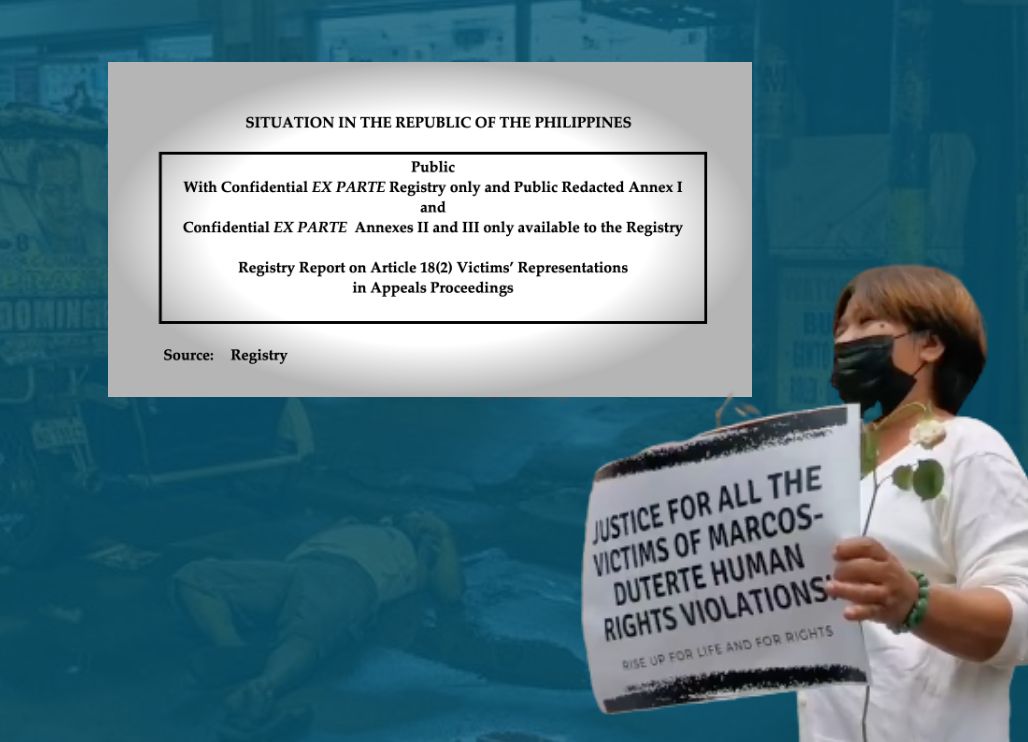
Right after the ICC Appeals Chamber unanimously denied on Nov. 28 all three grounds for Duterte’s interim release, his lead counsel, British-Israeli lawyer Nicholas Kaufman, announced that he would again apply for a temporary release — this time anchored on the former president’s medical evaluation.
Last Saturday, Kaufman said the ICC-accredited panel has submitted its medical report, just in time for the Dec. 5 deadline, but its contents remain confidential, with copies held only by the court and the defense lawyers.
He earlier said the defense intends to submit its response to the findings by Dec. 12, the day the ICC begins its three-week recess. The timing is no coincidence; the intent is obvious. No meaningful court action can take place until next year.
For months, Duterte’s camp has thrown every conceivable motion at The Hague — questioning jurisdiction, seeking to disqualify judges, asking for temporary release on humanitarian grounds and ultimately demanding an indefinite adjournment of the proceedings. Kaufman claims Duterte is “infirm and debilitated,” and even floated the idea of releasing him to an unnamed country willing to accept him.
These actions have already succeeded in delaying the confirmation-of-charges hearing, originally scheduled for Sept. 23 but indefinitely postponed pending resolution of the defense’s requests. While the Pre-Trial Chamber rejected a move for indefinite adjournment, it allowed a limited postponement to address the medical-fitness claims, effectively extending the timeline once more.
But the legal maneuvers at The Hague cannot be viewed in isolation from the political agitation happening back home, where political tensions continue to intensify.
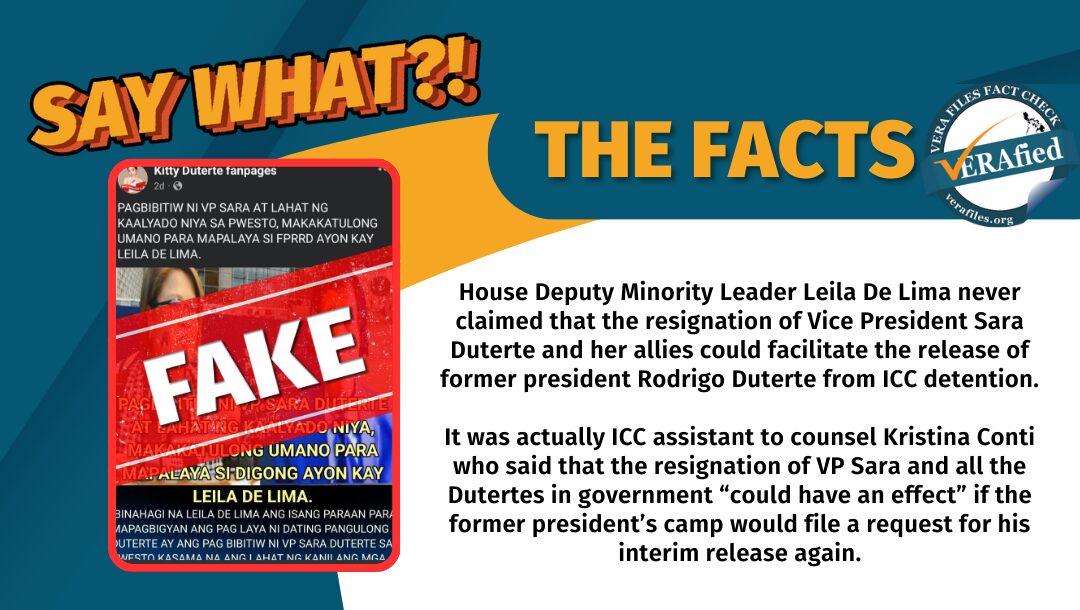
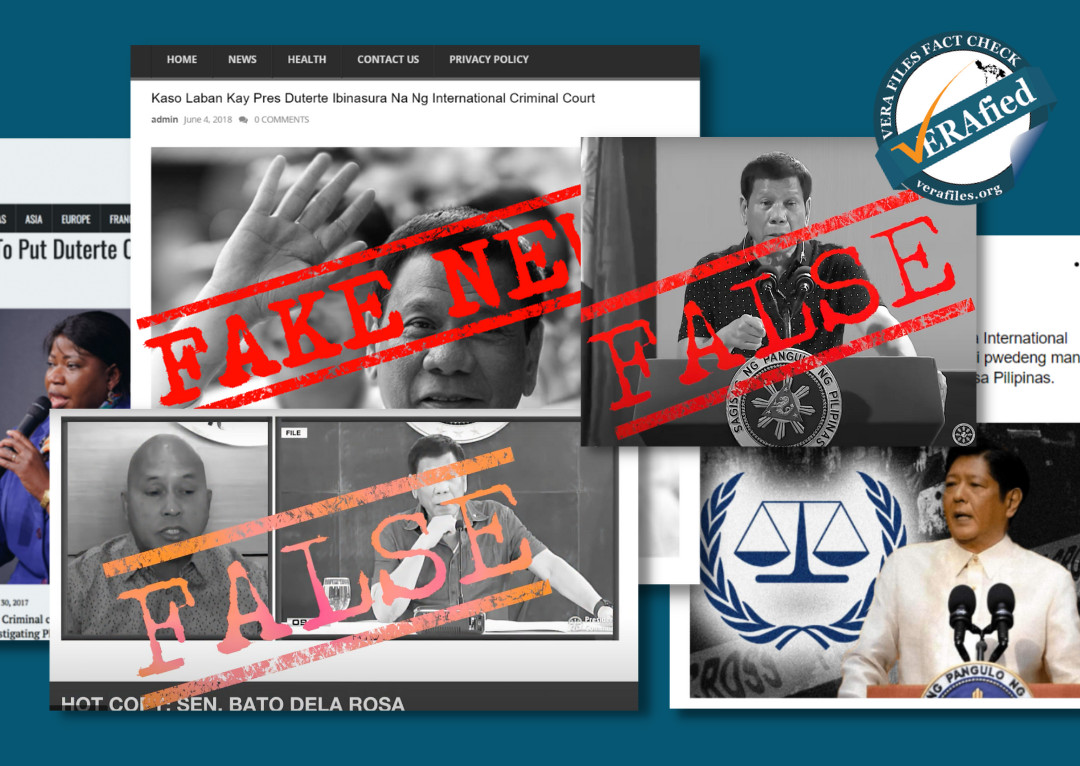
Duterte’s supporters in Metro Manila and Davao have amplified calls for President Ferdinand Marcos Jr.’s resignation over corruption allegations involving flood control projects. Their online allies have escalated disinformation campaigns, including the spread of fabricated videos of Duterte’s supposed return, false claims that the ICC has reconsidered its stance on his detention and recycled rumors of plots against Malacañang.
At the same time, rumors of destabilization efforts, which were initially dismissed as fringe speculation, have gained traction. Several retired police and military officers aligned with the former president have openly discussed the idea of forming a transition government. Others have reportedly courted active officers to withdraw support from Marcos. Even Senate President Pro Tempore Panfilo Lacson disclosed that he was approached to join a proposed civilian-military junta, an offer he says he rejected outright.
The massive Nov. 16–17 rally at Luneta, organized by the Iglesia ni Cristo, which drew an estimated 600,000 participants, raised further suspicions. Was it a show of force designed to pressure the president to step down?
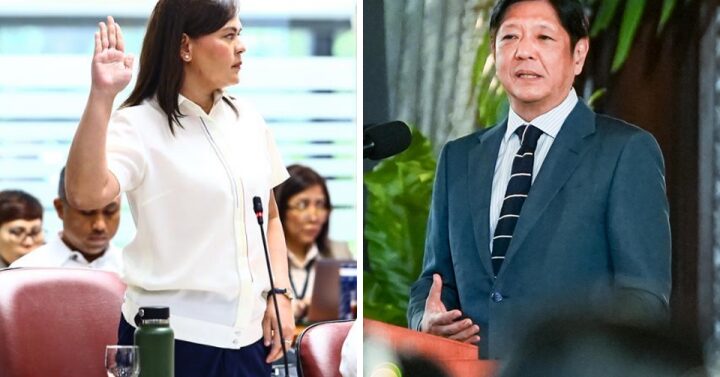
Vice President Sara Duterte has publicly questioned Marcos’ leadership, stating that Filipinos “deserve better,” and has recently declared her readiness to assume the presidency — remarks whose timing is impossible to ignore.
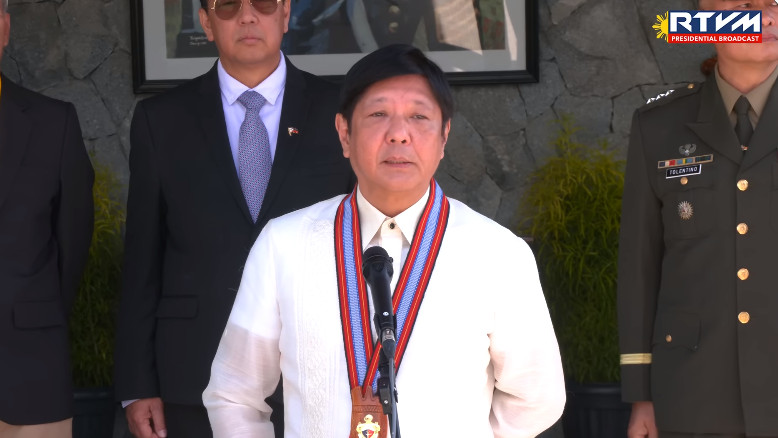
Marcos seems aware of the destabilization efforts gathering around him. He has turned to the military for reassurance, meeting with the AFP’s Council of Sergeants Major and urging them to remain steady amid political turbulence, followed by an announcement of a 15% salary increase for military and uniformed personnel beginning in January 2026, alongside additional benefits.
When viewed together, the legal stalling at The Hague and the coordinated political pressure at home reveal a strategy designed not only to shield the former president from accountability. The Duterte camp appears to be buying time as part of a broader gambit aimed at weakening the Marcos administration and clearing space for a Sara Duterte takeover before the ICC can weigh the evidence against her father.
As events continue to unfold, the country faces a critical test. Legal processes must proceed without interference, and political institutions must be strong enough to withstand coordinated attempts at disruption.
The views in this column are those of the author and do not necessarily reflect the views of VERA Files.
This column also appeared in The Manila Times.