
The Bangsamoro peace process faces a critical unfinished task as the region prepares to transition to its first elected parliament, with an expert warning that the normalization track remains “sufficiently off-track” despite gains in political reforms.
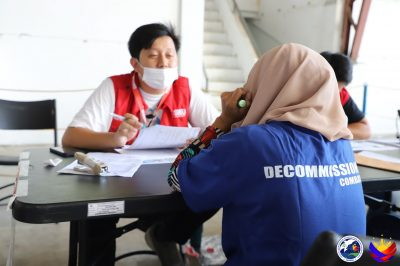
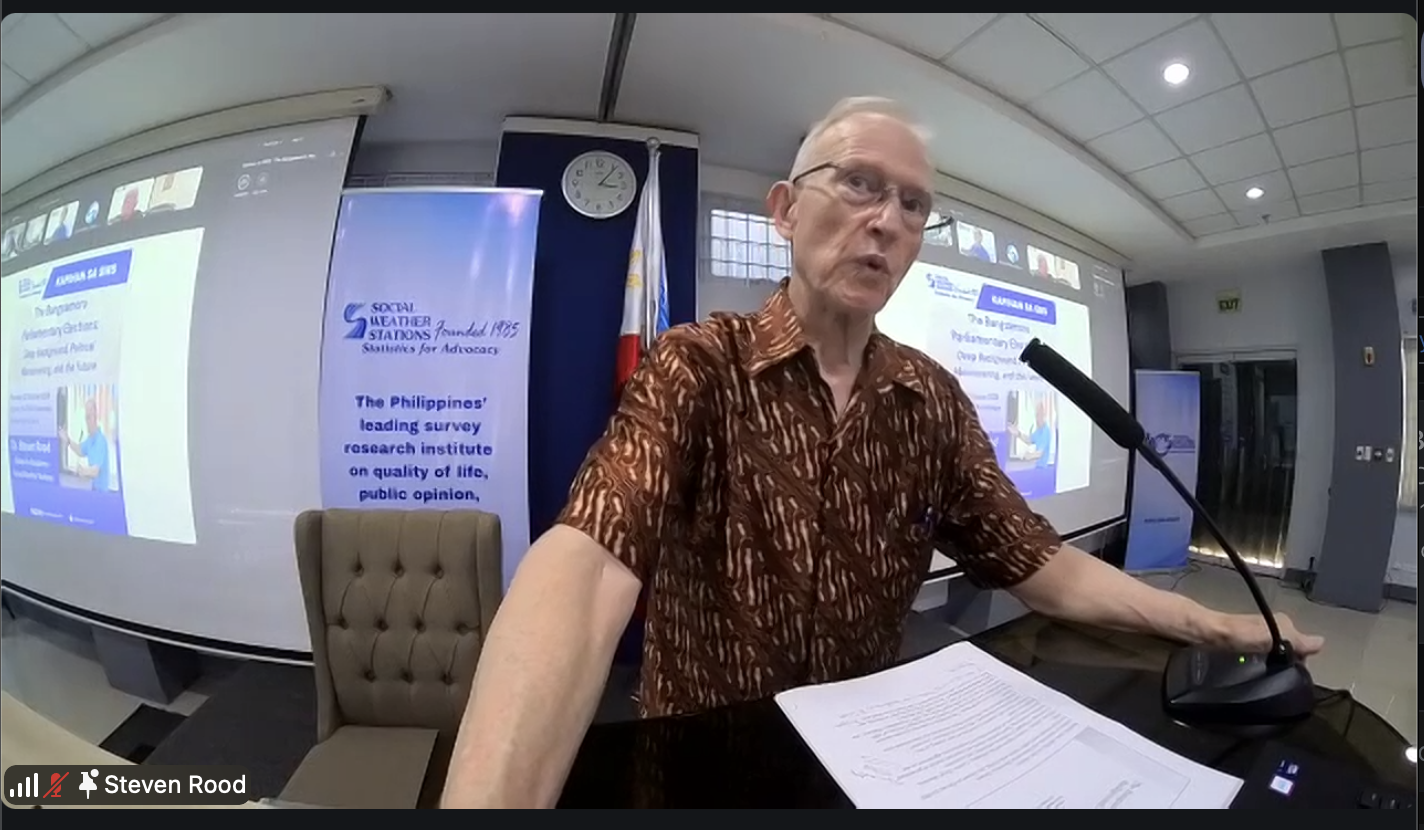
Steve Rood, fellow-in-residence of the Social Weather Stations (SWS), said normalization remained the peace process’ “unfinished business,” citing the substantial number of Moro Islamic Liberation Front (MILF) combatants and weapons still awaiting decommissioning.
“Of the combatants, 26,145 have been decommissioned, but there are 13,855 left. 4,625 weapons have been put beyond use, under the guard of an Independent Decommissioning Body, and 2,575 are left,” Rood said at an SWS forum on Oct. 22.
Normalization is one of the two major tracks under the 2014 Comprehensive Agreement on the Bangsamoro, the peace agreement between the Philippine government and the MILF. It covers the decommissioning of MILF forces and weapons, the transformation of six recognized MILF camps into peaceful and productive communities, the dismantling of private armed groups, amnesty for MILF members, and transitional justice and reconciliation.
The other track covers political reforms, including the establishment of the Bangsamoro Autonomous Region in Muslim Mindanao (BARMM) and the transition to an elected regional parliament.
While the political track has advanced through legislative and electoral milestones, normalization has struggled to keep pace, raising concerns about the durability of the peace process and the security risks facing the region.
In July 2025, the MILF Central Committee declared it would suspend the fourth and final phase of decommissioning, involving 14,000 combatants and 2,450 weapons, until the government substantially complied with commitments under the other normalization components, including socioeconomic assistance.
The April report of the Third Party Monitoring Team (TPMT), which oversees the implementation of the peace agreement and where Rood served from 2013 to 2017, also highlighted the uneven progress.
“Within the normalization track, there has been emphasis on the formal decommissioning procedure, whereas provision of socioeconomic support to decommissioned combatants and their communities as well as other elements of normalization did not advance at the same pace,” the report said.
Mel Senen Sarmiento, secretary of the Office of the Presidential Adviser on Peace, Reconciliation and Unity, identified socioeconomic assistance and adjustments to reintegration packages as among the challenges slowing implementation.
In an effort to accelerate delivery, the government and MILF peace implementing panels signed an addendum on Sept. 25 during a special meeting in Kuala Lumpur to expedite socioeconomic support for decommissioned combatants.
Rood warned against allowing political gains to overshadow the remaining peace commitments.
“Attention to politics and governance must not crowd out the peace process [that] still has work to do,” he said.
Election security risks
The normalization gap has also raised concerns about the safety and credibility of elections in the Bangsamoro region.
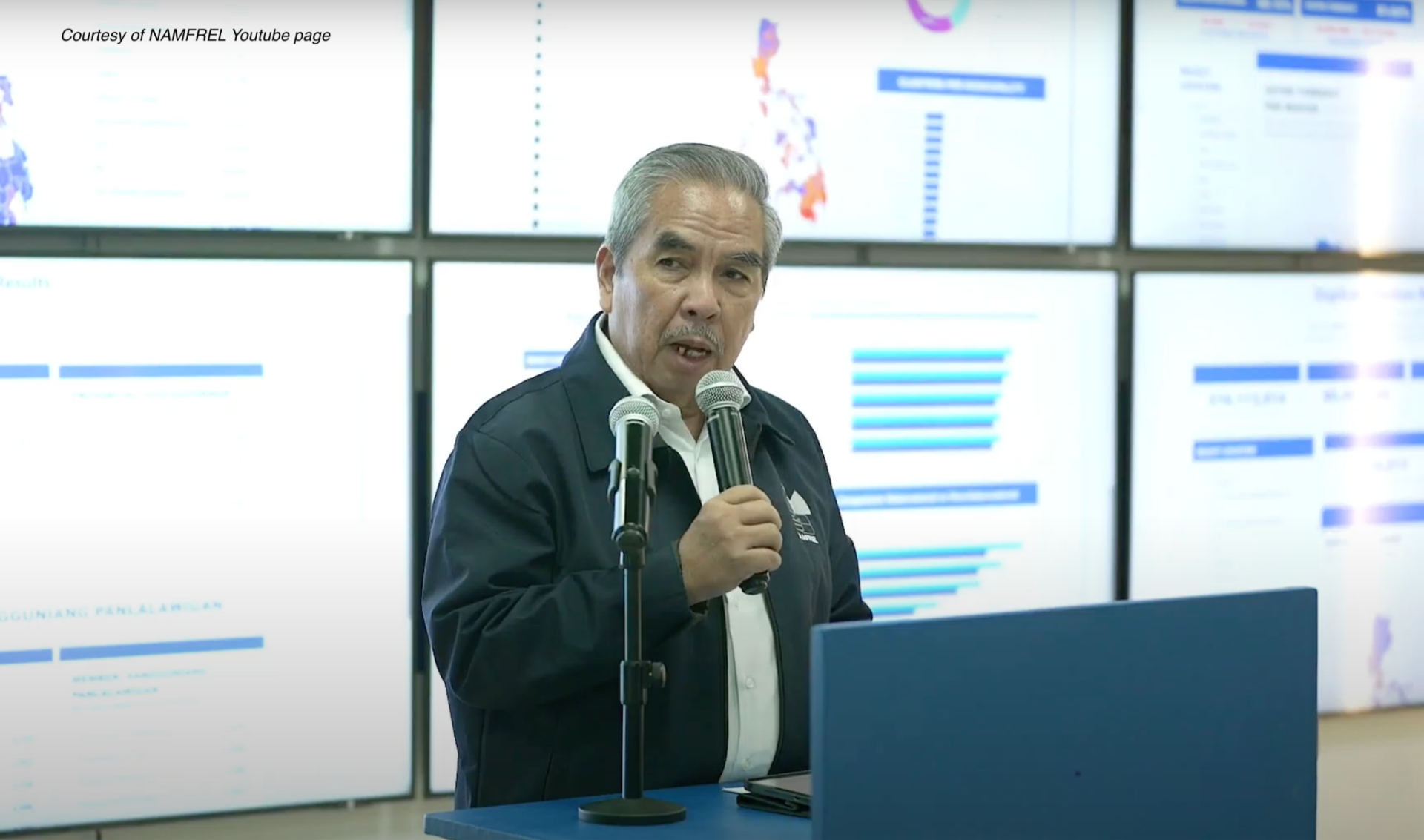
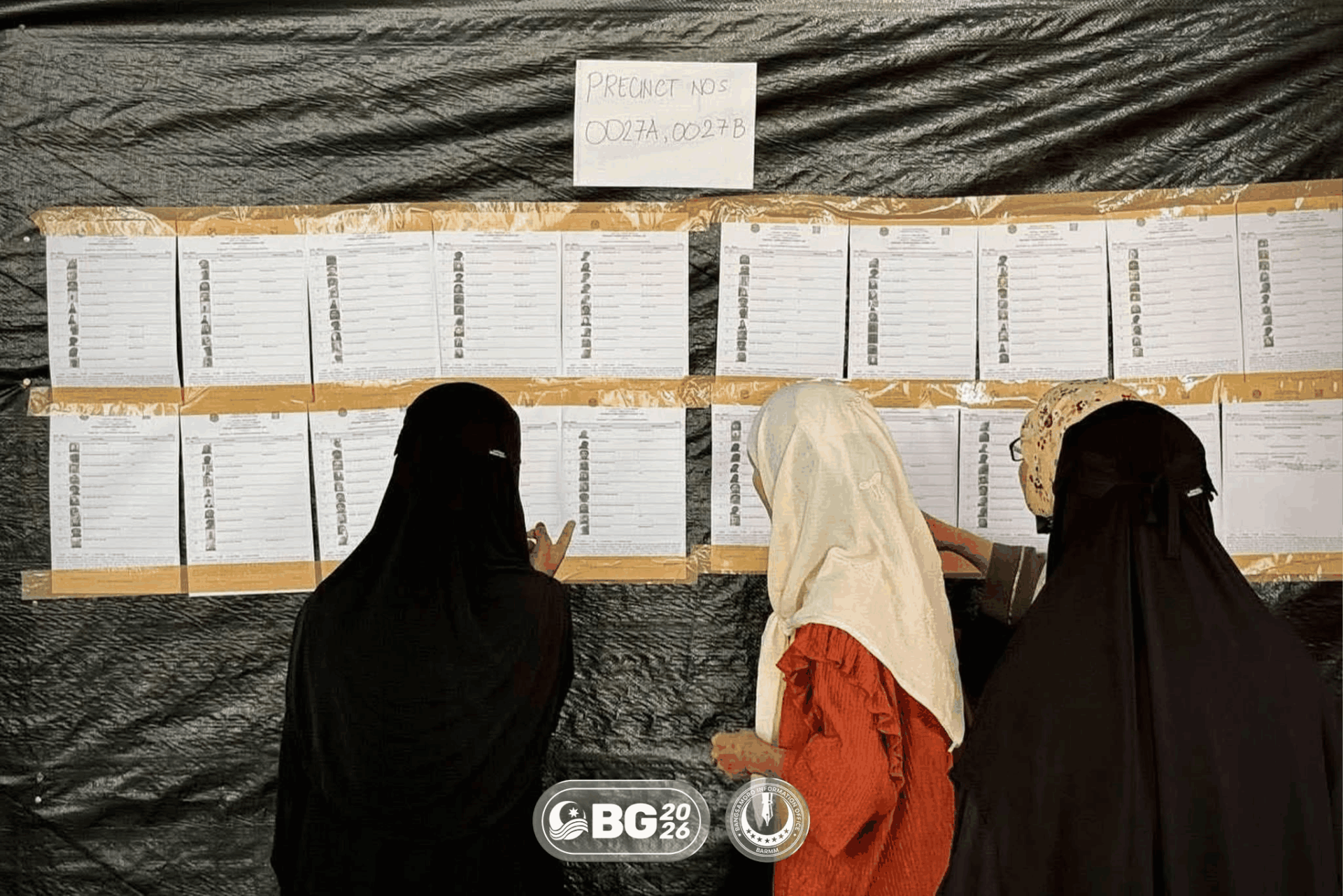
In its final report on the Sept. 14 BARMM parliamentary election, launched on Oct. 28, the Asian Network for Free Elections-National Democratic Institute (ANFREL-NDI) Technical Assessment Mission said delays in normalization had direct implications for the historic vote.
“Stakeholders also highlighted shortcomings and delays in the implementation of the ‘normalization track,’ which includes the decommissioning of MILF forces and economic development in BARMM,” the assessment said.
The poll watchdog warned that “incomplete normalization” directly impacted the historic parliamentary election, citing electoral risks because of the “continued availability of firearms, persistence of private and other armed groups, and enduring clan-based security dynamics.”
The report cited incidents of violence during the election period, including gunfire following a fistfight and stone-throwing between rival groups of poll watchers outside Central Pilot Elementary School in Cotabato City. A separate five-hour gunfight between government forces and an armed group was also reported in Maguindanao del Sur.
These incidents underscored the security challenges confronting the region as it moves toward a more institutionalized system of democratic governance.
ANFREL-NDI urged political parties to publicly commit to peaceful and free elections through a peace covenant or code of conduct covering the use of firearms, mobilization of armed structures, social activities and the conduct of supporters.
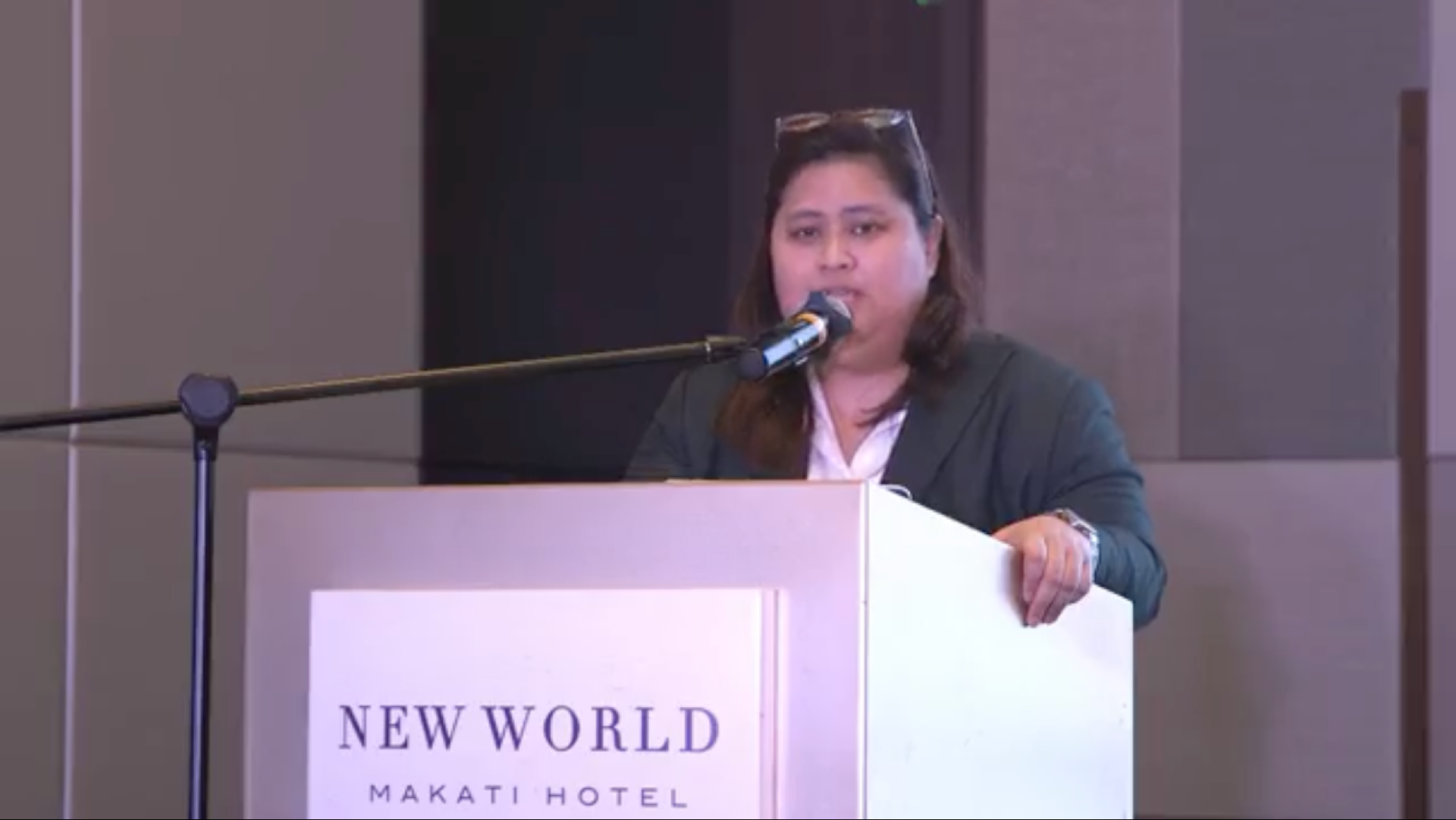
Brizza Rosales, ANFREL executive director and one of the mission directors, said completing normalization, particularly the remaining decommissioning, was essential to preventing election-related violence.
She said sustained peace by the next parliamentary election in 2031 would depend on addressing the other outstanding commitments, including the full integration and acceptance of decommissioned combatants into Bangsamoro communities, the implementation of transitional justice mechanisms and the delivery of development assistance.
Addressing historical injustices
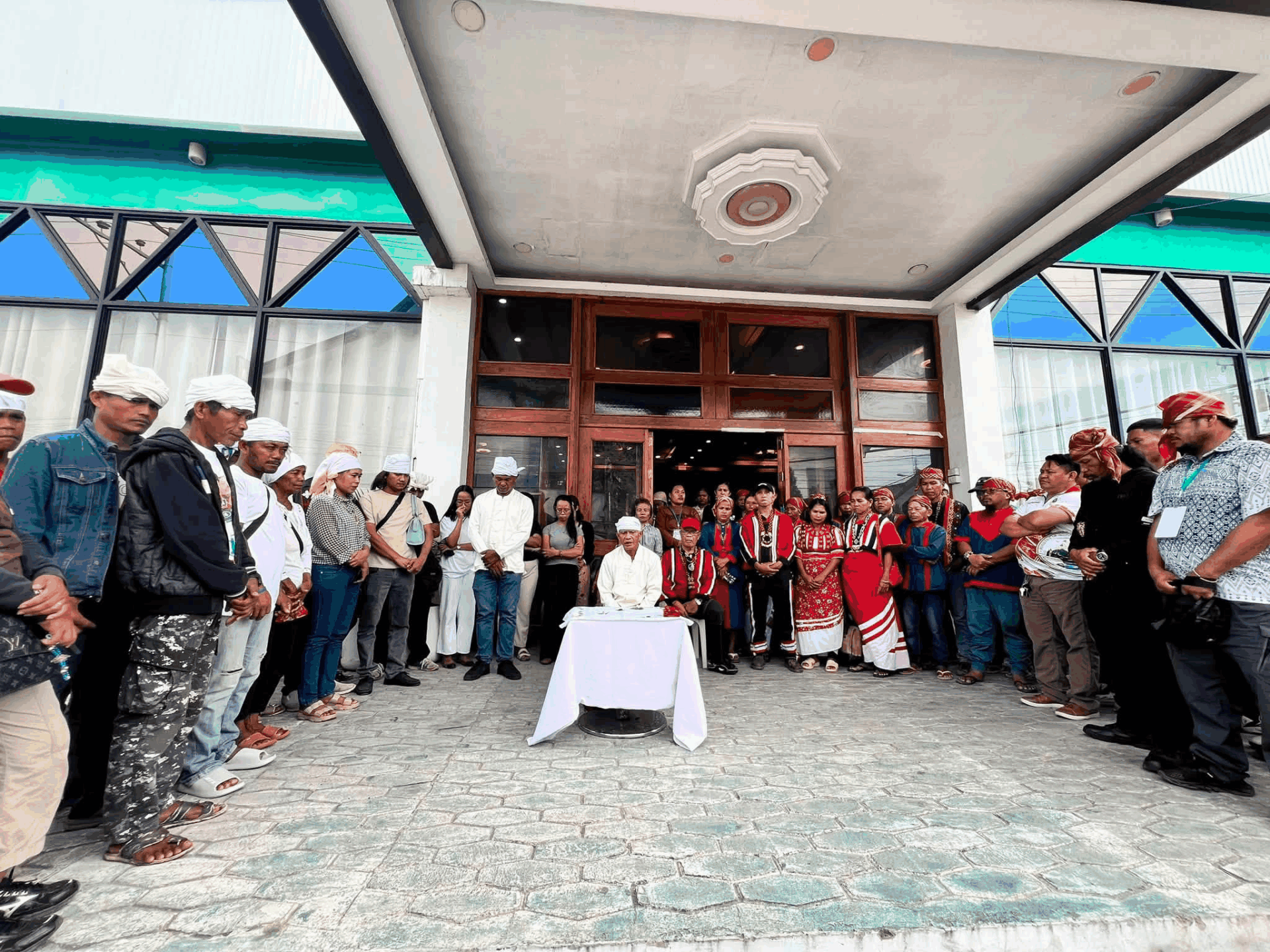
Beyond disarmament and reintegration, transitional justice and reconciliation remain central to the normalization agenda, particularly in addressing historical grievances that have fueled decades of conflict in Mindanao.
During joint workshops on Oct. 26 and 27, the government-MILF Technical Working Group on Transitional Justice and Reconciliation and the parties’ Joint Communications Committee developed a strategic communications plan for the process.
They also approved a social mobilization plan for the proposed National Transitional Justice and Reconciliation Commission for the Bangsamoro, which aims to address historical injustices, human rights violations and the marginalization of Moro communities, including through land dispossession.
The initiatives seek to complement security and economic measures by confronting the grievances underlying the conflict and supporting reconciliation among affected communities.
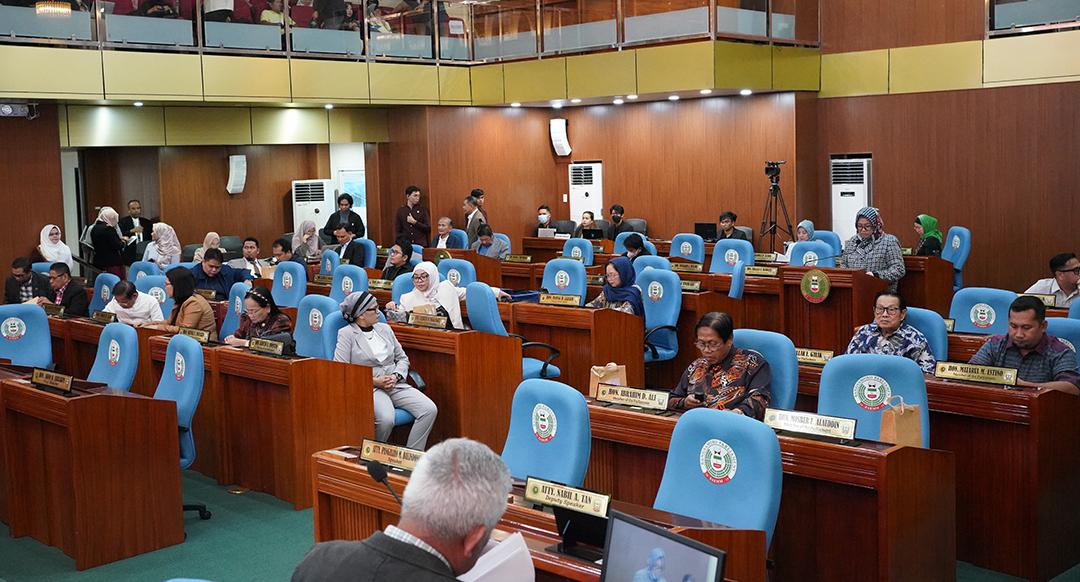
The transition to the first elected Bangsamoro Parliament on Oct. 30 marks the culmination of the political track’s transition phase, but it does not complete the broader peace agreement.
In its assessment, ANFREL-NDI stressed that outstanding normalization commitments must still be fulfilled to fully implement the CAB and address the region’s unresolved grievances.