
Week 2 of Vice President Sara Duterte Impeachment Trial
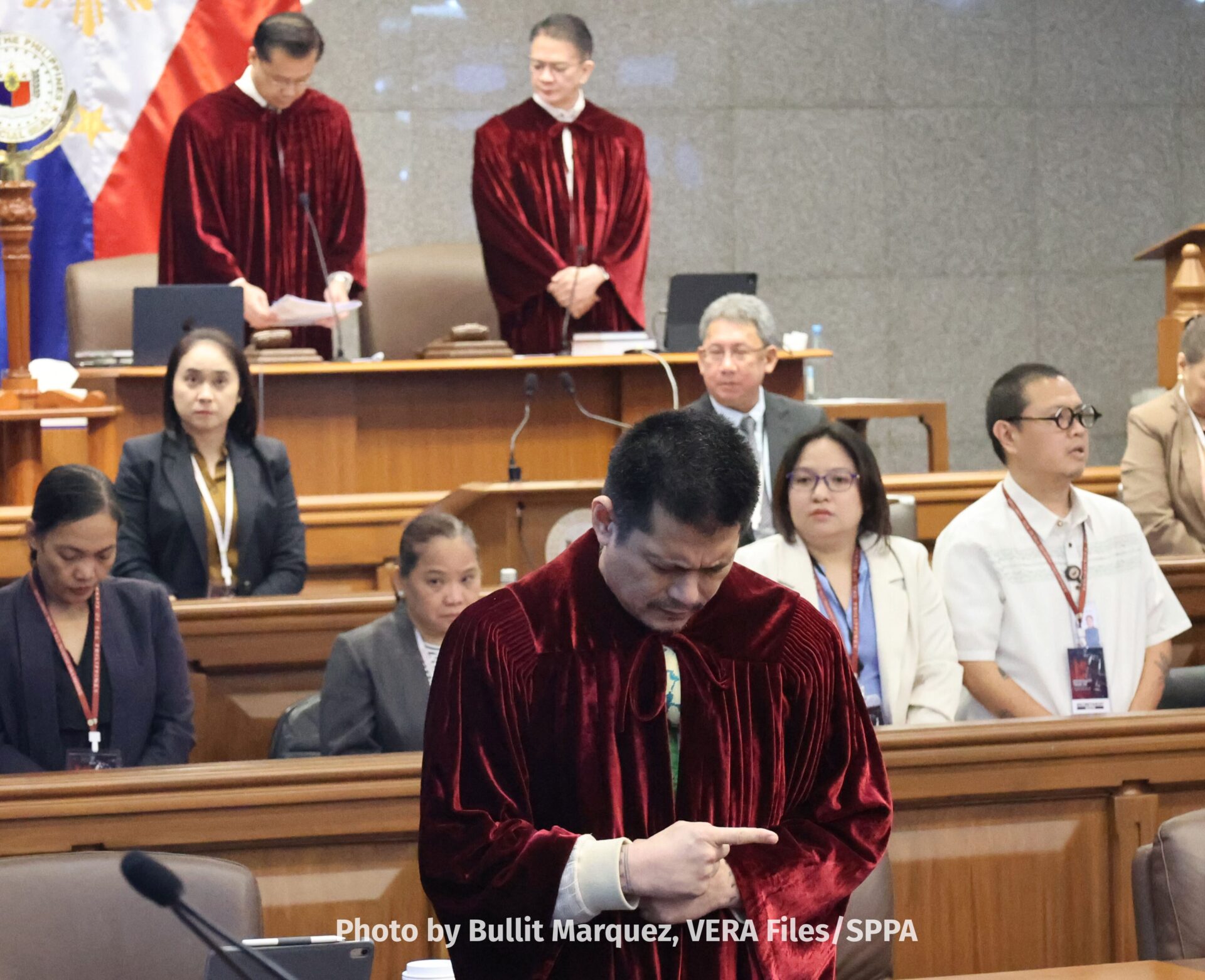
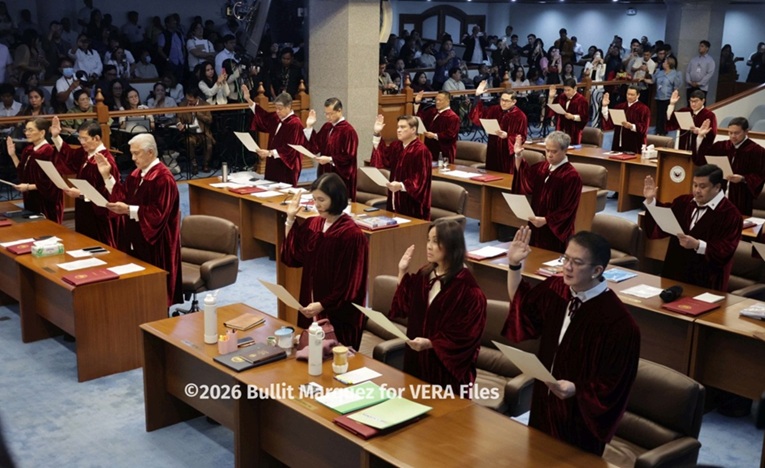
If the first week of Vice President Sara Duterte’s impeachment trial was defined by procedural wrangling and a frustratingly slow pace, the second week finally offered something more substantial: a glimpse of how both camps intend to win, and how the Senate impeachment court itself could determine the credibility of the entire process.
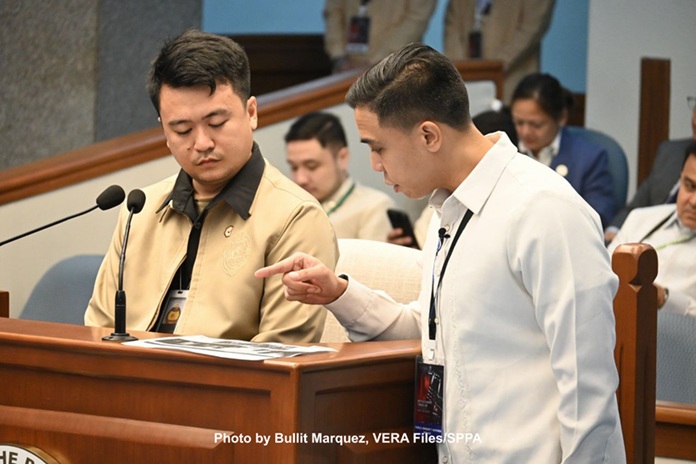
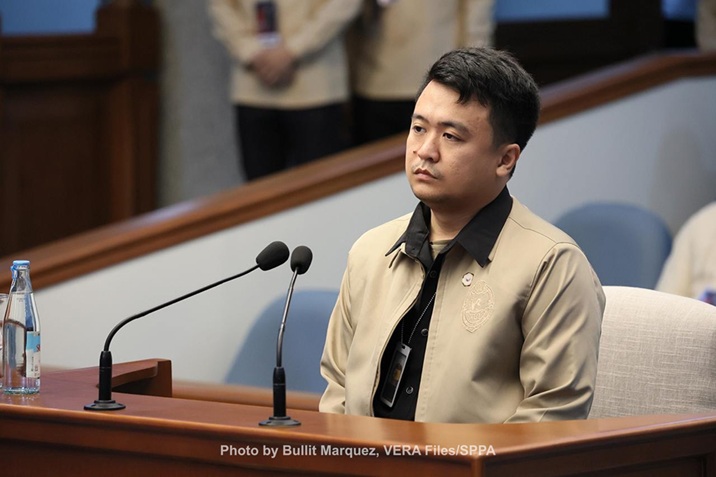
National Bureau of Investigation Regional Director Jeremy Lotoc emerged as the prosecution’s most consequential witness so far, not because he presented a proverbial smoking gun, but because he became the vehicle through which prosecutors sought to transform Duterte’s controversial public statements into evidence of an impeachable offense.
By Wednesday, however, the spotlight had shifted from witness testimony to a broader constitutional question: whether the impeachment court should compel the disclosure of Duterte’s bank and tax records, including those of her husband, lawyer Manases Carpio.
The debate over those subpoenas may ultimately prove as consequential as any witness testimony. It goes to the heart of impeachment itself: How far may an impeachment court go in searching for the truth without sacrificing the constitutional rights of the respondent vice president?
That question now rests with the senator-judges, who are expected to vote on Monday, July 20.
The prosecution’s presentation of Lotoc last Monday and Tuesday marked a significant escalation from its opening witness, NBI senior agent John Mark Calilung. Rather than simply establishing the chain of evidence, Lotoc explained the NBI’s reasoning for concluding that Duterte’s public remarks were not political hyperbole or emotional outbursts but “serious, real and actual” threats.
“We wanted to establish the intent of the vice president,” Lotoc testified. “We wanted to determine whether those utterances were just a product of a temporary fit of anger or whether they were serious, actual and real threats.”
His conclusion was unequivocal. “Our conclusion was that the threats were serious and real.”
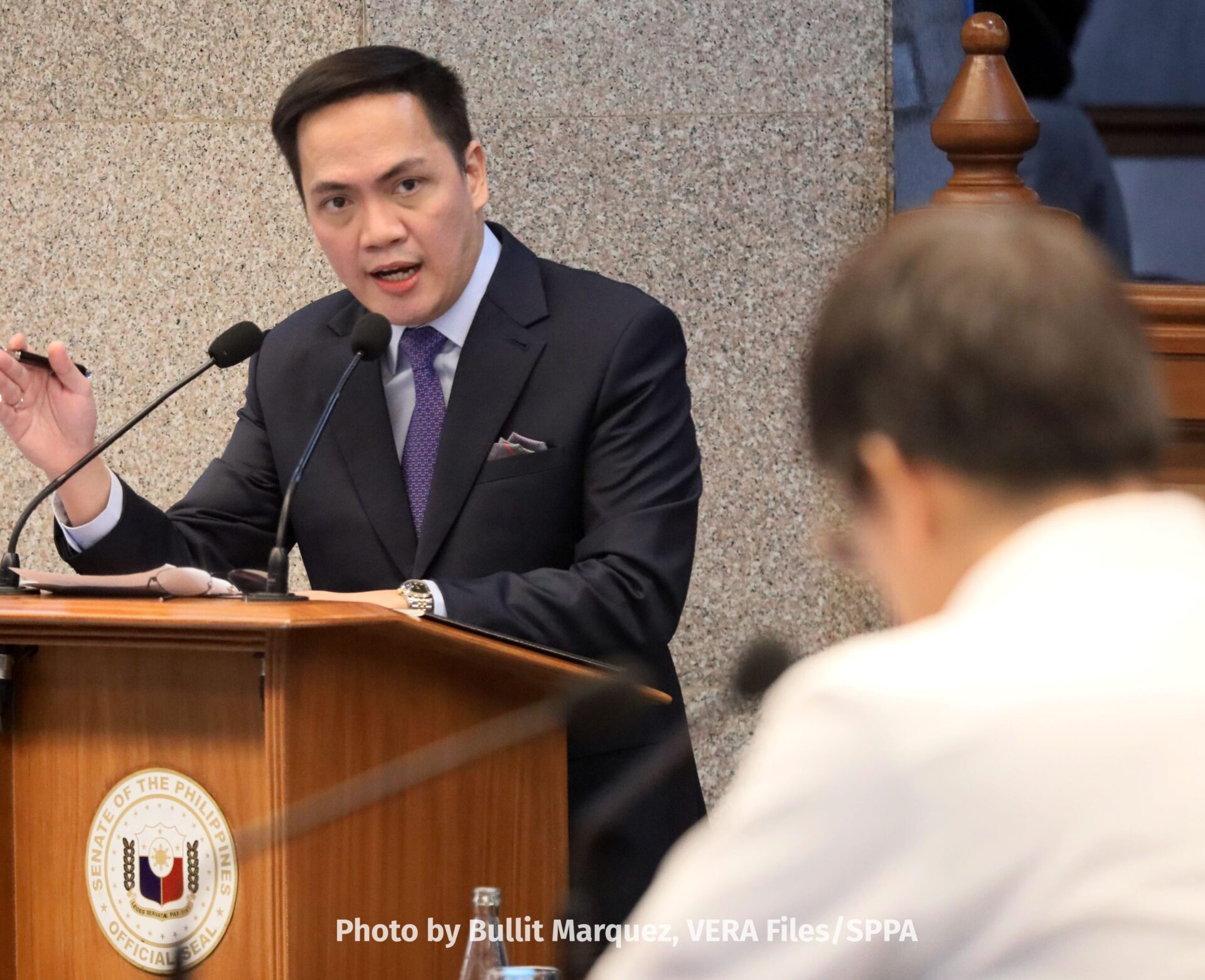
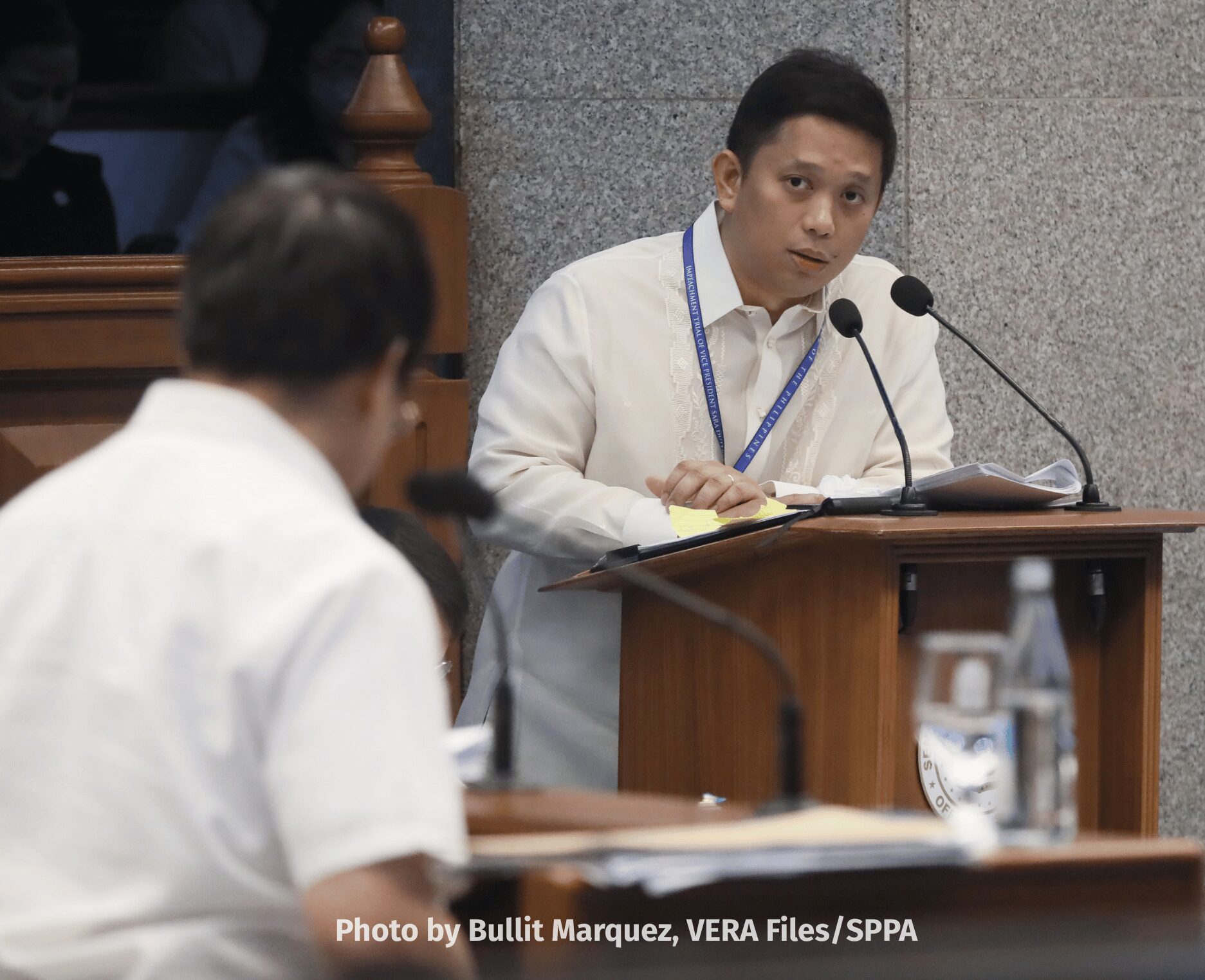
Throughout direct examination, prosecutors built their case around a simple proposition: context, not merely words, made Duterte’s statements criminally significant.
Lotoc testified that investigators examined Duterte’s Oct. 18 and Nov. 23, 2024 online press briefings, her manner of speaking, her deteriorating relationship with President Ferdinand Marcos Jr., and the reactions of government agencies, including the Presidential Communications Office and the Philippine National Police, before concluding that her statements constituted grave threats and inciting to sedition.
Not protected speech
Perhaps his strongest testimony came when he rejected the defense’s argument that Duterte’s remarks were protected speech.
“When the second-highest official of the land openly and publicly uttered that she had already contracted a person to kill the highest official of the land… we fail to see any amount of freedom of speech in those utterances,” Lotoc said.
Then came the warning that seemed directed as much to the country as to the impeachment court.
“Imagine… the anarchy, the disorder and the chaos it would bring to our country.”
For prosecutors, this is the heart of Article IV. They are not asking senator-judges to determine whether an assassination attempt actually occurred. Rather, they argue that a vice president publicly claiming to have contracted someone to kill the president, First Lady Liza Araneta-Marcos and former House speaker Martin Romualdez is itself conduct fundamentally incompatible with public office and therefore a betrayal of public trust.
The defense, however, is pursuing the opposite strategy: exposing every evidentiary gap before Duterte’s own words can be elevated into impeachable conduct.
Lotoc’s testimony also revealed the prosecution’s principal vulnerability.
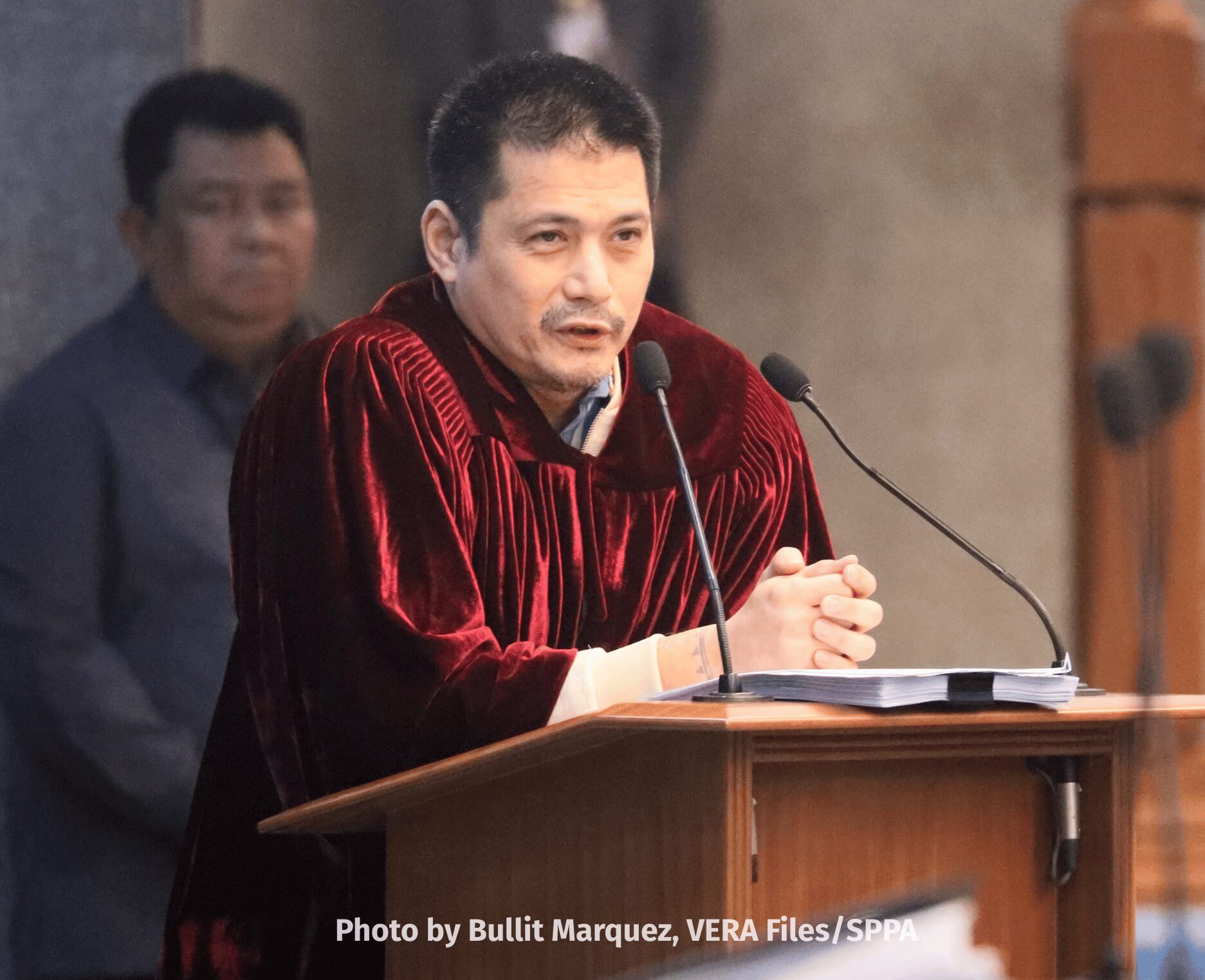
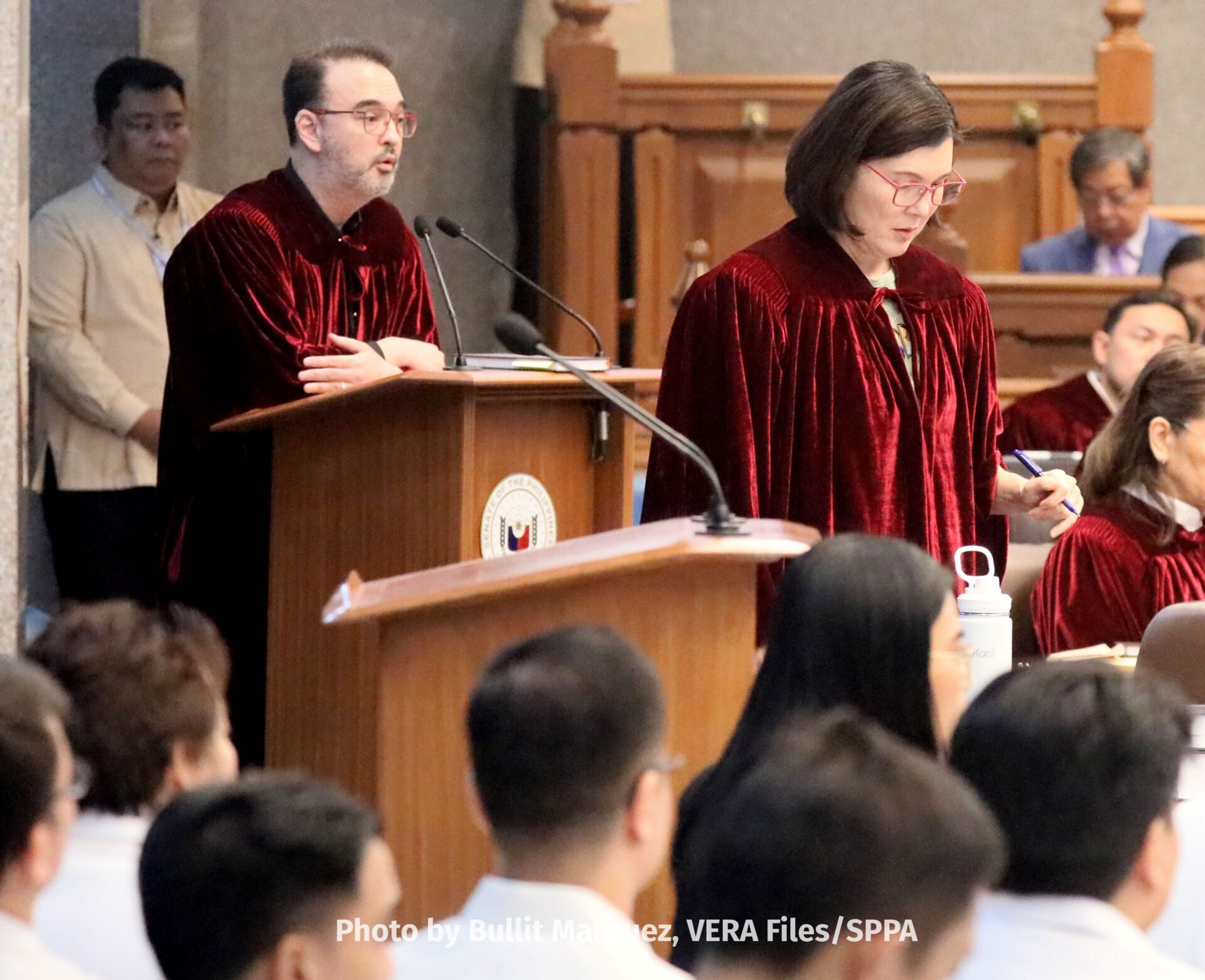
No identity of alleged assassin
Under cross-examination, defense lawyer Mark Vinluan repeatedly returned to one uncomfortable fact: the NBI never identified the supposed hitman Duterte claimed to have contacted.
Lotoc acknowledged as much. “We do believe that the vice president had contracted [someone], but I don’t have personal knowledge.”
Pressed further, he admitted the bureau’s conclusion rested primarily on Duterte’s own statements and admissions.
That exchange crystallized the prosecution’s challenge. Its case depends not on proving an assassination plot actually existed but on persuading senator-judges that Duterte’s own public declarations, viewed in context, are sufficient to establish grave threats and betrayal of public trust.
Legally, that may be enough. Politically, and perhaps constitutionally, it remains an open question.
The defense effectively exploited the absence of corroborating evidence, emphasizing that investigators never identified an alleged assassin, uncovered operational planning or personally verified that any murder plot had been organized.
Still, the defense scored only partial victories.
‘This is not a college debate’
Its repeated focus on typographical errors, clerical inconsistencies and semantic disputes sometimes appeared disconnected from the prosecution’s broader theory. Prosecutors quickly argued afterward that the defense had challenged formatting more vigorously than substance.
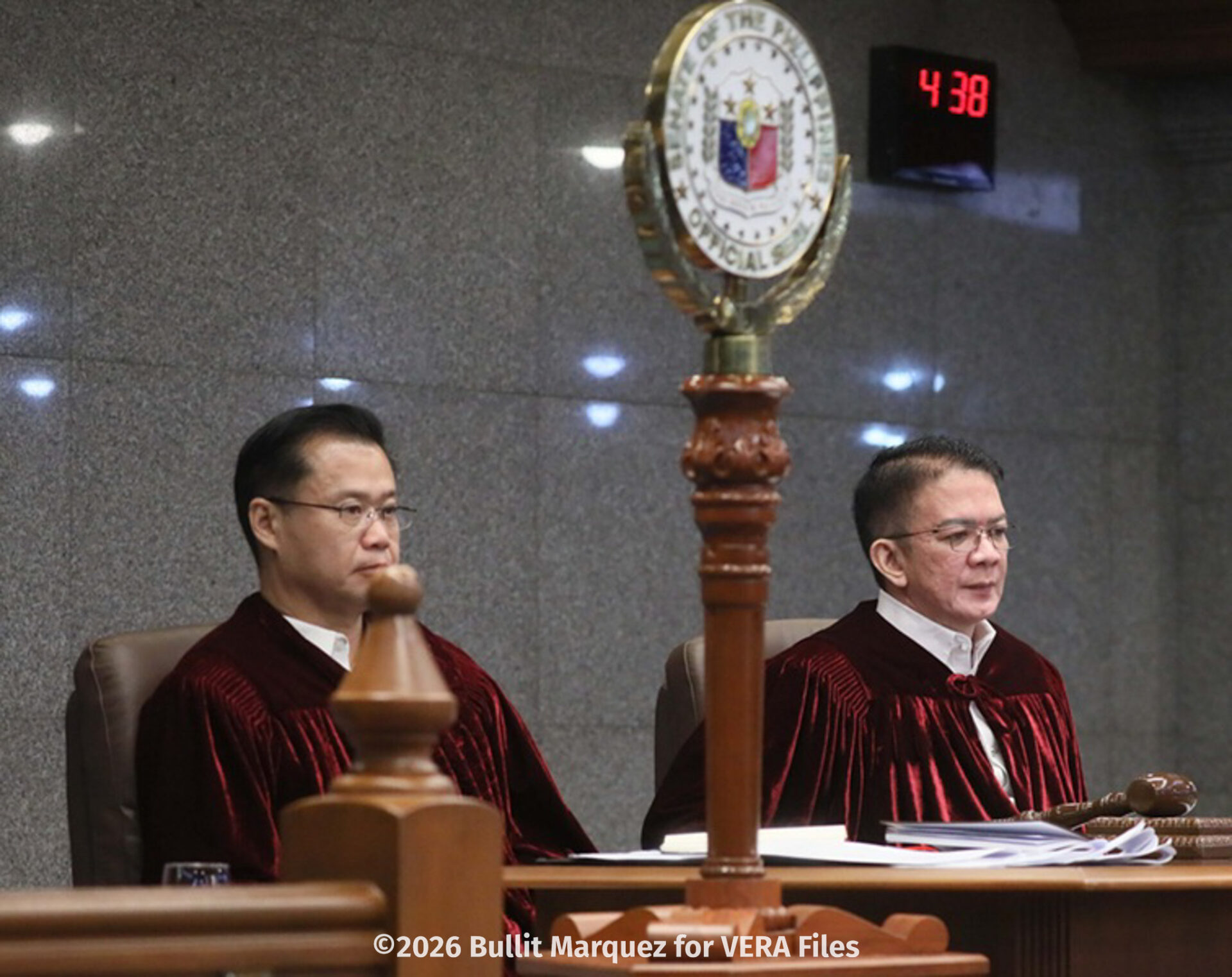
At one point, after counsel repeatedly interrupted one another, presiding officer Francis Escudero stepped in.
“This is not a college debate,” he said.
The rebuke came after Vinluan insisted on a yes-or-no answer while prosecution counsel Amando Ligutan argued that the witness should be allowed to explain. Voices rose. For a moment, the proceedings drifted from constitutional adjudication toward courtroom gamesmanship.
Ironically, some of the week’s most probing exchanges came not from either legal team but from the senator-judges.
Capability to carry out threats
Senate President Sherwin Gatchalian questioned Lotoc’s assertion that Duterte had the capability to carry out the alleged threats simply because she occupied high office.
“Just because you are the vice president doesn’t mean you have the capability to do that,” Gatchalian observed.
Lotoc expanded his answer, citing Duterte’s political influence, her relationship to former president Rodrigo Duterte and the circumstances surrounding the latter’s International Criminal Court case.
Whether senator-judges ultimately find that reasoning persuasive remains uncertain. But Gatchalian’s questioning reflected a Senate beginning to perform its judicial role instead of merely observing competing lawyers.
If Tuesday focused on criminal intent, Wednesday revolved around constitutional boundaries.
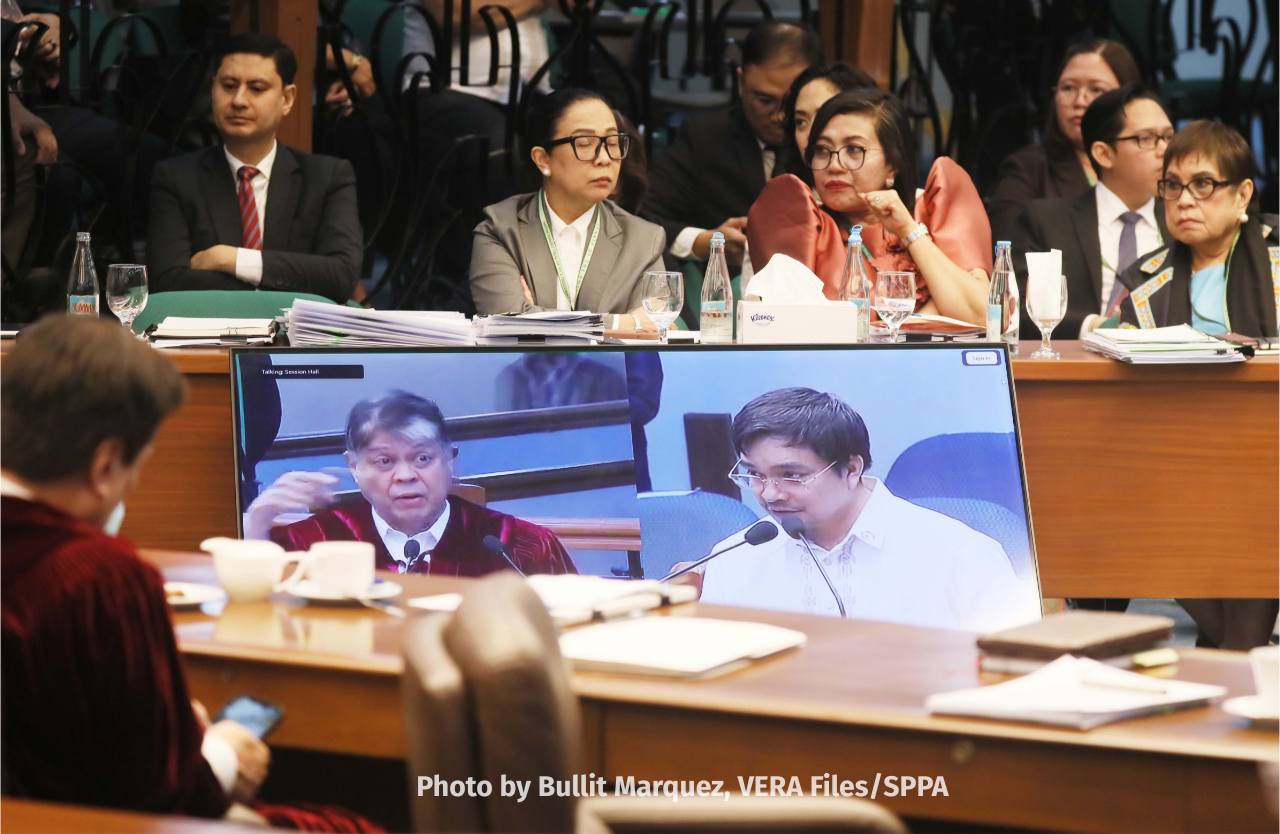
For much of the day, the impeachment court heard oral arguments on the prosecution’s request to subpoena Duterte’s bank records, tax returns and related financial documents, including those of Manases Carpio.
Unlike earlier procedural skirmishes, Wednesday’s debate was notably disciplined. Escudero himself commended both sides for conducting “a calm, mellow, courteous, and respectful discourse.”
‘Fishing expedition’
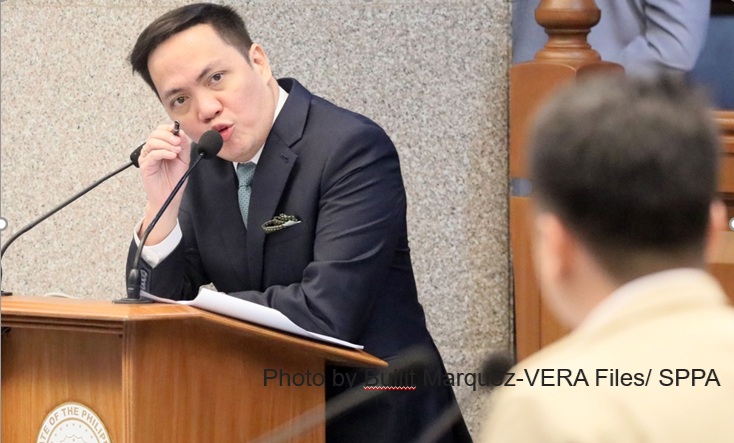
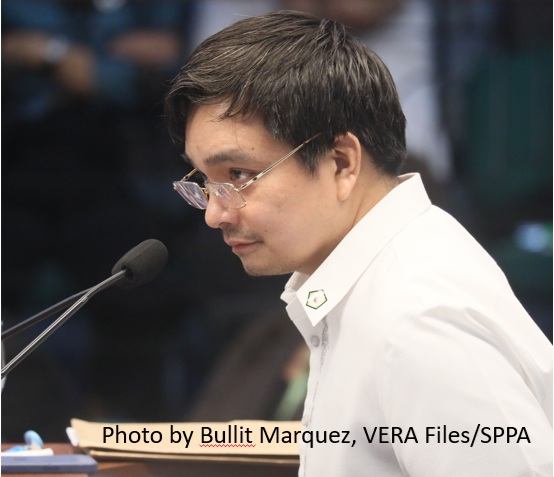
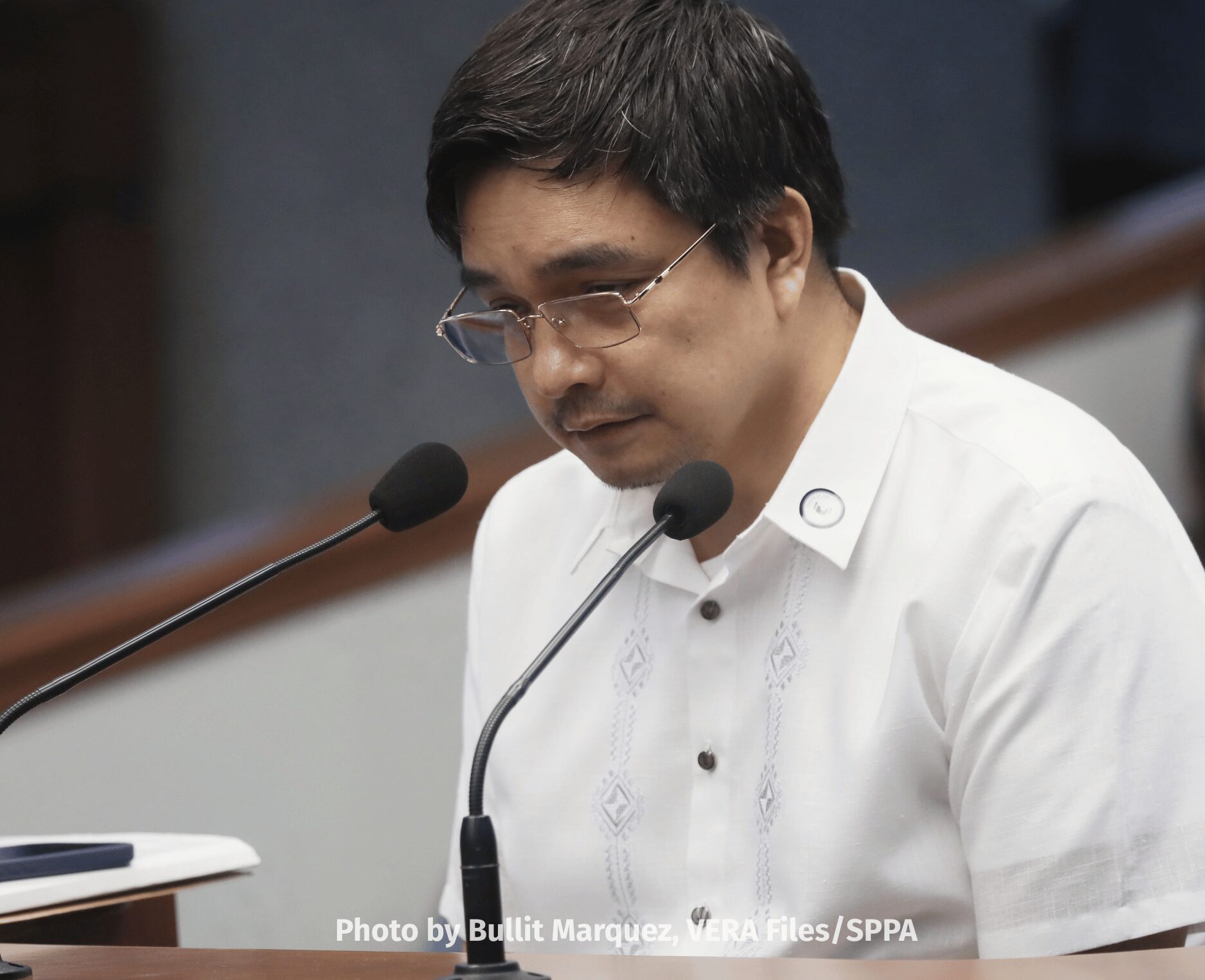
Defense lawyer Michael Poa characterized the subpoenas as an impermissible “fishing expedition.”
“When a subpoena becomes oppressive, unreasonable… it ceases to be an instrument of justice.”
His argument rested on three pillars: due process, statutory confidentiality and relevance.
Prosecutors, he argued, cannot accuse first and search for evidence later. Nor should impeachment become a mechanism for examining nearly two decades of financial records dating back to Duterte’s tenure as Davao City’s vice mayor, a position that was not subject to impeachment.
Perhaps his strongest point was that Manases Carpio remains a private citizen.
“No one is above the law,” Poa acknowledged. “But in the same manner, no one must fall below or be outside the protection of the law.”
‘The truth is not confidential’
House prosecutor Chel Diokno countered with an equally forceful constitutional argument rooted in accountability.
“The prosecution’s request is to expose the whole truth,” he said. “Are we going to open the door of truth, or block it?”
Invoking the impeachment trial of former chief justice Renato Corona, Diokno argued that ordinary rules on bank secrecy cannot shield public officials from constitutional scrutiny.
“The truth is not confidential,” Diokno declared.
Between Poa’s warning against fishing expeditions and Diokno’s appeal to transparency lies the constitutional dilemma now confronting the senator-judges.
The prosecution insists that Duterte’s financial records may illuminate whether she committed betrayal of public trust. The defense counters that impeachment cannot become an unlimited search through decades of personal financial history in hopes of discovering unrelated misconduct.
Neither position is frivolous.
Indeed, Wednesday demonstrated impeachment functioning as it should, not through partisan slogans but through rigorous constitutional debate.
Monday’s vote
Whatever senator-judges decide on Monday will likely shape the remainder of the trial.
Granting the subpoenas would substantially expand the evidentiary record and potentially lengthen the proceedings. Denying them would narrow the prosecution’s case and force it to rely more heavily on testimony already presented.
Either outcome can be defended in law. What cannot be defended is inconsistency.
The impeachment court must articulate a principled standard explaining why the requested evidence is—or is not—necessary to resolve the charges before it. The legitimacy of its ruling will depend less on which side prevails than on whether its reasoning reflects constitutional fidelity rather than political convenience.
There are already discussions about accelerating the proceedings after only one witness testified during the trial’s opening week. As Sen. Panfilo Lacson observed, “Speeding up the trial does not mean compromising the presentation of evidence. It means maximizing the limited time available to us.”
That balance now defines the proceedings. Efficiency cannot come at the expense of thoroughness, just as accountability cannot come at the expense of due process.
The second week marked an important transition. The impeachment court has moved beyond procedural housekeeping into substantive constitutional adjudication.
Jeremy Lotoc gave House prosecutors their clearest opportunity yet to explain why Duterte’s public statements constitute impeachable conduct.
Wednesday’s oral arguments, meanwhile, reminded everyone that impeachment is as much about constitutional process as it is about political accountability.
On Monday, senator-judges will vote on the subpoena motions. Whether they choose transparency, confidentiality or some constitutional middle ground, the decision will reveal not only how they view the evidence but how they understand the Senate’s role as an impeachment court.
The larger question is whether they can demonstrate that constitutional accountability is best served neither by political spectacle nor procedural obstruction, but by a disciplined search for the truth, where evidence, rather than personalities, ultimately carries the day.#