
Week 1 of Vice President Sara Duterte Impeachment Trial
Even before House prosecutors presented their first witness, the opening day of Vice President Sara Duterte’s impeachment trial on Monday became a battle over competing interpretations of the Constitution and other laws, with rival political camps offering conflicting claims that quickly spread on social media.
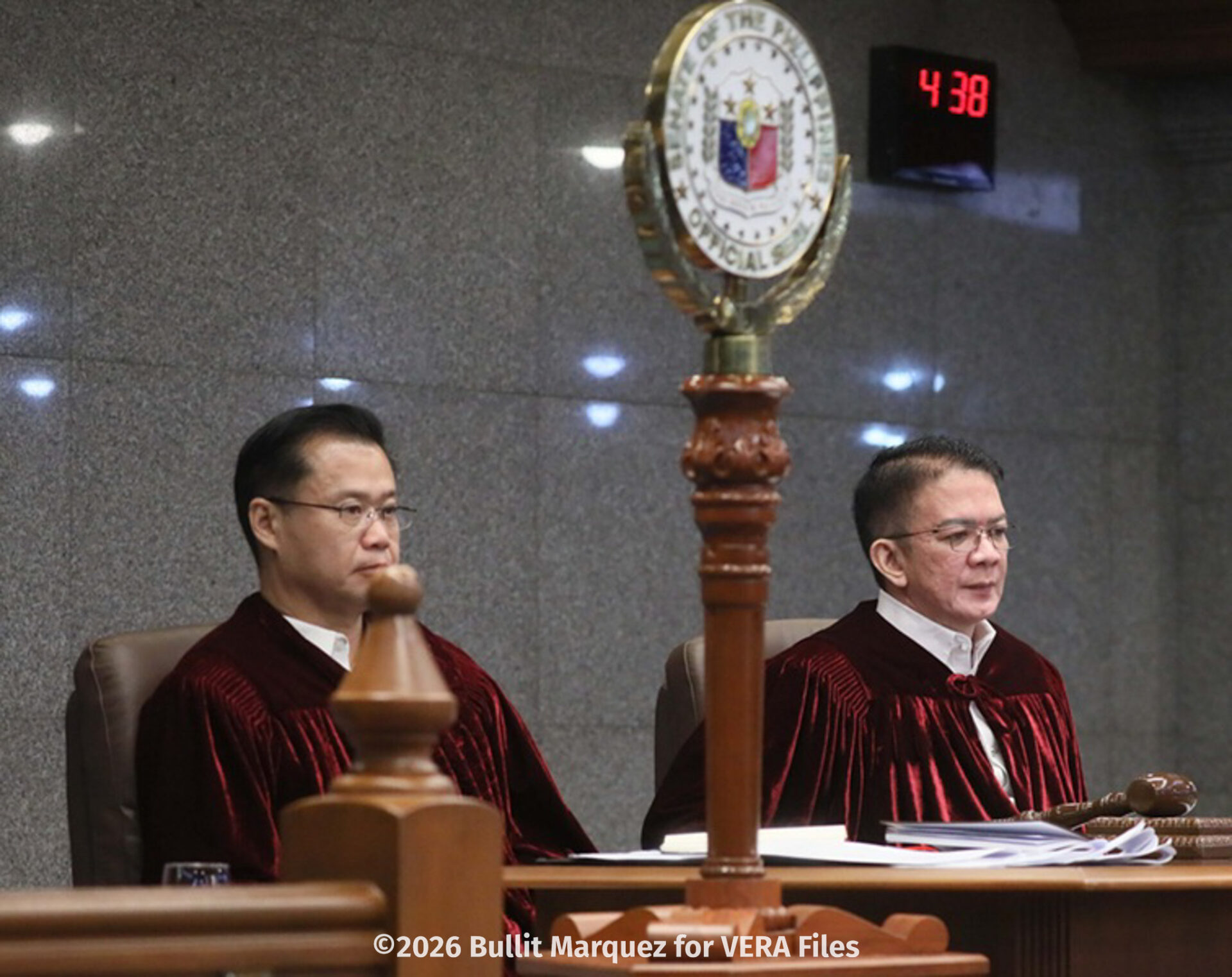
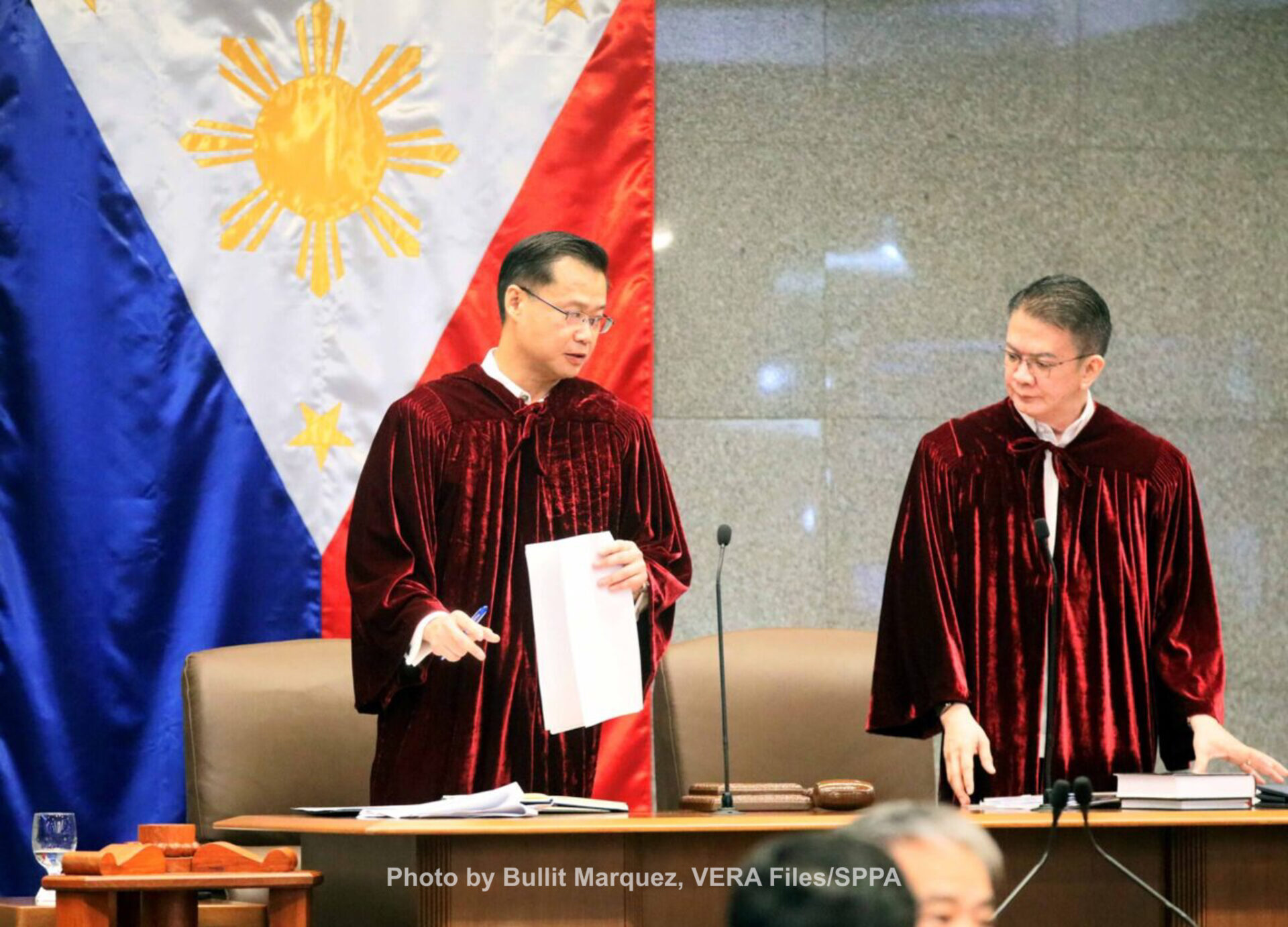
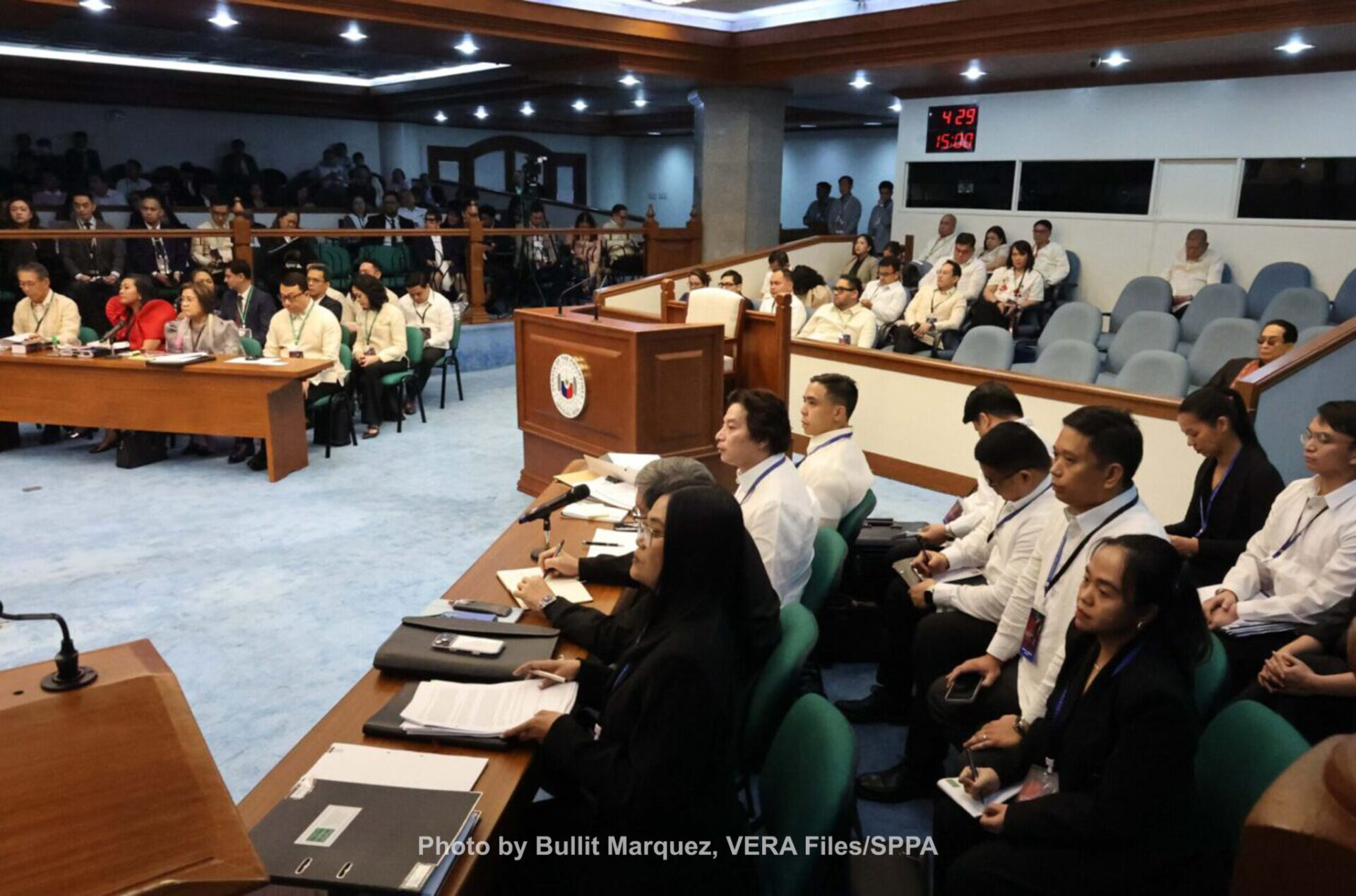
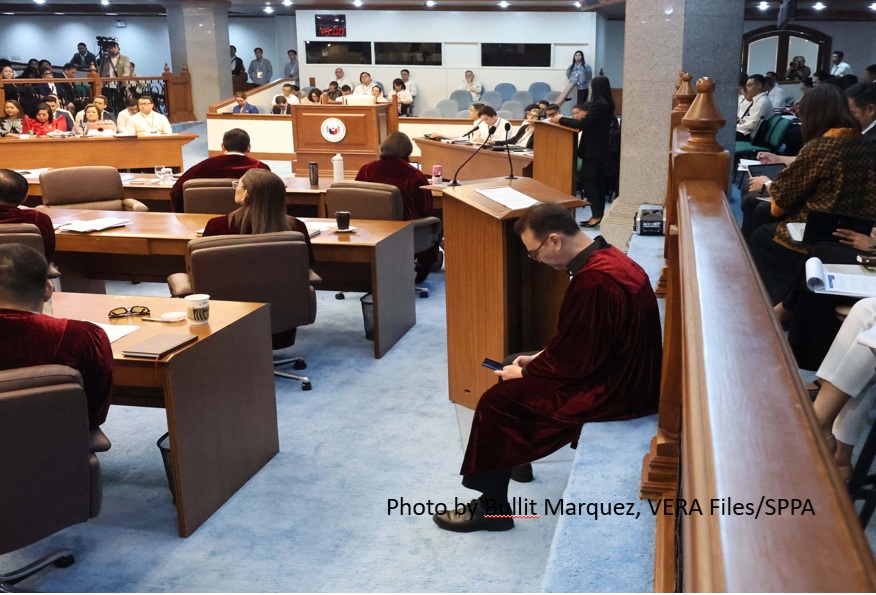
One of the first disputes centered on whether Senate President Sherwin Gatchalian could allow another senator to preside over the impeachment court.
Supporters of Duterte backed objections raised by Sen. Alan Peter Cayetano, who argued that the Constitution requires the Senate president to preside over impeachment trials involving officials other than the president.
“It is very clear in the Constitution of the Philippines that the presiding officer is the Senate president,” Cayetano said as he objected to the election of Sen. Francis “Chiz” Escudero to preside over the trial.
He warned that allowing another senator to preside could cast doubt on the legality of the proceedings and expose any future verdict to constitutional challenge.
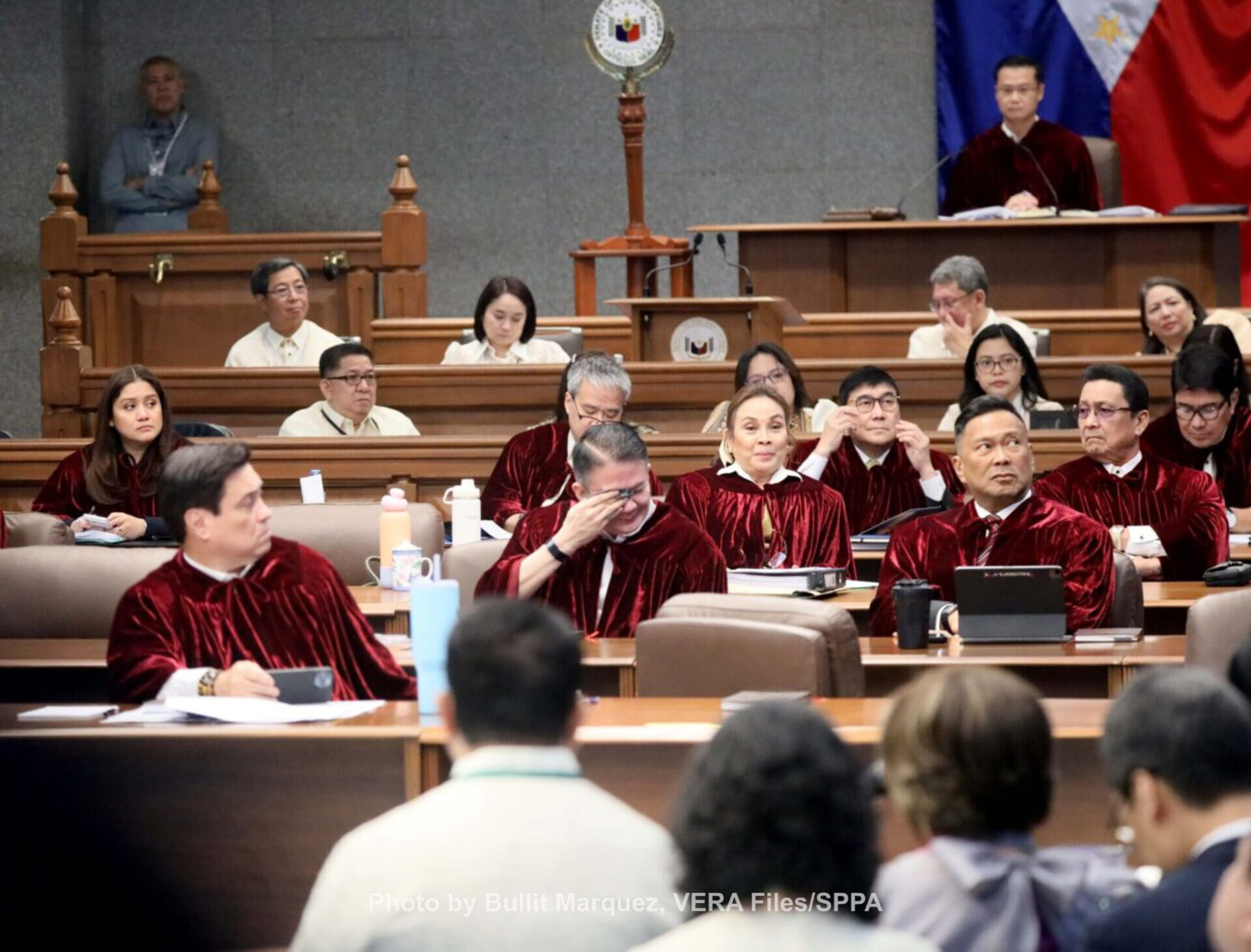
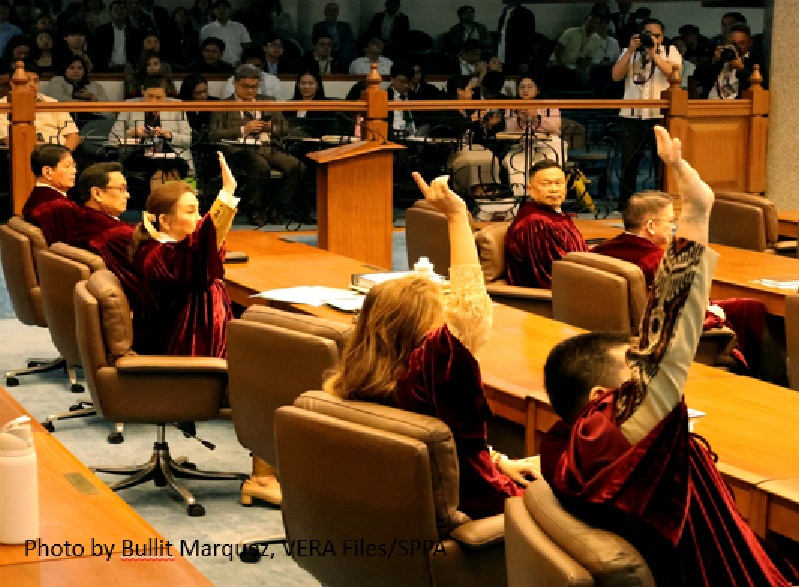
12-8 vote rejects Cayetano objection
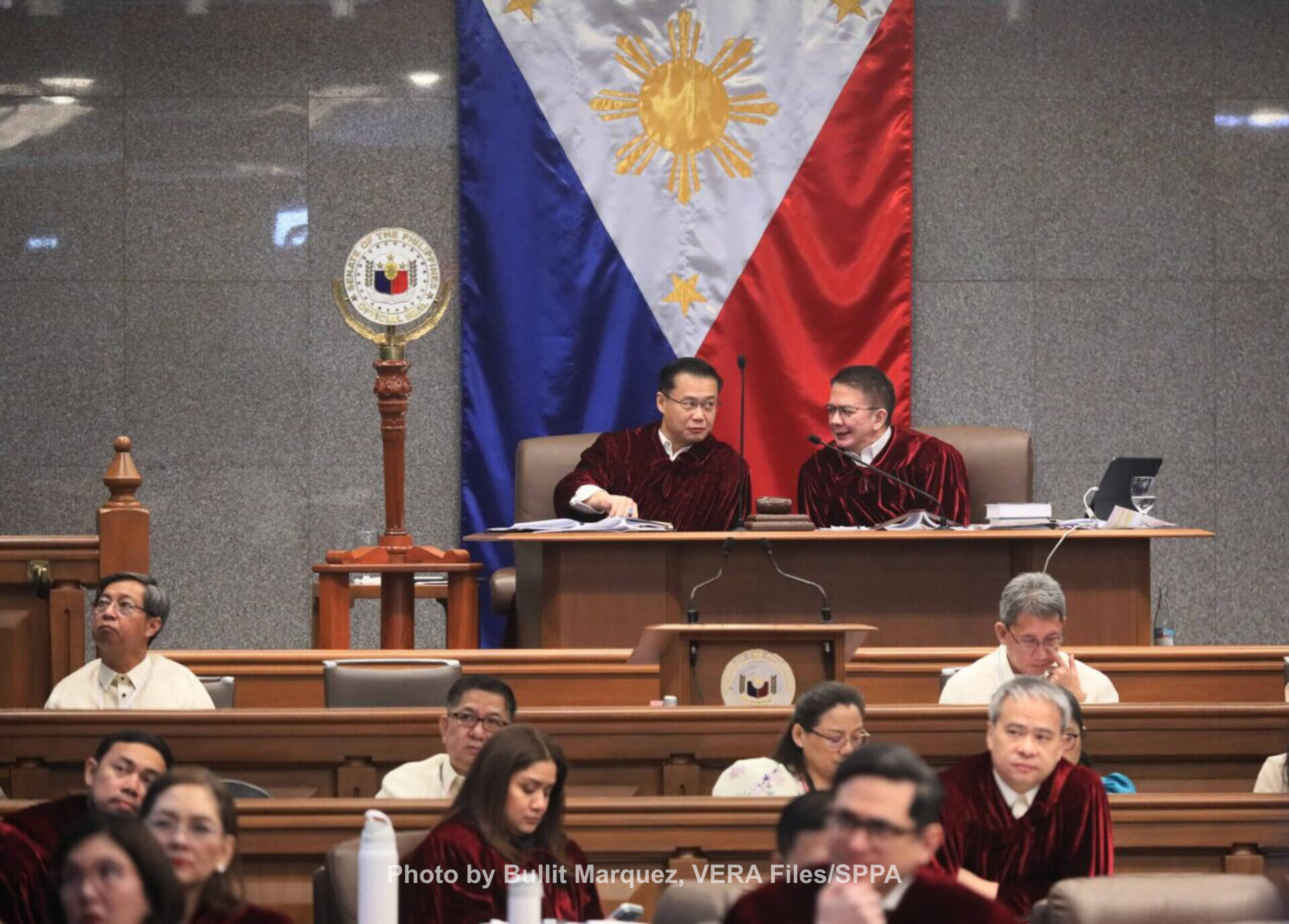
The Senate rejected his objection in a 12-8 vote, electing Escudero under Senate Resolution No. 39, which amended the Senate’s impeachment rules.
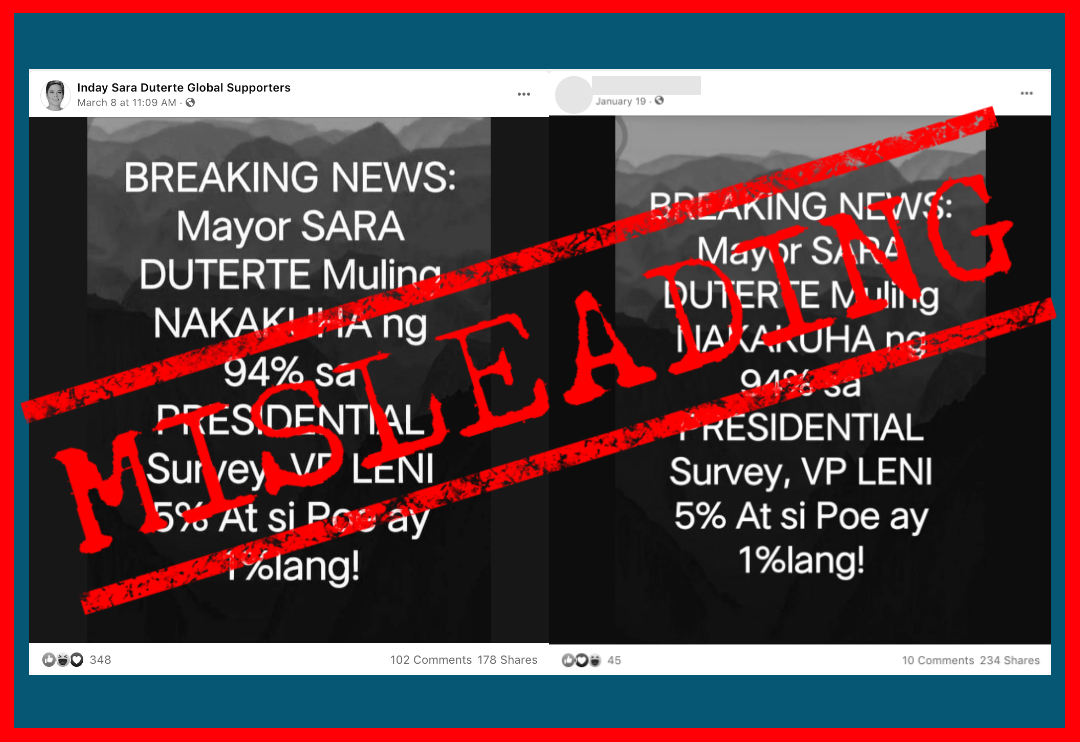
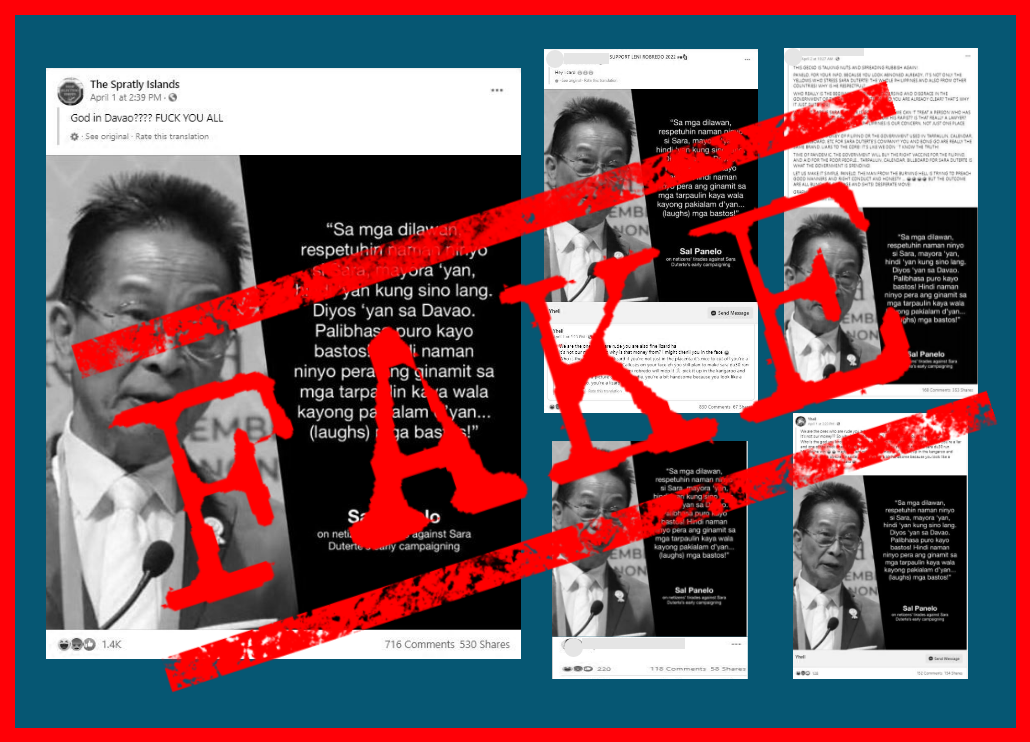
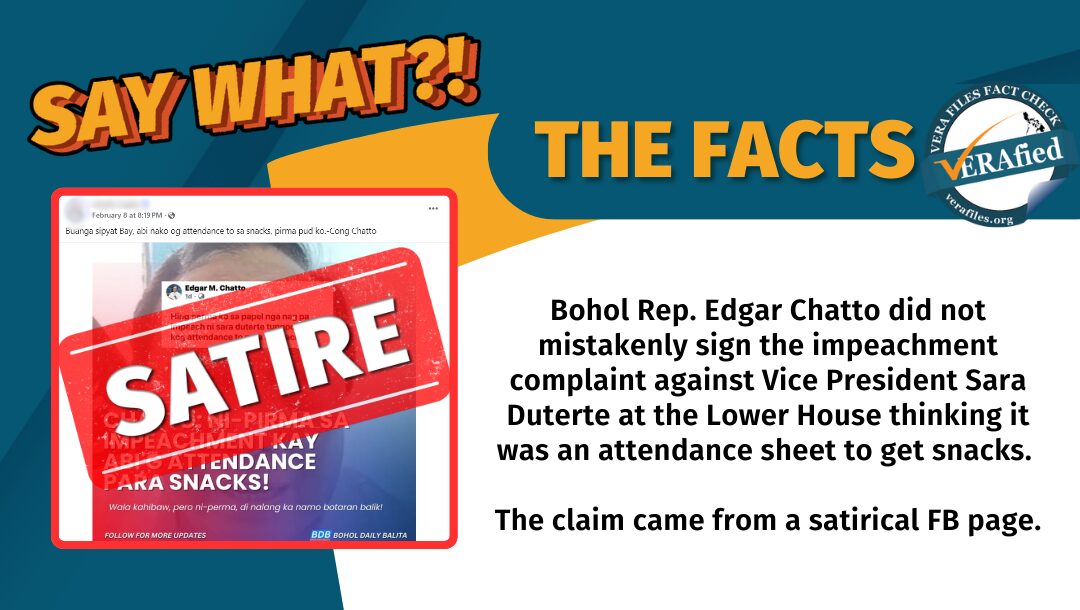
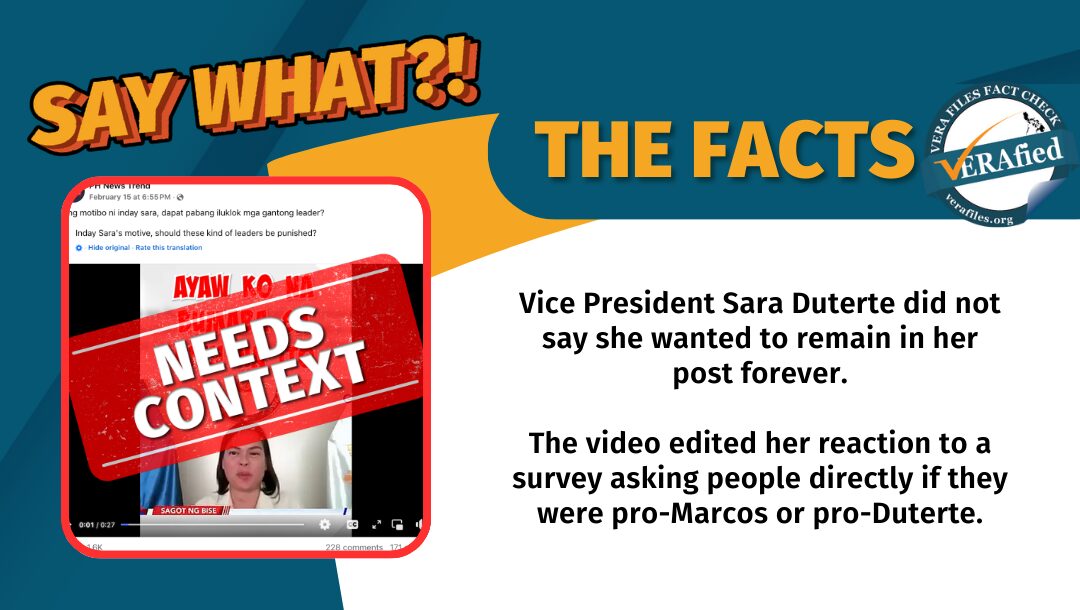
The issue quickly became the subject of conflicting claims online. Some posts described the move as unconstitutional, while others argued that the Senate was simply exercising powers granted by the Constitution.
Sen. Francis Pangilinan defended the amendment, saying the Constitution does not state that the Senate president must preside when the respondent is the vice president or another impeachable official.
Instead, he said the Constitution allows Congress to adopt its own impeachment rules, which the Senate did when it amended the rules on June 3, and affirmed during the special session on June 17.
A reading of Article XI, Section 3 of the Constitution shows that it identifies a presiding officer only when the president is on trial, requiring the Chief Justice to preside. It does not specify who should preside when the vice president or other impeachable officials are being tried.
The Constitution also authorizes Congress to adopt rules governing impeachment proceedings, leaving procedural matters not specifically covered by the Charter to the Senate and the House.
Former Far Eastern University law dean Mel Sta. Maria said in a television interview that the constitutional provision is clear and does not require looking into the debates of the 1986 Constitutional Commission.
In a radio interview, Ateneo de Manila University law professor Howard Calleja likewise said the Constitution names only one mandatory presiding officer—the chief justice in a presidential impeachment—and leaves other procedural matters to Congress.
Gatchalian said assigning Escudero to preside would allow him to continue leading the Senate’s legislative work while placing an experienced lawyer in charge of ruling on objections during the trial.
After taking the gavel, Escudero ruled that conviction would still require at least 16 votes, or two-thirds of all 24 senators, based on Supreme Court jurisprudence. He also reminded both sides that the burden of proving the charges rests entirely on the House prosecutors.
The impeachment court also denied prosecutors’ request to immediately open a sealed box from the Bureau of Internal Revenue, saying the records had not yet been lawfully produced before the court.
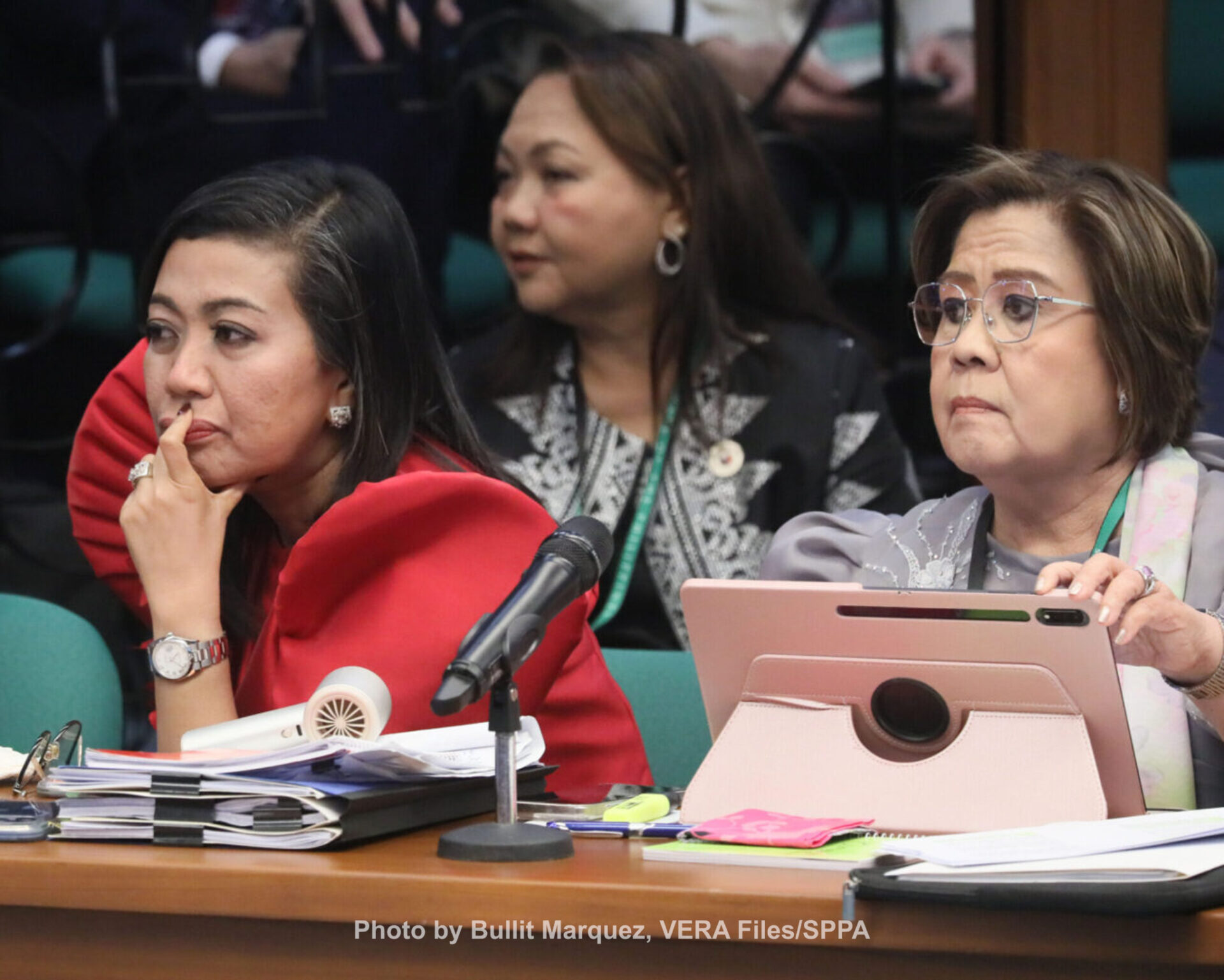
Defense questions House proceedings
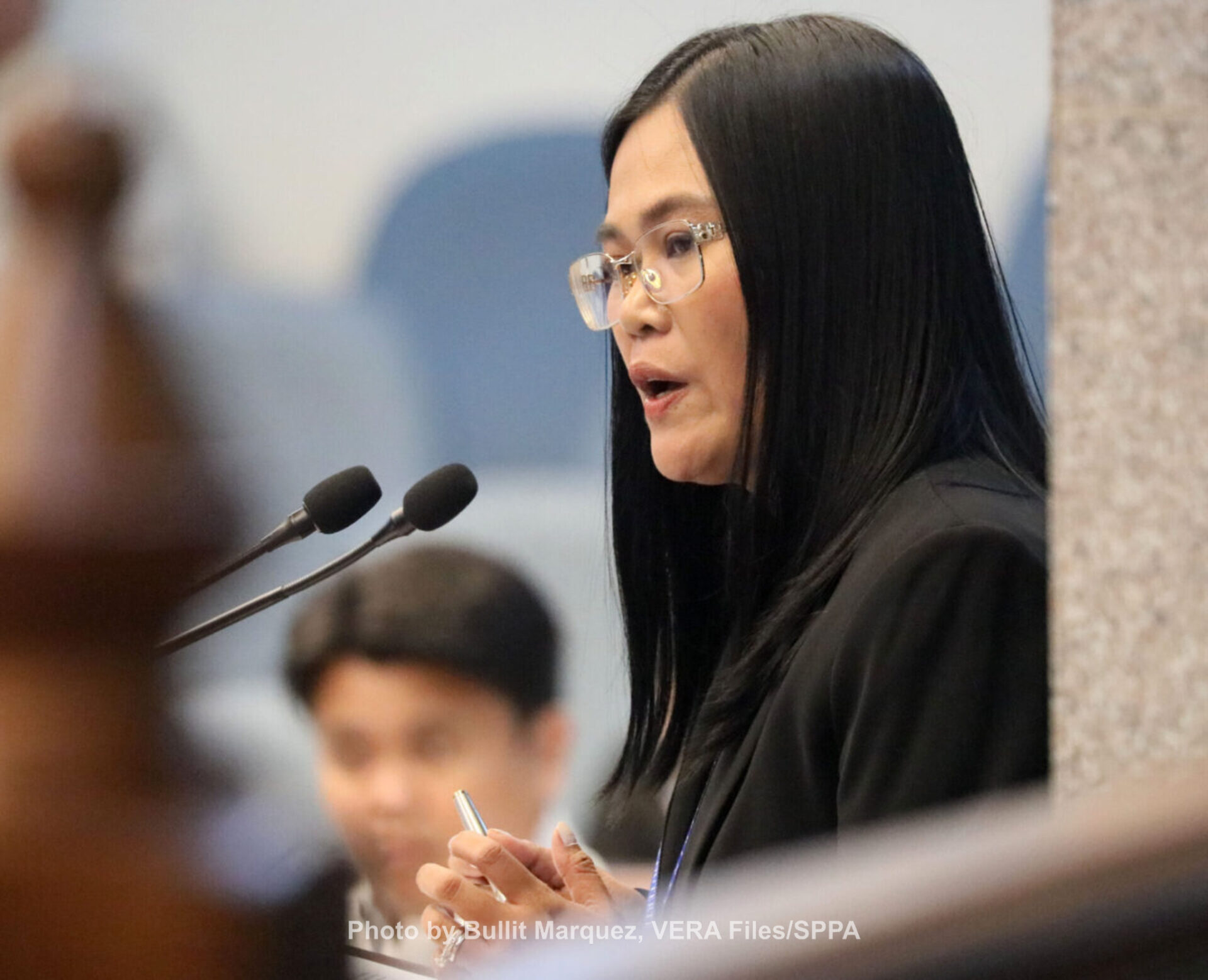
In her opening statement, defense lead counsel Sheila Sison argued that the impeachment case seeks to overturn the will of more than 32 million Filipinos who elected Duterte as vice president.
“The prosecution proposes that we unseat the vice president elected to office by more than 32 million Filipino people,” she said.
Under the Constitution, conviction requires the votes of at least 16 senators. If convicted, Duterte would be removed from office and could also be permanently barred from holding public office.
Sison also accused the House Committee on Justice of conducting what she described as a “mini trial” before the case reached the Senate and of gathering evidence beyond the impeachment complaints.
Dispute over confidential funds
Another issue that produced competing claims involved Duterte’s confidential funds.
Sison argued that the Commission on Audit never found that Duterte misused confidential funds. She said neither the Notice of Disallowance nor COA’s decision affirming it stated that there was misuse of funds, adding that this was confirmed by COA audit officer Gloria Camora during a House hearing.
The defense argued that this shows there was no official finding of criminal wrongdoing.
Previously, House prosecutors pointed to later COA actions that they said raise serious accountability issues.
 COA affirmed its Notice of Disallowance covering P73.28 million in confidential expenses of the Office of the Vice President in late 2022 after denying Duterte’s appeal.
The disallowance covered about P69.78 million in confidential fund rewards and P3.5 million spent on equipment, including computers, printers, tables and chairs.
COA said the expenses failed to comply with documentation and reporting requirements under Joint Circular No. 2015-01. As a result, the amounts were ordered refunded once the ruling became final.
The audit agency did not say Duterte committed a crime or intentionally misused public funds. Instead, it ruled that the expenditures did not meet government auditing requirements.
House prosecutors nevertheless argue that the affirmed disallowance remains an important issue in the impeachment case.
Manila Rep. Joel Chua, one of the prosecutors, also noted that the 2022 disallowance was followed by three more Notices of Disallowance covering the OVP’s confidential funds for the first three quarters of 2023 totaling about P375 million.
“When you have an affirmed disallowance in 2022 followed by three more notices of disallowance in 2023, it is clear that these are not isolated incidents. There is a pattern that needs to be answered,” Chua said.
Legal observers say the two sides are arguing different legal points.
The defense stresses that a COA Notice of Disallowance is not a finding of criminal misuse, graft or corruption. The prosecution, meanwhile, argues that an affirmed disallowance is still an official audit finding that government funds were not properly documented under auditing rules and may support allegations of accountability and breach of public trust.
Whether those audit findings amount to impeachable conduct is one of the questions the Senate impeachment court will decide after hearing the evidence. Legal experts also caution that constitutional provisions, audit rulings and testimony can easily be misunderstood when presented without their full legal context, allowing misleading claims to spread during a highly politicized trial. – With a report from JOHN RANIEL DOCOT