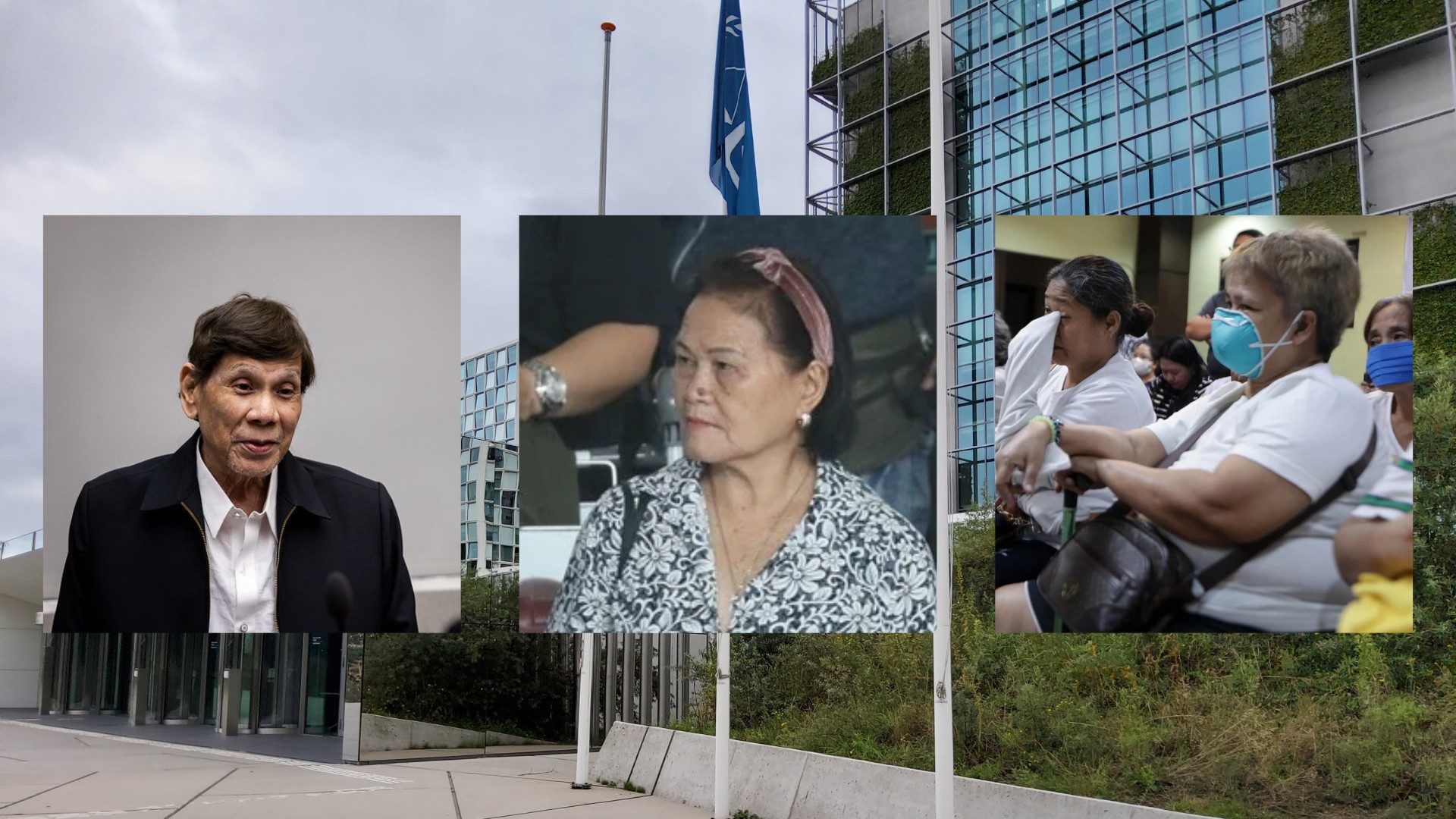
Starting Monday, Nov. 30, victims of former president Rodrigo Duterte’s brutal war on drugs will have a chance to look him in the eye as his trial for crimes against humanity begins at the International Criminal Court in The Hague, Netherlands.
More than 500 victims of Duterte’s drug war have been authorized to participate in the historic trial of the first Asian leader to face trial before the international court, established 24 years ago to end impunity for genocide, crimes against humanity, war crimes and the crime of aggression.
During the confirmation hearings in February 2026, which Duterte did not attend, Joel Butuyan, one of the victims’ legal representatives, expressed their “very deep disappointment.”
“The sight of Mr. Duterte having the charges read to him and being confronted with the grave and horrible charges against him would have constituted a vital component of justice for the victims in these proceedings,” he said.
Trial Chamber III Presiding Judge Joanna Korner has said the 81-year-old accused, who was declared fit to stand trial by an independent panel of experts, is required to be physically present during the proceedings.
Duterte faces three counts of crimes against humanity allegedly committed against the civilian population between November 2011 and March 16, 2019, when the the Philippines withdrew from the ICC. The alleged crimes cover three phases:
Count 1: Murders in and around Davao City during his mayoral term, allegedly carried out by the Davao Death Squad from 2013 to around June 2016.
Count 2: Murders of high-value targets in various locations across the Philippines during his presidency, from around July 2016 to July 2017.
Count 3: Murders and attempted murders during barangay clearance operations under his presidency, from around July 2016 to September 2018.
How many were killed during Duterte’s drug war?
There is no definitive death toll. The Philippine National Police (PNP) acknowledges only 6,252 deaths.
However, its 2017 year-end report, when the Duterte administration measured its anti-drug campaign largely by the number of suspects killed, listed “20,322 deaths from July 1, 2016, to November 27, 2017” under the section “Fighting illegal drugs.”
In an April 2018 resolution directing the PNP to confirm the figures, the Supreme Court noted that this amounted to an average of 39.46 deaths a day.
Duterte’s lawyer, Peter Haynes, said in a Nov. 25 submission to the Chamber that the defense was not disputing the existence of unlawful killings by police during anti-drug operations, or that murders occurred in the Philippines during the period covered by the charges. He also acknowledged that some victims or perpetrators were drug users or pushers.
“Killings undoubtedly occurred, but they were not crimes against humanity,” he said.
Under the Rome Statute, the treaty that established the ICC, murder constitutes a crime against humanity when one or more persons are killed as part of a widespread or systematic attack directed against a civilian population, and the perpetrator knows of the attack.
Schedule of hearings
The opening hearings on Nov. 30 will be divided into four sessions. Manila is seven hours ahead of The Hague.
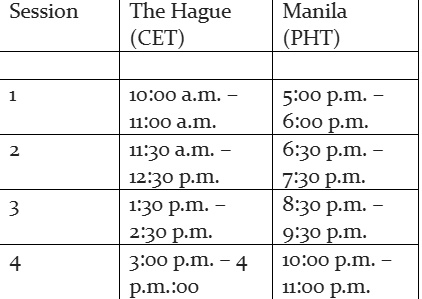
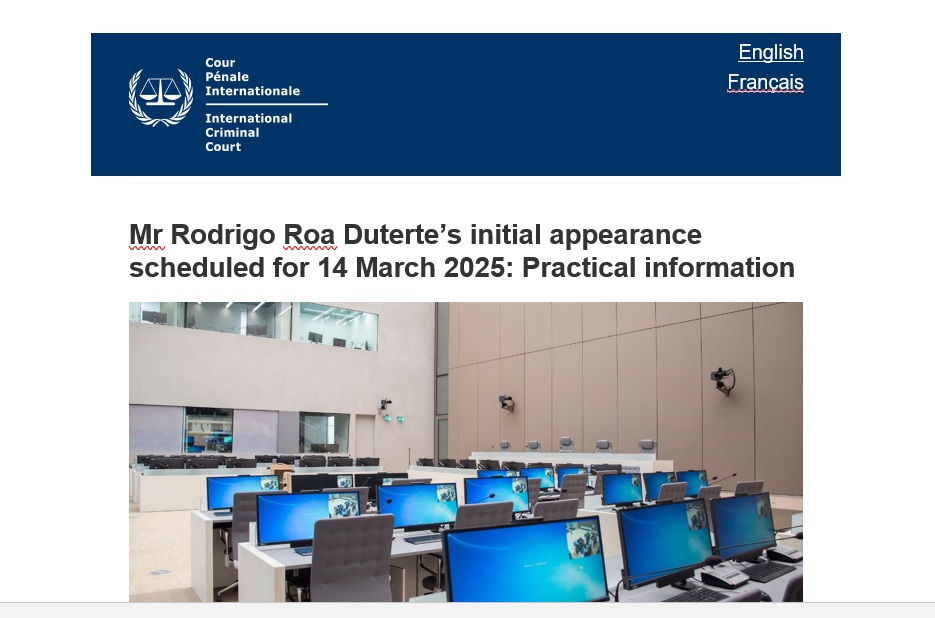
The proceedings will be livestreamed on the ICC website (Courtroom I), as well as on the court’s Facebook and YouTube accounts, with a 30-minute transmission delay.
What to expect in the trial opening
The judges will first establish whether Duterte understands the charges against him and ask whether he admits guilt or pleads not guilty.
The chamber will then hear the opening statements of the parties and participants, with the following time allocations:
-Prosecution: 2 hours and 15 minutes
-Common Legal Representatives of Victims (CLRVs): 1 hour and 30 minutes
-Defense: 1 hour to outline its case
The chamber will then proceed immediately to the testimony of the first prosecution witness.
Hearings are scheduled from Monday to Friday until Dec. 18 and will resume on Jan. 12.
The ICC has not set an expected date for the conclusion of the trial, saying its duration will depend on various factors that may arise during the proceedings.