Part 1
Flash reports on the bombing of Iran by the United States and Israel on Feb. 28 caught me cold that Saturday afternoon. In my mind’s eye, I could picture the devastation even before the initial images appeared on our television in the living room.
I grew up in Tehran, Iran. My family moved there in 1968 when I was 10 years old. For over a decade, we considered the country our second home.
My father was employed by Iran Airlines, which had hired foreigners to work with and train the country’s own nationals to run the state-owned flag carrier. Papa, who worked at Clark Air Base of the U.S. in the Philippines and Air America in Vietnam, was one of the first Filipino recruits.
I lived in Tehran until 1977, when I graduated from high school and returned to Manila to study at the University of the Philippines in Diliman. I remain friends with my former schoolmates at an international school in Tehran who are from Iran, Israel and the U.S., among other nationalities.
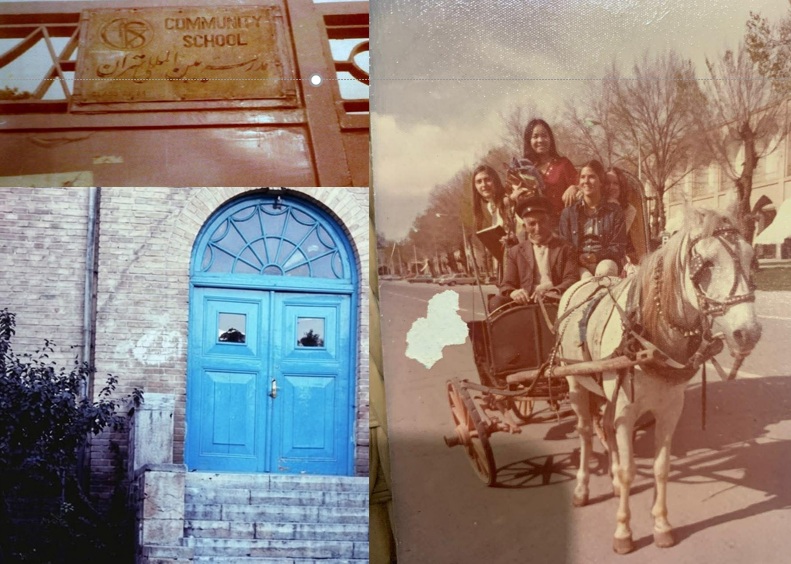
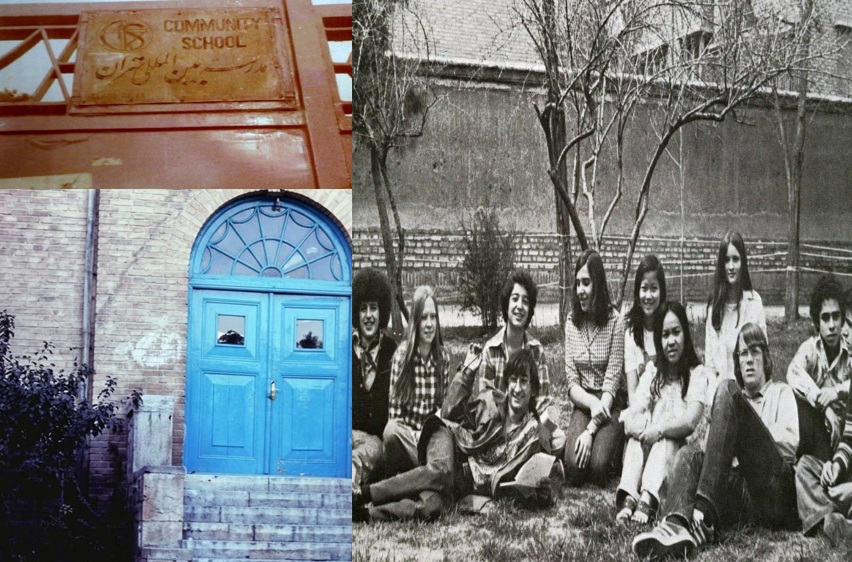
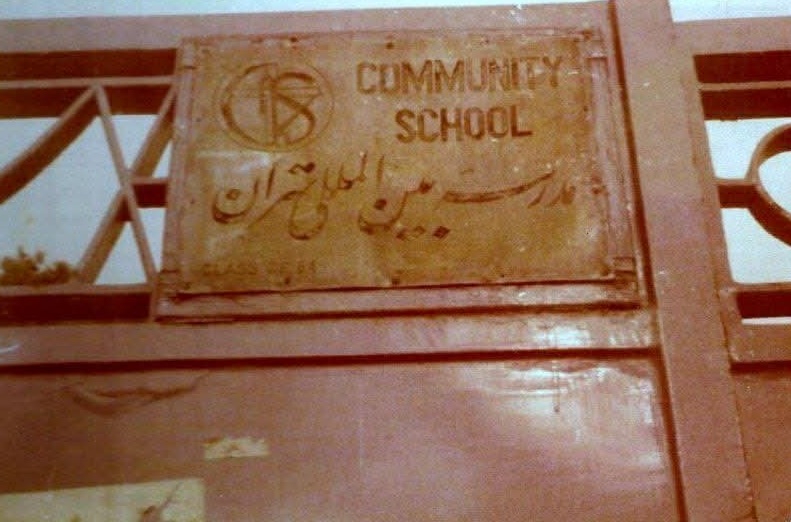
We were an expat family. The company paid for our third floor flat and tuition for us three children who were enrolled at Community School, where teachers were mostly Americans. We travelled for free or at discounted rates as part of my father’s company benefits.
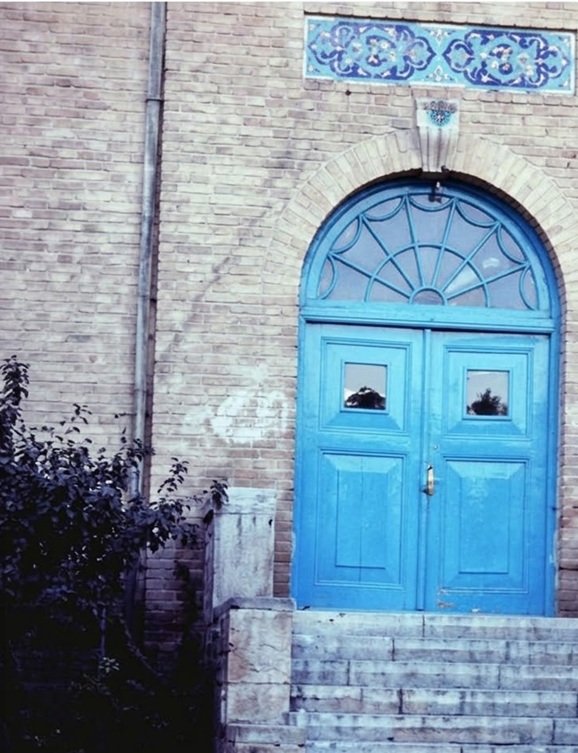
It was a comfortable, carefree life for me that mainly revolved around school and travel to different countries during summer vacations and holidays. We didn’t have a car but had a chauffeur we called Ali Agha (mister), who drove us in his Mercedes Benz. We also had a Russian housekeeper when we were little.
The Filipino community in Tehran was small in the beginning. We all knew each other. Our apartment building, like most of the type in the capital, had a garden with roses and a large water fountain. Fronting the courtyard was the ground floor unit of the family of lawyer and career diplomat now assigned as ambassador to Greeece, Giovanni Palec. His father was my Papa’s longtime friend and colleague in Vietnam and then in Iran Air. Like my sister and I, Giovy and his three siblings also attended Community School.
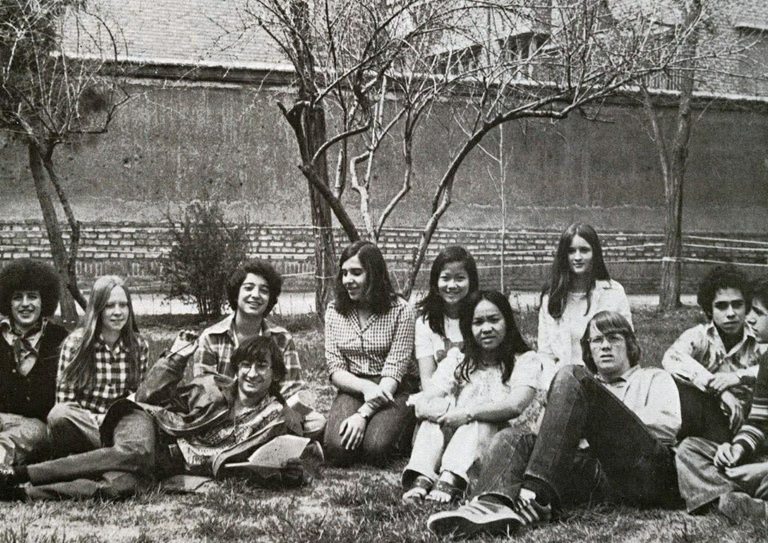
Students in Community School came from different countries whose parents were also expats assigned to Iran (diplomats, country managers and foreign company executives as well as Christian missionaries) or belonged to wealthy, elite Iranian families who could afford the pricey tuition. Many of its graduates were accepted in top universities in the U.S., Canada, Europe and other parts of the world.


A mini-tour of Community School grounds
Later on, I learned that the highly decorated Army Gen. Norman Schwarzkopf, Commander-in-Chief of the U.S. Central Command of Operation Desert Storm in the 1990 Gulf War, was a student at Community School in the 1940s. He led the allied coalition that drove Iraqi forces out of Kuwait which Saddam Hussein had invaded.
U.S. Ambassador to the Philippines Francis Ricciardone
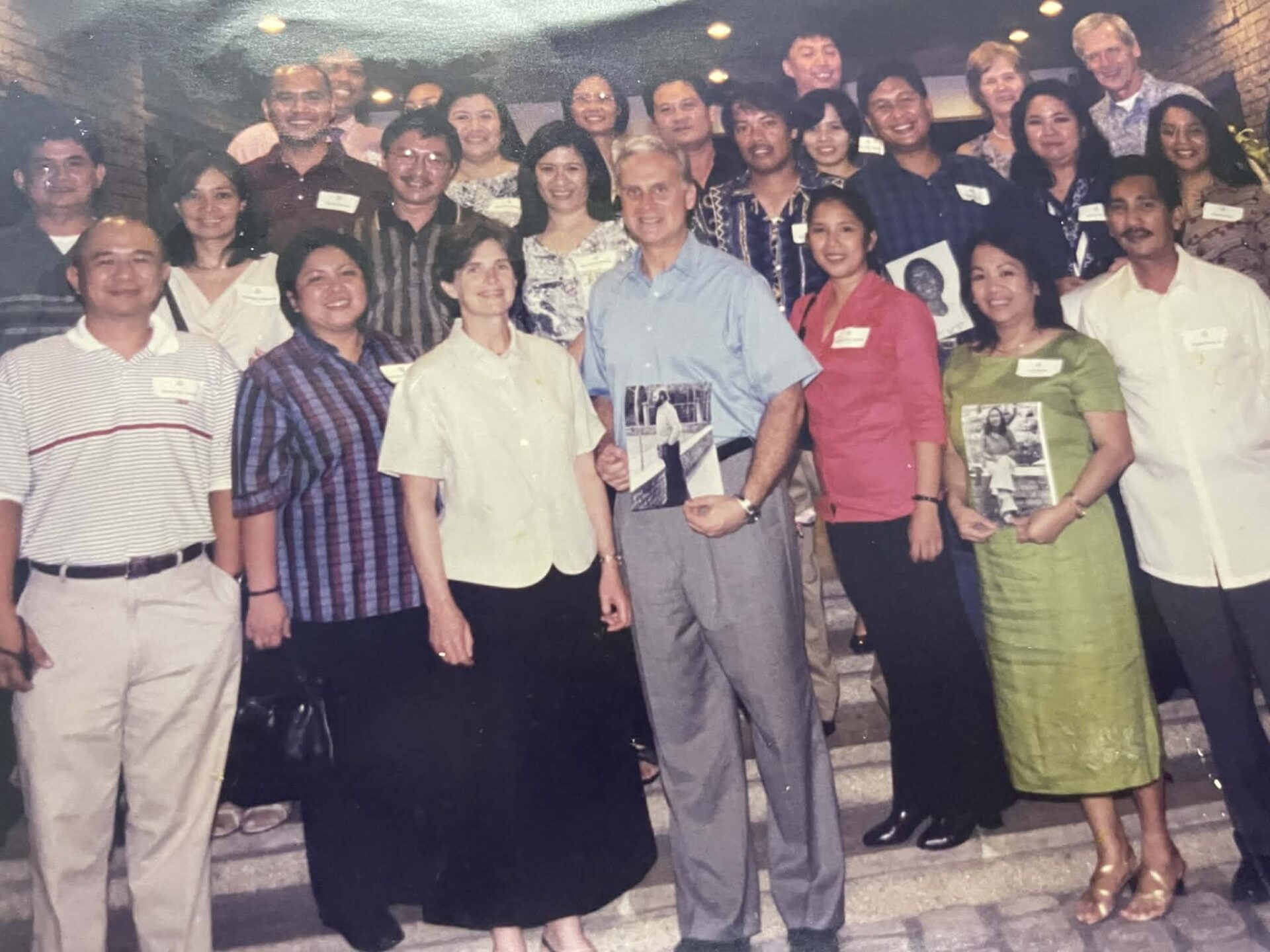
Former U.S. Ambassador to the Philippines Francis Ricciardone was an English teacher at Community School. His wife was our school nurse. The envoy was Giovy’s teacher along with several other Filipinos students. At a welcome reception for Ricciardone, a Middle East expert, when he first arrived in Manila in January 2002, he said we were the first Filipinos he had ever met.
At a reunion the ambassador hosted for us in his residence, Giovy recalled how he and his classmates were reprimanded for plagiarism by Ricciardone on an assignment to write a haiku. He said they all scrambled to the library to copy what they figured was the most obscure poem that had the 17 syllables of a Japanese haiku. They got caught.
At the reunion, Giovy asked his former teacher if he knew all the haikus of the world. Ricciardone smiled and replied, “Just about.” Giovy and his pals never stood a chance.
The former British ambassador to the Philippines, Asif Ahmad, was a classmate of my brother. A nephew of the Shah was also in his class.
Growing up, my friends and I hung out together: watched English movies at Cinema Goldis, plays and concerts at the cultural center of the Iran-America Society; we went skating at the Ice Palace, ate hamburgers at Moby Dick outlets. On weekends, there was hiking in the Alborz Mountains or swimming in the pool at the Thai Embassy in the summer and skiing in Abali or Dizin in the winter.
There were sleepovers, invites to the vacation homes of classmates along the Caspian Sea, school field trips to Isfahan, Persepolis and other key cities of what was the great Persian Empire of a bygone era.
We jumped over bonfires before Nowruz, the Iranian new year, believed to cleanse the body of bad luck and bring good health and happiness, celebrated the Eid al-Fitr at the end of Ramadan, the one-month fasting and prayers of Muslims.
It was in the home of my junior high best friend, daughter of a consul at the American Embassy, that I first learned that avocados could be an ingredient in a vegetable salad. Like all Filipinos, I was used to eating avocados mixed with sugar and milk.
In the home of another classmate, I had my first orange juice squeezed from the actual fruit and not from powder in a jar like we had in our house.
This was the Iran I knew: peaceful, fun and free, tolerant of diversity, exotic and cultured, modern and traditional all at the same time.
The Shahanshah’s reign
It was years later that I realized that we had lived in a bubble. Sheltered and oblivious to what was happening outside the thick walls of the closed campus, basically confined to Tehran’s expat community, and moving within the privileged lifestyle of Iran’s highly educated, English-speaking elite.
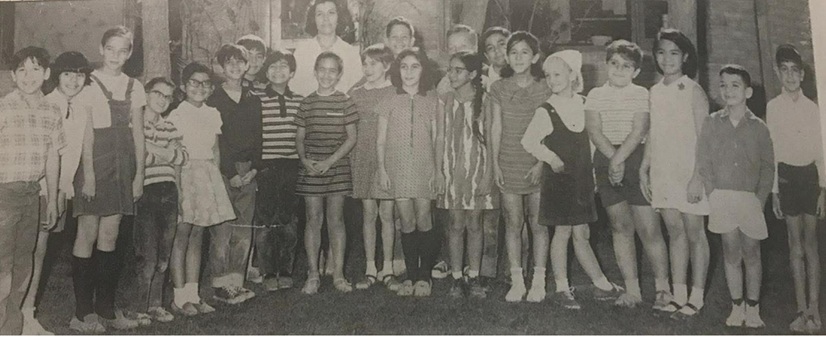
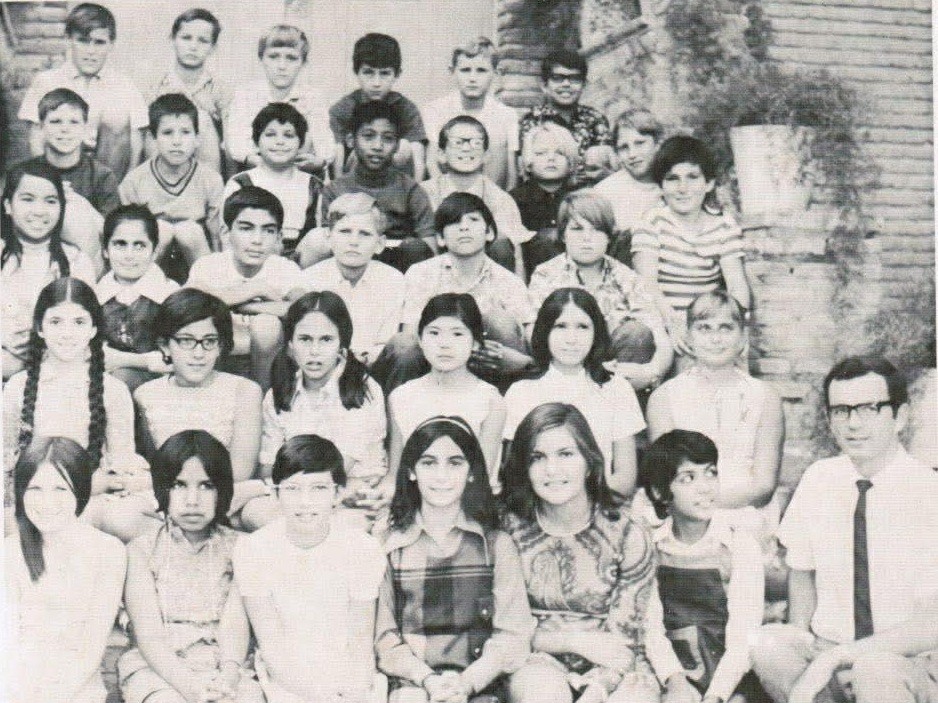
Little did we know that a political storm was brewing that would soon disrupt our world, turn it upside down, and banish our Iranian friends from their homeland.
We were under the reign of the Shahanshah Mohammed Reza Pahlavi, Iran’s last king who left Tehran with his family at the peak of the 1978-79 revolution to go on self-exile. Tehran was then a bustling city that reflected the Shah’s efforts to modernize the nation.
It is no secret that Pahlavi was restored to power in a 1953 coup d’etat staged by the U.S. and Great Britain to stave off moves to nationalize the country’s oil industry that was dominated by the British-controlled Anglo-Iranian Oil Company. Pahlavi had taken over his father, Reza Shah, who started their dynasty in 1925 but abdicated in 1941 after the Anglo-Soviet invasion of Iran during World War II.
The younger Pahlavi was forced to briefly leave Iran in the face of protests and political pressure after he tried – and failed – to remove the widely popular Prime Minister Mohammad Mossadegh and his nationalist policies. The British and U.S. intelligence services then launched Operation Ajax, a covert plot that toppled Mossadegh and placed the Shah back in his palace with Western backing.
Of course, I knew none of this in my happy-go-lucky world then.
In 1967, Mohammed Reza Pahlavi crowned himself as the Shahanshah, the King of Kings. His third and last wife, Faribah Diba, ascended to become the Shabanu or Empress. In time, their eldest son, then seven-year-old Crown Prince Reza Pahlavi, was to inherit the Peacock Throne from his father.
My parents, especially my mother, was impressed by the pomp and pageantry of the monarchy. I remember her gushing when she brought us to the museum to gawk at the crown jewels that rivaled those of the British royal family.
But the Shah was an absolute ruler who implemented economic, social and political reforms in what was called the White Revolution intended to modernize (read Westernize) and industrialize his country – and strengthen the monarchy. Notably, the reforms granted Iranian women the right to vote, run for public office, afford greater access to education and employment, and encouraged them to shed their hijab (head scarf) and chador (a cloak, usually black, covering the body from head to toe).
Although many still wore their hijabs and chadors even in the more progressive capital, we – Iranians and foreigners both – never did, mindless of the disapproving stares from conservative locals.
Somewhere in the blurry background of my teenage years, I would hear vague stories about Mossadegh and Ayatollah Ruhollah Khomeini who were said to have both been thrown out of Iran for opposing the Shah. Adults whispered about the supposedly dreaded SAVAK, the Shah’s powerful and brutal secret police.
In time, I began to see what I learned were protest messages scrawled on public walls in Persian script that I could not read and never really paid mind to. It was not part of my reality.
The White Revolution
As it turned out, many Iranians disapproved of the White Revolution. They felt the Shah was abandoning national traditions, destroying Islamic values, and making the country too dependent on the West and its values. Land reform was not working (farmers were given small plots, lacked water, tools, and access to credit), forcing people in rural areas to move to the cities. Poverty increased as wealth and development benefited only the urban elites. On the political front, opposition parties were restricted as activists and religious figures were sent to prison or into exile.
Imelda Marcos at the extravagant bash in Persepolis
Opposition and anger at the Shah grew even stronger in 1971 when he hosted a four-day festival to celebrate the 2,500th anniversary of the founding of the Persian Empire by Cyrus the Great estimated to have cost up to $10 million. Some 1,200 kings, queens and other royals, heads of state, and government leaders from all over the world, including then first lady Imelda Marcos, attended the five-and-a-half-hour banquet held at a tent city with luxurious accommodations built near the archaeological ruins of Persepolis.
I remember my mother led preparations for a welcome ceremony held by the Filipino community in Tehran for Marcos when she arrived for the festival. Mama even had clueless me recite a poem or welcome remarks for the occasion.
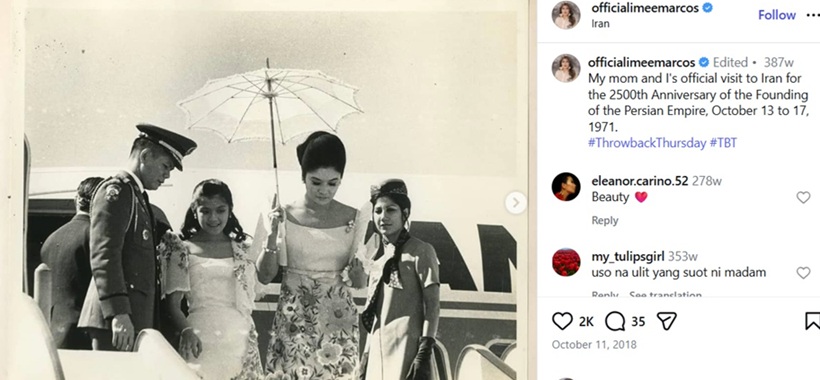
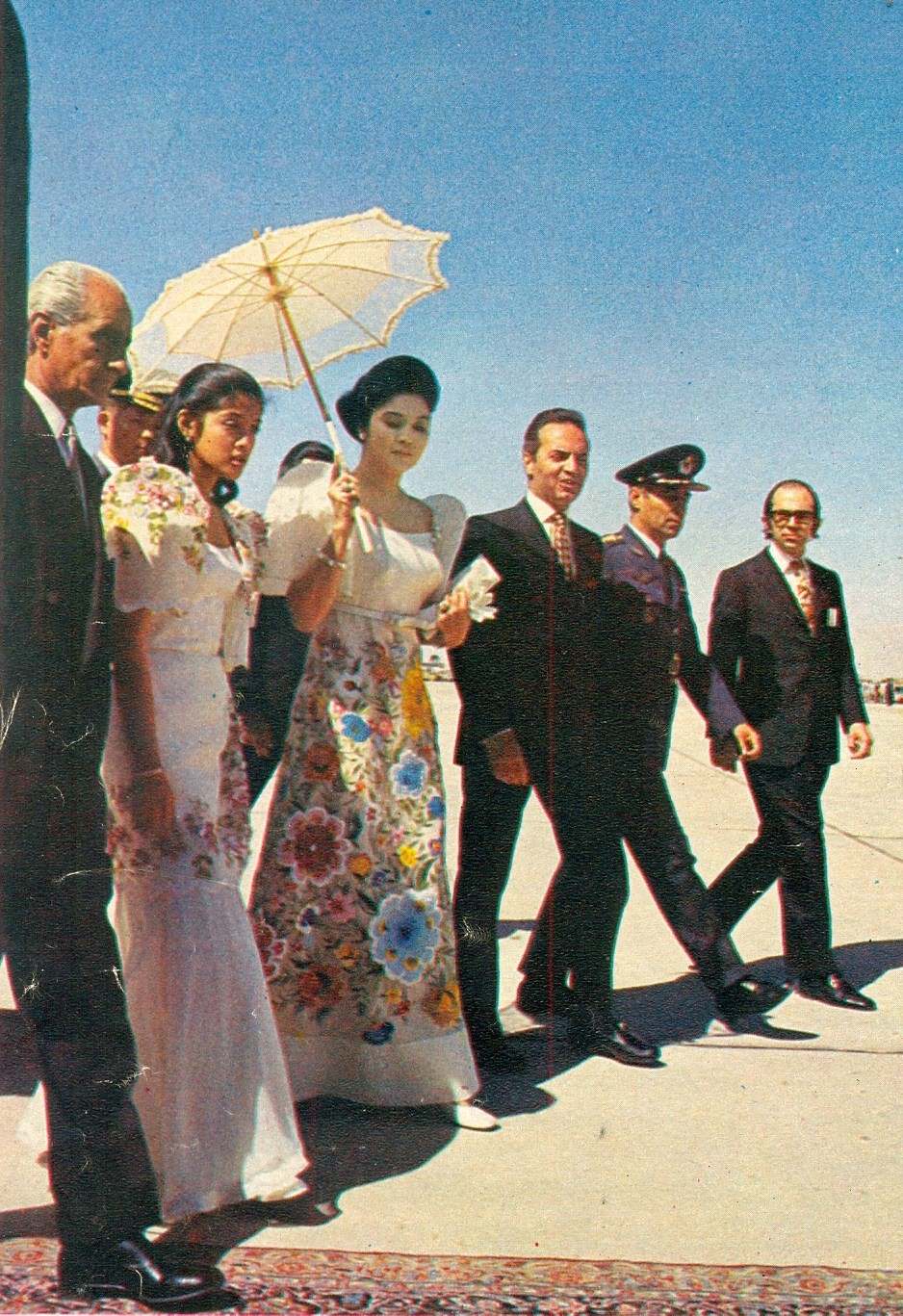
Furious Iranians regarded the festival, which included military parades depicting Persian history and the inauguration of the iconic Shahyad (Memorial to the Shah in Farsi, renamed Azadi Tower), as excessively extravagant, elitist, and ignored social realities in the country. These growing grievances fueled the mass protests that eventually overthrew Pahlavi and ended the monarchy. (More in Part 2 . Click here)