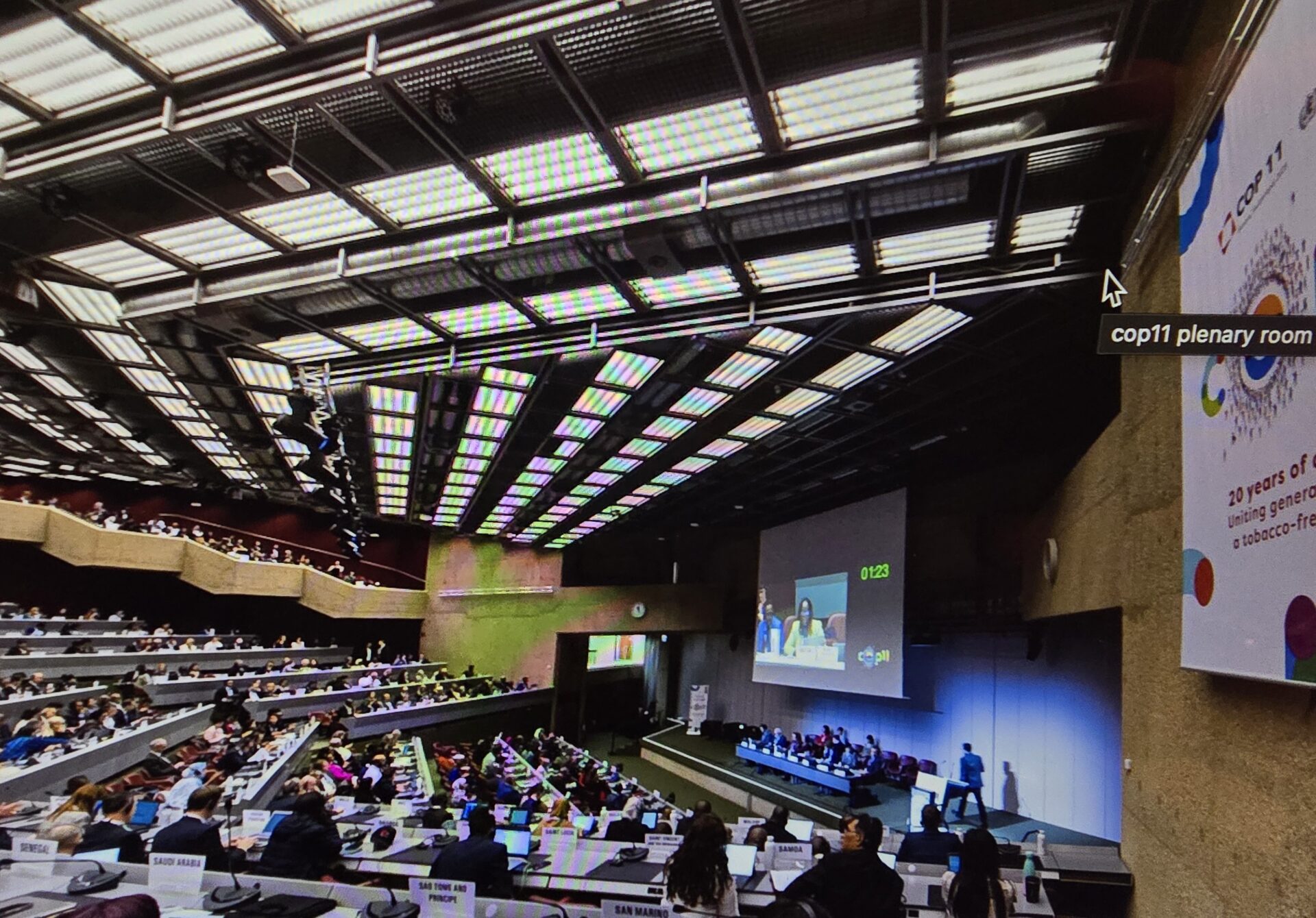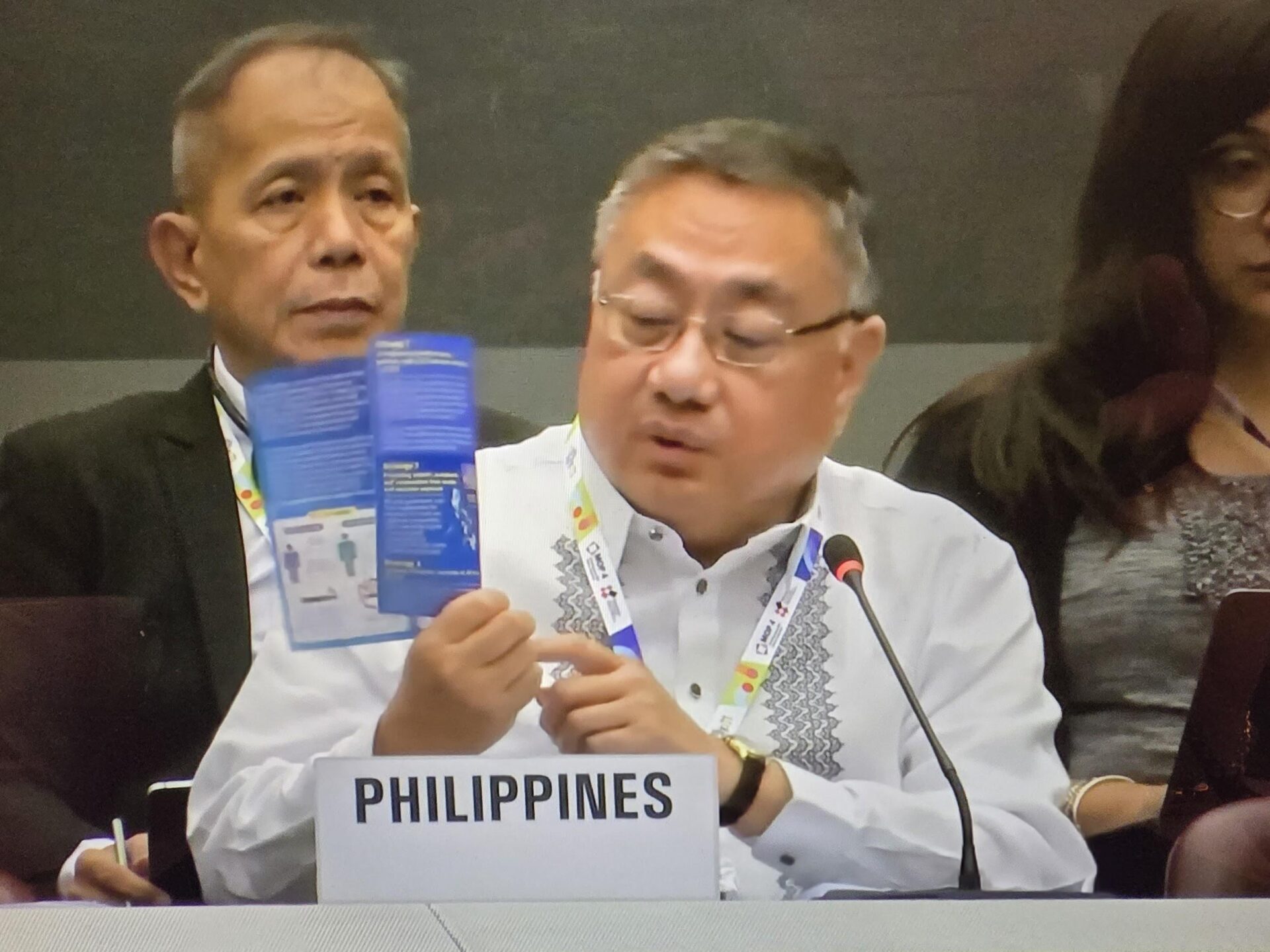
GENEVA, Switzerland — The Philippine delegation to the 11th Conference of Parties to the World Health Organization-Framework Convention on Tobacco Control declared Monday its “unwavering commitment” to the global public health treaty aimed at fighting the harms of tobacco use and nicotine addiction.
During the general debate on Agenda 3 of the Convention, Ambassador Carlos Sorreta, head of the delegation, said the Philippines is committed to “continue to pursue comprehensive measures to reduce tobacco use and protect public health” through a combination of regulation, fiscal policy and public health interventions.
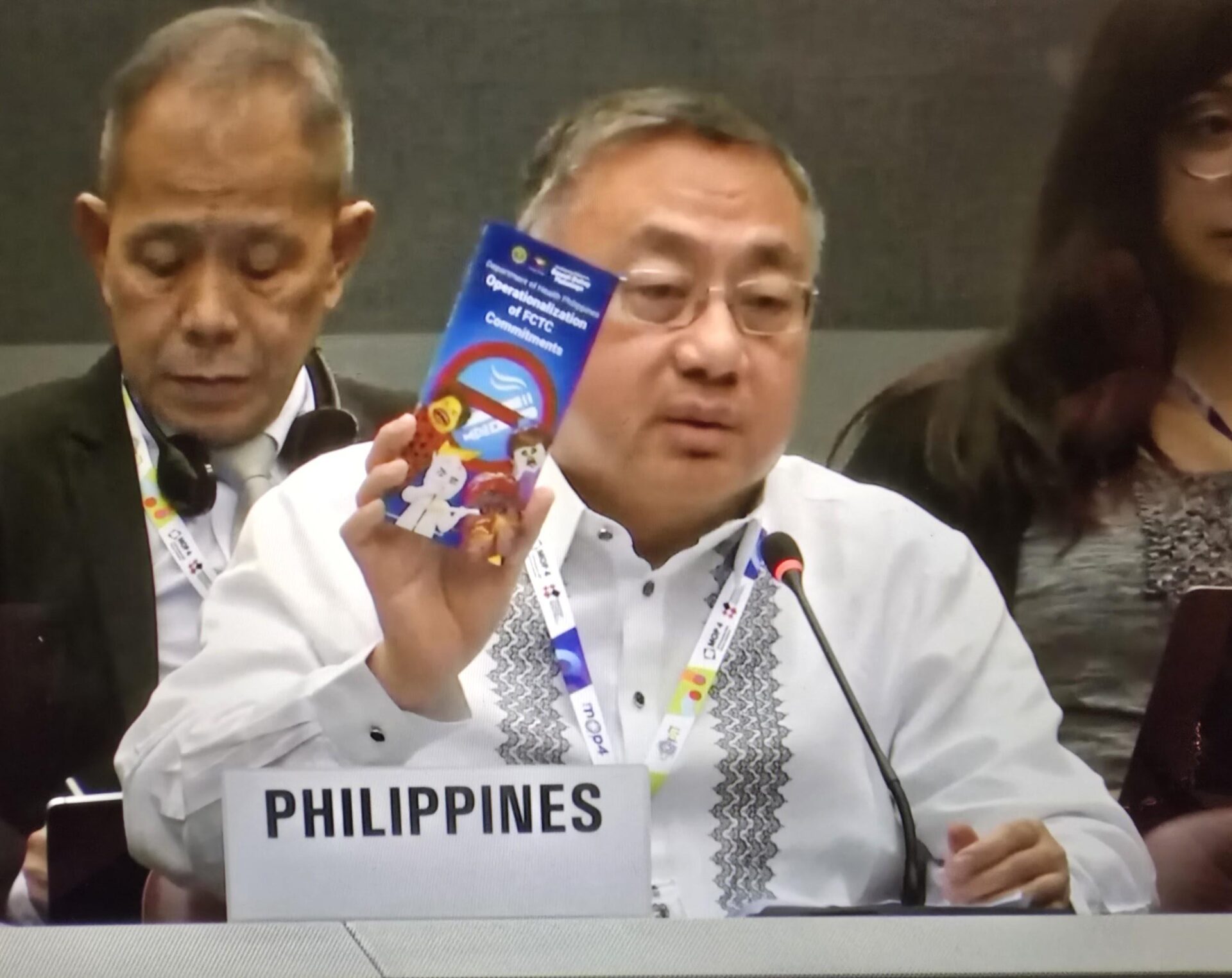
He, however, stressed that the Philippines is also “facing continuing challenges,” admitting that tobacco “still supports” communities in the country. Sorreta said the government needs to ensure transitions that are “socially and economically responsible” and consistent with the country’s laws and the Convention
“We remain committed to advancing the Convention with sincerity, pragmatism, and a firm belief in tobacco control. As the current president of the World Health Assembly, we stand with solidarity with Parties to the FCTC on the tobacco industry’s practices that may harm children, youth and future generations,” Sorreta told the assembly on the opening day of COP 11.
The Philippine delegation reported that the country’s six tax reforms, one of the measures to reduce tobacco use, have generated $5.16 billion in 2024, some 62% of which was allocated to Universal Health Care and other health programs. It also presented a National Tobacco Prevention and Control Strategy through 2030.
At the plenary during the opening of the Convention, Andrew Black, acting head of the secretariat of the WHO-FCTC, set the tone of the discussions on the achievements and obstacles to the full implementation of the convention.
Black said the FCTC is “more than a treaty. It is a promise, a promise to shield future generations from harms of tobacco, to fight industry interference and to put health before profit.”
The global tobacco epidemic is reported to kill more than 7 million people each year, according to the WHO.
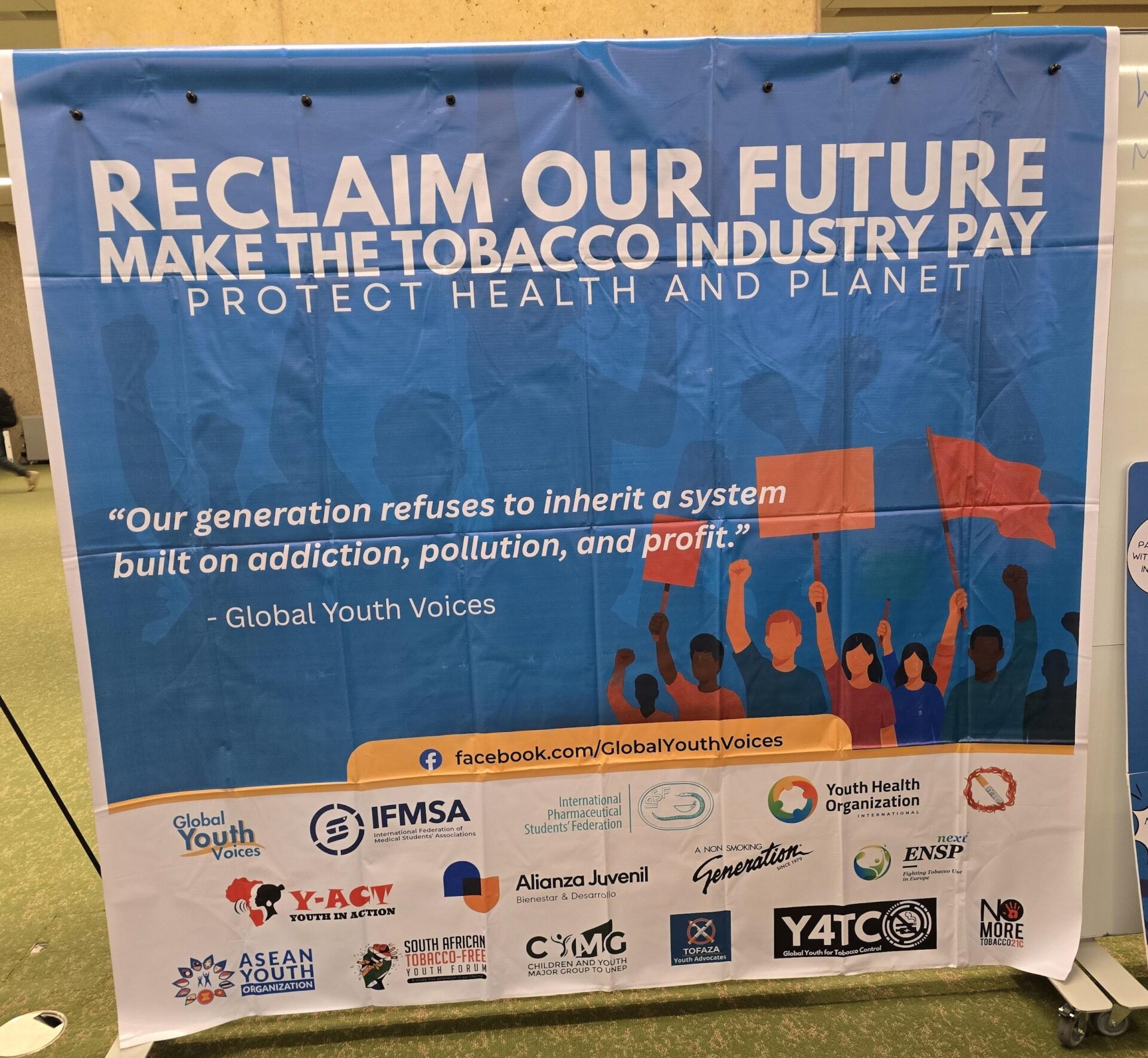
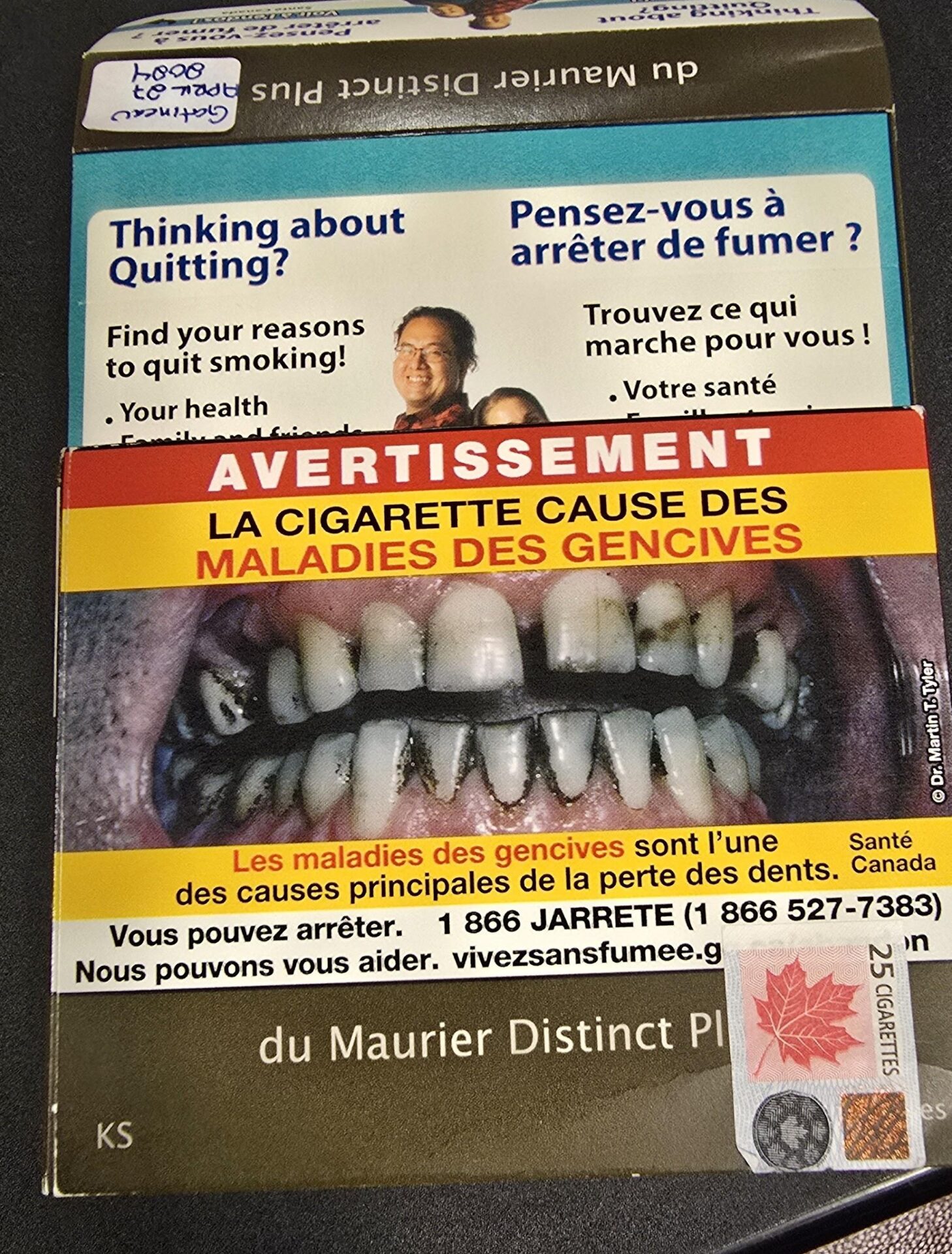
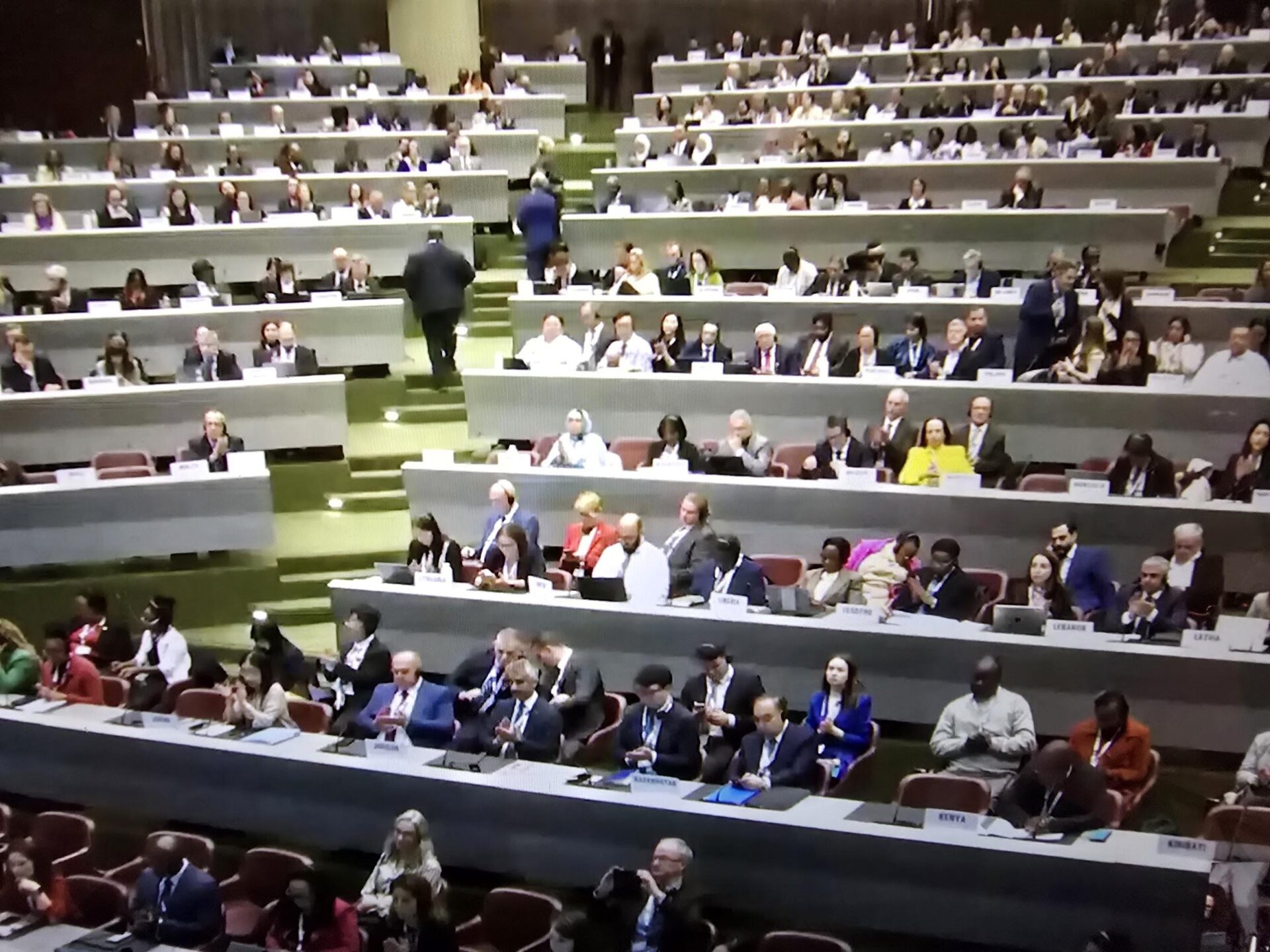
More than 1,500 delegates are gathered here for the deliberations on accelerated tobacco control.
The Philippines has been a signatory of the WHO-FCTC since 2005, when the treaty entered into force 20 years ago. There are 183 parties to the Convention representing more than 90% of the world’s population.
The Philippine delegation is among those “closely” watched in the convention because of industry interference issues.
The country’s national laws are not fully aligned with the FCTC. While the Supreme Court has upheld the treaty to be part of the laws of the land, the Philippines pursues a balanced policy of protecting public health while, at the same time, safeguarding the tobacco industry and its workers.
The summary of findings on the Philippines in the 2025 Global Tobacco Industry Interference Index noted the direct participation of the tobacco industry in policy development. The industry is represented in the interagency committee under the Tobacco Regulation Act, the principal regulatory body for tobacco products. It pointed out other violations of the treaty including frequent industry corporate social responsibility activities and unnecessary interactions of top-level government officials, including the first lady and Cabinet secretaries, with tobacco industry representatives, among many others.