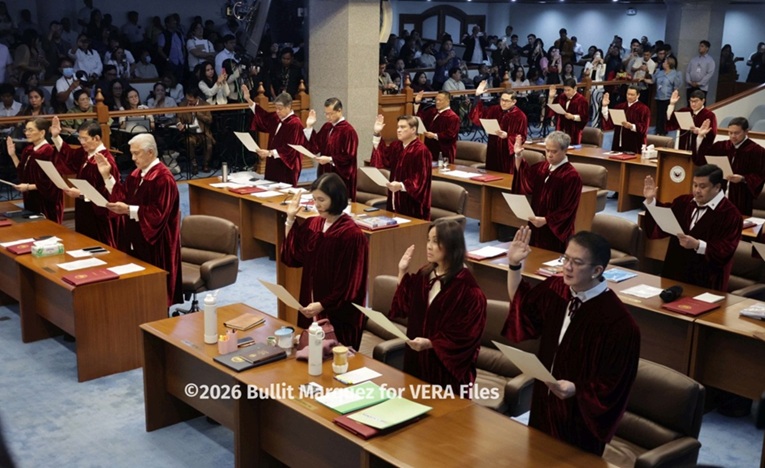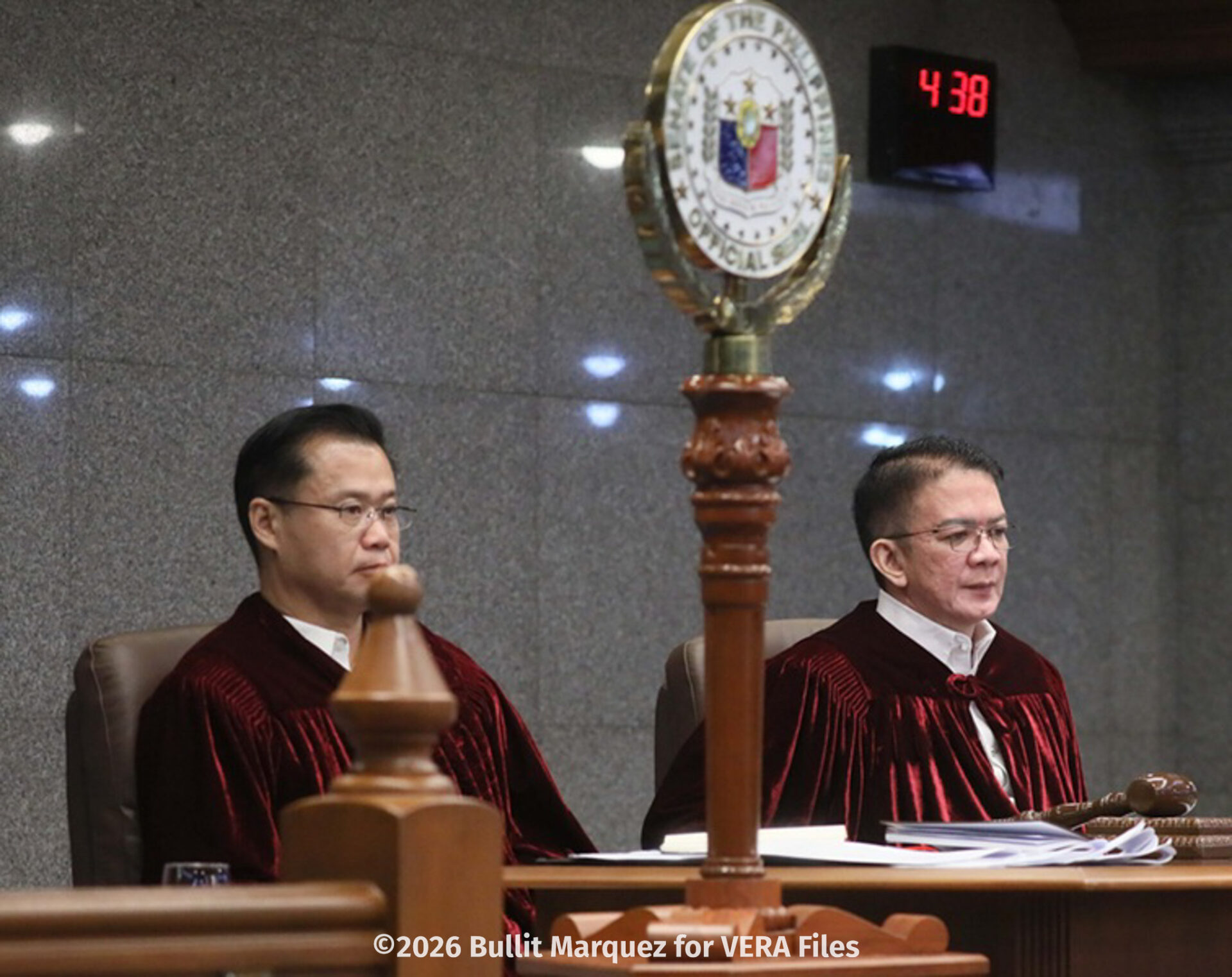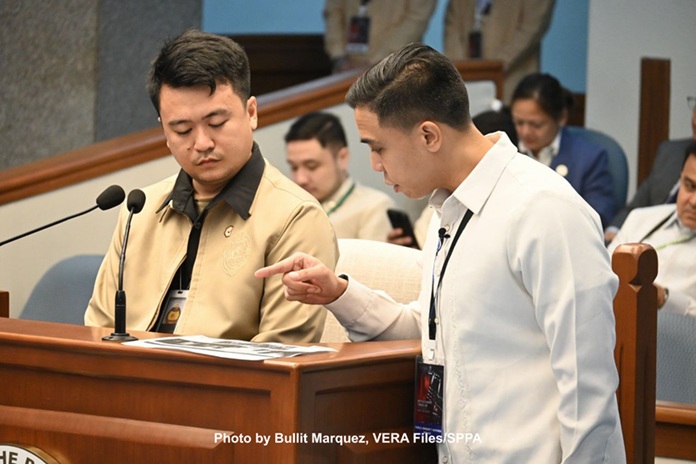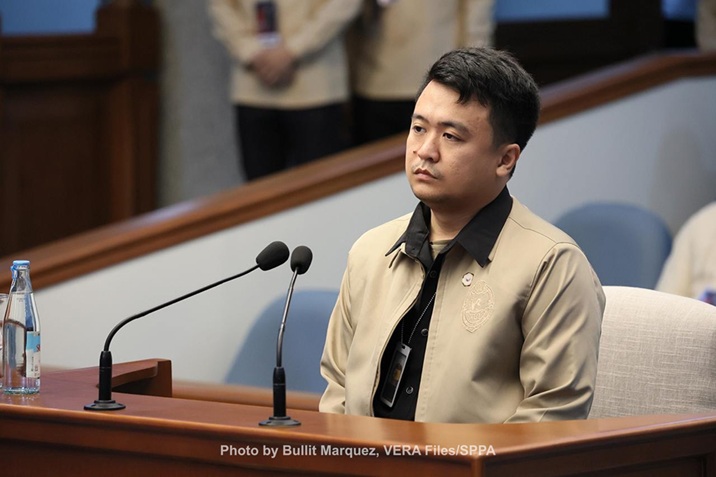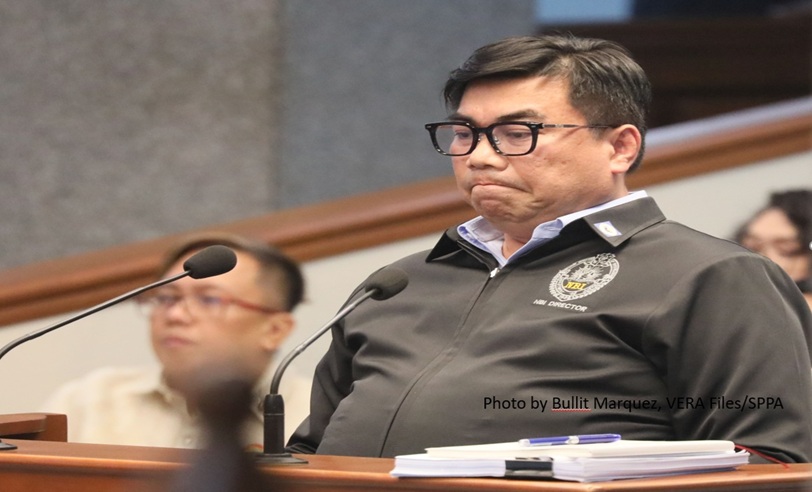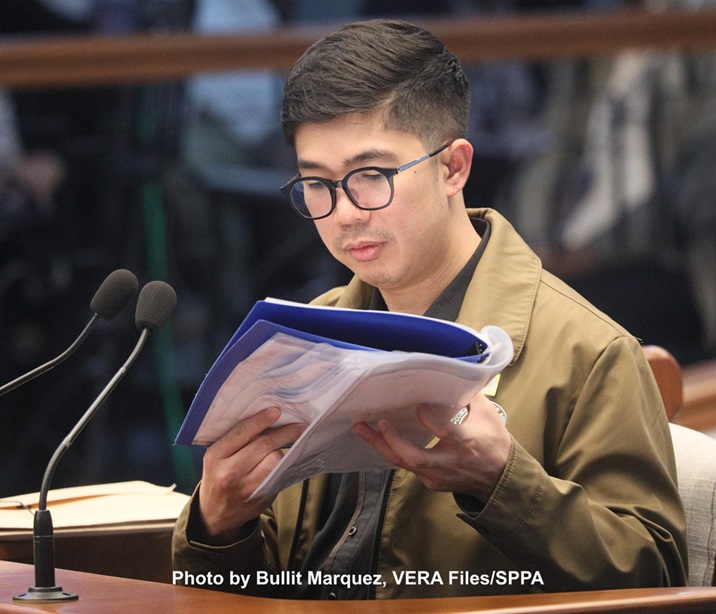

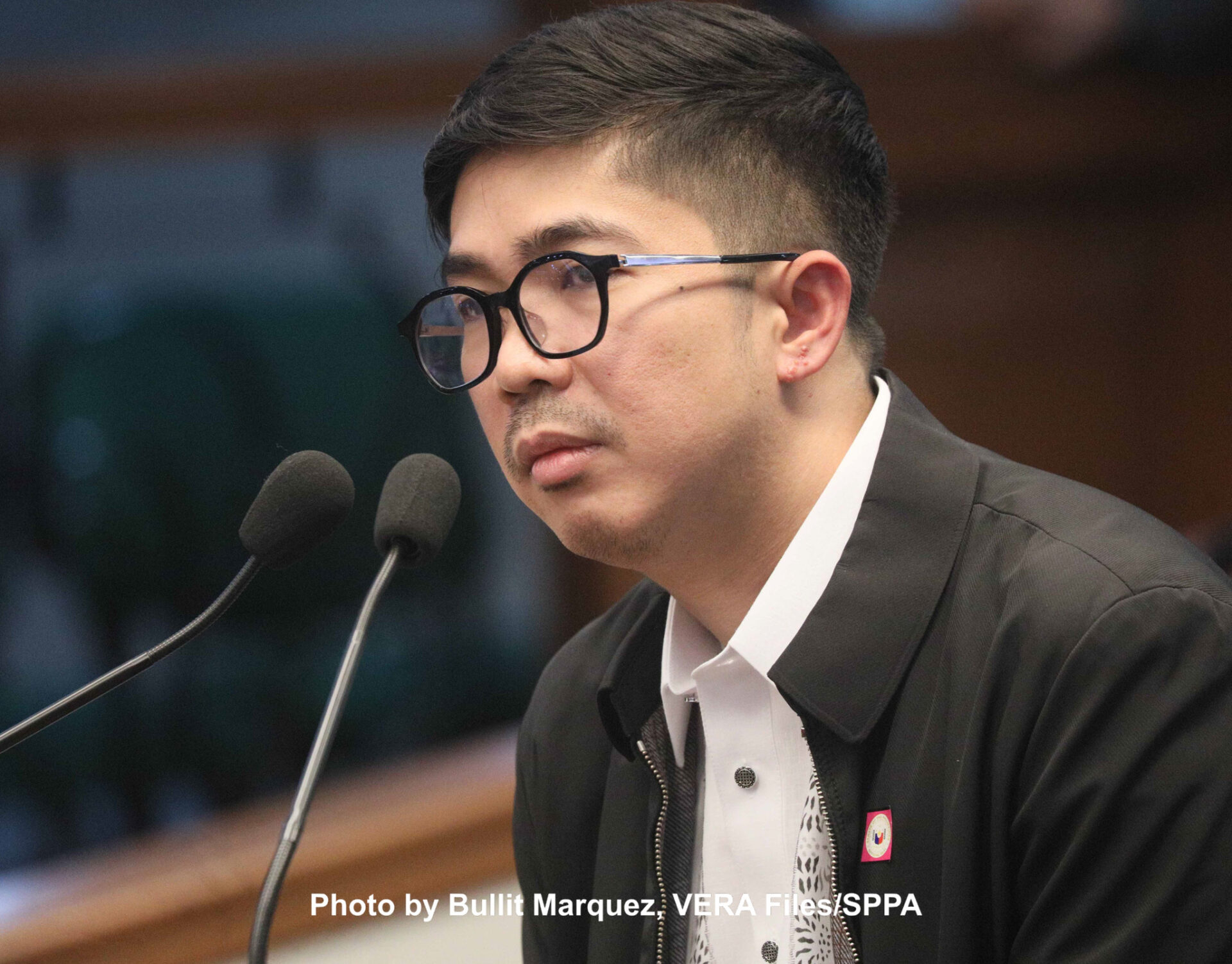
Three days of testimony from Commission on Audit auditor Roderick Wamil, formerly assigned to the agency’s Intelligence and Confidential Funds Audit Office, has shifted the impeachment trial of Vice President Sara Duterte from a largely political spectacle into a searching examination of confidential fund safeguards.
In the process, the Senate impeachment court has exposed not only the strengths and weaknesses of the prosecution’s case but also the institutional gaps that have long surrounded the auditing of secret government expenditures.
The proceedings from Days 11 to 13 demonstrate why impeachment trials should never be judged by dramatic courtroom exchanges alone.
Beneath the debate over acknowledgment receipts, unusual names and missing documents lies a more consequential question: Has the prosecution shown that Duterte committed an impeachable offense, or has it primarily revealed deficiencies in the government’s auditing framework?
Lead prosecutor Gerville Luistro repeatedly says the prosecution’s case does not hinge on whether the names were aliases or genuine persons. “The important issue is accountability. Public officials entrusted with confidential funds must account for how public money was spent,” she said in an online press briefing on Thursday.
Prima facie presumption
Wamil’s testimony unquestionably advanced the prosecution’s case. Drawing from his audit of the Office of the Vice President and the Department of Education, he detailed what COA considered repeated violations of Joint Circular No. 2015-01 — crafted in 2015 by COA, Department of Budget and Management, Department of the Interior and Local Government, the Government Commission for Government-Owned and Controlled Corporations, and the Department of National Defense — governing confidential and intelligence funds.
These included expenditures unsupported by official receipts, purchases allegedly outside the list of authorized confidential expenses, the absence of documents proving successful intelligence operations before rewards were paid, and liquidation reports that failed to specify the confidential activities for which the funds were supposedly spent.
Most significant was his testimony that Duterte, as head of both the OVP and DepEd at one point, was the accountable officer for the confidential funds released to the two offices in 2022 and 2023.
Wamil explained that under the joint circular, failure to properly liquidate confidential funds creates a prima facie presumption that the accountable officer used the money for personal benefit.
That statement became one of the prosecution’s strongest legal anchors. Impeachment under Article XI of the Constitution is ultimately about public accountability, not merely accounting procedures. The House prosecutors are trying to convince the senator-judges that the alleged deficiencies in the liquidation of P612.5 million in confidential funds constitute a betrayal of public trust.
Yet the defense’s cross-examination also illustrated why audit findings cannot automatically translate into constitutional liability.
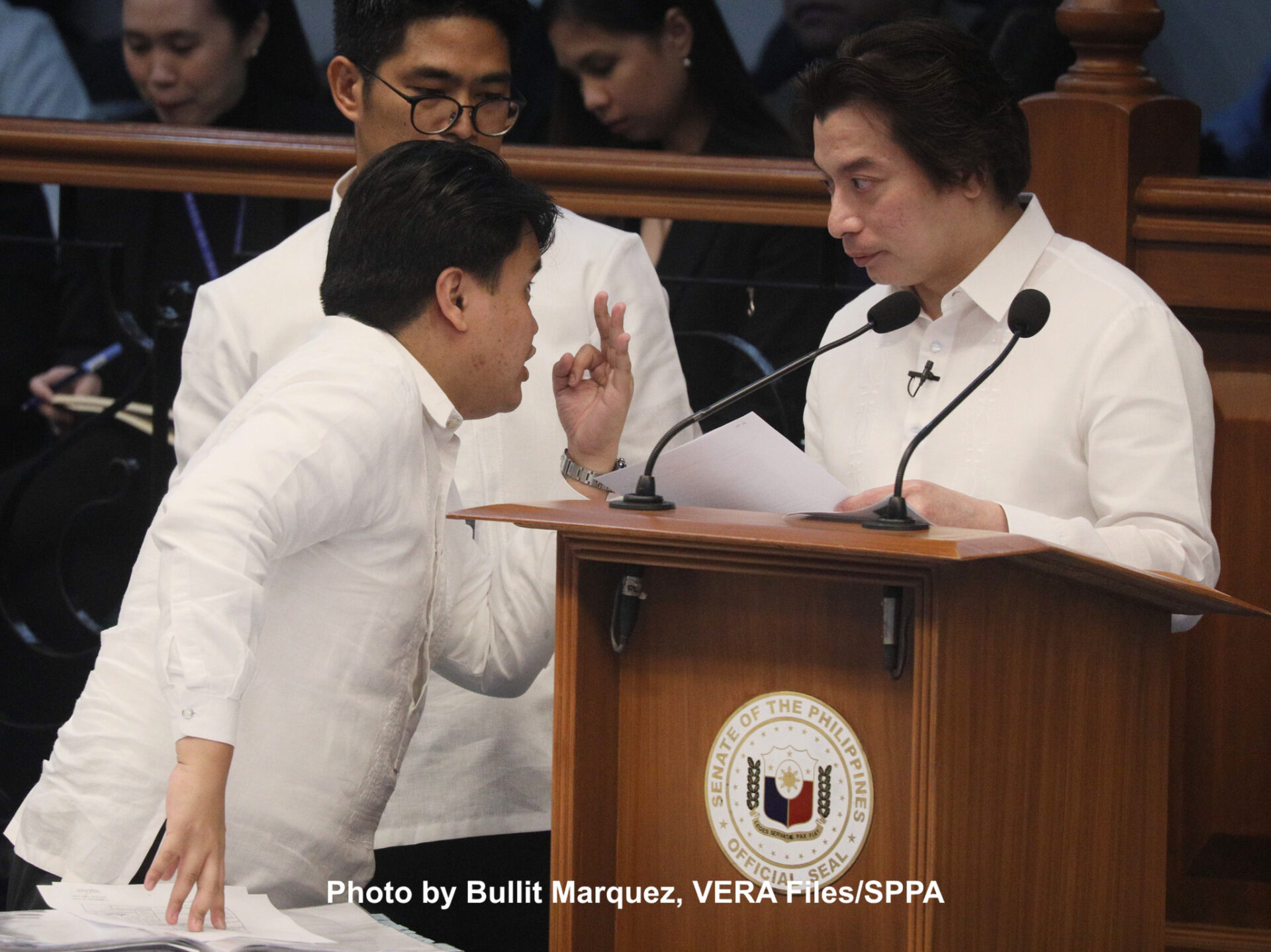
Defense counsel Michael Poa managed to elicit from Wamil that nothing in Joint Circular No. 2015-01 prohibits an agency from spending an entire quarterly confidential fund allocation within 11 days.
Wamil also admitted that COA itself did not characterize the rapid disbursement of the funds as an audit violation, noting that the timing merely appeared as a factual observation in the Audit Observation Memorandum.
Those admissions are significant because much of the public narrative since 2024 has focused on how quickly the OVP spent P125 million in confidential funds.
The prosecution has been trying to prove that the expenditures violated auditing rules or that the liquidation documents failed to demonstrate legitimate confidential operations, as shown by questionable receipts such as rental for safehouses at P2 million a day and P70,000 worth of medicines as reward for Mary Grace Piattos in exchange for intelligence information.
Beyond the aliases
Apart from the issue of accountability, the prosecution also focused on authenticity.
The proceedings took a more intriguing turn when senator-judges examined the acknowledgment receipts bearing unusual names such as Mary Grace Piattos, Mico Harina, Andy Lim and Alejandro Pikit.
While the defense has yet to clearly state whether the names appearing in the liquidation documents were aliases or real individuals, the prosecutors have long been referring to these as fictitious.
“These can be aliases, but these are really fictitious names,” quipped prosecution counsel Kapunan. “Senators will be surprised when their names are also there.” She said there were even “fruit salad” names, such as Mango and Keso.
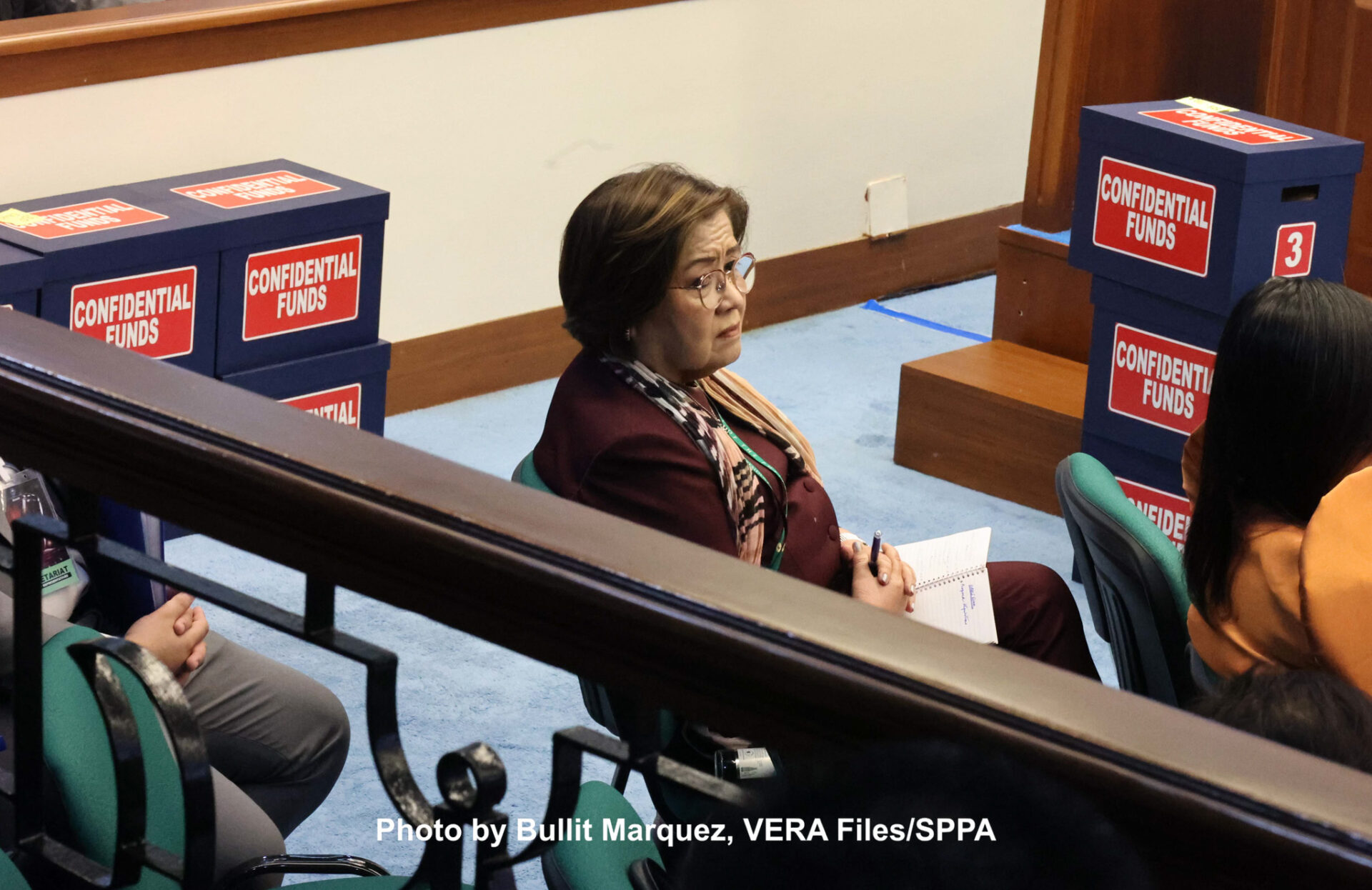
During the House investigations in 2024, subpoenaed documents from COA showed 405 alleged aliases were used in liquidating the OVPs confidential funds and 677 in the Department of Education’s confidential funds. Eleven of these names surfaced during Tuesday’s trial, including Piattos, Harina, Lim, Pikit, Nova Santos, Patty Ting, and Feonna Biong.
However, Wamil admitted that the audit was entirely document-based and that verifying whether the names on the acknowledgement receipts to liquidate confidential funds were aliases or real persons “was not part of the audit.”
Asked repeatedly by senator-judges whether COA had verified that the names belonged to actual persons, Wamil replied that auditors did not undertake such verification because Joint Circular No. 2015-01 is silent on the use of aliases or code names.
Their audit was confined to determining compliance with documentary requirements, not establishing the true identities of the individuals listed in the acknowledgment receipts.
For the defense, Wamil’s testimony undercuts any claim that COA itself determined the names were fictitious. Wamil never testified that the recipients did not exist; he simply acknowledged that auditors did not investigate that issue.
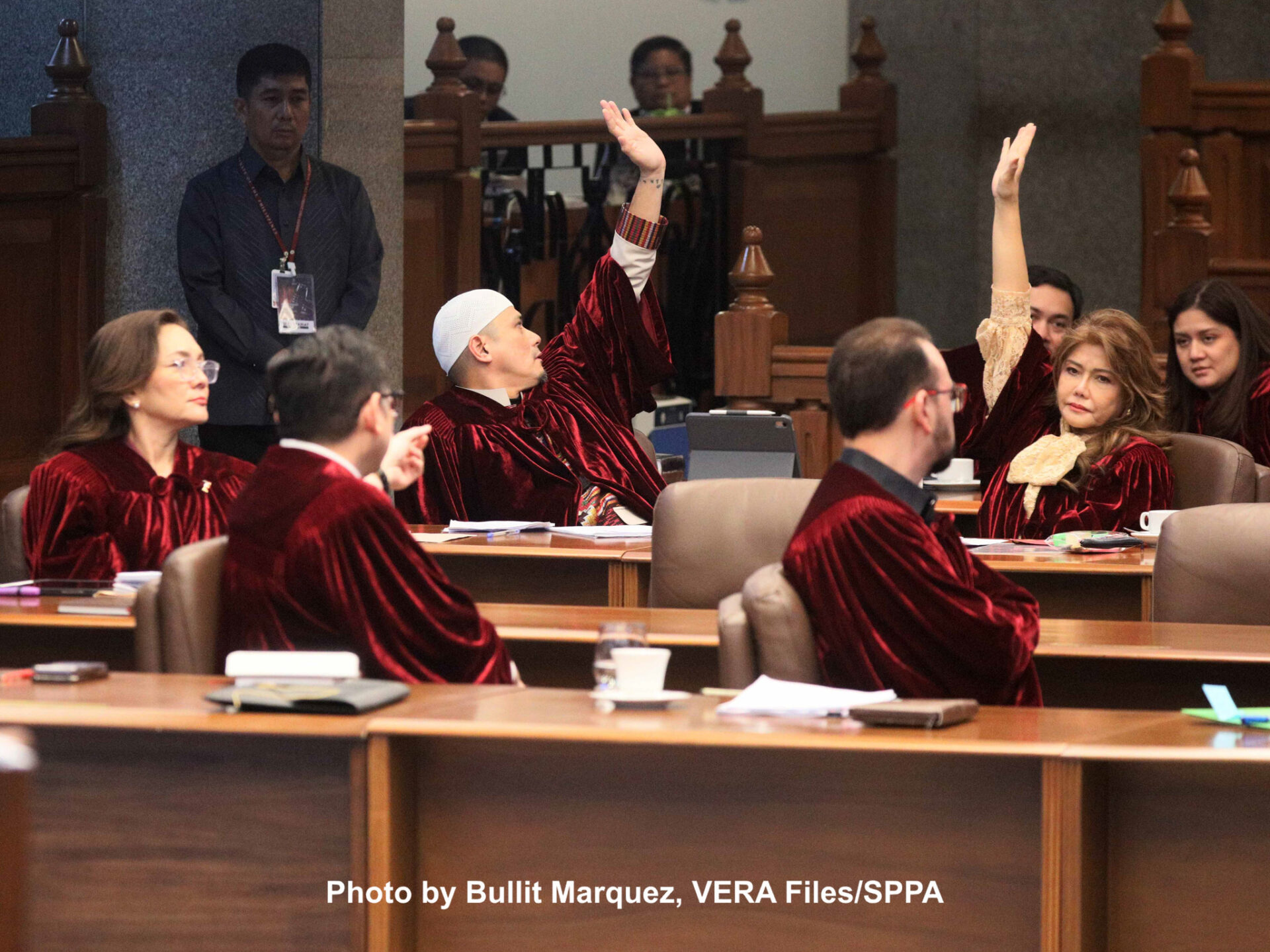
For the prosecution, however, the testimony exposes a far more troubling institutional problem. If auditors are neither authorized nor required to verify whether listed recipients actually exist, then the government’s oversight of confidential funds depends largely on documentary compliance. Such a framework may satisfy procedural requirements while leaving ample room for abuse.
It is therefore unsurprising that several senator-judges shifted their focus from Duterte’s conduct to the limitations of the auditing system itself.
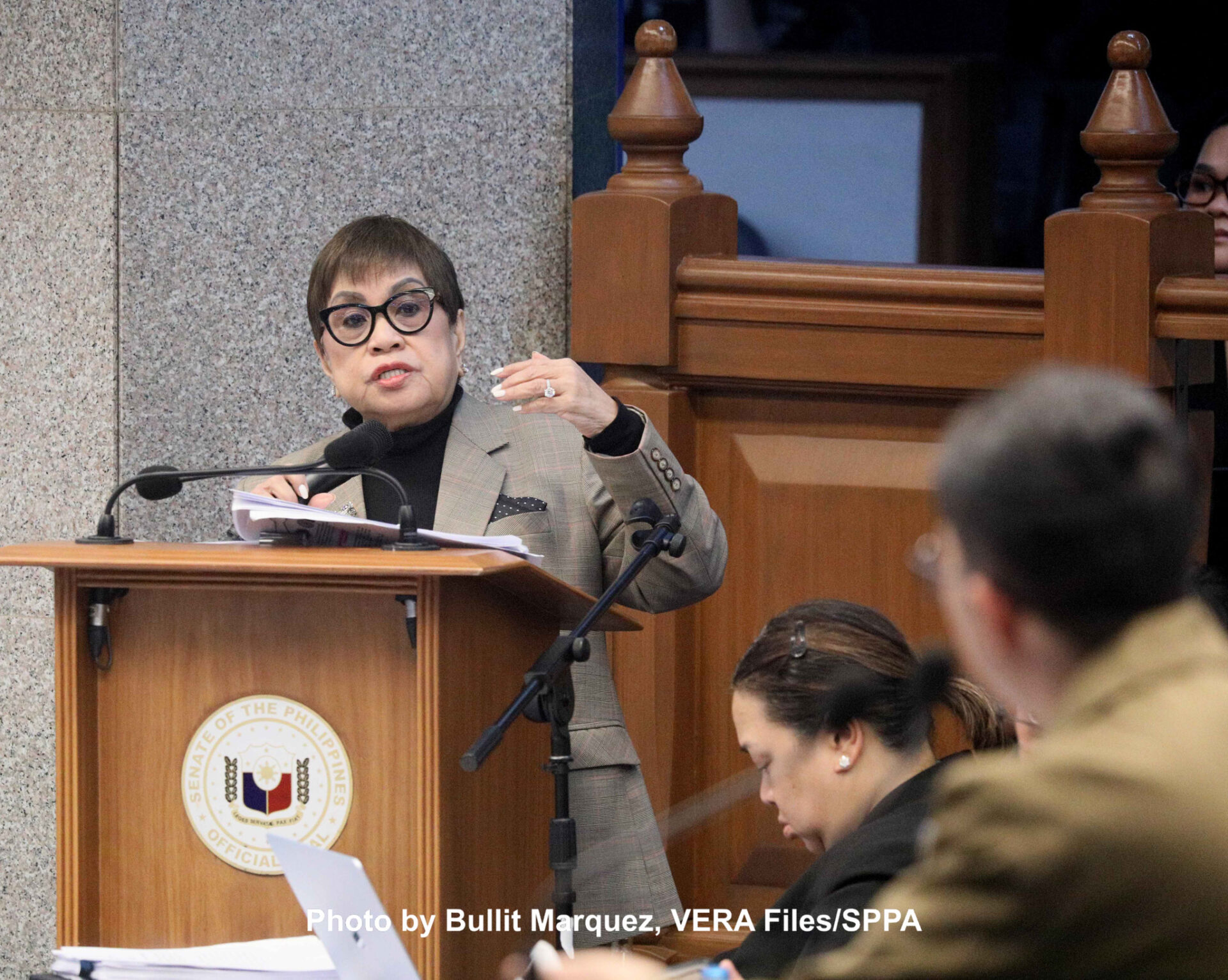
Senator-judge Panfilo Lacson questioned why COA remains confined to what he described as “paper audits,” suggesting auditors should be granted authority and security clearances to examine classified operational records.
Senator-judge Bam Aquino asked whether the rules should expressly address the use of aliases, while Senator-judge Juan Miguel Zubiri emphasized that confidential funds remain public funds and should not be insulated from meaningful scrutiny simply because they finance confidential operations.
Those exchanges may prove to be one of the trial’s most enduring contributions. Whatever verdict the Senate eventually reaches, the proceedings have exposed weaknesses in Joint Circular No. 2015-01 that Congress and COA can no longer afford to ignore.
Potential cause of delay
The defense, meanwhile, appears to be pursuing a strategy that places equal emphasis on procedure and substance. Its refusal to stipulate to the authenticity of more than 4,000 acknowledgment receipts is more than a procedural maneuver.
By requiring the prosecution to authenticate each document, the defense seeks to ensure that every piece of documentary evidence satisfies the rules before it is considered by the impeachment court.
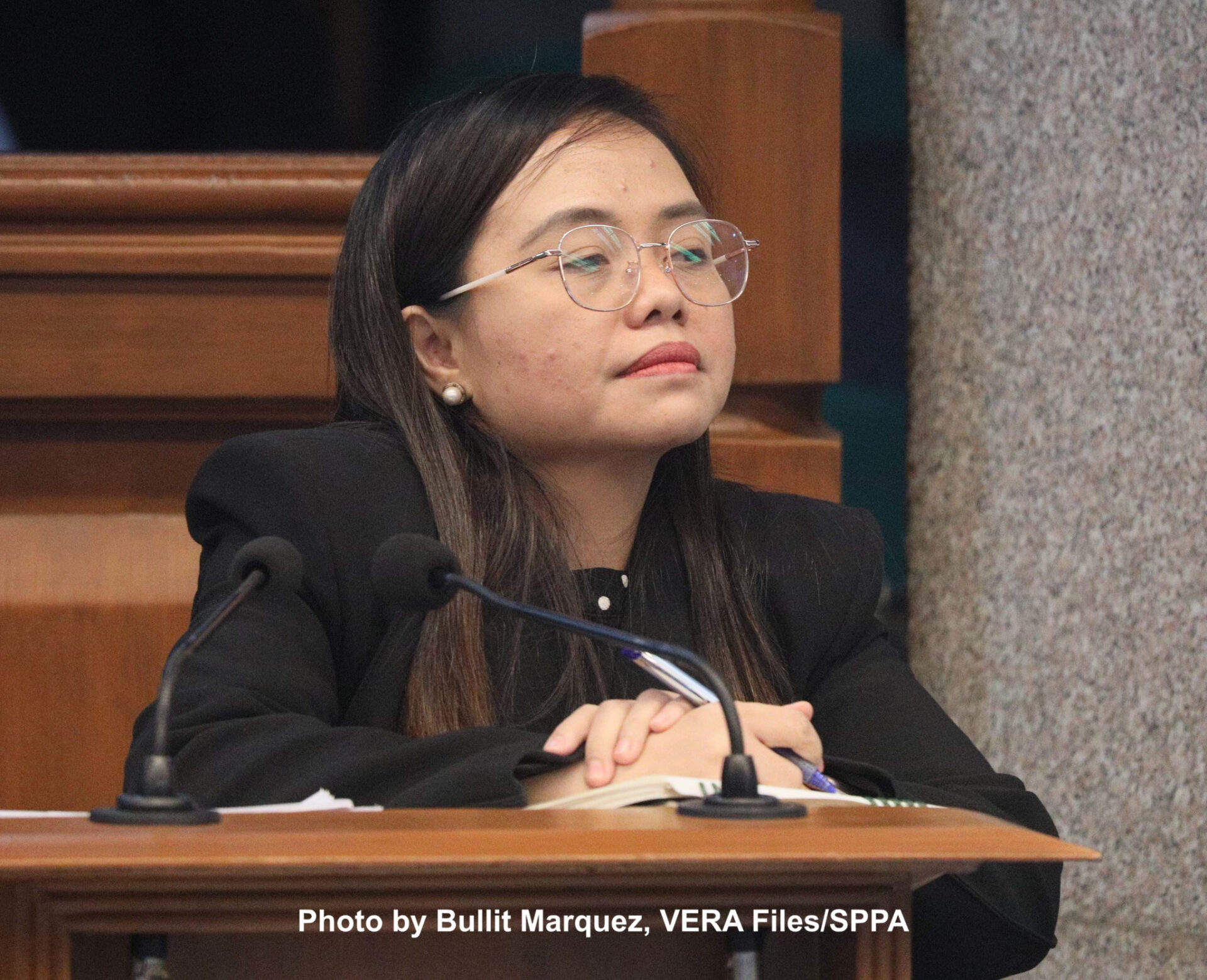
The defense has maintained that it is not claiming the receipts are fabricated; rather, it argues that the sheer volume of loose documents prevents it from conceding their authenticity without careful examination.
The strategy could substantially prolong the trial, way beyond the allotted 92 days for the presentation of evidence: 62 days for the prosecution and 30 days for the defense.
Every contested acknowledgment receipt will require proper authentication, consuming valuable hearing time and compelling prosecutors to build the evidentiary chain document by document.
While this may test the patience of both the senator-judges and the public, it also underscores a fundamental principle of due process: no party should be required to admit the authenticity of documents it has not fully examined.
The Senate impeachment court’s decision to allow the defense additional time to review the documents suggests an appreciation of that balance between efficiency and fairness.
What comes next
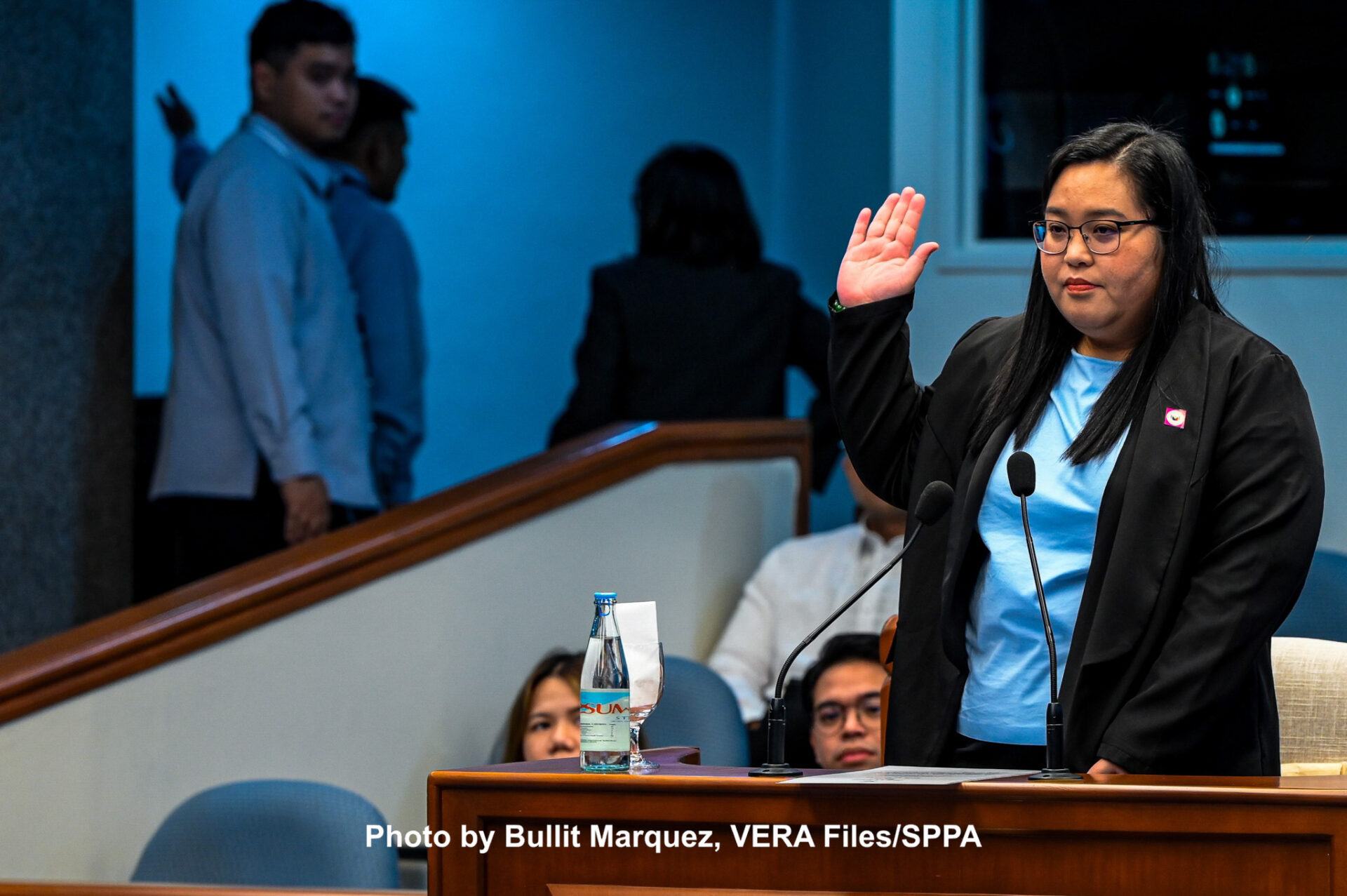
Next week, attention would turn to supervising COA auditor Xylene del Campo, whose testimony is expected to continue the prosecution’s effort to establish the integrity—or lack thereof—of the liquidation process.
Her appearance may prove pivotal. If she is able to reinforce Wamil’s findings with additional documentary evidence, the prosecution could strengthen its argument that the questioned transactions reflected more than procedural lapses. If not, the defense may succeed in portraying the case as one built largely on audit deficiencies rather than proof of impeachable misconduct.
The coming hearings will therefore determine whether the prosecution can bridge the gap between administrative findings and constitutional accountability.
Five weeks into the trial, the proceedings have become about more than the fate of one elected official. They have evolved into an examination of how the Philippine government accounts for billions of pesos in confidential funds and whether the existing safeguards are sufficient to protect public money from misuse.
That may prove to be the trial’s most significant legacy.
Whatever verdict the Senate impeachment court ultimately renders, the proceedings have already demonstrated that accountability cannot rest solely on paperwork, nor can secrecy excuse weak oversight.
Public officials entrusted with confidential funds deserve rules that are both workable and rigorous, while taxpayers deserve assurance that confidentiality does not become a shield against accountability.
The impeachment court’s task is to determine whether Sara Duterte should be held constitutionally liable.
The broader challenge belongs to Congress and the Commission on Audit: to ensure that, after this impeachment trial ends, the country’s system for auditing confidential funds is no longer judged merely by the receipts, but by its ability to inspire public confidence