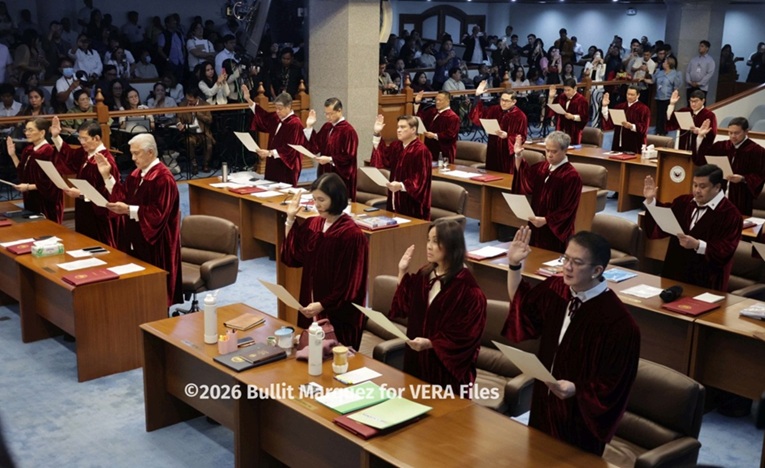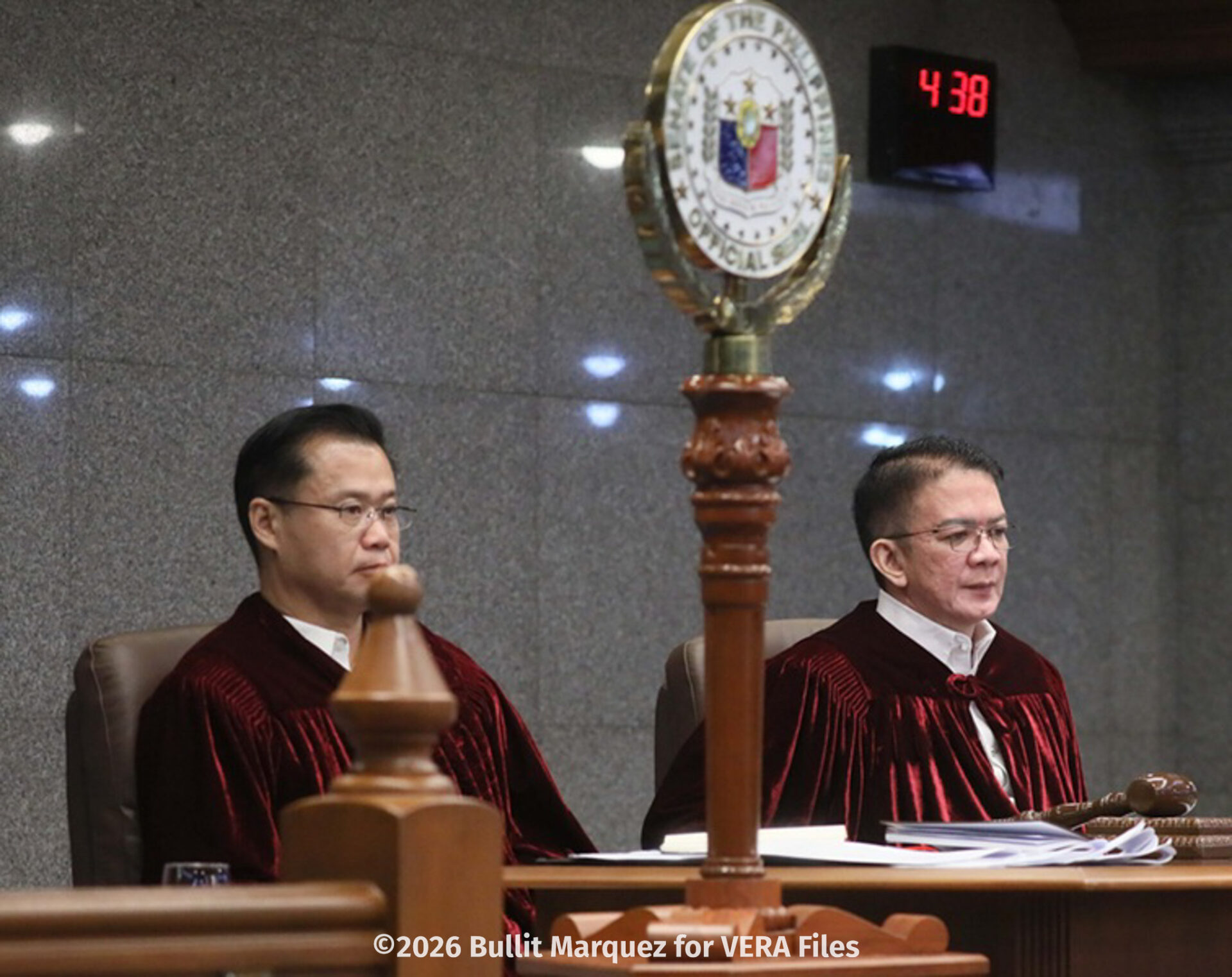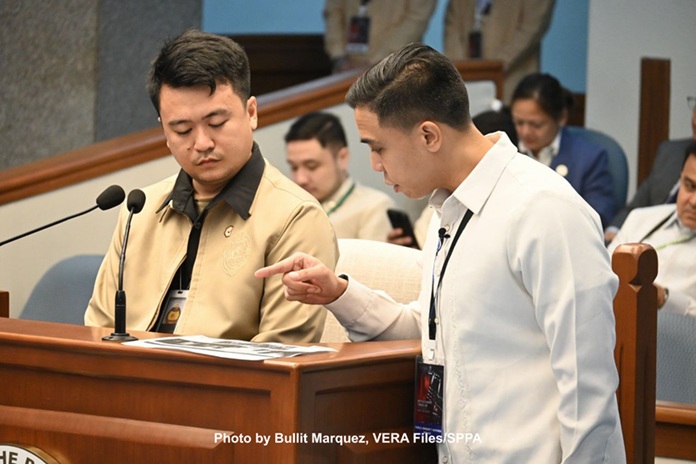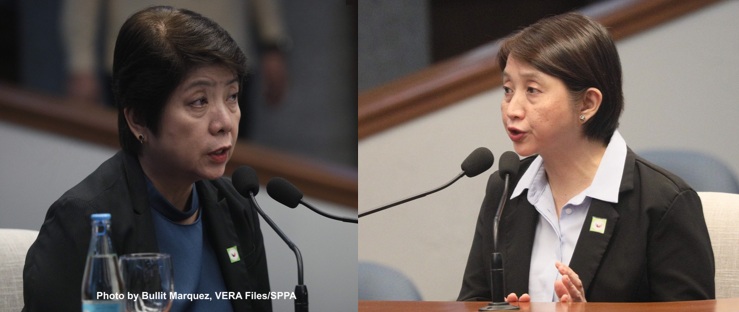

Week 3 of Vice President Sara Duterte Impeachment Trial
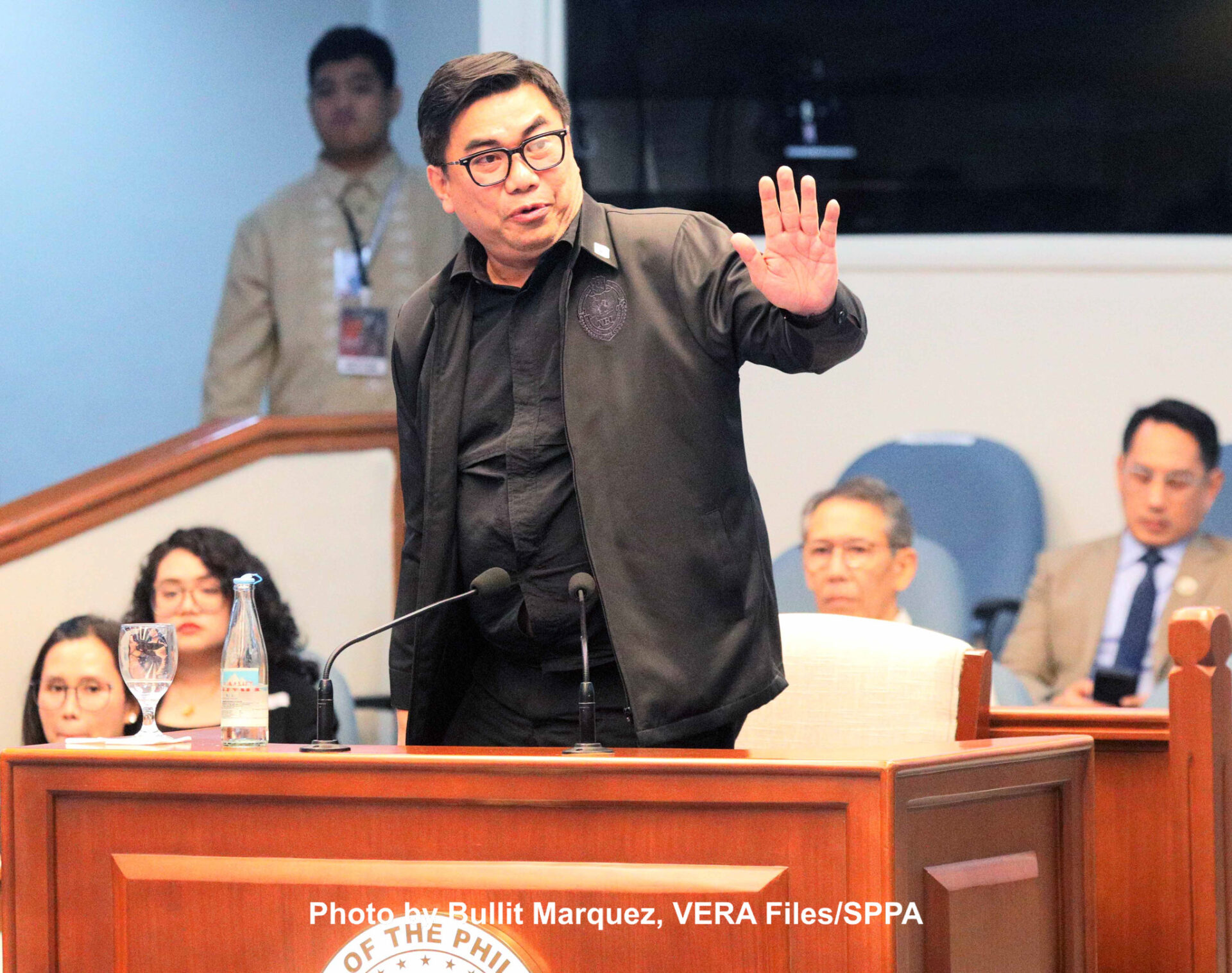
The Senate impeachment court on Monday handed the House prosecution what is arguably its biggest procedural victory yet by authorizing subpoenas for Vice President Sara Duterte’s bank, tax and Anti-Money Laundering Council records, along with those of her husband, lawyer Manases Carpio, and several businesses linked to the couple.
Yet if the ruling significantly widens the prosecution’s access to documentary evidence, it does not necessarily bring it closer to proving one of its most serious allegations—that Duterte accumulated wealth beyond her legitimate income and failed to disclose it in her Statements of Assets, Liabilities and Net Worth while in public office.
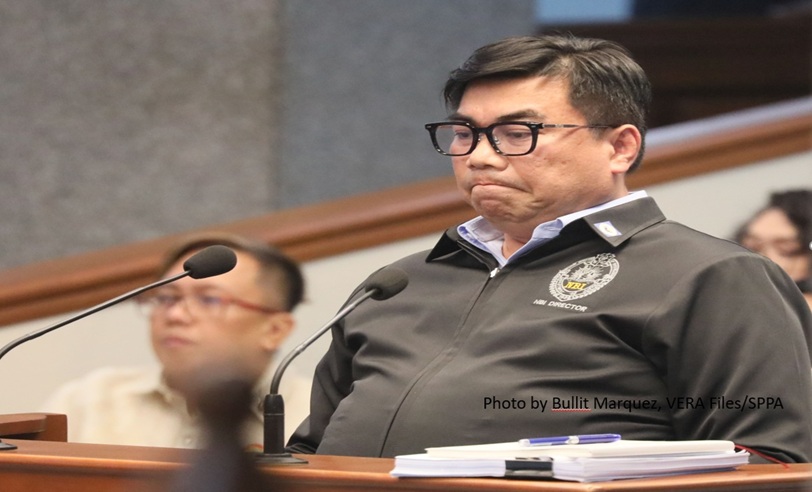
By contrast, the prosecution ended the first phase of its case on considerably firmer ground after National Bureau of Investigation Director Melvin Matibag completed two days of testimony on the impeachment article involving Duterte’s alleged threats against President Ferdinand Marcos Jr.
The NBI chief advanced a constitutional theory that may ultimately prove more consequential than any criminal prosecution now pending before the Department of Justice: that betrayal of public trust was already consummated by Duterte’s own public admissions, regardless of whether investigators ever identify the person she allegedly contracted to kill the president, First Lady Liza Araneta-Marcos and former House speaker Martin Romualdez. .
Taken together, the two developments on Week 3 of the trial illustrate the sharply different evidentiary burdens facing the prosecution under the separate impeachment articles. One has secured access to potentially valuable financial records but still faces multiple legal and factual hurdles before those documents can establish unexplained wealth. The other rests largely on Duterte’s own words, with prosecutors arguing that the constitutional offense is complete even if criminal liability remains under investigation.
A significant, but preliminary, victory
Monday’s subpoena ruling marked a major breakthrough for House prosecutors after days of procedural skirmishing.
Presiding Officer Francis Escudero rejected the defense arguments that the requests amounted to a prohibited fishing expedition, ruling instead that the records were sufficiently identified and prima facie relevant to allegations under Article II of the verified impeachment complaint.
He likewise relied heavily on jurisprudence arising from the 2012 impeachment trial of then chief justice Renato Corona in concluding that Congress, sitting as an impeachment court, possesses broad subpoena powers over financial records.
The order covers Duterte’s peso-denominated bank records, AMLC reports, Bureau of Internal Revenue documents, those of Carpio, and records involving 19 companies allegedly connected to the couple.
However, it excludes foreign-currency deposits because of statutory confidentiality protections and removes two corporations— JTC Group of Companies Philippines Inc. and Pikimong Pikimong Philippines Corp., — that prosecutors failed to adequately establish links to Duterte or Carpio.
For prosecutors, the ruling opens the possibility of reconstructing Duterte’s financial history over nearly 15 years, potentially allowing comparisons between declared assets, known lawful income and actual financial transactions.
Yet the ruling’s significance should not be overstated.
Escudero repeatedly emphasized that subpoenas merely compel the production of records. They neither authorize unrestricted disclosure nor make the documents automatically admissible as evidence.
He said the BIR may still invoke statutory limitations on disclosure, while the defense retains the right to challenge every document on grounds of relevance, authenticity, materiality, hearsay or constitutional infirmities once prosecutors formally offer them during trial.
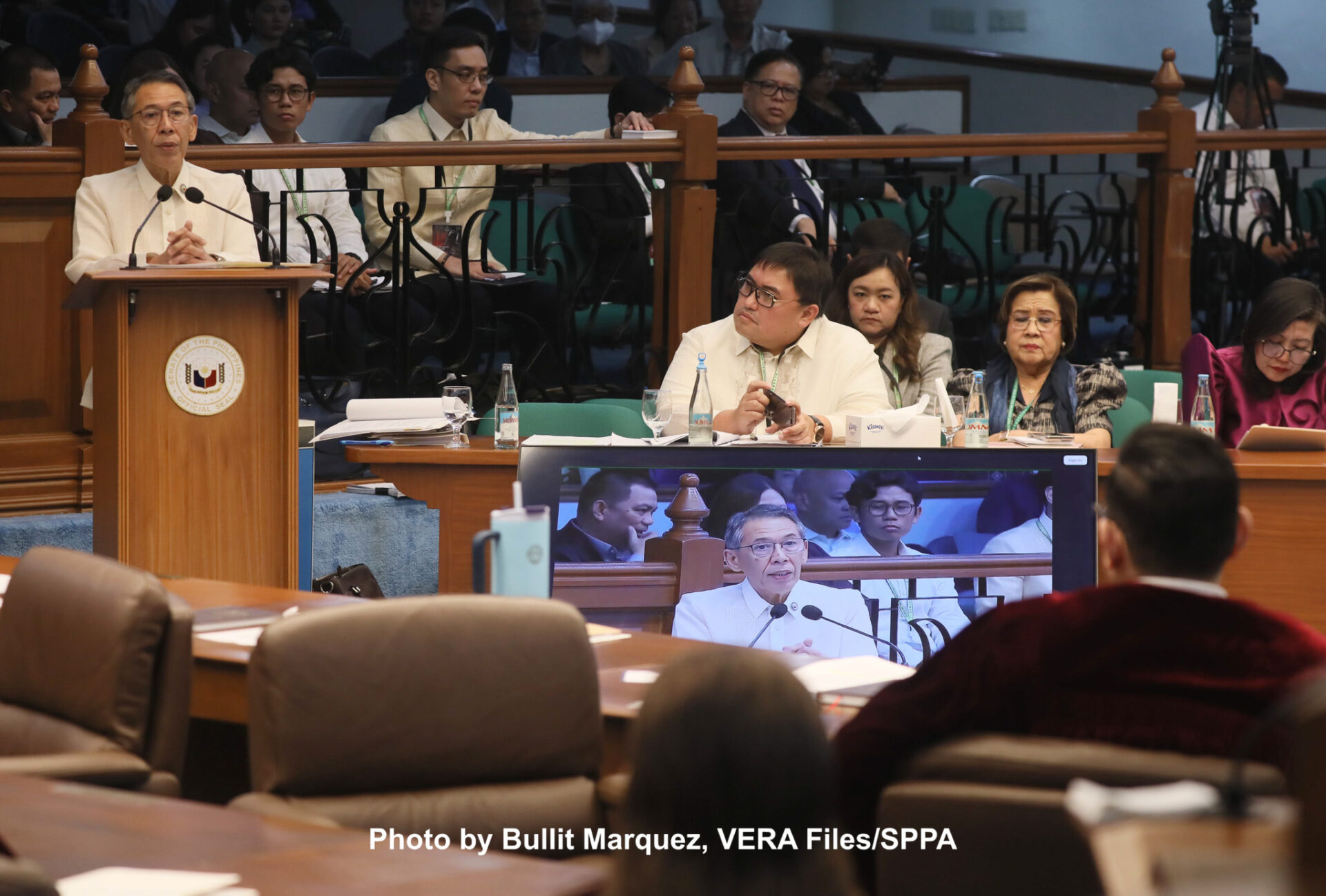
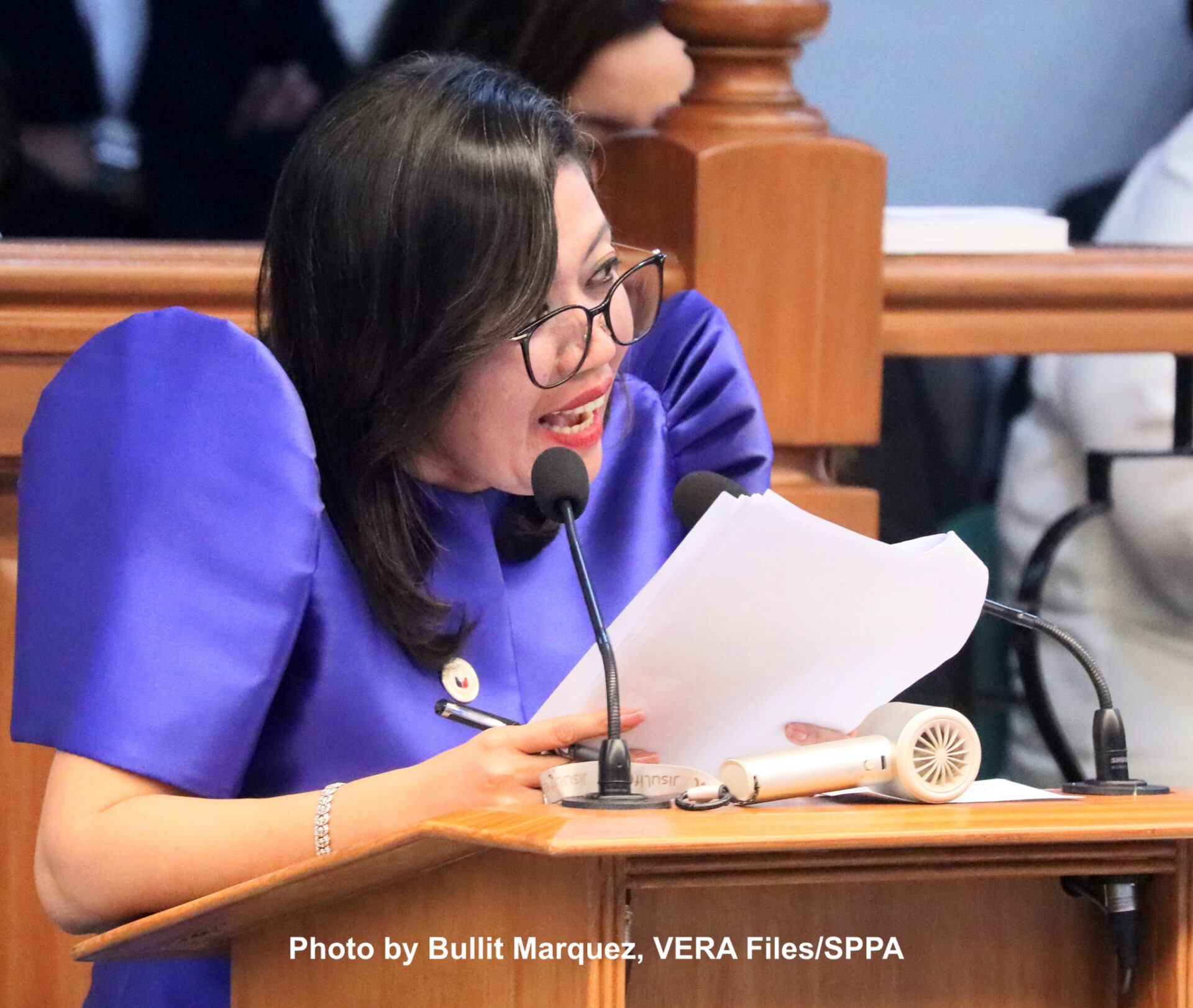
That distinction became even clearer when House prosecutor Chel Diokno himself cautioned that the prosecution had merely won the right to obtain documents.
“We are not yet at the point that we’re talking about admissibility of evidence,” Diokno said, stressing that the issue will arise only after the records are formally presented before the impeachment court.
Documentary evidence alone may not prove unexplained wealth
Even if every subpoena is complied with, the prosecution’s task remains substantially more difficult than obtaining the records.
Philippine jurisprudence on unexplained wealth has consistently required more than simply identifying large bank balances or significant transactions.
Prosecutors must establish a nexus between assets and lawful income, demonstrate material discrepancies between actual wealth and officially declared assets, and overcome plausible explanations offered by the defense.
The financial records themselves will therefore represent only the beginning of what is likely to become the impeachment trial’s most document-intensive phase.
Each bank deposit, corporate interest, property acquisition and financial transfer will have to be reconciled with Duterte’s compensation as a public official, business interests, family assets and SALN disclosures.
The defense will almost certainly argue that many transactions involve legitimate family assets, lawful business operations or jointly held properties not attributable solely to the vice president.
Equally significant, the Senate impeachment court itself has already imposed an important limitation by making clear that records predating Duterte’s assumption of an impeachable office cannot be used to create entirely new impeachment charges. Instead, earlier records may only establish a financial baseline against which later acquisitions can be measured.
That makes Monday’s ruling less an evidentiary triumph than an opportunity for prosecutors to build one.
Matibag advances a constitutional theory
If Article II remains heavily dependent on documentary proof yet to come, the prosecution’s presentation under Article IV concluded with a markedly different emphasis.
Over two days of testimony, Matibag transformed what initially appeared to be a conventional criminal investigation into an argument about constitutional accountability.
The NBI chief repeatedly testified that Duterte’s Oct. 18 and Nov. 23, 2024 statements should no longer be viewed simply as isolated threats but as evidence of a serious, active and continuing assassination plot against the president.
According to Matibag, investigators concluded that Duterte publicly admitted having spoken to someone willing to carry out the killings, elevating the matter into a continuing national security concern.
His most consequential testimony, however, came under cross-examination.
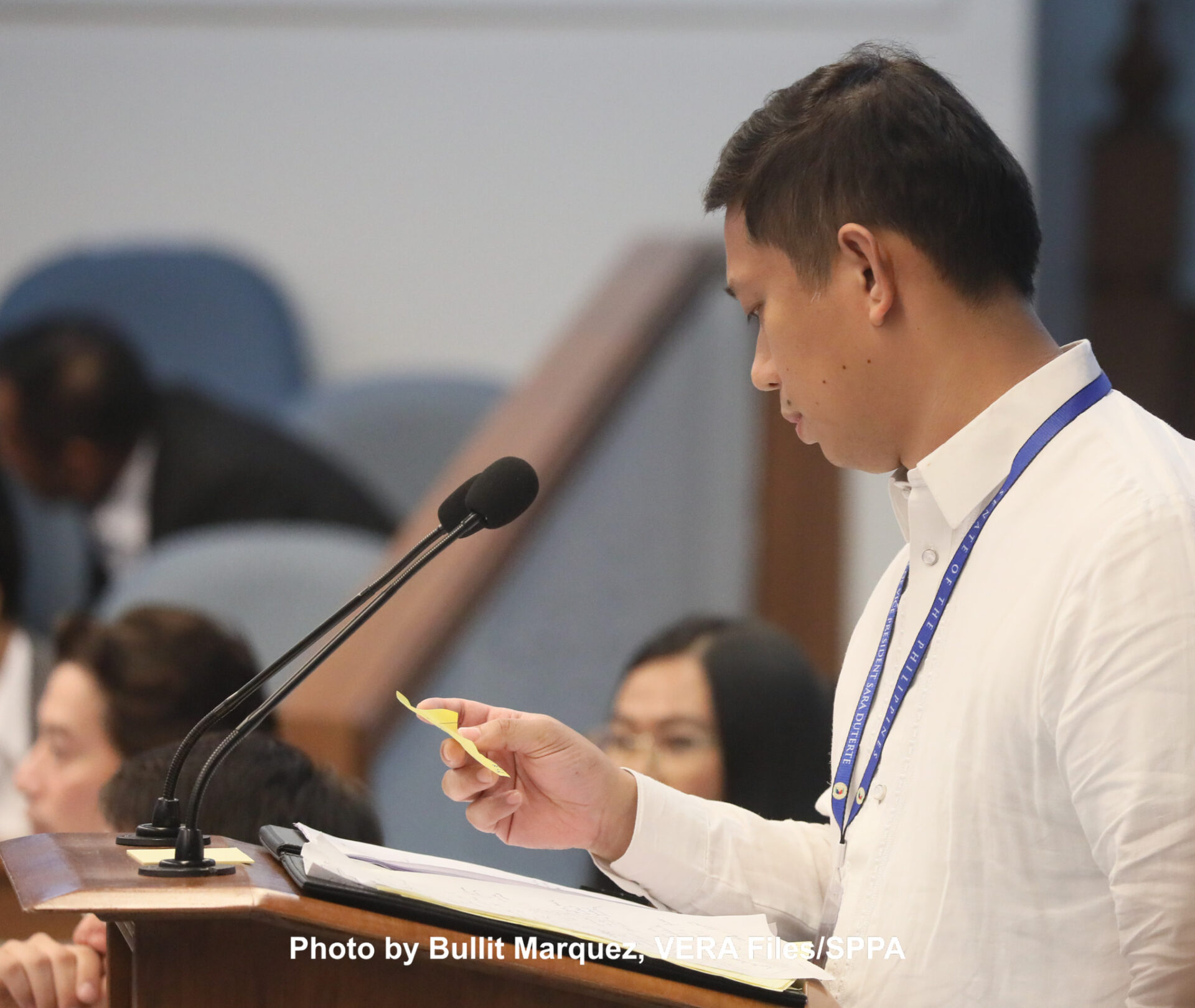
Responding to questions from defense counsel Mark Vinluan, Matibag distinguished between the bureau’s criminal investigation and the impeachment proceedings now underway.
“The betrayal of public trust… was already consummated when she publicly admitted,” he testified.
“There was already an admission that she contracted a killer. That itself is an admission.”
That formulation effectively separates the constitutional inquiry from the criminal one.
For purposes of impeachment, Matibag argued, identifying the alleged assassin is no longer essential because the constitutional violation rests on Duterte’s own conduct and public declarations.
For purposes of criminal prosecution, however, investigators must continue identifying the alleged hitman and gathering evidence capable of satisfying the far higher burden required in court.
The NBI chief disclosed that investigators have narrowed their list of persons of interest to fewer than 20 individuals while continuing to examine possible links involving Duterte’s security personnel and other associates.
Different forums, different standards
The distinction carries major implications for the impeachment trial.
The criminal complaints for grave threats and inciting to sedition pending before the Department of Justice seek to determine whether Duterte violated provisions of the Revised Penal Code or other criminal statutes. Any prosecution would require proof beyond reasonable doubt before conviction.
Impeachment, however, operates under an entirely different constitutional framework.
The Senate as an impeachment court is not determining criminal guilt. Instead, it must decide whether Duterte committed culpable violation of the Constitution or betrayal of public trust sufficient to justify removal from office.
That difference explains why Matibag repeatedly emphasized that the constitutional injury arose not from whether an assassination attempt was eventually carried out, nor even whether investigators ultimately identify the alleged assassin, but from the vice president’s own public acknowledgment that she had spoken with someone who agreed to kill the president if certain events occurred.
Whether senator-judges ultimately accept that reasoning remains uncertain.
Vinluan consistently argued that Matibag was improperly offering legal conclusions rather than factual testimony and have sought repeatedly to strike portions of his testimony from the record. Escudero denied those motions, leaving senator-judges free to determine what weight to accord his opinions.
Momentum, but not yet victory
As the impeachment trial prepares to move to allegations involving confidential funds, prosecutors leave the opening phase with tangible momentum.
They have secured access to financial records that once appeared beyond reach and completed testimony that seeks to frame Duterte’s own public statements as independently sufficient to establish betrayal of public trust.
Yet neither development resolves the prosecution’s ultimate burden.
The subpoena battle has only opened the door to evidence whose admissibility, interpretation and probative value remain fiercely contested.
Matibag’s testimony, meanwhile, offers a coherent constitutional theory, but one whose acceptance will ultimately depend less on criminal law than on whether at least two-thirds of the Senate agree that Duterte’s own words constitute conduct incompatible with the public trust reposed in the nation’s second-highest constitutional office.
For now, the prosecution has won important procedural and narrative victories.
Whether those victories mature into proof sufficient for conviction remains the far more difficult question still awaiting the impeachment court.
The documents subpoenaed would be submitted to the impeachment court’s clerk of court at 9 a.m. on July 30.
Trial shifts to confidential funds
Meantime, the trial will shift to Article 1 for culpable violation of the Constitution and betrayal of public trust over alleged misuse and irregular liquidation of ₱612.5 million in confidential funds.
Before adjourning its ninth day of trial on July 22, the impeachment court issued subpoenas to former Land Bank branch managers Violeta Constantino and Nenita Camposano to appear when the trial resumes at 10 a.m. on July 29. They will be the prosecution’s first two witnesses to testify on the alleged misuse of confidential funds by the Office of the Vice President and the Department of Education.
Starting July 29, trial days will be on Tuesdays to Thursday, 10 a.m. to 3 p.m., while the regular Senate sessions will be on Mondays to Wednesdays, from 4 p.m. onward.