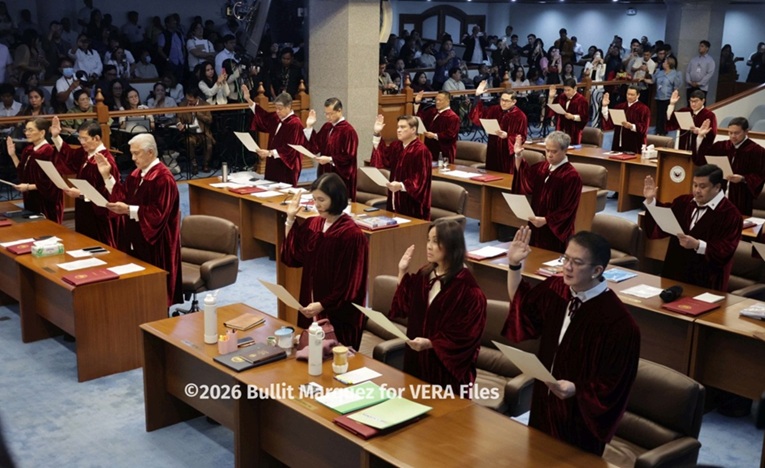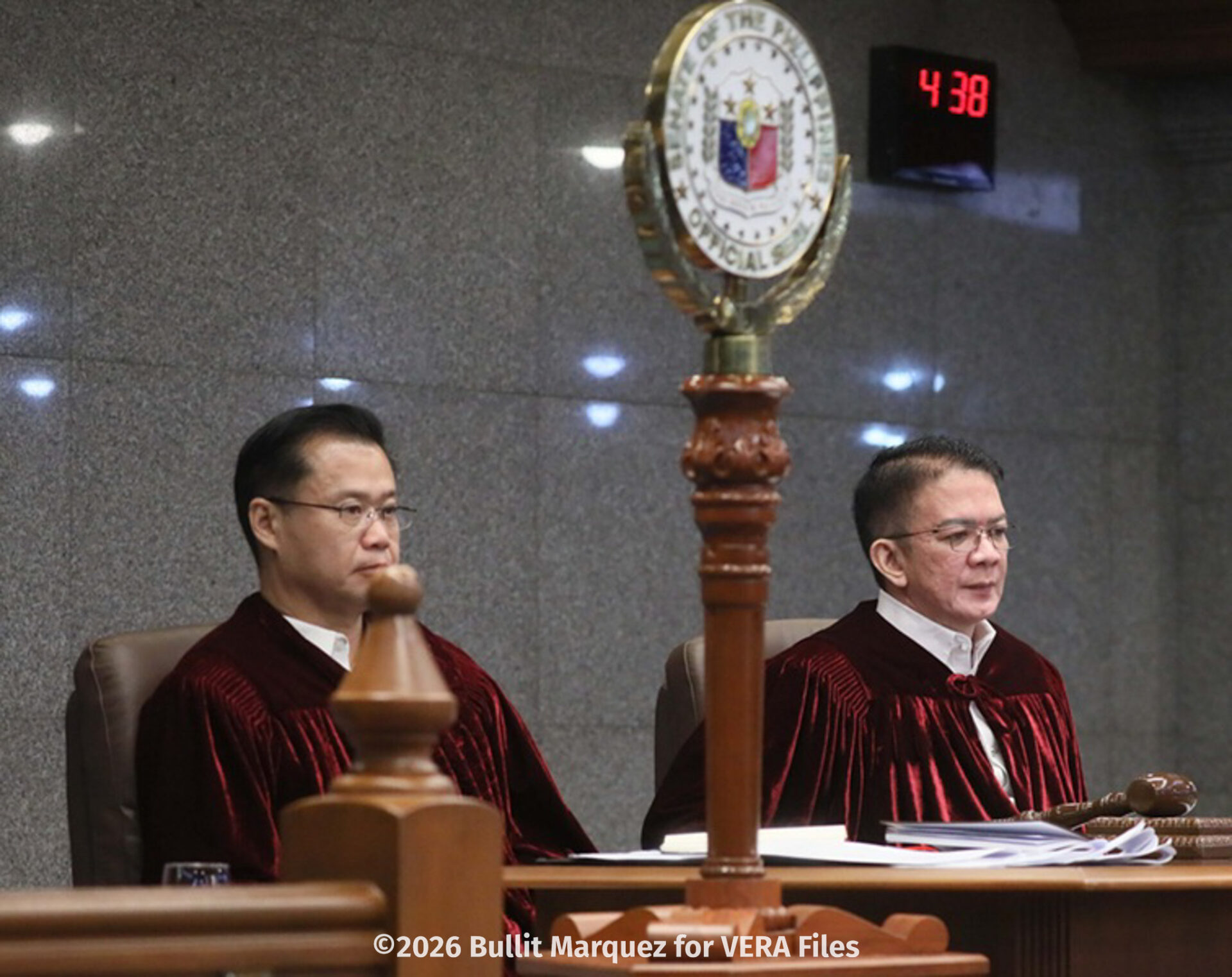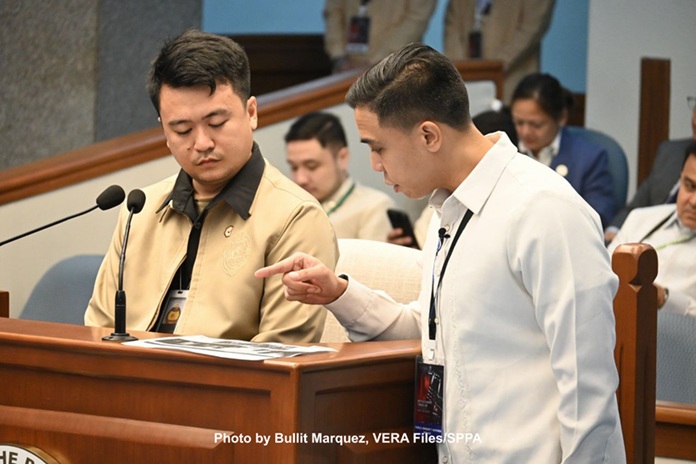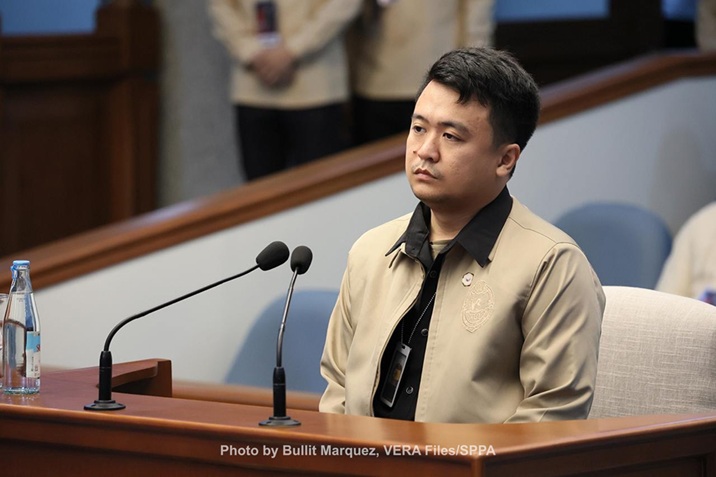

The impeachment trial of Vice President Sara Duterte entered a pivotal stage on Wednesday as House prosecutors presented their first witnesses to support allegations that P612.5 million in confidential funds were improperly handled.
On Thursday, President Ferdinand Marcos Jr. authorized the release of the vice president’s confidential tax records, allowing prosecutors access to another key set of financial evidence.
Taken together, the developments on Week 4 of the trial signal a transition in the impeachment proceedings—from competing political narratives to an evidence-driven examination of Duterte’s financial transactions.
For nearly two weeks, much of the impeachment trial revolved around procedural disputes, legal objections and arguments over the scope of the charges. Day 10 was different. Prosecutors finally began presenting witnesses and documentary evidence intended to prove the first article of impeachment accusing Duterte of graft, corruption and betrayal of public trust through the alleged misuse of confidential funds.
House prosecutor Leila de Lima opened the prosecution’s presentation by arguing that confidentiality does not exempt public officials from accountability.
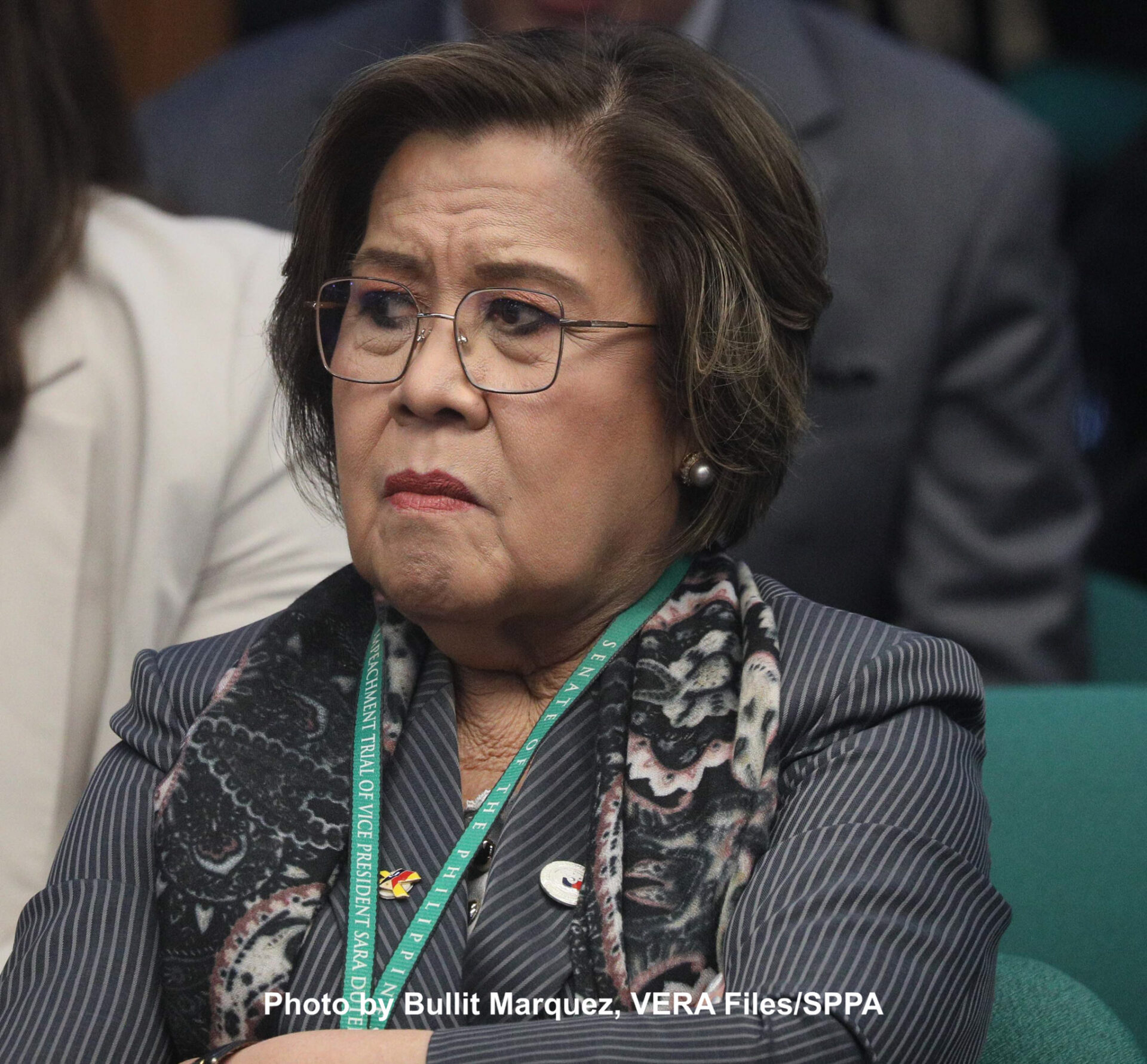
She stressed that confidential funds are designed to protect intelligence operations and informants, not to conceal fictitious documents or shield officials from public scrutiny. Although Presiding officer Francis “Chiz” Escudero later struck portions of her opening statement after objections from the defense, prosecutors had already laid down the central theme of their case: that secrecy over confidential funds cannot become a blanket defense against allegations of misuse.
Bank witnesses flag ‘unusual” cash withdrawals
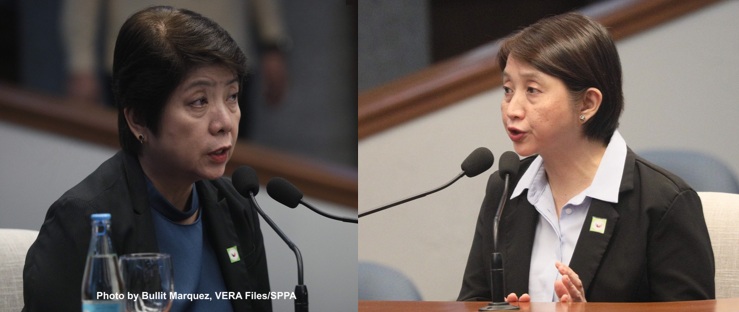
The prosecution’s first witness, former Land Bank Shaw Boulevard branch manager Violeta Constantino, described four cash withdrawals of P125 million each by the Office of the Vice President between December 2022 and July 2023 as unprecedented during her 32 years in banking.
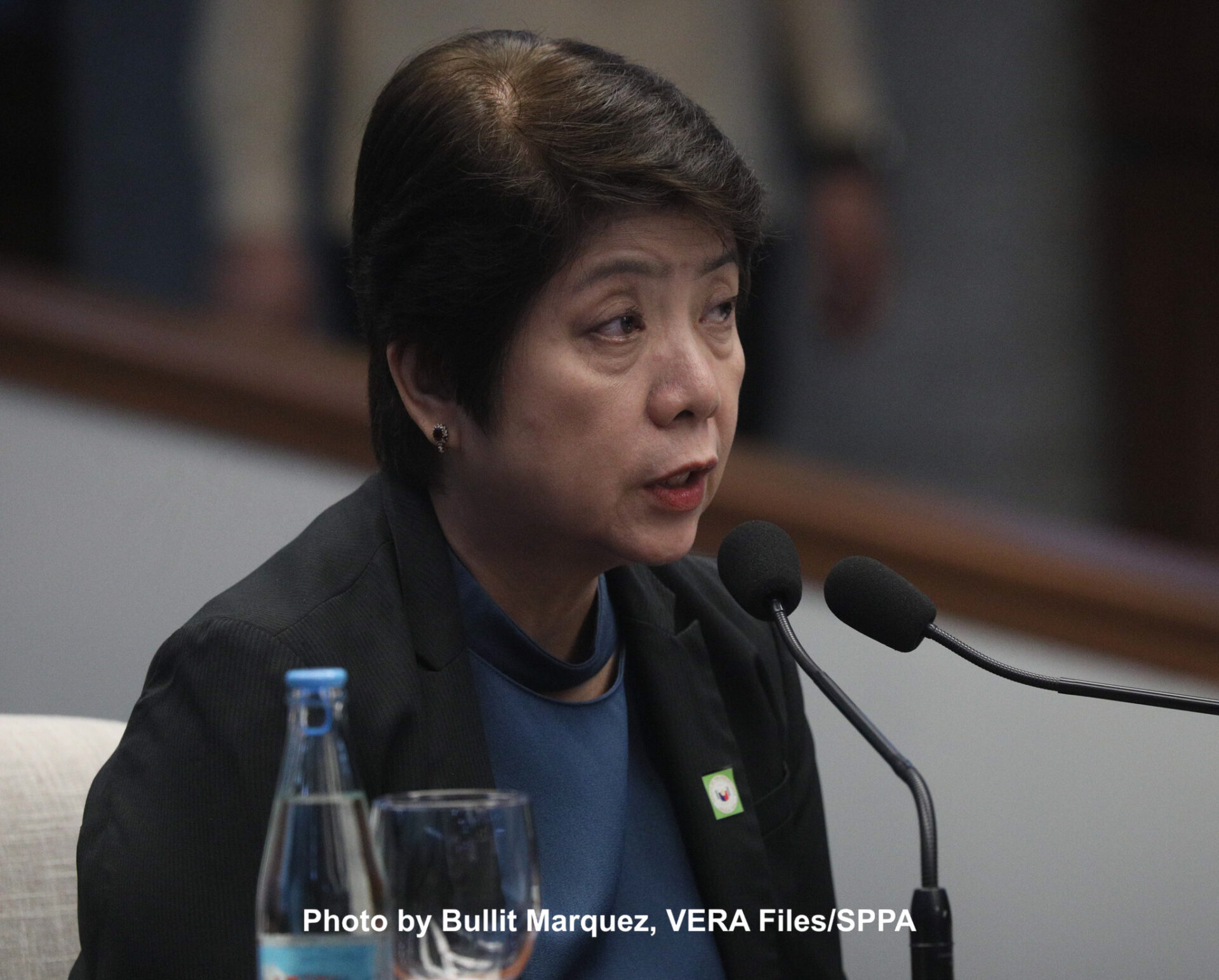
She testified that while the transactions complied with banking rules and were therefore treated as legitimate covered transactions under the Anti-Money Laundering Act, the sheer size of the withdrawals and the decision to withdraw the entire amount in cash were highly unusual.
Constantino recalled that each P125-million withdrawal had to be packed into roughly four large gym bags before being released to OVP personnel. She also told senator-judges that she had never encountered another government agency making similar cash withdrawals of such magnitude.
Former Land Bank DepEd branch manager Nenita Camposano echoed the same observation.
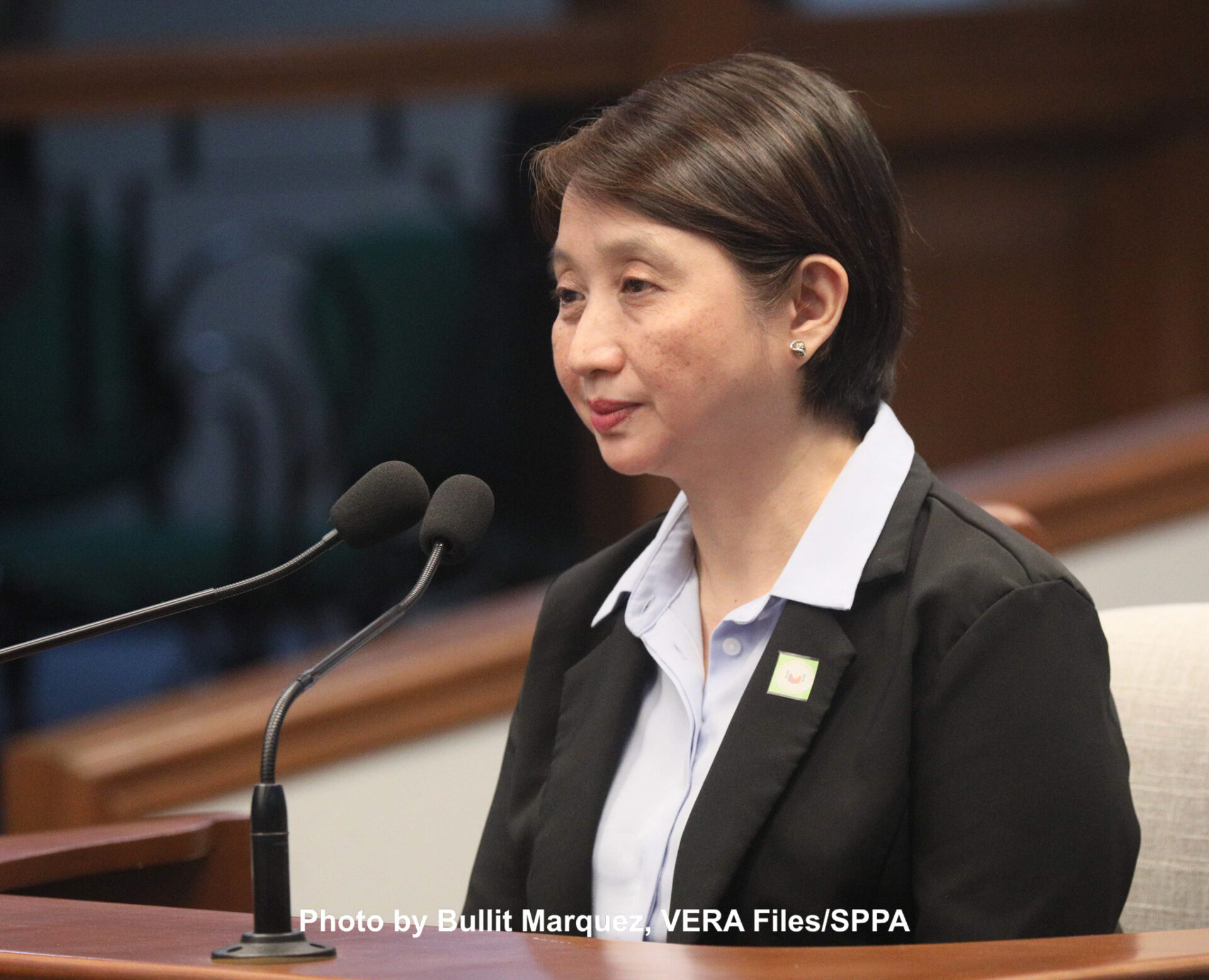
She testified that DepEd’s encashment of three checks worth P37.5 million each—totaling P112.5 million—was likewise extraordinary because government agencies normally withdrew only about P10 million in cash.
Like Constantino, she clarified that the transactions were not classified as “suspicious” under anti-money laundering regulations because they bore the required authorizations and were automatically reported as covered transactions due to their amount.
Her testimony reinforced the prosecution’s argument that although the withdrawals may have complied with banking procedures, their unusual nature deserves closer examination together with other evidence.
Unusual, but is it illegal?
The distinction is legally significant.
Neither witness accused Duterte of wrongdoing. Instead, they established factual circumstances surrounding the withdrawals: that enormous sums of government money were withdrawn entirely in cash, an occurrence both veteran bankers described as exceptional in decades of public-sector banking experience.
Whether those withdrawals later became illegal depends on additional evidence the prosecution has yet to present, including audit findings and liquidation documents allegedly bearing fictitious names.
If the first two witnesses established how the confidential funds left government accounts, Thursday’s developments may help prosecutors examine where Duterte’s wealth came from and whether it matched her declared income.
Bank and tax records to prove unexplained wealth
President Marcos authorized the Bureau of Internal Revenue to release Duterte’s confidential tax records to the Senate impeachment court, satisfying a legal requirement under the National Internal Revenue Code before such documents may be inspected.
The records cover Duterte, her husband, lawyer Manases “Mans” Carpio, and 19 businesses allegedly linked to the couple.
Without presidential authorization, the BIR could not legally disclose the documents even under subpoena.
Senate Secretary Renato Bantug, who also serves as clerk of the impeachment court, said the records, delivered in two sealed red boxes, were accepted after Malacañang’s authorization. The impeachment court has yet to determine whether the BIR fully complied with the subpoena or when the documents may be opened.
At nearly the same time, several banks began submitting subpoenaed financial records involving Duterte, Carpio and the companies identified by House prosecutors. The Anti-Money Laundering Council was likewise directed to provide its own records for confidential review by the impeachment court before any possible disclosure to either side.
These financial records form the backbone of Article II of the impeachment complaint, which accuses Duterte of amassing unexplained wealth.
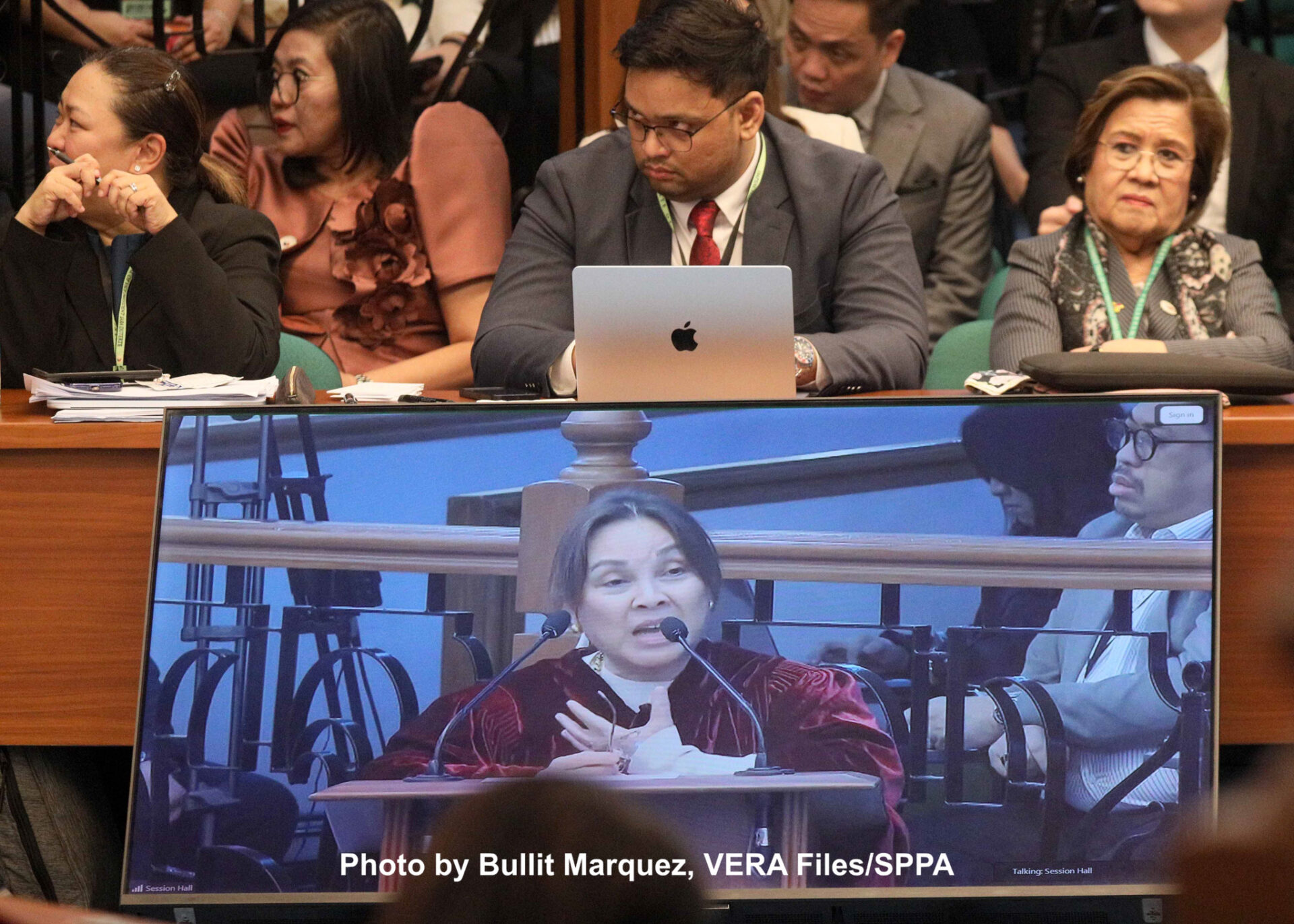
The tax returns could reveal Duterte’s declared income over the years. Bank records could show deposits, withdrawals and financial movements. AMLC records may identify transactions considered relevant under anti-money laundering laws.
Together, they allow prosecutors to compare three things: declared income, accumulated assets and actual financial transactions.
That comparison is often crucial in cases involving unexplained wealth because prosecutors generally seek to establish whether a public official’s assets are reasonably consistent with lawful earnings.
Marcos’ decision is politically significant because it comes amid his deepening rift with Duterte, his former running mate in the 2022 elections.
Critics are likely to view the authorization as another indication that Malacañang supports the impeachment effort. The Palace, however, insists the president merely complied with a legal requirement, noting that only presidential authorization allows confidential tax records to be examined under the National Internal Revenue Code. Refusing to sign could itself have prevented the impeachment court from obtaining evidence sought under its subpoena.
What the senator-judges must now decide
Whether the authorization ultimately benefits the prosecution remains uncertain.
Tax records alone do not prove wrongdoing. Neither do bank statements. Their value depends on what they reveal and whether prosecutors can connect the information to the allegations contained in the Articles of Impeachment.
For now, the trial has entered its most consequential phase.
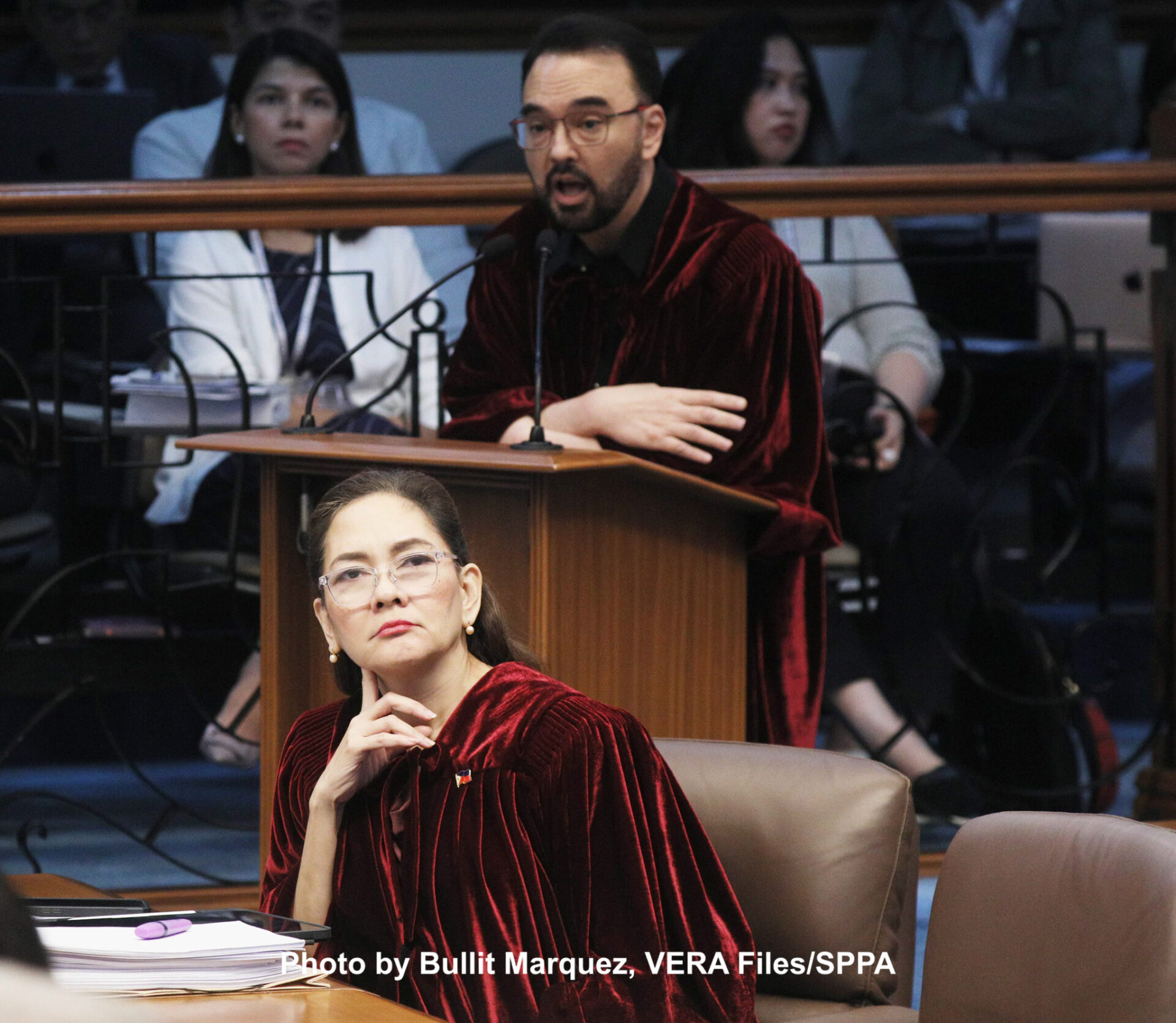
The dramatic images of hundreds of millions of pesos carried out of LandBank in gym bags captured public attention. But for senator-judges, those images alone will not determine guilt or innocence.
The decisive questions lie in the financial documents that have only begun arriving at the Senate: whether the money was lawfully spent, whether Duterte’s declared income matches her accumulated wealth, and whether prosecutors can prove their allegations beyond political rhetoric.
Those answers, not speeches, objections or public opinion, are expected to shape the outcome of one of the most closely watched impeachment trials in Philippine history.