[TRIGGER WARNING: SUICIDE]
Mental health awareness programs are on the rise, but their successful implementation is jeopardized by the profound scarcity of mental health resources and specialized facilities.
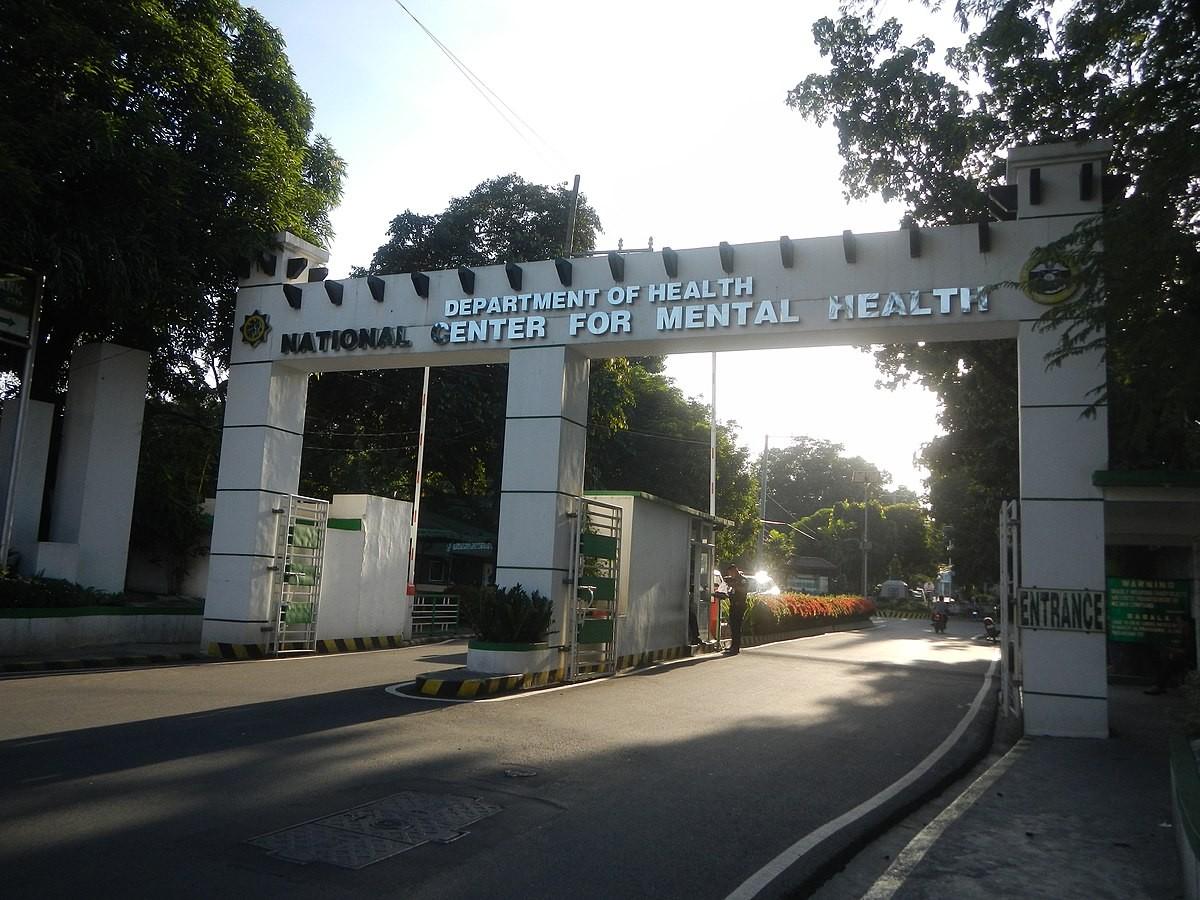
The National Center for Mental Health, the country’s primary public psychiatric facility, caters to approximately 500 to 1,000 patients daily. As they expand free online and in-person consultations, patients lament that the hardest part often begins after the appointment — when the session is too short, medicines are too costly, and provincial clinics run out of supplies.
Hidden cost of “free”
At 2 a.m., while most of the city is still asleep, Jade Ann Basco is already on her way to Mandaluyong.
It takes her an hour to reach the facility. Five more will be spent in line, followed by a brief 30-minute consultation, then more waiting to complete the process. By then she’s lost nearly 12 hours of her day.
Basco, a Marikina resident and mental health advocate diagnosed with bipolar disorder with psychotic features, sought help after her fifth suicide attempt. What she found was not just treatment but a system stretched thin.
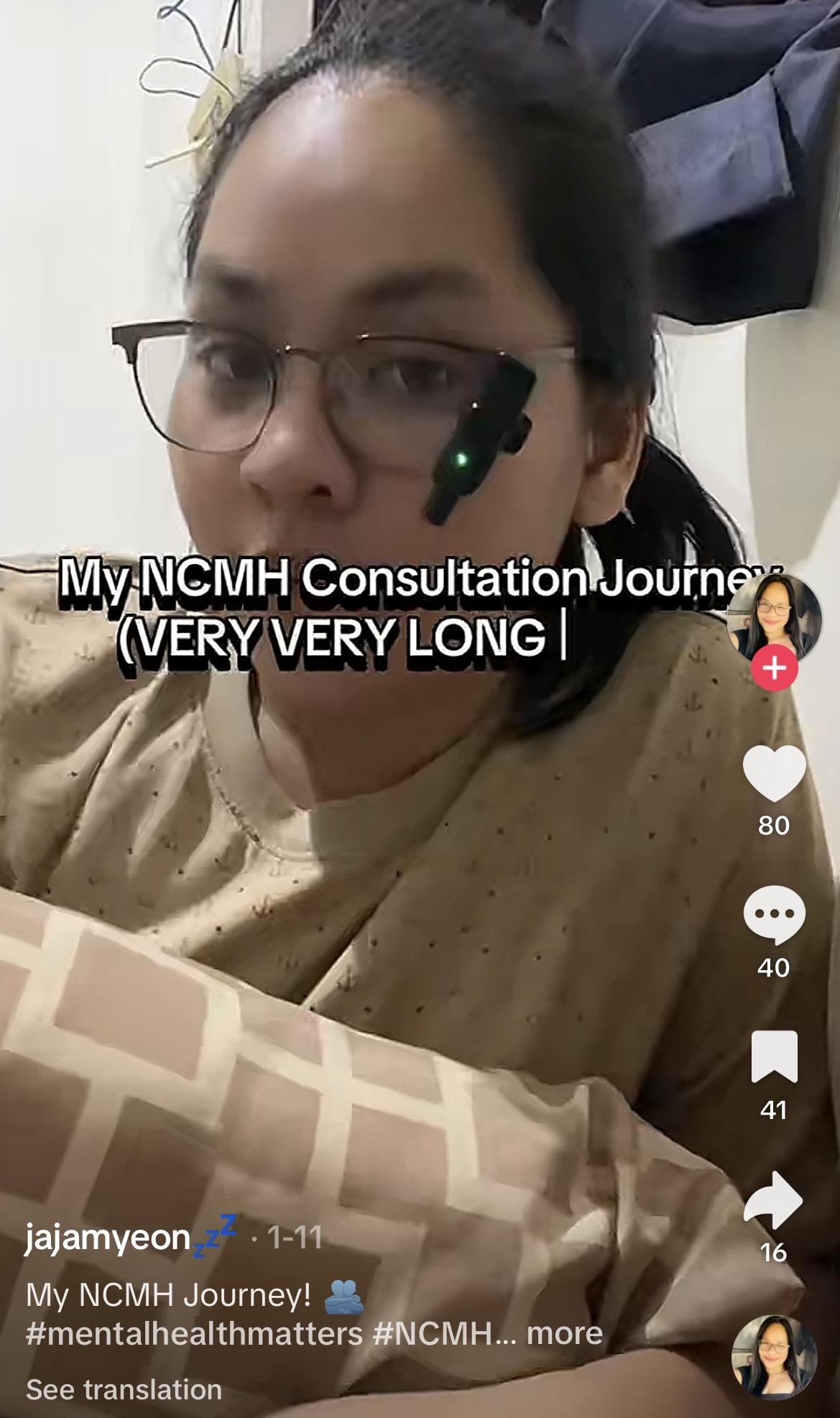
“Nakakalungkot yung sistema dito sa atin kasi ang daming tao na doon na natutulog para makakuha lang ng slot… Madaling araw ka talaga dapat aalis [sa bahay] kasi kung mga alanganing oras like 6 am or 7 am, wala ka nang aabutan,” she shared in an interview with VERA Files.
(It’s depressing how the system works here because so many people already sleep there just to get a slot… You have to leave [the house] at dawn because if you go at an uncertain hour like 6 a.m. or 7 a.m., you won’t get anything anymore.)
She said the situation at NCMH is far different from the usual scenario in private clinics. Patients who visit the state-run facility don’t just sit and wait for a few minutes before their names are called. Patients have to spend almost half a day to complete the entire consultation process.
In private clinics, appointments can be scheduled with a few clicks. At NCMH, access often depends not only on how early patients can arrive, but also how long they can endure waiting.
Chloe Alvarez, a 17-year-old from Pasig City, knows this routine too well. Diagnosed at 12, she only accessed NCMH services last year.
Like Basco, her days at the facility begin early and end late.
She described the process in the facility as ‘lengthy’ compared to the clinic that she used to visit. “Mahirap siya compared sa private hospitals na one click lang may schedule ka na,” Alvarez said.
(It’s difficult compared to private hospitals where you can get a schedule with just one click.)
But for the high school student, the challenge goes beyond long hours. She needs cognitive behavioral therapy—services not available at NCMH—forcing her to seek care from a private practitioner.
“Mahirap kapag di nagsasabay yung medication at yung therapy. Kasi may vision ka sa sarili mo na gusto mo gumaling kaya ka umiinom ng gamot pero hindi ka maka-move forward kasi may something sa way of thinking mo na kailangan ma-assess ng professional,” she shared.
(It’s difficult when the medication and the therapy don’t go hand in hand. You have this vision for yourself that you want to get better, that’s why you take your medication, but you can’t move forward because there’s something in your way of thinking that needs to be assessed by a professional.)
The crowded environment itself can also be overwhelming. For patients already managing anxiety or sensitivity to stress, the experience of seeking help can become difficult to handle.
Basco and Alvarez’s experiences are not isolated cases. Across the country, patients seeking mental health care face similar barriers, pointing to deeper structural issues within the system.
Limits of online care
For patients unable to endure long queues or travel to Metro Manila, they now have online consultations as an alternative. However, access to these services remains equally competitive and limited.
Mikaila Julyana Deocariza, an E-konsulta or online patient from Bicol, told VERA Files that securing a slot for an online consultation has its own challenges.
Deocariza is a worrier, far more than peers her age. It is a behavior she has always downplayed as something normal, until she realized it wasn’t.
She remembers the moment when breathing became difficult, her body trembled, and she was alone. She called the NCMH crisis hotline, a number she had saved long before she thought she would need it.
After the call, she was referred to an online consultation hotline. However, securing a slot was another challenge.
“I had to register through a Google Form and it took me two days to secure a slot for myself. The form opens at 8 a.m. and it closes after three to five minutes, so you really have to hurry,” Deocariza explained.
On her first try, the window for the Google form closed after she failed to fill out personal details and upload photos in five minutes. On her second attempt, she successfully managed to secure a slot.
“It felt relieving that I got to finally talk to a professional regarding my mental health issues so it was a rewarding time for me,” she recalled her first consultation.
The online consultation lasts 30 minutes for first timers and 15 minutes for follow-ups. For a patient like Deocariza who often waits for close to a month for her next consultation, this amount of time is sorely lacking.
Even her first consultation felt so short that she wasn’t able to talk about her feelings as extensively. She felt heard but not really understood because if her feelings were a picture, she was only able to talk about a quarter of it.
Between appointments, concerns build up. When something urgent happens, there is no immediate space to process it.
“Ang dami kasing nangyayari sa isang buwan, So halimbawa kapag something happened this week, you don’t have something to look forward na it’s okay kasi I’ll see my doctor naman. It’s going to take a whole month for you to talk about what happened,” she explained.
(So many things can happen in a month. For example, if something happened this week, you don’t really have something to look forward to like, ‘It’s okay because I’ll see my doctor soon).
While her consultation is free, access to medication remains a persistent challenge. Since she is not going to the facility itself, she needs to provide the medication for herself.
She purchases her medicines at the Bicol Regional Hospital and Medical Center (BRHMC) at a discounted price since buying from pharmacies is far too expensive. For a student who only has her allowance to rely on, the extra medical expense adds to her anxiety.
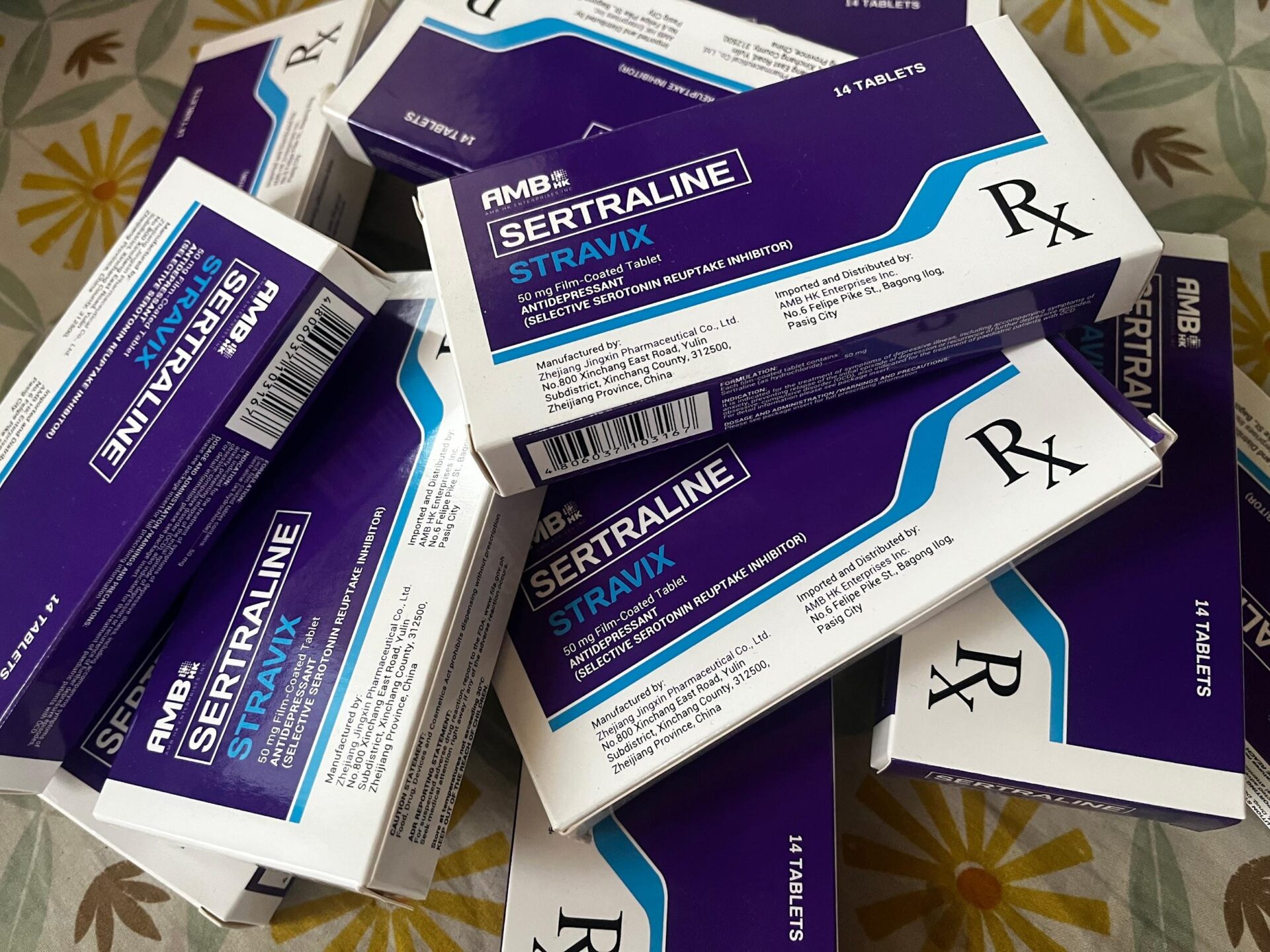
Stock shortage of medicine in public hospitals and community clinics is another problem. As a result, many are forced to purchase medicines out-of-pocket, adding another layer of burden for already vulnerable individuals.
Dr. Ma. Angelli L. Morico, head of BRHMC’s Mental Health Clinic, told VERA Files the stocks for the regional hospital come from the Department of Health, and through their own procurement.
However, despite their request for certain types of medicine, no suppliers bid for this often prescribed medication during the procurement process. The result: a lack of supply in the hospital, especially for medicines with high demand.
In such cases where medications are unavailable, Morico said, they offer alternatives to patients, but this means additional out-of-pocket expense.
The national picture
The individual experiences of these three patients reflect a broader national challenge: the demand for mental health services in the Philippines continues to outpace the system’s capacity to provide timely and sustained care.
A World Health Organization country study estimates that around 11 to 12 million Filipinos live with diagnosable mental disorders, while up to one in five experience significant symptoms such as depression, anxiety, or stress. Despite this scale, the country’s mental health system remains under-resourced.
The passage of the Mental Health Act in 2018 marked a major step toward improving mental health care in the country. The law guarantees access to services, protects patient rights, and promotes integration of mental health into the broader healthcare system.
However, mental health advocates and professionals point out that implementation remains uneven. Limited funding, workforce shortages, and infrastructure gaps continue to hinder the law’s full impact.
In a recent UNICEF Philippines report, it was highlighted that workforce shortages are a major challenge affecting the law’s implementation and limited trained professionals lead to heavy caseloads and delayed access to care.
A 2024 policy study on the Philippine Mental Health Act also found that “gaps remain evident” years after its passage, particularly in areas like financing and system development.
The strain is further compounded by the lack of facilities. The Philippines has only a handful of mental hospitals nationwide, with services heavily centralized in institutions like the NCMH. Moreover, for many patients outside the National Capital Region, seeking help often means traveling long distances or relying on inconsistent local services.
Workforce shortage
Inside NCMH, these pressures are visible daily.
Ellen Faye Ramos-Obligacion, a junior consultant in the Adult Outpatient Section of NCMH, told VERA Files that there is an increasing trend of overall psychiatric consultations based on their census.
The primary challenge they are facing is the increasing number of service users who require psychiatric care and the limited number of service providers or doctors available.
“We need a lot of doctors. Right now, we only have two doctors for online consultations and five doctors for in-person consultations every day, while the number of patients ranges from 500 to 1000,” Obligacion said.
Compared to the volume of patients, the number of doctors in NCMH is significantly low. This also limits the number of potential patients who can avail themselves of the service that they have.
Morico shared that BRHMC also has a similar issue. Only two psychiatrists attend to between 70 to 80 patients a week.
When it comes to online services, NCMH also encounters challenges in terms of internet connectivity, as it affects the quality of the consultation. There are instances when doctors have to end the consultation because of a really bad internet connection.
Additionally, they also have an issue in terms of computer literacy for patients who are from far-flung areas. “They might want to access the online consultation, but they may not be knowledgeable enough to process the registration,” she added.
Despite these obstacles, Obligacion assures the public that they are trying their best to provide the best service they can give.
One consultation, one hope
For Basco, Alvarez, and Deocariza, NCMH opened a door for them to understand themselves better.
Basco and Alvarez felt heard and understood which made them realize that there is actually a deeper reason why they act and feel the way they do and they are not just exhibiting irrational behaviour.
“I am very happy na nag-decide ako to seek help kasi ngayon nakakapag-share ako sa ibang tao lalo na sa mga naghe-hesitate mag-ask for help sa mental health nila. Ang dami nang nawala, so hindi na siya dapat na i-invalidate, hindi na siya dapat di pansinin, di na siya dapat i-discriminate kasi totoo siya,“ Basco declared.
(I am very happy that I decided to seek help because now I’m able to share my experiences with other people, especially those who are hesitant to ask for help for their mental health. So many lives have already been lost, so this should no longer be invalidated, ignored, or discriminated against because it is real.)
On the other hand, Deocariza has a message for people who are hesitant to ask for help. “It’s okay to seek the help you need, kasi malay mo (who knows) after it, you may be able to live your life to the fullest.”
Obligacion also reminded the public that psychiatry is a collaborative care.
“We are willing to provide the services but we also need the service users to do their part and to make that step, to ask for help, to consult with us and for the relatives that are concerned to help us provide appropriate care and support for our service users,” the NCMH doctor noted.
For many Filipinos, taking that first step is only the beginning.
Because beyond the awareness campaigns and policies, the real test of the system lies not in whether people can ask for help, but in whether the system can continue to care for them once they take that first step.
May is National Mental Health Awareness Month.
Editor’s Note: Hershey Juan is a Bicol University student writing for VERA Files as part of her internship.