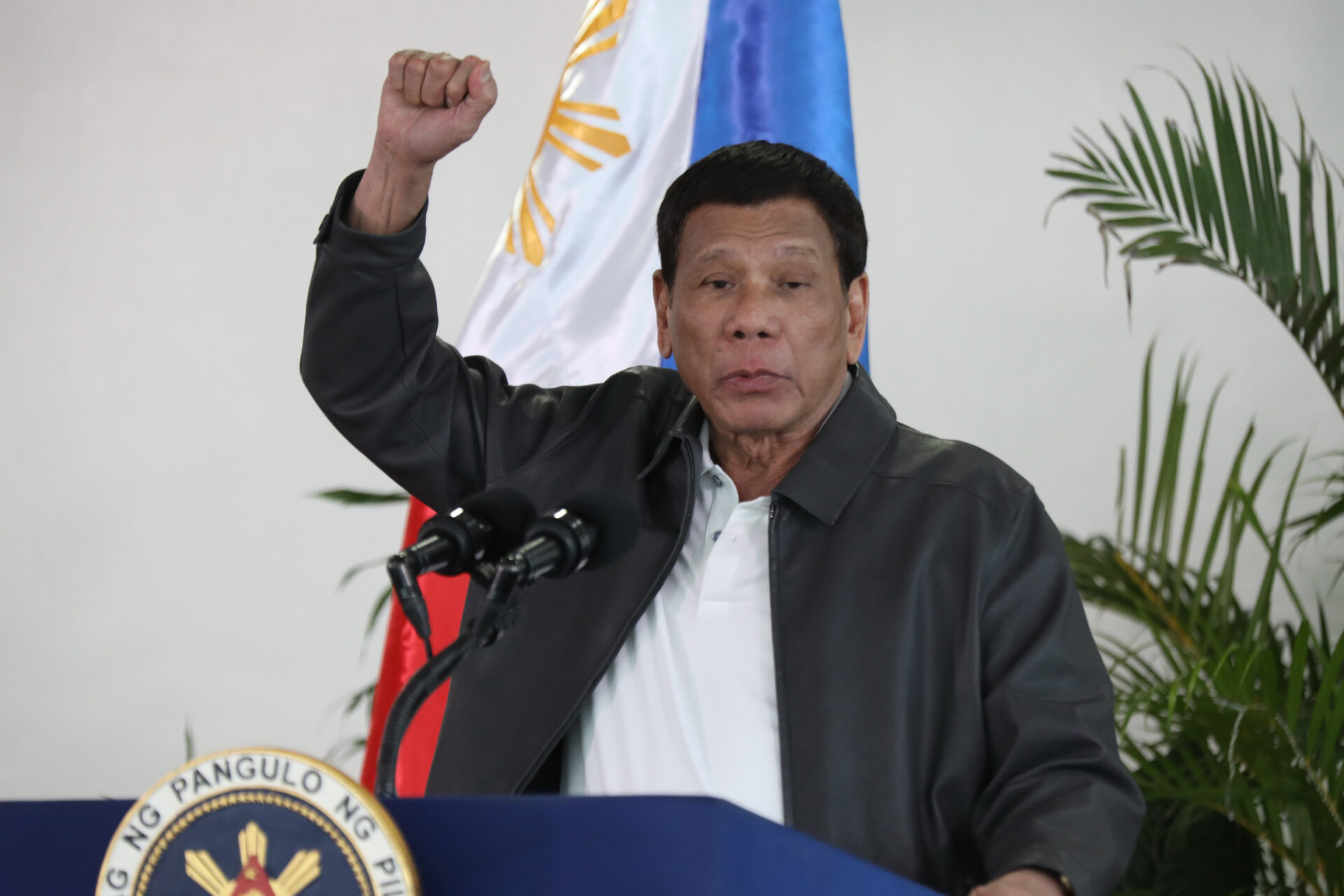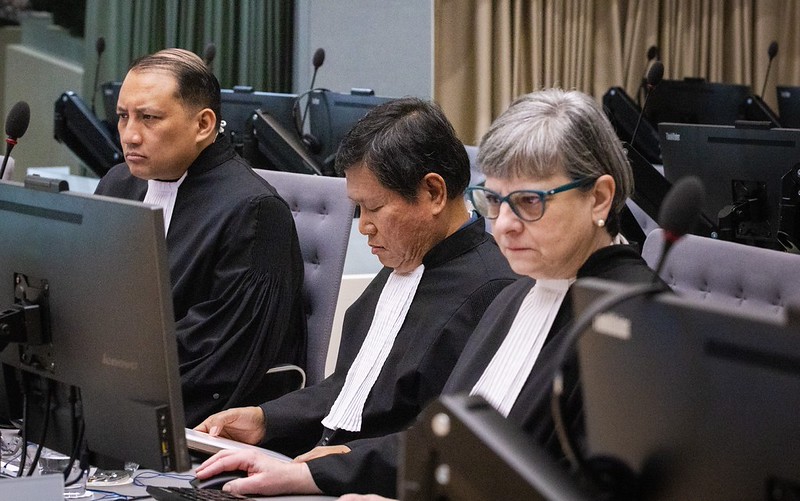
Harrowing accounts of killings, forceful arguments on command responsibility and emotional pleas from victims’ lawyers urging judges not to let a “cycle of violence” go unpunished marked the second day of the confirmation of charges hearing against former president Rodrigo Duterte at the International Criminal Court in The Hague.
Prosecutors presented before Pre-Trial Chamber I their submissions on the merits, laying out what they called “substantial grounds to believe” that Duterte bears criminal responsibility for crimes against humanity of murder linked to his anti-drug campaign. They sought to show the deaths were not isolated incidents but part of a deliberate, state-sponsored campaign.
The 80-year-old Duterte is suspected of crimes against humanity of murder and attempted murder allegedly committed between Nov. 1, 2011 and March 16, 2019, spanning his tenure as vice mayor and mayor of Davao City and later as president.
The chamber has stressed that it is not determining guilt, but whether evidence is sufficient to send the case to trial.
Filipino lawyer Gilbert Andres, one of the victims’ legal representatives, told judges the prosecution had presented “more than enough” evidence to confirm the charges and move forward.
Duterte, who has defended his drug war as necessary to curb criminality, remained absent. His absence loomed as prosecutors and victims’ lawyers reconstructed what they described as an architecture of violence during his years in power.
Prosecutors played video clips and cited transcripts of Duterte’s speeches in which he issued his “kill, kill” orders, promised to shield police from prosecution and assured them they would not go to jail for actions taken in the drug war.
A pattern of violence, not isolated killings
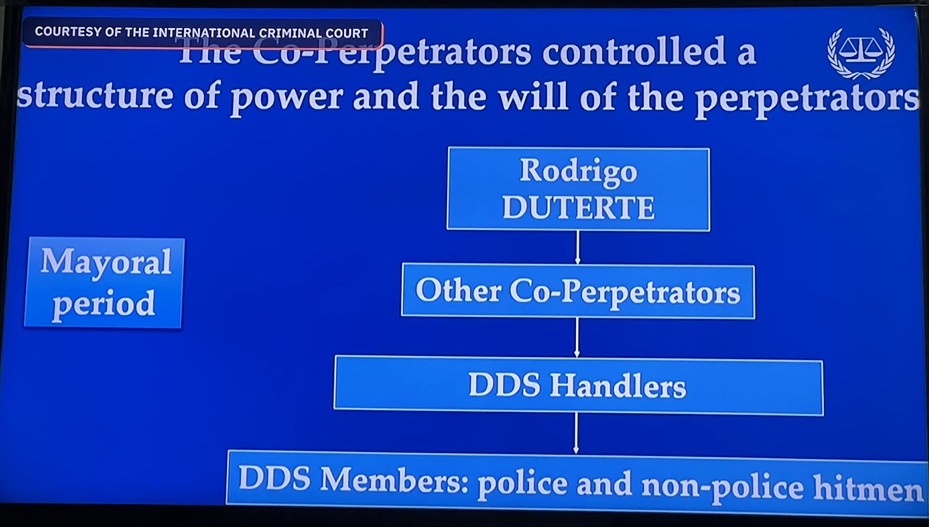
Prosecutors described an operational structure that began during Duterte’s time as Davao City mayor and expanded nationwide after he became president. They cited testimonies of witnesses, including “DDS insiders,” about coordinated groups tasked with identifying and eliminating suspected drug offenders.
These groups, prosecutors said, had logistical support, access to state resources and protection from investigation. “They received salaries,” one prosecutor told the chamber. “They had identification. They were integrated into official structures. But their function was to kill.”
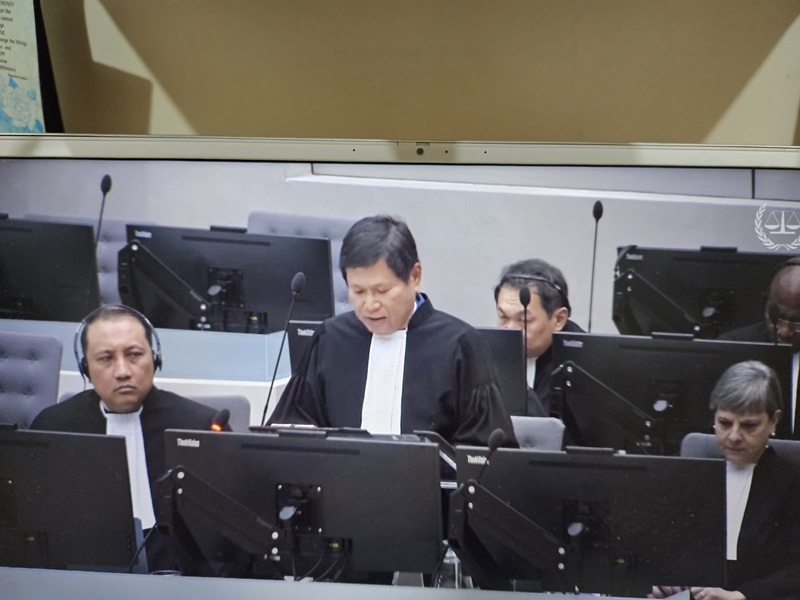
The presentation focused on selected incidents to illustrate what prosecutors called a broader, systematic attack on civilians. Trial lawyers Edward Jeremy and Robynne Croft highlighted Count 2 of the charges — the murders of at least 14 alleged “high-value targets.”
They walked the judges through specific killings allegedly carried out by police units and associated operatives, stressing that the charges represent only a fraction of the deaths attributed to anti-drug operations.
Prosecutors described suspects being placed on watch lists, surveilled and later killed in police operations routinely described as armed shootouts. The term “nanlaban,” used to claim suspects fought back, appeared repeatedly in police reports. But prosecutors argued that forensic inconsistencies, eyewitness accounts and insider testimony point to staged crime scenes and premeditated executions.
Jeremy cited evidence that “neutralize” within law enforcement meant “to kill,” and pointed to an alleged reward system for each “neutralization,” arguing Duterte’s promises of protection had concrete, lethal consequences.
He highlighted data showing a 590% increase in police killings during the first 25 months of Duterte’s presidency compared with previous periods.
Jeremy also cited the killing of Albuera, Leyte Mayor Rolando Espinosa Sr. inside Baybay City Provincial Jail on Nov. 5, 2016, and the July 30, 2017 raid in Ozamiz City that left Mayor Reynaldo Parojinog, his wife and 12 others dead. Prosecutors said Duterte ordered the killing of individuals listed on a drug watch list he prepared, known as the PRRD list.
According to the prosecution, names on the list were categorized into five levels, from street-level dealers and local officials to alleged drug financiers and high-ranking police and military officers.
Jeremy also cited inconsistencies in Duterte’s words and actions. “This was the pattern, your honors. Out of one side of his mouth, quietly, occasionally, he would speak about self-defense. This was Mr. Duterte, the lawyer, keenly aware of his own legal jeopardy, especially once he was no longer president. And the other side of his mouth, loudly, frequently, he would say ‘kill and I will protect you, I will pardon you, and I will promote you.’ This is Mr. Duterte the strongman president, who orders the murders of drug lords and alleged criminals.”
‘Widespread and systematic’
Croft argued the “war on drugs” was a “widespread and systematic” attack on civilians carried out as state policy to violently “neutralize” alleged criminals. When the campaign expanded under Duterte’s presidency, she said, it remained “highly organized, planned and coordinated.”
“These are not random acts,” Croft told the chamber. “They form a pattern — a repeated, deliberate course of conduct directed at a civilian population.”
Prosecutors also cited the deaths of minors in anti-drug operations, saying teenagers were treated as legitimate targets in a campaign that blurred the line between law enforcement and lethal force. “These were children… who were denied even the most basic protection of the law.”
Quoting Duterte’s speeches, prosecutors argued his rhetoric endorsed and encouraged violent methods.
“No military man or police officer will go to prison for doing his duty,” Duterte declared in one speech cited in court. Prosecutors said such statements were not hyperbole but created an environment in which officers believed they had presidential backing to kill.
Addressing the defense’s claim that Duterte’s rhetoric was merely “colorful language,” Croft said: “Words matter. When the head of state promises immunity, that assurance reverberates down the chain of command.”
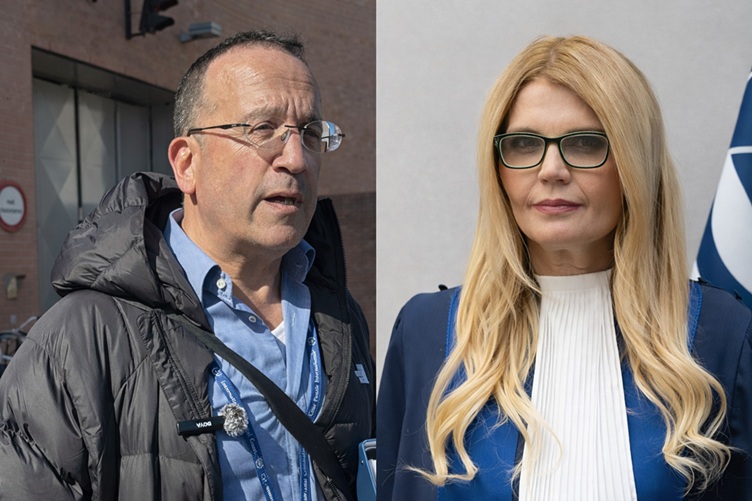
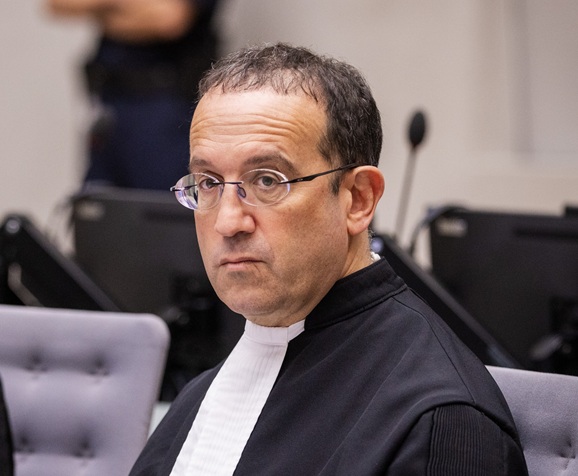
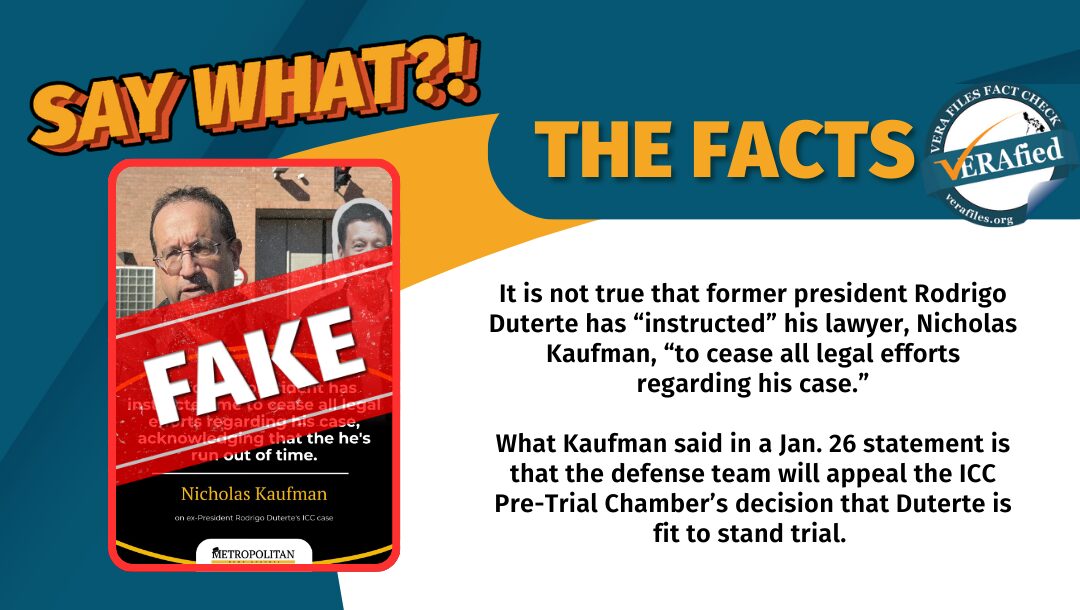
On the first day of the hearing on Monday, Feb. 23, Duterte’s lead counsel Nicholas Kaufman argued the former president’s remarks were misinterpreted and that he never issued a written order to carry out extrajudicial killings. He called the case politically motivated and lacking “hard evidence” beyond public speeches.
Why Duterte is an indirect co-perpetrator
Croft explained why Duterte is considered an indirect co-perpetrator of the alleged crimes against humanity, detailing how the former president and his co-perpetrators “controlled a structure of power, namely the Davao Death Squad and the national network, which they used to pursue the common plan,” which she said was to “neutralize alleged criminals.”
“Mr. Duterte made an essential contribution to the rimes within the framework of the common plan, and… he did this with the requisite intent,” she said.
Central to the prosecution’s case is command responsibility — that Duterte, as mayor and later president, exercised authority and control over those who carried out the killings.
Croft argued Duterte’s public vows to “kill” drug pushers and shield police from prosecution were not mere rhetoric but directives that cascaded down the chain of command.
Prosecutors contended those words provided legal and moral cover for systematic killings, effectively turning state policy into a “license to kill.”
‘More than enough’ to go to trial
Andres said the victims’ legal team focused on three points: the impact of the drug war, Duterte’s responsibility and the conditions endured by affected communities.
He said the harms were not abstract numbers but real families left traumatized. He described the defense’s opening as largely political, failing to address the core allegations.
Although no live witnesses testified at this stage, Andres said the victims’ team was prepared to present testimony if the case proceeds to trial.
Victims, not statistics
Paolina Massidda, principal counsel of the Office of Public Counsel for Victims, urged judges to see the human faces behind the legal claims.
The victims were not “statistics or distant figures,” she said, but individuals and families whose rights under the Rome Statute were violated “in the most profound ways.”
Massidda read testimony from relatives, including a mother who said her son’s body was treated “like a pig,” denied even the dignity of touch in death. She described communities living “under fear and silence” during the height of the drug war.
Confirming the charges, she said, would be more than procedural; it would recognize that the victims’ suffering “mattered.”
In Manila, human rights groups held vigils and forums as relatives of those killed watched the proceedings online. Some wept. “For the first time, someone is listening,” said one mother whose teenage son was killed in 2017.