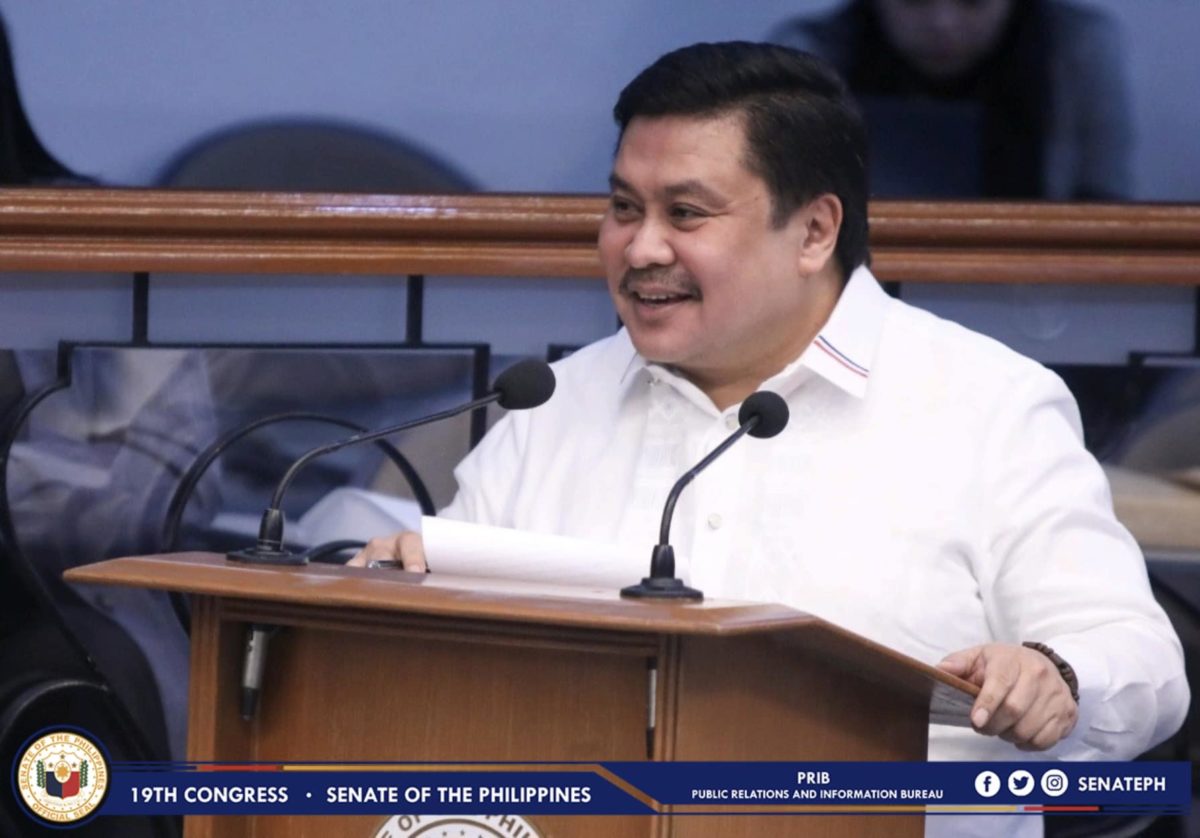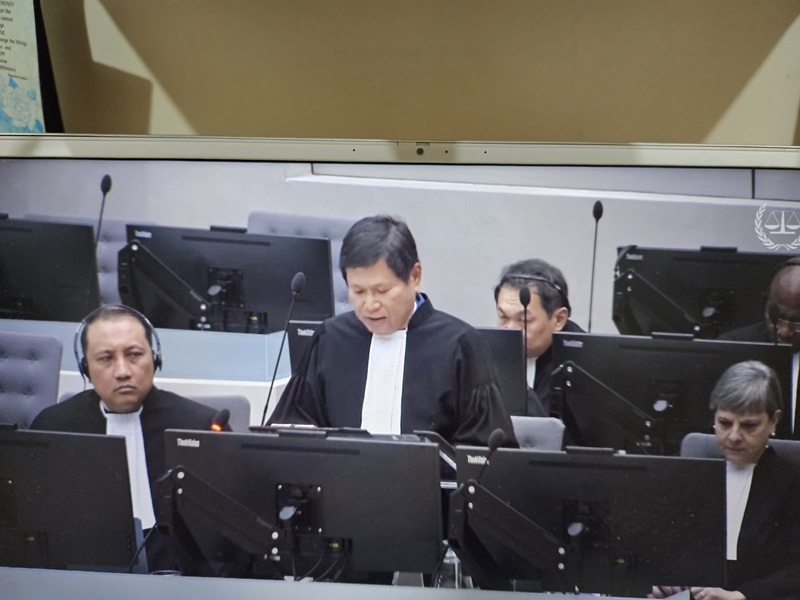
To have a clear picture of the horrors allegedly committed by former president Rodrigo Duterte in his brutal drug war, the victims themselves must be heard. But that can only happen if Pre-Trial Chamber I confirms the charges against him at the International Criminal Court, allowing the case to proceed to trial, said Joel Butuyan, one of the ICC-appointed legal counsels for victims of Duterte’s war on drugs.
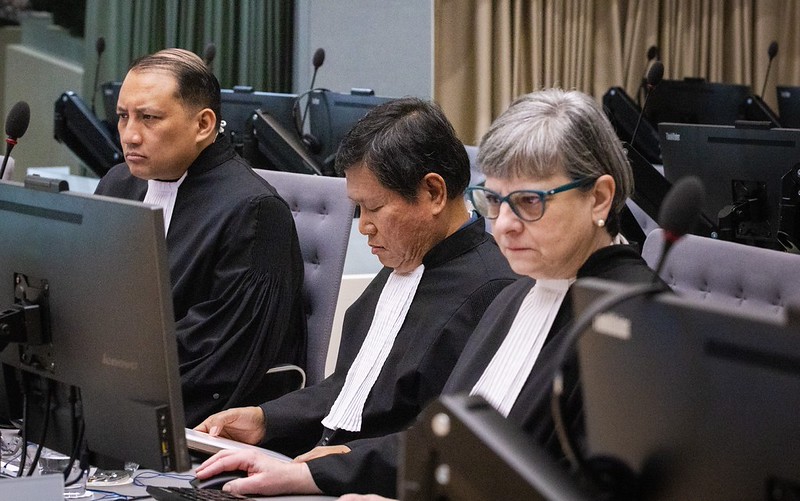
The confirmation of charges hearing opened Monday, Feb. 23, at the ICC headquarters in The Hague, a crucial step in the tribunal’s probe into alleged crimes against humanity tied to Duterte’s anti-drug campaign.
Appearing for families of alleged victims, Butuyan, a human rights lawyer who has long advocated for accountability over drug war killings, told judges the hearing marks “a day of reckoning not only for one man, but for a nation wounded by fear.”
He stressed that victims’ voices must remain central to the proceedings. Recalling families who continue to seek justice years after losing loved ones, he said: “Behind each statistic is a human life — a father, a mother, a child. These were not mere collateral casualties in a war on drugs. They were citizens entitled to due process and the protection of the law.”
“It is the view of the victims that this court must allow them to narrate the gravity, the cruelty and the brutality… the utter inhumanity of the crimes masterminded by Mr. Duterte. For this to happen, the charges should all be confirmed,” he said.
‘Virus of impunity’
If the charges are not confirmed, Butuyan warned, victims fear Duterte will return home “a conquering hero,” portrayed by supporters as the leader who vanquished the ICC and “cleansed” the country of criminals, language he said Duterte used sweepingly against those killed.
He also relayed the disappointment of 497 victims authorized to participate in the four-day hearings over the court’s decision allowing Duterte not to appear in person.
“The sight of Mr. Duterte being read and confronted with the grave and horrible charges against him would have constituted a vital component of justice for the victims,” he said.
“This case symbolically represents the last boat the victims can board in search of justice,” Butuyan added. “If this chamber prevents the boat from sailing by not confirming the charges, the victims will forever be moored on an island where the nights are filled with the screams and cries of their massacred loved ones. There is absolutely no other recourse.”
“Truth is the antidote to the virus of impunity, Your Honors. The victims dread a future where charges are not confirmed. It will mean that the virus of impunity will continue to spread and infect many more.”
He argued that domestic accountability mechanisms in the Philippines have failed, making international intervention necessary. “The ICC stands as a court of last resort,” he said, invoking the Rome Statute’s principle of complementarity. “When national systems falter or refuse to act, this court must.”
Butuyan urged the judges to confirm the charges and send the case to trial, saying prosecutors have shown substantial grounds to believe Duterte bears responsibility for crimes against humanity, including murder.
No ruling yet on guilt
Presiding Judge Iulia Antonella Motoc clarified that the chamber will not decide Duterte’s guilt or innocence at this stage. The hearings aim to determine whether prosecutors have presented sufficient evidence to proceed to trial. Judges will assess documentary evidence, witness statements and legal arguments, alongside submissions from the defense.
“If all or part of the charges are confirmed, the chamber will refer the case to trial, where the trial chamber will decide upon the innocence or guilt of Mr. Duterte,” Motoc said.
Alleged pattern of killings
Deputy Prosecutor Mame Mandiaye Niang cited Duterte’s own video statements about killings to argue the crimes were committed with his approval.
Niang outlined what he described as a “consistent and state-backed pattern of extrajudicial killings” during Duterte’s presidency and earlier tenure as Davao City mayor. He said the anti-drug campaign amounted to a systematic attack against civilians.
Duterte faces three counts of crimes against humanity allegedly committed from Nov. 1, 2011, to March 16, 2019:
- Count 1: Murders in or around Davao City by the Davao Death Squad while he was mayor
- Count 2: Murders of high-value targets during his presidency
- Count 3: Murders and attempted murders in barangay clearance operations
“Duterte and his co-perpetrators shared a common plan to neutralize alleged criminals … through violent crimes including murder,” Niang said.
Prosecutors allege thousands were killed in police operations and vigilante-style executions. Niang said the evidence shows “a policy, openly articulated and repeatedly endorsed at the highest levels of government,” encouraging lethal force.
He stressed the case is not about drug policy but criminal responsibility under international law. “When a campaign results in widespread and systematic killings of civilians pursuant to state policy, accountability must follow.”
The prosecution presented video clips of Duterte’s speeches, internal police memoranda and sworn witness statements, including from former law enforcement officials. Niang said Duterte’s public pronouncements legitimized and incentivized the killings, creating a “climate of impunity.”
Defense calls statements ‘hyperbole’
Duterte’s lead counsel, Nicholas Kaufman, dismissed the videos as “hyperbole,” arguing the former president’s tough talk was exaggerated rhetoric meant to deter crime. He said the case rests on politically motivated accusations and unreliable witnesses.
Kaufman maintained that Philippine authorities were willing and able to investigate alleged abuses, challenging the ICC’s jurisdiction following Manila’s 2019 withdrawal from the Rome Statute. The court, he argued, cannot retroactively assert authority over a sovereign state enforcing its laws.
“The prosecution’s case is built on conjecture and selective interpretation of rhetoric,” he said, describing Duterte’s statements as expressions of political resolve, not unlawful orders.
He accused the media of sensationalism, saying Duterte’s speeches became “fertile fodder” for critics, NGOs and human rights groups. “They highlight the salacious content while ignoring the true context, because that is what captivates the reader, and so it was with Rodrigo Duterte, whose speeches were fertile fodder for his enemies and detractors, a man whose hyperbole, bluster, and rhetoric once published became a natural target for privately funded NGOs and human rights activists, a loose collective more commonly known as civil society.”
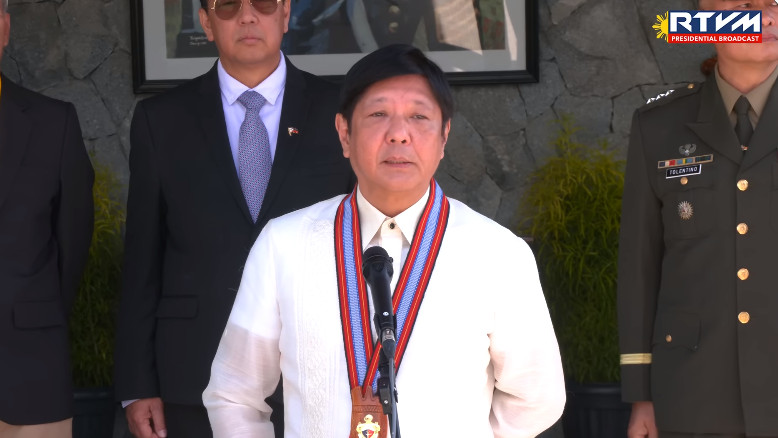
Kaufman also criticized President Ferdinand Marcos Jr. for allegedly reversing his position on cooperating with the ICC.
In the remaining hearings, he said, the defense will show the charges are misplaced and politically driven.
“We will ask you to send Rodrigo Duterte back to his family,” Kaufman said, “and to give back to the Filipino people their Tatay Digong.”
Outside the ICC, small groups of demonstrators gathered, some holding photos of alleged victims, others waving Philippine flags in support of the former president.
(With inputs from Valerie Joyce Nuval)
Click here to read full statement of Atty. Butuyan.