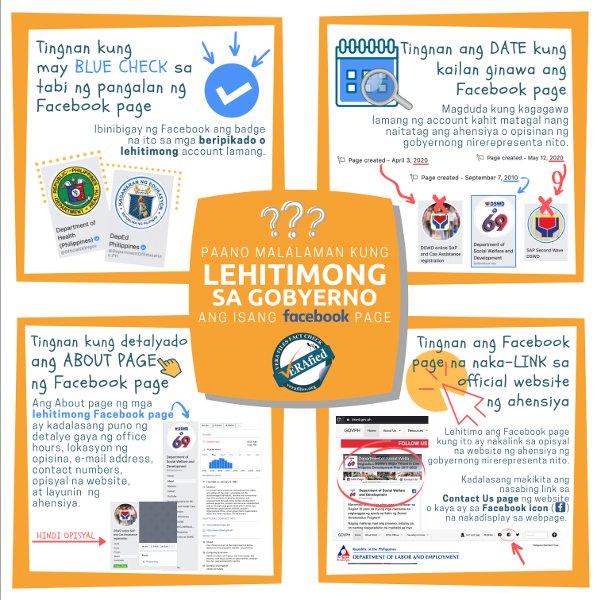
Amid the continued spread of false and fake posts online, fact-checkers should remind the public to watch their emotions when consuming content from social media that they need to verify to be factual, Cleve Arguelles, political scientist and president of public opinion research firm WR-Numero, proposed.
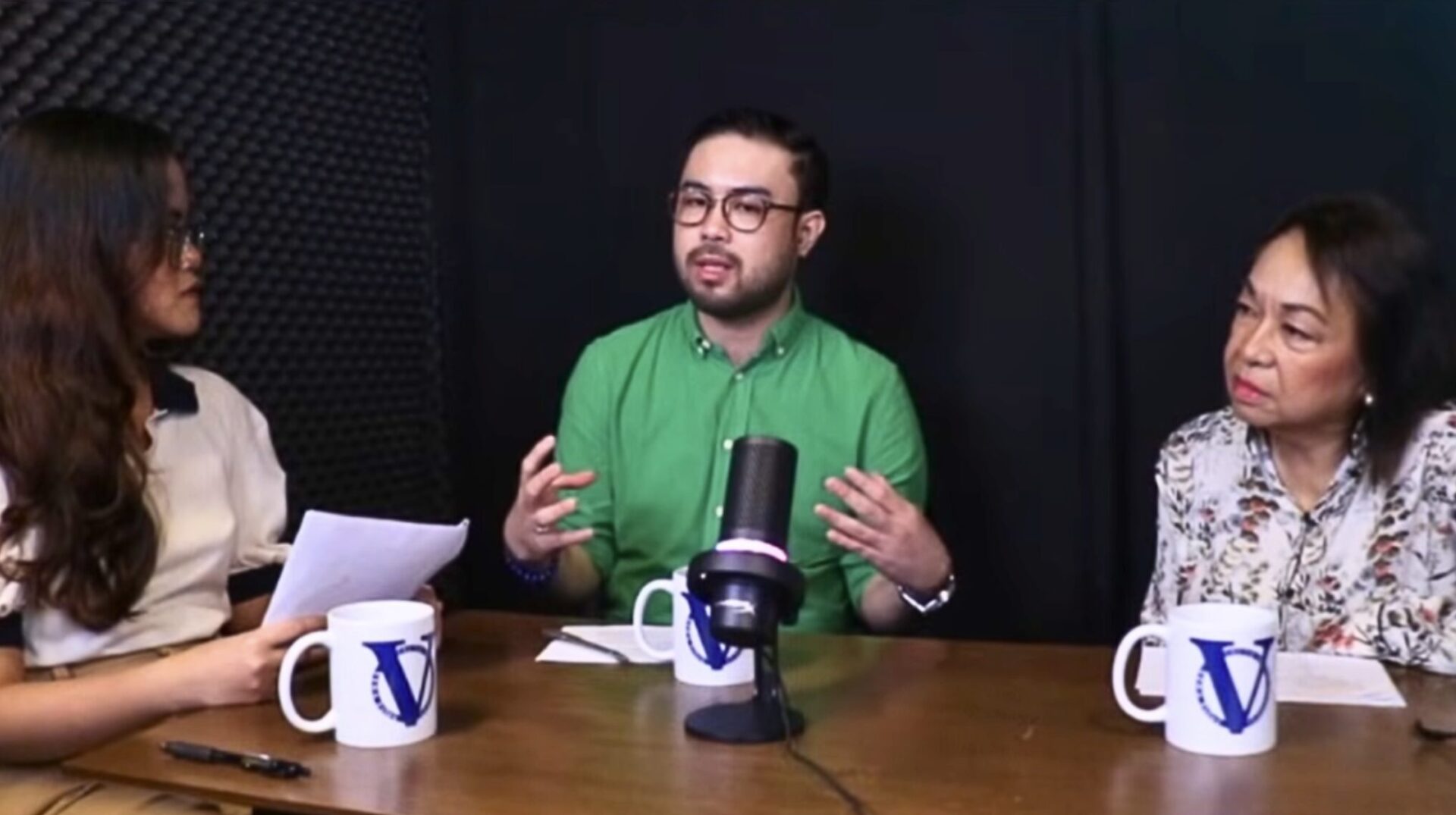
In a special What The F episode to discuss political disinformation in 2025, Arguelles and VERA Files senior editor Tress Martelino-Reyes agreed that disinformation strongly resonates with the public because these kinds of posts are created to appeal to emotions.
“It’s no longer (about) the truth, but how you resonate with people because they agree with what you’re saying,” Reyes said, adding, “they watch you or believe you whether what you say is true or not.”
As an example of this emotional bias, Arguelles noted that people have a tendency to believe information shared by their spouse or partner despite evidence that this is false.
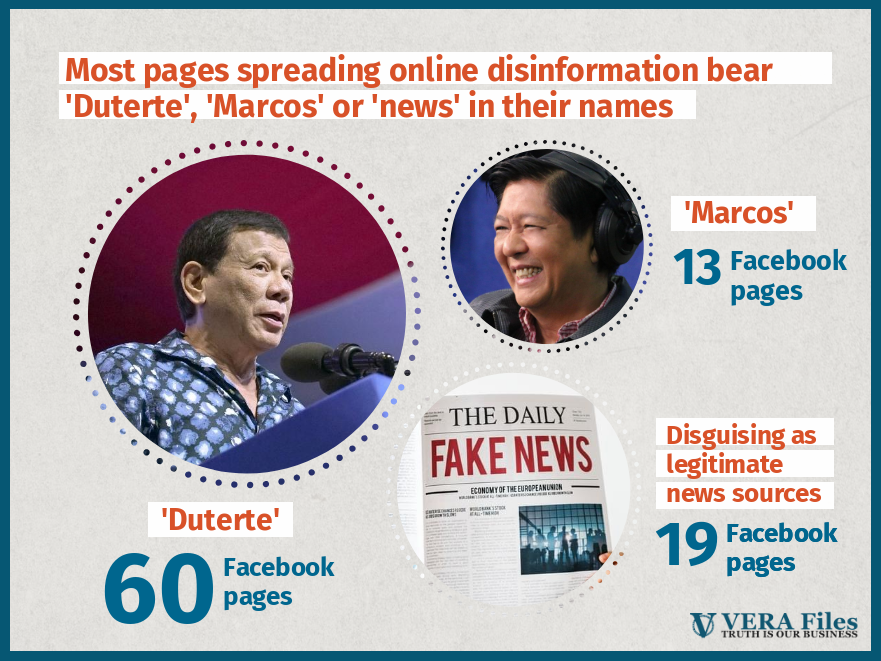
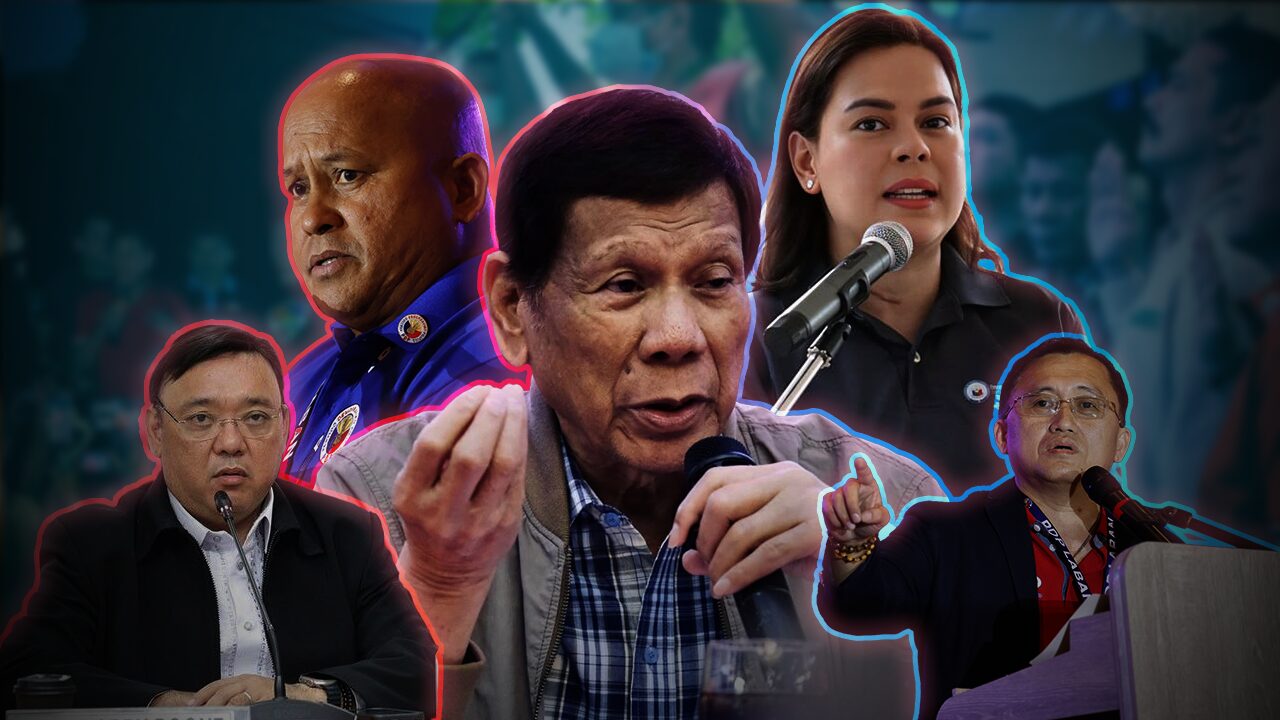
Of the 329 politics-related claims fact-checked by VERA Files in 2025, 118 or about 35% were about Vice President Sara Duterte and her father, former president Rodrigo Duterte.
Majority of these were pro-Duterte, in particular repeated claims about the erstwhile chief executive being kidnapped and then released from detention in The Hague by the International Criminal Court after his arrest for alleged crimes against humanity.
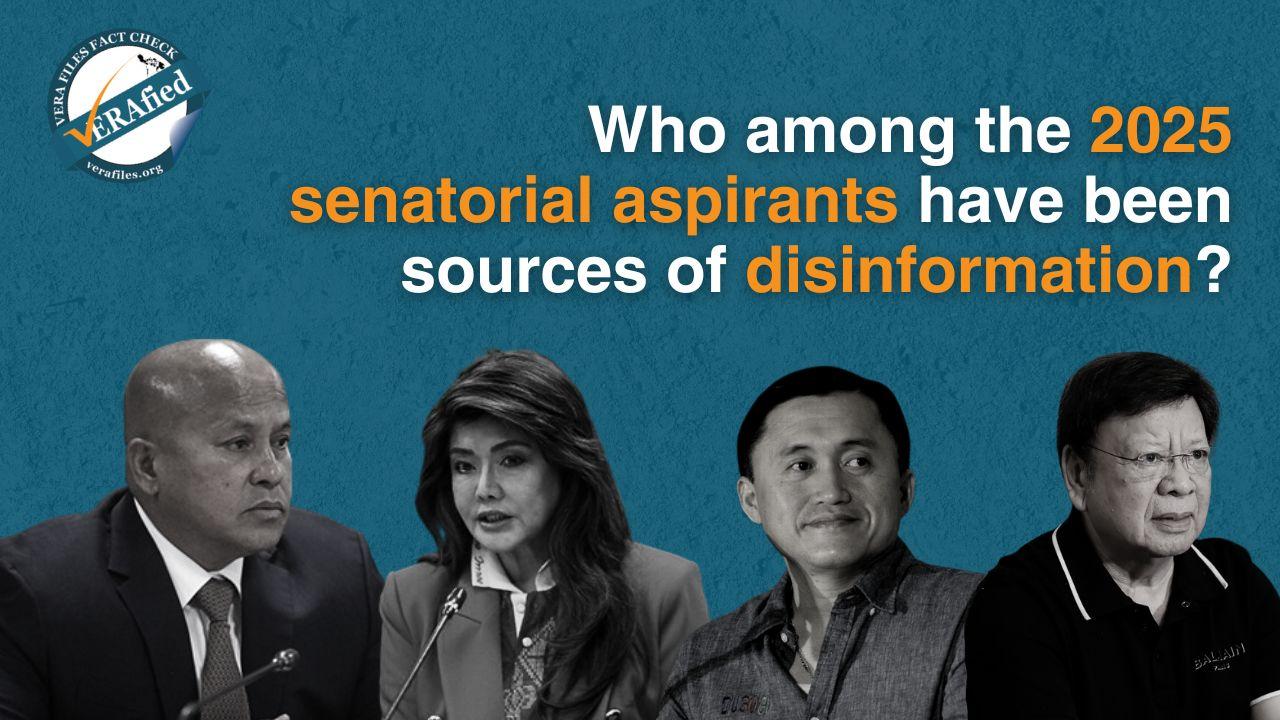
With the controversial break-up of the so-called UniTeam of President Ferdinand Marcos and the Vice President, the political landscape in the country in 2025 remained deeply fragmented with the competing narratives of both camps.
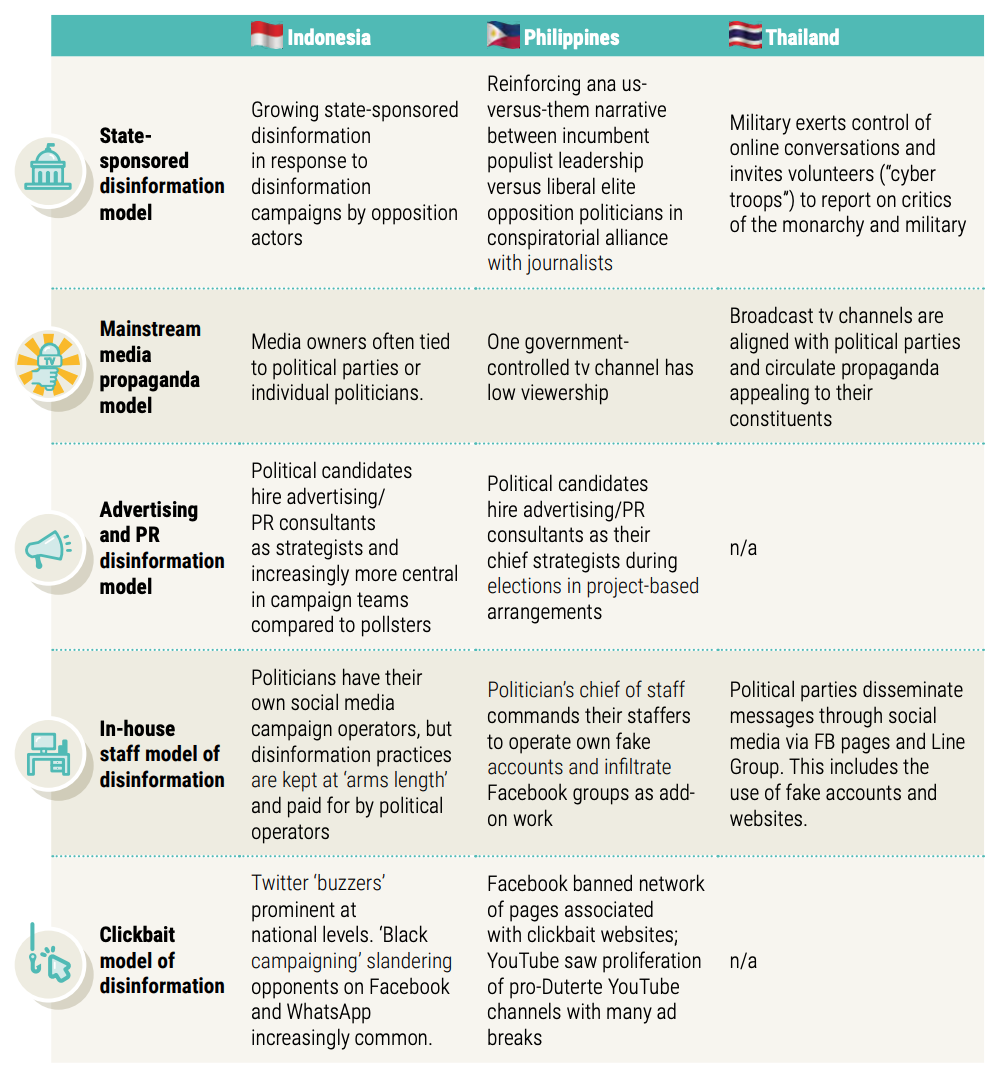
Such a toxic atmosphere became fertile ground for misinformation and disinformation in the past year, which saw the impeachment of the vice president, the unprecedented turnover of a former chief executive for trial in an international court, the hotly-contested mid-term elections, the dramatic removal of the heads of both houses of Congress, and the scandalous, massive corruption in government projects which remain unresolved.
This year and into the run-up to the 2028 presidential elections, the political uncertainty seems bound to prevail – if not worsen – and along with it, the proliferation of even more false and misleading information.
“I think all these (political) machineries will turn to disinformation to help themselves win this competition,” Arguelles predicted. THERESA MARTELINO-REYES, ELMA SANDOVAL
Watch the full episode here: https://www.youtube.com/watch?v=si3ZB1TWuzU&t=3143s
Or here: (15) Facebook