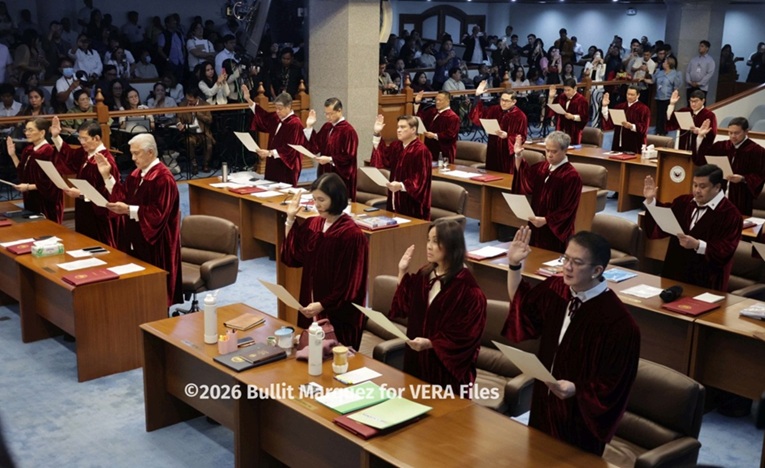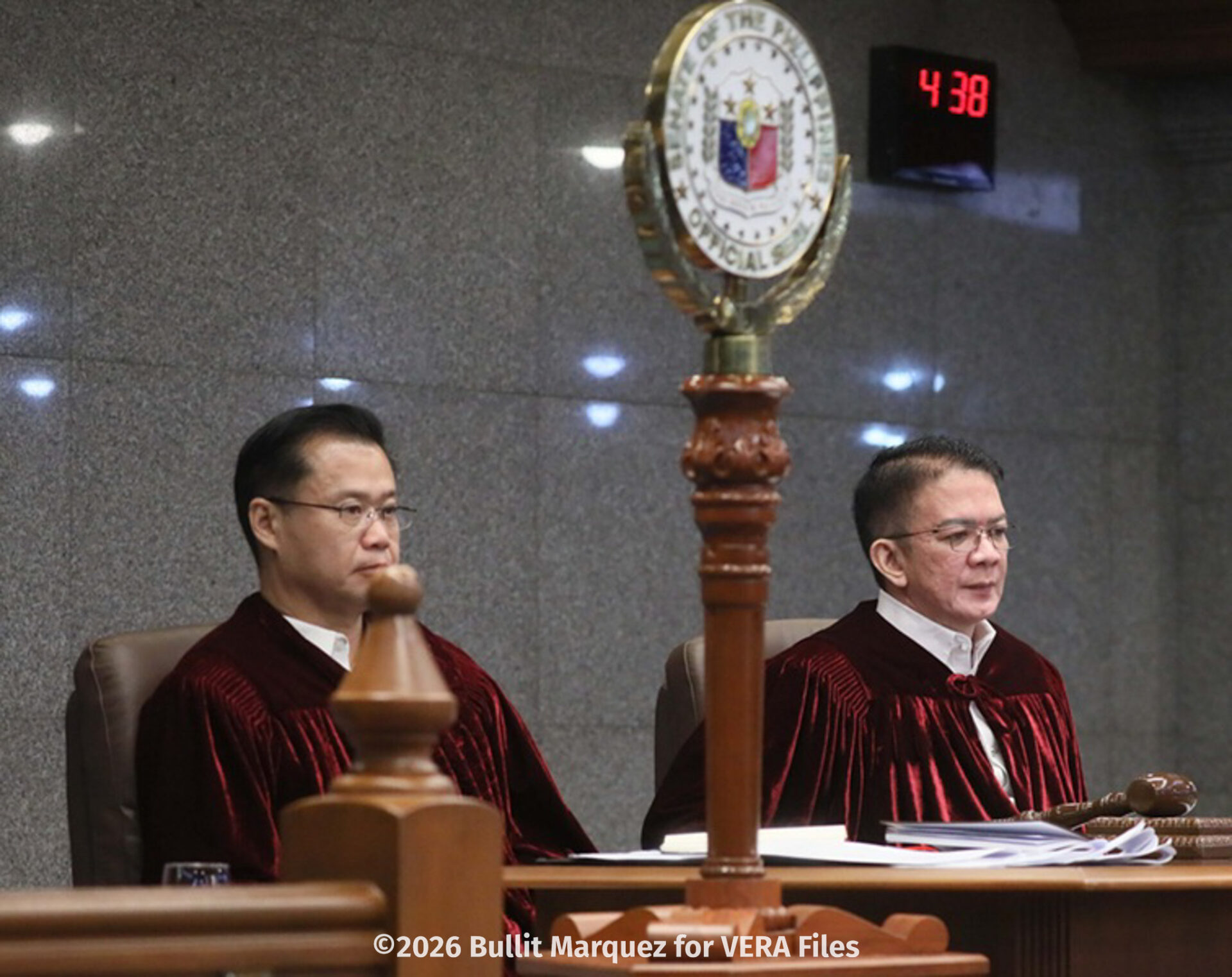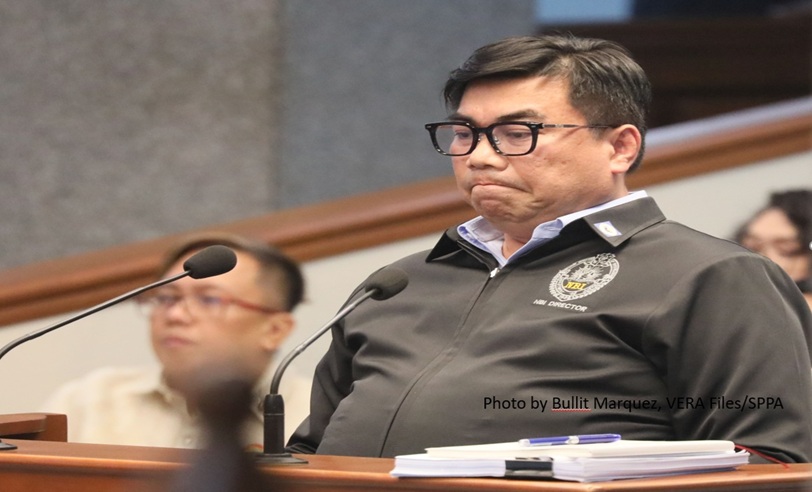
Week 7 of Vice President Sara Duterte’s impeachment trial produced a potentially crucial prosecution witness, and a growing problem for the Senate impeachment court: time.
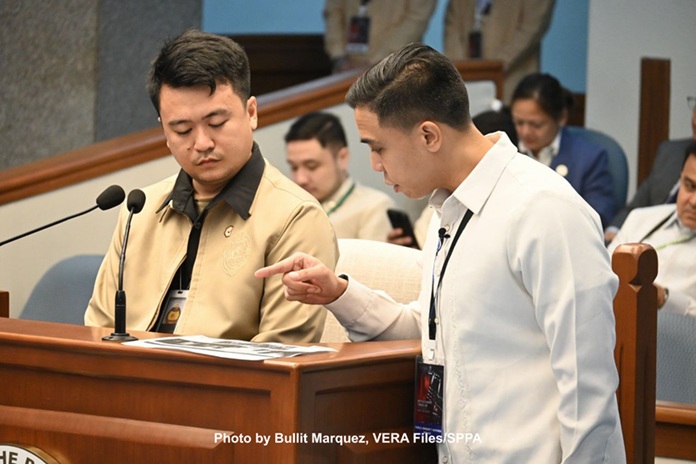
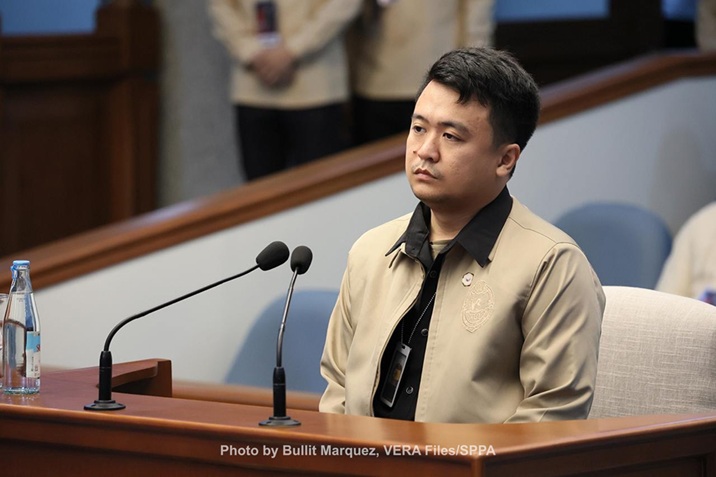
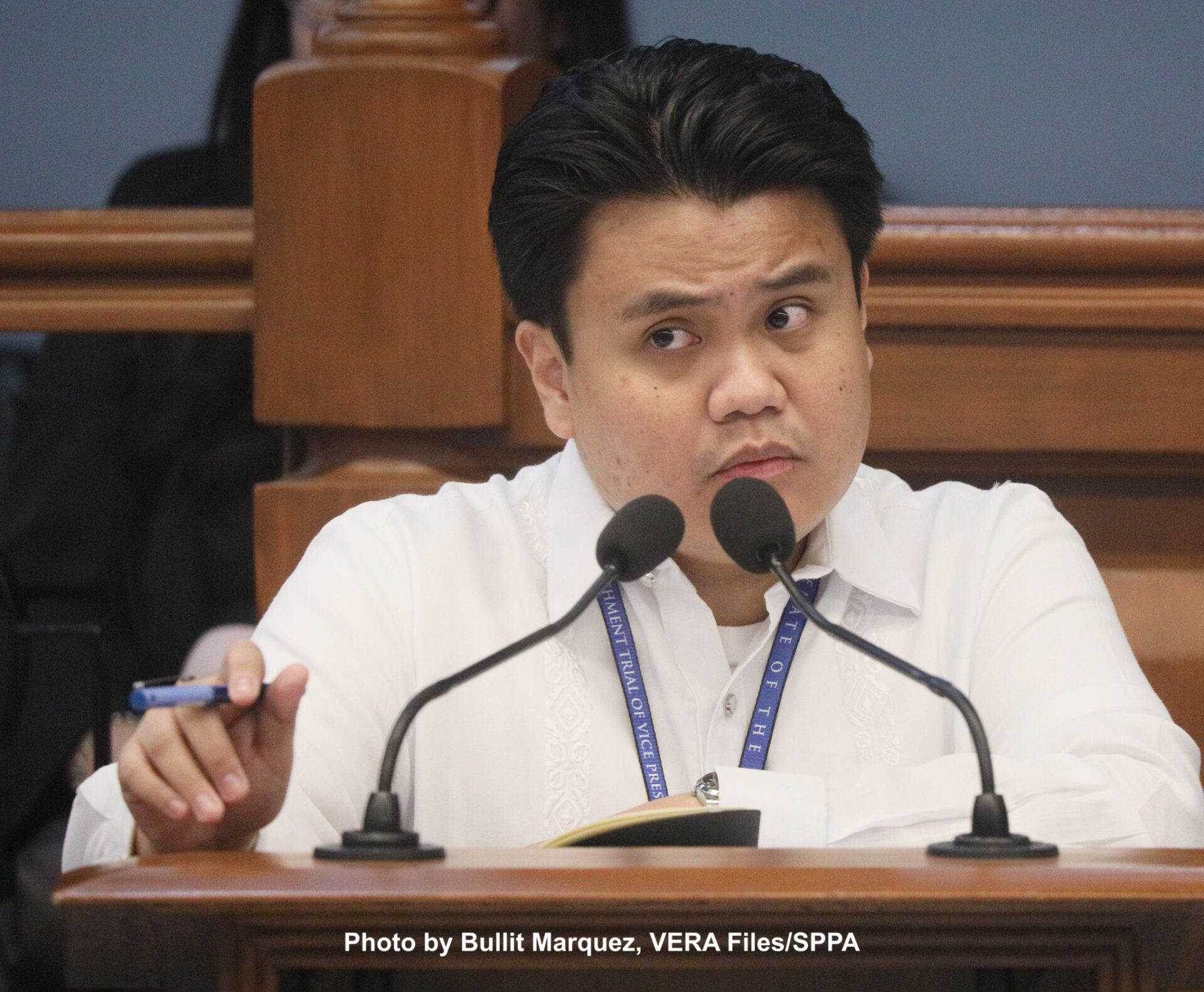
Gina Acosta, a former special disbursing officer at the Office of the Vice President, repeatedly testified that Duterte personally ordered her to turn over P125 million in confidential funds to Col. Raymund Dante Lachica, then chief of the Vice Presidential Security and Protection Group.
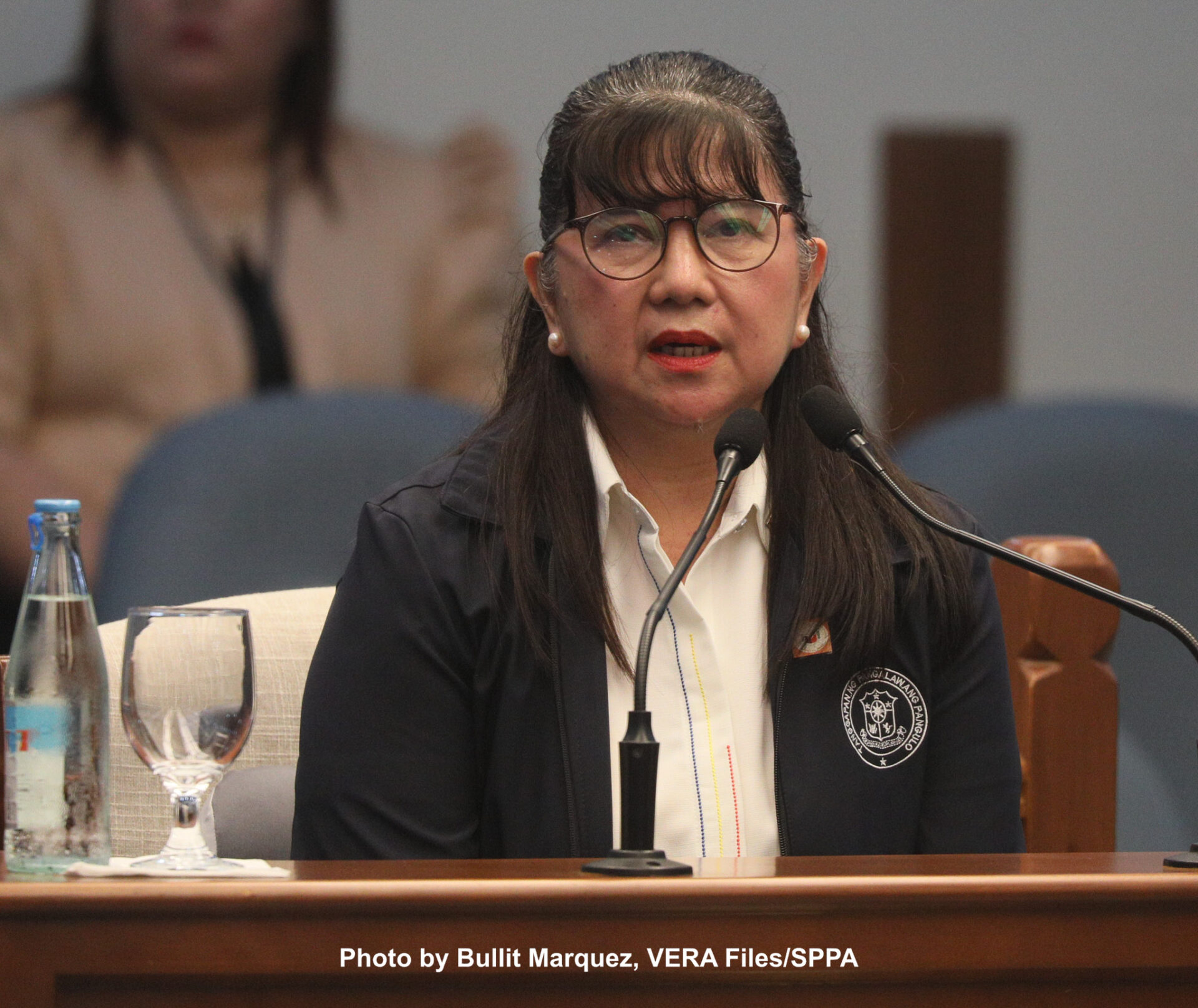
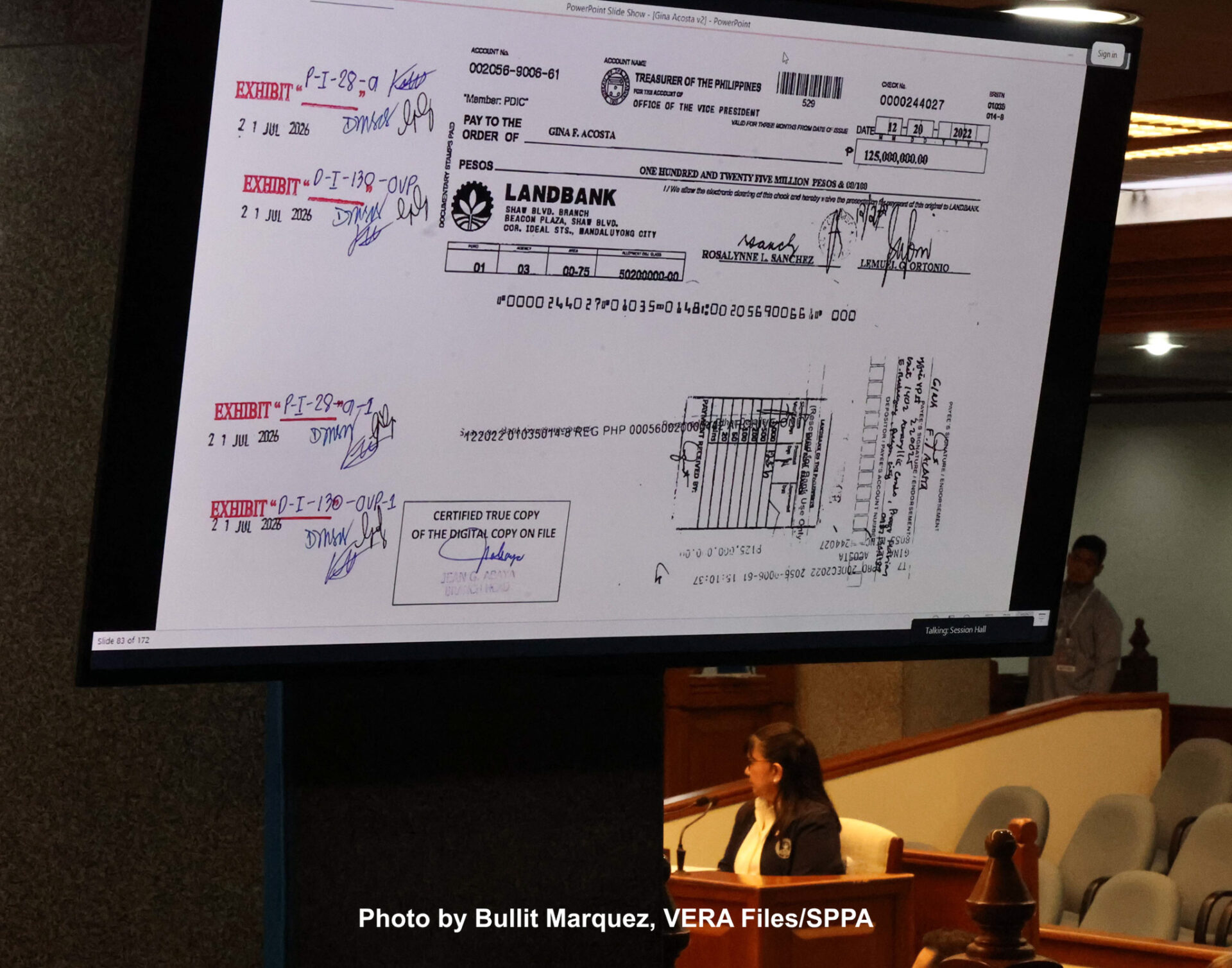
Acosta withdrew the money in cash from the Land Bank Shaw Boulevard branch on Dec. 20, 2022.
“The one who ordered me to release the P125 million to her security officer Col. Lachica was Ma’am Sara Duterte,” Acosta told the impeachment court.
The testimony put Duterte directly in the chain of instructions behind the movement of the money, which Acosta had received as the accountable officer.
A longtime Duterte aide
Acosta has worked with Duterte since 2016, when the latter was still mayor of Davao City.
She started at the Davao City Administrator’s Office before moving to the city Budget Office, where she worked until 2022. From 2019 to 2022, she served as Duterte’s SDO for confidential funds as mayor.
She moved to the OVP in 2022 and served as SDO for Duterte’s confidential funds there until 2023.
As SDO, Acosta was the authorized officer responsible for disbursing the funds.
She is now an OVP Staff Officer VI.
The impeachment court declared her a hostile witness after she acknowledged that Duterte’s removal from office could affect her employment.
“I would not be working in OVP if VP Sara is not the VP anymore,” Acosta said.
But despite being called hostile, Acosta’s testimony largely reinforced an account she had given during a House inquiry in November 2024.
She said she called Lachica after encashing the check because Duterte, as head of the agency, had instructed her to give the money to him.
“Because there was an instruction from the higher-up, from my head of agency, to release it to Lachica after I encashed the check,” she said.
Private prosecutor Amando Ligutan went through portions of Acosta’s earlier testimony and asked her to confirm them before the impeachment court.
Acosta said Duterte ordered the transfer because Lachica supposedly knew how to carry out programs and activities involving confidential operations.
She also made clear that she would not have handed over the money without Duterte’s approval.
Asked why she released the P125 million despite being the accountable officer, Acosta said: “There was an approval from Ma’am Inday Sara.”
Asked whether she would have done so without Duterte’s approval, she answered: “No, Sir.”
“I trust Sir Lachica because he’s trusted by the head of office, Inday Sara,” she added.
The Lachica question
Acosta’s testimony, however, raised another important issue: Lachica’s authority to handle confidential funds.
She could not identify any provision in Joint Circular No. 2015-01, which governs intelligence and confidential funds, authorizing a security officer to disburse such money.
Asked whether the rules contained a provision allowing Lachica to disburse confidential funds, she answered: “None.”
Presiding officer Francis Escudero then asked whether spending confidential funds was part of a security officer’s duties.
“No, Your Honor, that’s the job of the disbursing officer,” Acosta replied.
Yet Acosta said Lachica had expertise in confidential operations that she did not have. She described him as the security officer assigned to implement the OVP’s confidential activities.
Lachica would later submit utilization reports to her, she said.
But Acosta acknowledged that she relied on the documents and information he provided and did not question his submissions.
She also could not say whether Lachica was an OVP employee or received a salary from the office.
“I only know that he is a security officer, that’s the only thing I know,” she said.
The testimony thus left the court with two competing questions: Duterte’s alleged authority to order the release of the money, and whether the person who received and supposedly implemented the confidential activities had the authority to handle the funds.
Acosta also said the fund’s broad “Good Governance Program” did not contain detailed activities.
Asked whether the release complied with the circular’s requirement for a specific legal purpose and details of the activities, she said: “I gave no details, Your Honor, because in the JC, the need to itemize was not indicated.”
Building the P612.5-million trail
The prosecution has been tracing P612.5 million in confidential funds allotted to the OVP and the Department of Education in 2022 and 2023.
Two former LandBank branch managers—Violeta Constantino of the Shaw Boulevard branch and Nenita Camposano of the DepEd branch—testified on where and how the checks were encashed.
The prosecution has since moved to witnesses who actually handled or received the cash, including Acosta.
Edward Fajarda, Duterte’s former SDO at DepEd, has also been subpoenaed to testify after Acosta.
The prosecution’s next focus is accountability.
Question of accountability
Private prosecutor Lorna Kapunan said the case was moving toward the officials who were responsible for the money, including Duterte, the SDO and the security personnel who allegedly received it.
Lachica and Dennis Nolasco, a former deputy commander of the VPSPG, are listed in the prosecution’s pretrial brief as possible witnesses on the receipt and use of confidential funds.
But Kapunan said prosecutors were still deciding whether to call them.
She said there could be “wisdom” in not calling the security officers because they could face liability and might invoke their right against self-incrimination.
Making P125 million visible
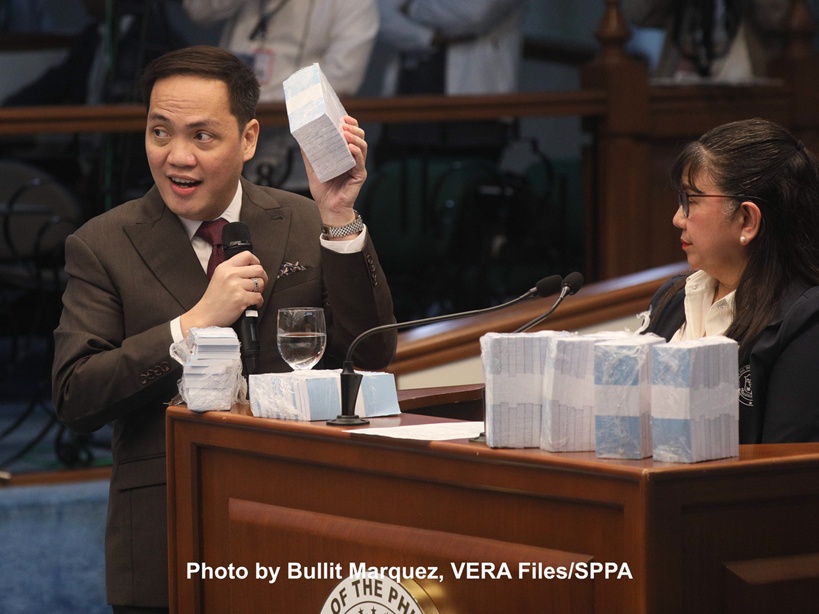
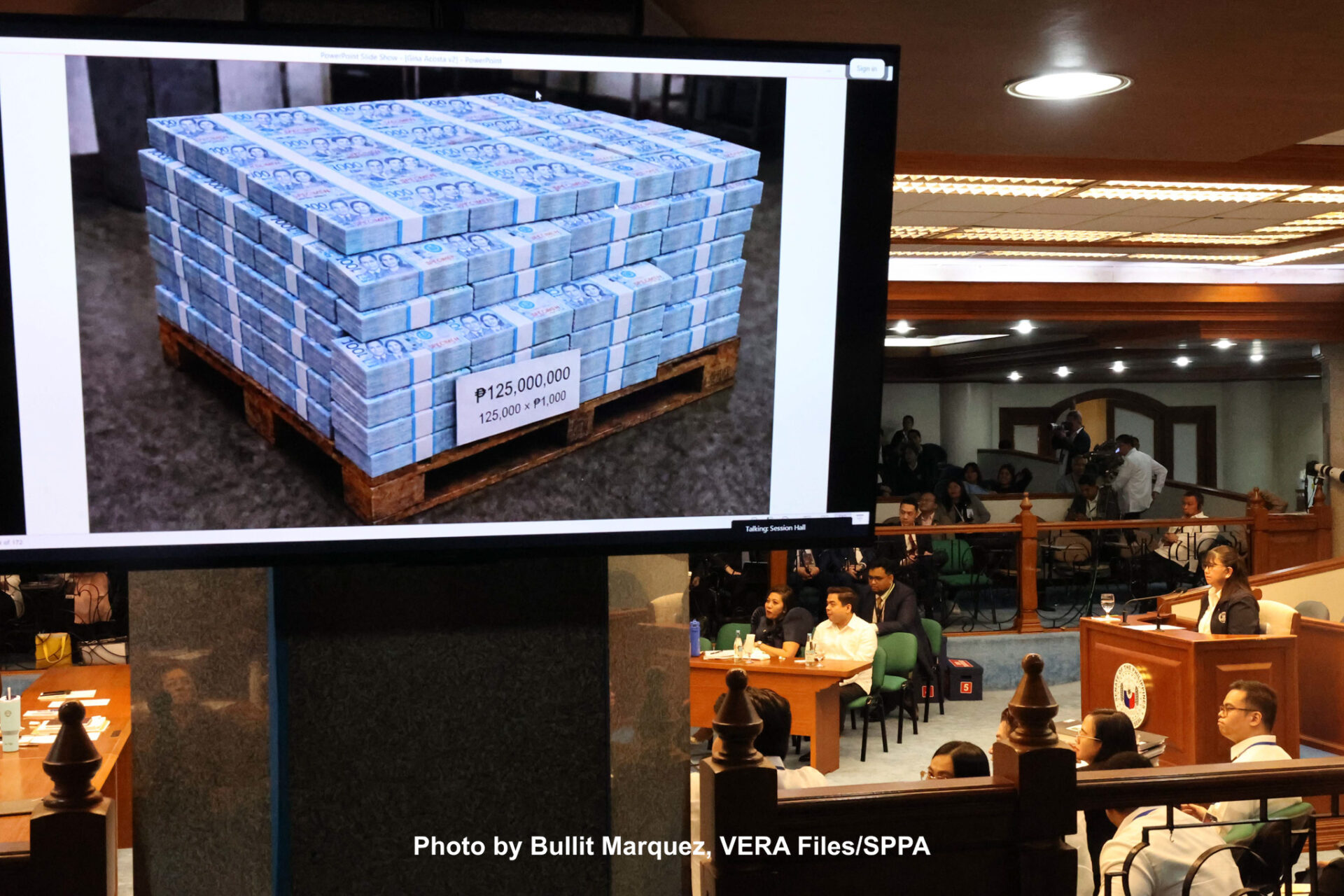
The prosecution also tried to give the senator-judges a sense of the sheer volume of P125 million in cash.
Acosta said the money was in P1,000 bills, bundled at P1 million each. The bundles were placed in two boxes before being transferred to four black travel bags.
The prosecution displayed paper bundles representing P1 million each and AI-generated images showing how the cash might have looked.
The defense objected, questioning whether the simulations accurately represented the actual money and bags.
Acosta said the simulated bundles were somewhat similar to what she had seen. But she rejected one AI-generated image of the bags, saying the opening and zipper were different from those of the bags she used.
She could not recall how heavy the bags were because she did not carry them after they were filled. LandBank security personnel helped move them outside the branch and into OVP vehicles.
The courtroom demonstration was striking, but the more important question remained what happened to the money after it left the bank, and who was authorized to control it.
Two days lost to bad weather
Week 7 also exposed a growing problem for the impeachment court: its calendar is slipping.
Two trial days were canceled this week because of heavy rains brought by the southwest monsoon, following an earlier weather-related suspension.
Impeachment court spokesperson Reginald Tongol said the trial was now about two to three days behind schedule.
The court allotted 31 trial days for the prosecution’s witnesses on Article I, which concerns the alleged misuse of confidential funds. The schedule assumed that most witnesses would take about a day.
But the last two witnesses have already consumed five trial days.
Tongol said the court should have been around the ninth or 10th witness by now. Instead, the prosecution was approaching only its sixth witness.
The delays have raised concerns that the prosecution could run beyond its allotted period and eat into the days set aside for the defense.
Tongol said the court could make up lost time by extending the prosecution’s schedule or holding hearings outside the regular Monday-to-Thursday timetable.
House prosecutors have suggested moving the hearings to 3 p.m. from Monday to Wednesday and possibly holding whole-day sessions on Fridays.
The prosecution could also trim its witness list, Tongol said.
Concern over interrupted testimony
The weather cancellations have particularly worried prosecutors because Acosta is a hostile witness whose testimony was interrupted.
Prosecution adviser Robert Ace Barbers said the suspensions had slowed the proceedings and delayed the effort to establish the truth.
Kapunan said interruptions were especially difficult when dealing with a hostile witness.
“It is difficult when testimony is interrupted, especially that of a hostile witness who could be coached,” she said, while stressing that she was not accusing anyone of bad faith.
She said it would be better if a witness could finish testifying within a day.
With two trial days already lost to bad weather and witnesses taking longer than expected, the challenge in the coming weeks will be to finish the evidence without sacrificing either the prosecution’s effort to trace the money or the defense’s right to fully answer the charges.