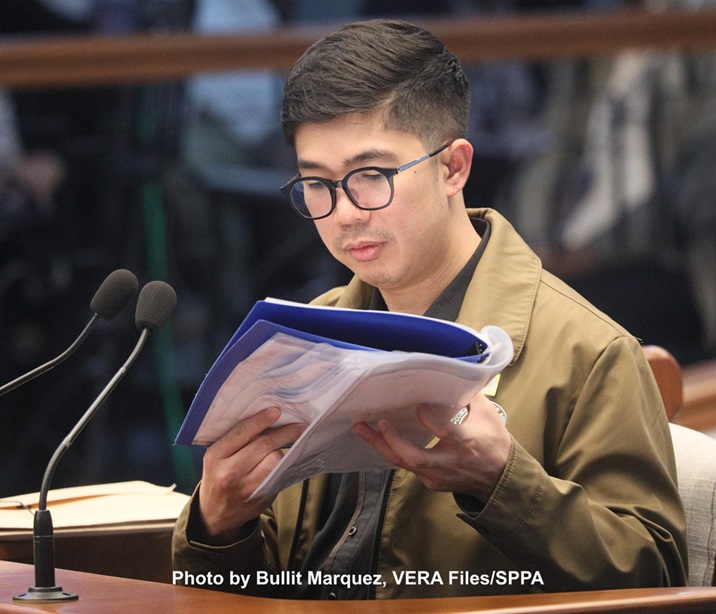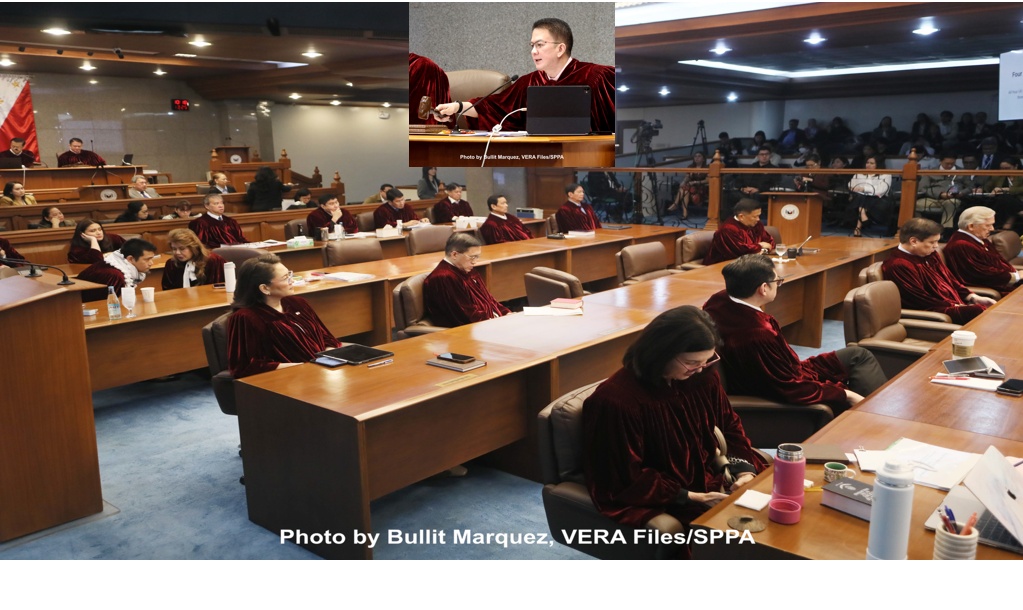

Vice President Sara Duterte’s continued business interests after she assumed office, including a declared stake that does not appear in corporate records, came under intense scrutiny in the 12th week of her impeachment trial as prosecutors sought to link her private business dealings to government contracts.
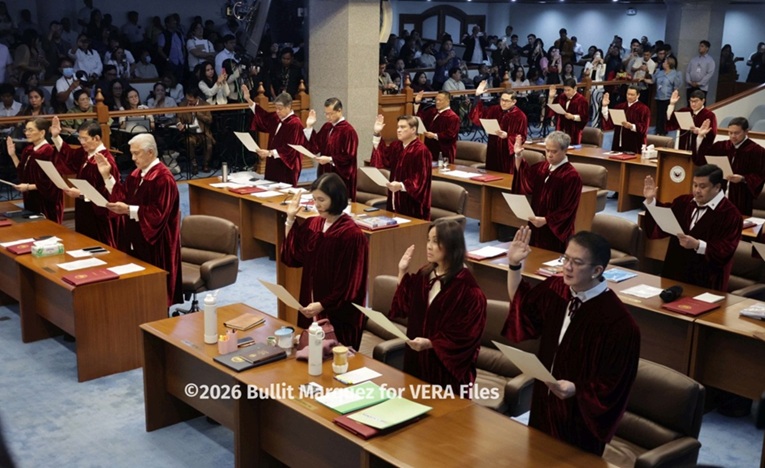
The three-day stretch from Sept. 21 to 23 also produced a major procedural development: The Senate impeachment court overturned its earlier 16-vote requirement for conviction and ruled that the constitutional two-thirds threshold would be computed from senator-judges who are legally and factually capable of participating in the proceedings.
The ruling effectively put the current threshold at 14 votes, based on 20 senator-judges considered capable of participating. The court stressed, however, that the constitutional requirement of two-thirds remained unchanged.
Business interests under scrutiny
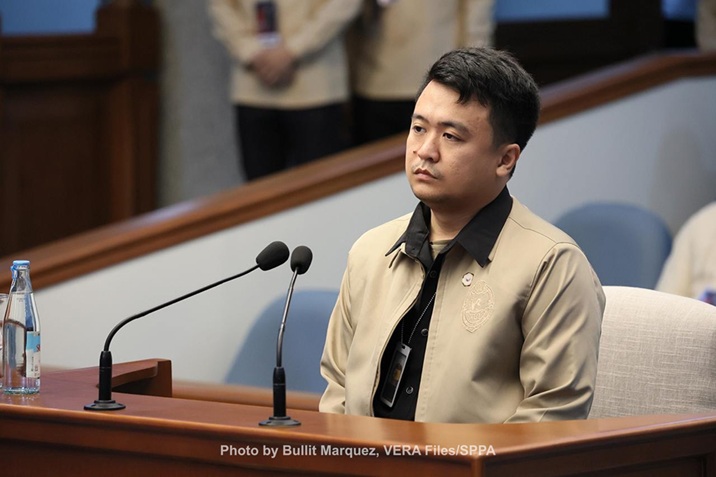
On Day 27, Securities and Exchange Commission Company Registration and Monitoring Department Director Gerardo del Rosario testified that Duterte remained a stockholder and board member of Metro City Chow Foods Corp. even after she became vice president in 2022.
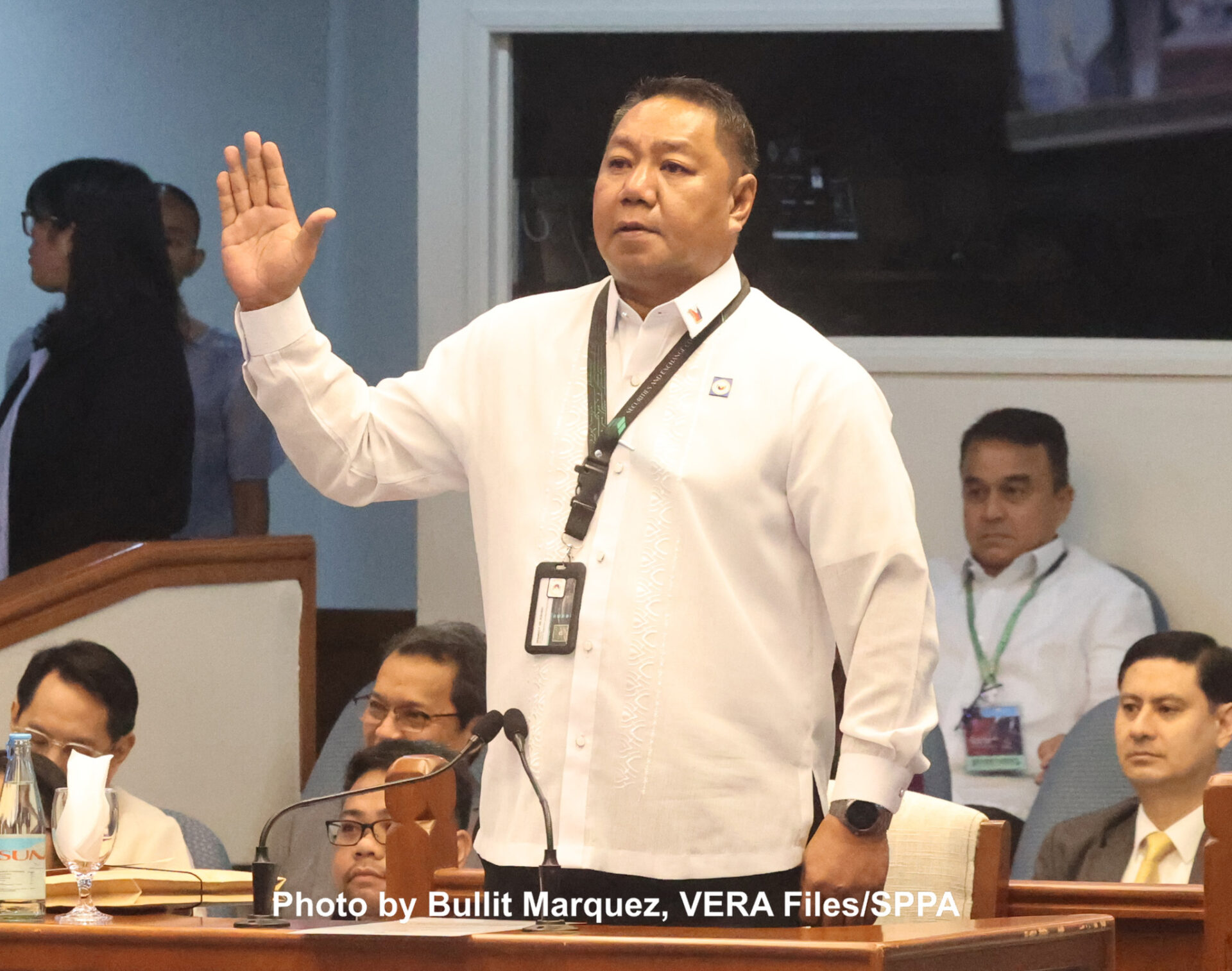
SEC records showed Duterte held a 20% stake in the company from 2016 to 2025 and remained on its board from 2018 to 2025. She was also listed as a member of its compensation committee in 2024 and 2025.
“Based on its GIS from 2022 to 2024, Vice President Duterte is a member of the Board of Directors,” del Rosario told the impeachment court.
He later confirmed that she remained a board member in 2025.
The testimony put a sharper focus on Article VII, Section 13 of the Constitution, which prohibits the president, vice president, Cabinet members and their deputies or assistants from directly or indirectly practicing another profession, participating in any business or having financial interests in government contracts while in office.
Del Rosario told the court that, based on his understanding of the constitutional provision, government officials covered by it cannot participate in business while serving their terms.
Senate President Sherwin Gatchalian asked whether Duterte’s membership in the Metro City Chow Foods compensation committee could constitute a violation.
“Opo,” del Rosario answered.
He explained that the committee was an executive committee and that such a position could constitute participation in the company’s management, although the SEC relied on what corporate secretaries reported in official filings.
The testimony also exposed a more complicated question: Duterte declared business interests in her Statements of Assets, Liabilities and Net Worth, or SALNs, that did not always match the SEC’s corporate records.
SALN and SEC records diverge
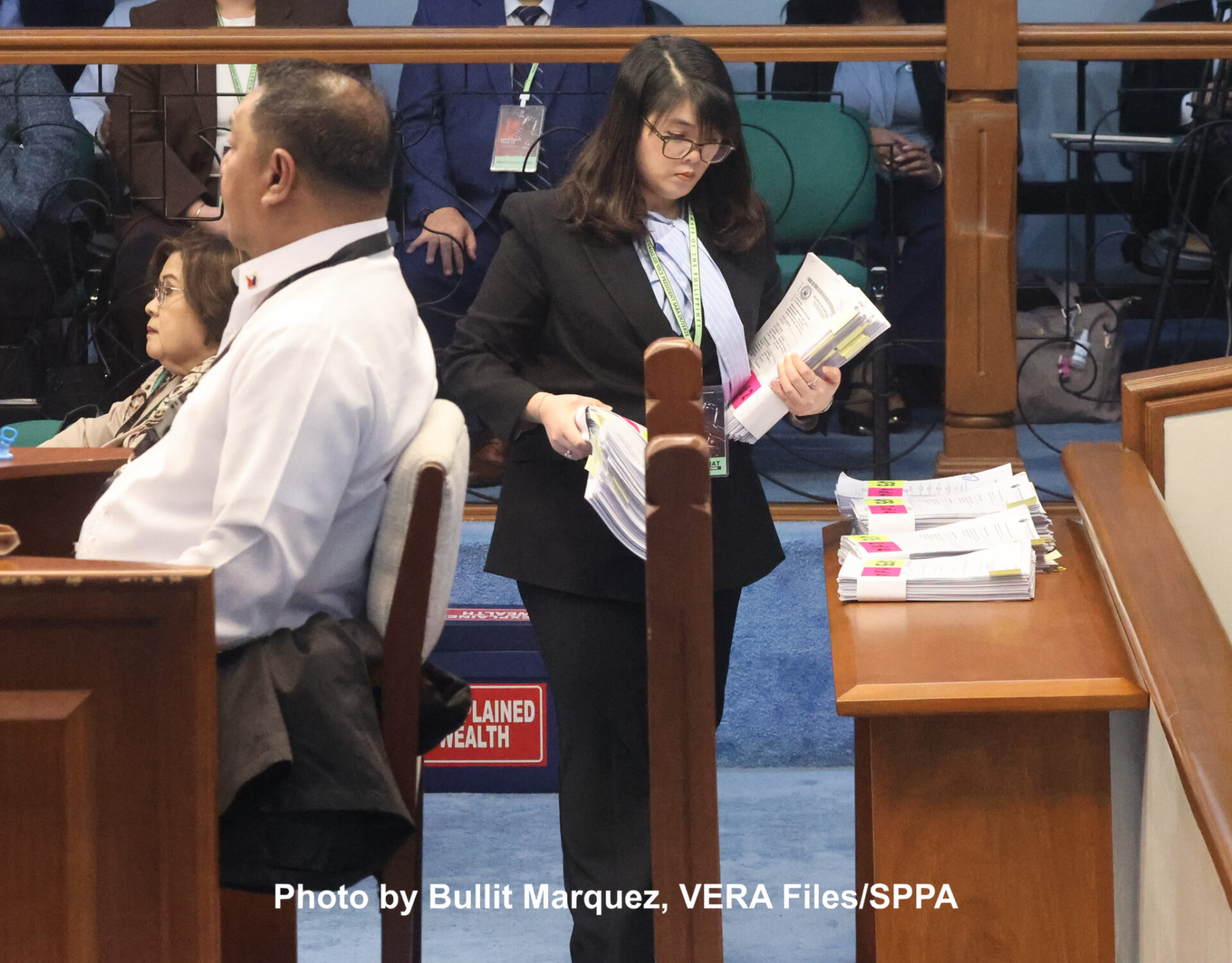
Del Rosario testified that Duterte declared herself an incorporator or stockholder of GenCorp Industries Inc. in her SALNs, but her name did not appear as an incorporator, stockholder or director in the company’s SEC records from 2020 to 2025.
He said the SEC could only rely on documents filed with the commission.
The discrepancy prompted questions from senator-judges about how Duterte could declare an interest in a company when her name was absent from its corporate records.
Del Rosario said a person could theoretically hold an interest through a nominee or trust arrangement without appearing in corporate records, although he clarified that he was not claiming such an arrangement existed in Duterte’s case.
He also said the SEC could not determine the intent behind such an arrangement from its filings alone.
Senator-judge Raffy Tulfo framed the issue more starkly, saying Duterte faced a dilemma if she had business interests while in office.
“If she does not declare it, that’s non-declaration, a culpable violation of the Constitution. If she declares that she owns a company, that’s a violation of Article VII, Section 13,” Tulfo said.
The prosecution also invoked Republic Act No. 6713, the Code of Conduct and Ethical Standards for Public Officials and Employees. The law requires an official who has a conflict of interest to resign from a private business position within 30 days of assuming office and divest shareholdings or interests within 60 days.
The prosecution alleges that Duterte failed to divest her business interests after becoming vice president. Del Rosario’s testimony, however, did not by itself establish whether Duterte personally participated in the companies’ day-to-day operations or whether she had received income from them.
Del Rosario acknowledged that SEC records did not show her personal attendance at board meetings or participation in corporate transactions from 2022 onward.
Davao contracts raise new questions
On Day 28, the business issue moved from corporate records to government procurement.
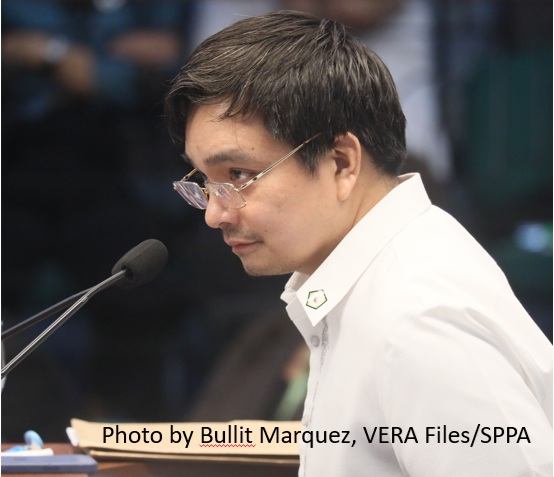
Philippine Government Electronic Procurement System division chief Rendell Sopeña testified that GenCorp received 49 government contracts worth about P35.9 million from July 2022 to June 2026.
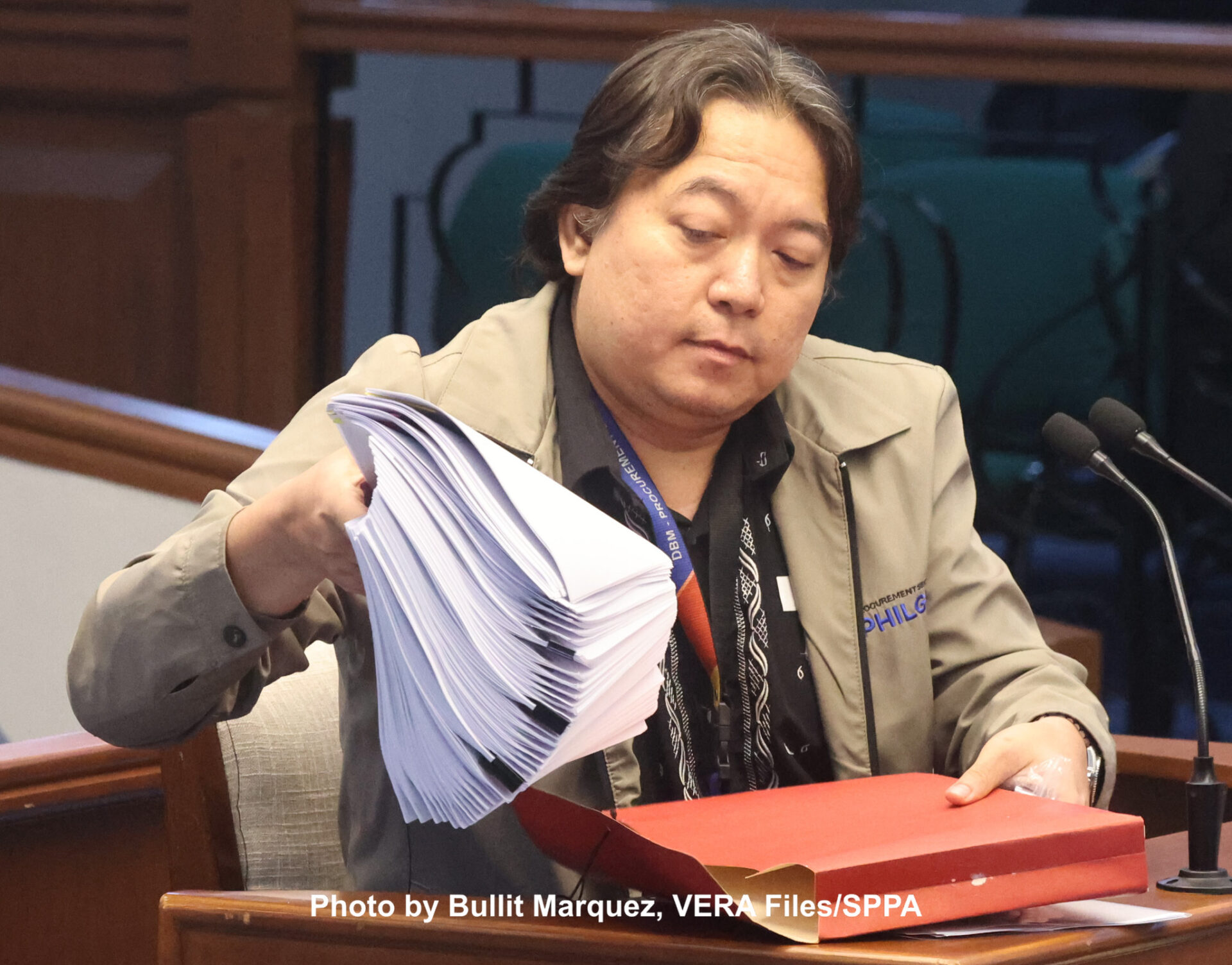
These included 15 contracts from the Davao City government worth P34.2 million, 33 PhilHealth contracts totaling P1.3 million and one OWWA Region XI contract worth P330,000.
The timing and location of the Davao contracts drew particular attention because Sebastian “Baste” Duterte, Sara Duterte’s younger brother, was mayor of Davao City when the city contracts were awarded. The prosecution also noted that Baste approved a Bids and Awards Committee resolution related to the contracts.
The evidence became significant because Duterte had declared herself an incorporator or stockholder of GenCorp in her SALNs from 2016 to 2025, while her name was absent from GenCorp’s SEC records during the later period.
The prosecution is using the corporate and procurement records to support its allegations of unexplained wealth and prohibited business interests.
But the evidence also had limits.
Del Rosario said the SEC records did not establish that the companies contributed to Duterte’s rising net worth through dividends. Most of the corporations linked to Duterte and her husband, lawyer Manases Carpio, reported losses, and the SEC summaries contained no information showing dividends paid to Duterte.
Her declared net worth nevertheless rose from P7.25 million in 2007, when she was Davao City vice mayor, to P98.66 million in 2025, when she was already vice president.
Del Rosario said the SEC could not determine whether other sources, including inheritances, property sales or land values, accounted for the increase.
He also acknowledged that a corporation’s failure to declare dividends was not necessarily illegal because the Revised Corporation Code allows companies to retain profits under certain circumstances.
Senate resets conviction math
On day 29, after oral arguments from the prosecution and defense, the impeachment court voted 13-1 to reverse Presiding Officer Francis “Chiz” Escudero’s July 6 ruling that 16 votes—two-thirds of the 24-member Senate—were required to convict Duterte.
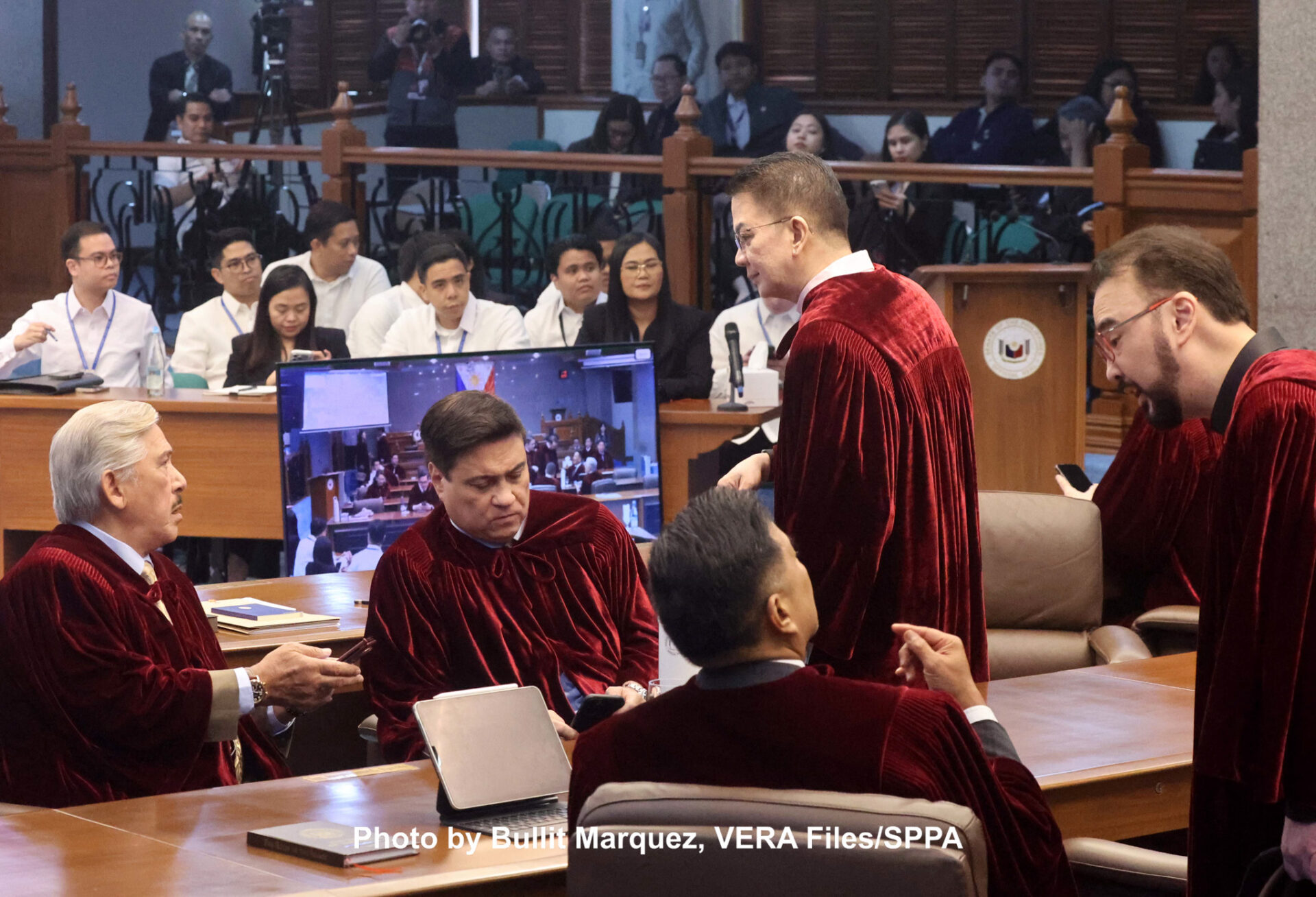
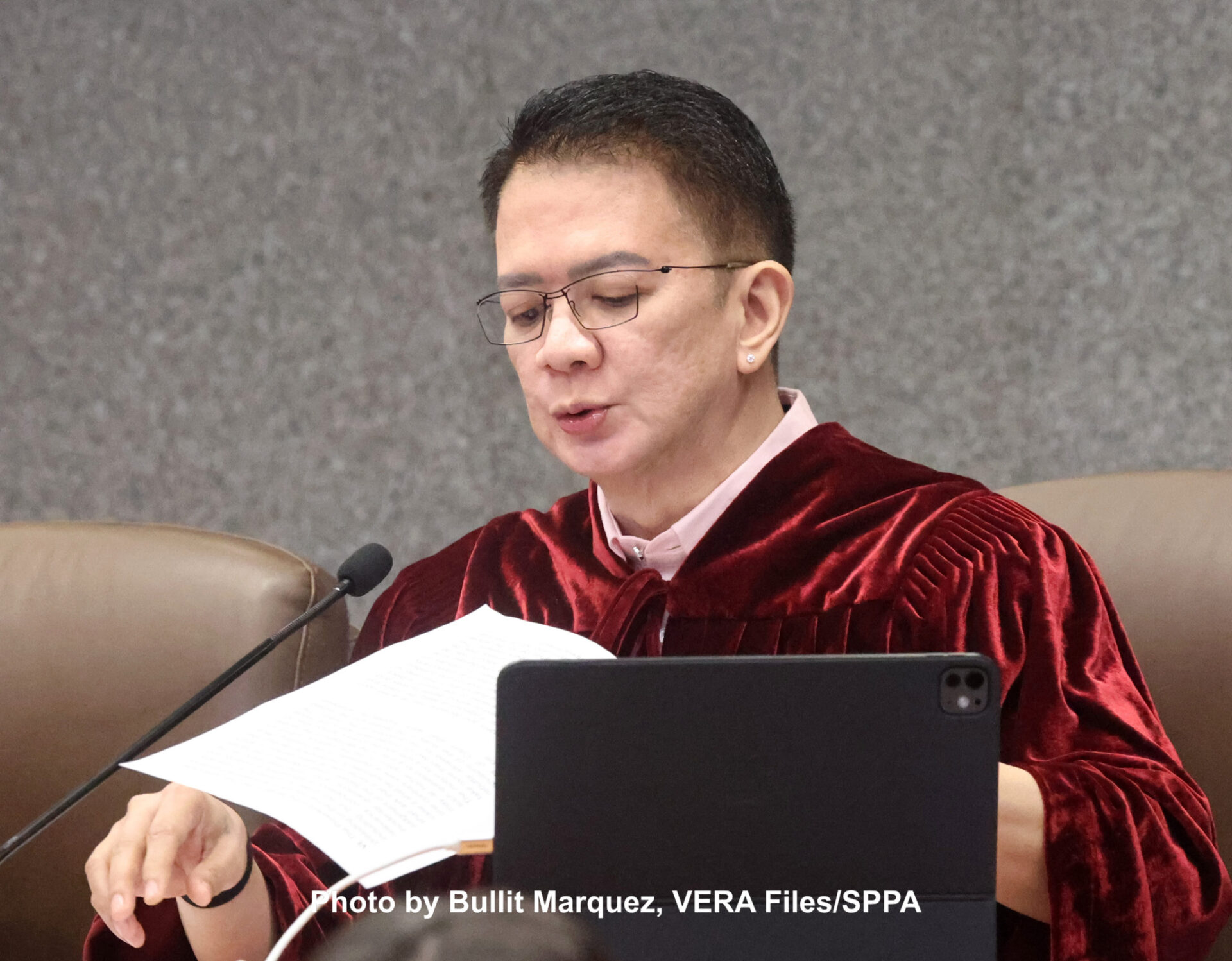
Six senator-judges allied with Duterte— Alan Peter Cayetano, Pia Cayetano, Imee Marcos, Bong Go, Camille Villar and Robinhood Padilla — did not participate in the vote.
Under the new controlling ruling, senators who are detained, legally restrained, physically or medically incapacitated, beyond the Senate’s coercive processes or otherwise similarly situated may be excluded from the denominator.
Jinggoy Estrada and Rodante Marcoleta are detained in connection with separate plunder cases. Ronald “Bato” dela Rosa has not attended the trial amid an arrest order from the International Criminal Court, while Loren Legarda has been on an extended medical leave for almost two months now.
With the four senator-judges currently excluded, 20 remain in the denominator. Two-thirds of 20 is 13.33, which must be rounded up to 14.
The court emphasized that it had not abandoned the constitutional two-thirds requirement. It had instead changed the membership from which the two-thirds calculation would be made.
Mark Villar, who belongs to the minority bloc, voted in favor of the motion. The other 12 votes came from members of the majority bloc: Senate President Sherwin Gatchalian, Senate President Pro Tempore Vicente Sotto III, Senate Majority Leader Juan Miguel Zubiri, Risa Hontiveros, Francis “Kiko” Pangilinan, JV Ejercito, Raffy Tulfo, Erwin Tulfo, Joel Villanueva, Bam Aquino, Panfilo Lacson, Lito Lapid and Villar.
Escudero, who cast the lone dissenting vote, said he would enforce the new ruling despite disagreeing with it.
“While the chair takes exception to this decision, the chair nonetheless accepts it as a judgment of this court and is bound to give it effect,” he said.
The defense opposed the change, arguing that the Constitution expressly refers to “all the members of the Senate.”
“Absence does not create a vacancy. Non-participation does not create a vacancy,” defense counsel Michael Poa said.
Public prosecutor Chel Diokno countered that senator-judges must actually hear evidence and deliberate before they can perform their constitutional role as judges.
“The prosecution is confident in its case. We believe in our evidence,” Diokno said, adding that the prosecution’s responsibility was to prove the impeachment articles regardless of the threshold.
Despite the dispute over the conviction formula, the House prosecution panel said it expected to complete its presentation of evidence on Duterte’s alleged unexplained wealth within October, when full-day hearings are scheduled.
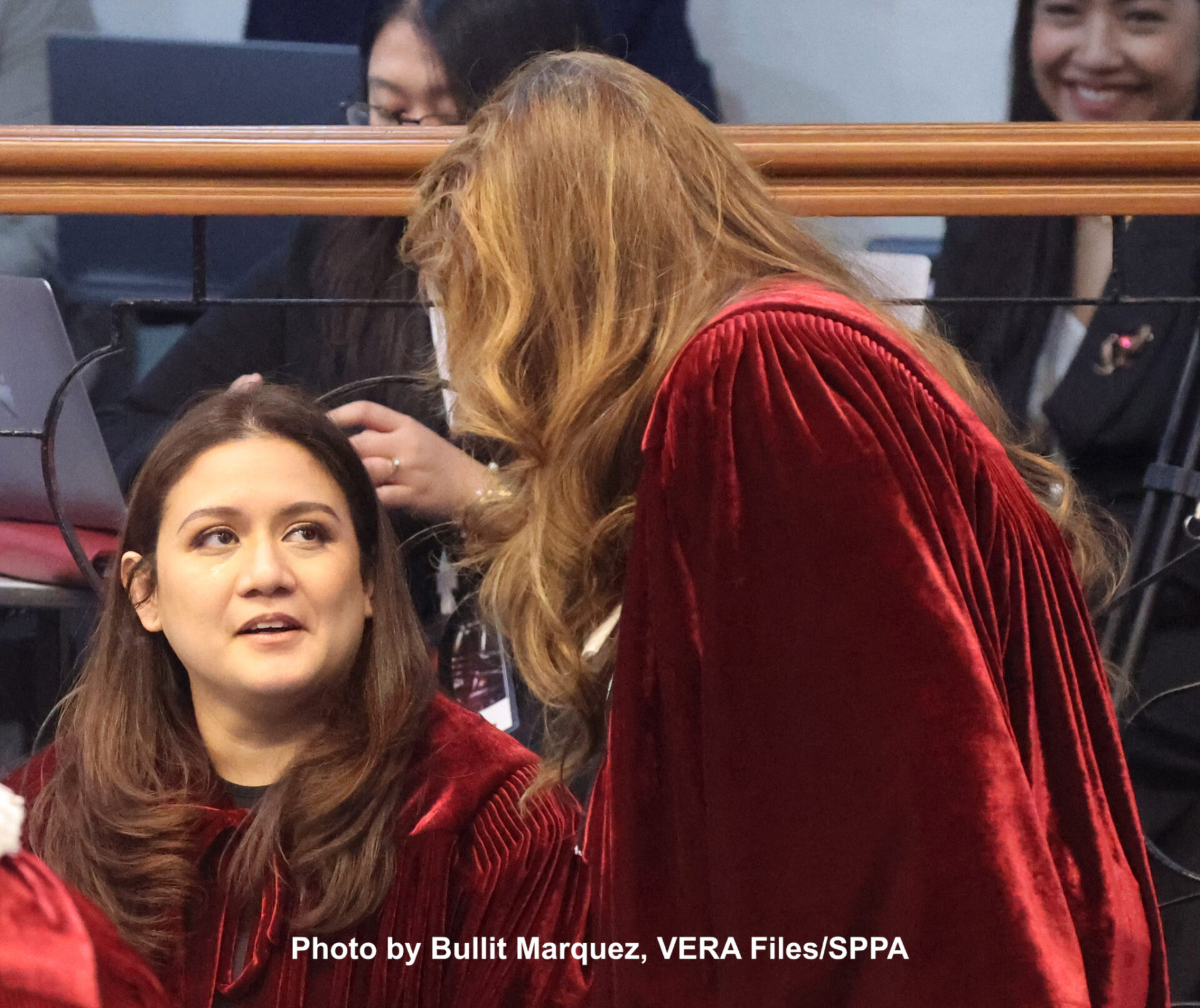
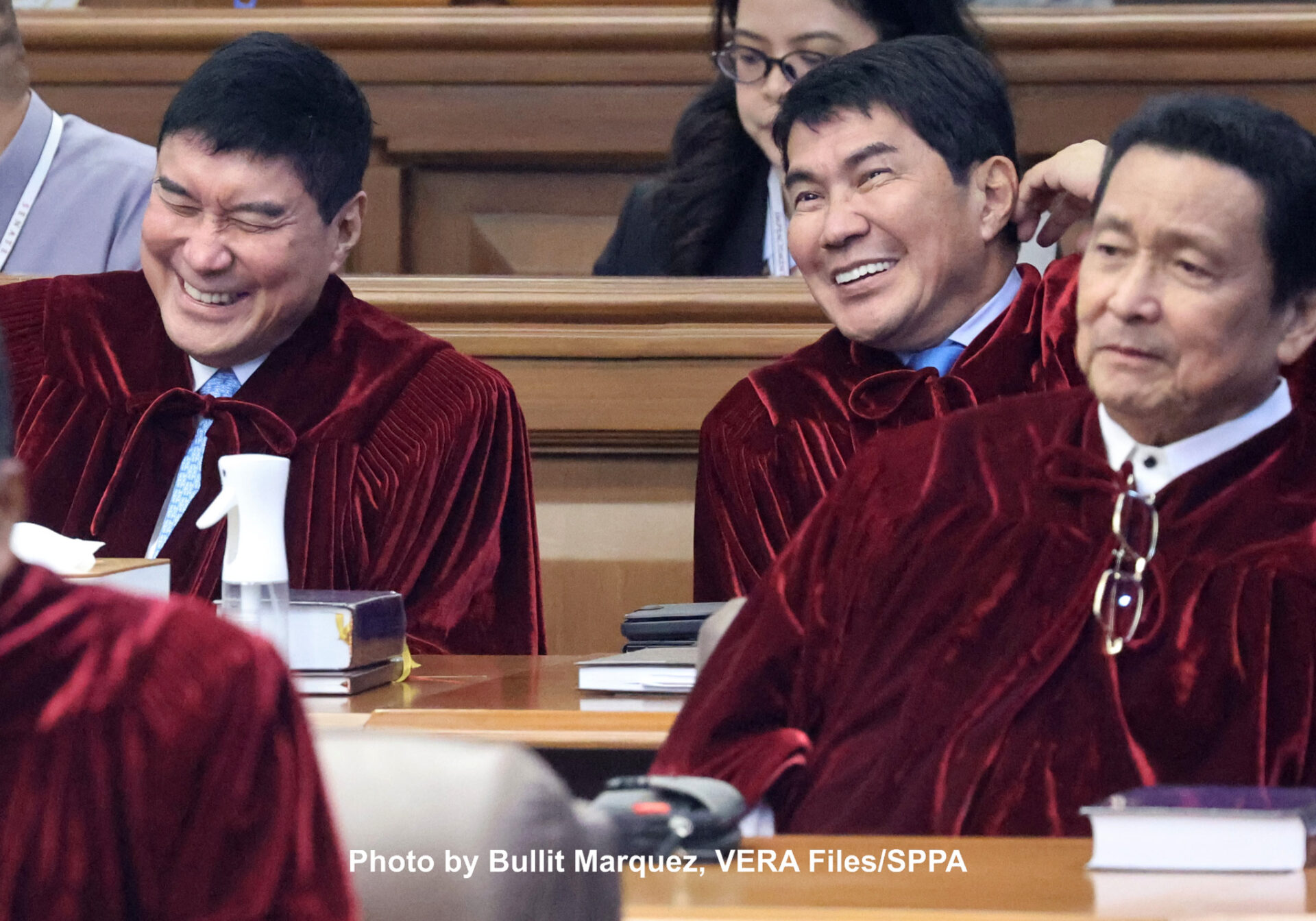
Senator-judges Raffy Tulfo, Erwin Tulfo and Lito Lapid.