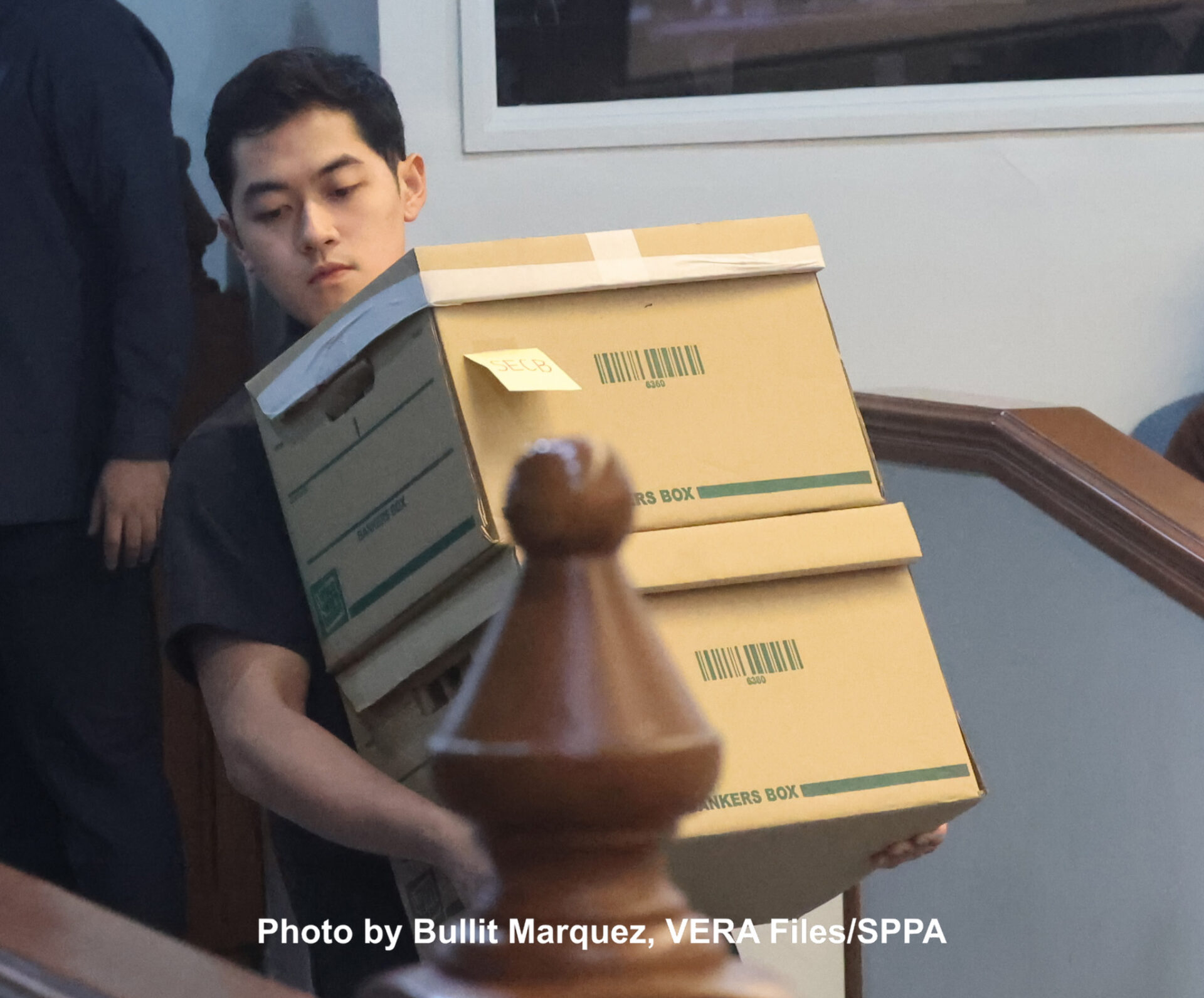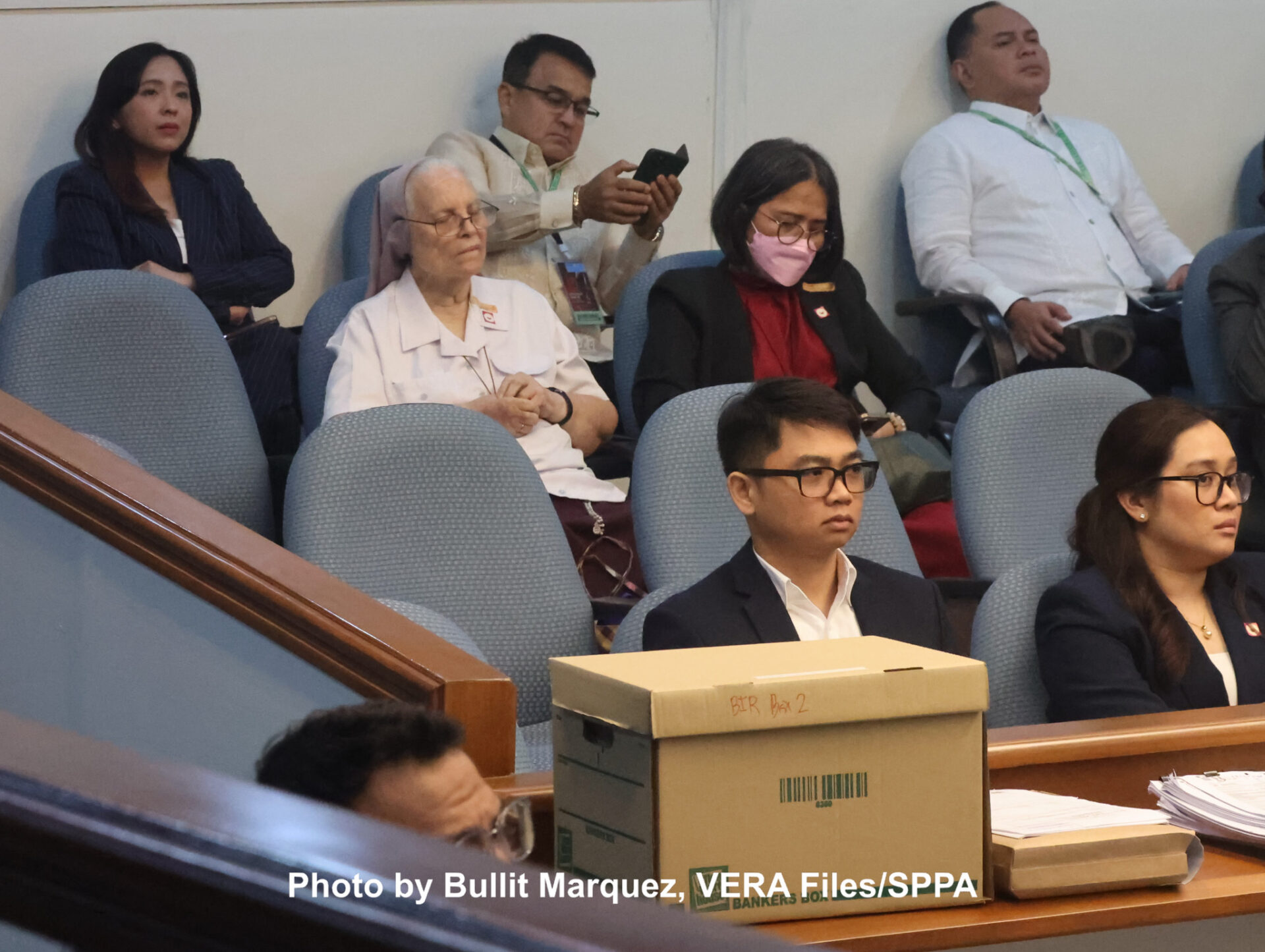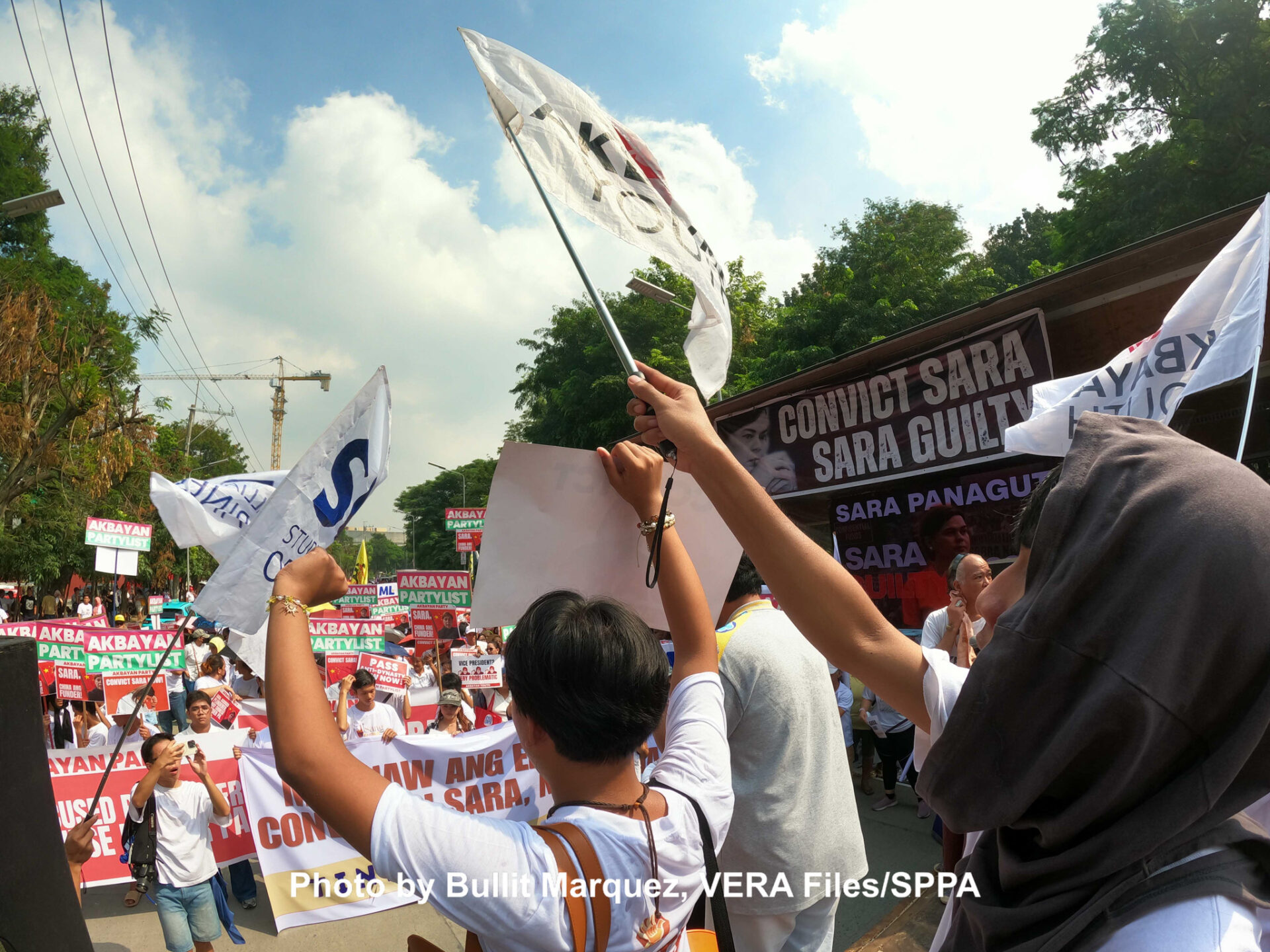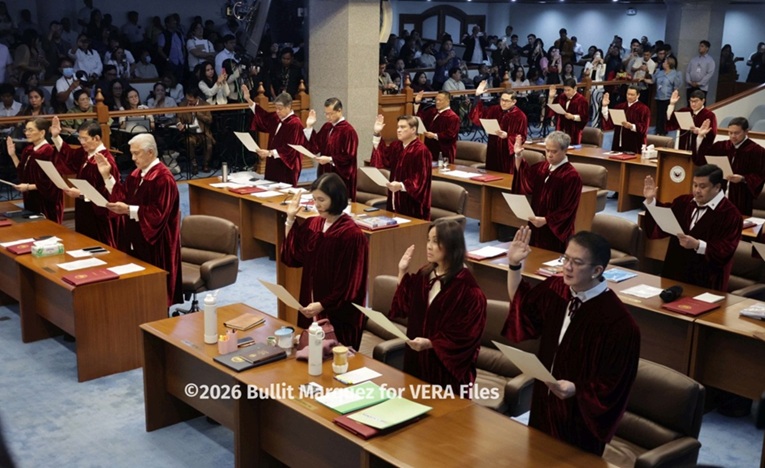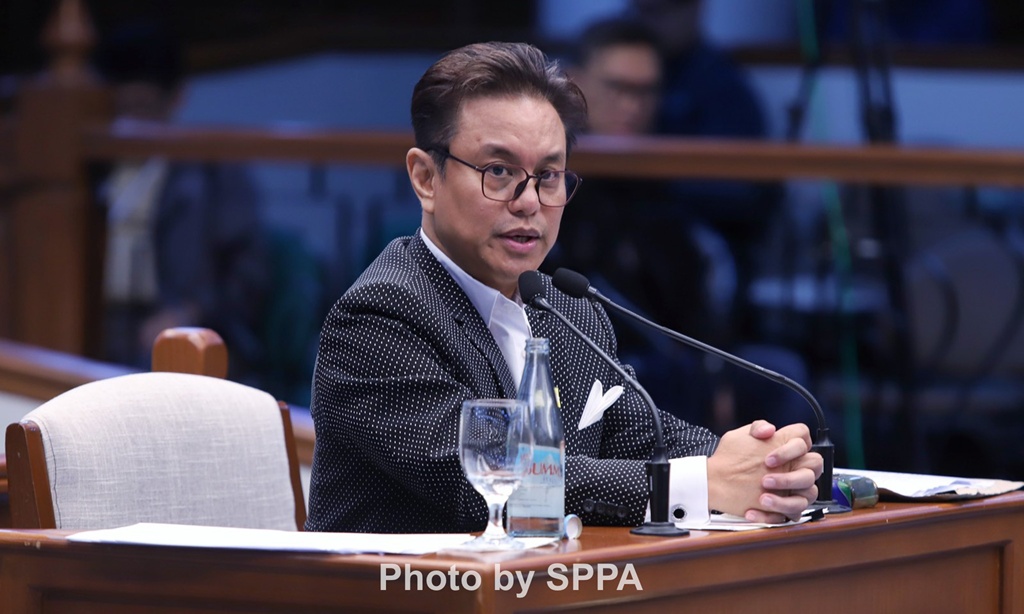

Week 14 of Vice President Sara Duterte’s impeachment trial produced the prosecution’s most comprehensive estimate yet of her alleged unexplained wealth, as tax records, bank transactions and anti-money laundering reports raised questions about her declared assets and financial dealings.
But the evidence also underscored the challenge for the prosecution: large transactions, discrepancies between financial records and Statements of Assets, Liabilities and Net Worth, and suspicious transaction reports do not, by themselves, establish illegally acquired wealth or personal culpability.
The next test will be whether prosecutors can demonstrate how the figures were calculated, establish which assets legally belonged to Duterte, and show that any omissions or discrepancies violated disclosure or other laws.
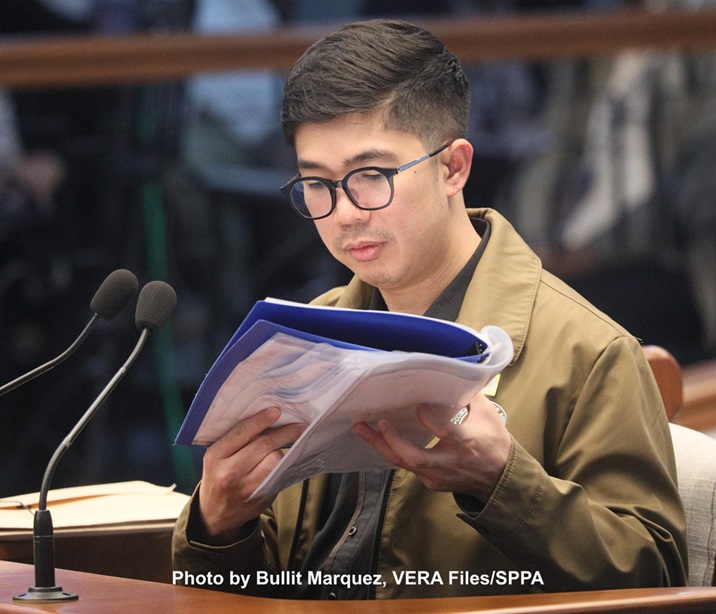
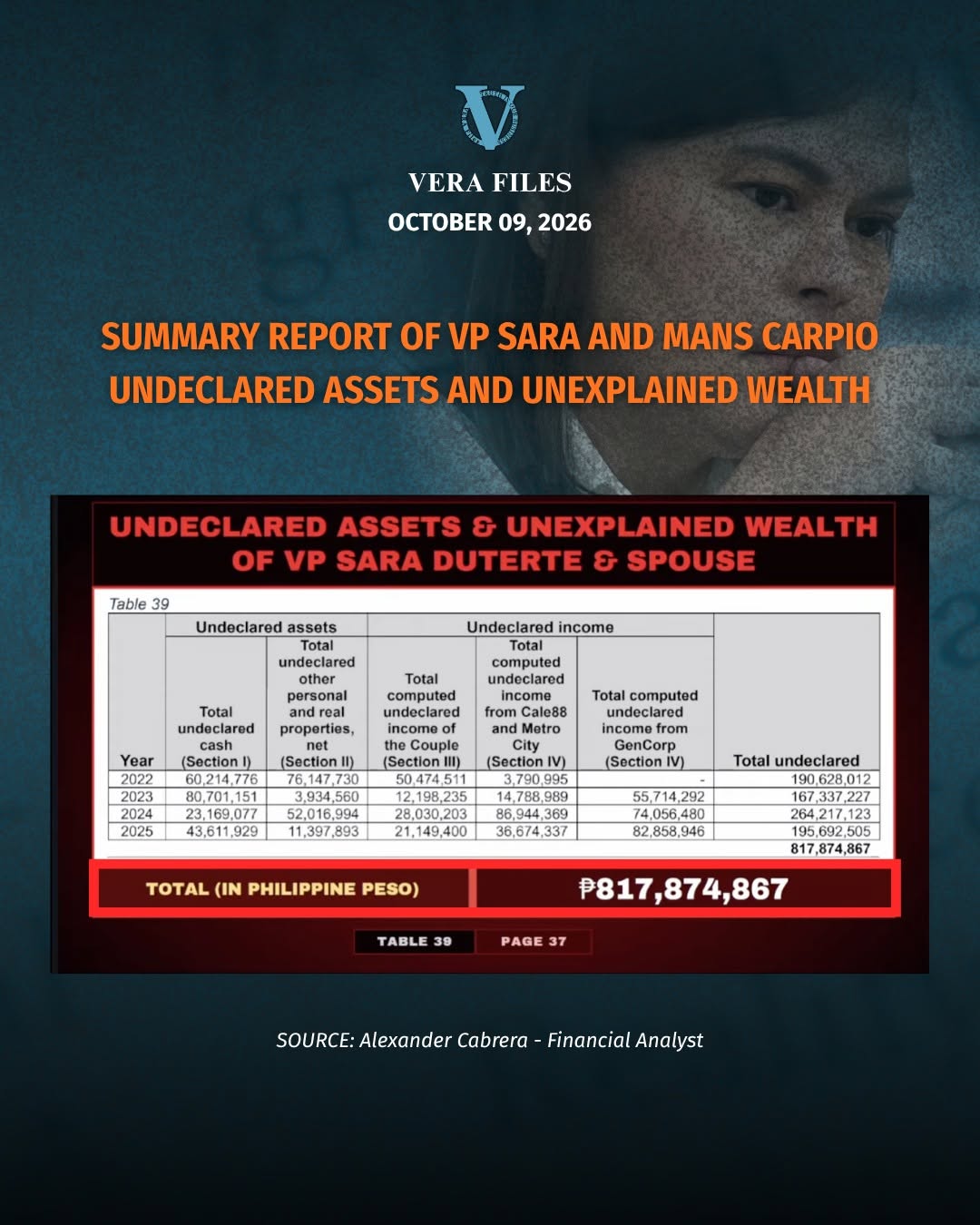
On Friday, Day 37 of the trial, forensic financial analyst Alexander Cabrera estimated that Duterte and her husband, lawyer Manases Carpio, had P817.88 million in alleged undeclared assets and unexplained wealth from 2022 to 2025, covering her first four years as vice president.
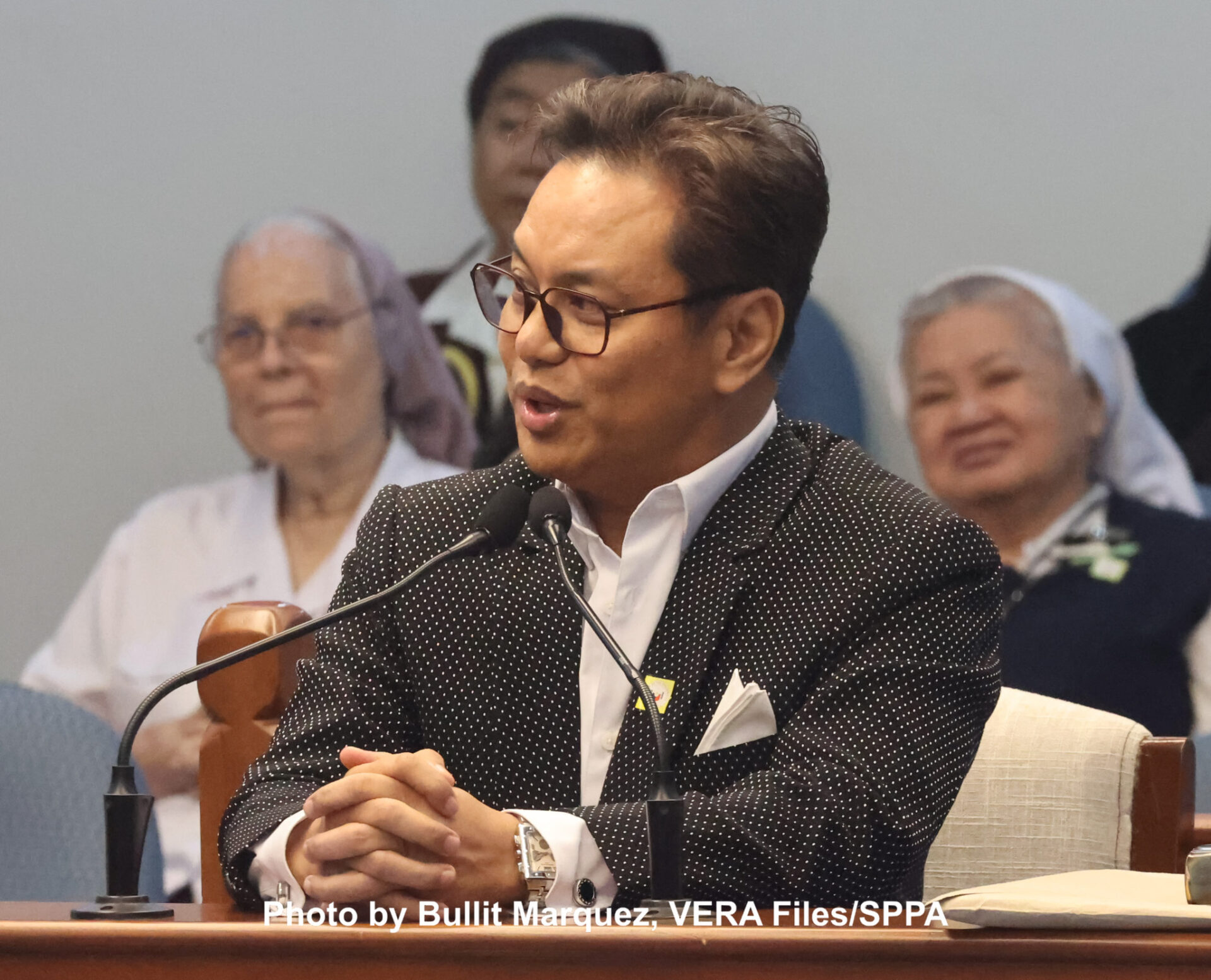
The prosecution presented him as an expert witness to connect the financial evidence and support Article II of the impeachment complaint, which accuses Duterte of unexplained wealth, incomplete or untruthful asset declarations and failure to divest business interests after assuming the vice presidency in 2022.
Cabrera, chairman emeritus of PwC Philippines (Isla Lipana & Co.)- the oldest accounting firm in the country, arrived at the P817.88-million estimate by consolidating five categories of alleged undeclared assets and income of Duterte and her husband from 2022 to 2025: cash and bank balances, other personal properties, real properties, income allegedly omitted from their personal tax declarations, and income attributed to their interests in Cale88 Foods Corp., Metro City Chow Foods Corp. and GenCorp Industries Inc.
To arrive at the total, he examined bank, tax, anti-money laundering and corporate records presented by the House prosecution panel and compared them with Duterte’s SALNs and the couple’s reported income. He also attributed portions of company income to Duterte based on his analysis of their business interests, including an estimated beneficial interest in GenCorp, which operates at least five Jollibee franchise branches in Davao City.
The computation included about P207.7 million in bank balances that Cabrera said Duterte had not declared in her SALNs. He said he took steps to avoid double-counting assets and described his method as conservative, while cautioning that the estimate was based on limited documents and could increase if additional records became available.
Cabrera said Duterte also “omitted assets” in her SALN land, house and lot, buildings, as well as service, office and restaurant equipment. Among her undeclared personal properties were 17 insurance policies and firearms, which were earlier testified to by other witnesses.
He likewise noted “unusual or banking behaviors” in credit card purchases, which showed spending of hundreds of thousands of pesos in just one transaction. These included payments of ₱250,000 in a restaurant in Japan; ₱300,000 at a Nike store in a Davao City mall; and two more transactions at a Nike store in Kuala Lumpur, Malaysia, for ₱256,800.
Cabrera’s annual estimates of undeclared assets and income were P190.63 million in 2022, P167.34 million in 2023, P264.22 million in 2024 and P195.69 million in 2025, adding up to P817.88 million based on the rounded figures presented.
These amounts were substantially higher than Duterte’s declared net worth of P70.81 million in 2022, P80.06 million in 2023, P98.45 million in 2024 and P122.80 million in 2025.
The P817.88-million figure remains the prosecution expert’s estimate, not a judicial finding that the entire amount was unlawfully acquired. The defense is expected to challenge Cabrera’s methodology and conclusions in cross-examination on Monday, Oct. 12.
BIR testimony raises questions
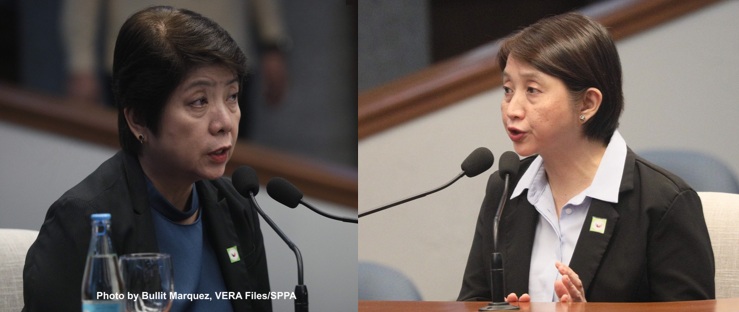
The financial examination began Thursday with testimony from Bureau of Internal Revenue Office of the Commissioner Chief of Staff Anne Loraine Garcia-Marquez.
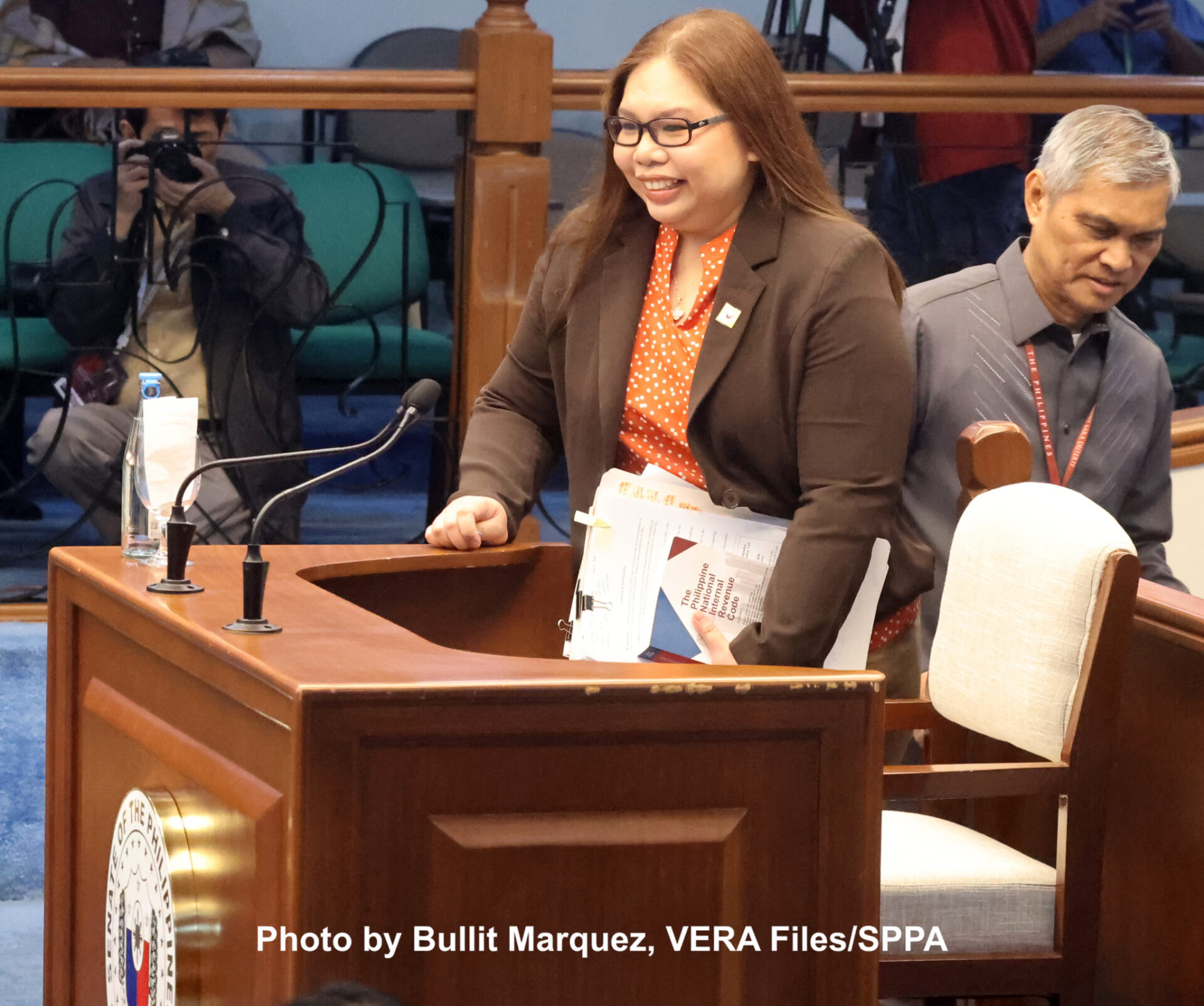
She said Duterte and Carpio had combined net income after tax of P85.34 million from 2007 to 2025. Prosecutor Erwin Matib contrasted this with Duterte’s P98.66-million declared net worth in her 2025 SALN, arguing that the figures raised questions requiring explanation.
The defense objected, noting that the witness had no personal knowledge of Duterte’s SALN entries. Net income accumulated over years and net worth at a particular date are also different measures, and the comparison alone does not establish concealment or illegal acquisition.
Garcia-Marquez presented the couple’s reported cash on hand and bank balances in audited financial statements submitted to the BIR: P21.23 million at the end of 2022, P28.97 million in 2023, P15.53 million in 2024 and P13.80 million in 2025.
She also testified that Duterte’s financial statements listed other income of P1.58 million in 2024 and P1.1 million in 2025, apart from compensation income. The records discussed did not specify the source, although the BIR understood it to relate to legal activities.
The witness said the BIR had no records showing that Carpio had transferred or sold his shares in Cale88, or records of tax payments or an electronic certificate authorizing registration for such a transaction.
The prosecution questioned whether Carpio remained the company’s true owner. The defense objected to its characterization of the purported sale as fake, and the court ordered the term stricken from the record.
Banks trace accounts and transactions
On Wednesday, 15 representatives of banks and insurance companies detailed accounts, transactions and insurance investments involving Duterte, Carpio and businesses linked to them.
The prosecution said the records showed 30 active bank accounts associated with the couple, with combined ending balances of about P190 million at the end of 2025.
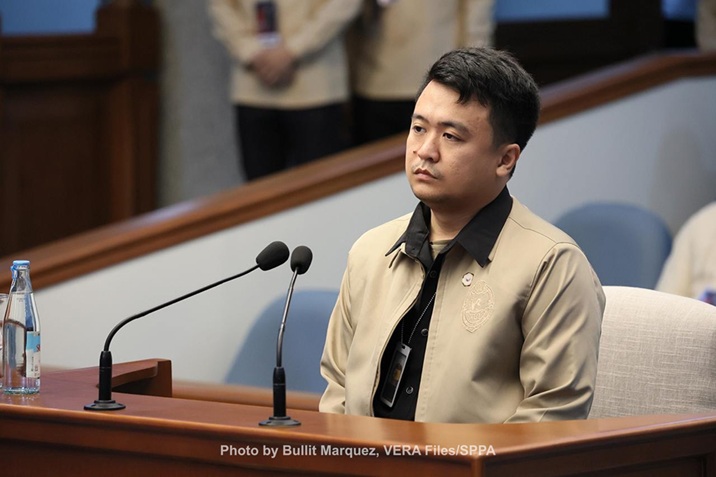
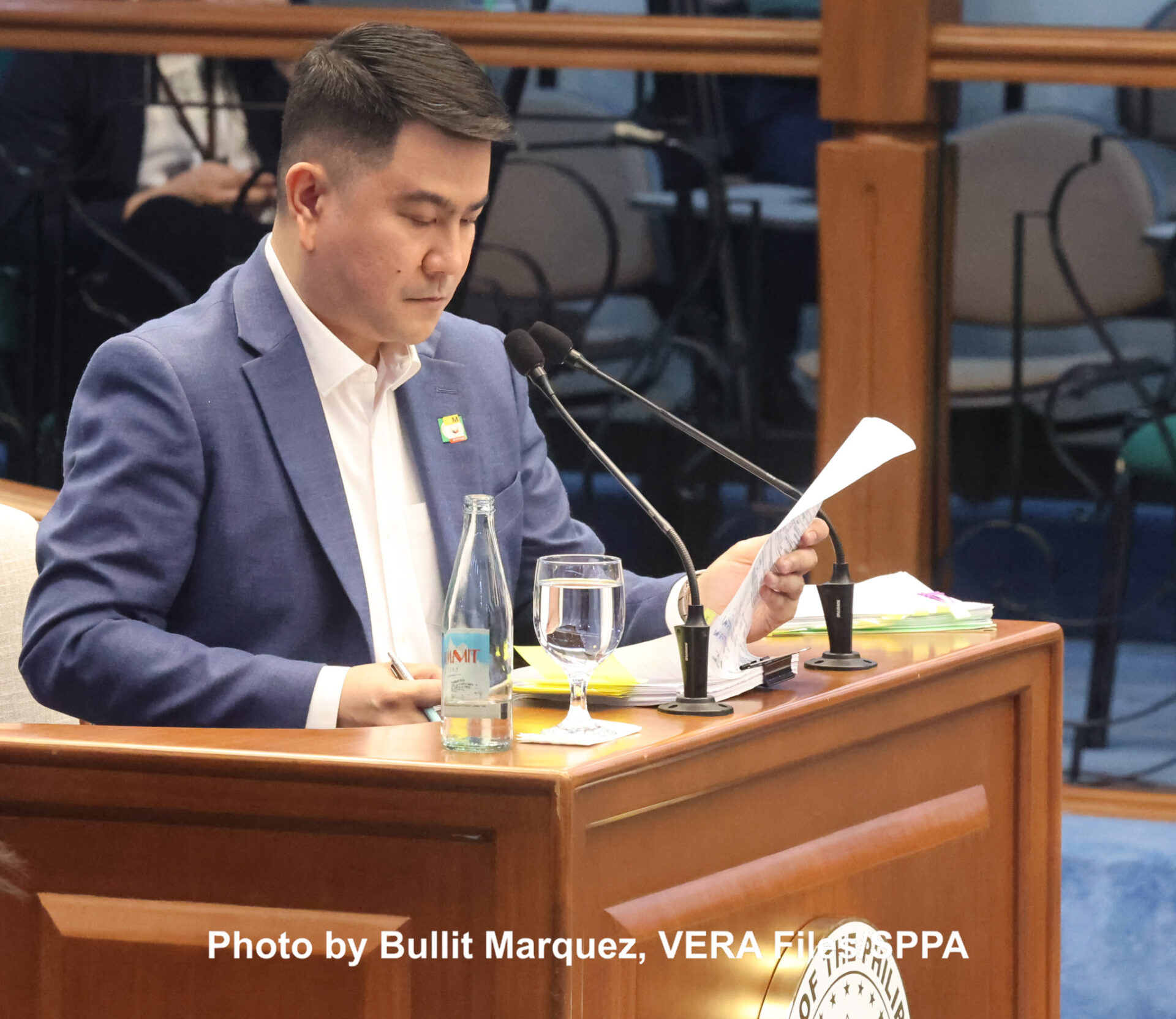
A key disclosure came from Bank of the Philippine Islands executive Marwin Galvez, who confirmed that Duterte and her father, former President Rodrigo Duterte, jointly held a peso time deposit opened in 2010 with P40.65 million.
The account was at the center of allegations made by former Sen. Antonio Trillanes IV during the 2016 presidential campaign. Trillanes claimed Rodrigo Duterte had at least P227 million in an undeclared BPI account at the Julia Vargas branch.
Rodrigo Duterte initially denied the account, calling it “nonexistent,” but later acknowledged holding two accounts at the branch. He subsequently said the account had contained less than P200 million in birthday gifts from friends, which he said was no longer included in his 2014 SALN because he had spent the money.
Galvez testified that the P40.65-million opening balance grew to P41.72 million after 12 renewals. He also confirmed manager’s checks issued from the account, including checks payable to the former president and a P16.85-million check payable to Davao businessman Samuel C. Uy.
Prosecutors suggested that manager’s checks could have kept substantial sums out of year-end account balances, potentially indicating concealment.
Galvez said unused manager’s checks were not uncommon in banking but could not determine whether the transactions were deliberately structured to hide funds.
Presiding officer Chiz Escudero noted that Sara Duterte’s signature did not appear on the relevant account and check documents. The defense argued that this undermined claims that she controlled the transactions.
Security Bank executive Leslie Cham testified that Cale88 recorded P40.14 million in inflows and P40 million in outflows in 2024, followed by P6.27 million in inflows in 2025. The company’s two peso accounts with the bank were closed in July 2026, around the time the impeachment trial began.
AMLC reports flag billions
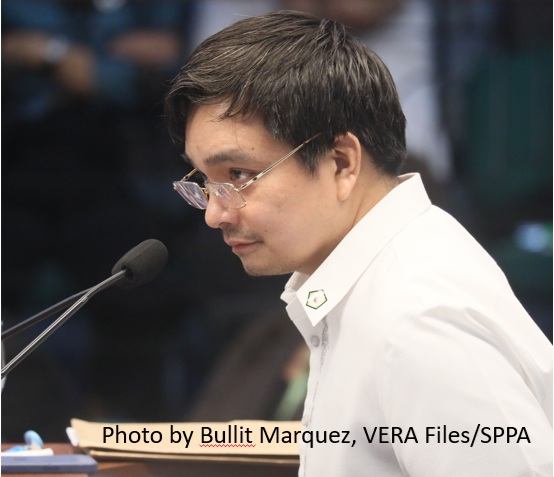
Earlier in the week, Anti-Money Laundering Council Executive Director Ronel Buenaventura testified on 666 covered transaction reports and 55 suspicious transaction reports involving Duterte and Carpio, covering transactions totaling about P4.4 billion.
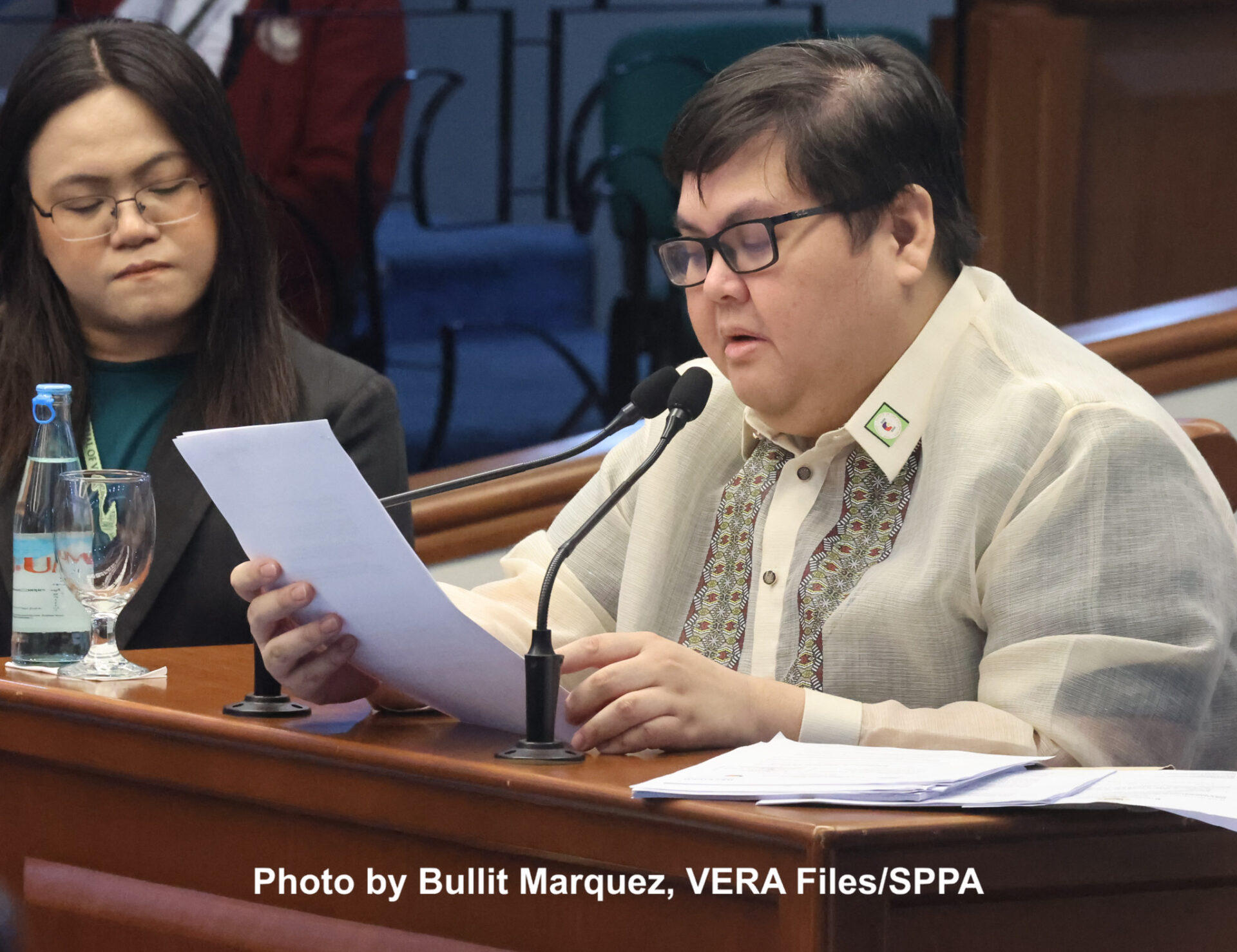
The records included seven transfers totaling P193.71 million on March 28, 2014, involving joint accounts of Duterte and her father. Buenaventura also confirmed six transactions involving P41 million withdrawn from accounts linked to Carpio on Aug. 6, 2024.
He said 34 suspicious transaction reports involving Duterte were filed from 2019 to 2024. The reports cited concerns ranging from alleged graft and corruption to flood-control issues, malversation and drug trafficking. Buenaventura stressed that the narratives came from banks and insurers, not the AMLC itself.
The impeachment court rejected the defense’s bid to bar his testimony, ruling that AMLC reports were not absolutely immune from a lawful subpoena.
But Buenaventura emphasized that reported transactions were not conclusive proof of Duterte’s cash holdings or unexplained wealth. He also had no personal knowledge of her SALNs.
The records showed P319.33 million in remittances from China to Cale88. Sen. Risa Hontiveros identified companies she said had links to Chinese state-owned enterprises, but Buenaventura said the records did not establish that the funds came from the Chinese government or that the entities were illegitimate.
He said Cale88’s reported P776 million in inflows could be a starting point for further investigation. Establishing money laundering, however, would require determining the source of the funds and any connection to unlawful activity.
The defense has challenged the prosecution’s methodology, the relevance of older transactions and the link between corporate funds and the vice president. Duterte has denied wrongdoing, while her lawyers have disputed the prosecution’s interpretations of the financial records.
The central question is whether prosecutors can move beyond documenting money flows and discrepancies to establish that Duterte failed to truthfully disclose her assets or acquired wealth she could not adequately explain.