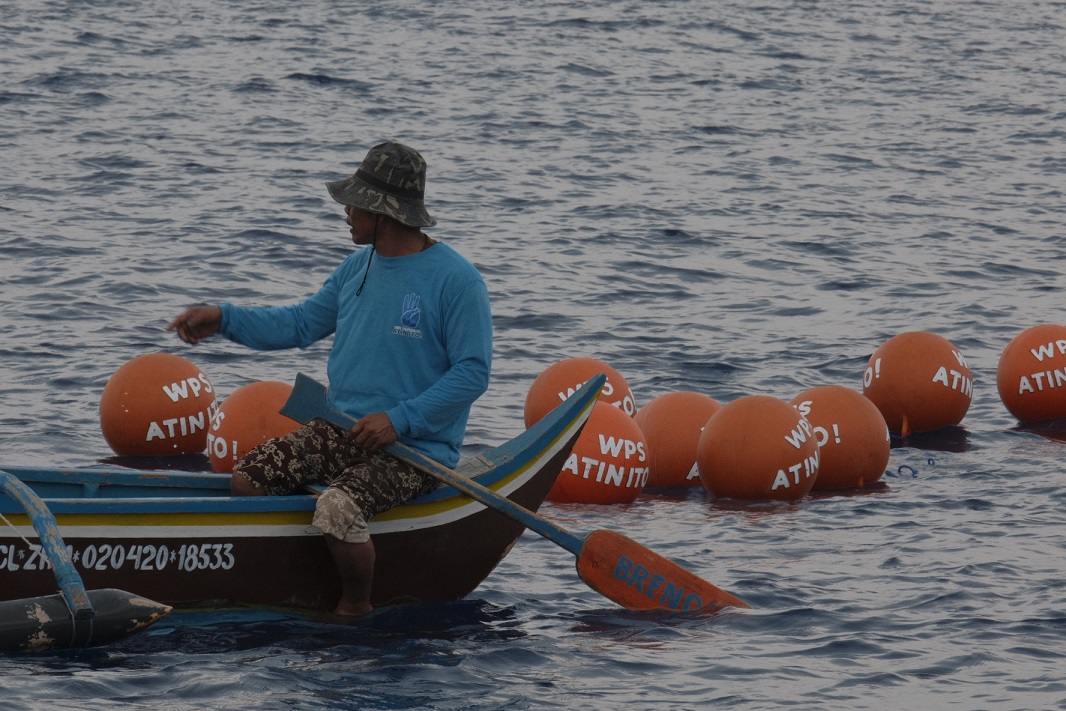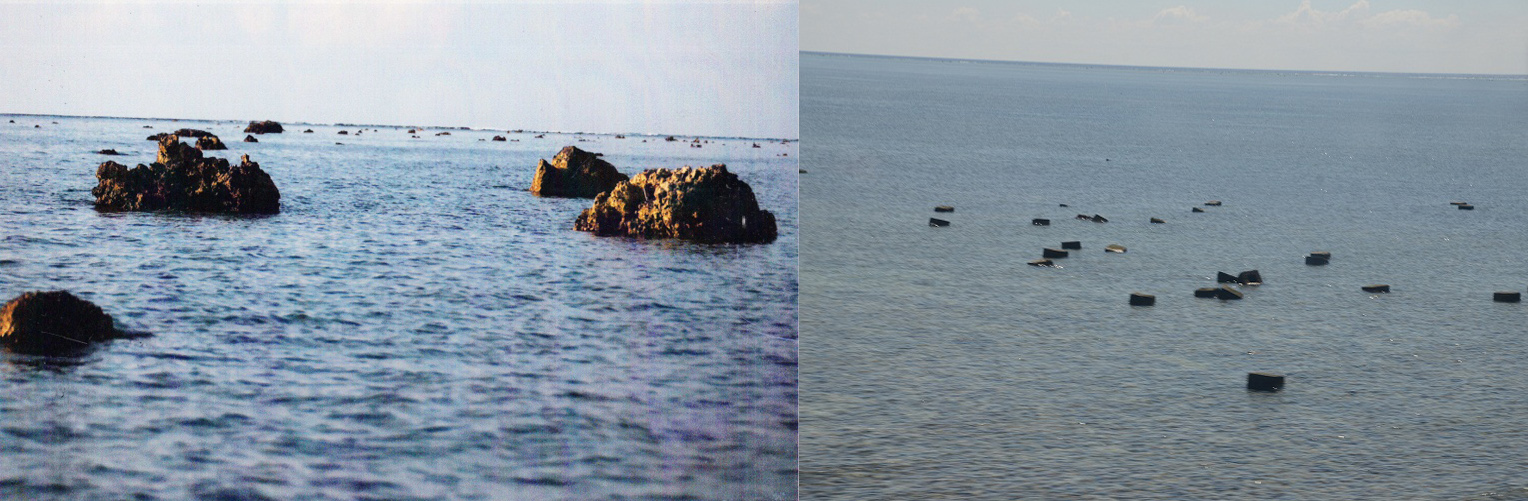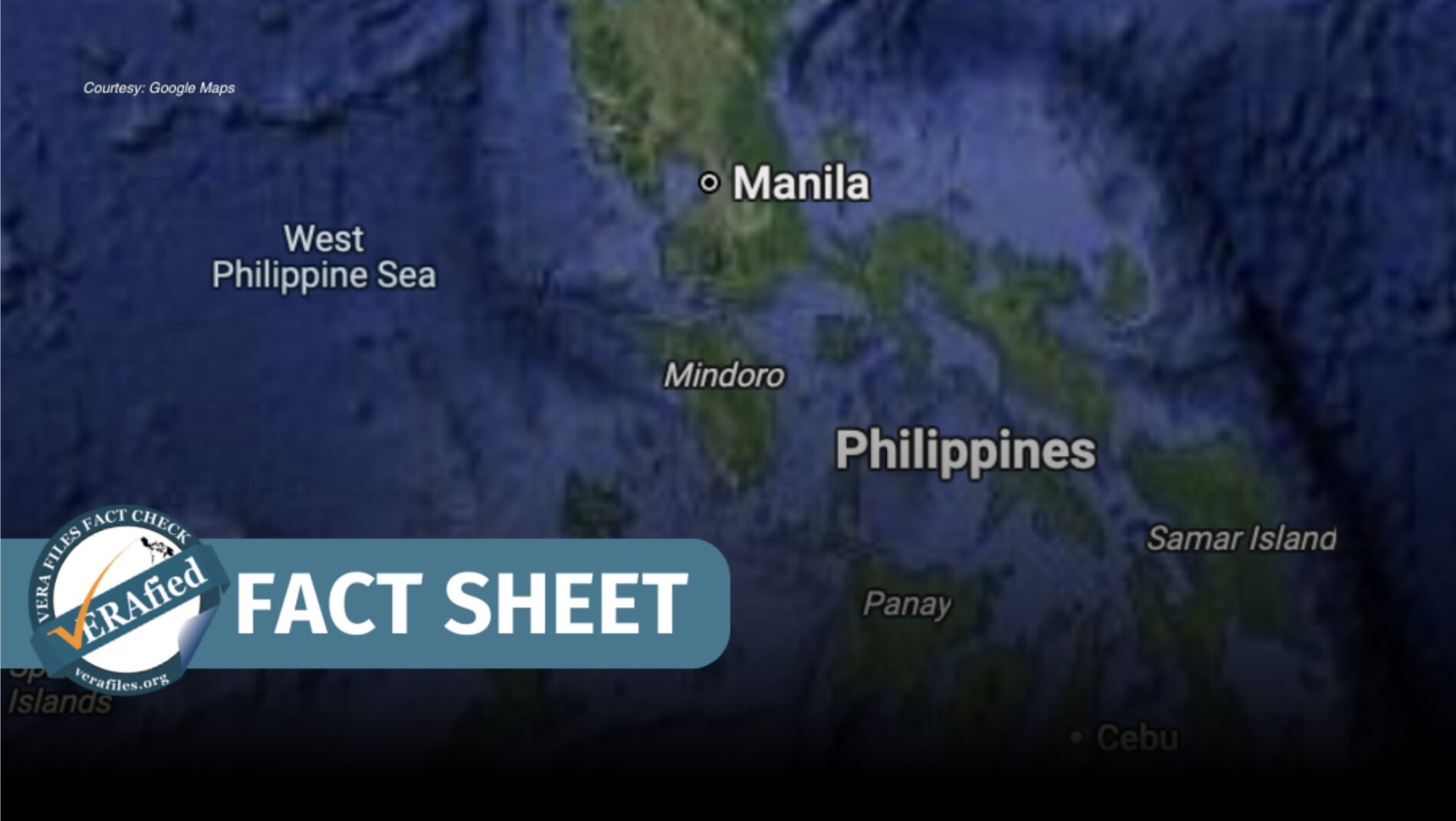
In a coastal town in Zambales, fishing boats sit idle along the shore longer than they once did. They used to frequent the rich fishing grounds of Bajo de Masinloc, a triangular reef about 220 kilometers west of Luzon, widely known as Scarborough Shoal. But far less so now.
This year marks a decade since an international tribunal issued a landmark verdict in favor of the Philippines, invalidating China’s sweeping claims in the South China Sea and affirming Filipino fishermen’s traditional fishing rights at Bajo de Masinloc. Beijing has rejected the ruling.
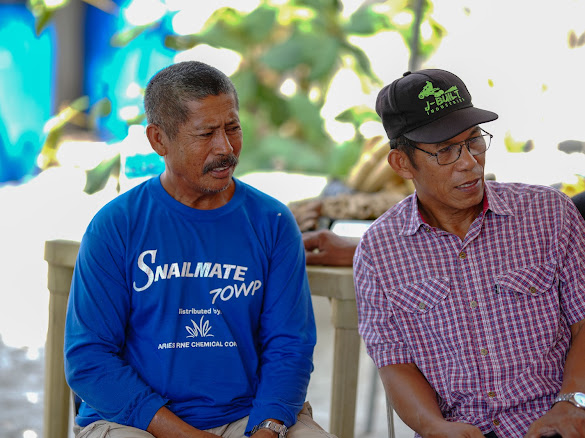
For fishermen in Zambales, the legal victory has not translated into greater access. “The 2016 ruling may have mattered at the top level, but we don’t feel it when we’re out at sea,” said Leonardo Cuaresma, who’s been fishing at Bajo de Masinloc for almost five decades and president of the New Masinloc Fishermen Association. He has seen their fishing space steadily shrink since tensions escalated in 2012, when China took effective control of the shoal following a standoff with the Philippines. Beijing has kept coast guard ships and fishing boats in the area all the time since then.
Confrontations around the shoal in recent years have intensified to include the use of water cannons, boat ramming, and risky maneuvers by China’s coast guard and navy. Chinese fighters in the vicinity have also shadowed Philippine aircraft.
Another fisherman, Osman Pumicpic, said they could no longer approach within 48 kms (30 miles) of the shoal because of China’s presence. “It’s very painful and hard to accept, our livelihood has been affected,” he said. Steady profits from 10-day trips to Scarborough Shoal now face longer, more expensive voyages and much less catches. They endure harassment from China, too.
Rolando Alviz said they took on other livelihoods, such as farming and construction work, because fishing alone was no longer profitable.

These fishermen shared their experiences with Southeast Asian journalists from the Philippines, Vietnam, Malaysia and Indonesia, invited by the Australian government on a weeklong maritime reporting tour in mid-February.
While Bajo de Masinloc has long been a traditional fishing ground for communities in the Philippines, China, Taiwan and Vietnam, Cuaresma said only Beijing maintains a presence there.
He is skeptical that China will leave Bajo de Masinloc voluntarily, but appreciates the Philippine government’s efforts to uphold the country’s rights even with the harassment of its own coast guard and navy. While government programs exist for fishers, he said many are unable to access subsidies and support.
As China’s assertive actions in the South China Sea continue to threaten Filipino fishermen, countries such as Australia have backed the Philippines’ calls for adherence to the 2016 arbitral tribunal ruling and regional maritime norms, supporting initiatives that protect both territorial rights and local livelihoods.
“Whenever there’s a very concerning incident, Australia and other like-minded countries make public statements in support of the Philippines’ position…There’s a range of practical training and exercises as well public statements when necessary when confronted with— jointly or individually— concerning behavior in the South China Sea,” Australian ambassador to the Philippines Marc Innes-Brown told journalists in a separate briefing. Tiffany McDonald, Australia’s ambassador to the Association of Southeast Asian Nations, said that Canberra works closely with ASEAN to reduce the risk of conflict in the region.
Security cooperation between Manila and Canberra has also deepened. Innes-Brown said both countries are taking their defense cooperation to “new and exciting levels,” with the overall partnership “at the biggest level it has ever been.” The Royal Australian Navy frigate HMAS Toowoomba recently made a stop in the Subic Bay for joint exercises with the United States and the Philippines in the West Philippine Sea— Manila’s exclusive economic zone in the South China Sea— as part of a regional deployment. A new defense pact, set to be signed this year, will expand training and cooperation to address modern realities.
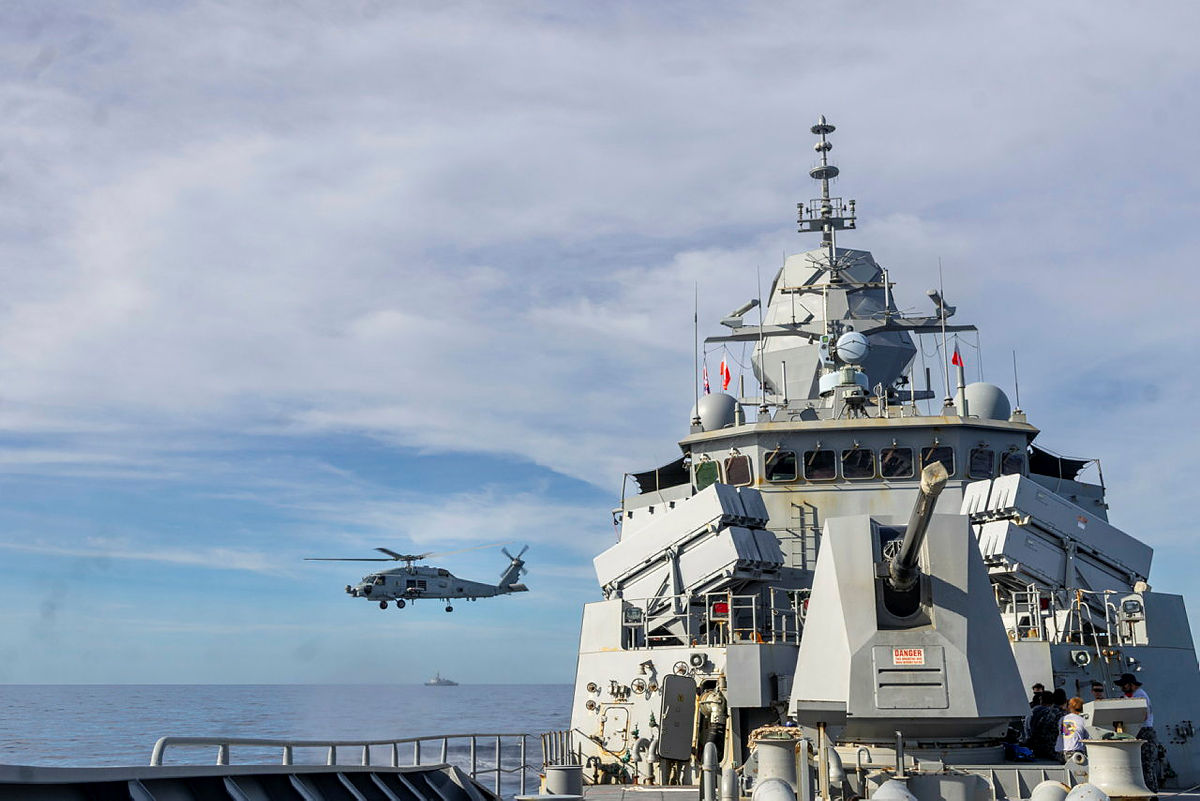
Over the past year, Australia has donated P34 million worth of advanced aerial drones and provided training to the Philippine Coast Guard to enhance its maritime domain awareness capabilities. The Australian embassy is also supporting groups such as Archipelagic Women of the Philippines through The Asia Foundation to empower women’s roles in the maritime sector. While much of the burden falls on fishermen at sea, women in these island communities carry similar responsibilities on land, and some venture out to sea as well.
Retired Supreme Court Justice Antonio Carpio, meanwhile, believes it is crucial to keep telling the public about what’s going on in the West Philippine Sea to counter China’s expansive claims and garner global support.
“China will give up its claim if the entire world will be united. And how do we unite the world? We cannot unite the world by not talking about it. The only way we can convince the world to help us is if we explain that we are being bullied at sea, we are being robbed at sea, and you don’t want the law of the sea to be overturned by China,” he told reporters in a separate forum.
Carpio warned a “closed door” diplomacy could play into Beijing’s favor. “If you discuss it behind closed doors, the world will never know. The world will not be convinced. The world will not support us. So, it’s important that we explain this to the world,” he said.