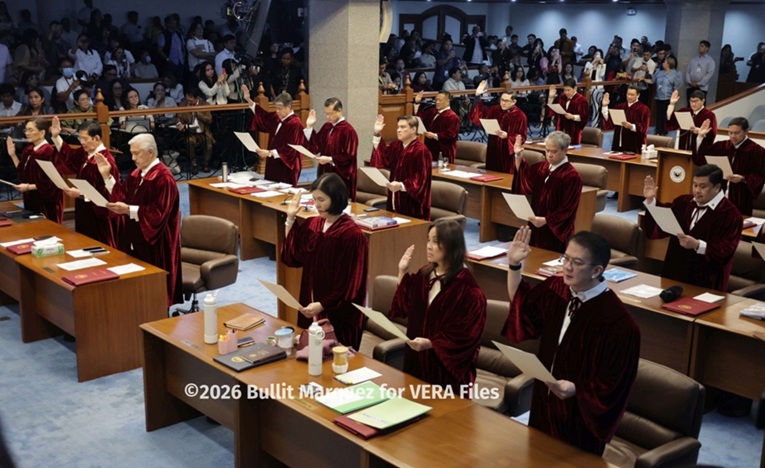

“Prosecution, I’m warning you. I will not hide my disdain. I will not. I cannot.”
Sen. Pia Cayetano made this declaration during the November 12 impeachment trial of Vice President Sara Duterte, as the prosecution questioned a witness about more than P256,000 worth of shoes purchased by the Vice President’s husband, lawyer Manases “Mans” Carpio.
Cayetano objected to what she saw as an unfair implication that a parent should not support young athletes simply because someone in the family holds public office. She spoke of parental sacrifice and the desire to give children opportunities in sports.
There is nothing wrong with parents helping their children, or with people who can afford it extending that help to others. But was that what the prosecution was questioning? Why did an inquiry into financial transactions become an argument about parental love and generosity?
Generosity is not an answer to every question
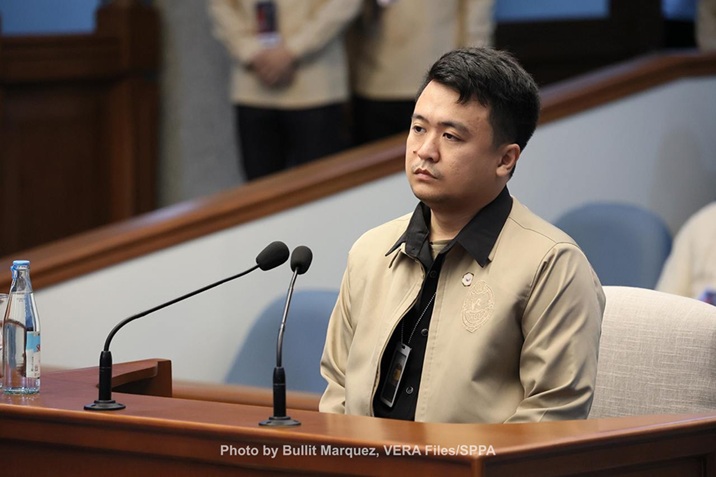
Defense witness Chadrin Parian testified about a trip to Kuala Lumpur, Malaysia, where Carpio reportedly bought shoes for youth basketball players and some accompanying parents and guardians. The transaction, reported at P256,882.50, was examined during the impeachment proceedings.
The purchase alone proves neither corruption nor unexplained wealth. Nor should every act of generosity by someone connected to a public official be treated as suspicious. Cayetano was entitled to challenge questions she considered unfair.
But an impeachment court is not deciding whether children deserve good shoes. It is examining evidence and determining which transactions are relevant to allegations before it. The prosecution may ask questions; the defense may contest their relevance and conclusions. Neither side should be spared scrutiny.
The Constitution says public office is a public trust and calls on public officers to lead modest lives. Republic Act No. 6713 also sets standards of simple living for public officials and their families, appropriate to their positions and income. These rules do not prohibit spending legitimately earned money. They do mean that questions about wealth and spending cannot be dismissed simply by describing a purchase as generous.
Carpio is not the official on trial, and that distinction matters. Whether his spending has any bearing on the allegations against the Vice President must be established through evidence, not assumed. Equally, asking about a transaction is not the same as declaring it unlawful.
What privilege makes possible
For a family with considerable resources, buying expensive athletic shoes for a group of children may seem a modest gesture. For many Filipino parents, even one pair can require painful sacrifices. Both kinds of parents may love their children equally; what differs is what they can afford to provide.
This is the part of the discussion that should not be lost. A promising young athlete with money for training, travel and equipment has opportunities that another equally gifted child may never receive. Talent and determination do not erase the effects of poverty.
The children who received the shoes may have been delighted, and Carpio may have wished only to reward their efforts. We need not question either possibility to recognize a larger problem: a child’s chances should not depend so heavily on knowing someone who can pay.
There is a difference between an act of kindness and a fair system of opportunity. The first may change a child’s day, perhaps even a season. The second can change what is possible for children who never meet a wealthy benefactor.
Charity, patronage and public responsibility
Philippine public life is familiar with assistance associated with powerful individuals: scholarships, medical aid, sports equipment and financial donations. Such help can be real and welcome. But it can also encourage the idea that what people need comes as a personal favor rather than through institutions accountable to everyone.
This is one reason to distinguish charity from patronage. Charity may be offered without expecting anything in return. Patronage involves relationships of dependence and favor, often tied to influence. The shoe purchase by itself does not show that Carpio sought political loyalty or repayment. It would be unfair to make that accusation without evidence.
Yet we can still ask whether celebrating the generosity of influential families distracts from the unequal conditions that make personal favors so consequential. Republic Act No. 6713 itself warns public officials against creating the impression that they dispense undue patronage.
Private support for sports has a legitimate role. Parents, coaches, donors and sponsors often make participation possible. But the Philippine Sports Commission and other public institutions also have responsibilities for sports development. Their work matters precisely because opportunities should reach children beyond the circles of the well-connected.
There is a further difference between giving something to a particular team and making a public commitment to every young person who needs support. A gift is necessarily selective: someone decides whom to help, how much to give and when. Public programs, though imperfect, can be questioned about their criteria, budgets and reach. Families can ask why one community has facilities while another has none. Coaches can seek consistent support instead of waiting for a donor. These are not reasons to reject private generosity. They are reasons to resist treating generosity as the measure of whether a society is caring for its children.
The question is not whether private individuals should stop giving. It is whether their generosity is being mistaken for an adequate answer to the needs of young people who have no such benefactors.
The role of a senator-judge
Cayetano may sincerely identify with parents who sacrifice for their children’s sporting ambitions. That perspective deserves acknowledgment. But during the hearing she was also a senator-judge, entrusted with evaluating arguments and evidence fairly.
A senator-judge can object to a misleading question or insist that the prosecution explain its relevance. That is part of a serious proceeding. Still, a declaration of “disdain” toward a line of questioning invites concern when the issue before the court is whether financial conduct warrants examination.
If the prosecution cannot connect the purchase to the allegations, that weakness should become clear through the evidence. If the defense can explain the transaction, its explanation should be heard. Neither conclusion should rest on the emotional appeal of generosity alone.
Parents’ love for their children and the public’s right to accountability are not competing values. We can respect both without confusing one for the other.
Beyond the shoes
The controversy is not finally about the brand of shoes or whether Mans Carpio could afford them. It concerns the assumptions that enter public discussion when wealth, family connections and political office meet.
Senator Cayetano was right about one thing: parents want opportunities for their children. Poor parents want them, too. Their love is no smaller because their means are limited. Their children’s ambitions are no less worthy because they cannot afford international tournaments or expensive equipment.
That is why generosity, however welcome, should not end the conversation. Nor should it prevent legitimate questions about financial transactions connected to public power.
The young athletes who received the shoes are not the problem. The children who never receive such gifts are the ones we must also remember.
Beyond the shoes lies a question of what we owe all children: not merely occasional kindness from the privileged, but opportunities that do not depend on privilege in the first place.
Antonio Nercua Ablon is a bishop of the Iglesia Filipina Independiente, also known as the Aglipayan Church. He currently serves as chaplain at St. Catherine’s Anglican Chaplaincy in Stuttgart, Germany, under the Church of England’s Diocese in Europe.