Retired associate justice Antonio Carpio reiterated on July 21 his recommendation for the Philippine government to ask the Arbitral Tribunal to add common fishing rules in Scarborough Shoal to its 2016 ruling.
“How many tons of fish can each country gather or get in the territorial sea of Scarborough Shoal? What are the fishing seasons? Because you must have a non-fishing season to allow the fish to regenerate. And you cannot scoop everything. So, there must be a maximum quantity of fish that a country can get to make the fishing sustainable,” he said at a forum marking 10 years after the 2016 arbitral award.
Speaking at the forum at the National Library of the Philippines organized by the Asian Institute of Journalism and Communication in partnership with the Embassy of the Netherlands, Carpio said such fishing rules are missing in the arbitral award.
He explained that it is necessary for the Philippines to return to the Tribunal as China, which does not recognize the decision, cannot be expected to cooperate in drafting the proposed guidelines.
The Hague-based Tribunal, constituted under Annex VII of the United Nations Convention on the Law of the Sea, invalidated China’s encompassing nine-dash-line map that encroached on the maritime zones of the Philippines, Vietnam, Malaysia, Brunei and Taiwan.
It also declared Scarborough Shoal (also known as Bajo de Masinloc and Panatag Shoal) as traditional fishing ground for many countries, including the Philippines, Vietnam, and China (including Taiwan).
“We have to go to the Arbitral Tribunal and tell the Arbitral Tribunal the problem. And we propose to the Arbitral Tribunal the rules. And I suppose Vietnam will do the same. So, there will be a ruling again. And once there is a ruling, the world will support that,” Carpio explained.
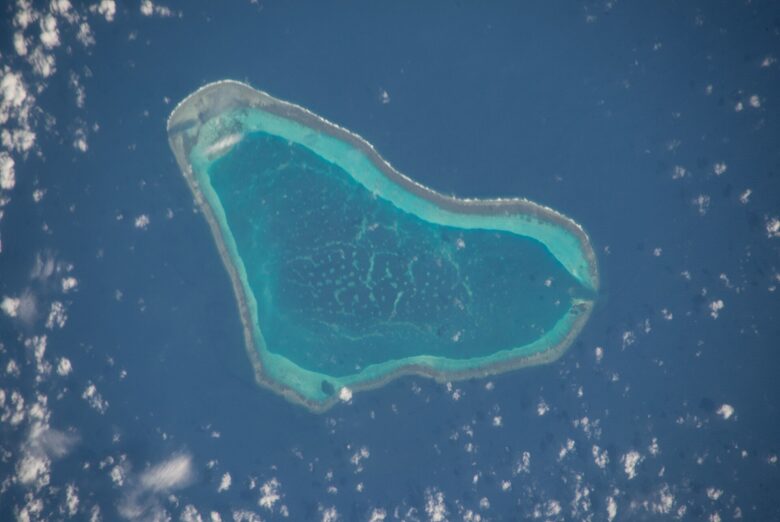
China has been in control of Scarborough Shoal — a triangular-shaped coral reef formation that has several rocks encircling a lagoon 124 nautical miles from Zambales — since April 2012 when a Philippine Navy warship arrested Chinese fishing vessels in shoal. The incident led to a two-month standoff that was only broken when the United States brokered a “simultaneous withdrawal” agreement between the Philippines and China.
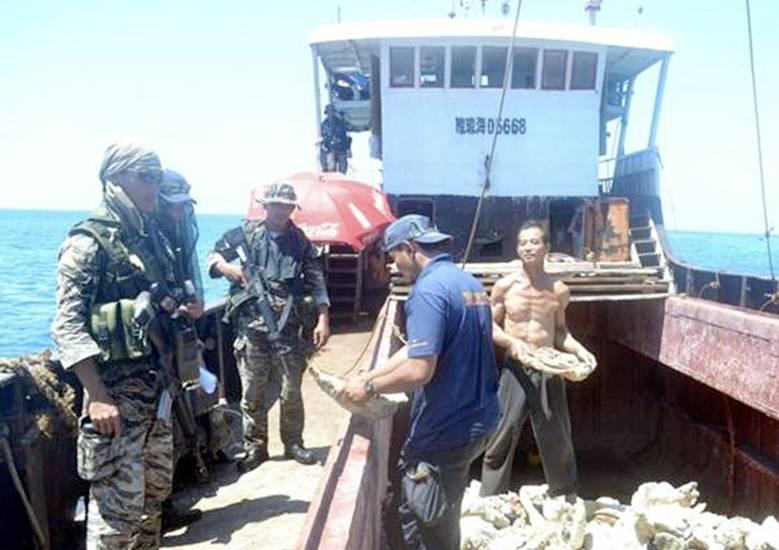
While Manila withdrew its ship as agreed, Beijing left three of its vessels in the area. Accusing China of reneging on the “simultaneous withdrawal” agreement, the Philippines was compelled to file the case at the Arbitral Tribunal, which China snubbed.
The arbitral award declared that China’s operation of official vessels at Scarborough Shoal from May 2012 onwards unlawfully prevented Filipino fisherfolk from exercising their traditional fishing rights at the Shoal.
In early July, China’s Ambassador to the Philippines Jing Quan reportedly submitted a proposal to the Department of Foreign Affairs to replicate what he described as a “successful model” of a supposed established common fishing area 10 years ago.
Philippine Defense Secretary Gilberto Teodoro Jr. dismissed the document and labeled Beijing’s move a public relations stunt. He stressed that the 2016 arbitral award already recognized Manila’s fishing rights in Scarborough Shoal.
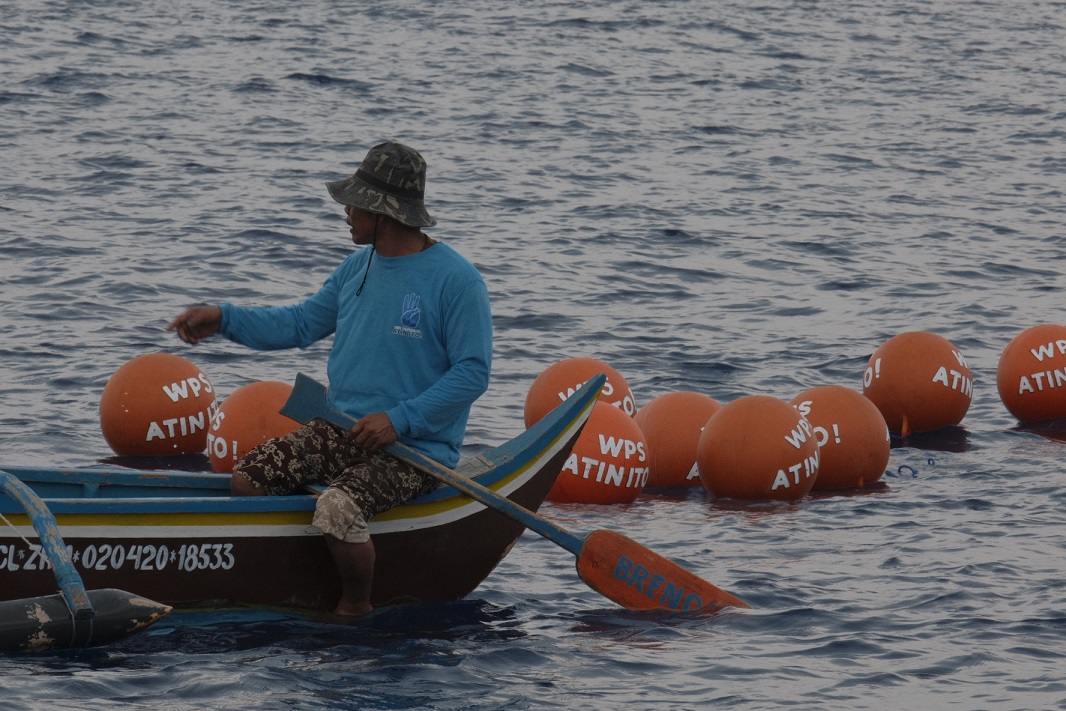
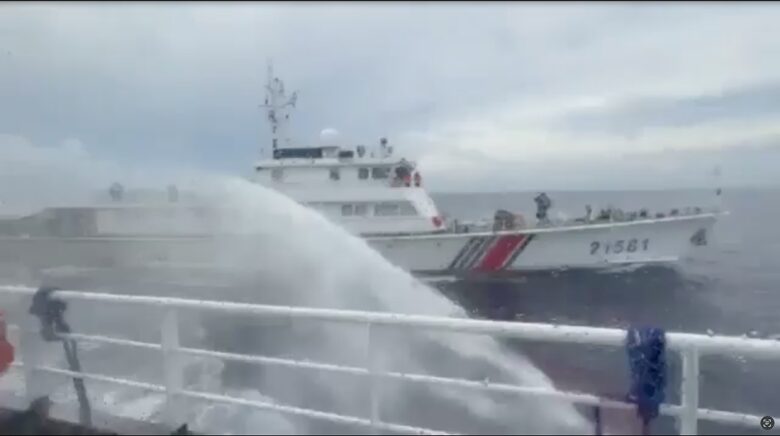
The latest clash near the Shoal happened Friday, July 24, when the China Coast Guard confronted with dangerous maneuvers and water cannons ships of the Philippine Coast Guard and Bureau of Fisheries and Aquatic Resources carrying out a government mission in support of Filipino fishermen.
The National Task Force for the West Philippine Sea condemned what it described as “the unlawful and dangerous actions of the China Coast Guard” which “placed lives at risk and endangered safe navigation.”