
The return of national funding for Project NOAH (Nationwide Operational Assessment of Hazards) is not merely a budgetary decision; it is an overdue correction of a dangerous mistake.
After years of increasingly deadly typhoons, floods and landslides, the bicameral conference committee on the 2026 General Appropriations Bill approved during its first meeting last Saturday a P1-billion funding for Project NOAH, restoring the country’s flagship disaster prevention and mitigation program that was inexplicably defunded in 2017.
This move comes after yet another season of destruction, as recent typhoons once again exposed how unprepared the country remains in the face of climate-driven disasters.
Project NOAH’s funding from the national government should never have required tragedy as its justification.
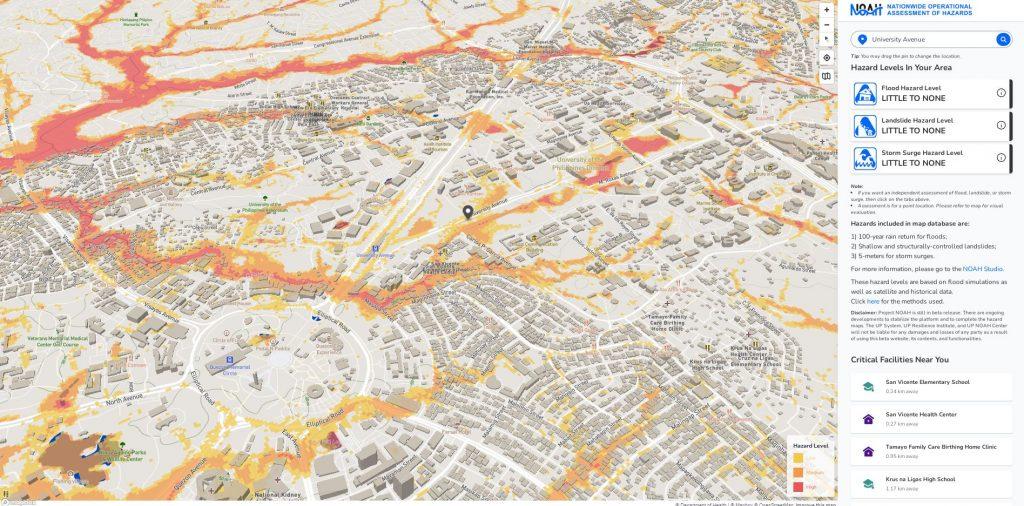
Launched in 2012 in the aftermath of Tropical Storm Sendong, Project NOAH was built on a simple but powerful idea: that science, data and real-time information can save lives. Under the Department of Science and Technology, it delivered high-resolution hazard maps, real-time monitoring and early warning systems that gave communities precious hours to prepare — often the difference between survival and catastrophe.
And yet, despite its proven value, Project NOAH was defunded in 2017. No credible evidence of failure was presented. No superior alternative was offered. What followed was a slow erosion of national disaster preparedness, as the program was reduced to operating on limited resources under the University of the Philippines Resilience Institute, responding only to local governments that knew enough to seek its help.
Meanwhile, disasters grew more frequent. Storms become stronger. And Filipinos paid the price.
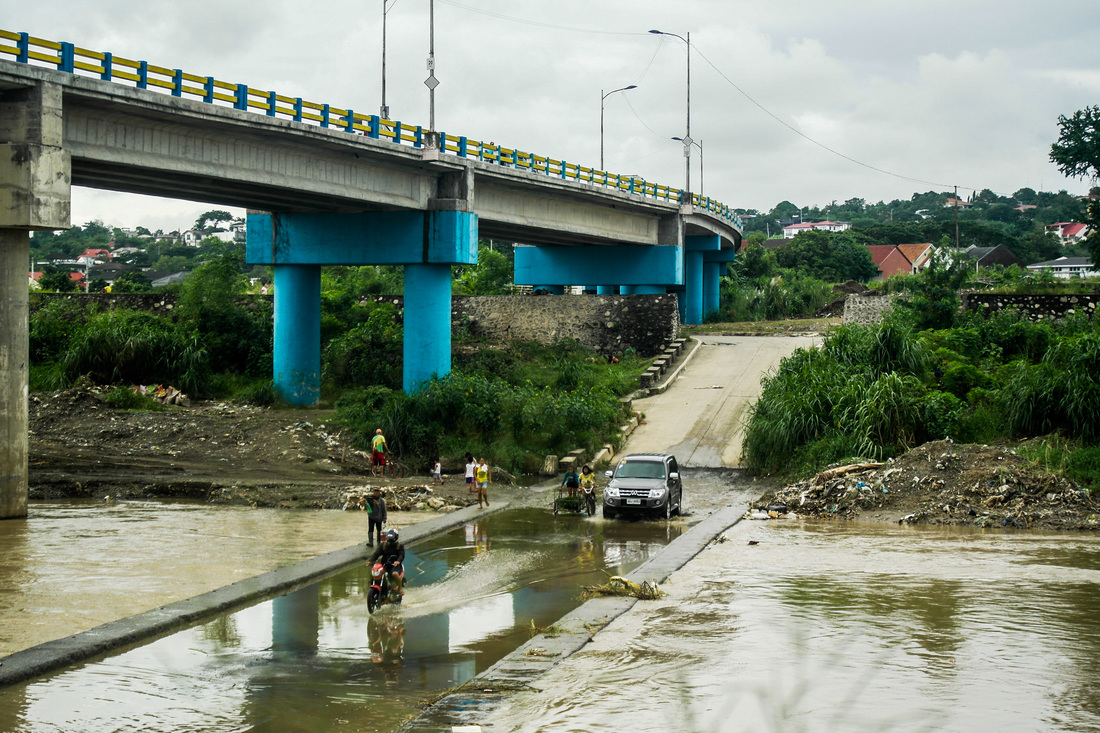
The recent onslaught of typhoons Tino and Uwan is only the latest reminder that climate change is no longer a future threat; it is the country’s daily reality. Floodwaters rise faster. Landslides strike without warning. Communities are caught off guard, again and again.
Against this backdrop, Congress’ decision to restore funding to Project NOAH is welcome, but it must also be seen for what it is: a belated acknowledgment that sidelining science in disaster planning was reckless.
Lawmakers themselves have admitted the program’s relevance. Project NOAH’s hazard maps have logged 35 million online searches, peaking at 2.5 million searches a day during disasters, Negros Occidental Rep. Javier Miguel Lopez Benitez cited in expressing support for the P1-billion budget provision.
Local governments continue to rely on its data. The demand never disappeared, only the political support did.
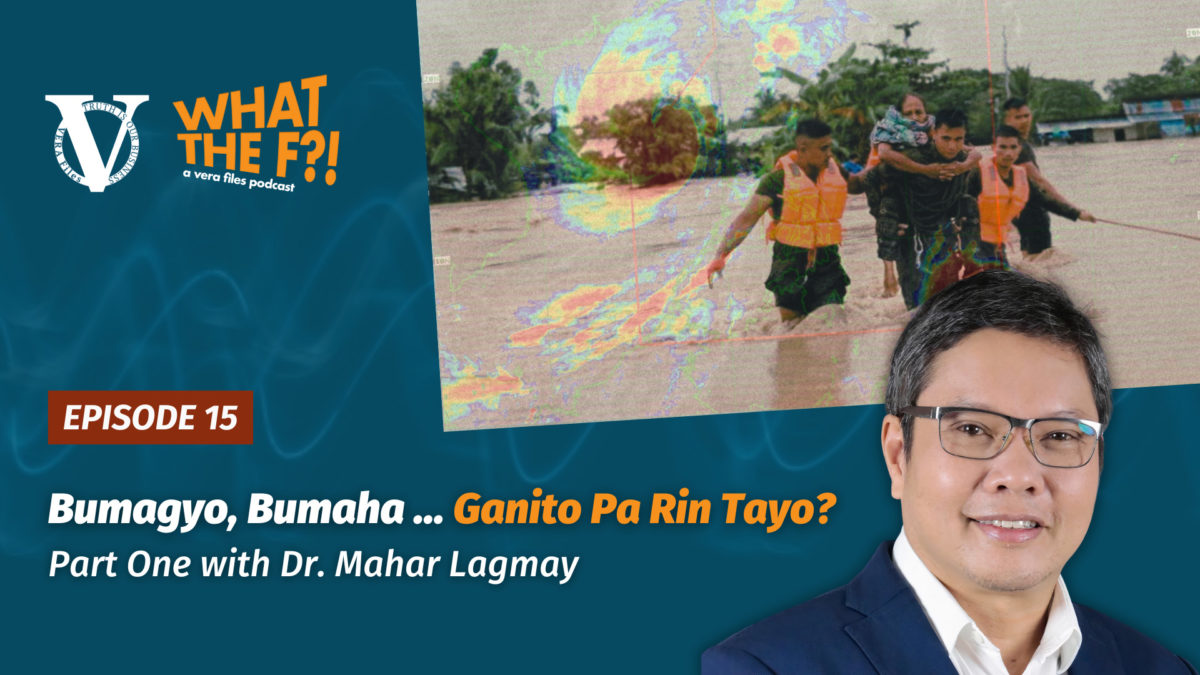
Upon learning about the bicam decision, Project NOAH Executive Director Mahar Lagmay pledged to “work with urgency, discipline and full accountability to ensure that every centavo of the P1 billion entrusted to us delivers meaningful and measurable value to the Filipino people.” This reflects what Project NOAH has always represented: a rare public program rooted in evidence, transparency and service. With restored funding, the task ahead is enormous — updating decades-old hazard maps, expanding real-time monitoring and rebuilding national coordination — but it is achievable.
Still, funding alone is not enough.
Congress must move decisively to pass long-pending measures — House Bills 694, 2577 and 4533, and Senate Bills 1357 and 1416 — that would institutionalize Project NOAH’s work by transforming the UP Resilience Institute into a UP National Climate and Resilience Institute.
Disaster preparedness cannot remain vulnerable to shifting political priorities. It must be embedded permanently in the national framework.
Equally urgent is the passage of the National Land Use Code, without which even the best hazard maps risk being ignored. Development that defies science — building in floodplains, watersheds and danger zones — will continue to put lives at risk as long as land use planning remains fragmented and politicized.
Project NOAH was once described by then-president Benigno Aquino III as the country’s “ark against the deluge.” That ark was never meant to be abandoned mid-storm.
Restoring its funding is the right step, but it must also serve as a warning. Disaster preparedness cannot be switched on only after lives are lost and communities destroyed. It is a moral obligation of governance.
If this renewed commitment to Project NOAH fades once more, the cost will not be measured in pesos, but in lives that could have been saved.
The views in this column are those of the author and do not necessarily reflect the views of VERA Files.
This column also appeared in The Manila Times.