Families of victims of the Duterte administration’s deadly drug war rejected claims that they were paid to testify about their relatives’ deaths before the Truth Commission as they pushed back against online attacks seeking to discredit their accounts.
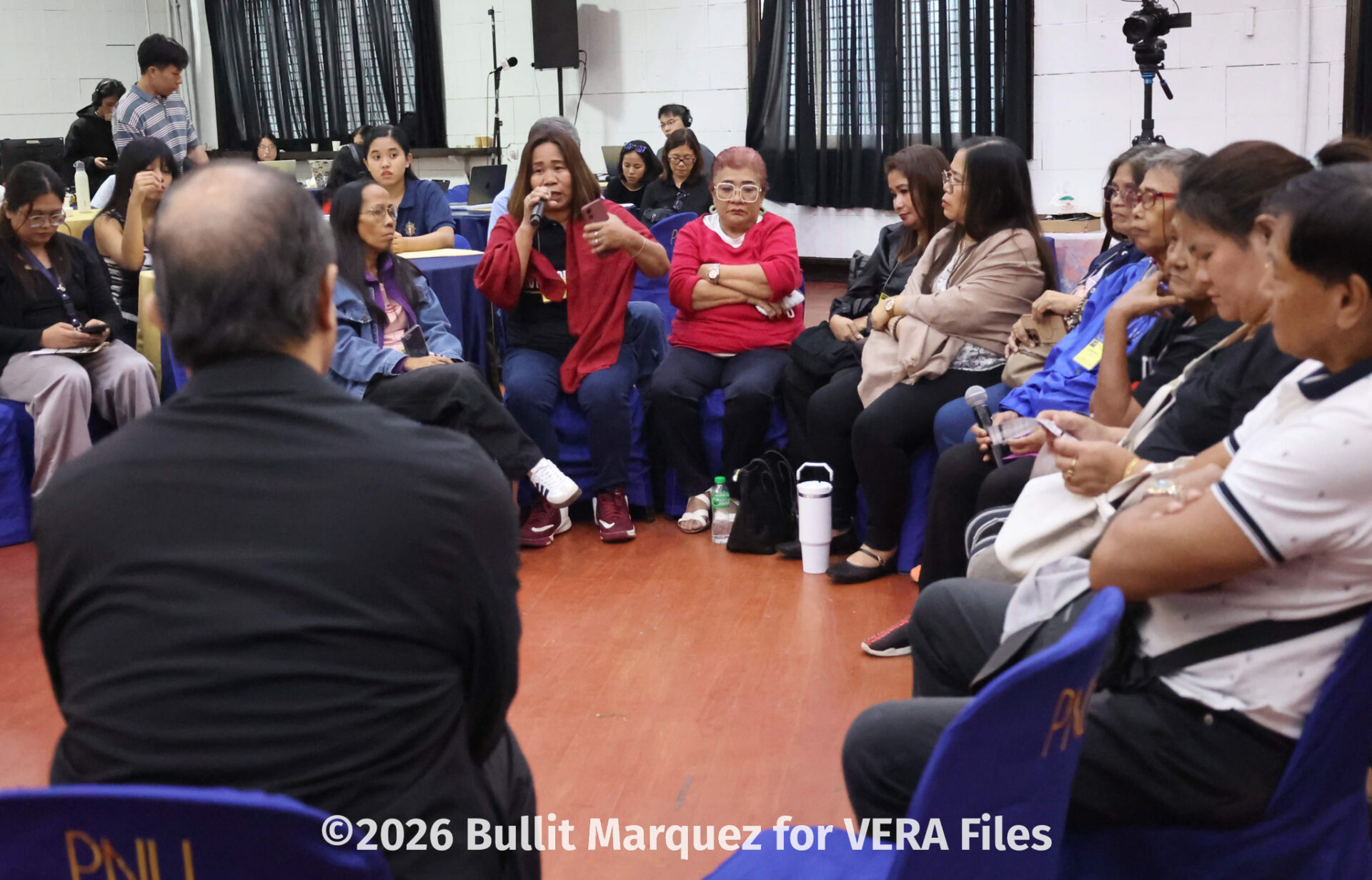
Speaking at the first national conference of the Truth Commission, a civilian-led body documenting alleged killings tied to drug war, the families maintained that they stand by their accounts despite online harassment from “trolls” attempting to downplay their testimonies.
“Totoo ‘yung sinasabi namin at ‘yun ang naranasan namin. Hindi n’yo mababali yung sinasabi namin, at matapang kaming haharap,” Marissa Lazaro, whose son was killed in 2017, declared at the conference held a the Philippine Normal University on Monday.
(What we are saying is true, and it is what we experienced. You cannot undermine our accounts, and we will face you with courage.)
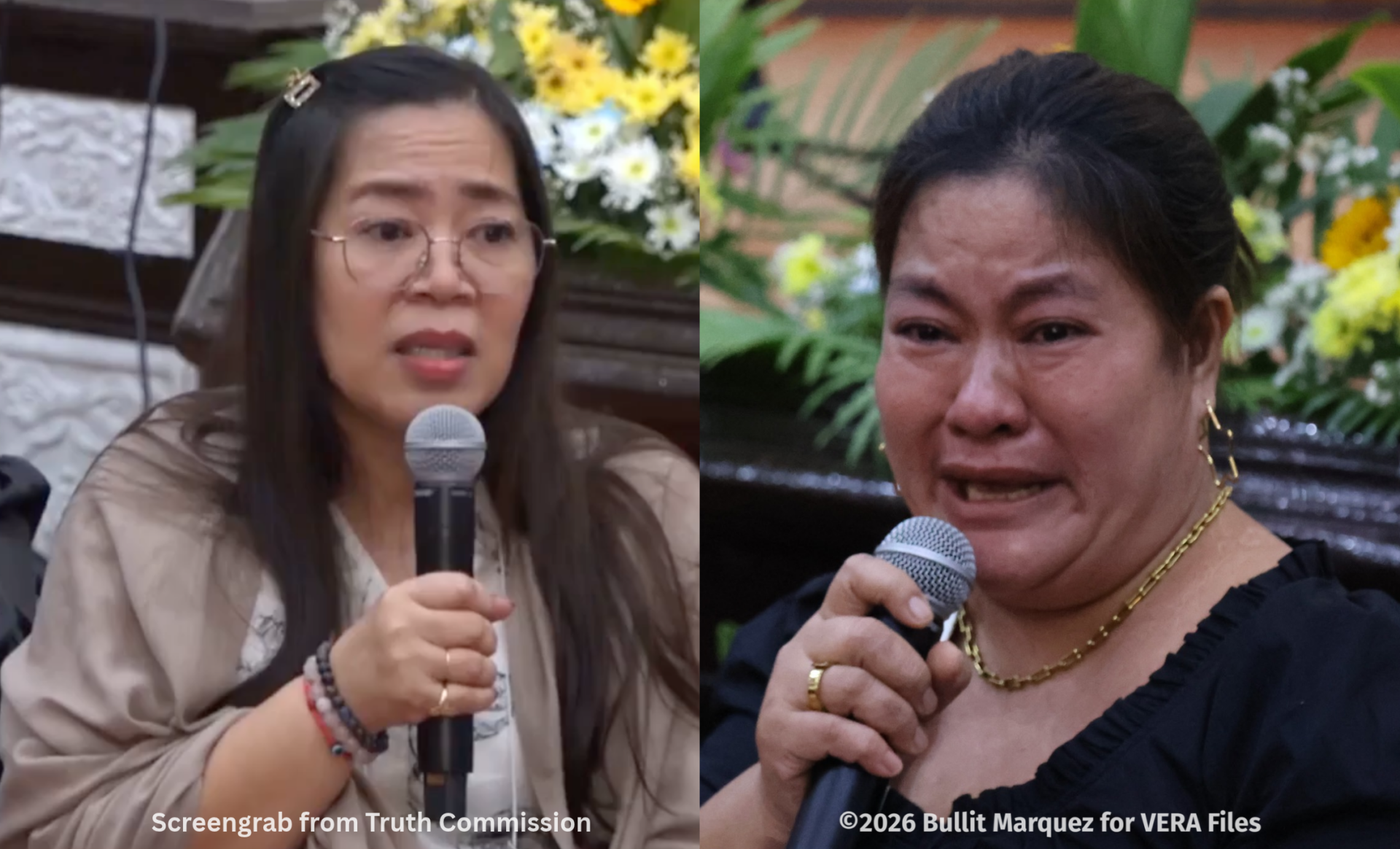
Lazaro said online commenters frequently portrayed her son as a drug user who had fought back against police.
“Nakitaan ko ng ligature mark yung anak ko. Kahit kanino, kahit sino tanungin mo, paano makakapanlaban yung taong nakatali na (I saw ligature marks on my son’s body. Ask anyone, how can a person who is already tied up possibly fight back)?” she said.
Luzviminda Siapo, the mother of a teenager with clubfoot who was killed, also in 2017, said she was likewise branded a paid hack following her appearance at the Truth Commission in August.
“Ang gusto lang po namin, managot naman po yung may gawa dun sa mga anak namin. Kaya po kami lumalabas sa TV, hindi po dahil sa pera,” she said.
(All we want is for those responsible for our children’s deaths to be held accountable. That is why we speak out on television, not because of money.)
Gaps in legal understanding
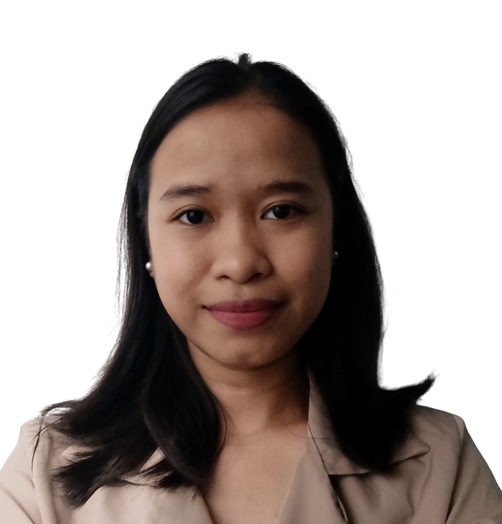
Former journalist and now Human Rights Watch researcher Lian Buan said the disinformation surrounding drug war killings was fueled by the difficulty in understanding the Philippine legal system, particularly laws governing the police’s use of force.
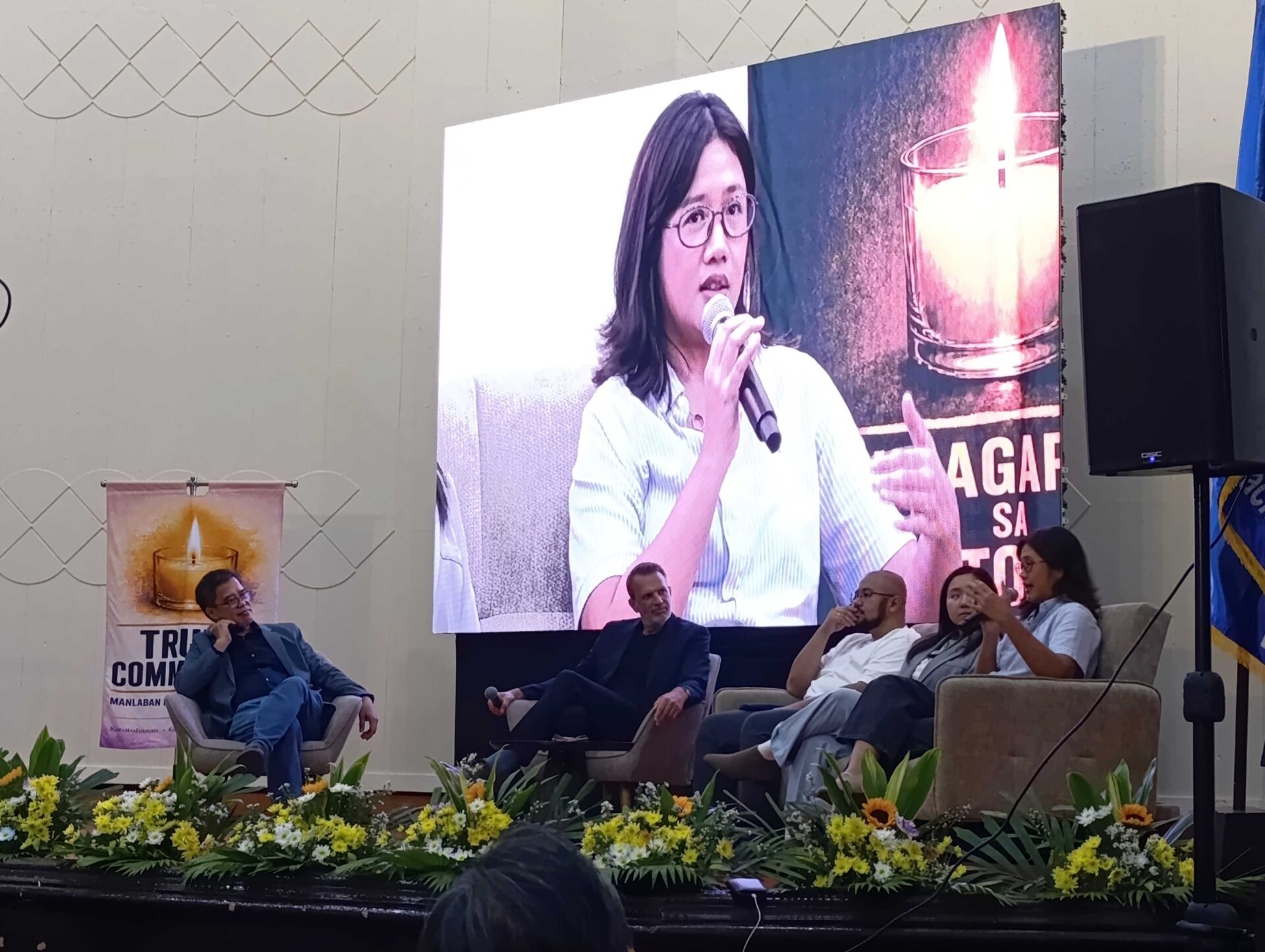
This legal gap, she said, allowed online trolls and even government lawyers to invoke the nanlaban narrative to justify the killings.
“That’s what gave trolls and even lawyers in the government the gall to say it was all justified. Nanlaban (they fought back),” Buan said.
She pointed to the Supreme Court’s failure to resolve a nine-year-old petition seeking to declare the war on drugs of former president Rodrigo Duterte unconstitutional.
“The questions are quite simple. Is it legal for the police to go into a home, knock and say, ‘You’re a drug addict, surrender now’? Is that legal? And the Supreme Court has not answered it,” she said.
‘Nanlaban’ narrative questioned
Forensic pathologist Dr. Raquel Fortun, also a member of the commission, presented her findings at the conference.
Aside from identifying discrepancies between death records and her own findings, Fortun raised questions about cases in which police claimed that victims had fought back or attempted to flee.
“Merong what I call antemortem disabilities, meaning meron silang problema sa buto, even before, and merong repercussions yan kasi halimbawa, nanlaban or tumakbo, but ‘yung tanong mo, paano sila nakatakbo?” she explained.
(There were what I call antemortem disabilities, meaning they already had bone problems before their deaths. These conditions have implications when, for example, police claim that the victims fought back or ran away. The question is, how could they have run?)
Fortun presented another case involving a victim whose thigh bone was bent, and raised the question how the person could have possibly walked, moreso run.
“Pag sinabi ng pulis nanlaban, or tumakbo eh (If the police say they fought back or run), or something like that. We have this,” she said.
Over 8k killings under Duterte admin
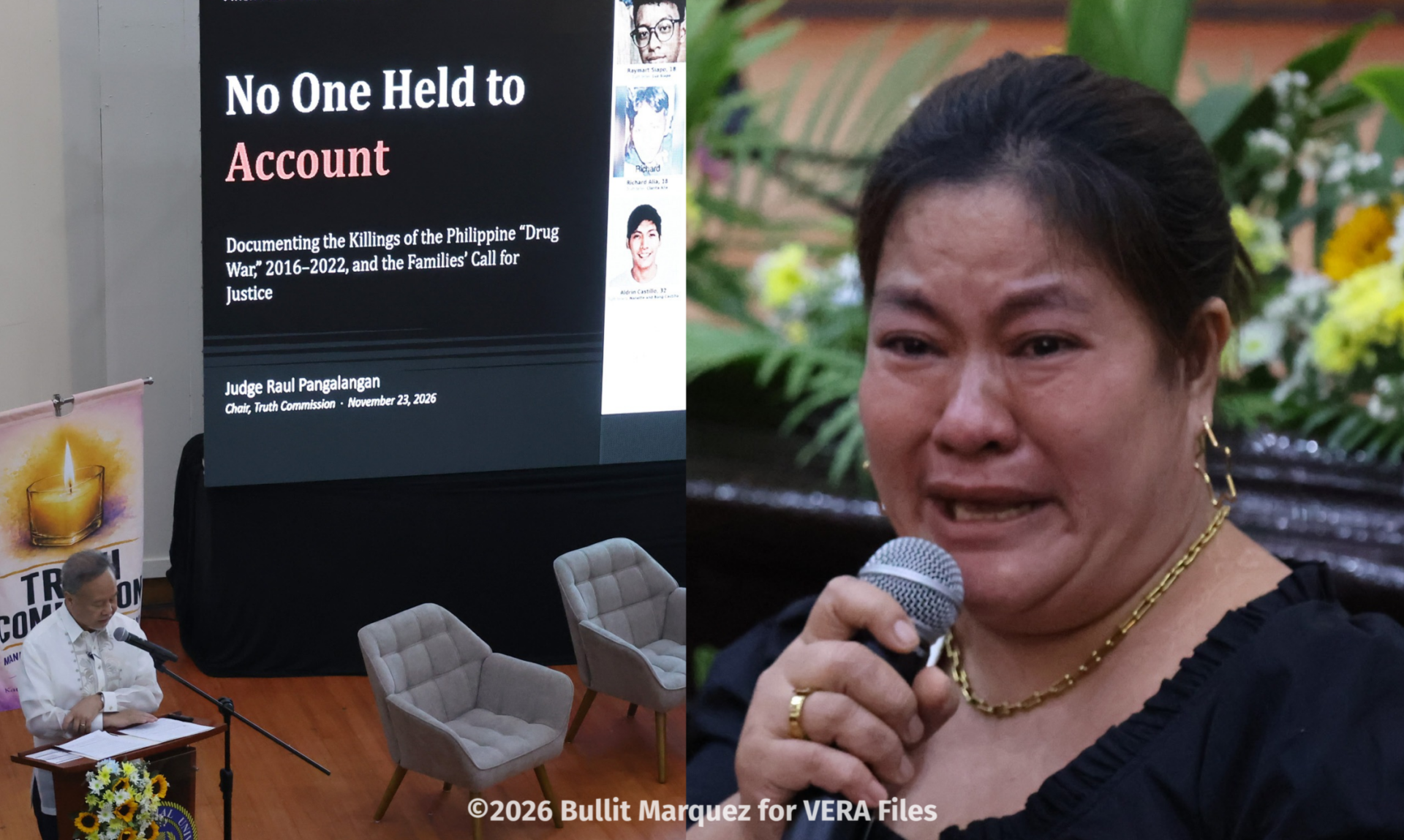
On the same day, Truth Commission chair Raul Pangalangan reported that the organization had documented 8,320 killings linked to the drug war from 2016 to 2022 during the Duterte administration.
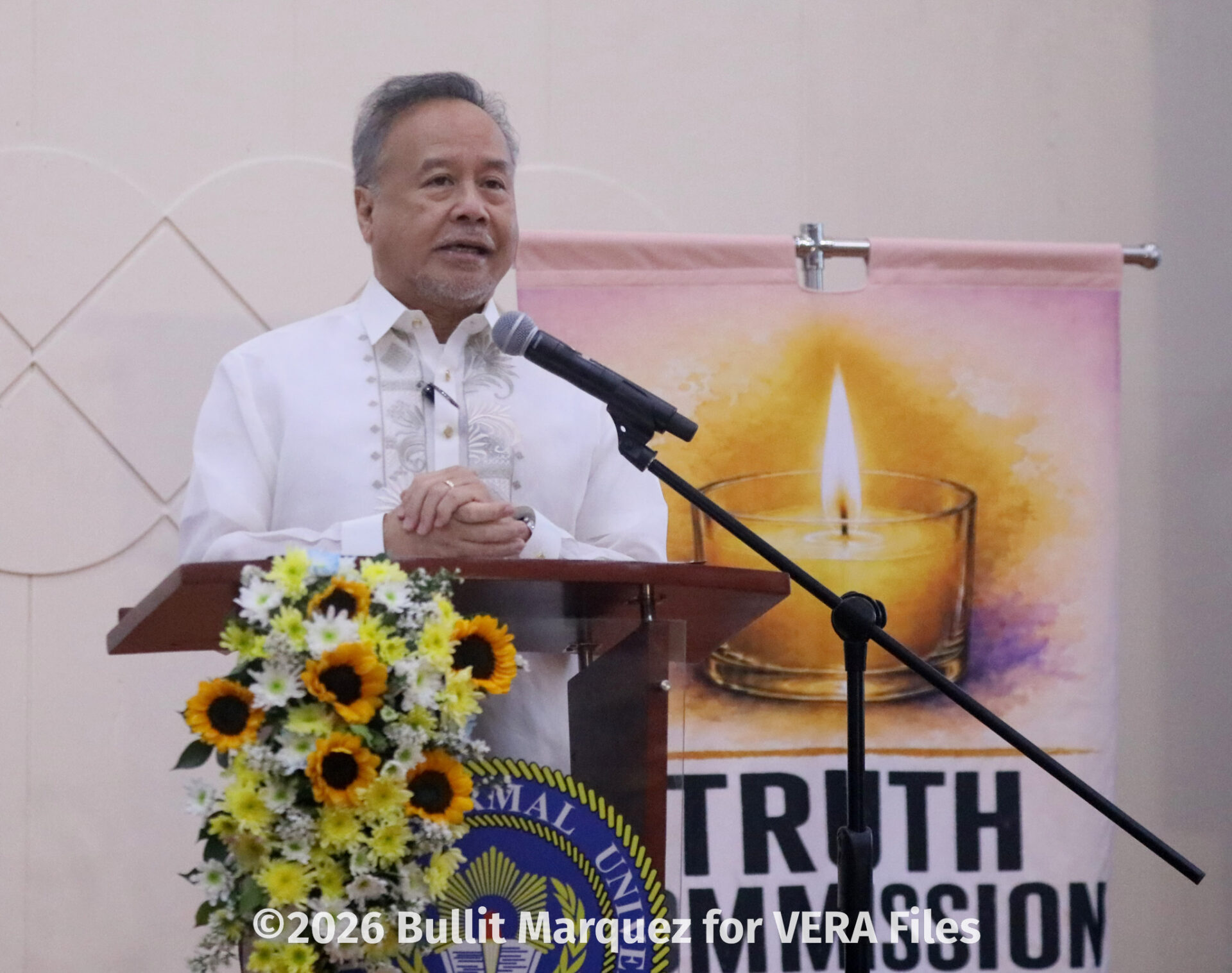
The commission stressed the list was not yet final, as documentation was still ongoing. The cases were compiled from news reports, research, records from churches and survivor-support groups, government files, and accounts from victims’ families.
Of the documented killings, around 96% were men, while 56% of the killings occurred in Metro Manila and Central Luzon. The commission also reported that 24 of the 46 victims whose remains were exhumed had been shot in the head.
The commission noted that no one had been held accountable in the cases raised by the relatives of victims.
For its part, Justice Secretary Fredderick Vida told reporters that the Department of Justice would form a panel to assess and review all forms of evidence gathered by the Truth Commission.
“We will check on the verifiable facts. Ano ba ang pieces of evidence? Puro ba testimonial lang? Puro ba object evidence ito? (What kinds of evidence are there? Is it purely testimonial evidence? Is it all physical evidence?). The whole gamut, the whole spectrum,” Vida said.
“We don’t want to file weak cases, if ever they will be filed,” he added.
Vida said he prefers to describe the planned local investigation as “complementary” rather than “simultaneous” with the ongoing case against Duterte before the International Criminal Court.
He also assured the public that the DOJ would fulfill its mandate to pursue justice for the people.