Ube, ubi, obi, uvi, uwhi, purple yam or greater yam.
Ube remains a culturally important root crop embedded in Philippine culinary tradition: our nostalgic cravings for the real thing persist: homemade ube halaya, ube topping in halo-halo, the Good Shepherd’s ube jam in Baguio, ube sorbetes, pastillas de ube, or even the relatively new upstarts of ube hopia or ube pandesal. Ube is present in fiestas, Christmas, or family celebrations.
Suddenly, ube has gone global. Headlined as “purple reign,” “purple gold rush,” or “velvet revolution,” ube-flavored products in ice cream, pastries, beverages, and cocktails are everywhere.
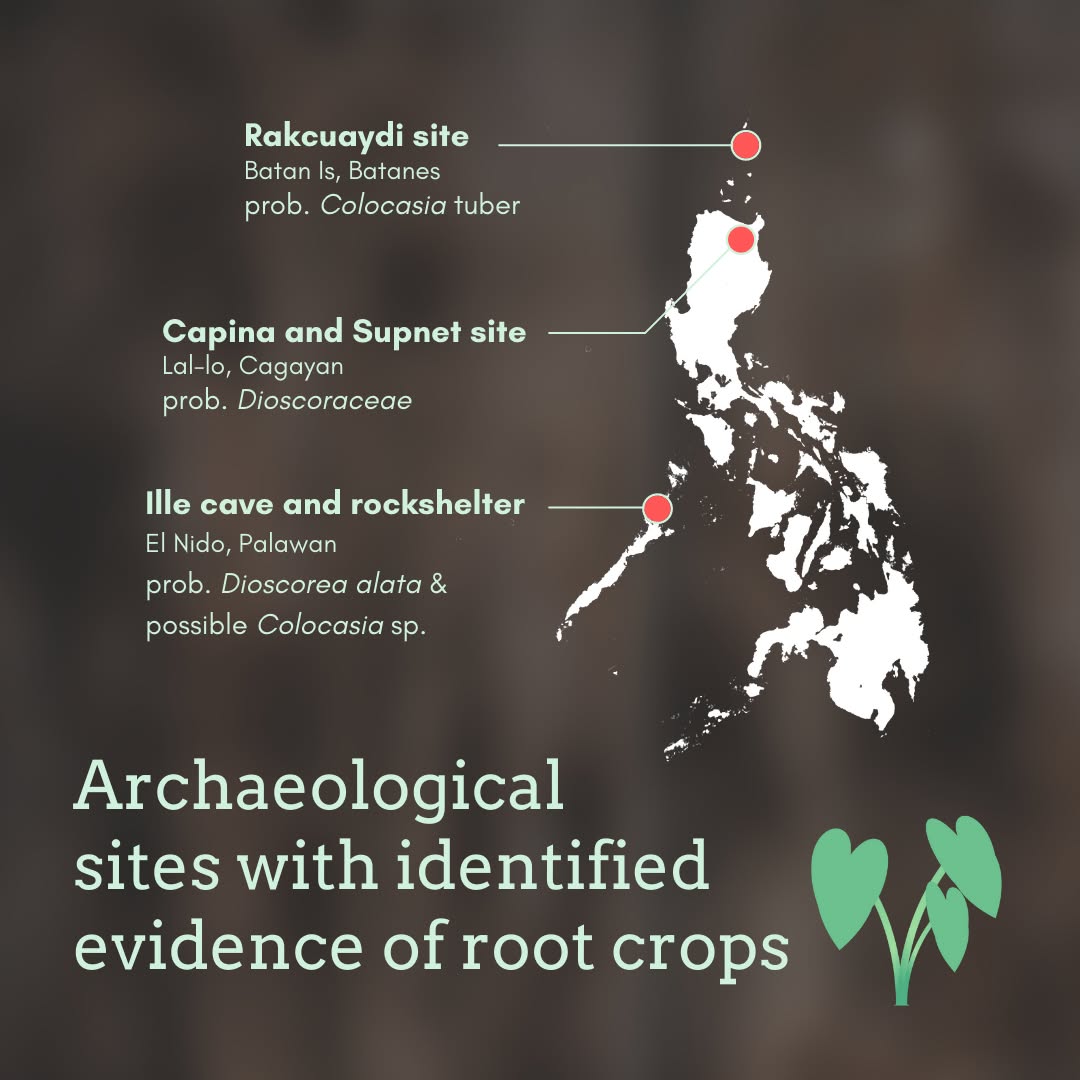
𝐏𝐮𝐫𝐩𝐥𝐞 𝐲𝐚𝐦, 𝑫𝒊𝒐𝒔𝒄𝒐𝒓𝒆𝒂 𝒂𝒍𝒂𝒕𝒂 is a herbaceous vine with narrow heart-shaped leaves and an underground tuber, whose color ranges from violet-purple to lavender, creamy white, or plain white.
It is one of the species of yams that were “domesticated and cultivated independently” in Island Southeast Asia and New Guinea. The Philippines is considered as the purple yam’s center of origin, with its highest phenotype diversity.
Unlike the purple varieties of sweet potato (Ipomea batatas), purple yam has a complex flavor profile with its nutty and vanilla flavor and a grainy texture even when cooked. Ube’s antioxidants or anthocyanins lie in its deep, vibrant color like blueberries and cherries.
𝐒𝐭𝐚𝐩𝐥𝐞 𝐟𝐨𝐨𝐝: Root crops were eaten by our ancestors long before rice became the staple food. Charred tissue remains of purple yam and taro recovered from the Ille Cave Site, Palawan dated 8250-3050 BCE, or more than 10,000-5,000 years ago, much earlier than the Austronesian expansion.
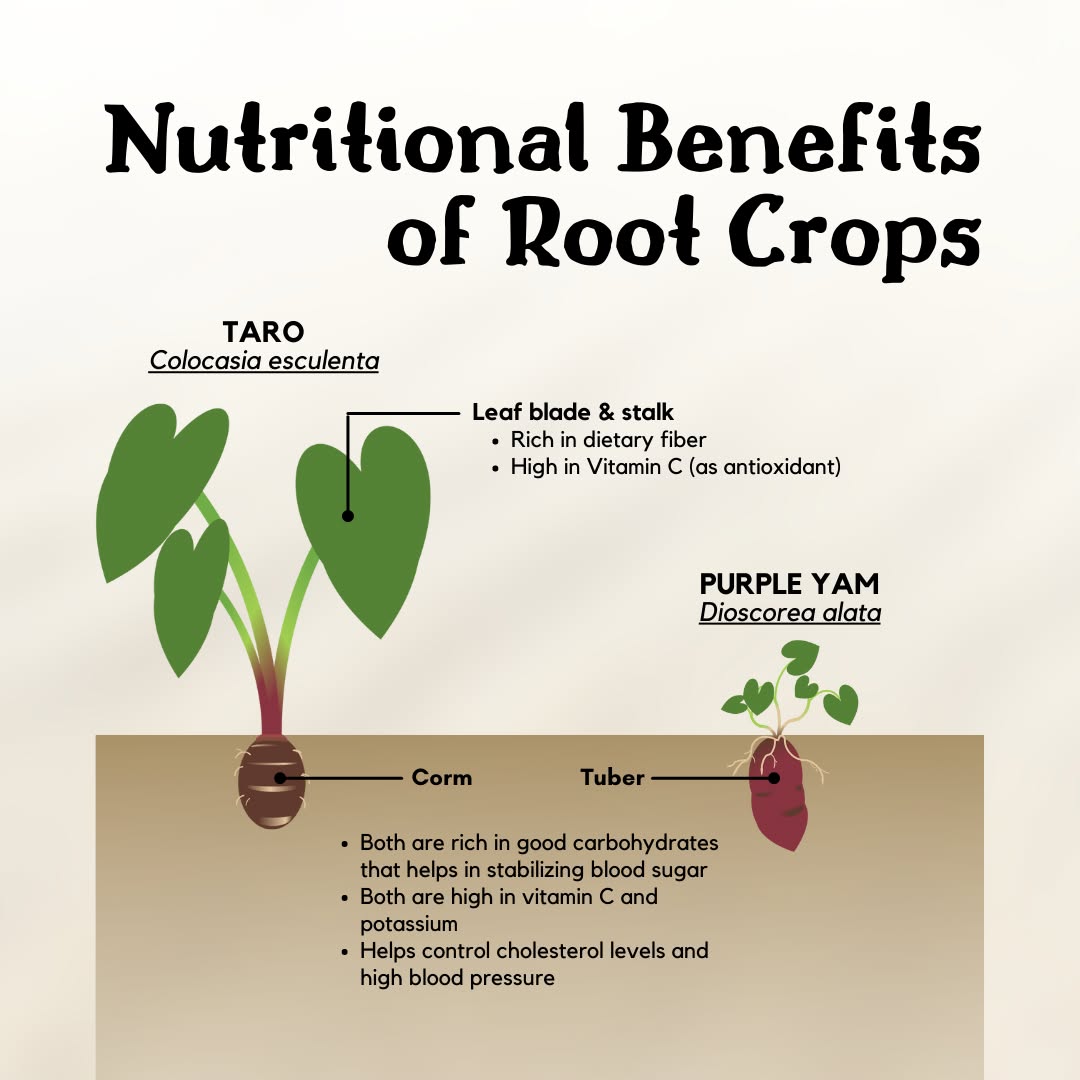
The Ivatan people of Batanes used to consume uvi or wakay as their main food before rice became available in the market; they still consider uvi as a special food to serve during important occasions or ceremonial rituals or given as gifts to guests. Purple yam is the staple food of the Negrito groups in Mt. Pinatubo, Central Luzon and Pampanga, Lumad groups in Mindanao, and the Cordillera Region.
The Jesuit missionary Francisco Ignacio Alcina in his writings about the Visayas in 1667-1670, described ube as numerous “in kind, color and shape” and weighed 13-14 pounds each. He wrote: “Quinampay the color of mulberry were the “larger” ube, while Balibaran were smaller; they are “the chief staple on the Island of Bohol” but also yield abundantly on other islands.
The 1851 Bisayan-Spanish Dictionary by Juan Felix de la Encarnacion, a Recollect priest, listed several kinds of ube called “Baligonon, wild Baliya, Binacsan, yellow Binanag, Binan-og, Binato, Bo-ot, Cadalis… Lico, Lipayhan, Quinampay…, Quinolot, Tamisan…”.
𝐁𝐨𝐡𝐨𝐥 𝐔𝐛𝐢 𝐊𝐢𝐧𝐚𝐦𝐩𝐚𝐲: Bohol, the largest ube producer in the country, accounts for 35 percent of total production. Its ube varieties include Kinampay, Baligonhon, Kabus-ok, Iniling, Tam-isan, Binugas, Himnay, Binanag, and Kabawoy.
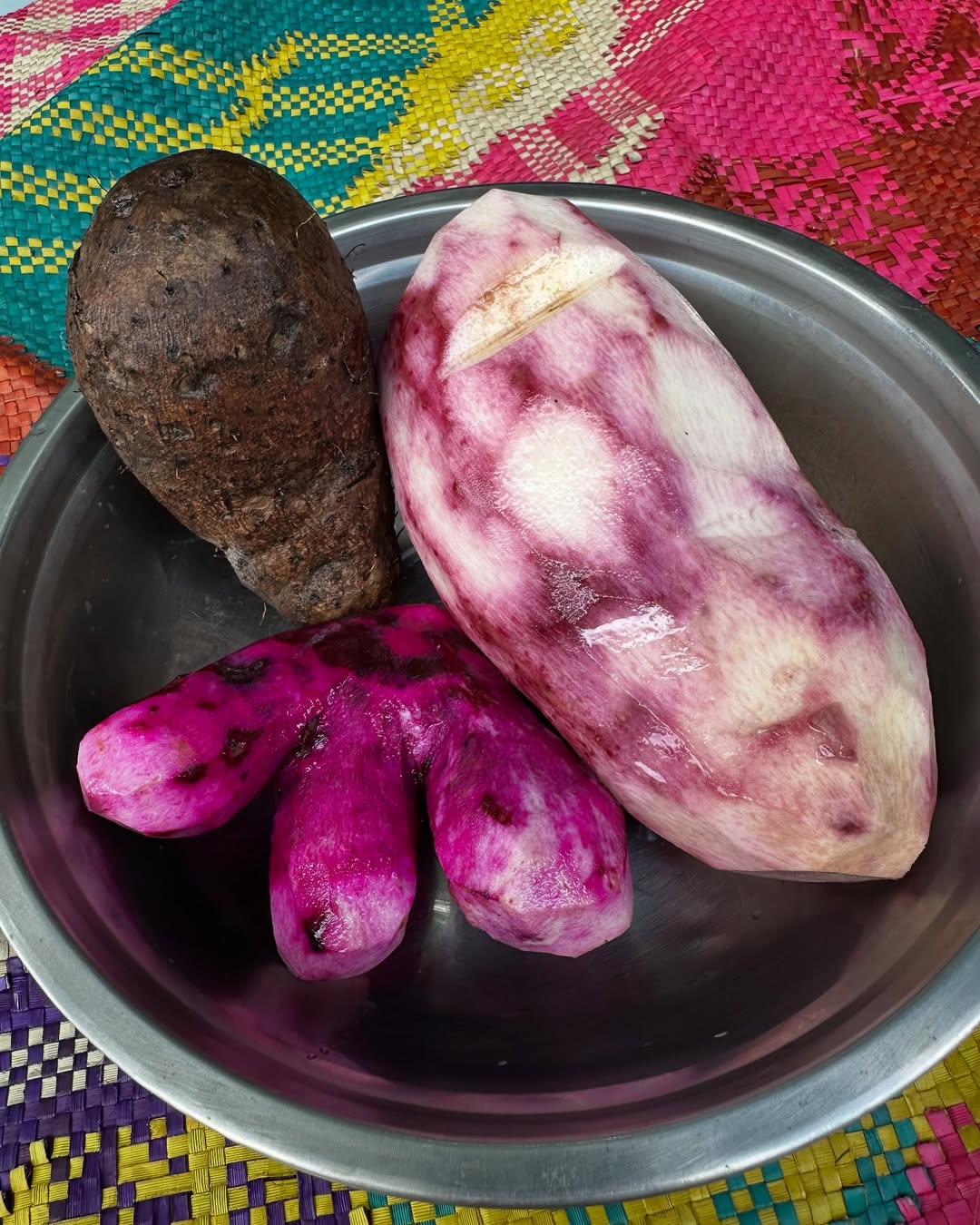
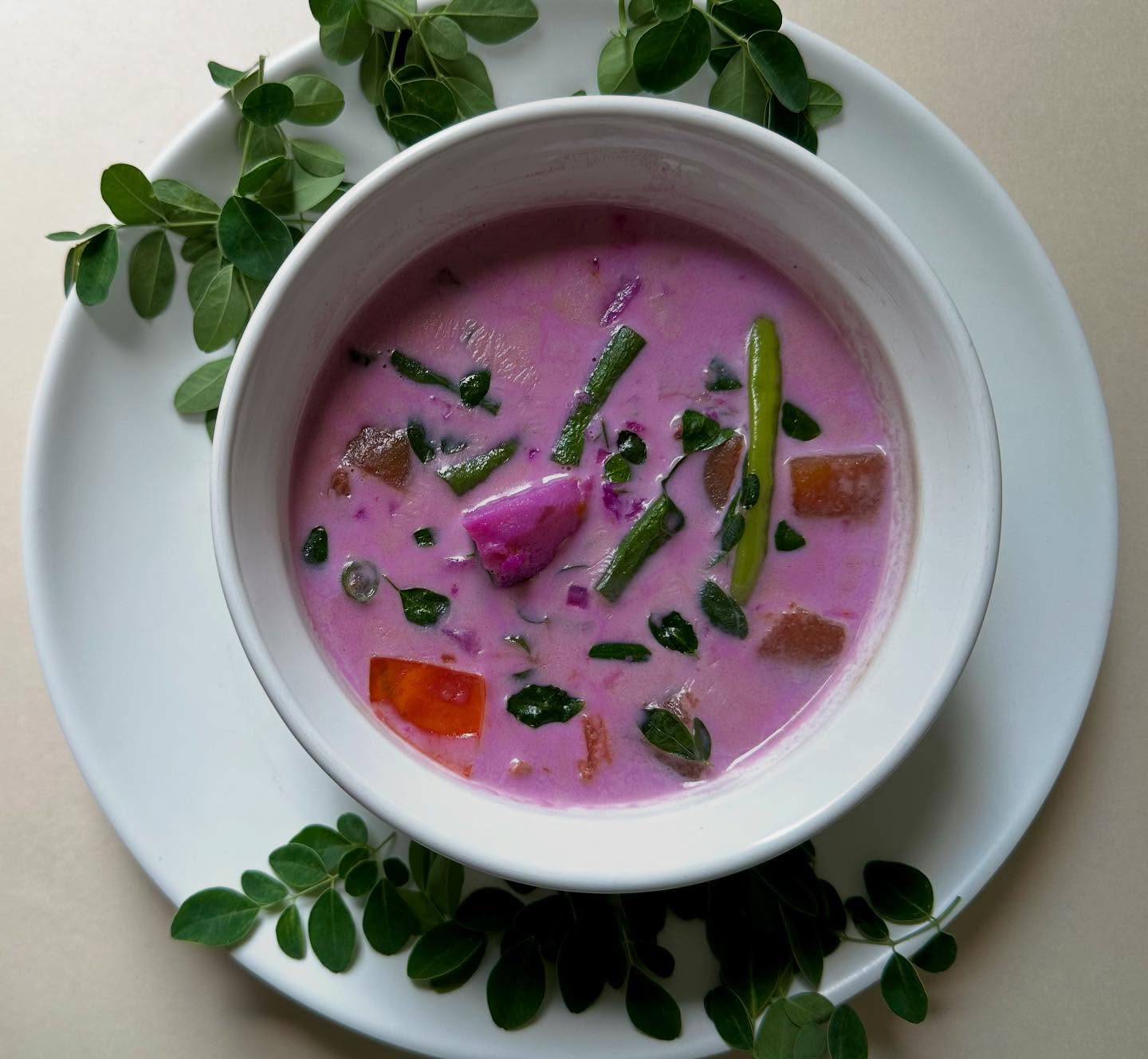
The simplest way ube is cooked in Bohol is 𝑮𝒊𝒅𝒖𝒏𝒈-𝒂𝒈, boiled unpeeled ube. A popular vegetable dish, 𝑺𝒊𝒏𝒖𝒏𝒖𝒃𝒂𝒏𝒈 𝒖𝒃𝒆 consists of ube chunks, tomatoes, ginger, oregano leaves, and squash and its leaves. Sitaw or green beans may be added. 𝑳𝒂𝒘-𝒐𝒚 uses any variety of ube except kinampay, ginger, tomatoes, local herbs, and lemongrass.
Ube has saved Bohol from starvation during severe droughts, famines, and war. Its Ubi Kinampay, the “Queen of Philippine Yams,” is native to Panglao Island and Guindulman, with its a red-purple color, distinct aroma, and flavor. Every January, Bohol celebrates its Ubi Festival to honor its ube farmers.
Bohol has applied for a Geographical Indication protection for its Ubi Kinampay (like Champagne in France), a global intellectual property right to preserve its authenticity, cultural heritage, and economic value.
𝐃𝐞𝐦𝐚𝐧𝐝 𝐚𝐧𝐝 𝐬𝐮𝐩𝐩𝐥𝐲: Despite global demand, ube production in the country has been decreasing. In 2020, it was 14,000 (MT) metric tons of ube, 50 percent lower than its 2006 production of 30,074 MT. In 2025, it was 12,483 MT, according to Philippine Statistics Authority data.
𝐔𝐛𝐞 𝐜𝐡𝐚𝐥𝐥𝐞𝐧𝐠𝐞𝐬: Ube is grown on small, seasonal plots by small-scale farmers and takes around 8-11 months before harvest, from October to February. Amidst high prices, farmers sell almost all their ube yield. leaving little for cut-up tubers for replanting. Climate change and its drought or excessive rain brings destruction to the ube crop.
Benguet State University’s research unit on ube variety improvement (on five varieties Kinampay, Mindoro. Sampero, Zambal, and Padihot) includes aeroponics for seed production, aside from tissue culture and tissue nodal propagation. Cynthia G. Kiswa, senior research specialist, notes that Benguet alone has some 101 ube varieties.
Ube farmers remain the poorest; it is the middlemen who profit the most in the retail and export of ube.
𝐎𝐟 𝐟𝐚𝐤𝐞𝐬 𝐚𝐧𝐝 𝐬𝐮𝐛𝐬𝐭𝐢𝐭𝐮𝐭𝐞𝐬: A purple-colored food, therefore, it must be ube. Woe to those taken by such claim. “A parallel market of ‘ersatz’ ube” exists with boba shops and industrial bakeries that substitute purple sweet potato for ube, reports the Asian Journal. Artificial flavoring and food coloring are often used in fake ube desserts and drinks, in both local and international markets.
𝐏𝐫𝐨𝐭𝐞𝐜𝐭 𝐏𝐡𝐢𝐥𝐢𝐩𝐩𝐢𝐧𝐞 𝐔𝐛𝐞: Today, the global ube demand presents a challenge and an opportunity for the Philippines to assert its own historical and deep culinary connection to this humble root crop within its geographical boundary.
In short, the Philippines must control the value chain of ube, from raw material, processed byproducts (ube flour, powder, extracts, essence, etc.) to branding as Philippine Ube through Geographical Indication or Protected Designation of Origin .
As it is, the Philippine response to ube’s global demand is mostly reactive. Teodoro C. Mendoza, PhD, a retired UP Los Baños professor and agricultural scientist, has argued for a strategic Philippine plan on ube and to control its whole value chain.
Vietnam and China have been accelerating their own cultivation and export of ube and ube-related products, investing heavily in ube biotechnology, tissue culture and propagation integrated into their state-supported export plan, to fill the global supply gap.