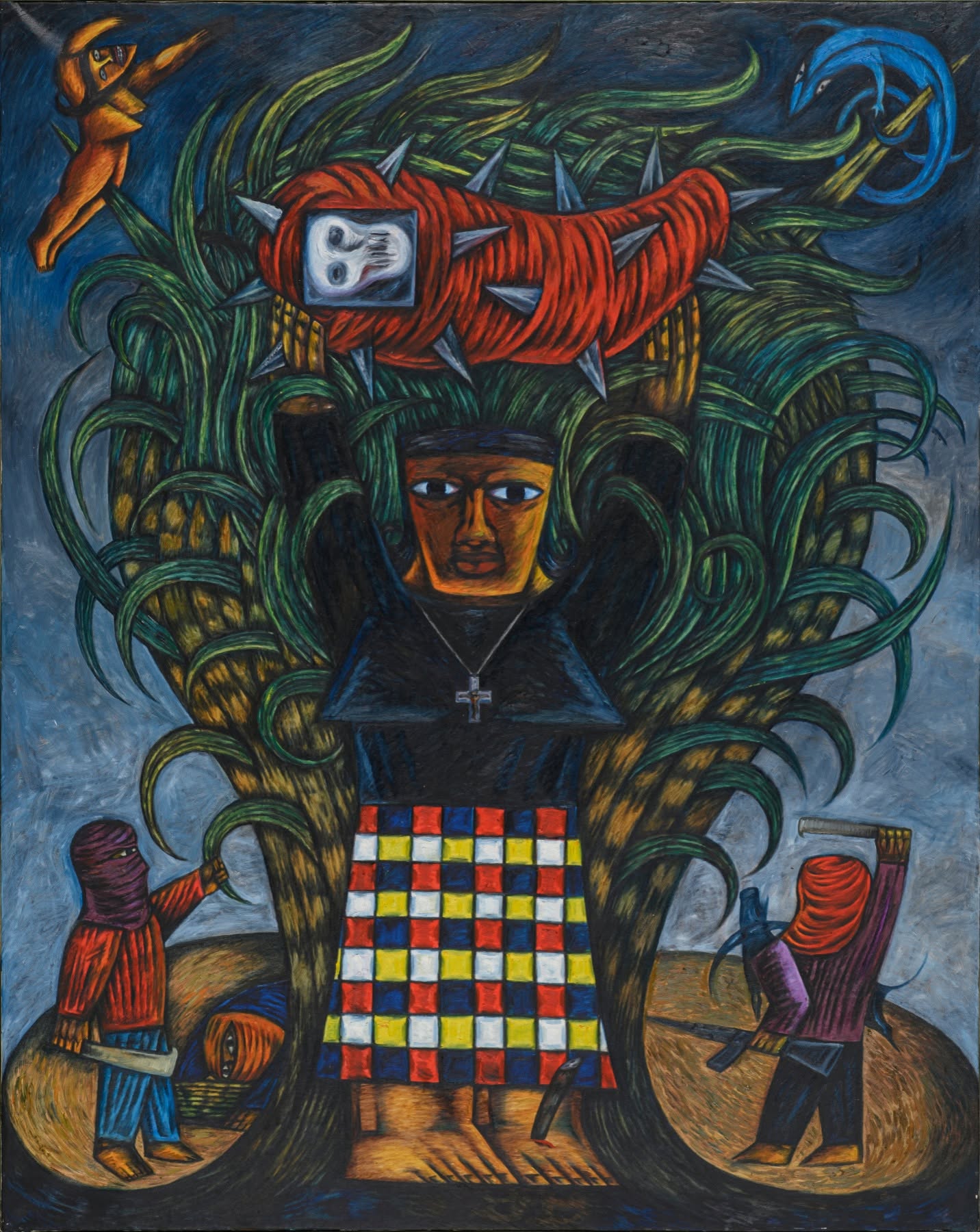
Maestro Nune: Community is Life!
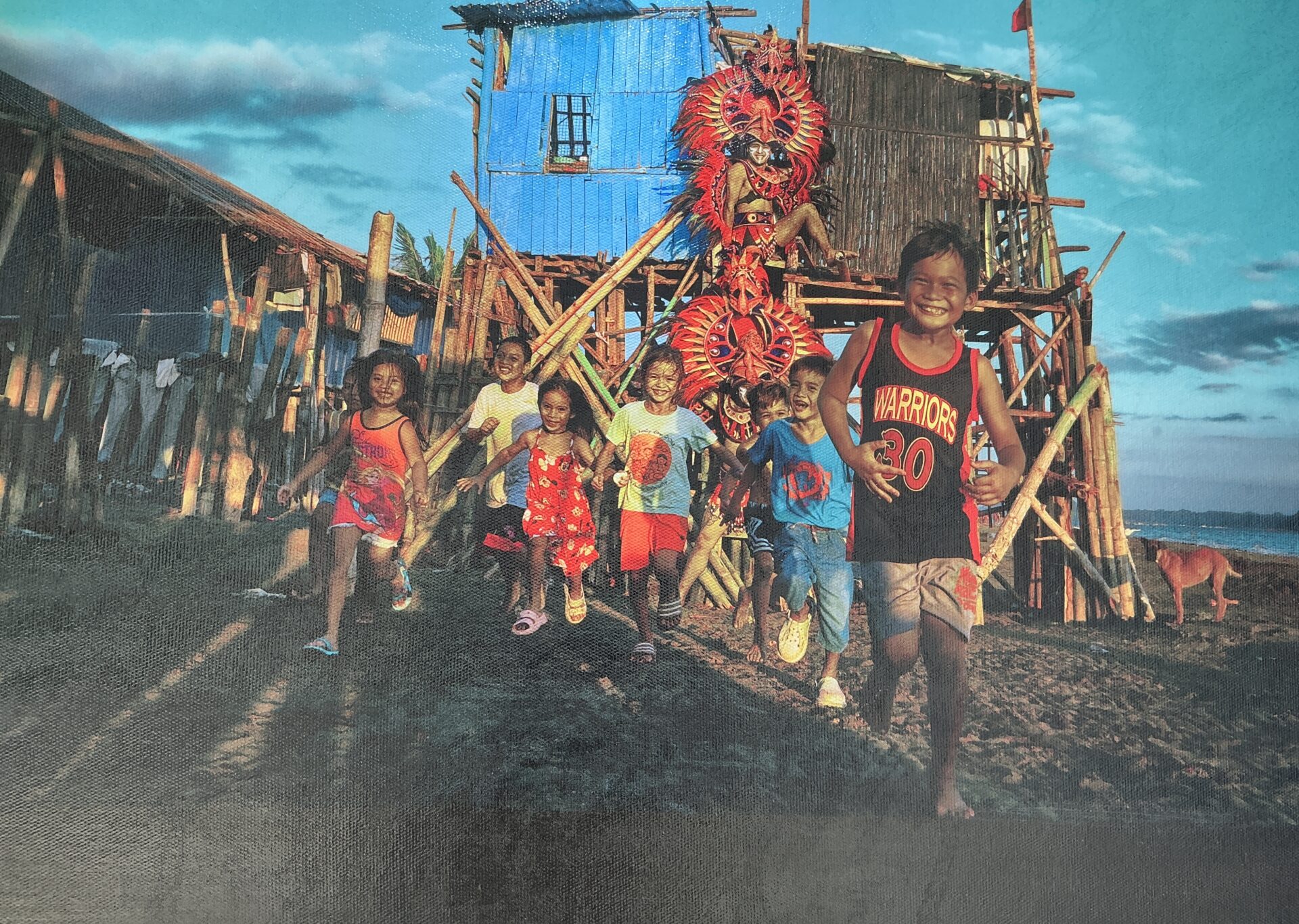
Nunelucio M. Alvarado, 76, has been conferred the Order of National Artists of the Philippines for Visual Arts 2025, the highest national honor for the arts.
Try

Nunelucio M. Alvarado, 76, has been conferred the Order of National Artists of the Philippines for Visual Arts 2025, the highest national honor for the arts.
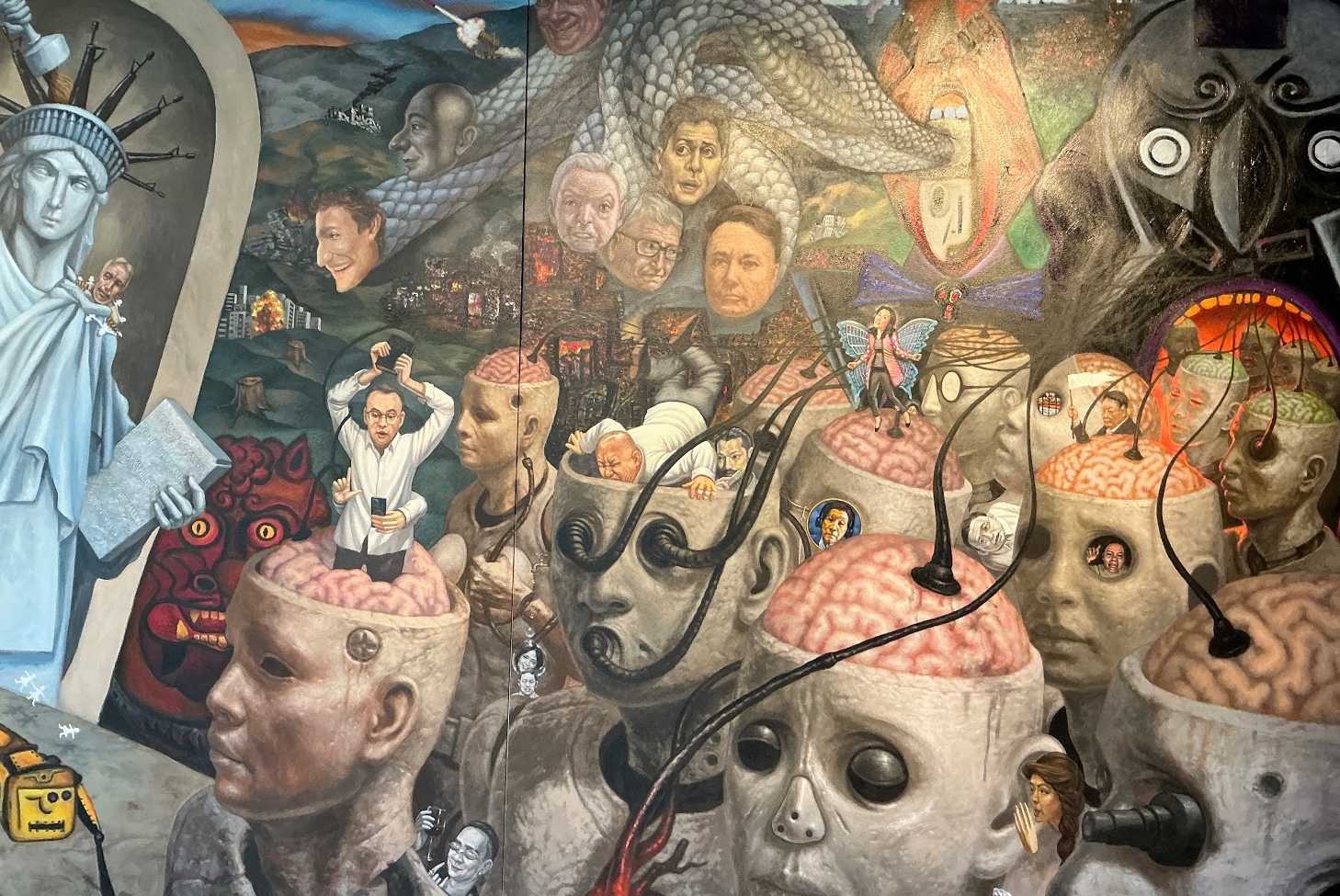
The Ateneo Art Gallery presents Orion in Sight: A View of Collective Work until 18 October2026, Areté, Ateneo de Manila University by TalaAnyo, a group of seven artist-led initiatives organized in 2025. Its name come from the words tála, star or to mark; anyo, form or appearance; and talanyo or constellation.
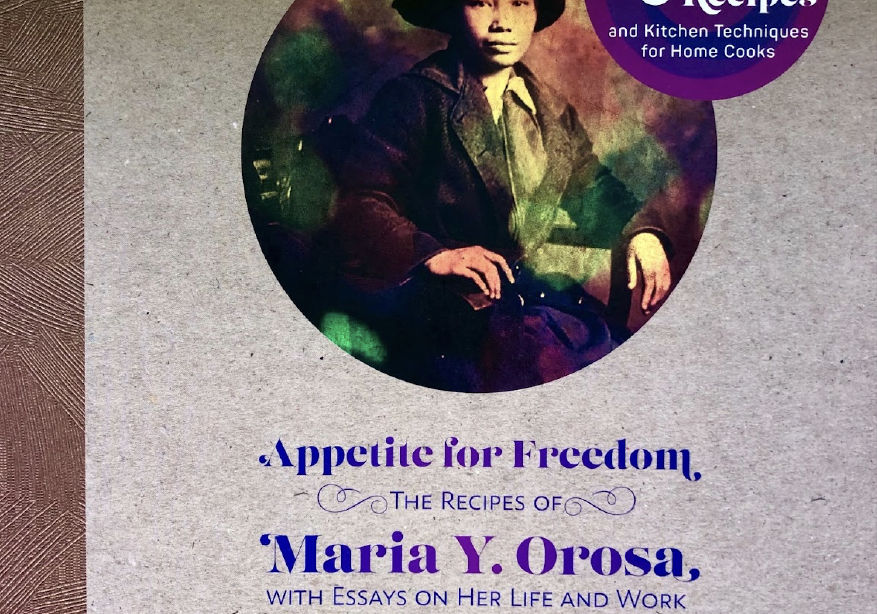
In a recent talk titled What Recipes Don’t Tell: Women in Our Culinary History, renowned food historian Felice Prudente Sta. Maria recounts the lives of three extraordinary women who made their indelible mark in our food history, centering the kitchen as a place of empowerment: Juliana Gorricho vda. de Pardo de Tavera, Maria Y. Orosa, and Pura Villanueva Kalaw.
Hánag in Hiligaynon refers to early dawn, its soft light just before the moment of fullillumination. It refers “to the quiet persistent arrival of light–that subtle glow, the shimmeringoutline… or what can be seen as a deliberate tracing of a path yet to be fully revealed…”.
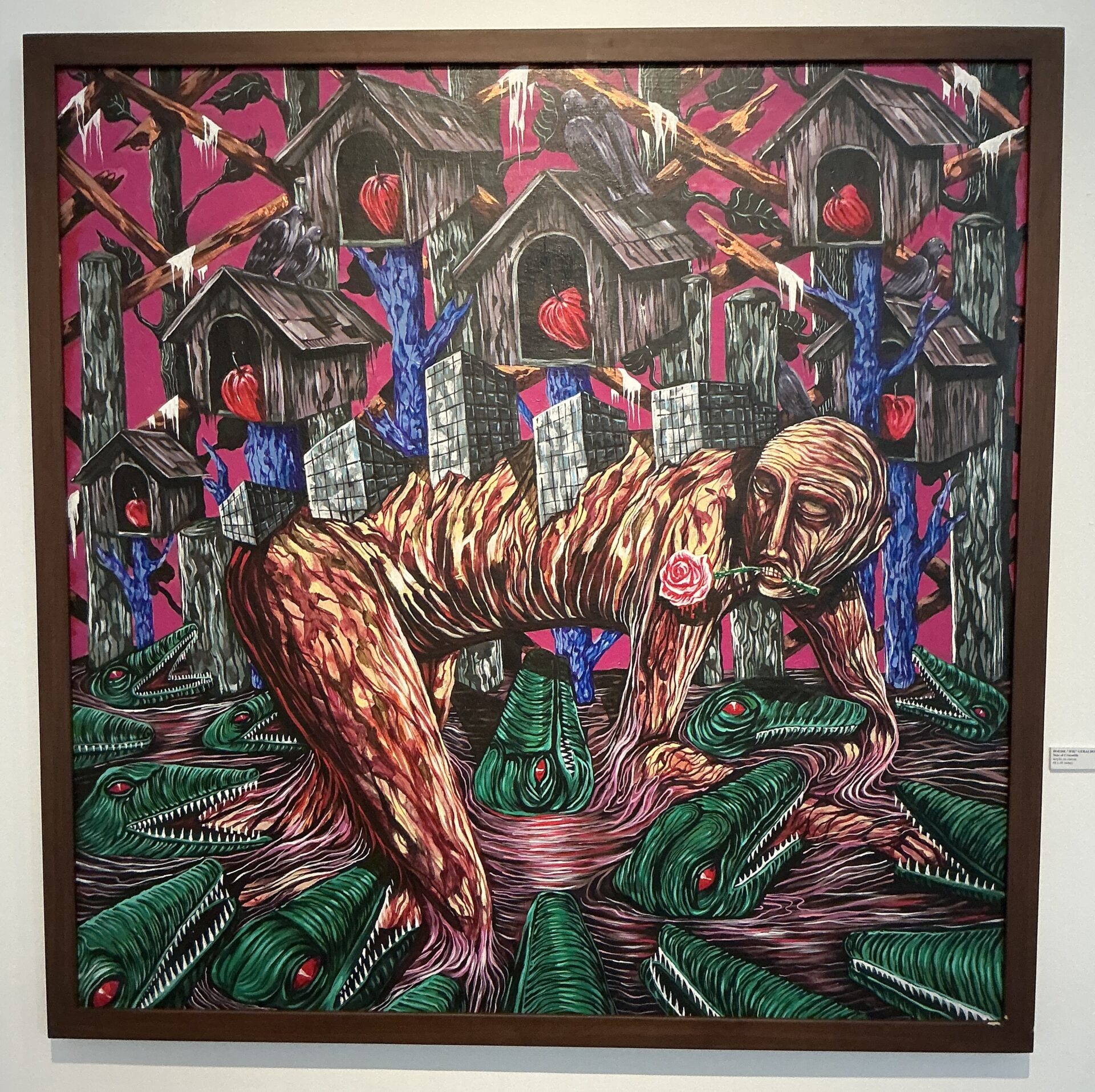
The Negros Museum, Bacolod City presents Diaries of My Time, a solo exhibit by Roedil “Joe”Geraldo who has been telling stories through his artmaking for over 30 years. It runs until September 21, 2026.
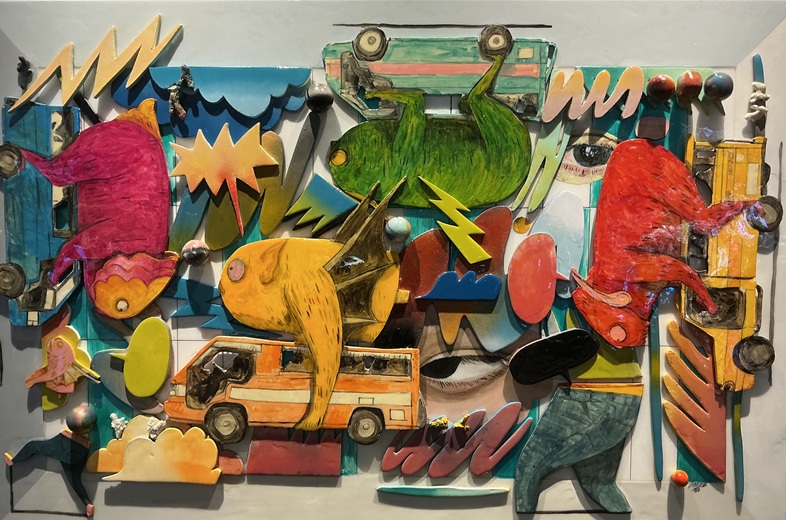
Panulok offers an invitation to “magtulok sang maayo” or “look carefully,” embedding in us a spirit of reflection, intentionality, and empathy.Panulok, in its second iteration, is an exhibit of 18 artworks by 15 Negros artists until August 15, 2026 at the Negros Creative Corner, 1F Ayala Malls Capitol Central, Bacolod City.
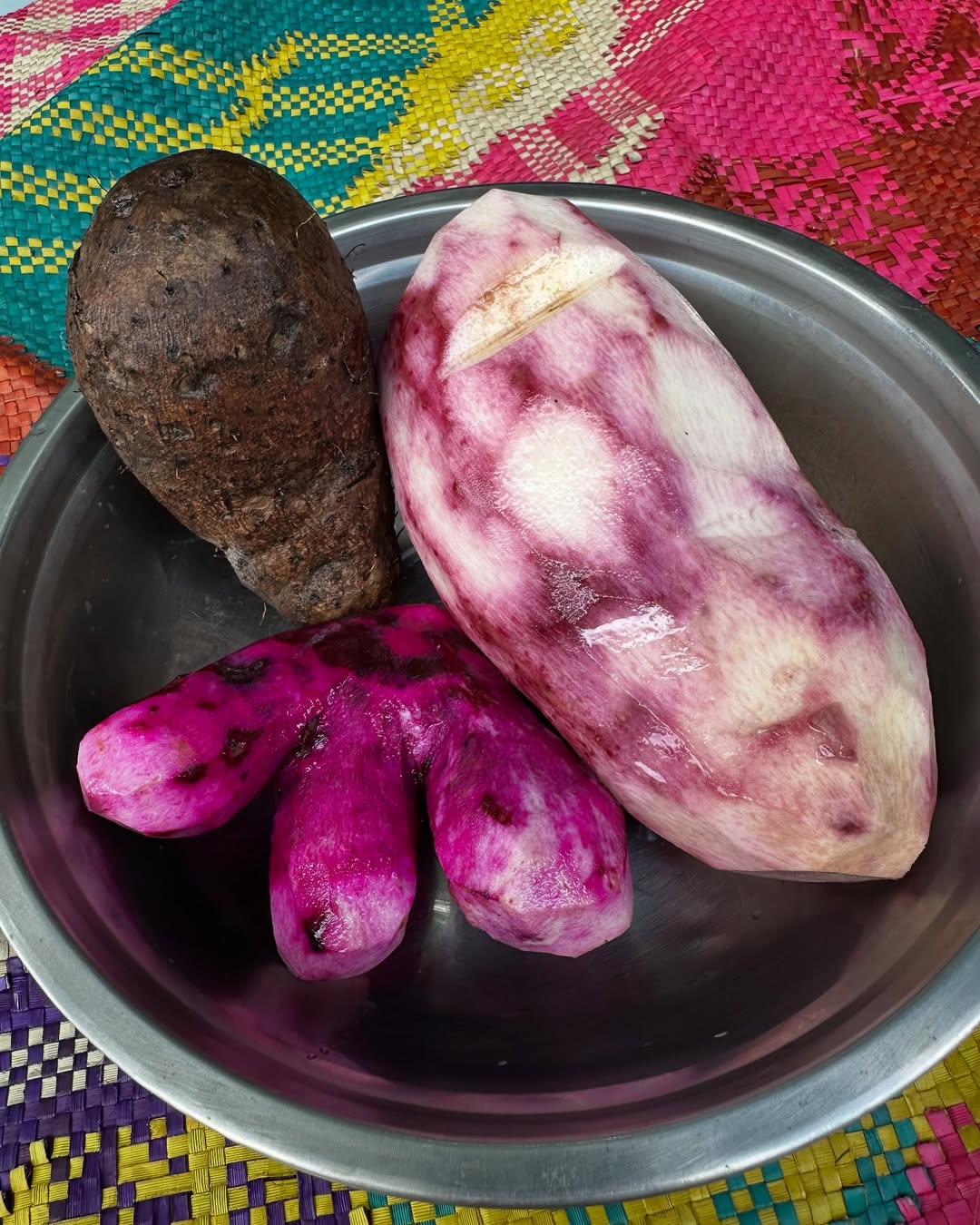
The Philippine response to ube’s global demand is mostly reactive. Teodoro C. Mendoza, PhD, a retired UP Los Baños professor and agricultural scientist, has argued for a strategic Philippine plan on ube and to control its whole value chain.
Showing some 28 works, Halangdon is a survey of Navarro’s art practice that spans painting, sculpture, assemblage, printmaking, and graphic design using a diverse media of oil, acrylic, watercolor, metal, wood, and found objects.
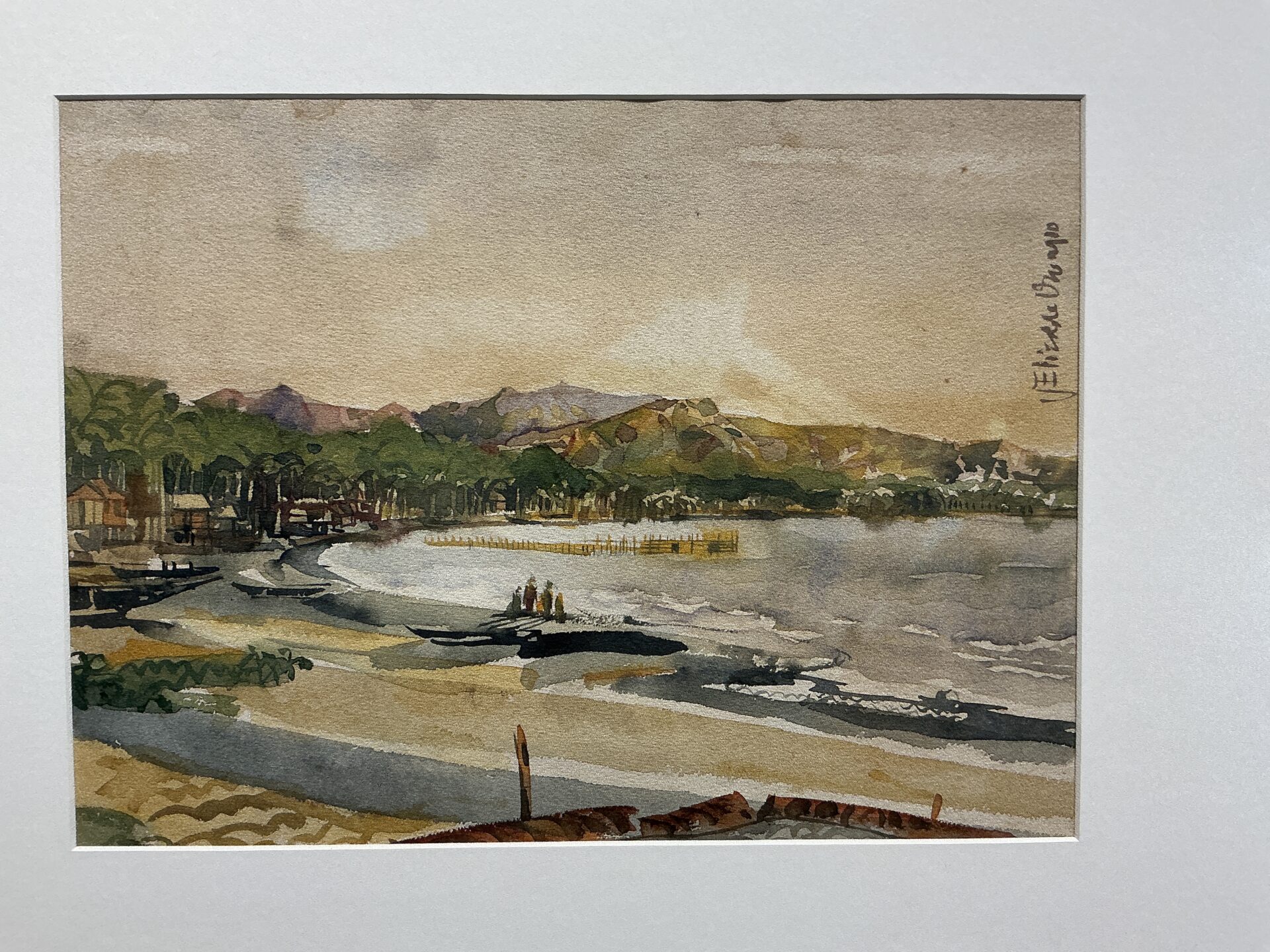
Patubas: Aning Ani features some 40 contemporary works by winners of the Philippine Art Awards through the years at the Iloilo Museum of Contemporary Art, Iloilo City.
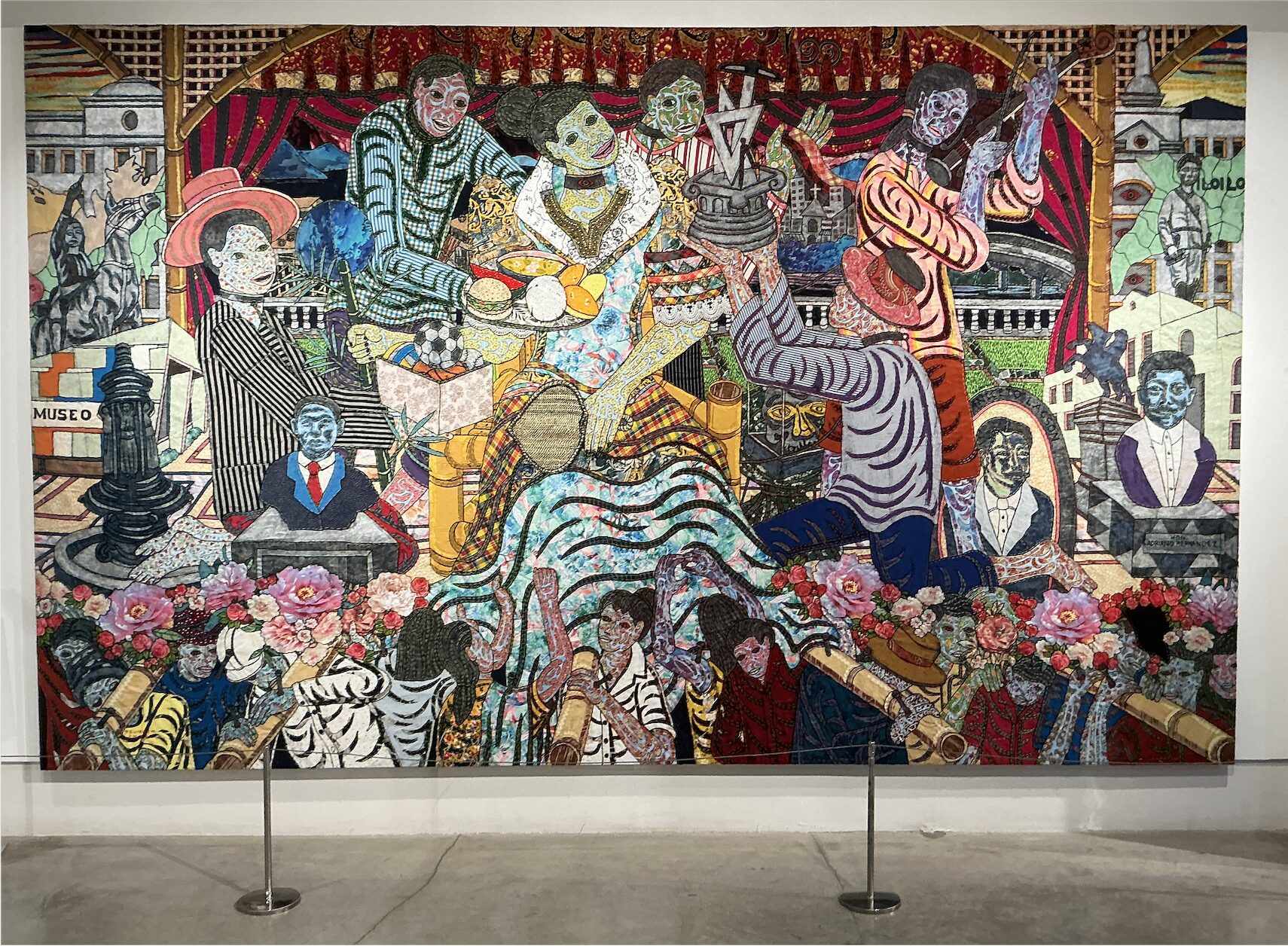
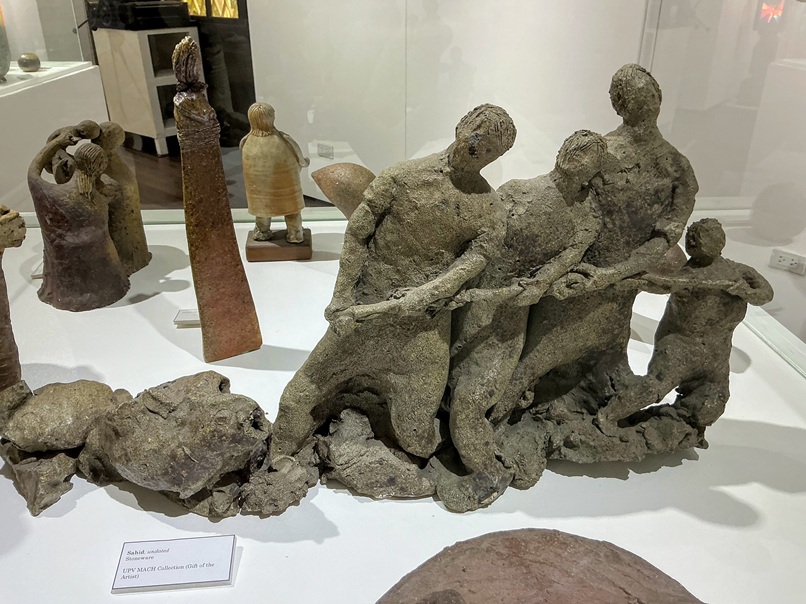
An exhibition titled Sulunod features the prints and ceramic works of Nelfa Querubin in her own permanent gallery at the UP Visayas MACH (Museum of Art and Cultural Heritage). Its title comes from the Hiligaynon root word suno (according), suluno (consistency or in accord with), and sulunod (one after the other) that describes a lifetime of Querubin’s creative work on paper and clay.