
The eighth week of Vice President Sara Duterte’s impeachment trial ended with the Senate impeachment court focusing on a basic question: Who knew where the P500 million confidential funds went?
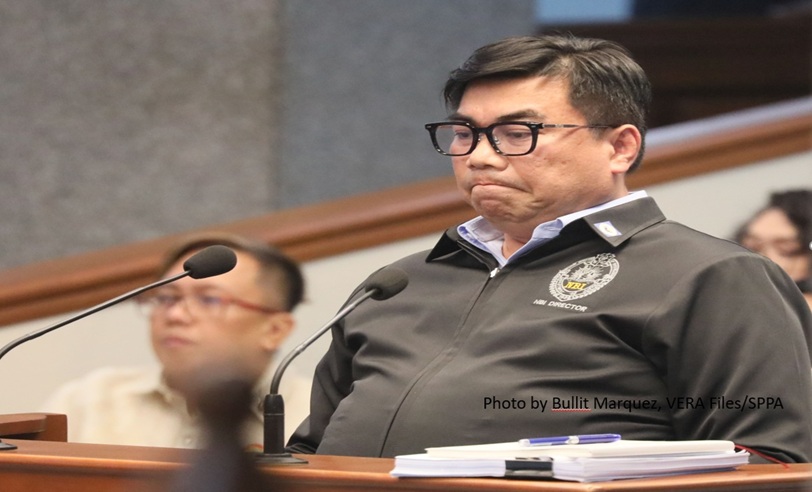
Over three days —the 17th, 18th and 19th days of the trial — the testimony from two ranking officials of the Office of the Vice President pointed to Duterte and her former security chief, Col. Raymund Dante Lachica, as the two people with the clearest knowledge of how the funds were handled and spent.
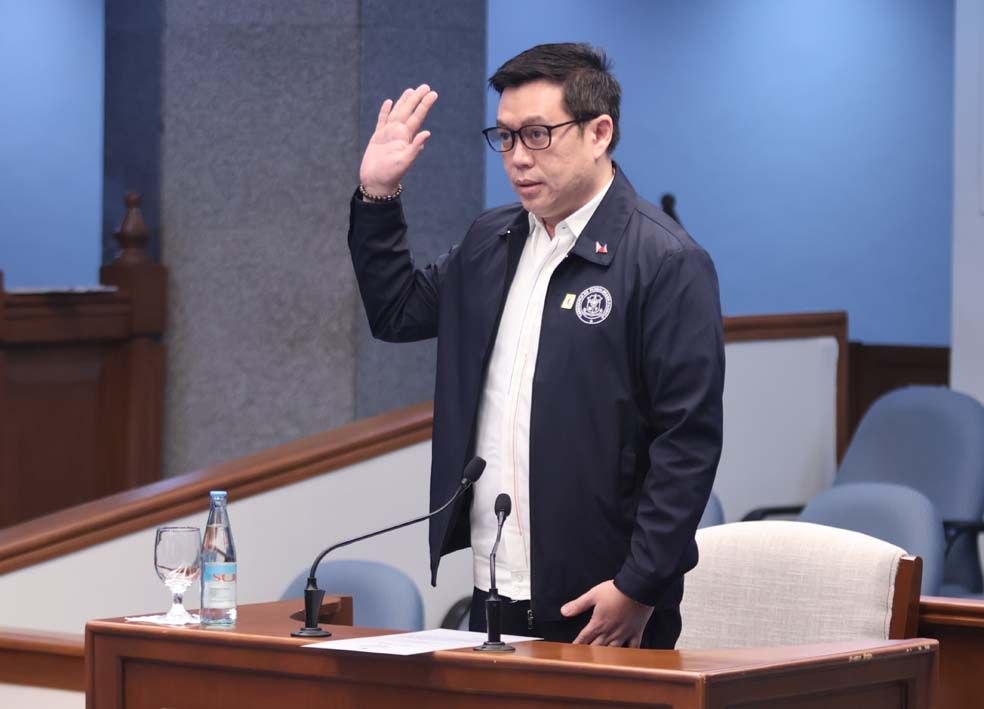
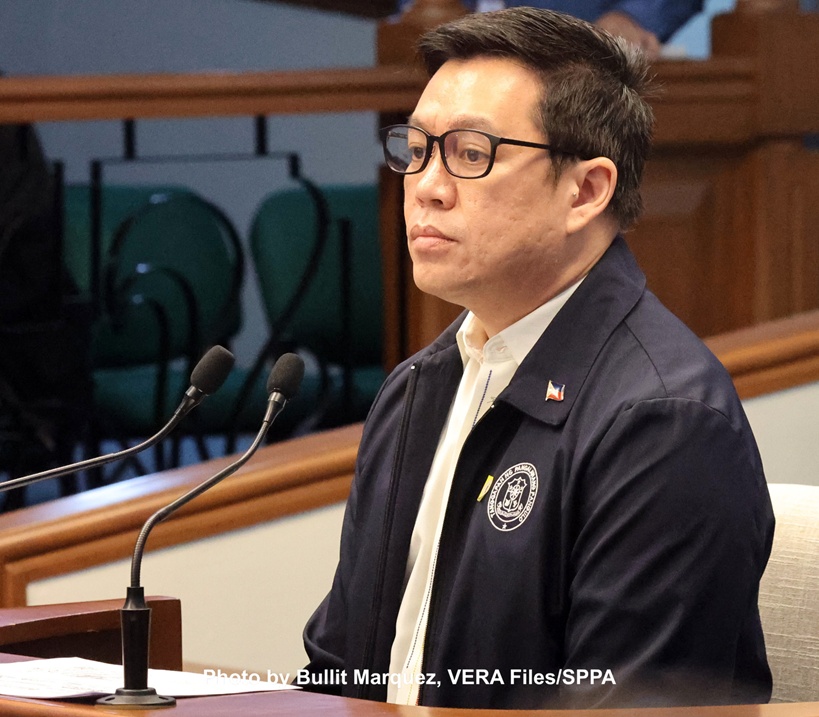
Assistant Secretary Lemuel Ortonio, the OVP assistant chief of staff, gave the most important testimony of the week.
He told the court that Duterte knew about and authorized the activities involving confidential funds under her office.
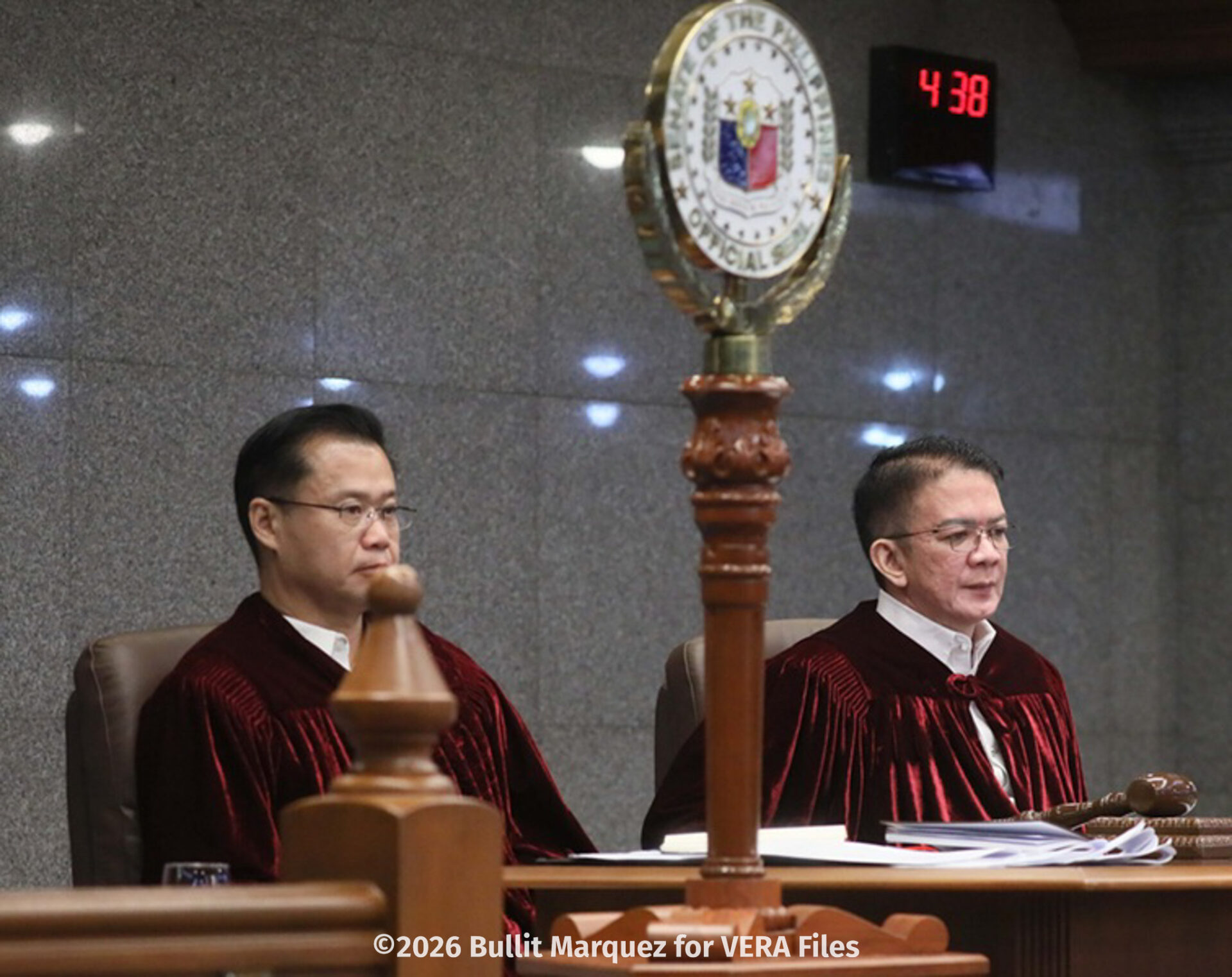
Asked by Presiding Officer Francis Escudero whether Duterte knew, supervised and authorized the entire process, from requesting the funds and withdrawing them to their release, spending, liquidation and responses to the Commission on Audit, Ortonio answered: “Yes, Your Honor.”
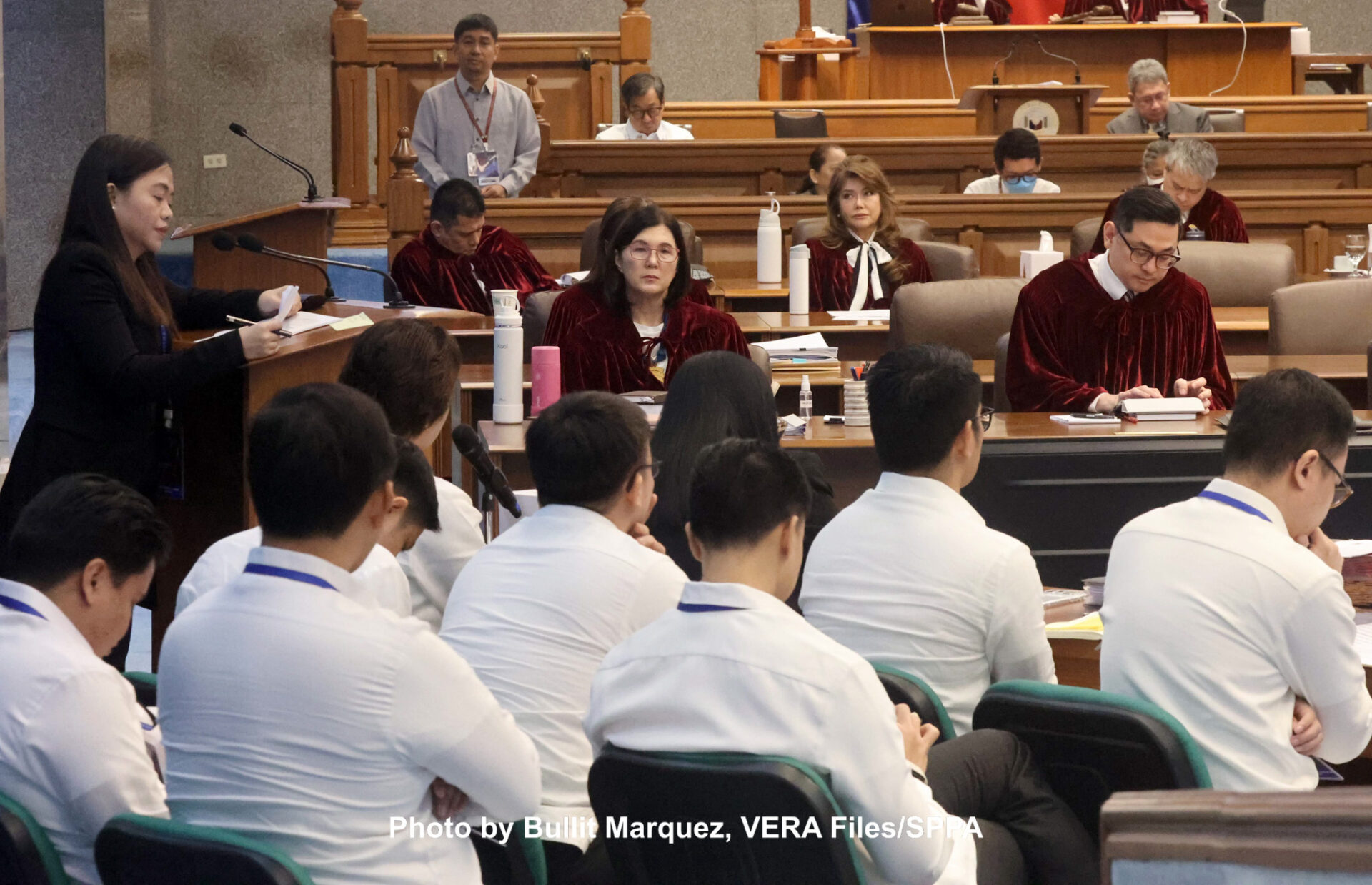
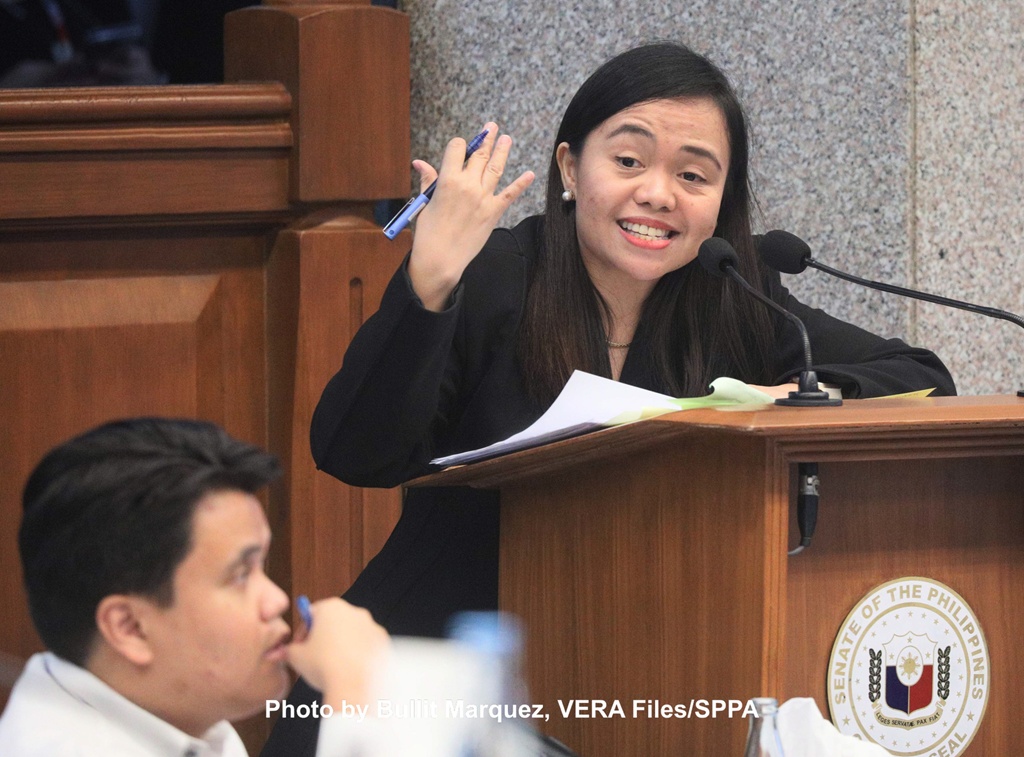
His testimony followed two days of questioning of Gina Acosta, Duterte’s former special disbursing officer, now a staff officer VI at the OVP.
A system of trust, or a break in accountability?
Acosta said she released P125 million in cash to Lachica on Duterte’s instructions in December 2022. The money was the first tranche of the P500 million in OVP confidential funds now under scrutiny, disbursed from December 2022 to September 2023.
But Acosta admitted that she did not personally know how Lachica spent the money. She said she relied on the documents he gave her when she prepared the liquidation reports.
The prosecution has questioned whether this arrangement broke the chain of accountability for public funds. Acosta acknowledged that Lachica was not a bonded OVP disbursing officer when she turned over the money to him.
The prosecution tried to show that the same system may have existed when Duterte was still mayor of Davao City.
Acosta testified that confidential funds there were also turned over to a security officer for implementation. The suggestion is that the practice may have followed Duterte from Davao City to the OVP.
The impeachment court, however, has yet to rule that these practices amounted to misuse of public funds or violated government rules.
The knowledge gap at the top
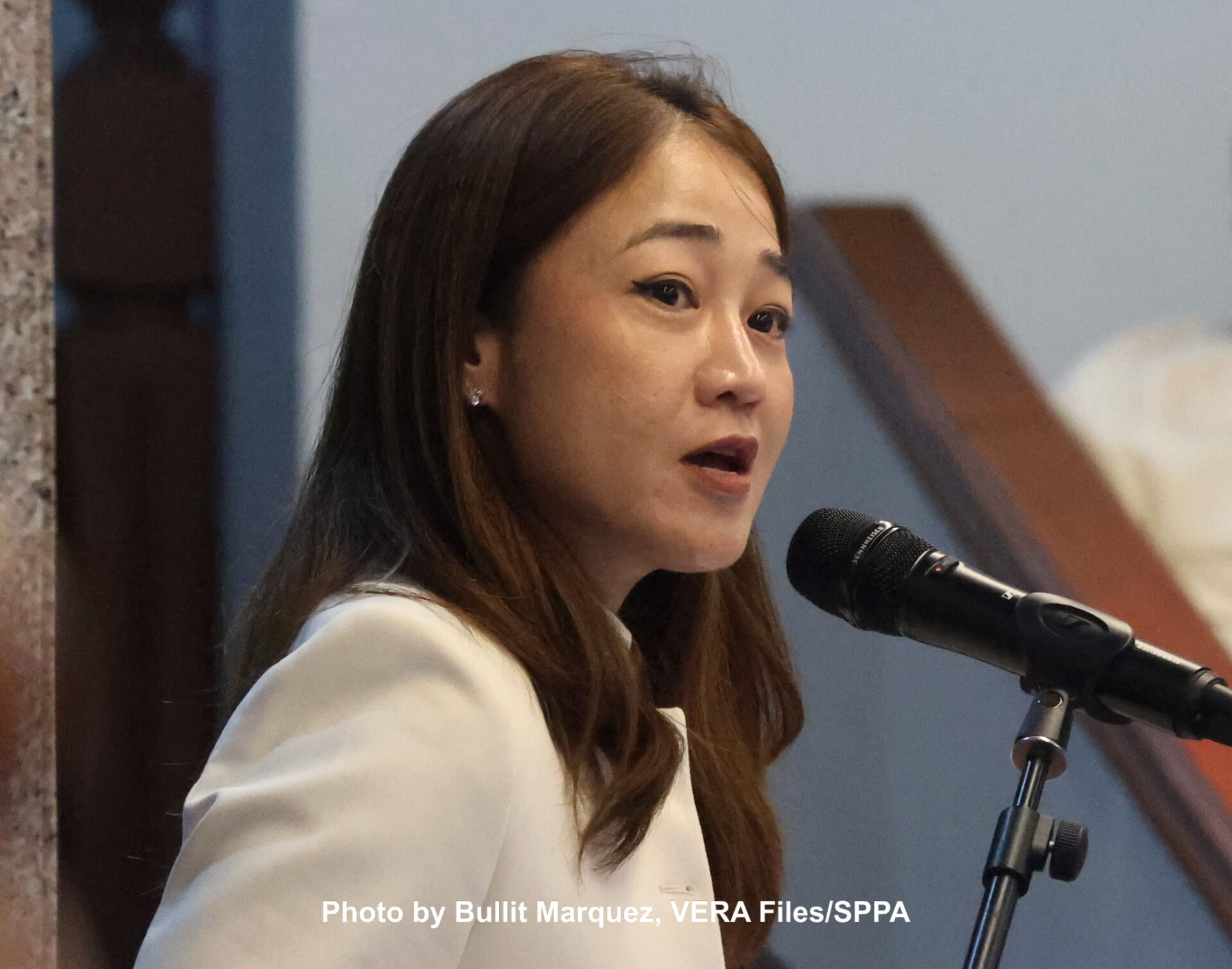
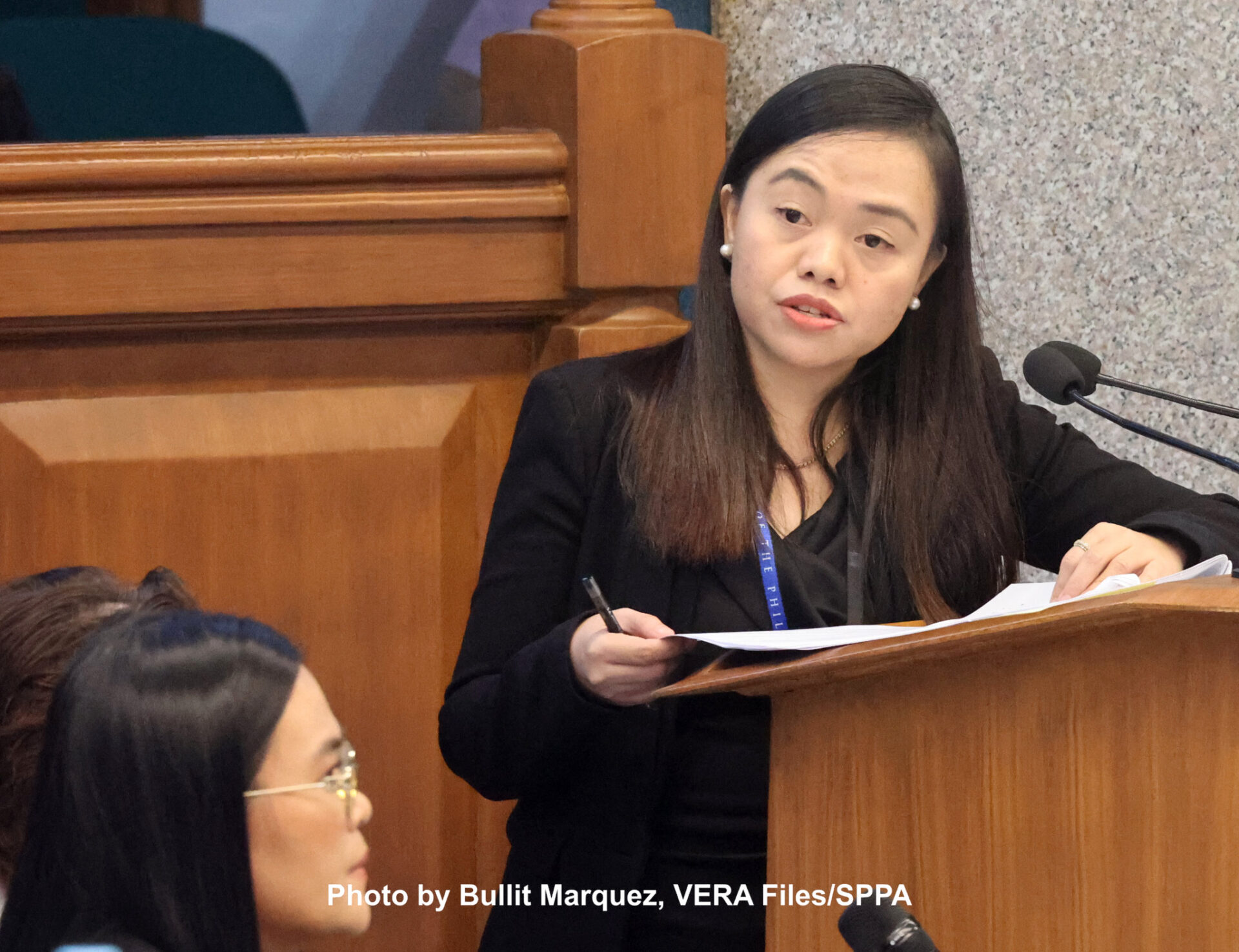
By Day 19, the questioning became more direct. Ortonio said he had no personal knowledge of how the confidential funds were spent, where the money went or which OVP programs received it.
He said he had no role in preparing liquidation reports, disbursing the money or recording the expenses.
Escudero then pointed out an apparent gap in the OVP’s chain of knowledge.
Ortonio confirmed that Duterte, chief of staff Zuleika Lopez and himself were the OVP’s three highest-ranking officials. Yet he agreed that he did not know how the confidential funds were actually used.
“Col. Lachica,” Ortonio said, knew the implementation as the security officer.
This meant that, based on the testimony, Duterte knew and authorized the activities as head of the agency, while Lachica knew how the operations were implemented on the ground.
On questioning by Senator-judge Risa Hontiveros, Ortonio said that Duterte was given copies and information related to the confidential funds and that documents sent to COA carried her final approval.
Asked whether Duterte was therefore the person most responsible, Ortonio said that, as head of the agency, he would say so.
The defense repeatedly objected to questions it considered misleading, vague or speculative. But Ortonio’s testimony, much of it elicited by Escudero and other senator-judges, pushed Duterte’s role to the center of the trial.
Where is Lachica?
That also made Lachica’s absence from the witness stand even more noticeable.
Acosta repeatedly identified him as the person who received the cash and implemented the confidential activities. Yet neither she nor Ortonio could directly explain to the court how the money was actually spent.
Acosta said she did not personally see Lachica give money to the supposed recipients listed in acknowledgment receipts.
Ortonio said he had no personal knowledge of where the funds went.
On Tuesday, Lachica issued a brief statement through the OVP, saying he is ready to “tell the truth” if lawfully called to testify, subject to security restrictions. But the prosecution has not yet decided whether to call him as a hostile witness.
That leaves a major question hanging over the case: If Lachica was the person who implemented the activities, will the court hear directly from him about where the money went?
The prosecution has placed him at the center of the money trail without yet putting him on the witness stand.
Court draws a line on sub judice
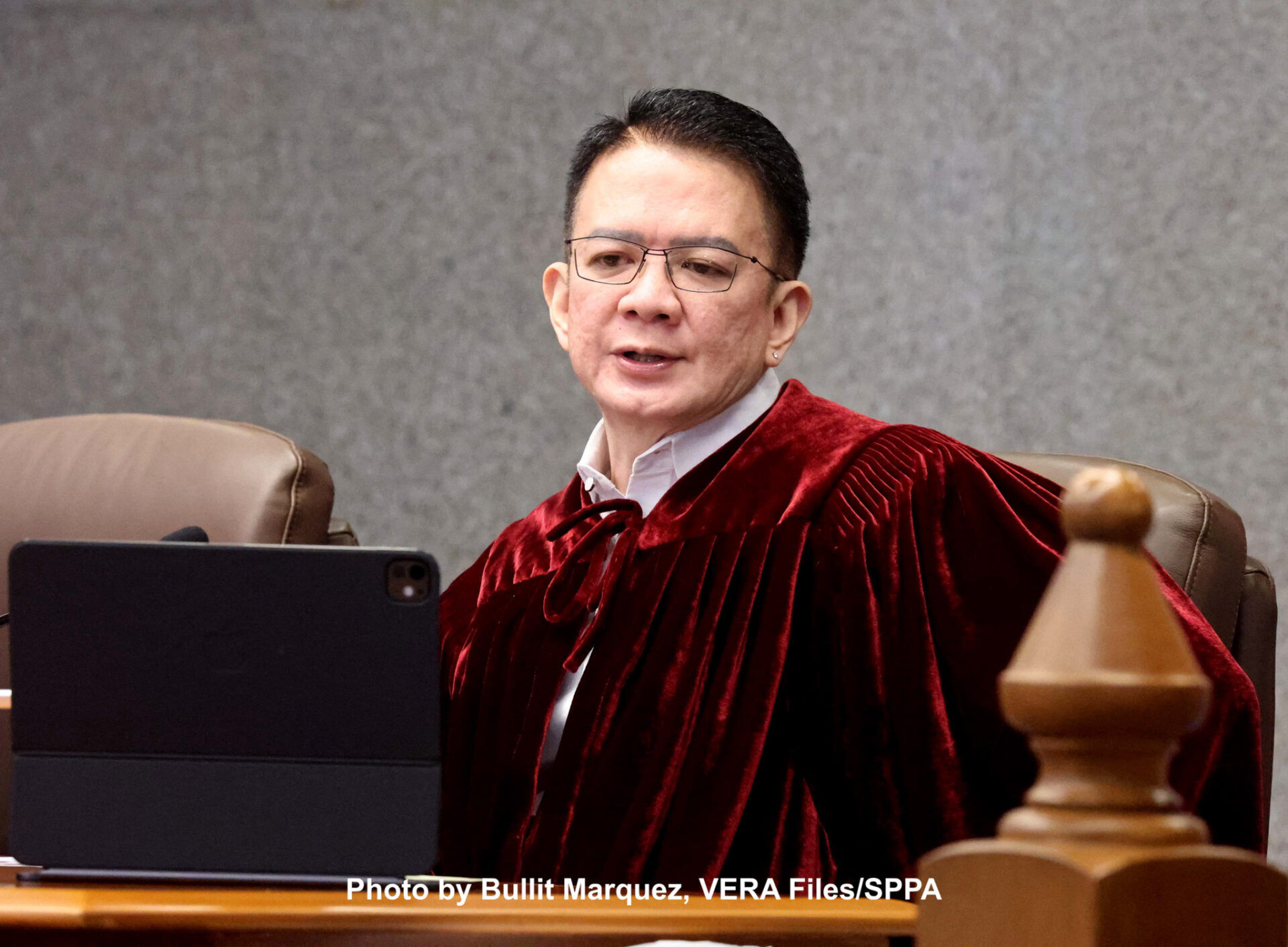
Day 19 also brought an important ruling on public comments about the trial.
Escudero laid down clearer rules on sub judice, prohibiting senator-judges and lawyers from both sides from making public statements about the substance or merits of the case.
The ruling came after complaints over public and social media comments by lawyers involved in the proceedings.
Escudero said earlier violations would not be punished, but warned that the rules would be enforced from now on.
Lawyers who violate the rule face a two-strike system. The first offense brings a public reprimand and stern warning. A second offense may result in a P30,000 fine and possible restrictions on speaking, objecting or examining witnesses during the trial.
Senator-judges may continue asking questions, but Escudero said they must do so with “cold neutrality.”
The senator-judges have become increasingly active in questioning witnesses, often probing issues that neither side has fully explored.
Padilla’s alias argument, and Bam’s quick rebuttal
Another major issue was the use of aliases in documents covering confidential fund transactions.
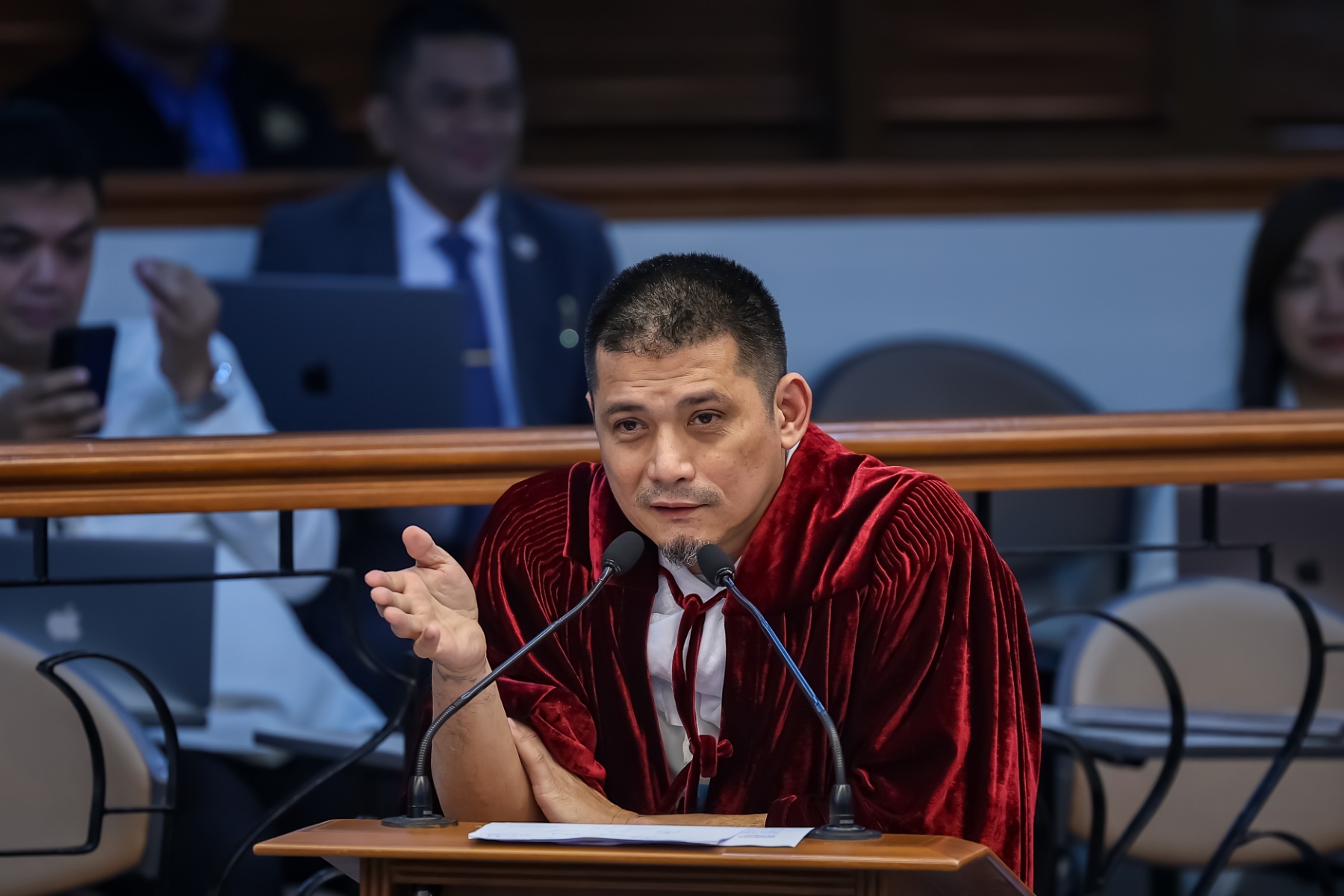
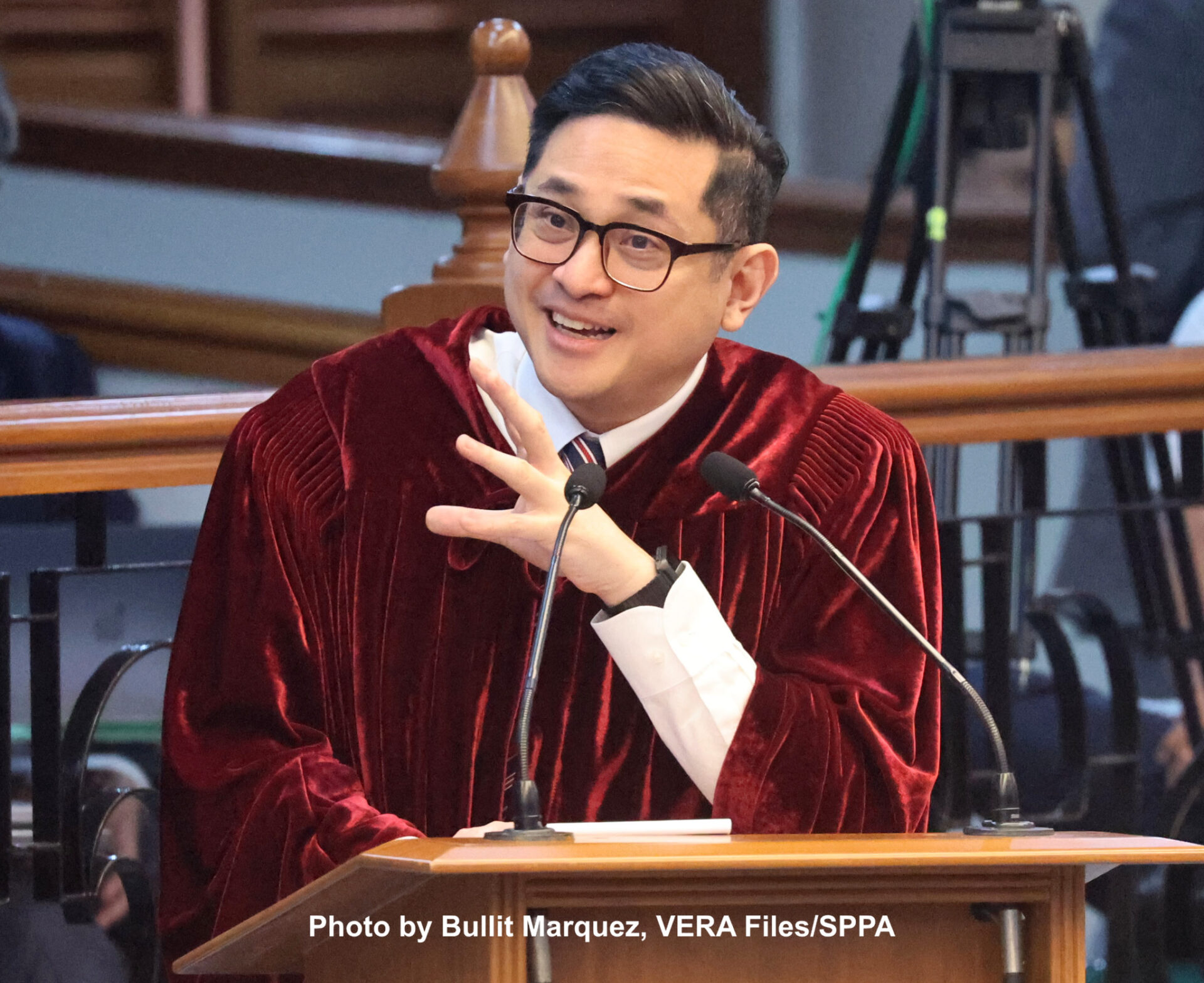
Sen. Robinhood Padilla argued that using an alias was not unusual, pointing to national heroes and political figures who used pseudonyms.
He mentioned Andres Bonifacio, Jose Rizal and former Sen. Benigno “Ninoy” Aquino Jr., who used the alias “Marcial Bonifacio.”
But Sen. Bam Aquino quickly pointed out the difference. Yes, Ninoy used an alias, he said. But he did not receive confidential funds.
That exchange captured the real issue before the impeachment court.
The question is not simply whether aliases can be used in confidential operations. The bigger question is whether the names on the acknowledgment receipts belonged to real people, whether those people actually received the money, and whether the payments were for legitimate confidential activities.
Senator-judge Panfilo Lacson suggested that the court may eventually subpoena documents to settle the issue.
Escudero said the impeachment court had the power to do so at the appropriate time.
The trail now leads to two people
Ortonio’s testimony made the lines of responsibility clearer.
Acosta placed Lachica at the center of the actual implementation and spending. Ortonio placed Duterte at the top of the chain of knowledge, authorization and approval.
The prosecution must still prove what actually happened to the money and whether any laws or rules were violated. But after three days of testimony, the case appears to have narrowed to a crucial gap in the evidence.
The person who authorized the activities was the vice president. The person who implemented them was her security chief.
The next question for the impeachment court is whether it will get a complete answer from either, or both, about exactly where the money went.